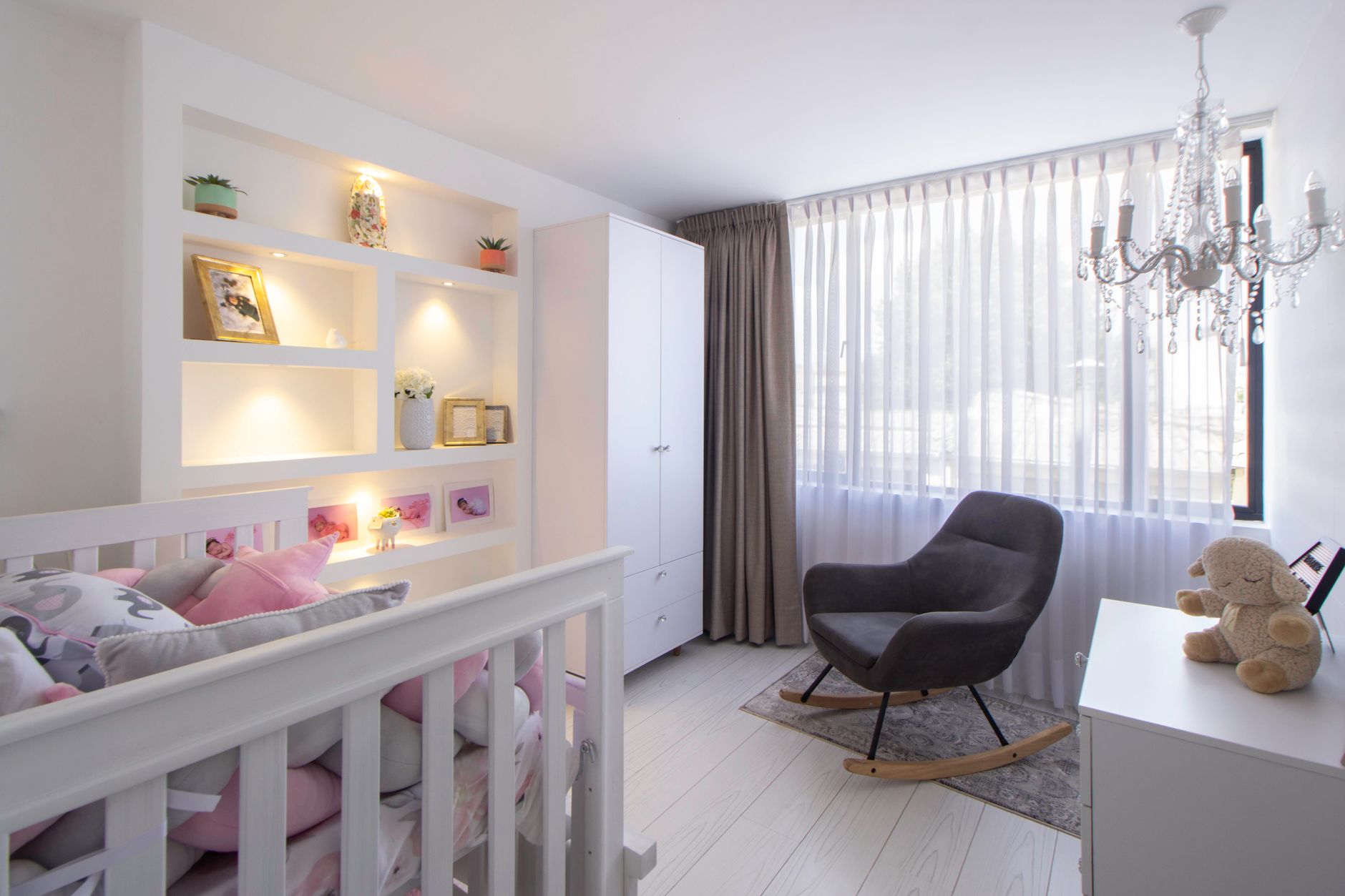
Sleep deprivation is arguably the toughest challenge for parents with two under two. Just when you think your toddler might be sleeping through the night, a newborn arrives with a completely different schedule. It's a relentless cycle that can test your physical and mental limits. However, with strategic planning and a willingness to adapt, you can find ways to maximize precious rest and keep your sanity intact.
Prioritizing Sleep: "Sleep When the Baby Sleeps" (or the Toddler Naps)
This classic advice is even more critical with two young children. While it might feel impossible to rest when there's always something to do, remember that your health and ability to care for your children depend on it. If your toddler still naps, try your best to nap when both children are sleeping. Even 20-30 minutes can make a difference. If napping isn't feasible, use that quiet time for a restful activity like reading, meditating, or simply sitting in silence. Resist the urge to tackle chores during every quiet moment; some tasks can wait. Prioritize rest over a perfectly clean house.
Creating a Family Sleep Strategy: Tag-Teaming with Partner
If you have a partner, open and honest communication about sleep is essential. Work together to create a "shift" system for night wakings. For example, one partner handles the early evening feeds, while the other takes the later night or early morning feeds. If you're breastfeeding, your partner can bring the baby to you for feeds and then take them back to settle, allowing you to stay in bed. Even an hour or two of uninterrupted sleep can feel like a luxury. Discuss this strategy before the baby arrives, and be prepared to adjust as needed. Remember, you're a team, and supporting each other through this intense period is crucial.
Safe Sleep Environments for Both
Ensure both your newborn and toddler have safe sleep environments. For newborns, this means a firm, flat surface without bumpers, blankets, or stuffed animals, ideally in the same room as you for the first 6-12 months, as recommended by the American Academy of Pediatrics (AAP). For your toddler, maintain their established sleep routine and environment as much as possible. If they've transitioned to a bed, ensure their room is childproofed and any potential hazards are removed. Consistency in sleep routines, even if they're different for each child, helps signal to their bodies that it's time to rest.
Dealing with Night Wakings and Disrupted Sleep
Expect night wakings. They are a normal part of infancy and toddlerhood. For your newborn, respond to their cues for feeding and comfort. For your toddler, try to maintain their established boundaries around night wakings, if possible. If they wake up because of the baby, gently reassure them and help them resettle in their own bed. Keep night interactions brief, dark, and quiet to reinforce that nighttime is for sleeping. Sometimes, a "dream feed" for the newborn before you go to bed can extend their sleep stretch, giving you a longer block of rest.
You might be familiar with false start bedtimes from your first child – when your baby wakes shortly after being put down for the night. This can be particularly frustrating when you're trying to get your toddler settled or grab a moment for yourself. Understanding the causes, like overtiredness or an incomplete sleep cycle, can help. Similarly, toddlers often experience sleep regressions around major developmental leaps or changes, like the arrival of a new sibling. Be prepared for these periods of disrupted sleep, knowing they are temporary. Focus on consistent routines, comfort, and, again, teamwork with your partner to ride out these waves.
Managing a Daily Schedule and Routine with Two Under Two
The idea of a perfectly synchronized schedule with a newborn and a toddler might seem like a fantasy. One is unpredictable, the other is a creature of habit (until they aren't!). However, creating a flexible routine, rather than a rigid schedule, can be your secret weapon for managing the day-to-day with two under two. It provides structure without stifling the natural rhythm of your babies' needs.
Why a Flexible Routine is Your Best Friend
A flexible routine offers a predictable flow to your day without demanding precise timing. It means you generally do things in the same order – wake, feed baby, breakfast with toddler, play, nap, etc. – but the exact start and end times can shift based on your children's needs. This adaptability is crucial because newborns don't follow clocks, and toddlers have their own unpredictable moments. A routine helps you mentally prepare for what's next, gives your toddler a sense of security, and ensures essential tasks get done. It’s less about "at 9 AM, we do X" and more about "after breakfast, we usually have playtime."
Sample Daily Routine for Two Under Two
While every family's routine will look different, here’s a sample to illustrate the concept. Adjust it to fit your children's ages, sleep patterns, and your family's lifestyle:
- Morning (6:30 AM - 9:00 AM): Wake up. Newborn feed. Toddler breakfast + independent play while you tend to baby. Family breakfast (if possible). Get dressed.
- Late Morning (9:00 AM - 12:00 PM): Active play/outing with toddler. Newborn feed/nap. Snack for toddler.
- Lunch (12:00 PM - 1:00 PM): Lunch for toddler. Newborn feed.
- Afternoon (1:00 PM - 4:00 PM): Toddler nap (or quiet time/independent play). Newborn feed/nap (this is your golden window for rest or self-care!).
- Late Afternoon (4:00 PM - 6:00 PM): Wake up toddler. Snack for both. Outdoor play/structured activity. Newborn feed.
- Evening (6:00 PM - 8:00 PM): Dinner for toddler. Newborn feed. Bath time for toddler. Bedtime routine for toddler. Newborn cluster feed.
- Night (8:00 PM onwards): Newborn feeds. Parent "down time."
The key is to integrate the newborn's needs around the toddler's existing schedule as much as possible, especially nap times, which can become your anchors.
Batching Tasks and Streamlining Chores
With two under two, efficiency becomes paramount. Batch similar tasks together. For example, instead of running the laundry multiple times a week, designate a "laundry day" (or two). Prepare multiple meals at once (batch cooking) or chop vegetables for several days. Keep cleaning minimal and targeted – focus on high-traffic areas and essential hygiene. Delegate tasks to your partner, older children, or any available support. A BumpBites mom mentioned, "I realized I couldn't do everything. So, I focused on feeding everyone, keeping the house safe, and getting some sleep. Everything else was a bonus."
The Power of Independent Play for Your Toddler
Fostering independent play in your toddler is a game-changer. Dedicate a safe, child-proofed area with engaging toys. Start with short periods (5-10 minutes) and gradually increase the time. You might be surprised at how long they can entertain themselves once they get used to it. This provides you with crucial moments to feed the baby, prepare a snack, or simply sit down for a minute. Rotate toys to keep things fresh and interesting. Praise their independent play to encourage more of it. It’s not just about giving you a break; it also builds valuable skills in your toddler like creativity, problem-solving, and self-reliance.
Tips for Feeding Two Babies Under Two Years Old
Feeding two young children with different nutritional needs can feel like a constant juggle. Whether you're breastfeeding, bottle-feeding, or navigating solids with a toddler, strategy and flexibility are your best friends. The goal is to ensure both children are well-nourished while minimizing stress for you.
Breastfeeding Strategies with a Toddler
If you're breastfeeding your newborn, finding comfortable and practical ways to do so with a toddler around is essential. Many moms find success by nursing the baby while the toddler is engaged in an activity (e.g., watching a show, playing with a special toy, or reading a book with a caregiver). Create a "nursing station" with snacks for your toddler, drinks for you, and anything else you might need within reach. Tandem nursing (feeding both children simultaneously) is an option for some, but it requires practice and comfort. Don't feel pressured to do it if it doesn't work for you. Remember that having kids two years apart means you're often juggling different developmental needs, including feeding.
Sometimes, your toddler might want to "nurse" too, even if they've been weaned. Offer comfort, a special snack, or a drink in a cup instead. Reassure them of your love and attention. If you're struggling with breastfeeding, reach out to a lactation consultant or your healthcare provider; they can offer personalized advice and support.
Bottle-feeding, whether with pumped breast milk or formula, offers flexibility that can be a huge benefit with two under two. Your partner or another caregiver can help with feeds, allowing you to rest, spend time with your toddler, or tackle other tasks. Prepping bottles in advance can save precious time. Consider a formula dispenser that pre-measures powder for quick night feeds. If you're using formula, discuss options with your pediatrician to find the best fit for your baby.
When bottle-feeding, you might find yourself feeding both children at the same time. This could involve bottle-feeding the baby while your toddler eats a snack, or even having your partner bottle-feed one child while you attend to the other. Embrace whatever works for your family to ensure both children are fed and cared for.
Meal Prep for Older Siblings and Parents
Toddlers are notorious for their unpredictable appetites and picky phases. Having easy, healthy meal options on hand is crucial. Dedicate one day a week to meal prepping toddler-friendly snacks and meals, such as chopped fruits and vegetables, mini muffins, pasta salads, or hard-boiled eggs. Freeze portions of soups, stews, or casseroles for quick adult meals. Slow cookers and instant pots can become your best friends for set-it-and-forget-it dinners. Focus on simple, nutritious foods that require minimal effort to prepare.
Eating on the Go and Quick Meal Ideas
Life with two under two means you'll often be eating on the go or needing quick meal solutions. Stock your pantry with non-perishable snacks like whole-grain crackers, fruit pouches, and nuts (for you). Keep a cooler bag packed with cheese sticks, yogurt, and cut-up veggies for quick outings. Embrace "assembly-only" meals like sandwiches, wraps, quesadillas, or grazing platters with cheese, crackers, and fruit. Don't be afraid to serve breakfast for dinner or rely on healthy convenience foods when you're truly stretched for time. The goal is fed, not fancy.

How to Handle Sibling Jealousy with Two Under Two
It's completely normal for a toddler to experience jealousy when a new baby arrives. They've been the center of your universe, and suddenly, they have to share your attention, time, and even your lap. This can manifest in various ways, from regression (like wanting a bottle or a pacifier again) to increased tantrums or attention-seeking behaviors. Understanding these feelings and having strategies to address them can help foster a strong, loving sibling bond from the start.
Understanding Toddler Emotions
Toddlers lack the language and emotional regulation skills to express complex feelings like jealousy, frustration, or sadness effectively. Their reactions often come out as behavior. A toddler who is hitting the baby or throwing a tantrum might actually be feeling overwhelmed, insecure, or yearning for your undivided attention. Instead of punishing the behavior, try to acknowledge the underlying emotion. You might say, "I see you're feeling frustrated right now," or "It's hard when mommy is busy with the baby, isn't it?" Validating their feelings, even if you can't always give them what they want, can go a long way.
Fostering Connection: Special "Toddler Time"
One of the most effective ways to combat jealousy is to ensure your toddler still receives one-on-one attention. Even 10-15 minutes of dedicated "toddler time" each day, where you put away your phone and fully engage with them, can fill their emotional cup. This could be reading a book, building blocks, or simply chasing them around the yard. Let your toddler choose the activity. This special time reaffirms their importance and reminds them that your love for them hasn't diminished. Many women tell us that this focused attention is a game-changer for their toddler's behavior and their own feelings of connection.
Involving Your Toddler in Baby Care
Toddlers love to "help." Give them age-appropriate tasks that make them feel useful and part of the baby's care. They can fetch a diaper, hand you a burp cloth, or sing a song to the baby. Praise their efforts enthusiastically. Frame the baby as "their" baby, and talk about all the fun things they'll do together when the baby gets bigger. You might say, "Wow, you're such a great big sister/brother helping me with the baby!" This involvement transforms the baby from a rival for attention into a shared family project.
Managing Tricky Moments and Outbursts
When jealousy boils over, stay calm. Separate the children if necessary to ensure everyone's safety. Avoid saying, "Be nice to your brother/sister!" as this can foster resentment. Instead, focus on the behavior: "We don't hit. Hands are for gentle touches." Offer alternatives to express their feelings, like drawing a picture of what makes them angry or hugging a stuffed animal. Remember, their world has been turned upside down, and they're learning how to navigate big feelings. Consistency, clear boundaries, and lots of love and reassurance are your best tools.
Essential Gear for Two Under Two: What You Really Need
When you have two under two, minimizing clutter and maximizing efficiency becomes a mantra. While it might feel like you need to buy everything double, often, smart choices and multi-functional items are far more valuable. Focus on gear that simplifies your life, keeps your children safe, and fits your lifestyle, not just what's trendy.
Double Strollers and Carriers
A reliable way to transport two young children is paramount. Double strollers come in various configurations: side-by-side, tandem (front-to-back), or sit-and-stand. Consider your lifestyle. Do you need something compact for city living, or a robust stroller for suburban walks? A double stroller that can accommodate a car seat for the newborn and a seat for the toddler is ideal. Alternatively, a baby carrier for the newborn paired with a single stroller for the toddler is a popular choice for many parents, offering flexibility and keeping the baby close. For outings with two under two, having a comfortable carrier can be a lifesaver.
Cribs, Bassinets, and Safe Sleep Spaces
While your toddler might still be in a crib, your newborn will need their own safe sleep space. A bassinet for the first few months, positioned next to your bed, is a great option for easy night feeds. Eventually, the baby will transition to a crib. If your toddler is still in a crib, you might consider transitioning them to a "big kid bed" well before the baby arrives, to avoid any association of being "kicked out" for the new baby. Ensure all sleep spaces meet current safety standards.
Feeding Essentials: High Chairs, Bottles, Pumps
You'll likely need two high chairs or a high chair for your toddler and a baby seat that attaches to a regular chair for your newborn when they start solids. For bottle-feeding, having enough bottles to get through the day (or two) without constant washing is a sanity saver. If you're pumping, a good quality breast pump and enough storage bottles or bags are essential. Consider a hands-free pumping bra to allow you to tend to your toddler while pumping.
Playpens and Safe Zones
A large playpen or a well-gated area can be an absolute lifesaver. This creates a safe, contained space for either the baby (when you need to step away with the toddler) or the toddler (when you need to focus on the baby, like during a diaper change or feeding). It provides peace of mind, knowing one child is secure while you attend to the other. Look for playpens that are easy to set up, clean, and large enough for comfortable play.
Essential Gear Checklist for Two Under Two
Here’s a quick overview of what you’ll likely find most useful:
Self-Care Tips for Moms with Two Kids Under Two
It's easy to feel like self-care is a luxury you can't afford when you have two under two. You're constantly needed, and your own needs often fall to the bottom of the list. However, prioritizing self-care isn't selfish; it's essential for your well-being, your mental health, and your ability to be the parent you want to be. Even small, consistent efforts can make a significant difference.
Redefining Self-Care: Tiny Moments Count
Forget the idea of long spa days or uninterrupted weekends away (for now!). With two under two, self-care often looks different. It's about grabbing tiny moments throughout your day. This could be enjoying your coffee while it's still hot, taking a 5-minute shower alone, listening to a favorite podcast while you fold laundry, or stepping outside for a few breaths of fresh air. One reader shared, "My self-care was sitting in my car for five minutes in silence before going into the grocery store. It wasn't glamorous, but it reset me." These micro-moments add up and help you recharge your batteries.
Prioritizing Your Mental Health and Seeking Support
The emotional toll of raising two young children can be immense. Be honest with yourself about how you're feeling. Signs of postpartum depression or anxiety, such as persistent sadness, overwhelming worry, or a lack of interest in things you once enjoyed, should not be ignored. Talk to your partner, a trusted friend, or your healthcare provider. Organizations like the American Psychological Association (APA) emphasize the importance of seeking professional help for mental health concerns. There is no shame in needing support, and addressing these feelings early is crucial for your well-being and your family's.
Delegating and Asking for Help
This is not the time to be a superhero. Identify tasks you can delegate or ask for help with. Can your partner take over bedtime routine for the toddler while you feed the baby? Can a friend bring over a meal? Can grandparents watch the children for an hour so you can get a break? Be specific about what you need. People often want to help but don't know how. A simple text like, "Could you pick up milk when you're at the store?" or "Would you mind watching the kids for 30 minutes so I can shower?" is often all it takes. Remember, accepting help is a sign of strength, not weakness.
Connecting with Your Partner and Maintaining Your Relationship
Your relationship with your partner can easily get sidelined when you're focused on two little ones. Make a conscious effort to connect, even in small ways. This could be a quick chat after the kids are asleep, holding hands while watching TV, or sharing a meal together once the children are down. Plan "date nights" at home – order takeout, put on a movie, and just enjoy each other's company. Discuss your struggles and triumphs openly. Your partnership is the foundation of your family, and nurturing it is a vital form of self-care for both of you.
Don't try to do this alone. Connect with other parents who understand what you're going through. Join local mom groups, online forums, or playgroups. Having a community of support, whether it's friends, family, or other parents, provides a vital emotional outlet and practical assistance. Sharing experiences, swapping tips, and simply knowing you're not the only one facing these challenges can be incredibly validating. Remember, having kids two years apart creates a unique bond with other parents in the same situation.

How to Get Out of the House with Two Under Two
The thought of leaving the house with a newborn and a busy toddler can feel like planning a military operation. The sheer amount of gear, the unpredictable meltdowns, and the logistics can be enough to make you want to stay home forever. But getting out is vital for your mental health and for providing new experiences for your children. With a few strategies and a shift in mindset, you can navigate public outings with greater ease.
The Art of the Pre-Packed Bag
Your diaper bag needs to be a highly organized, multi-purpose survival kit. Always have it packed and ready to go. Think about what each child needs: diapers, wipes, a change of clothes for both, snacks (for toddler and you!), a small toy or book for the toddler, pacifiers, burp cloths, and a bottle or two (if formula feeding). A separate small bag with your essentials (wallet, keys, phone) that you can grab quickly is also helpful. The goal is to minimize last-minute scrambling and ensure you have everything you need to handle common emergencies like diaper blowouts or hunger meltdowns. For more specific advice, check out our guide on outings with two under two.
Choosing Your Outing Wisely
Start small. Don't plan a marathon shopping trip or a fancy restaurant meal for your first few outings. Begin with short, manageable trips: a walk around the block, a quick run to a nearby park, or a drive-thru coffee stop. Gradually increase the complexity of your outings as you gain confidence. Choose destinations that are child-friendly and have amenities like changing tables and family restrooms. Going during off-peak hours can also reduce stress by avoiding crowds. Remember, the goal is successful exposure, not perfection.
Managing Logistics: Car Seats and Transitions
Car seats are a non-negotiable part of getting out, and getting two children buckled in can be a workout. Develop a routine: secure the toddler first, then the baby. Have everything you need for the car ride within reach. When arriving at your destination, think about your transition strategy. Will you use a double stroller, a baby carrier, or will your toddler walk? Practice these transitions at home if possible. Patience is key; rushing usually leads to more stress and meltdowns.
Embracing Imperfection and Asking for Help
Expect things to go wrong. Diaper explosions happen. Toddlers will have public meltdowns. Babies will cry. It’s part of the journey. Embrace imperfection and let go of the need for every outing to be flawless. People will stare, but most of them are either sympathetic parents who've been there or strangers who will soon forget. Don't hesitate to ask for help – someone to hold a door, carry a bag, or simply offer a kind word. Most people are willing to lend a hand, especially to a parent juggling two little ones. And remember, every successful outing builds your confidence for the next one.
Myth vs. Fact: Life with Two Under Two
There are many preconceived notions about having two children close in age. Let's separate the myths from the facts to give you a clearer picture.
Myth: Having two under two means you'll never sleep again.
Fact: While sleep deprivation is a significant challenge, it's not a permanent state. Most parents develop strategies (like tag-teaming with a partner or prioritizing naps) to get enough rest to function. Babies do eventually sleep longer stretches, and toddlers solidify their sleep habits. It's a demanding season, but it has an end.
Myth: Your older child will resent the baby forever.
Fact: Sibling jealousy is a normal and temporary phase. With consistent reassurance, one-on-one time, and involving your toddler in baby care, most children adjust and develop deep, loving bonds with their younger siblings. The close age gap often leads to strong friendships later on as they have similar interests and developmental stages.
Myth: You need to buy double of everything for two under two.
Fact: You definitely don't need double of *everything*. While some items like car seats and cribs are individual, many things can be shared or repurposed. Focus on essential, multi-functional gear. Often, you already have many items from your first child that can be used again. Smart choices and a minimalist mindset can save you money and reduce clutter.
Key Takeaways
- Preparation is key: Involve your toddler, adjust routines early, and stock up on essentials before the baby arrives.
- Prioritize sleep: Work with your partner to create a tag-team sleep strategy and grab rest whenever possible.
- Embrace flexible routines: Structure your day with a predictable flow, but be ready to adapt to your children's needs.
- Streamline feeding: Plan meals, prep snacks, and utilize strategies for breastfeeding or bottle-feeding both children efficiently.
- Foster sibling bonds: Provide one-on-one "toddler time," involve your older child in baby care, and validate their emotions to minimize jealousy.
- Invest in smart gear: Choose essential, multi-functional items like double strollers and playpens to simplify your daily life.
- Get out of the house: Start with small, manageable outings, have a well-packed bag, and embrace imperfection.
- Prioritize self-care: Redefine self-care as tiny, consistent moments, and don't hesitate to ask for and accept help.
- Build your village: Connect with your partner, friends, family, and other parents for invaluable support and shared experiences.
Frequently Asked Questions
Is 2 under 2 hard?
Yes, having two children under two years old is generally considered one of the most challenging phases of early parenthood. The demands of a newborn combined with a highly mobile, curious toddler often lead to significant sleep deprivation, constant juggling of needs, and limited personal time. However, it's also incredibly rewarding, and many parents find that the close age gap eventually leads to a strong sibling bond and shared interests.
How do you survive 2 under 2?
Surviving two under two involves a combination of strategies: prioritizing sleep whenever possible (even short naps), creating a flexible daily routine, building a strong support system with your partner and community, streamlining household tasks, and making self-care a non-negotiable priority, even if it's just for a few minutes. Embracing imperfection and letting go of unrealistic expectations are also crucial for maintaining your sanity.
What is the hardest age gap between siblings?
Many parents and experts consider the "two under two" age gap (less than 24 months apart) to be among the most challenging initially due to the intense physical demands and the fact that neither child is fully independent. While a larger age gap might have different challenges, the immediate postpartum period with two very young, highly dependent children often presents the steepest learning curve for parents.
How do you manage two babies at once?
Managing two young children at once requires efficiency and strategic planning. This includes developing a flexible routine, batching tasks like meal prep and laundry, creating safe play zones for independent play, using baby carriers or double strollers for mobility, and tag-teaming with a partner for sleep and childcare. Focusing on meeting essential needs and letting go of perfection is key.
What is the best age gap between siblings?
There is no single "best" age gap between siblings; it truly depends on individual family circumstances, preferences, and readiness. Smaller age gaps (e.g., two under two) can be intense initially but often lead to close sibling bonds. Larger age gaps (e.g., 3+ years) might allow the older child to be more independent and helpful, but siblings might have fewer shared interests early on. Each age gap comes with its own set of advantages and challenges.
How do you prepare for a second baby with a toddler?
Preparing for a second baby with a toddler involves several steps: involving your toddler in the pregnancy and baby preparations, adjusting their routines well in advance (e.g., crib to bed transition), childproofing your home for two little ones, stocking up on freezer meals and essentials, and discussing a clear division of labor with your partner for the postpartum period. Focus on making your toddler feel loved and included.
When to See a Doctor / Specialist
While the challenges of two under two are normal, it's important to recognize when you or your children might need professional support. Trust your instincts.
- For the mother: If you experience persistent feelings of sadness, anxiety, hopelessness, extreme fatigue that doesn't improve with rest, thoughts of harming yourself or your children, or a loss of interest in activities you once enjoyed, please reach out to your OB/GYN, primary care provider, or a mental health professional immediately. These could be signs of postpartum depression or anxiety, which are treatable conditions.
- For your children: If you have concerns about your newborn's feeding, sleep, or development, or if your toddler's behavior changes are severe, persistent, or concerning (e.g., extreme aggression, significant developmental regression), consult your pediatrician. They can assess the situation and provide guidance or referrals.
- For the family: If you and your partner are struggling to communicate, feeling overwhelmed, or experiencing significant conflict, consider seeking support from a family therapist or counselor.
This article is for informational purposes only and is not a substitute for professional medical advice, diagnosis, or treatment. Always seek the advice of your physician or other qualified health provider with any questions you may have regarding a medical condition.
References
- American Academy of Pediatrics. (2022). AAP Issues New Safe Sleep Recommendations to Protect Against SIDS.
- American Psychological Association. (n.d.). Postpartum Depression.
- Mayo Clinic. (n.d.). Bringing home baby when you have a toddler.
- Centers for Disease Control and Prevention. (n.d.). Child Development.
- National Institute of Mental Health. (n.d.). Postpartum Depression.