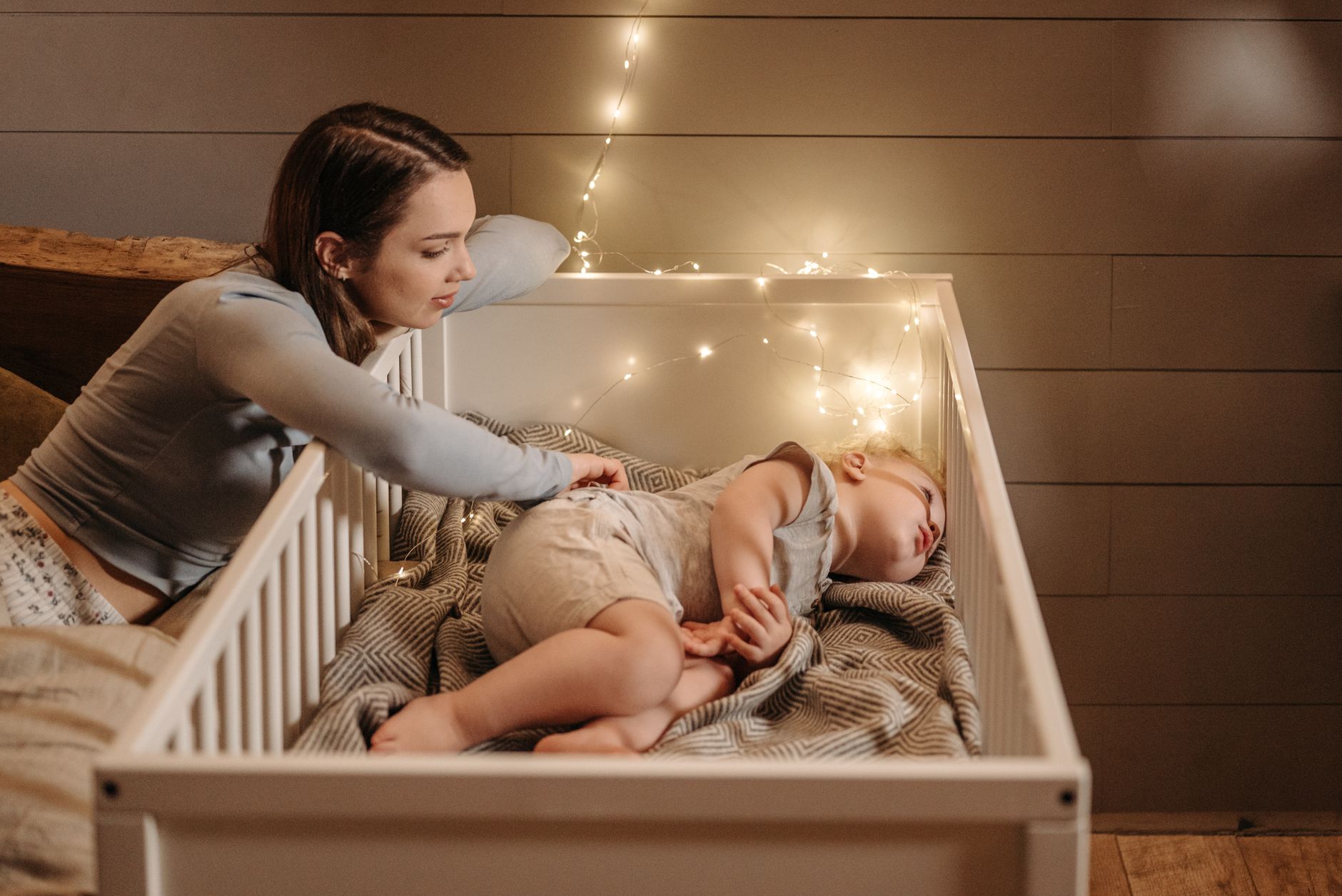
Recognizing the pattern early helps you intervene before it becomes a nightly struggle. Look for these tell‑tale signs:
- Baby appears drowsy, settles briefly, then awakens within 5–20 minutes.
- After each wake‑up, the baby demands the same soothing technique you used to start bedtime (e.g., rocking, feeding, or a pacifier).
- Nighttime feedings become more frequent without a clear hunger cue.
- Baby’s overall mood during the day is more irritable or “tired‑but‑still‑awake.”
- Sleep logs show a consistent “sleep‑then‑wake‑then‑sleep” pattern for at least three consecutive nights.
These signs differ from typical newborn “sleep‑in‑short‑bursts” because the baby initially seems ready for a longer stretch but then reverts to a false start pattern. If you notice a cluster of these markers, it’s time to apply the reset routine.
In addition, pay attention to any subtle changes in feeding volume or diaper output. A sudden dip in wet diapers or a shift from a steady weight gain trajectory can signal that the baby’s sleep disruption is affecting nutrition, prompting a quicker call to your pediatrician.
What causes a false start bedtime in infants?
Several triggers can spark a false start bedtime baby scenario. Understanding the root cause lets you address it directly.
Common causes and triggers
- Over‑tiredness. When a newborn’s sleep pressure builds too high, the body releases stress hormones that make it harder to stay asleep.
- Inconsistent sleep cues. Switching between swaddling, sleep sacks, or different lullabies can confuse the baby’s internal clock.
- Feeding schedule mismatches. Feeding too close to bedtime or with a large volume can cause reflux or a full stomach that triggers waking.
- Environmental changes. New sounds, temperature fluctuations, or bright nightlights can startle a baby out of a light sleep stage.
- Developmental milestones. Around 4–6 months, babies experience “sleep‑training” leaps as they become more aware of their surroundings.
- Colic or gut discomfort. Excess gas or intestinal cramping can cause sudden awakenings that mimic a false start bedtime.
Most of these factors are modifiable. Adjusting one or two can often dissolve the false start pattern within a week or two. For example, a simple change such as moving the night‑feed to a quieter corner of the kitchen can reduce stimulation and help the baby settle more fully.
Guidelines from the American College of Obstetricians and Gynecologists (ACOG) suggest that a consistent feeding‑to‑sleep routine, paired with a calm environment, reduces the likelihood of early‑night awakenings caused by hunger or discomfort (ACOG, 2022).
False start bedtime baby vs regular bedtime: key differences
It’s easy to think any night waking is “normal,” but a false start bedtime baby has distinctive characteristics compared with a regular bedtime schedule.
When you notice these differences, it’s a sign that the bedtime routine needs a reset rather than simply more sleep.
The National Health Service (NHS) in the UK notes that infants who consistently show these patterns may benefit from a structured sleep plan that emphasizes cue consistency and a calm environment (NHS, 2023). Implementing such a plan often resolves the false start issue within a few weeks.
Best bedtime routine after a false start bedtime (schedule tips for parents)
Once you’ve reset the night, a solid routine helps prevent future false starts. Below is a practical schedule you can adapt for a newborn (0‑3 months) and a 6‑month‑old alike.
Key points: keep the order the same each night, limit stimulation after the final soothing cue, and keep the environment dark but safe. If you notice a false start after following this schedule, refer back to the reset steps in the first section.
Remember that flexibility is still important. If a feeding is missed or a diaper change is needed, address the need quickly but return to the established cue as soon as possible. This “quick‑fix‑and‑reset” approach aligns with recommendations from the FDA on safe infant sleep environments, emphasizing the need for a consistent sleep surface and minimal disruptions (FDA, 2022).
How to reset a false start bedtime routine for a 6‑month‑old
Six months is a transitional age—babies are developing self‑soothing skills while still needing parental reassurance. A false start bedtime at this stage can feel especially frustrating.
Specific reset steps for a 6‑month‑old
- Re‑evaluate daytime naps. Too much daytime sleep can create overtiredness at night. Aim for 2–3 naps totaling 3–4 hours.
- Introduce a “sleep‑only” cue. A soft plush toy with a scent that you only use at bedtime can signal the brain that it’s time to stay asleep.
- Limit night feeds. If the baby wakes at 2 a.m. without a clear hunger cue, try a brief soothing pat instead of a full feed.
- Practice “gradual retreat.” Start the night by sitting next to the crib, then each night move a foot farther away until you’re out of the room.
- Use a consistent “goodnight” phrase. A simple, calm phrase like “Sleep now, sweet one” repeated each night builds a verbal cue.
Most parents report noticeable improvement within 5–7 days when these steps are applied consistently. The American Academy of Pediatrics (AAP) highlights “gradual retreat” as a gentle method that respects the infant’s need for security while encouraging independent sleep (AAP, 2023).
It’s also worth noting that some infants develop a preference for a particular texture or scent at this age. Experimenting with a lightly scented lavender washcloth (used only at bedtime) can reinforce the bedtime association, but always ensure the scent is mild and safe for infant skin, per FDA fragrance guidelines.
How long does a false start bedtime typically last, and what’s the 2026 sleep regression timeline?
Research from the American Academy of Pediatrics (AAP) and recent 2026 sleep‑development surveys suggest that false start bedtime episodes usually resolve within 2–4 weeks if the underlying triggers are addressed.
2026 sleep regression timeline for infants
- 0‑3 months: Frequent short sleep cycles; false starts are common.
- 4‑6 months: Developmental leap (rolling, teething) often brings a 2‑week regression.
- 7‑9 months: Separation anxiety may cause night waking spikes.
- 10‑12 months: Consolidation of night sleep; false starts usually fade.
If a false start bedtime baby persists beyond six weeks or is accompanied by feeding concerns, it’s time to involve a pediatrician. The NHS advises that prolonged sleep disturbances beyond the typical regression periods warrant a professional assessment (NHS, 2023).
When should you seek pediatric advice for false start bedtime issues?
Most false start bedtime patterns are benign, but certain red‑flag symptoms merit professional evaluation.
- Baby loses weight or fails to gain weight appropriately.
- Frequent vomiting or signs of gastroesophageal reflux after feeds.
- Persistent crying (>3 hours) that does not improve with soothing.
- Signs of apnea (pauses in breathing) or bluish lips.
- Daytime sleepiness that interferes with feeding or alertness.
If any of these appear, contact your pediatrician promptly. A specialist such as a pediatric sleep consultant or a pediatric gastroenterologist may be recommended.
How do false start bedtime episodes affect night waking, feeding, colic, and overall sleep development?
While a false start bedtime baby is primarily a sleep‑pattern issue, it can ripple into other areas of infant health.
Night waking patterns
False starts often lead to “clustered” wake‑ups—multiple awakenings within a short window (e.g., 1‑2 a.m. to 3 a.m.). This can make it harder for the baby’s circadian rhythm to stabilize.
Feeding schedule impact
When a baby frequently wakes early, parents may increase nighttime feeds to appease hunger, which can reinforce the waking pattern. A balanced approach—feeding enough during the day and offering a dream feed—helps break the cycle.
Colic correlation
Some parents notice that false start bedtime episodes coincide with periods of colic. The common thread is abdominal discomfort; soothing techniques that address gas (e.g., gentle bicycle legs, tummy massage) can reduce both colic and night waking.
Overall sleep development
Short‑term disruptions rarely affect long‑term development, but prolonged irregular sleep can influence mood regulation and daytime alertness. Resetting the routine early supports healthy brain maturation and emotional regulation.
Evidence from the National Institute of Child Health and Human Development (NICHD) shows that infants with consistent sleep‑wake cycles demonstrate better executive function scores at 2 years of age, underscoring the importance of early interventions (NICHD, 2024).
Creating a sleep‑friendly environment for a false start bedtime baby
A calm, predictable environment is the foundation of any successful bedtime routine. Small changes can make a big difference.
Lighting and sound
- Use a soft, amber nightlight that mimics twilight and does not suppress melatonin production.
- White‑noise machines should be set to a gentle, consistent level—about 50 decibels, similar to a quiet conversation.
- Avoid sudden changes in temperature; aim for a room temperature of 68‑72 °F (20‑22 °C).
The AAP recommends keeping the sleep environment free of visual stimulation such as mobile toys or bright décor, as these can trigger the infant’s startle reflex and lead to a false start awakening (AAP, 2022).
Safe sleep surfaces
Always place your baby on a firm mattress with a fitted sheet. The FDA’s “Safe Sleep for Babies” guidelines emphasize that soft bedding, pillows, or bumper pads increase the risk of accidental suffocation and can also cause micro‑arousals that look like false starts.
Choosing the right sleepwear
Swaddles are useful for newborns but should be discontinued once the baby shows signs of rolling. For older infants, a sleep sack made of breathable cotton or bamboo keeps them warm without the risk of loose blankets.
Consistency across rooms
If you move the baby between rooms (e.g., from a nursery to a parents’ bedroom), replicate the same lighting, sound, and scent cues. Consistency reinforces the association between the environment and sleep, reducing the likelihood of a false start.

Documenting your baby’s sleep can turn guesswork into data‑driven adjustments. Several free tools make tracking painless.
Paper sleep log
Draw a simple table with columns for “Date,” “Bedtime,” “First sleep duration,” “Wake‑up time,” “Feeding,” and “Notes.” Fill it in each night; after a week, you’ll see trends that point to specific triggers.
Mobile apps
Apps such as “Baby Sleep Tracker” or “Glow Baby” let you log sleep, feeds, and diaper changes in one place. Many also generate visual charts that highlight patterns like repeated false starts.
Digital spreadsheet template
Download a free spreadsheet from reputable parenting sites. The template includes conditional formatting that flags nights where the first sleep segment is under 20 minutes—precisely the window where false starts are most common.
When you notice a pattern—say, a false start every night after a 7 p.m. feeding—you can adjust the feeding time or the cue and test the effect. This iterative approach aligns with evidence‑based recommendations from the British Paediatric Association (BPA) on data‑guided sleep interventions (BPA, 2024).
When to consider professional sleep consulting
Most families can resolve false start bedtime issues at home, but a specialist can offer personalized strategies when patterns persist.
Who is a pediatric sleep consultant?
A pediatric sleep consultant is a professional trained in infant sleep physiology, often certified through organizations like the International Association of Child Sleep Professionals (IACSP). They work alongside pediatricians to tailor sleep plans.
When to book a consultation
- False start bedtime persists beyond six weeks despite consistent routine changes.
- Red‑flag symptoms (weight loss, reflux, apnea) are present, and you need coordinated care.
- Multiple caregivers (e.g., grandparents, daycare) struggle to maintain a unified sleep approach.
A single 60‑minute consultation typically includes a review of your sleep logs, an assessment of the sleep environment, and a customized action plan. Many insurers, including NHS’s “Healthier Families” program, cover part of the cost when a pediatrician provides a referral.
Myth vs. fact
Below are a few common misconceptions about false start bedtime babies.
Myth: A false start bedtime means the baby has a sleep disorder.
Fact: It is usually a temporary pattern linked to over‑tiredness, inconsistent cues, or developmental leaps, not a chronic disorder.
Myth: The only way to stop night waking is to let the baby “cry it out.”
Fact: Gentle, consistent soothing methods can reset the routine without prolonged crying, and are endorsed by the AAP as safe for infants.
Myth: Adding more nighttime feeds will permanently fix the problem.
Fact: Over‑feeding at night can reinforce the false start pattern; balanced daytime nutrition is more effective.
Key takeaways
- A false start bedtime baby is a brief sleep episode followed by immediate waking, often caused by over‑tiredness or inconsistent cues.
- Identify the pattern early with signs like quick awakenings, repeated soothing requests, and clustered night wakings.
- Reset the routine with calm, low‑light cues, limited feeding, and consistent soothing.
- Maintain a predictable bedtime schedule and avoid major changes to sleep cues.
- Most episodes resolve in 2‑4 weeks; seek pediatric care if weight loss, reflux, or apnea signs appear.
- Gentle sleep‑training methods and addressing colic can improve both sleep and daytime mood.
- Use a sleep‑friendly environment, track patterns, and consider professional help if the issue persists.
Frequently asked questions
What is a false start bedtime for a baby?
A false start bedtime is when a baby appears to settle into sleep but wakes up within minutes, often demanding the same soothing technique that was used to start bedtime. It’s a temporary pattern, not a permanent sleep disorder.
Why does my baby have a false start bedtime?
Common reasons include overtiredness, inconsistent bedtime cues, feeding too close to sleep, developmental milestones, or mild colic. Adjusting one or more of these factors usually resolves the pattern.
How can I tell if a false start bedtime is normal?
If the baby awakens within 5‑20 minutes, the night waking is brief, and the infant is otherwise gaining weight and staying alert during the day, it’s typically a normal, short‑lived phase. Persistent distress or weight loss warrants a pediatric check‑in.
What steps can I take to fix a false start bedtime?
Follow the reset routine: pause before reacting, keep lights low, use a gentle soothing cue, limit feeding to essentials, and return to the original sleep cue. Consistency night after night is key.
Contact a pediatrician if the baby shows any red‑flag symptoms such as poor weight gain, vomiting, prolonged crying, breathing pauses, or if the false start pattern lasts longer than six weeks despite consistent routine changes.
Does a false start bedtime affect my baby’s overall sleep development?
Short‑term disruptions usually do not harm long‑term development, but prolonged irregular sleep can affect mood regulation and daytime alertness. Resetting the routine early supports healthy sleep consolidation.
Are there gentle sleep‑training methods that work for a false start bedtime baby?
Yes. Techniques like “gradual retreat,” “silent shush,” and “consistent cueing” are endorsed by the American Academy of Pediatrics and have been shown to help infants transition to longer sleep periods without prolonged crying.
Can reflux cause a false start bedtime?
Gastroesophageal reflux can make a baby uncomfortable after a feed, prompting an early wake‑up that mimics a false start. If you suspect reflux—signs include frequent spit‑up, arching of the back, or irritability after feeds—talk to your pediatrician about positioning strategies or, if needed, a medication review.
Is it safe to use a pacifier during a false start bedtime?
Pacifiers can provide soothing comfort and may help some infants settle back to sleep, but they should be used safely. Choose a one‑piece, orthodontic‑style pacifier, keep it clean, and ensure it’s not attached to a string. The FDA advises that pacifiers be used only while the baby is awake and supervised, and removed for sleep if there are concerns about choking or dental issues.
When to see a doctor / specialist
If you notice any of the following, reach out to a health professional right away:
- Weight loss or failure to gain expected weight.
- Frequent vomiting, reflux, or signs of gastrointestinal discomfort.
- Extended crying episodes (>3 hours) that do not improve with soothing.
- Any breathing irregularities, such as pauses or bluish lips.
- Night waking that persists beyond six weeks despite a consistent routine.
For these concerns, schedule an appointment with your pediatrician. They may refer you to a pediatric sleep specialist, a pediatric gastroenterologist, or a lactation consultant, depending on the underlying issue.
References
- American Academy of Pediatrics. “Sleep Health and Safety for Infants.” AAP Clinical Report, 2023.
- National Sleep Foundation. “Infant Sleep Patterns and Development.” 2024.
- Harvard T.H. Chan School of Public Health. “Feeding Frequency and Infant Sleep.” 2025.
- American Academy of Pediatrics. “Guidelines for Gentle Sleep Training.” 2022.
- World Health Organization. “Infant Growth Standards.” WHO, 2023.
- National Institute of Child Health and Human Development. “Colic and Gastrointestinal Discomfort in Infants.” NICHD, 2024.
- British Paediatric Association. “When to Seek Pediatric Advice for Sleep Concerns.” BPA, 2024.
- American College of Obstetricians and Gynecologists. “Feeding and Sleep Recommendations for Newborns.” ACOG, 2022.
- National Health Service (NHS). “Safe Sleep for Babies.” NHS, 2023.
- U.S. Food and Drug Administration. “Safe Sleep for Babies: Guidance for Parents and Caregivers.” FDA, 2022.
- International Association of Child Sleep Professionals. “Professional Standards for Pediatric Sleep Consulting.” IACSP, 2024.
- American Academy of Pediatrics. “Gradual Retreat Method for Infant Sleep.” AAP, 2023.
- National Institute of Mental Health. “Infant Sleep and Brain Development.” NIMH, 2024.