Preparing your dog for a new baby involves gradual introductions, scent training, and positive reinforcement. Learn how to ensure a harmonious home with our
By Shubhra Mishra — a mom of two who turned her own confusion during pregnancy into BumpBites, a global mission to make food choices clear, safe, and stress-free for every expecting mother. 💛
Check whether any food is safe during pregnancy with the BumpBites Food Safety Checker.
Quick take: Preparing your dog for a new baby's arrival involves a thoughtful, gradual approach to ensure a smooth transition for everyone. Start months in advance by adjusting routines, desensitizing to baby sights and sounds, and reinforcing essential commands. A safe, supervised introduction, clear boundaries, and continued attention to your dog's needs are key to fostering a harmonious home.
The news of a baby on the way brings a whirlwind of emotions and preparations. Amidst nursery planning and birthing classes, many expectant parents find themselves wondering: "How do I make sure my beloved dog adjusts well to this huge life change?" It's a valid and common concern. Your dog has been your furry child, a constant companion, and the center of your attention. Introducing a tiny, noisy human into their world can feel daunting.
You're not alone if you've pictured potential chaos, jealous barks, or simply a confused canine. Many women tell us they feel a mix of excitement for the baby and anxiety for their pet. The good news is that with thoughtful planning and patience, most dogs can not only adapt but also form a beautiful bond with their new human sibling. This guide will walk you through everything you need to know, from pre-baby preparations to managing interactions once your little one arrives, ensuring a peaceful and happy home for your growing family.
We'll cover practical steps you can take now, how to spot signs of stress in your dog, and what to do if challenges arise, all backed by expert advice. Let's make this transition as smooth as possible for every member of your family, two-legged and four-legged alike.
Preparing Your Dog for Baby's Arrival: What to Do Months in Advance
The key to a successful introduction isn't just about the first meeting; it's about the groundwork you lay in the months leading up to the baby's arrival. Think of it as a gradual desensitization and familiarization process. Your dog thrives on routine and predictability, so any changes should be introduced slowly and positively.
Start by evaluating your dog's current behavior and routine. Is your dog prone to jumping, excessive barking, or resource guarding? Addressing these behaviors now, before the baby arrives, is crucial. Enroll in obedience classes or work with a certified professional dog trainer if needed. Focus on commands like "sit," "stay," "down," "leave it," and a reliable recall. These will be invaluable for managing interactions and ensuring safety.
Next, begin to adjust your dog's daily schedule to mimic what it might be like with a newborn. If your dog is used to long, uninterrupted walks at specific times, gradually shift these times or shorten some walks while adding more playtime indoors. If your dog currently sleeps in your bed, decide if that will continue. If not, introduce a new comfortable bed or crate in another room well in advance. Make these changes slowly, perhaps over several weeks, associating them with positive reinforcement like treats and praise.
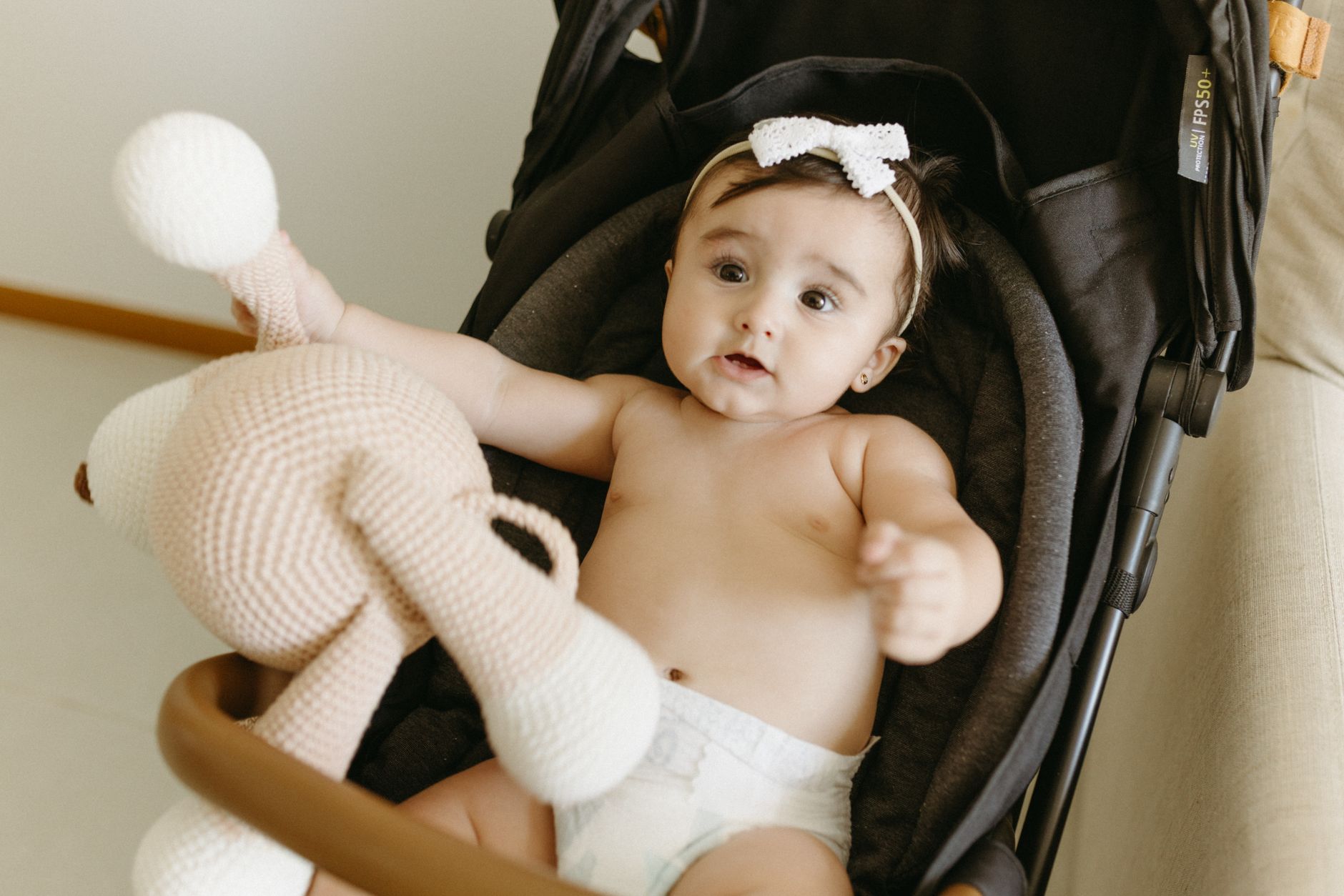
Introduce baby items into your home early. Set up the crib, stroller, changing table, and swing. Let your dog explore these items under supervision. Don't let them chew on baby toys or sleep in the crib, but allow them to get used to their presence. You might place a blanket on the floor near the crib and reward your dog for calmly lying on it. This helps them associate these new objects with positive experiences and understand they are part of the household, not just new playthings.
Consider the "safe space" concept. As you prepare your home for your little one, you might also be thinking about preparing an older child for a new baby or even anticipating the empty nest further down the line. Each life stage brings its own adjustments. For your dog, establishing a designated quiet retreat, like a crate or a specific bed in a low-traffic area, is vital. This is their sanctuary where they can go to relax, undisturbed by baby noises or activity. Practice sending them to this spot with a treat so they associate it with calm and reward.
Finally, consider how your dog might react to less attention. Once the baby arrives, your time and focus will inevitably shift. Practice periods where your dog is left alone for short durations, or where you're busy with other tasks and can't give them undivided attention. Reward calm behavior during these times. This helps them build independence and reduces the shock of suddenly having less one-on-one time.
Introduce baby items like cribs and strollers months in advance, allowing your dog to explore them under supervision.
Desensitizing Your Dog to Baby Sounds and Smells: A Gradual Approach
Babies come with a unique set of sensory experiences: new smells, new sounds, and new movements. Desensitizing your dog to these stimuli before the baby arrives can significantly reduce their anxiety and curiosity once the newborn is home. The goal is to make these new sensations seem normal and non-threatening.
Introducing Baby Smells
One of the most powerful ways dogs experience the world is through scent. Long before your baby makes their grand entrance, you can start introducing them to baby-related smells. Purchase baby lotion, powder, and shampoo, and use small amounts on yourself. Let your dog sniff these new scents on your hands or clothing. You can also apply a tiny bit to a piece of cloth or a blanket and leave it in their resting area. Reward them with praise and treats for calm investigation.
Once the baby is born, but before they come home, have a partner or family member bring home an item that smells strongly of the baby – a used onesie, a receiving blanket, or a hat. Let your dog sniff this item from a distance, then closer. Again, reward calm, curious behavior. The idea is to create a positive association with the baby's scent. This initial scent introduction is crucial as it allows your dog to process the new family member's smell without the overwhelming presence of the baby themselves.
Acclimating to Baby Sounds
Baby sounds – crying, cooing, fussing – can be startling for a dog that's never heard them before. You can find recordings of various baby sounds online (crying, gurgling, squealing). Play these recordings at a very low volume initially, observing your dog's reaction. If they seem relaxed, gradually increase the volume over several days or weeks. Play these sounds during pleasant activities, like mealtime or playtime, so your dog associates them with positive experiences.
Don't just play crying sounds; include happy coos and gurgles too. The goal is to normalize the entire range of baby vocalizations. If your dog shows signs of stress (ears back, tail tucked, pacing), lower the volume or stop the recording and try again later. Never force the exposure. The American Society for the Prevention of Cruelty to Animals (ASPCA) emphasizes a slow, systematic approach to desensitization, ensuring your dog remains comfortable throughout the process.
Preparing for Baby Movements and Equipment
Babies also bring new movements and equipment. Strollers, car seats, and bouncy chairs move differently than your usual household items. Practice walking your dog on a leash while pushing an empty stroller. This helps your dog get used to being near the stroller and ensures you can manage both safely. If you have a jogging stroller, practice with it. The more familiar your dog is with these items, the less novel and potentially startling they will be.
You can also simulate baby movements. Gently rock a doll or a pillow in your arms, mimicking holding a baby. This helps your dog get used to seeing you interact with something small and delicate. Reward them for calm observation. By gradually introducing these sensory experiences, you're building a foundation of familiarity and reducing potential stressors for your dog, making the actual arrival of the baby a much smoother transition.
Essential Dog Training Commands and Behaviors for Baby's Arrival
A well-trained dog is a safer, happier dog, especially when a new baby enters the home. Focusing on a few key commands and behaviors in the months leading up to the birth can make a world of difference. These aren't just tricks; they're vital tools for managing interactions, ensuring safety, and maintaining peace in your household.
Core Commands to Master
Before your baby arrives, ensure your dog has a solid grasp of these fundamental commands. Practice them daily in various environments, using high-value treats and enthusiastic praise:
Sit and Stay: These are foundational. A reliable "stay" allows you to control your dog's position when you need both hands for the baby, or when the baby is on the floor. Practice with increasing duration and distance.
Down: Similar to "sit," "down" puts your dog in a more submissive and relaxed posture, which can be useful when you need them to be calm and out of the way.
Leave It: This command is indispensable. It teaches your dog to ignore tempting items, whether it's a dropped pacifier, a baby toy, or even food that falls on the floor. It's a critical safety command.
Come (Recall): A strong "come" command means you can call your dog away from any potentially risky situation instantly. Practice this in different rooms, then in the yard, gradually adding distractions.
Go to Your Place/Bed: This command directs your dog to a designated safe space (their bed, crate, or mat) and to stay there until released. This is invaluable for creating boundaries and providing your dog with a retreat from baby activity.
Addressing Specific Behaviors
Beyond commands, consider behaviors that might become problematic with a baby around:
Jumping: If your dog jumps on people when excited, this needs to be corrected immediately. A jumping dog can easily knock over an adult holding a baby, or inadvertently hurt a crawling infant. Teach them to "sit" for greetings instead.
Barking: Excessive barking can disturb a sleeping baby and add to parental stress. Identify the triggers for barking (doorbell, people walking by, other dogs) and work on counter-conditioning or desensitization.
Mouthing/Nipping: Even playful nipping can be dangerous for a baby's delicate skin. Ensure your dog has excellent bite inhibition, ideally through puppy classes or professional training.
Walking on Leash: Practice walking your dog calmly on a leash, especially if you plan to walk with the stroller. A dog that pulls can be difficult to manage with a baby in tow.
It’s also helpful to practice these commands and behaviors while you’re holding a doll or a baby-sized pillow, as some books suggest for older siblings. This simulates the real situation and helps your dog generalize their training to the new context. Reward calm behavior when you're "busy" with the "baby." Consistency is key; everyone in the household should use the same commands and rewards.
If you're finding it challenging to train your dog effectively, don't hesitate to seek help from a certified professional dog trainer (CPDT-KA) or a certified applied animal behaviorist (CAAB). They can provide tailored guidance and address any specific behavioral concerns you might have. Investing in training now is an investment in a harmonious future for your whole family.
Introducing Your Dog to Your Newborn Baby: A Step-by-Step Guide
The moment you bring your baby home is incredibly exciting, but it can also be overwhelming for your dog. A well-planned, gradual introduction will help your dog adjust and establish a positive relationship from the start. This isn't a single event but a process that unfolds over days and weeks.
Step 1: The Scent Introduction (Before Baby Comes Home)
As discussed, this is the crucial first step. While you're still at the hospital, have your partner or a trusted friend bring home a blanket or piece of clothing the baby has worn. This item will carry the baby's strong scent. Present it to your dog calmly. Let them sniff it at their own pace. Reward calm curiosity with treats and praise. This allows your dog to process the new scent without the overwhelming visual and auditory presence of the baby.
Step 2: The First Meeting (Controlled & Calm)
When you first arrive home, it's natural for your dog to be incredibly excited to see you. To avoid overwhelming the dog or making the baby's arrival seem like a punishment, have one parent enter the home alone first. Greet your dog, allow for some excited sniffing and petting, and help them settle down. Once your dog is calm, the other parent can bring the baby inside.
For the initial visual introduction, keep your dog on a leash (even if they are generally well-behaved) for complete control. Have a handler hold the leash. The parent holding the baby should sit down calmly. Allow your dog to approach and sniff the baby from a safe distance, rewarding calm behavior. Keep the interaction short and sweet. Don't force your dog to interact, and don't allow them to jump, lick excessively, or get too close to the baby's face.
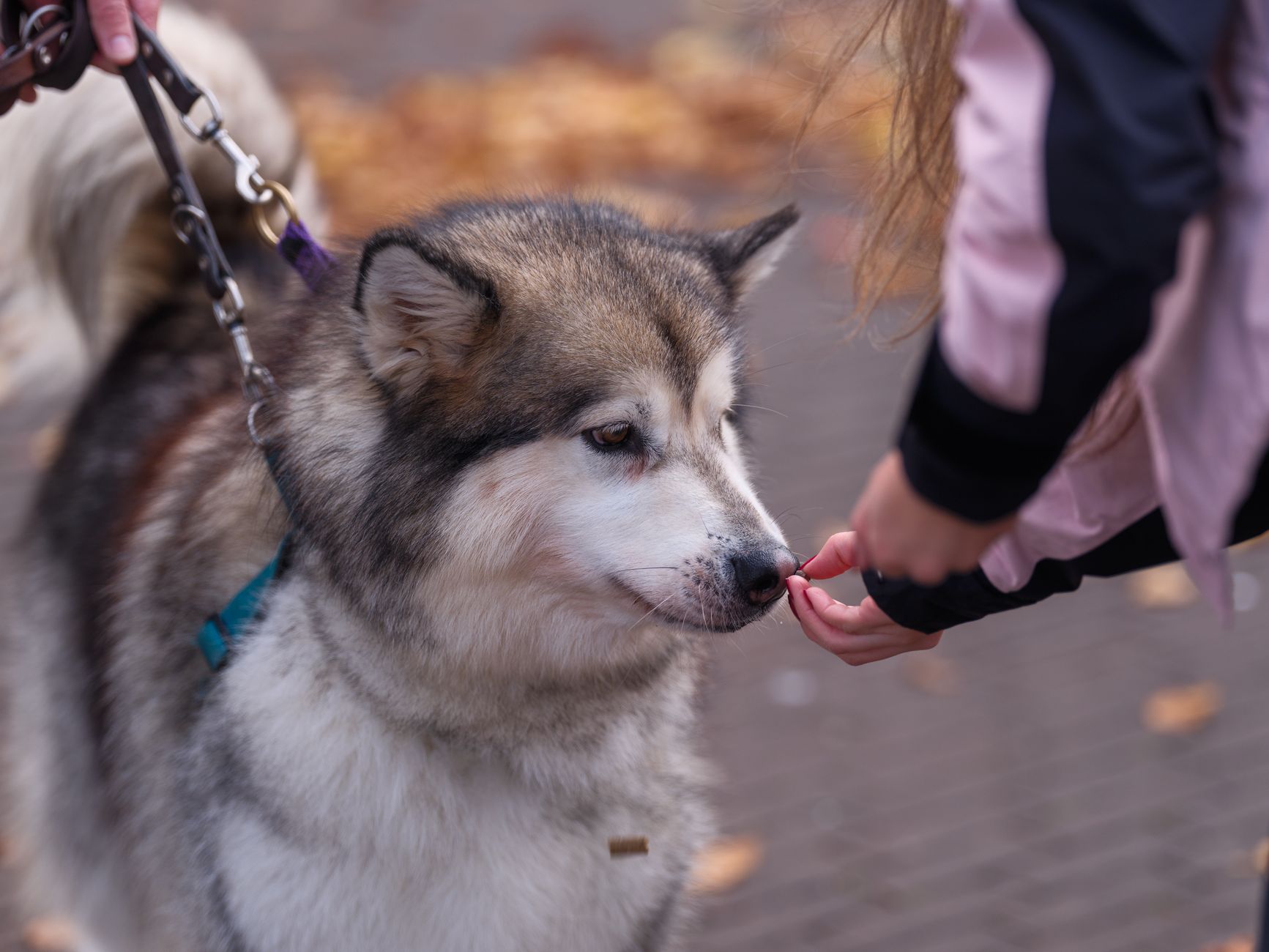
For the first few days and weeks, all interactions between your dog and baby should be closely supervised. The goal is to build positive associations. Whenever your baby is present, ensure good things happen for your dog. This might mean giving them high-value treats, praise, or engaging in a favorite activity (like a short play session or a chew toy). For instance, when the baby is feeding quietly, give your dog a long-lasting chew or a puzzle toy to keep them happily occupied nearby.
Avoid scolding your dog when the baby is present, as this can create negative associations. If your dog approaches the baby inappropriately, calmly redirect them with a command like "sit" or "go to your place," and then reward them for complying. Remember, your dog isn't trying to be "bad"; they are trying to understand this new, intriguing, and sometimes confusing addition to their pack.
Step 4: Maintaining Routine & Attention
It's easy for your dog to feel neglected with a new baby demanding so much attention. Try your best to maintain some semblance of your dog's regular routine for walks, feeding, and playtime. Even short, dedicated one-on-one time with your dog can make a huge difference in their emotional well-being and help prevent feelings of jealousy. This could be a quick game of fetch in the yard, a belly rub on the couch, or a training session.
The American Veterinary Medical Association (AVMA) stresses the importance of making sure your dog still feels like a valued member of the family. If your dog's world suddenly revolves solely around the baby, they may develop negative feelings towards the infant. Consistency, patience, and positive reinforcement are your best tools during this crucial introduction phase.
Recognizing and Addressing Dog Stress or Jealousy Towards Your New Baby
Even with the best preparation, your dog might exhibit signs of stress or jealousy after the baby arrives. It's crucial to be able to recognize these subtle (and sometimes not-so-subtle) cues so you can intervene early and prevent escalation. Remember, your dog isn't being "naughty"; they're communicating their discomfort or anxiety.
Signs of Stress or Anxiety in Dogs
Dogs communicate through body language. Watch for these common indicators of stress:
Lip Licking and Yawning: Often out of context (not after eating or waking up).
Panting and Drooling: If not hot or exercising.
Ears Pinned Back or Swiveling: Indicates apprehension or increased awareness.
Tail Tucked: A classic sign of fear or submission.
Body Stiffening or Freezing: A precursor to a potential defensive reaction.
Whale Eye: Where the whites of the eyes are visible, often when looking sideways.
Hiding or Retreating: Seeking solitude or trying to escape the situation.
Shaking or Trembling: Even when not cold.
Excessive Shedding: A physical manifestation of stress.
Changes in Appetite or Potty Habits: Eating less, having accidents indoors.
Signs of Jealousy or Resource Guarding
Jealousy often manifests as attention-seeking or resource-guarding behaviors:
Increased Nudging or Pawing: Trying to get your attention when you're with the baby.
Interfering: Placing themselves between you and the baby, or nudging the baby's hand away.
Stealing Baby Items: Taking pacifiers, toys, or blankets. This isn't necessarily destructive behavior but an attempt to gain attention or "own" baby items.
Ignoring Commands: A normally obedient dog suddenly becomes "deaf" when the baby is around.
Growling or Snapping (Rare but Serious): These are clear warning signs that your dog is deeply uncomfortable and feels threatened or overwhelmed.
How to Help Your Dog Cope
If you observe these signs, immediate action is necessary:
Create Safe Havens: Ensure your dog has a designated quiet space (crate, dog bed in another room) where they can retreat and be undisturbed. Use baby gates to create physical barriers, giving both the dog and baby their own zones. The ASPCA recommends baby gates as an excellent tool for managing interactions.
Increase Positive Associations: Whenever the baby is around, especially during feeds or diaper changes, give your dog a special chew toy, a puzzle feeder, or a favorite treat. This helps them associate the baby's presence with good things.
Dedicated Dog Time: Make a conscious effort to give your dog dedicated, one-on-one attention daily. Even 10-15 minutes of uninterrupted playtime, training, or petting can significantly boost their morale and reinforce their bond with you.
Never Punish Fear or Growling: Punishing a growl teaches your dog to suppress the warning, making a bite more likely without prior warning. Instead, identify the trigger, remove your dog from the stressful situation, and work on desensitization.
Manage Expectations: Understand that adjustment takes time. Some dogs adapt quickly, while others need weeks or even months. Be patient and consistent.
Seek Professional Help: If your dog's stress seems severe, persistent, or if you observe any signs of aggression (growling, snapping, baring teeth), immediately consult with a certified professional dog trainer or a veterinary behaviorist. These experts can assess the situation and develop a tailored behavior modification plan.
Early recognition and proactive management are crucial. By understanding your dog's communication and providing them with reassurance and appropriate outlets, you can help them navigate this significant life change successfully.
Managing Dog and Baby Interactions: Creating a Harmonious and Safe Home
Once your baby is home, establishing clear rules and boundaries for interactions between your dog and the new arrival is paramount. The goal is to create a safe, harmonious environment where both your child and your pet can thrive. This requires consistent supervision, thoughtful management, and a proactive approach.
Establishing Clear Boundaries with Baby Gates and Designated Spaces
Baby gates are your best friend. They allow you to create physical separation without complete isolation. Use gates to:
Separate rooms: Keep your dog out of the nursery during certain times, or prevent them from accessing areas where the baby is playing unsupervised.
Create safe zones: Give your dog a designated "place" (bed, crate) in a common area but behind a gate, allowing them to observe without direct interaction. This lets them be part of the family without feeling overwhelmed or being a tripping hazard.
Manage feeding times: Keep your dog separate during baby feeding times to prevent begging or accidental knocking over.
Always ensure your dog has a quiet retreat, a "no-baby zone" where they can go to escape the noise and activity. This helps prevent stress and provides them with a sense of control over their environment.
Supervision and Safety Protocols
Never leave your dog and baby unsupervised, even for a second. This is the golden rule. Accidents can happen incredibly quickly, even with the most docile dog. This doesn't mean you need to hover over every interaction, but it does mean:
If you need to leave the room, take the baby with you or put the dog in their designated safe space.
Teach your dog a reliable "leave it" command for anything the baby might drop or leave behind.
Be mindful of your dog's body language. Watch for any signs of discomfort (lip licking, yawning, stiff body, whale eye) and intervene by redirecting your dog or creating distance.
When baby is on the floor, ensure your dog is either on a leash with a handler, in their "place," or separated by a gate. As your baby starts crawling and becoming more mobile, the need for vigilance increases. Babies explore by grabbing, pulling, and putting things in their mouths, which can be startling or painful for a dog.
Maintaining Your Dog's Well-being and Attention Post-Baby
It's easy for your dog's needs to take a backseat when a newborn arrives. However, maintaining their routine and ensuring they still feel loved is crucial for their adjustment and prevents behavioral issues. Try to:
Keep walks consistent: Even if shorter, try to maintain a regular walking schedule. This is essential for physical exercise and mental stimulation. Consider a maternity leave checklist that includes dog-walking help!
Dedicated playtime/attention: Carve out 10-15 minutes daily for one-on-one time with your dog, free from baby distractions. This could be a game of fetch, a training session, or just quiet petting.
Involve your dog positively: When you're interacting with the baby, find ways to include your dog positively. Talk to your dog, give them a treat, or praise them for being calm nearby.
Enrichment toys: Provide plenty of puzzle toys, Kongs stuffed with treats, or chew bones to keep your dog mentally stimulated and happily occupied, especially when you're busy with the baby.
By being consistent, patient, and proactive in managing interactions and meeting your dog's needs, you can foster a loving and safe environment for every member of your expanding family. Remember, a harmonious home is built on understanding, respect, and clear communication – for both humans and canines.
Should You Let Your Dog Lick Your Baby? Understanding the Risks
It's a common sight: a loving dog gently licking a baby's face or hands, often seen as a sign of affection. Many parents wonder, "Is this okay, or is it a health risk?" While the image is endearing, most pediatric and veterinary experts advise against letting dogs lick babies, especially on the face or open skin.
The "Why Not?" From a Health Perspective
Dogs carry a variety of bacteria and sometimes parasites in their mouths, even if they appear perfectly healthy. While many of these are harmless to dogs and even adult humans with robust immune systems, a newborn baby's immune system is still developing and is much more vulnerable. The Centers for Disease Control and Prevention (CDC) and other public health organizations highlight the potential for transmission of zoonotic diseases – diseases that can pass from animals to humans.
Bacteria: Dogs can carry bacteria like Capnocytophaga canimorsus, which, while rare, can cause severe infections in vulnerable individuals, including newborns. Other common bacteria like Salmonella or E. coli can also be present, especially if your dog has recently eaten raw food or licked their anal area.
Parasites: Dogs can carry intestinal parasites like roundworms or hookworms, which can transmit eggs through their saliva if they've recently groomed themselves. If these eggs are ingested by a baby, they can cause serious health issues.
Allergens: While not a disease, dog saliva contains allergens that could potentially trigger or worsen allergies or asthma in sensitive babies.
A baby's skin is also more delicate and prone to irritation or minor abrasions, which could create an entry point for bacteria. Furthermore, babies often put their hands in their mouths, so any germs transferred to their hands via licking can easily be ingested.
What Experts Say
Veterinarians and pediatricians generally recommend discouraging dogs from licking babies, particularly on the face, mouth, or any broken skin. The American Academy of Pediatrics (AAP) advises caution with all pet interactions for infants and young children. While a quick lick on a foot might be less concerning, it's safer to avoid direct licks altogether to minimize any potential health risks.
Managing Licking Behavior
Instead of allowing licking, redirect your dog's affectionate gestures. When your dog attempts to lick the baby:
Gently intervene: Physically block the lick with your hand or body.
Use a "no lick" command: Teach your dog a command like "no lick" or "leave it," and reward them for complying.
Redirect to an appropriate chew: Offer your dog a favorite chew toy or bone to redirect their mouth-based instincts.
Reinforce other forms of affection: Encourage your dog to show affection through gentle nudges, leaning against you, or calm sitting, and reward these behaviors.
It's important to remember that your dog's intention is rarely malicious; they're often expressing care or curiosity. However, as parents, our priority is the baby's safety and health. By setting clear boundaries around licking, you're protecting your baby while still fostering a loving relationship between your dog and the newest family member.
What to Do If Your Dog Shows Aggression Towards Your New Baby
Witnessing aggression from your dog towards your new baby can be one of the most frightening experiences for a new parent. It’s important to understand that aggression is a serious issue that requires immediate, careful, and professional intervention. It is a clear sign that your dog is feeling highly stressed, threatened, or overwhelmed.
Recognizing Aggression
Aggression isn't just biting. It can manifest in a spectrum of behaviors:
Growling: A warning sign, often indicating discomfort or a desire for distance. Never punish a growl, as it teaches the dog to suppress this warning, making a bite more likely without warning.
Snapping: A quick, open-mouthed bite that doesn't make contact or makes only light contact. This is a higher-level warning.
Baring Teeth: Often accompanied by a stiff body and hard stare.
Lunging or Charging: Moving towards the baby with intent, even without making physical contact.
Biting: Any level of bite, from a nip to a puncture wound.
If you observe any of these behaviors, even once, take it extremely seriously.
Immediate Steps to Take
Ensure Safety First: Your absolute priority is the baby's safety. Immediately separate the dog and baby. Use baby gates, put the dog in a different room, or place the baby in a safe crib or bassinet.
Do Not Punish Aggression: As mentioned, punishing a dog for growling or showing other warning signs can backfire dramatically. It suppresses the warning signals, potentially leading to a bite without any prior communication from the dog. Your dog is communicating fear or anxiety; punishment will only heighten these feelings.
Identify Triggers (if possible): Try to recall the exact circumstances surrounding the aggressive behavior. What was happening just before? Was the baby crying, moving suddenly, reaching for the dog? Was the dog startled, cornered, or guarding a resource (food, toy, bed)? Understanding triggers is crucial for prevention.
Strict Management: Until you've had professional help, assume all interactions between your dog and baby are potentially dangerous. This means complete separation when you cannot actively supervise 100% of the time. This might involve crating your dog, using multiple baby gates, or keeping the dog in a separate room.
Seeking Professional Help
This is not a situation to try and resolve on your own, nor is it a task for an inexperienced trainer. You need expert guidance:
Consult a Veterinary Behaviorist (Diplomate of the American College of Veterinary Behaviorists - DACVB): These are veterinarians who specialize in animal behavior. They can rule out any underlying medical issues contributing to aggression and prescribe medication if appropriate, in conjunction with behavior modification.
Certified Applied Animal Behaviorist (CAAB or ACAAB): These individuals have advanced degrees in animal behavior and extensive experience treating serious behavioral problems.
Certified Professional Dog Trainer (CPDT-KA) with experience in aggression: Look for trainers who specialize in aggression and use positive, force-free methods. Be wary of trainers who advocate for punishment-based techniques, as these can exacerbate fear and aggression.
These professionals can assess your dog, your home environment, and the specific incidents to develop a safe and effective behavior modification plan. They can also help you understand the root cause of the aggression, which could be fear, resource guarding, pain, or a lack of appropriate socialization.
The decision of what to do with a dog showing aggression towards a baby is incredibly difficult and emotionally charged. A professional will help you make an informed decision, always prioritizing the safety of your child. Sometimes, with dedicated work, dogs can learn to coexist peacefully. In other, more severe cases, rehoming to a child-free environment may be the safest and most responsible option, but this is a decision best made with professional guidance.
Myth vs. Fact
There are many misconceptions about dogs and babies. Let's clear up some common ones:
Myth: Dogs instinctively know to be gentle with babies.
Fact: While some dogs may show natural curiosity or deference, dogs do not inherently understand that a baby is a fragile human. They need to be taught appropriate behaviors and boundaries around infants. Their reactions are based on their personality, past experiences, and how they've been prepared and managed. Relying on instinct alone is unsafe.
Myth: If my dog has never been aggressive before, they won't be aggressive towards a baby.
Fact: The arrival of a baby creates an entirely new and often stressful environment for a dog. New sounds, smells, routines, and a significant reduction in personal attention can trigger stress or anxiety that manifests as aggression, even in dogs with no prior history. It's crucial to be vigilant and never assume a dog will react predictably.
Myth: My dog is just jealous; they'll get over it.
Fact: While "jealousy" is a human emotion, dogs can certainly exhibit behaviors stemming from a perceived loss of resources (your attention, space, toys) or anxiety about the new addition. These feelings won't just "go away." They require active management, positive reinforcement, and often professional guidance to help your dog adjust and feel secure again. Ignoring these signs can lead to escalating behavioral problems.
Key Takeaways
Start preparing your dog months in advance by adjusting routines, introducing baby items, and reinforcing basic obedience commands.
Gradually desensitize your dog to baby sounds and smells to make the actual arrival less startling.
Always supervise interactions between your dog and baby, and never leave them alone together.
Use baby gates and designated safe spaces to create clear boundaries and give your dog a retreat.
Actively look for signs of stress or jealousy in your dog and address them promptly with positive reinforcement and dedicated attention.
Avoid letting your dog lick your baby, especially on the face, due to potential health risks for developing immune systems.
If your dog shows any signs of aggression, immediately separate them from the baby and seek professional help from a veterinary behaviorist or certified trainer.
Frequently Asked Questions
How do I introduce my dog to my newborn?
Start with scent introduction by bringing home a baby-worn item before the baby arrives. For the first visual meeting, ensure your dog is calm and on a leash with a handler. Sit down with the baby, allow your dog to approach and sniff from a safe distance, rewarding calm behavior. Keep initial interactions short, supervised, and positive.
How long does it take for a dog to adjust to a new baby?
Adjustment time varies greatly by individual dog, personality, and the level of preparation. Some dogs may adapt within a few weeks, while others might take several months or even longer. Patience, consistency, and continued positive reinforcement are key throughout the entire process.
What should you not do when introducing a dog to a baby?
Do not force interactions, punish your dog for showing fear or stress (like growling), or leave your dog and baby unsupervised, even for a moment. Avoid making the baby's arrival feel like a punishment or causing your dog to feel neglected; this can create negative associations.
How do I prepare my dog for a new baby a month before?
A month before, intensify your desensitization efforts with baby sounds and smells. Practice basic obedience commands rigorously, especially "sit," "stay," "leave it," and "go to your place." Adjust your dog's routine to be more flexible, and ensure they have a comfortable, designated safe space away from baby activity.
Is it OK for a dog to be around a newborn?
Yes, it's generally okay for a dog to be around a newborn, provided interactions are always supervised, boundaries are clear, and the dog shows no signs of stress or aggression. With proper preparation and management, many dogs and babies can coexist peacefully and even form strong bonds.
How do I make my dog feel loved after a new baby?
Make a conscious effort to maintain some of your dog's previous routine, especially walks and feeding times. Dedicate 10-15 minutes daily for one-on-one quality time, like playtime, training, or petting, without baby distractions. Give them special chew toys or puzzle feeders when you're busy with the baby, ensuring good things happen when the baby is present.
When to See a Veterinarian or Specialist
While many adjustments are normal, certain signs warrant professional intervention. If you observe any of the following, contact your veterinarian, a certified professional dog trainer (CPDT-KA), or a veterinary behaviorist immediately:
Any signs of aggression: Growling, snapping, baring teeth, lunging, or biting towards the baby or any family member when the baby is present. This is a critical safety concern.
Persistent, severe anxiety: If your dog is constantly panting, pacing, hiding, trembling, or showing extreme fear around the baby despite your best efforts to desensitize and manage.
Significant behavioral changes: Sudden onset of destructive chewing, house soiling, excessive barking, or self-harm (e.g., excessive licking leading to hot spots) that coincides with the baby's arrival.
Unexplained changes in health: Any sudden lethargy, loss of appetite, or other physical symptoms that might indicate underlying pain or illness contributing to behavioral changes.
Remember, this article provides general information and is not a substitute for personalized medical or behavioral advice. Always consult with your veterinarian or a qualified animal behavior professional for specific concerns about your dog's health or behavior.
References
American Society for the Prevention of Cruelty to Animals (ASPCA). (n.d.). Dog and Baby Safety.
American Veterinary Medical Association (AVMA). (n.d.). Dogs and Babies: Safety Tips.
Centers for Disease Control and Prevention (CDC). (2023). Zoonotic Diseases.
American Academy of Pediatrics (AAP). (2018). Healthy Children: Pets and Babies.
Overall, Karen L. (2013). Manual of Clinical Behavioral Medicine for Dogs and Cats. Elsevier Health Sciences.
Not sure about the label on Preparing Dog For New Baby products?
Snap the ingredients list and SafeFilter checks every ingredient for your stage — only 3 free scans this month, then you're locked until reset. Unlimited from $7/mo or $50/yr.
When Shubhra Mishra was expecting her first child in 2016, she was overwhelmed by conflicting food advice — one site said yes, another said never. By the time her second baby arrived in 2019, she realized millions of mothers face the same confusion.
That sparked a five-year journey through clinical nutrition papers, cultural diets, and expert conversations — all leading to BumpBites: a calm, compassionate space where science meets everyday motherhood.
Her long-term vision is to build a global community ensuring safe, supported, and free deliveriesfor every mother — because no woman should face pregnancy alone or uninformed. 🌿
🌍 Stand with mothers, shape safer guidance
Join a small circle of experts who review BumpBites articles so expecting parents everywhere can decide with confidence.