Raising the only girl among boys or vice versa presents unique joys and challenges. Discover honest insights from a modern mom on navigating family dynamics,
By Shubhra Mishra — a mom of two who turned her own confusion during pregnancy into BumpBites, a global mission to make food choices clear, safe, and stress-free for every expecting mother. 💛
Check whether any food is safe during pregnancy with the BumpBites Food Safety Checker.
Quick take: Raising a child who is the only girl among boys or the only boy among girls presents unique dynamics and opportunities. While challenges like navigating stereotypes and fostering individual identity can arise, intentional parenting strategies focusing on open communication, diverse experiences, and strong sibling bonds can help your child thrive, developing resilience and empathy. This guide offers practical advice for supporting your 'only one' through every stage.
You’re watching your children play, a whirlwind of energy and laughter, and you notice something specific: one child is constantly surrounded by siblings of the opposite gender. Maybe it’s your daughter, the queen amidst a court of boisterous boys, or your son, a solo knight in a castle full of princesses. If you’ve ever found yourself wondering how this unique family dynamic might shape your child, or how best to support them, you’re not alone. Many parents navigate the interesting terrain of having an "only girl among boys or vice versa," and it often brings up questions about identity, interests, and how to foster a truly inclusive home environment.
There's no single blueprint for raising children, and when you have an "only one" of a particular gender in a mixed-sibling group, it adds another layer of consideration. This journey is rich with both unique challenges and unexpected advantages. Our goal is to provide a comprehensive, honest guide to help you understand these dynamics, debunk common myths, and equip you with practical strategies to ensure all your children, especially your "only one," feel seen, valued, and empowered to be their authentic selves.
We'll explore everything from managing playground politics to nurturing individual passions, ensuring your home is a place where every child's identity can flourish, regardless of their sibling's gender.
Understanding the Unique Dynamic: What Does It Mean to Be the 'Only One'?
Being the "only girl among boys or vice versa" isn't just about the numbers; it's about the social and psychological landscape within your family. This dynamic often means your child experiences a unique upbringing, different from those with same-gender siblings or a more balanced mix. For many parents, it raises questions about how their child's personality traits might develop, how they'll navigate social situations, and what role gender plays in their identity.
What are the common personality traits of an only girl among brothers?
An only girl growing up with brothers often develops a distinct set of characteristics. She might be incredibly resilient, resourceful, and independent. Many women who were the only girl among brothers describe themselves as confident and assertive, comfortable in traditionally male-dominated spaces, and quick to stand up for themselves. They often learn to "hold their own" and may gravitate towards activities that are seen as more traditionally masculine, simply because that's what was normalized in their home environment. They might also be excellent communicators, adept at navigating different social styles, and fiercely loyal to their siblings. However, she might also face moments where she feels misunderstood or wishes for a connection with another girl who "gets it."
What are the common characteristics of an only boy among sisters?
Similarly, an only boy surrounded by sisters often develops a unique blend of traits. He might be highly empathetic, emotionally intelligent, and articulate, having grown up in an environment where emotional expression and communication might have been more openly practiced. He could be less constrained by traditional masculine stereotypes, comfortable expressing a broader range of emotions, and perhaps more attuned to the nuances of social dynamics. He might also be a good listener and very patient. However, he might also feel a need to assert his "masculinity" or struggle to find common interests, particularly if his sisters' activities are vastly different from his own.
These are broad observations, of course, and every child is an individual. The key for parents is to recognize these potential inclinations without boxing their child into a stereotype. It’s about being aware and proactive in fostering a well-rounded identity, rather than assuming a specific outcome.
Creating an environment where all siblings feel seen and valued is key, regardless of gender mix.
Navigating the Rough & Tumble: Common Challenges for an Only Girl Growing Up with Brothers
For an only girl in a family of sons, life can be an exciting adventure, but it also comes with its own set of unique challenges. As a parent, understanding these potential hurdles allows you to proactively support your daughter and help her thrive.
What are the common challenges for an only girl growing up with brothers?
One of the most immediate challenges can be navigating the "rough and tumble" play styles often associated with boys. While this can build resilience and physical confidence, it might also mean she sometimes feels overwhelmed or unheard in boisterous sibling interactions. Her brothers might accidentally exclude her from their activities, not out of malice, but because they assume she won't be interested or can't keep up. This can lead to feelings of isolation or being "different."
Another common challenge is the potential for her interests to be overshadowed or dismissed. If her brothers are all into sports or video games, she might feel pressure to conform, or conversely, feel that her more "traditionally feminine" interests (if she has them) are less valued. This can make it harder for her to explore her authentic self. Furthermore, she might face gender stereotypes both within and outside the home, where people assume she's a "tomboy" or that she "acts like a boy," which can be frustrating and limit her self-perception.
Parents often worry about their daughter's exposure to feminine role models. While brothers can be wonderful protectors and friends, they can't offer the same perspective or shared experience as a sister or other female mentors. This can be especially true during puberty, when she might feel a lack of understanding from her male siblings regarding her changing body and emotions.
Addressing feelings of isolation or being "different"
It's crucial to acknowledge and validate her feelings if she expresses them. Create a safe space where she can talk about feeling different or isolated. You might say, "It sounds like you sometimes feel outnumbered when your brothers are all playing together. That's a really normal feeling. How can we make sure you still feel connected and included?"
One representative story shared by a mother was: "My daughter, Maya, often felt left out when her three older brothers would play elaborate superhero games. She'd try to join, but they'd often relegate her to being the damsel in distress. We started having 'Mommy-Maya dates' where she could choose the activity, and it was often a quiet craft or a trip to the library. It gave her a space to just be herself without the sibling dynamics, and eventually, her brothers started inviting her into their games as a powerful sidekick, not just a victim."
Encourage one-on-one time with each parent, and facilitate friendships with other girls outside the family. Regular playdates or enrolling her in activities where she can connect with girls her age can be incredibly beneficial for her social development and sense of belonging.
Cultivating Her Own Path: Fostering Individuality and Unique Interests for an Only Girl Among Boys
Ensuring your daughter's individuality shines through, even in a brother-dominated household, is vital for her self-esteem and personal growth. It's about creating an environment where all her interests, no matter how "gendered," are celebrated and supported.
How to foster individuality and unique interests for an only girl among boys?
The key here is exposure and encouragement. Don't assume her interests based on her brothers' or on traditional gender roles. Expose her to a wide variety of activities, toys, books, and experiences. If her brothers are into soccer, great – but also offer her dance classes, art lessons, coding clubs, or even explore unique baby girl names and their historical significance as a way to connect with different cultures and stories. The goal is to provide a broad palette from which she can choose what genuinely excites her.
Actively listen to her preferences. If she expresses an interest in something, follow up on it. Provide her with the resources and opportunities to pursue those passions. If she loves building forts, get her some construction kits. If she loves fashion, help her design clothes for her dolls. Show genuine enthusiasm for her chosen hobbies, even if they seem unconventional or different from what her brothers are doing.
Encouraging diverse role models and activities
It's important to provide your daughter with diverse role models, both male and female, who embody a wide range of interests and professions. This could mean introducing her to female scientists, artists, athletes, or leaders through books, documentaries, or even personal connections. Make sure she sees women actively pursuing their passions and breaking stereotypes.
For example, if her brothers are obsessed with video games, introduce her to female gamers, or encourage her to explore game design. If they love action movies, watch films with strong female protagonists. The aim is not to force "feminine" interests, but to ensure she sees that women can excel in any field and that her own aspirations are valid and achievable.
One effective strategy is to dedicate specific "her time" or "family choice time" where she gets to pick the activity, and everyone participates with enthusiasm. This ensures her voice is heard and her choices are valued, reinforcing her sense of agency and individuality within the family unit.
Sister Power: Parenting Strategies for Raising an Only Boy Surrounded by Sisters Effectively
Just as an only girl among boys faces unique challenges, an only boy surrounded by sisters also navigates a distinct family landscape. Thoughtful parenting strategies can help him flourish, ensuring his identity and interests are nurtured.
Parenting strategies for raising an only boy surrounded by sisters effectively?
The primary goal is to create an environment where your son feels understood, respected, and free to explore his identity without pressure to conform to either masculine or feminine stereotypes. One crucial strategy is to validate his interests, whatever they may be. If he loves dinosaurs and trucks, great! If he loves art, music, or imaginative play with dolls, that's equally wonderful. Avoid making comments that imply certain activities are "for girls" or "for boys."
Encourage his sisters to include him in their games and activities, and vice versa. Facilitate compromise and shared play. For example, if the girls want to play dress-up, suggest they create costumes for a superhero adventure that includes your son. If he wants to play with building blocks, encourage his sisters to help him construct a magnificent castle or city.
Make sure he has access to a variety of toys, books, and media that showcase diverse representations of gender. This means not just traditional "boy" toys, but also open-ended play items that encourage creativity and imagination. Expose him to male role models who embody a broad spectrum of interests and emotional expressions. This could be male teachers, coaches, family friends, or characters in books and movies who aren't afraid to show vulnerability or pursue non-traditional paths.
Promoting healthy and supportive sibling relationships
Open communication is paramount. Encourage your children to talk about their feelings and needs. If your son feels outnumbered or unheard, help him articulate that. You might say, "It sounds like you feel a little outnumbered when all your sisters are deciding on the game. How can we make sure everyone gets a turn to choose?"
Regular one-on-one time with each parent is also invaluable. These moments allow your son to connect deeply with you without the sibling dynamic. This can be especially important for an only boy, as it gives him a dedicated space to share his thoughts and feelings. Make sure both parents are actively involved in his life, modeling healthy gender roles and interests.
One father shared his approach: "My son, Leo, has three older sisters. We noticed he was often quiet during family game nights because the girls would take over. We started a tradition where Leo got to pick the activity every Friday night, and everyone had to participate enthusiastically. It was amazing to see his confidence grow, and his sisters became more mindful of including him in other activities too." This approach helps ensure his voice is heard and his choices are respected within the family.
Finding His Roar: Ensuring an Only Son's Identity and Interests Thrive in a Girl-Dominated Household
When an only son grows up surrounded by sisters, it’s a unique opportunity to cultivate a well-rounded and emotionally intelligent individual. The key is intentional parenting that supports his identity and allows his interests to flourish, free from gender expectations.
How to ensure an only son's identity and interests thrive in a girl-dominated household?
The best way to support your son is to actively encourage and validate his individual interests, whatever they may be. Don't fall into the trap of assuming he should gravitate towards "boy" activities simply because he's a boy. Similarly, don't push "feminine" interests on him because his sisters enjoy them. Instead, provide a wide array of options and let him explore.
This means offering diverse toys, books, and experiences. If his sisters love princesses and dolls, ensure he also has access to building blocks, science kits, sports equipment, or art supplies. Take him to museums, nature parks, and diverse cultural events. The goal is exposure, not prescription. Ask him what excites him, what he's curious about, and then help facilitate those interests.
For example, if he loves cooking, encourage him to bake with you or his sisters. If he enjoys storytelling, help him write and illustrate his own comic books or stories. When a child's interests are genuinely nurtured, their identity naturally strengthens. This also helps debunk stereotypes that certain activities are exclusively for one gender, fostering a more inclusive mindset for all your children.
Ensuring exposure to diverse role models and activities
It's crucial to expose your son to a variety of male role models who demonstrate a broad spectrum of interests and emotional expression. This could include grandfathers, uncles, family friends, teachers, or coaches who are empathetic, creative, academic, or physically active. Show him that masculinity is multifaceted and doesn't adhere to a single stereotype.
Seek out books, movies, and TV shows that feature male characters who are kind, intelligent, artistic, and emotionally expressive, not just physically strong or aggressive. This helps him understand that there are many ways to be a boy and a man, and that all his feelings and interests are valid. Consider enrolling him in activities where he can connect with other boys, like a sports team, a scout troop, a coding camp, or a chess club. These interactions can provide valuable male friendships and a sense of belonging outside the sister dynamic.
A mother once shared, "My son, Ethan, grew up with four older sisters. He loved building things, but sometimes felt his sisters didn't understand his passion for intricate LEGO sets. We made sure to sign him up for a weekly LEGO club at the library. It gave him a space to connect with other boys who shared his interest, and he came home buzzing with new ideas and confidence." This kind of intentional exposure can be incredibly empowering.
Harmony in the Home: Balancing Gender-Specific Activities and Interests in Mixed-Gender Sibling Groups
In a family with mixed-gender siblings, finding a balance between individual and shared interests, especially when some lean towards "gender-specific" activities, is a common parenting puzzle. The goal is to cultivate a household where everyone feels their passions are valued and can be explored freely.
Tips for balancing gender-specific activities and interests in mixed-gender sibling groups?
The first step is to challenge your own assumptions about "gender-specific" activities. While some children naturally gravitate towards certain things, it's often more about individual personality and exposure than gender itself. Encourage all your children to try a wide range of activities without labeling them. If your daughter loves trucks and your son loves ballet, celebrate both equally.
Create opportunities for both shared and individual pursuits. Dedicate family time to activities that everyone can enjoy together, like board games, hiking, movie nights, or cooking. These shared experiences build strong sibling bonds and create common ground. For individual interests, ensure each child has dedicated time and resources to pursue their passions, even if others aren't interested. This might mean separate lessons, playdates, or designated "interest zones" in the home.
A representative story comes from a family with two daughters and one son: "Our daughters loved making elaborate fairy gardens, and our son was obsessed with building giant dinosaur habitats. Instead of keeping them separate, we encouraged them to create a 'dinosaur fairy garden' where the dinosaurs could visit. It taught them compromise and creative collaboration." This blending of interests can be a powerful tool.
Promoting healthy and supportive sibling relationships
Fostering empathy and respect among siblings is crucial. Teach your children to appreciate each other's differences and to be supportive of one another's hobbies. When one child is pursuing an activity, encourage the others to show interest, ask questions, or even try it out if they're curious. Avoid comparisons or statements that pit one child's interests against another's.
Use communication strategies that emphasize teamwork and understanding. For example, if siblings are arguing over an activity, guide them to find a solution together. You could say, "It sounds like you both want to play different things. How can we find a way for everyone to have some fun, maybe by taking turns or finding an activity that combines both ideas?" This teaches negotiation and compromise, essential skills for navigating any relationship.
It's also important to model this behavior as parents. Show interest in all your children's activities, and avoid segregating roles or hobbies along gender lines in your own life. When children see their parents embracing diverse interests, they are more likely to do the same.
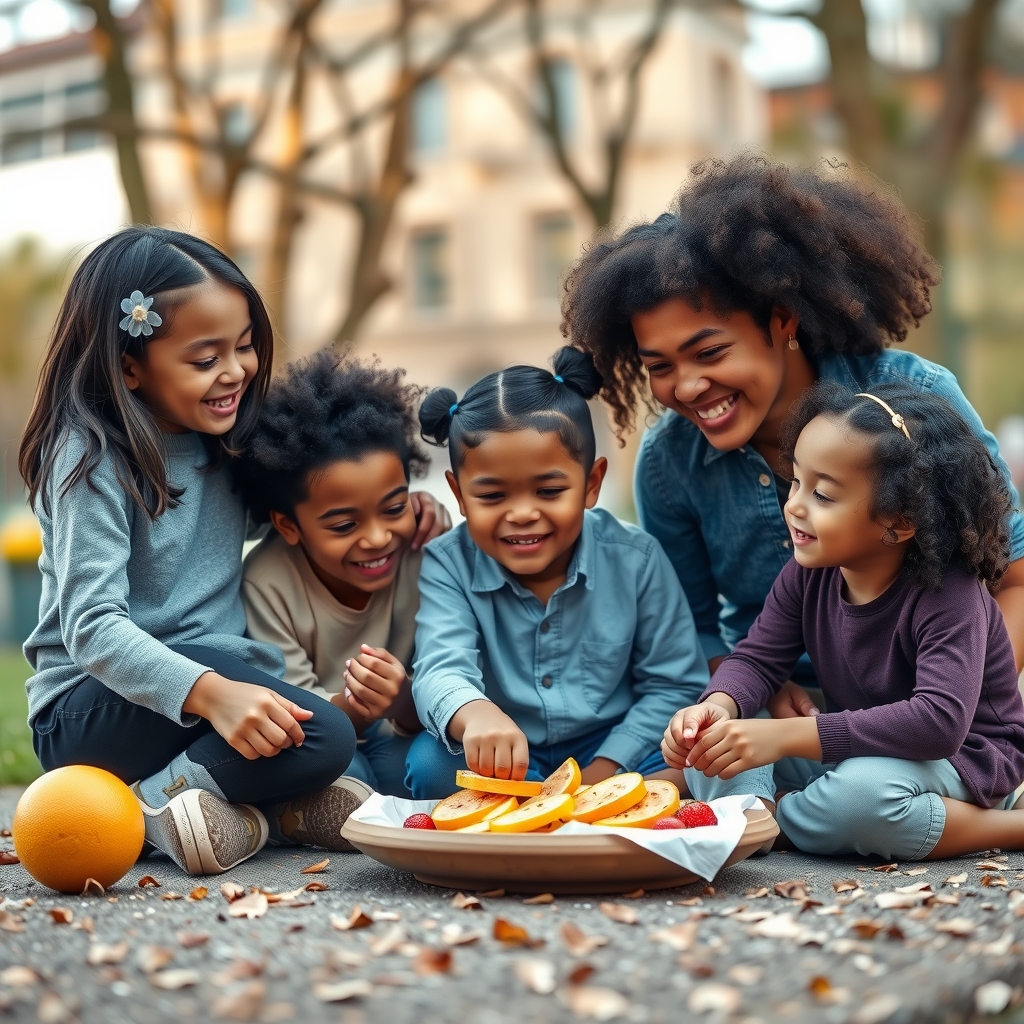
Shared activities like cooking can bridge gender-specific interests and strengthen family bonds.
Beyond Stereotypes: How to Address Gender Expectations in Mixed-Gender Families
In a mixed-gender sibling group, children are constantly exposed to various ideas about gender, both from within the family and from the outside world. As parents, you have a powerful role in shaping their understanding and helping them navigate these often-conflicting messages.
How to address and navigate gender stereotypes within a family of mixed-gender siblings?
The first step is to become aware of your own biases and the subtle ways gender stereotypes might creep into your language and actions. Do you automatically assume your daughter will want a doll for her birthday or that your son will prefer a truck? Do you praise your daughter for being "pretty" and your son for being "strong"? Small shifts in language can make a big difference.
**Debunking Common Stereotypes:**
"Boys don't cry" or "Girls are too emotional": Teach all your children that emotions are natural and healthy, regardless of gender. Encourage boys to express sadness and girls to express anger appropriately.
"Pink is for girls, blue is for boys": Allow your children to choose colors, clothes, and toys based on their preferences, not societal norms.
"Girls are better at art/reading, boys are better at math/science": Challenge these academic stereotypes. Encourage all children to pursue subjects they enjoy and excel in, providing support where needed.
"Only girls do housework" or "Only boys do yard work": Share household chores and responsibilities equally among all children, regardless of gender. This teaches valuable life skills and promotes equity.
Actively challenge stereotypes when you encounter them, whether in media, books, or comments from others. You might say, "That show suggests only boys can be engineers, but we know lots of amazing women engineers, don't we?" This teaches your children to critically evaluate messages they receive about gender.
The importance of parental modeling in gender roles and expectations
Children learn far more from what you do than what you say. Your actions as parents are incredibly powerful in shaping their understanding of gender roles. If both parents share household chores, take on diverse roles, and express a wide range of emotions, your children will see a flexible and equitable model of gender.
Show your children that men can be nurturing and gentle, and women can be strong and assertive. Talk openly about careers that break traditional gender norms. For instance, if you're talking about jobs, include examples like a male nurse or a female CEO. This broadens their understanding of possibilities and helps them see that their gender doesn't dictate their future or their interests.
One parent reflected, "We realized we were always asking our daughter if she wanted to help with cooking and our sons if they wanted to help with yard work. We consciously started swapping those roles. Now, our sons often help with meal prep, and our daughter loves mowing the lawn. It truly shifted their perception of what they 'should' do." This active modeling is essential for breaking down ingrained stereotypes.
Preparing children for social interactions and dynamics outside the home is also key. Discuss how they might encounter stereotypes from friends, teachers, or even strangers, and equip them with ways to respond confidently and respectfully.
The Lasting Echo: Long-Term Psychological Impacts of Being the Only Girl or Boy in a Family
The unique sibling dynamic of being the 'only one' can have profound and lasting psychological impacts, shaping an individual's personality, relationships, and self-perception into adulthood. Understanding these potential long-term effects can help parents offer targeted support during formative years.
What are the long-term psychological impacts of being the only girl or boy in a family?
For an only girl among boys, some common long-term impacts might include:
**Increased Resilience and Independence:** Often learning to "fend for herself" or navigate a more boisterous environment, she may develop a strong sense of self-reliance and be less easily intimidated.
**Comfort in Male-Dominated Spaces:** She might feel more at ease in settings traditionally associated with men, such as certain workplaces or hobbies, and may be less intimidated by male authority figures.
**Stronger Communication Skills:** Having to articulate her needs and perspectives to siblings who might have different communication styles can foster excellent negotiation and expression abilities.
**Potential for Feeling Misunderstood:** She might sometimes feel that her emotional experiences or "feminine" perspectives were not fully grasped by her brothers, potentially leading to a search for deeper female connections in adulthood.
**"Tomboy" Identity or Rejection of Femininity:** While not universal, some may internalize a "tomboy" label, or even reject certain aspects of traditional femininity if they perceived it as less valued in their upbringing.
For an only boy surrounded by sisters, potential long-term impacts can include:
**Higher Emotional Intelligence and Empathy:** Growing up in an environment where emotions might be more openly discussed, he may be more attuned to feelings and better at expressing his own.
**Stronger Relationships with Women:** He might develop a deeper understanding and appreciation for women, leading to more respectful and fulfilling relationships in adulthood.
**Less Bound by Traditional Masculine Stereotypes:** He may feel freer to explore interests and express himself in ways that defy conventional masculine norms, such as pursuing artistic hobbies or showing vulnerability.
**Potential for Feeling Overshadowed or Pressured:** He might have experienced moments where his interests were less prioritized or felt pressure to conform to his sisters' activities, potentially leading to a later search for male-dominated spaces or validation of his masculinity.
**Comfort in Mixed-Gender Social Settings:** Having navigated a mixed-gender home environment, he might be very adept at interacting comfortably in diverse social groups.
It's important to note that these are potential impacts, not guaranteed outcomes. Parental guidance, external influences, and individual personality all play significant roles. The goal is always to foster a secure attachment and a strong sense of self, regardless of sibling dynamics. For more on how sibling dynamics affect children, especially if they are an only child with no siblings to compare to, consider exploring related resources.
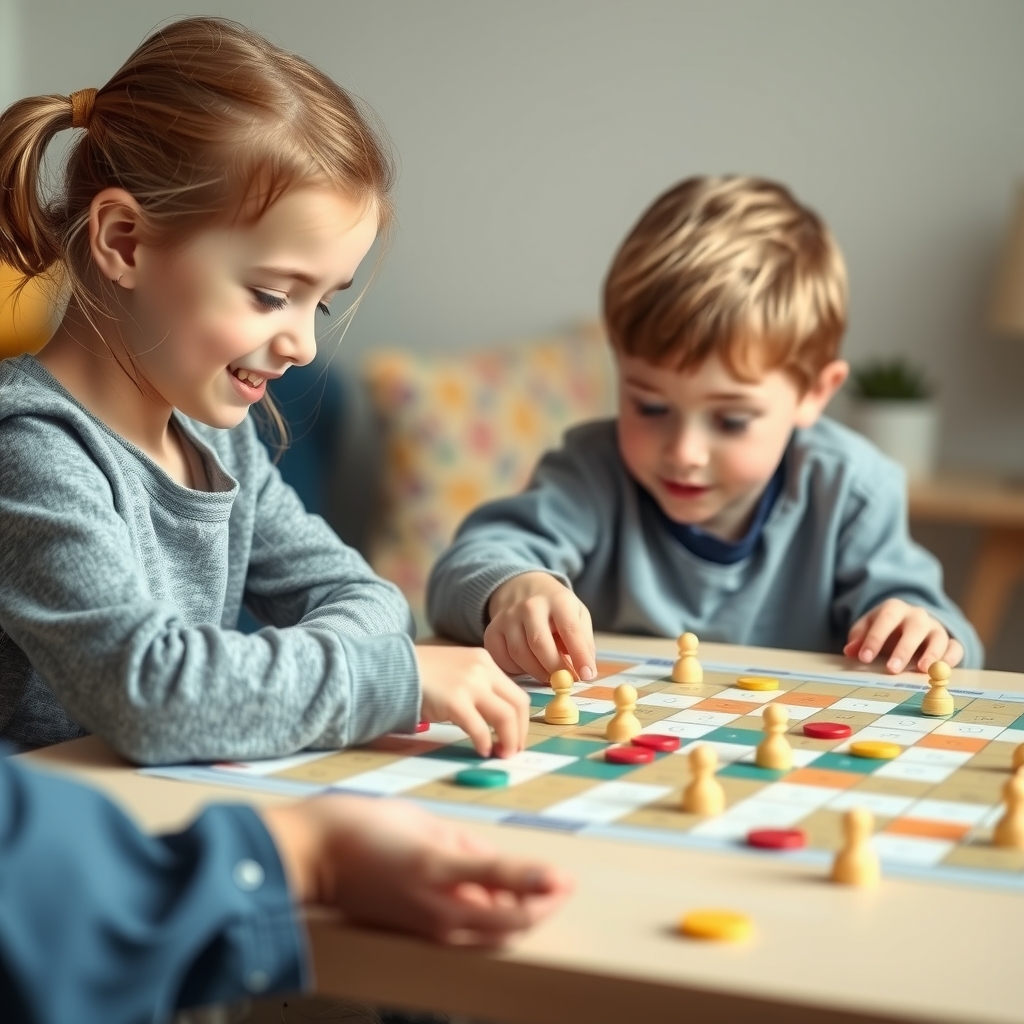
Shared activities can help bridge gender differences and foster strong, supportive sibling bonds.
Parental Approaches to Nurturing 'The Only One'
Parenting an only girl among boys or an only boy among girls requires a thoughtful and balanced approach. Here's a table summarizing key strategies:
Aspect
For Only Girl Among Boys
For Only Boy Among Sisters
Fostering Individuality
Expose to diverse activities (arts, STEM, sports). Validate all her interests. Ensure "girl time" with friends/mentors.
Expose to diverse activities (arts, STEM, sports). Validate all his interests. Ensure "boy time" with friends/mentors.
Addressing Stereotypes
Challenge "tomboy" labels. Reinforce that femininity is multifaceted. Discuss healthy male-female interactions.
Challenge "sensitive" labels. Reinforce that masculinity is multifaceted. Discuss healthy male-female interactions.
Sibling Relationships
Teach brothers to include her. Empower her to assert needs. Facilitate shared activities + individual space.
Teach sisters to include him. Empower him to assert needs. Facilitate shared activities + individual space.
Role Models
Introduce strong female role models in various fields. Highlight male figures with diverse traits.
Introduce diverse male role models (empathetic, creative). Highlight strong female figures with diverse traits.
Communication
Create safe space for her to voice feelings of being outnumbered/different. Validate her emotional experiences.
Create safe space for him to voice feelings of being overshadowed/different. Validate his emotional experiences.
Parental Modeling
Show both parents sharing diverse roles/interests. Challenge gendered tasks at home.
Show both parents sharing diverse roles/interests. Challenge gendered tasks at home.
Myth vs. Fact
It's easy to fall prey to common misconceptions when discussing gender dynamics in families. Let's debunk a few:
Myth: An only girl among boys will automatically become a "tomboy" and reject all things feminine.
Fact: While she may develop a strong, assertive personality and enjoy activities traditionally associated with boys, her identity is complex. She might also deeply value traditionally feminine interests and friendships. Her exposure to diverse role models and parental encouragement of all her interests are more influential than simply her sibling dynamic. Every child's journey is unique, and her expression of femininity (or lack thereof) is her own to define.
Myth: An only boy surrounded by sisters will be overly sensitive or "girly."
Fact: Growing up with sisters can foster high emotional intelligence, empathy, and strong communication skills. These are valuable traits for anyone, regardless of gender. It doesn't inherently make him "girly," but rather equips him with a broader range of emotional tools and a deeper understanding of diverse perspectives. He's likely to be well-rounded and comfortable expressing a full spectrum of emotions, which is a strength, not a weakness.
Myth: The "only one" will always feel isolated or misunderstood.
Fact: While feelings of being "different" can arise, especially during certain developmental stages, they are not inevitable or permanent. With intentional parenting that fosters open communication, validates feelings, encourages diverse friendships, and celebrates individuality, the "only one" can feel deeply connected and understood within their family. These children often develop exceptional adaptability and empathy precisely because they navigate a unique family dynamic.
Key Takeaways
The "only girl among boys or vice versa" dynamic offers unique challenges and advantages for children.
Proactively foster individuality by exposing your child to diverse interests and role models, regardless of traditional gender norms.
Open communication and validation of feelings are crucial for addressing any potential feelings of isolation or being "different."
Model inclusive behavior and challenge gender stereotypes within your home to create an equitable environment for all your children.
Encourage empathy, respect, and shared activities to build strong, supportive sibling relationships that bridge gender differences.
Recognize that the long-term psychological impacts are shaped by many factors, with intentional parenting being a key influence on resilience and self-identity.
Frequently Asked Questions
Is it difficult being the only girl with brothers?
It can be, but it's also incredibly rewarding. Challenges might include navigating rough-and-tumble play, feeling outnumbered, or having her interests occasionally overlooked. However, many "only girls" develop strong resilience, independence, and confidence, becoming adept at communicating and advocating for themselves. Parental support, diverse friendships, and validating her unique identity can significantly ease any difficulties.
What are the pros and cons of being the only girl in a family?
Pros often include developing strong independence, resilience, confidence in male-dominated settings, and excellent communication skills. Cons can involve feeling outnumbered, a potential lack of same-gender understanding, or pressure to conform to brothers' interests. Ultimately, the experience is shaped by family dynamics, parental guidance, and the child's individual personality.
How does being the only girl affect a child's development?
Being the only girl can foster a child's development in unique ways. She might become more assertive, empathetic, and adaptable. She may develop a broader range of interests, feeling comfortable in both traditionally masculine and feminine pursuits. It can also shape her relationships, making her comfortable interacting with men while also potentially seeking deep female friendships to fulfill certain emotional needs.
Is it good to have an only son among daughters?
Yes, it can be very good! An only son among daughters often develops high emotional intelligence, empathy, and strong communication skills. He may be less constrained by traditional masculine stereotypes and more comfortable with emotional expression. It can foster deep respect for women and strong family bonds, preparing him for healthy relationships in adulthood.
How do you raise an only boy in a family of girls?
Raise him by celebrating his individuality and validating all his interests, whether they align with his sisters' or not. Ensure he has access to diverse toys, activities, and male role models. Foster open communication, teach his sisters to include him, and dedicate one-on-one time with each parent. The goal is to create an environment where he feels seen, heard, and free to explore his unique identity.
What are the common challenges of having an only girl?
Common challenges include ensuring she doesn't feel outnumbered or overshadowed by her brothers' interests, providing adequate female role models and friendships, and helping her navigate gender stereotypes. Parents might also need to actively ensure her voice is heard in a boisterous household and that her emotional needs are met amidst potentially different communication styles.
When to See a Doctor or Specialist
While the unique family dynamic of being the "only one" is generally a normal and healthy experience, it's important for parents to be attentive to their child's emotional well-being. If you notice persistent or concerning signs, it's always wise to consult a professional.
Consider reaching out to your pediatrician, a child psychologist, or a family therapist if your child consistently:
Expresses extreme feelings of isolation, sadness, or anxiety that interfere with their daily life.
Shows a significant and sudden change in personality or behavior.
Struggles severely with social interactions, either within the family or with peers.
Exhibits signs of low self-esteem or self-worth that don't improve with parental support.
Has difficulty forming healthy relationships or communicating effectively with family members.
Is experiencing bullying or persistent negative interactions at school that may be related to their unique family dynamic or gender identity.
These professionals can provide guidance, support, and strategies tailored to your child's specific needs and your family's dynamics. Remember, seeking help is a sign of strength and commitment to your child's well-being.
This article is for informational purposes only and does not constitute medical advice. Always consult with a qualified healthcare professional for any health concerns or before making any decisions related to your health or the health of your family.
References
American Psychological Association (APA). (n.d.). Gender Identity. Retrieved from APA.org
Centers for Disease Control and Prevention (CDC). (n.d.). Child Development. Retrieved from CDC.gov
National Institutes of Health (NIH). (n.d.). Child and Adolescent Mental Health. Retrieved from NIMH.NIH.gov
Pipher, M. (1994). Reviving Ophelia: Saving the Selves of Adolescent Girls. Ballantine Books.
Pollack, W. S. (1998). Real Boys: Rescuing Our Sons from the Myths of Boyhood. Random House.
Not sure about the label on Only Girl Among Boys Or Vice Versa products?
Snap the ingredients list and SafeFilter checks every ingredient for your stage — only 3 free scans this month, then you're locked until reset. Unlimited from $7/mo or lock $50/yr through Aug 31 (5 days left).
When Shubhra Mishra was expecting her first child in 2016, she was overwhelmed by conflicting food advice — one site said yes, another said never. By the time her second baby arrived in 2019, she realized millions of mothers face the same confusion.
That sparked a five-year journey through clinical nutrition papers, cultural diets, and expert conversations — all leading to BumpBites: a calm, compassionate space where science meets everyday motherhood.
Her long-term vision is to build a global community ensuring safe, supported, and free deliveriesfor every mother — because no woman should face pregnancy alone or uninformed. 🌿
🌍 Stand with mothers, shape safer guidance
Join a small circle of experts who review BumpBites articles so expecting parents everywhere can decide with confidence.