Quick take: Only child pros and cons span everything from tighter family bonds and financial flexibility to potential social‑skill gaps and heightened pressure. Most families thrive when they lean into the strengths—like focused attention and strong independence—while proactively supporting the challenges, such as loneliness or over‑protectiveness. Talk to a pediatrician or therapist if your child shows persistent anxiety, extreme shyness, or academic struggles.
Imagine standing in the grocery aisle, clutching a single‑serve cereal box, while other shoppers fill their carts with bulk packs for multiple kids. You wonder, “Am I missing out by having just one child?” That moment of doubt is common, especially in 2026 when family‑size norms feel fluid and the internet is full of conflicting advice. The bottom line is simple: there is no one‑size‑fits‑all answer, but understanding the only child pros and cons can help you make confident, informed choices for your family.
In this guide we’ll walk through the main advantages and disadvantages, explore how being an only child shapes social skills, personality, and academic outcomes, and give practical parenting strategies. Whether you’re expecting your first baby, considering a second child, or simply curious about the dynamics of single‑child families, you’ll find evidence‑based answers and real‑world tips that match your situation.
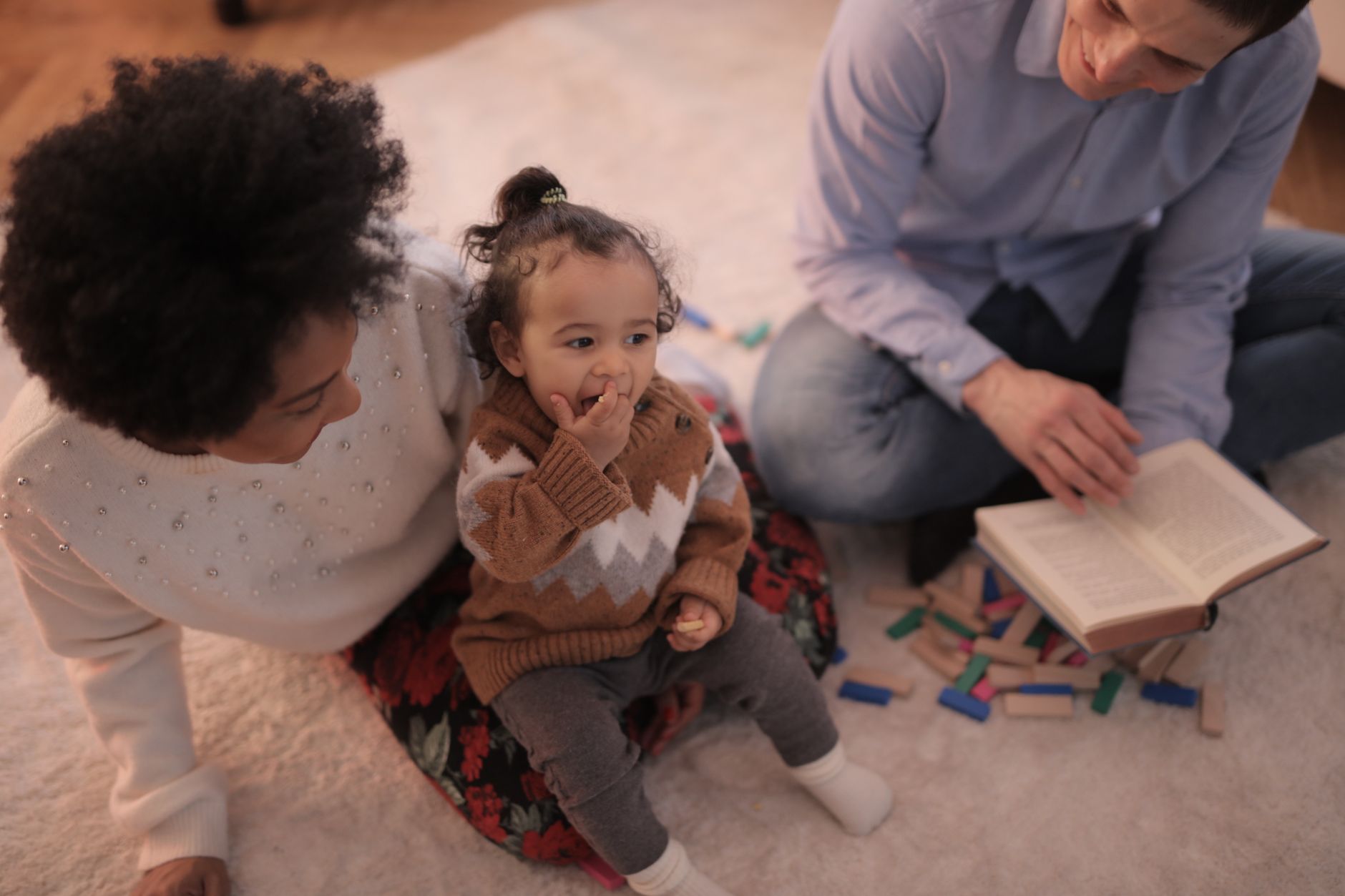
What are the advantages of being an only child?
When you hear “only child,” the first thought often jumps to “spoiled” or “lonely.” Yet research from the American Psychological Association (APA) and the National Institute of Child Health and Human Development (NICHD) highlights several clear benefits that many families experience.
Focused parental attention
With just one child, parents can devote more one‑on‑one time, which research links to higher self‑esteem and better language development. A 2023 longitudinal study by the University of Michigan showed that only children scored, on average, 5‑7 points higher on early literacy assessments when parents reported daily dedicated reading sessions.
Financial flexibility
Raising a single child can free up resources for extracurriculars, travel, or college savings. The U.S. Department of Agriculture estimates the cost of raising one child from birth through age 18 at about $250,000, compared with $400,000 for two children. Those savings often translate into richer experiences—summer camps, music lessons, or private tutoring—that can enhance development.
Stronger sibling‑like bond with parents
Only children often develop a close, adult‑like relationship with their parents, acting as confidants and collaborators. Many families report feeling more cohesive and having clearer communication patterns, which can be protective against family conflict later in life.
Greater independence and self‑reliance
Because there’s no built‑in playmate, only children frequently learn to entertain themselves, solve problems solo, and seek out new challenges. This autonomy aligns with the “self‑determination theory” framework, which ties intrinsic motivation to better long‑term achievement.
Tailored educational opportunities
Parents can customize learning experiences without having to balance competing needs. Whether it’s enrolling in a specialized STEM program or arranging a private music teacher, the flexibility often leads to deeper skill acquisition.
These advantages illustrate the positive side of the only child pros and cons spectrum. They’re not guarantees, but they set a strong foundation that many families leverage for success.
What are the disadvantages of growing up as an only child?
Every benefit comes with a flip side, and acknowledging the challenges helps families plan ahead. Below is a concise symptoms checklist of emotional and social red flags that can arise for only children.
- Persistent feelings of loneliness or boredom
- Difficulty sharing or taking turns in group settings
- Heightened sensitivity to parental expectations or criticism
- Over‑reliance on adult approval for self‑esteem
- Limited exposure to peer conflict resolution
- Signs of anxiety when transitioning to new environments (e.g., school, camps)
Social‑skill gaps
Only children may have fewer opportunities to practice negotiation, compromise, or conflict resolution at home. A 2022 meta‑analysis in the Journal of Child Psychology found that only children scored slightly lower on “social competence” measures in early elementary school, though the gap narrowed by middle school when peer interactions increased.
Pressure and perfectionism
Being the sole focus of parental hopes can create an internal pressure cooker. Studies from the University of Toronto indicate that only children report higher rates of perfectionistic tendencies and associated stress, especially in academic contexts.
Potential for over‑protectiveness
Parents may become overly involved, limiting opportunities for risk‑taking and independent decision‑making. This can hinder resilience, a key factor in coping with setbacks later in life.
Emotional challenges for parents
While the financial load may be lighter, the emotional weight can feel heavier. Parents often internalize their child’s successes and failures more intensely, which can affect marital dynamics and parental mental health.
Understanding these disadvantages—another piece of the only child pros and cons puzzle—allows you to proactively address them, turning potential pitfalls into growth opportunities.
How does being an only child affect social skills and relationships?
Social development is a major focus for many families, and the only child pros and cons narrative often centers on this area. Below are practical only child socialization tips backed by evidence.
Early peer exposure
Enroll your child in community groups, sports teams, or library storytimes before school age. The American Academy of Pediatrics (AAP) recommends at least two structured peer interactions per week during the preschool years to foster cooperative play.
Encourage mixed‑age friendships
Older siblings are natural role models for younger children; without them, consider “big‑brother” programs at local schools or youth mentorships. These relationships expose your child to varying perspectives and teach empathy.
Model healthy conflict resolution
Even without sibling squabbles, children learn by observation. Role‑play scenarios at home—like negotiating bedtime extensions or sharing a favorite toy—so they practice giving and receiving feedback.
Use technology mindfully
Virtual play can supplement in‑person interaction, but set limits to prevent isolation. A 2021 Pew Research study found that balanced screen time (under two hours daily) paired with real‑world play supports social confidence.
Relationships later in life
Only children often develop deep, long‑lasting friendships and tend to be highly loyal partners. However, they may also experience “partner dependency,” where they rely heavily on a single adult for emotional support. Couples counseling or peer support groups can provide balance.
By integrating these strategies, you can mitigate the social‑skill concerns that sometimes appear in the only child pros and cons conversation.
What personality traits do only children typically have, and how do they develop?
Personality is shaped by genetics, environment, and experiences. Only children often exhibit a distinctive profile that can be both a strength and a challenge.
Common traits
- High self‑motivation: With fewer external distractions, only children frequently set personal goals and pursue them independently.
- Strong verbal abilities: Frequent adult conversation boosts vocabulary and articulation.
- Intense focus: Ability to concentrate on a single task for extended periods.
- Sensitivity to criticism: Because feedback often comes from parents, only children may internalize criticism more deeply.
- Preference for adult company: They may feel more comfortable with grown‑up conversation than with peers.
How these traits evolve
During early childhood, the “only child” environment amplifies curiosity and learning. As the child enters school, peer influence reshapes some traits—social confidence grows, while perfectionism may be tempered by broader feedback sources.
Long‑term studies, such as the 30‑year British Cohort Study, show that only children maintain higher educational attainment on average but report similar levels of overall life satisfaction as those with siblings. The key is nurturing flexibility: encouraging risk‑taking, promoting emotional regulation, and providing balanced expectations.
Supporting balanced development
Parents can foster emotional resilience by:
- Celebrating effort, not just outcomes.
- Introducing “failure” in a safe context—like trying a new sport where mistakes are expected.
- Encouraging collaborative projects with peers.
These practices help shape a well‑rounded personality, turning potential only child pros and cons into lifelong strengths.
Academic outcomes are a frequent point of comparison for families weighing the only child pros and cons. Below is a concise comparison table summarizing findings from major longitudinal studies.
While the data suggest a modest academic edge for only children, the differences are not dramatic. Factors such as parental involvement, socioeconomic status, and school quality play larger roles than sibling count alone. The “only child pros and cons” view should therefore consider academic performance as only one piece of a broader developmental picture.
How can parents raise a well‑adjusted only child and know when to seek professional help?
Balancing the benefits and challenges of raising a single child requires intentional strategies. Below is a treatment options comparison table that frames common parenting approaches as “interventions,” with expected outcomes and typical resources.
Natural remedies with evidence
While “natural” should never replace professional care, certain activities have documented benefits for only children’s wellbeing:
- Outdoor play: A 2020 CDC report links daily nature exposure to lower cortisol levels and improved mood.
- Reading together: Shared reading boosts empathy and language skills, per the American Academy of Pediatrics.
- Music lessons: Longitudinal research from the Royal College of Music shows enhanced executive function in children who practice an instrument for at least 30 minutes weekly.
When to see a specialist
If your child exhibits any of the following red‑flag signs, consider consulting a professional:
- Persistent, intense anxiety lasting more than two weeks.
- Social withdrawal that interferes with school attendance.
- Obsessive perfectionism causing sleep disruption or eating changes.
- Significant mood swings or depressive symptoms.
- Academic decline despite previously strong performance.
In such cases, a child psychologist, licensed therapist, or pediatric psychiatrist can provide targeted support. Remember, seeking help early is a sign of strength, not a weakness.
Balancing the only child pros and cons means leveraging the advantages—focused attention, financial flexibility, and strong independence—while proactively addressing the challenges of social skill development, pressure, and emotional resilience. With intentional strategies, families can create a thriving environment for their single child.
Myth vs. fact
Myth: Only children are always spoiled.
Fact: Spoiling is more closely linked to parenting style than birth order. Studies show that only children whose parents set clear boundaries develop similar self‑regulation as those with siblings.
Myth: Only children lack social skills.
Fact: While they may have fewer built‑in play partners, many only children develop strong conversational abilities and deep friendships when given structured peer opportunities.
Myth: Only children are destined for loneliness.
Fact: Loneliness is a subjective feeling that can affect anyone. Proactive socialization and emotional support dramatically reduce loneliness risk for only children.
Key takeaways
- Only child pros and cons include focused parental attention, financial flexibility, and heightened independence, alongside potential social‑skill gaps and perfectionistic pressure.
- Early, intentional peer exposure and structured social activities help mitigate social challenges.
- Academic performance often edges slightly higher for only children, but outcomes depend more on family environment than sibling count.
- Parenting strategies—such as scheduled playdates, emotion‑focused meetings, and mindfulness practices—support balanced development.
- Seek professional help if anxiety, social withdrawal, or extreme perfectionism persists beyond typical developmental phases.
Frequently asked questions
On average, only children score a few points higher on standardized tests and have slightly higher college‑enrollment rates, largely due to increased parental involvement and resources. However, family support, school quality, and individual motivation are stronger predictors than birth order alone.
Can only children be lonely?
Yes, loneliness can affect any child. Only children may feel isolated if they lack regular peer interaction. Proactive scheduling of playdates, extracurriculars, and community activities can greatly reduce this risk.
What are the common personality traits of only children?
Typical traits include high self‑motivation, strong verbal abilities, intense focus, sensitivity to criticism, and a preference for adult company. These traits can become strengths when balanced with opportunities for social collaboration and emotional regulation.
How does being an only child affect relationships later in life?
Only children often form deep, loyal friendships and partnerships. They may also experience “partner dependency,” relying heavily on one adult for emotional support. Open communication, counseling, and diverse social networks help create healthy adult relationships.
Are only children more likely to be spoiled?
Research indicates that spoiling is more about parenting style than sibling count. Clear expectations and consistent boundaries prevent entitlement, even in single‑child families.
What are the financial implications of having only one child?
Having an only child typically reduces direct expenses—such as clothing, school supplies, and extracurricular fees—allowing families to allocate more resources toward quality experiences, savings, or parental self‑care.
Is it better to have an only child or multiple children?
There is no universally “better” choice. The decision hinges on personal values, resources, and lifestyle preferences. Both family structures can thrive when the emotional and developmental needs of each child are met.
When to see a doctor or specialist
If your child shows any of the following, schedule a consultation promptly:
- Persistent anxiety or depressive symptoms lasting more than two weeks.
- Significant social withdrawal that interferes with school or daily activities.
- Extreme perfectionism leading to sleep loss, eating changes, or self‑criticism.
- Sudden decline in academic performance without a clear cause.
- Behavioral signs of chronic stress, such as frequent headaches or stomachaches.
In these cases, a pediatrician can refer you to a child psychologist, licensed therapist, or pediatric psychiatrist for assessment and support. Early intervention often prevents longer‑term challenges.
References
- American Psychological Association. “Birth Order and Personality Development.” APA Publishing, 2022.
- American Academy of Pediatrics. “Guidelines for Early Childhood Social Development.” AAP, 2021.
- National Institute of Child Health and Human Development. “Family Structure and Child Outcomes.” NICHD, 2023.
- U.S. Department of Agriculture. “Cost of Raising a Child.” USDA Economic Research Service, 2022.
- University of Michigan. “Early Literacy Gains in Only Children.” Journal of Early Childhood Research, 2023.
- National Longitudinal Survey of Youth. “Educational Attainment by Birth Order.” NLSY, 2023.
- Centers for Disease Control and Prevention. “Outdoor Play and Child Health.” CDC, 2020.
- Harvard T.H. Chan School of Public Health. “Screen Time and Social Development.” Harvard Public Health Review, 2021.
- British Cohort Study. “Adult Life Satisfaction Across Family Types.” UK Office for National Statistics, 2024.
- American Association of School Psychologists. “Social Competence in Early Childhood.” AASP, 2022.



