Quick take: Empty nest anticipating can feel like a sudden quiet after years of hustle. You’re not alone—most moms feel a mix of loss, relief, and curiosity. By planning emotionally, financially, and practically, you can turn this transition into a time of growth, new hobbies, and stronger connections with your grown children. ✅
When the last car pulls out of the driveway and the house settles into a new hush, your heart might race. You may wonder whether the emptiness signals a loss, an opportunity, or both. That moment—standing in the now‑empty kitchen, hearing the echo of footsteps that once filled it—is one many modern moms recognize as the start of the empty‑nest chapter.
At BumpBites we’ve spoken with dozens of mothers who described that exact 3 a.m. pause, the sudden space that feels both freeing and unsettling. One reader wrote, “I felt a wave of grief, then a spark of excitement when I realized I could finally paint the spare bedroom I’d always dreamed about.” You’re about to read a step‑by‑step guide that answers the practical, emotional, and financial questions that come with empty nest anticipating.
In this guide we’ll explore how to cope with the feelings that surface, identify the signs you’re ready for the change, discover new activities, manage money, keep close ties with adult children, protect your mental health, and even redesign your home for this new phase. Let’s walk through each piece together, so you can greet the empty nest with confidence and calm.

How to cope with empty nest feelings after kids leave home
First, acknowledge that the emotional surge you’re feeling is normal. The National Institute on Aging notes that “empty‑nest syndrome” affects up to 30 % of parents, often manifesting as sadness, anxiety, or a sense of identity loss. Coping starts with giving yourself permission to feel.
Validate your emotions
- Write down what you’re experiencing. Naming feelings—“I feel lonely,” “I feel relieved”—helps the brain process them.
- Talk to a trusted friend or partner. Sharing a story reduces the intensity of grief.
- Remember that grief is not a linear path; you may feel a mix of emotions on any given day.
Create a daily grounding routine
A simple routine signals to your nervous system that you’re safe. Try a 5‑minute morning stretch, a cup of tea while you watch the sunrise, and a brief journaling prompt: “What am I grateful for today?” The American Psychological Association (APA) highlights that regular mindfulness reduces stress hormones by up to 20 %.
Engage in a “transition ritual”
Rituals provide closure. Some moms plant a tree in the backyard, write letters to each child, or photograph a favorite family space before changing its purpose. These gestures honor the past while inviting the future.
Joining an online forum or a local meet‑up for empty‑nest moms can remind you that you’re not walking this path alone. In the next section we’ll list specific support groups and resources.
When feelings become overwhelming
If sadness lingers beyond a few weeks, interferes with sleep, appetite, or daily functioning, consider professional help. A therapist trained in life‑stage transitions can offer strategies tailored to your experience.
Signs you are ready for an empty nest and how to prepare emotionally
Recognizing readiness is a blend of practical cues and inner signals. Below are common markers that suggest you’re primed for the shift.
Practical signs
- The children’s rooms are mostly empty, and the house feels quieter.
- You’ve started planning for a move or redecorating the space.
- Financially, you have a stable income or retirement savings that cover your needs.
Emotional signs
- Feelings of curiosity about life beyond parenting surface more often than fear.
- You notice yourself thinking about personal goals—travel, education, or creative projects.
- There’s a growing sense of “I’ve earned a new chapter.”
Preparing emotionally
Start a “future‑self” journal. Write a letter to the version of you who’s thriving after the kids have moved out. Include hopes, fears, and a list of three things you’d love to explore. Revisiting this letter later provides a tangible reminder of progress.
Another helpful exercise is the “empty‑nest visualization.” Sit comfortably, close your eyes, and picture a day in your new routine—perhaps sipping coffee on a balcony while reading a book. Engage all senses: the scent of fresh coffee, the feel of sunlight, the sound of birds. Visualization trains your brain to accept the upcoming reality.
Finally, set small, achievable goals each week—like completing a home‑office makeover or enrolling in a short online course. Small wins build confidence and reduce the fear of the unknown.
Activities and hobbies for modern moms to fill time after children move out
Reclaiming time opens a world of possibilities. Below are ideas that suit a range of interests, budgets, and energy levels.
Creative outlets
- Painting or watercolor—many community centers offer beginner classes.
- Writing—start a memoir, blog, or poetry journal. The National Endowment for the Arts reports that creative writing improves mood and cognitive function.
- DIY home décor—upcycle furniture or create a gallery wall to celebrate memories.
Physical pursuits
- Yoga or Pilates—gentle on joints and excellent for stress relief.
- Walking clubs—join a local group to explore parks and stay socially active.
- Dancing—online classes or community studio sessions add fun and cardio.
Learning and growth
- Online courses—platforms like Coursera or edX let you study anything from photography to finance.
- Language learning—apps like Duolingo make it easy to practice daily.
- Volunteer work—choose a cause that resonates, such as mentoring teens or supporting local shelters.
Social hobbies
- Book clubs—virtual or in‑person groups give you a reason to meet new people.
- Cooking clubs—exchange recipes and host potlucks with friends.
- Gardening—whether a balcony herb garden or a backyard plot, nurturing plants offers measurable progress.
Pick one activity that feels exciting, not overwhelming. Schedule it just as you would a doctor’s appointment, and give yourself at least eight weeks to see how it fits into your new rhythm.
Financial planning tips for empty nest moms transitioning to retirement
Money worries often amplify the emotional turbulence of empty nest anticipating. A clear financial roadmap can restore peace of mind.
Assess your current financial picture
Gather statements for savings, retirement accounts, debts, and any ongoing expenses (like college tuition). Use a simple spreadsheet or a free budgeting app to see where you stand.
Reallocate resources
Once children leave home, you may free up money previously earmarked for their daily needs. Consider redirecting those funds toward:
- Boosting retirement contributions (401(k), IRA).
- Creating an emergency fund covering 6–12 months of expenses.
- Investing in a hobby‑related fund (travel, education, home renovation).
Budgeting comparison table
Consider downsizing or repurposing space
If your home feels too large, explore renting out a room on a short‑term platform, or converting it into a home office. According to AARP, renting a spare bedroom can generate $500–$1,200 per month, supplementing retirement income.
Consult a financial advisor
Even a single session with a certified financial planner can clarify tax implications, Social Security timing, and investment strategies. Look for advisors who specialize in life‑stage transitions.
How to maintain relationships with adult children after the house empties
Physical distance doesn’t have to mean emotional distance. Intentional communication keeps bonds strong.
Set a regular “check‑in” cadence
Agree on a weekly or bi‑weekly video call, a quick text, or a shared photo album. Consistency beats spontaneity when schedules are busy.
Share new experiences
Invite your adult children to join you in a hobby you’ve started—perhaps a cooking class or a hike. Even a virtual cooking night where each person prepares the same recipe can create shared memory.
Respect boundaries
Adult children may need space to establish independence. If they ask for privacy, honor it while letting them know you’re available. A gentle “I’m here whenever you want to talk” reinforces support without pressure.
Use technology wisely
Group chats on platforms like WhatsApp or Slack can turn daily life into a shared narrative. A “photo of the day” thread lets each family member share a snapshot of their routine, fostering connection.
Plan occasional in‑person gatherings
Seasonal reunions—holiday meals, summer picnics, or a weekend retreat—give everyone something to look forward to and keep the family tradition alive.
Mental health resources for empty nest anxiety and depression
Feelings of anxiety or low mood after the kids move out are common, but help is available.
Therapy options
- Cognitive‑behavioral therapy (CBT)—focuses on reshaping negative thought patterns. The APA notes CBT is effective for adult‑onset depression.
- Group therapy—empty‑nest support groups provide peer validation and coping strategies.
- Life‑coach counseling—helps set and achieve personal goals during transition.
Online resources
- National Alliance on Mental Illness (NAMI) offers free webinars on life‑stage transitions.
- BetterHelp and Talkspace provide affordable virtual counseling with licensed therapists.
- Mindfulness apps like Headspace or Calm include guided meditations specifically for “adjusting to change.”
Self‑help strategies
- Maintain a sleep schedule—aim for 7–9 hours.
- Engage in regular aerobic activity—30 minutes most days reduces anxiety.
- Practice gratitude journaling—writing three things you’re thankful for each night improves mood.
When to seek urgent help
If you experience persistent thoughts of hopelessness, loss of interest in all activities, or any suicidal ideation, call emergency services (911 in the U.S., 999 in the UK) or go to the nearest emergency department. You deserve immediate support.
Ways to redesign your home after the kids move out
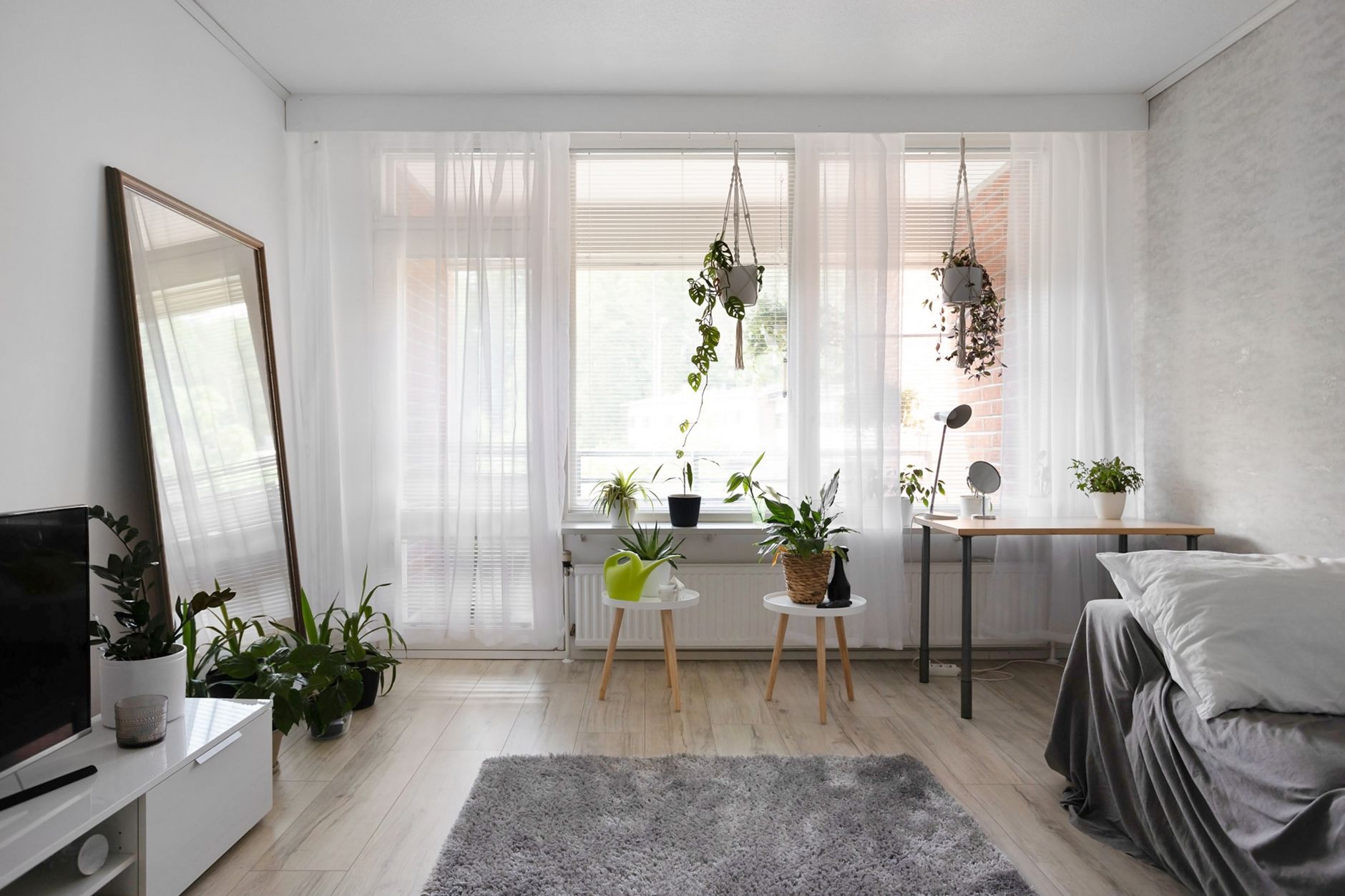
The empty rooms are a blank canvas for your next chapter. Redesign can reflect newfound freedom and practical needs.
Start with a “transition checklist”
- Remove or store children’s toys and furniture.
- Assess the purpose of each room—office, guest suite, hobby space.
- Plan color palettes that energize or calm, depending on the room’s new role.
- Set a budget for paint, furniture, and décor.
Popular redesign ideas
- Home office—Add a standing desk, ergonomic chair, and good lighting. According to the CDC, a well‑lit workspace improves productivity and reduces eye strain.
- Creative studio—Install shelving for art supplies, a large easel, or a music corner.
- Guest suite—Create a welcoming space for visiting friends or family with neutral tones and a comfortable bed.
- Wellness retreat—Transform a room into a meditation or yoga space with floor cushions, soft lighting, and a sound system.
DIY versus professional help
If you’re comfortable with painting and basic carpentry, a DIY approach can save money and add personal meaning. For larger projects—like moving walls or installing custom cabinetry—hire a licensed contractor. The Home Builders Association recommends obtaining at least three quotes and checking references before committing.
Budget-friendly tips
- Shop second‑hand stores for furniture.
- Use removable wallpaper for a quick splash of pattern.
- Repurpose existing pieces—turn a child’s desk into a vanity or craft station.
Empty nest travel ideas for solo moms
Travel can be a powerful way to celebrate this new phase. Whether you crave cultural immersion or nature’s quiet, here are ideas that suit a solo mom’s schedule and budget.
Short‑term getaways
- Wellness retreats—spas in Arizona or yoga retreats in Bali offer structured programs and community.
- City breaks—explore museums, cafés, and walking tours in cities like Portland, Edinburgh, or Kyoto.
- Nature escapes—rent a cabin in the Smoky Mountains or a glamping site for starlit nights.
Longer adventures
- Solo cruise—many cruise lines now market “solo traveler” experiences with dedicated activities.
- Volunteering abroad—organizations like WWOOF connect travelers with farms, providing low‑cost lodging and a sense of purpose.
- Road trips—plan a scenic drive along the Pacific Coast Highway or Route 66, stopping at small towns and local attractions.
Safety and budgeting tips
- Join travel forums (e.g., Solo Travel subreddit) for up‑to‑date safety advice.
- Use travel credit cards that offer points for flights and hotels, and set a monthly budget of $200–$300 for travel savings.
- Purchase travel insurance that covers medical emergencies and trip cancellations.
Travel checklist for solo moms
- Passport and any required visas.
- Copy of travel itinerary shared with a trusted friend.
- Essential medications and a basic first‑aid kit.
- Lightweight luggage with a lock.
- Digital copies of important documents stored securely.

Myth vs. fact
Myth: Empty‑nest feelings mean you’re failing as a parent.
Fact: Adjusting to an empty home is a normal life transition; it reflects a shift in role, not a deficiency.
Myth: You must fill the house with new people to feel whole.
Fact: Quality connections—whether through hobbies, community groups, or digital meet‑ups—provide lasting fulfillment without crowding your space.
Myth: Financial stress disappears once the kids move out.
Fact: While some expenses drop, new costs (travel, home projects, retirement planning) often emerge, making proactive budgeting essential.
Key takeaways
- Empty nest anticipating is a blend of emotional, practical, and financial shifts—acknowledge each part.
- Use a “future‑self” journal and visualization to ease the transition.
- Pick one hobby or activity to start within the first month; consistency beats intensity.
- Reallocate freed‑up money toward retirement, emergency savings, and personal passions.
- Maintain regular, intentional communication with adult children—balance connection with autonomy.
- Seek therapy or support groups if anxiety or depression persists, and never hesitate to call a professional for urgent mental‑health concerns.
- Redesign your home intentionally—use a checklist, set a budget, and consider both DIY and professional help.
Frequently asked questions
What are the first signs of empty nest syndrome?
Early signs include persistent sadness, loss of purpose, changes in sleep or appetite, and a sudden sense of emptiness when the house is quiet. If these feelings linger beyond a few weeks, consider talking to a therapist.
How can I stay connected with my adult children after they move out?
Set a regular check‑in schedule (weekly video call or text), share experiences like cooking the same recipe, and use group chats for quick updates. Respect their need for space while letting them know you’re always available.
Is it normal to feel sad when the house becomes empty?
Yes. The transition often triggers grief because your role as a daily caregiver changes. Acknowledging the sadness, practicing self‑care, and seeking community support can help you process these emotions.
What hobbies are good for empty nest moms?
Creative pursuits (painting, writing), physical activities (yoga, walking clubs), learning (online courses, language apps), and social hobbies (book clubs, gardening) all provide structure and joy. Choose one that excites you, not one you feel you “should” do.
How do I manage finances after my children leave home?
Start by reviewing your budget, redirect freed‑up funds toward retirement savings, emergency funds, and personal interests. Consider downsizing or renting out a room for extra income, and consult a financial advisor for tailored advice.
Can therapy help with empty nest feelings?
Absolutely. Therapists trained in life‑stage transitions can offer coping strategies, reframe identity shifts, and provide tools to manage anxiety or depression. Both individual and group therapy have shown benefits for adults facing major life changes.
When to see a doctor / specialist
If you notice any of the following, reach out promptly:
- Persistent low mood lasting more than two months.
- Sleep disturbances (insomnia or oversleeping) affecting daily function.
- Loss of interest in all activities, including those you previously enjoyed.
- Physical symptoms such as unexplained weight loss or gain, or frequent headaches.
- Thoughts of self‑harm or hopelessness.
For emotional concerns, start with your primary care provider, who can refer you to a mental‑health specialist—such as a psychologist, psychiatrist, or licensed therapist. If financial planning feels overwhelming, consider a certified financial planner (CFP) with experience in retirement transitions.
References
- National Institute on Aging. “Understanding Empty Nest Syndrome.”
- American Psychological Association. “Cognitive‑Behavioral Therapy for Adult Depression.”
- Centers for Disease Control and Prevention. “Physical Activity Guidelines for Adults.”
- AARP. “How to Downsize and Rent Out a Spare Room.”
- Harvard T.H. Chan School of Public Health. “Benefits of Mindfulness Meditation.”
- U.S. Department of Labor. “Financial Planning for Retirement.”
- BetterHelp. “Online Therapy for Life‑Stage Transitions.”
- National Alliance on Mental Illness (NAMI). “Webinars on Adult Life Changes.”
- Home Builders Association. “Choosing a Contractor: Tips and Questions.”
- World Health Organization. “Guidelines on Mental Health and Well‑Being.”



