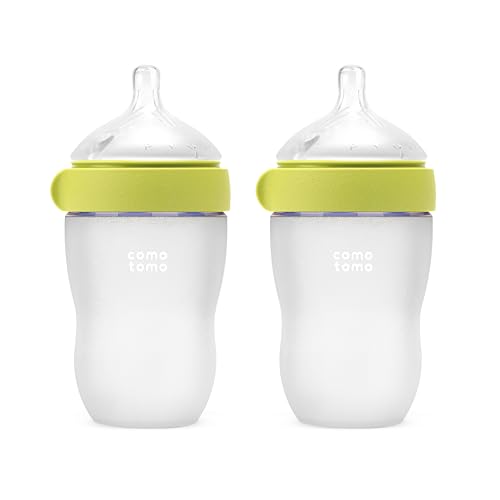
Quick take: An 8‑month‑old typically drinks 24‑32 oz (710‑945 ml) of formula a day, split across 3‑4 bottles. Adjust the amount based on your baby’s weight, appetite, and solid‑food intake. Watch for signs of over‑ or under‑feeding, and transition gradually to solids and, later, whole milk as recommended by your pediatrician.
It’s 3 a.m. and you’re staring at a half‑full bottle, wondering if you’re giving your little one enough to keep them thriving. You’re not alone. Many parents at the 8‑month milestone ask, “How much formula for 8 month baby is right?” The answer isn’t a one‑size‑fits‑all number, but there are clear guidelines to help you feel confident.
In this article we’ll walk through the daily volume you can expect, how many bottles and ounces per feeding make sense, how solid foods change the equation, which formulas are best, and red‑flag signs that you need a professional’s input. By the end you’ll have a practical feeding schedule, a checklist for hunger cues, and a myth‑busting guide so you can feed your baby with peace of mind.

Most pediatric guidelines, including those from the American Academy of Pediatrics (AAP) and the UK’s National Health Service (NHS), suggest an 8‑month‑old needs about 24‑32 oz (710‑945 ml) of formula daily. This range reflects the typical caloric requirement of 90‑100 kcal per kilogram of body weight, plus the calories they obtain from solid foods.
To calculate a personalized target, start with your baby’s current weight. Multiply the weight in kilograms by 90‑100 kcal, then divide by the caloric density of formula (approximately 20 kcal per ounce). For example, a 7 kg (15.4 lb) baby would need roughly 630‑700 kcal from formula, translating to 31‑35 oz. Since most babies at this age are also eating solids, you can aim for the lower end of the range—about 24‑28 oz—especially if solid foods are well‑established.
Remember, these numbers are guides, not strict rules. Babies grow at different rates, and appetite can vary day‑to‑day. The key is to watch for hunger cues and ensure steady weight gain of about 0.5‑1 lb per week.
Dividing the total daily volume across 3‑4 feedings typically results in 6‑8 oz (180‑240 ml) per bottle. Some babies prefer smaller, more frequent feeds (four bottles of 6 oz each), while others are comfortable with three larger bottles (8‑9 oz each). Offer the bottle when your baby shows signs of hunger—rooting, smacking lips, or putting hands in mouth—and stop when they turn away or fall asleep.
Survey data from the CDC’s Infant Feeding Practices study and the UK’s Feeding Infants and Toddlers Study (FITS) show that the median daily formula intake for babies aged 8‑12 months hovers around 28 oz (830 ml). This aligns with the 24‑32 oz range noted above and reflects the gradual shift toward solid foods, which typically supply 30‑40 % of total calories by this age.
Average intake can differ based on feeding method (bottle‑only vs. mixed feeding) and cultural practices. In families that introduce solids early (around 4‑5 months), formula volumes may dip toward the lower end of the range. Conversely, babies who are still primarily formula‑fed may stay near the higher end.
A practical schedule balances routine with flexibility. Below is a sample timeline that many parents find helpful:
- Morning (7‑8 a.m.): 6‑8 oz formula
- Midday (11‑12 a.m.): 6‑8 oz formula
- Afternoon snack (3‑4 p.m.): 4‑6 oz formula (often combined with a small solid snack)
- Evening (6‑7 p.m.): 6‑8 oz formula
If your baby is eating three solid meals plus two snacks, you might reduce the afternoon bottle to 4 oz and keep the other bottles at 6‑8 oz. The schedule can be adjusted around nap times; some babies prefer a bottle just before a longer nap to stay satisfied.
Consistency helps regulate hunger cues, but always be prepared to respond to an unexpected hunger surge—growth spurts are common at 8 months.
Both over‑feeding and under‑feeding can be subtle. Use the checklist below to gauge whether you’re in the right zone.
Symptoms checklist
- Signs of under‑feeding:
- Consistently fussy after feeds
- Slow weight gain or weight loss
- Fewer wet diapers (less than 4‑5 per day)
- Dark, concentrated urine
- Signs of over‑feeding:
- Frequent spit‑ups or vomiting
- Excessive gassiness or bloating
- Very frequent, loose stools
- Rapid weight gain (more than 1 lb per week)
If you notice any of the red‑flag signs, it’s time to adjust the volume or speak with your pediatrician.
After a bottle, give your baby a few minutes to settle. If they turn their head away, close their mouth, or start to fall asleep, they’re likely satisfied. Persistent rooting, sucking on fists, or crying a few minutes after the bottle suggests they may still be hungry. In that case, offer an additional 1‑2 oz rather than a full extra bottle.
By 8 months, most babies are eating 2‑3 solid meals a day plus snacks. Solids now provide about 30‑40 % of daily calories. The transition isn’t a sudden cut‑off; instead, you gradually replace a portion of the formula with food.
Here’s a step‑by‑step plan:
- Introduce iron‑rich cereals mixed with a small amount of formula (1‑2 oz) to create a thin porridge.
- Add pureed fruits and vegetables once a day, gradually increasing the portion as the baby tolerates it.
- Offer protein foods (pureed chicken, lentils, tofu) 2‑3 times per week.
- Reduce bottle size by 1‑2 oz each week while increasing solid portions.
- Monitor weight and diaper output to ensure nutrition remains adequate.
When solid intake reaches roughly 4‑6 oz per meal, you can safely lower the total formula volume to the lower end of the 24‑32 oz range.
Choosing the right formula depends on your baby’s health, any known allergies, and family preferences. Below is a comparison table that highlights the main options.
If your baby has reflux, a thickened formula can be helpful, but always discuss with your pediatrician first. For most babies, a standard cow’s‑milk‑based formula remains the best choice.
Using the earlier weight‑based calculation (90‑100 kcal/kg), a 7 kg baby needs roughly 630‑700 kcal per day. If solids provide 30 % of calories (about 210‑210 kcal), the remaining 420‑490 kcal must come from formula. At 20 kcal per ounce, that equals 21‑25 oz of formula daily.
Dividing that into three feedings yields about 7‑8 oz per bottle. If your baby consumes more solids, you can lower the formula portion accordingly. The goal is to keep total caloric intake within the recommended range while ensuring adequate nutrients like iron, calcium, and vitamin D that formula supplies.
The AAP and NHS both advise against replacing formula with whole cow’s milk before 12 months of age. Whole milk lacks essential nutrients—especially iron and certain fatty acids—that formula provides. It also has a higher protein load that can stress a young kidney.
That said, you can introduce a small amount of whole milk (up to 2 oz) mixed into a bottle or spoon‑fed as part of a meal once your baby is comfortably eating solids and you’ve discussed it with your pediatrician. The primary source of nutrition should still be formula until at least the first birthday.
If your family prefers a plant‑based milk (almond, oat, rice), remember that these are not nutritionally complete for infants. They should be used only as a flavoring in small amounts, not as a formula substitute.
Breastfed babies who also receive formula: If you’re supplementing, aim for the same total volume (24‑32 oz) but consider that breast milk may reduce the amount of formula needed. Track both breast‑milk feeds and formula bottles to stay within the overall range.
Reflux‑friendly formulas: Thickened or anti‑reflux formulas often feel more filling, so you may need slightly less volume—around 20‑24 oz per day—while still meeting caloric goals. Pair with upright feeding positions and burping after each bottle.
Premature infants: Preemies often require higher caloric density. Many neonatologists recommend 30‑35 oz of fortified formula daily, adjusted for weight and growth velocity. Always follow your specialist’s guidance.
Mixing formula with water: Diluting formula reduces caloric and nutrient density, which can lead to under‑nutrition. The only time water is added is to achieve the correct concentration when using powdered formula—follow the manufacturer’s mixing instructions precisely. Never add extra water to stretch a bottle.
Myth vs. fact
Myth: “All babies need 30 oz of formula every day at 8 months.”
Fact: The range is 24‑32 oz, and the exact amount depends on weight, solid‑food intake, and individual appetite.
Myth: “You can switch to whole cow’s milk as soon as the baby turns 8 months.”
Fact: Whole milk is not a complete replacement for formula until after 12 months; it lacks iron and other key nutrients.
Myth: “Mixing formula with water makes it easier on the stomach.”
Fact: Adding water dilutes essential calories and nutrients; only use the amount of water specified on the formula label.
Key takeaways
- Aim for 24‑32 oz of formula daily, adjusted for weight and solid‑food intake.
- Typical feeding schedule: 3‑4 bottles of 6‑8 oz each, spaced every 3‑4 hours.
- Watch for under‑feeding (poor weight gain, fewer wet diapers) and over‑feeding (excessive spit‑up, rapid weight gain).
- Standard cow’s‑milk‑based formula is suitable for most 8‑month‑olds; use soy, hypoallergenic, or reflux‑friendly formulas only as needed.
- Whole milk should not replace formula before 12 months; small amounts can be introduced after pediatric approval.
- Adjust formula volume for special situations—breastfeeding supplement, reflux, prematurity—under professional guidance.
Frequently asked questions
Most 8‑month‑olds need about 24‑32 oz (710‑945 ml) of formula daily, depending on weight and how many solid foods they’re eating. Use your baby’s weight to fine‑tune the amount.
Whole cow’s milk isn’t a complete nutrition source until after the first birthday. It can be introduced in small amounts (up to 2 oz) after 12 months, but formula should remain the primary milk source at 8 months.
What are the signs of overfeeding a baby at 8 months?
Frequent spit‑ups or vomiting, gassiness, loose stools, rapid weight gain, and a consistently full‑looking tummy can indicate over‑feeding. Adjust bottle size or frequency if you notice these signs.
Three to four bottles per day is typical. Each bottle usually contains 6‑8 oz, but you can tailor the volume based on hunger cues and solid‑food intake.
When should I start introducing solid foods to my 8‑month‑old?
Most pediatric guidelines recommend introducing solids around 6 months. By 8 months, babies should be eating 2‑3 meals a day plus snacks, while still receiving formula for the bulk of their calories.
Soy formula is safe for most infants and provides a lactose‑free alternative. It’s appropriate if your family follows a vegetarian diet or if your baby has mild lactose intolerance, but it’s not recommended for cow’s‑milk protein allergy.
Only add the amount of water specified on the formula’s packaging. Adding extra water dilutes the nutrition and can lead to under‑feeding.

When to see a doctor or specialist
If you notice any of the following red‑flag symptoms, contact your pediatrician promptly. In some cases, a referral to a pediatric gastroenterologist or nutrition specialist may be needed.
- Weight loss or failure to gain at least 0.5 lb per week after 2 weeks of consistent feeding.
- More than 5 wet diapers per day, or consistently dark, concentrated urine.
- Frequent vomiting (more than 2‑3 times per day) or forceful spit‑up that seems painful.
- Persistent diarrhea (3+ watery stools per day) or constipation lasting more than 3 days despite feeding adjustments.
- Signs of allergic reaction (rash, swelling, vomiting) after formula feeds.
- Any concern about reflux, especially if the baby is not thriving despite thickened formula.
This article is for informational purposes only and does not replace personalized medical advice. Always discuss feeding plans and concerns with your child’s health care provider.
References
- American Academy of Pediatrics. “Nutrition: Infant Feeding.” AAP, 2023.
- National Health Service (NHS). “Feeding your baby: formula feeding.” NHS, 2022.
- Centers for Disease Control and Prevention (CDC). “Infant Nutrition.” CDC, 2023.
- World Health Organization (WHO). “Infant and Young Child Feeding.” WHO, 2022.
- American Academy of Pediatrics. “Reflux in Infants.” AAP Clinical Report, 2021.
- Academy of Nutrition and Dietetics. “Infant Formula Overview.” AND, 2023.
- U.S. Food and Drug Administration (FDA). “Guidance for Industry: Infant Formula.” FDA, 2022.
- British Nutrition Foundation. “When to introduce cow’s milk.” BNF, 2023.
- Harvard T.H. Chan School of Public Health. “Infant Feeding Guidelines.” Harvard, 2022.