Wondering how much formula for 4 month baby? A 4-month-old typically needs 24-32 ounces daily, about 4-6 ounces per feeding. Get expert tips on feeding schedules, signs of hunger, and ensuring your baby thrives.
By Shubhra Mishra — a mom of two who turned her own confusion during pregnancy into BumpBites, a global mission to make food choices clear, safe, and stress-free for every expecting mother. 💛
Check whether any food is safe during pregnancy with the BumpBites Food Safety Checker.
Quick take: For a 4-month-old baby, the general guideline is to offer about 2.5 ounces of formula per pound of body weight each day, typically totaling between 24 to 32 ounces. Your baby will likely feed 5 to 8 times a day, roughly every 3-4 hours. Always watch for your baby's hunger and fullness cues, and consult your pediatrician for personalized advice on amounts and feeding schedules.
Bringing a new baby home is a whirlwind of joy, wonder, and countless questions, especially when it comes to feeding. Around four months, you might feel like you're finally settling into a rhythm, but then your little one seems to change their mind about everything – including how much they want to eat. One day they're guzzling down bottles, the next they're pushing them away. If you've found yourself staring at an empty bottle, wondering if it was enough, or a full one, wondering why they're refusing, you're not alone. Figuring out the "right" amount of formula for your growing 4-month-old is a common concern for many parents.
At BumpBites, we understand that every baby is unique, and feeding can feel like a constant puzzle. While there are general guidelines, your baby's individual needs, growth spurts, and cues are the most important factors. This article will walk you through typical formula amounts, feeding schedules, how to recognize hunger and fullness, and what to expect as your baby continues to grow. We’ll also cover practical tips for choosing and preparing formula safely, and when to think about introducing solids.
Remember, this information is designed to empower you with knowledge and confidence. When in doubt, your pediatrician is always your best resource for personalized guidance for your baby.
How Many Ounces of Formula Should a 4-Month-Old Baby Drink Per Day?
One of the most common questions new parents have is about the exact quantity of formula their baby needs. For a 4-month-old, the general recommendation is to offer about 2.5 ounces of formula per pound of body weight per day. This is a helpful starting point, but it's important to remember that it's an average, and your baby's individual needs may vary.
Most 4-month-old babies typically consume between 24 to 32 ounces of formula per day. Some days it might be a bit more, some days a bit less. Think of this range as a flexible target rather than a strict rule. Your baby's appetite can fluctuate due to growth spurts, changes in activity level, or even minor illnesses like teething. For example, a baby weighing 12 pounds would generally need around 30 ounces of formula over a 24-hour period (12 pounds x 2.5 ounces/pound = 30 ounces).
It’s crucial to observe your baby's cues rather than strictly adhering to a number on the bottle or clock. A healthy 4-month-old who is growing well and meeting developmental milestones is likely getting enough to eat, even if their intake doesn't perfectly match the guidelines every single day. The American Academy of Pediatrics (AAP) emphasizes that babies should be fed on demand, meaning when they show signs of hunger, rather than on a rigid schedule or specific volume.
Understanding Individual Formula Needs
While the 2.5 ounces per pound rule is a good guide, several factors can influence how much formula your 4-month-old truly needs:
Growth Spurts: Around 4 months, babies often hit a growth spurt. During these times, you might notice your baby seems hungrier than usual and wants to feed more frequently or consume larger volumes at each feeding. This is normal and usually temporary.
Activity Level: A baby who is very active, kicking, rolling, and playing may burn more calories and require slightly more formula than a less active baby.
Overall Health: If your baby is feeling unwell, they might have a reduced appetite. Conversely, they might crave comfort feeds. Always consult your pediatrician if you're concerned about a significant change in intake due to illness.
Weight Gain: A good indicator that your baby is getting enough formula is consistent, healthy weight gain. Your pediatrician will track this during well-baby visits. Normal weight gain for a 4-month-old on formula is typically about 1 to 1.25 pounds per month (or roughly 0.5 ounces per day).
It's also important to ensure you're preparing formula correctly. Adding too much water can dilute the nutrients, while too little can be hard on your baby's kidneys and digestive system. Always follow the instructions on your formula packaging precisely.
Baby's Weight (approx.)
Typical Daily Formula Intake (approx.)
Typical Number of Feedings Per Day
10 lbs (4.5 kg)
25 oz (740 ml)
5-8
12 lbs (5.4 kg)
30 oz (887 ml)
5-8
14 lbs (6.3 kg)
35 oz (1035 ml)
5-8
16 lbs (7.2 kg)
40 oz (1183 ml)
5-8
Note: These are average guidelines. Always consult your pediatrician for individual advice.
What's a Recommended Feeding Schedule for a 4-Month-Old Formula-Fed Baby?
While feeding your 4-month-old "on demand" is generally recommended, establishing a loose feeding schedule can bring a sense of predictability to your day and help ensure your baby is getting enough nutrition. At this age, most formula-fed babies will feed every 3 to 4 hours, consuming about 6 to 8 ounces per bottle. This typically translates to 5 to 8 bottles per day over a 24-hour period.
Unlike newborns who might need to feed every 2 hours, a 4-month-old's stomach has grown, allowing them to take in more formula at each feeding and go longer between bottles. You might find that your baby naturally falls into a pattern, such as feeding upon waking, mid-morning, lunchtime, mid-afternoon, dinnertime, and then a final feed before bed. Some 4-month-olds may even start to sleep longer stretches at night, reducing the need for overnight feedings, though many will still wake up once or twice.
Example of a Flexible 4-Month-Old Feeding Schedule
7:00 AM: Morning bottle (6-8 oz)
10:00 AM: Mid-morning bottle (6-8 oz)
1:00 PM: Lunchtime bottle (6-8 oz)
4:00 PM: Afternoon bottle (6-8 oz)
7:00 PM: Evening bottle (6-8 oz)
10:00 PM (or later, if baby wakes): Dream feed or final bottle (6-8 oz)
This is just an example, and your baby's actual schedule will depend on their hunger cues, sleep patterns, and your family's routine. The key is flexibility and responsiveness. If your baby seems hungry earlier than the 3-hour mark, offer a feed. If they're happily sleeping, there's generally no need to wake them to feed, especially if they are gaining weight well.
For parents of 4-month-old twins, the feeding guidelines for each baby remain the same, but the logistics are doubled! You'll aim for each twin to consume 24-32 ounces of formula per day, across 5-8 feedings. Many twin parents find tandem feeding (feeding both babies at the same time) to be a lifesaver, either with two bottles at once or using specialized twin feeding pillows. Syncing their schedules as much as possible can also help manage the demanding pace of feeding two infants.
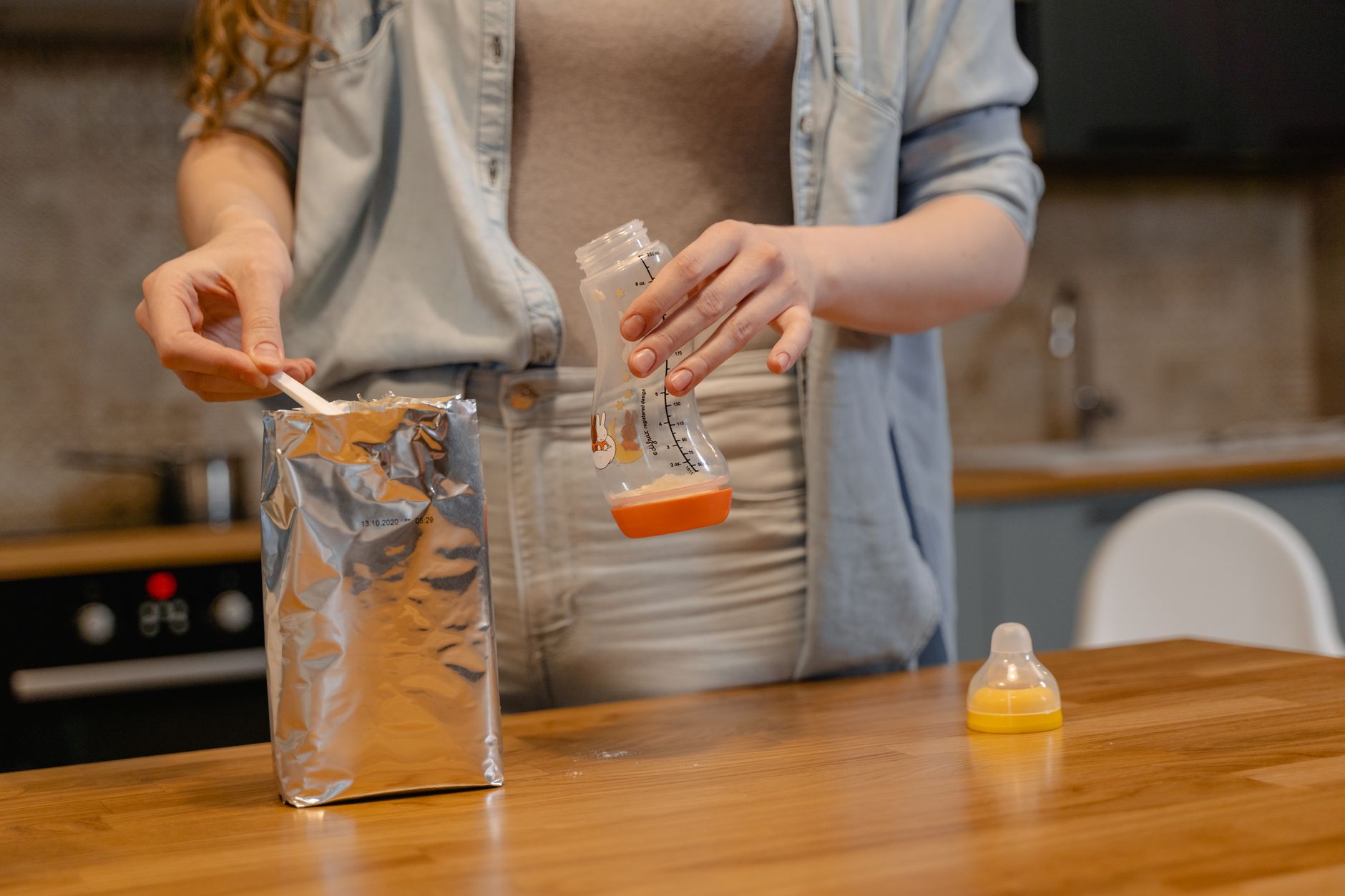
A warm, comforting image of a baby bottle filled with formula, perhaps gently steaming, placed on a soft blanket or a clean kitchen counter, ready for a feeding. Focus on the bottle and its contents, not a baby's face.
Signs Your 4-Month-Old Baby Might Be Getting Too Much Formula
It's natural to worry about whether your baby is getting enough to eat, but it's also possible for a formula-fed baby to consume too much. While overfeeding is less common than parents might think, especially when feeding on demand and responding to cues, it can happen if a baby is consistently encouraged to finish a bottle when they're already full. Recognizing the signs of overfeeding can help you adjust your approach and keep your baby comfortable.
Key Indicators of Overfeeding
Frequent or Excessive Spitting Up: While some spitting up is normal for babies, especially after a feeding, consistently large amounts or projectile vomiting could indicate that your baby's stomach is too full. If your baby is frequently spitting up a significant portion of their feed, they might be getting more than they can comfortably hold.
Unusual Weight Gain: Your pediatrician monitors your baby's weight gain to ensure they are on a healthy growth curve. If your baby is consistently gaining weight at a rate significantly above average for their age, and this is coupled with other signs, it might suggest overfeeding. However, never restrict your baby's intake without consulting a healthcare professional.
Discomfort and Fussiness After Feedings: A baby who is uncomfortably full might be fussy, gassy, or show signs of abdominal discomfort after a feeding. They might arch their back, pull their legs up to their chest, or seem generally distressed.
Refusing to Finish Bottles: If your baby consistently leaves a significant amount of formula in the bottle, even when you offer it, it's a clear sign they're full. Trying to coax them to finish the bottle can lead to overfeeding and discomfort.
Stool Changes: While less common, changes in stool consistency or frequency could sometimes be related to overfeeding, especially if accompanied by other symptoms.
It's important to distinguish normal baby behavior from signs of overfeeding. Many babies spit up a little, and all babies have gas. The key is to look for a pattern and how these symptoms relate to their feeding habits. If you suspect your baby is being overfed, the first step is to focus even more closely on their hunger and fullness cues. Offer smaller, more frequent feeds if needed, and always allow your baby to stop when they show signs of satiety, such as turning their head away, sealing their lips, or falling asleep. Don't feel pressured to make them finish every last drop in the bottle.
If you have persistent concerns about your baby's feeding habits, excessive spitting up, or unusual weight gain, always reach out to your pediatrician. They can assess your baby's overall health and provide tailored advice.
How to Tell if Your 4-Month-Old Baby is Hungry or Just Thirsty
Understanding your baby's cues is one of the most important aspects of responsive feeding. At 4 months, your baby is becoming more expressive, but distinguishing between hunger and other needs like thirst or comfort can still be tricky. For a formula-fed baby, thirst is rarely a concern under six months of age because formula provides all the necessary hydration. Offering water to a baby under six months can even be harmful as it can fill them up, reducing their caloric intake from formula, and potentially disrupting their electrolyte balance.
Therefore, if your 4-month-old is fussing, it's most likely for hunger or comfort, not thirst.
Recognizing Hunger Cues
Babies typically show "early" and "active" hunger cues before they start to cry, which is a "late" hunger cue. Learning to spot the early signs can help you feed them before they become overly distressed.
Early Cues:
Rooting: Turning their head towards your hand when their cheek is stroked, or searching for the nipple.
Lip Smacking/Sucking Motions: Making sucking noises or movements with their mouth, even without a bottle or breast nearby.
Opening Mouth: Opening their mouth wide, sometimes sticking their tongue out.
Bringing Hands to Mouth: Sucking on their fists or fingers.
Restlessness/Increased Alertness: Becoming more awake and squirming.
Active Cues:
Fussiness: Starting to make soft grumbling noises, becoming more agitated.
Squirming/Wriggling: Moving their body around vigorously.
Head Bobbing: Moving their head from side to side.
Late Cues:
Crying: This is a sign of distress and indicates your baby is very hungry. It can be harder to feed a baby who is already crying intensely, so try to feed them before they reach this stage.
Arching Back: Can sometimes be a sign of discomfort from extreme hunger, or other issues like reflux.
When it's Not Hunger: Other Reasons for Fussiness
If your baby has recently been fed and is still fussy, consider other possibilities:
Tiredness: Overtired babies often fuss and cry. Look for signs like yawning, rubbing eyes, or disinterest in play.
Discomfort: A wet or dirty diaper, too hot or too cold, gas, or colic can all cause fussiness.
Overstimulation: Too much noise, light, or activity can be overwhelming.
Need for Comfort: Sometimes babies just need to be held, rocked, or soothed. Offering a pacifier can often satisfy a baby's need to suck without providing more food.
If you're unsure, you can always try offering a small amount of formula. If your baby eagerly accepts it and calms down, they were likely hungry. If they refuse or take only a few sips before turning away, then it's probably something else. Always prioritize a calm, responsive approach to feeding.
Signs of Dehydration in a 4-Month-Old: While formula-fed babies typically get enough hydration from their formula, it's good to be aware of dehydration signs, especially if your baby is unwell (e.g., fever, vomiting, diarrhea). These include: fewer wet diapers (less than 4-6 in 24 hours), dry mouth and lips, lack of tears when crying, sunken soft spot (fontanelle) on the head, lethargy, and cool, mottled skin. If you notice any of these, contact your pediatrician immediately.
Formula vs. Breast Milk: Understanding Intake Differences for a 4-Month-Old
When you're navigating the world of infant feeding, you might hear different guidelines for breastfed versus formula-fed babies, and it can be confusing. While both breast milk and formula provide complete nutrition for your 4-month-old, there are some key differences in how they are digested and, consequently, how much and how often a baby might consume them.
The primary difference lies in digestion. Formula is generally digested more slowly than breast milk. This is because formula contains proteins that are larger and more complex for a baby's immature digestive system to break down. As a result:
Formula-fed babies often go longer between feedings. While a breastfed 4-month-old might still feed every 2-3 hours, a formula-fed baby can typically stretch to 3-4 hours between bottles.
Formula-fed babies may consume larger volumes per feeding. Because they digest slower and go longer between feeds, formula-fed babies tend to take in more ounces at each sitting compared to breastfed babies.
For breastfed babies, milk intake tends to stabilize around 25-30 ounces per day between one and six months of age, with the volume per feed remaining relatively consistent as they grow. The breast milk itself changes composition to meet the baby's evolving needs. For formula-fed babies, the total daily intake often increases slightly as they grow and gain weight, following the 2.5 ounces per pound guideline, until solid foods begin to play a more significant role.
Key Differences Summarized
Digestion Speed: Breast milk is faster to digest; formula is slower.
Feeding Frequency: Breastfed babies typically feed more often; formula-fed babies feed less often.
Volume Per Feed: Formula-fed babies often take larger volumes per feed.
Daily Intake Progression: Breast milk intake volume stabilizes earlier; formula intake volume may gradually increase with baby's weight.
Neither method is inherently "better" in terms of how much or how often a baby eats, as long as the baby is thriving. Both breast milk and formula are designed to provide all the nutrients a 4-month-old needs. The most important thing is that your baby is growing well, having enough wet and dirty diapers, and meeting developmental milestones. If you are combination feeding (both breast milk and formula), you might notice a blend of these patterns, and your pediatrician can help you fine-tune your approach.
Remember that the guidelines for formula intake are averages. Your baby’s individual appetite and growth curve are the best indicators of whether they are receiving adequate nutrition. Always consult with your pediatrician if you have specific concerns about your baby’s feeding habits, whether breastfed or formula-fed.
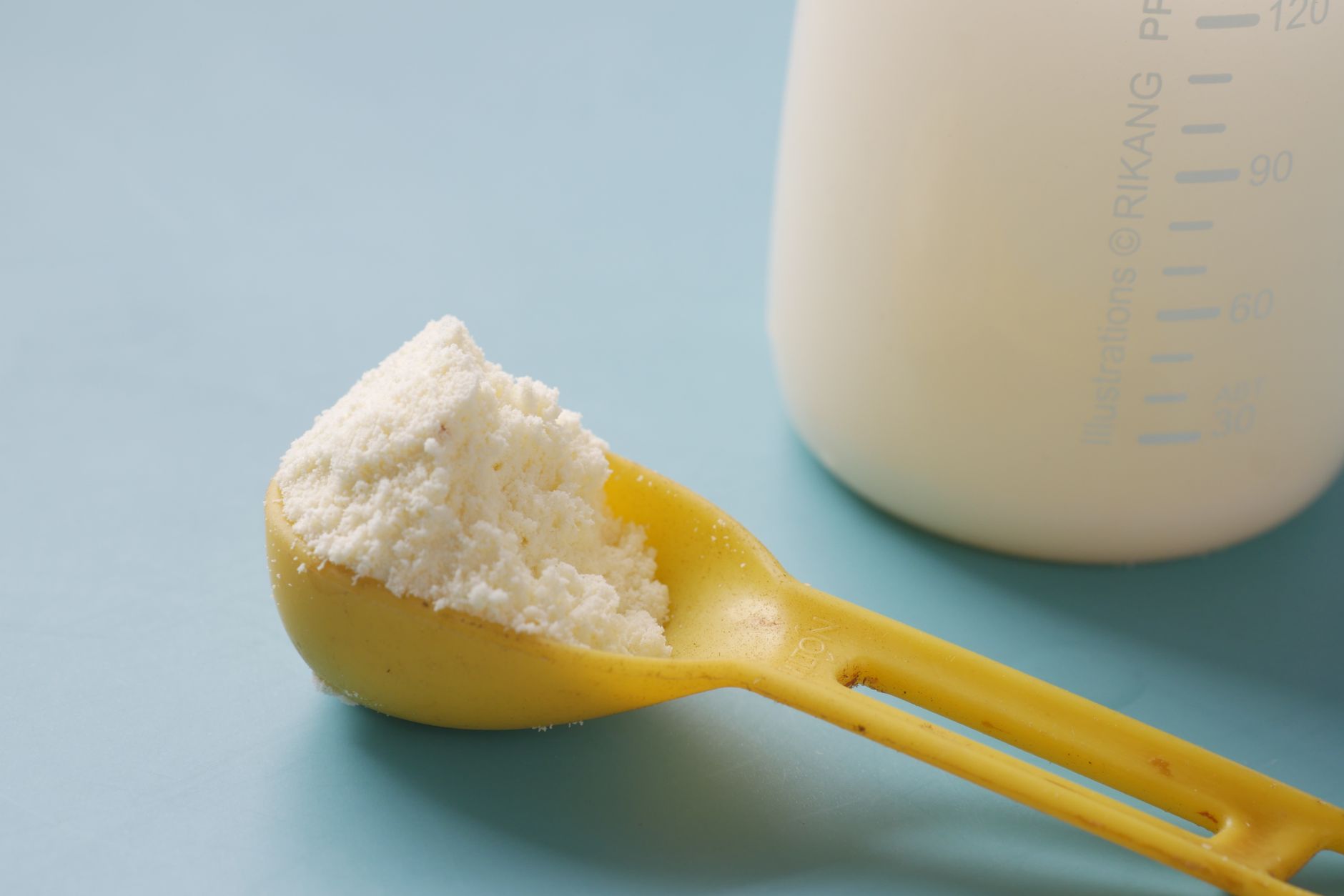
A clean, organized kitchen counter with various baby formula cans or containers, a measuring scoop, and perhaps a clean bottle. Focus on the preparation elements, not a baby.
Choosing the Best Formula Brands for 4-Month-Old Babies and How Much to Use
Walking down the formula aisle can feel overwhelming with the sheer number of brands and types available. The good news is that in the United States, all infant formulas are regulated by the Food and Drug Administration (FDA) to ensure they meet strict nutritional standards. This means there isn't one "best" formula brand; rather, there's a best formula for *your* baby. Most 4-month-olds will thrive on a standard cow's milk-based formula.
Types of Formula to Consider
Cow's Milk-Based Formula: This is the most common type and suitable for the vast majority of babies. The cow's milk protein is modified to be easily digestible for infants.
Soy-Based Formula: Used for babies who cannot tolerate cow's milk protein or are lactose intolerant (though true lactose intolerance in infants is rare). It's also an option for vegetarian families. Always consult your pediatrician before switching to soy-based formula.
Hypoallergenic (Hydrolyzed) Formula: These formulas have proteins that are extensively broken down, making them easier to digest for babies with severe cow's milk protein allergy or certain digestive issues. They are typically prescribed by a doctor.
Specialty Formulas: Other types exist for specific medical needs, such as formulas for premature babies or those with reflux. These should only be used under medical supervision.
When choosing a brand, focus on what your baby tolerates well. Signs of good tolerance include regular bowel movements, minimal gas and fussiness, and healthy weight gain. If your baby seems uncomfortable, gassy, or has skin rashes or digestive issues, discuss it with your pediatrician. They can help you determine if a different type of formula might be more suitable.
How to Transition from Newborn to 4-Month Formula Amounts
For most babies, there isn't a specific "transition" from newborn formula to 4-month formula in terms of changing the *type* of formula. Instead, it's about gradually increasing the *amount* of the same formula you've been using, in response to your baby's growing appetite and weight. A 4-month-old will simply need larger bottles and potentially fewer feedings per day than a newborn.
You might have started with 2-3 ounce bottles for a newborn. By 4 months, you’ll typically be offering 6-8 ounce bottles. This increase in volume usually happens naturally as you respond to your baby's hunger cues. If your baby consistently drains a 4-ounce bottle and still seems hungry, try offering 5 ounces at the next feed, and so on. Always follow the manufacturer's instructions for mixing the formula; the ratio of powder to water remains constant regardless of the baby's age.
Safety Tips for Preparing, Storing, and Warming Formula for a 4-Month-Old Baby
Proper preparation and storage are critical to ensure your baby's safety and health. The Centers for Disease Control and Prevention (CDC) provides clear guidelines:
Wash Your Hands: Always wash your hands thoroughly with soap and water before preparing formula.
Sterilize Equipment (Optional for Healthy, Term Babies): For healthy, full-term babies, sterilization of bottles and nipples may not be necessary after the first use if they are washed thoroughly with hot, soapy water or in a dishwasher. However, for premature babies or those with weakened immune systems, sterilization may still be recommended.
Use Safe Water: Use water that is safe for drinking. If you have concerns about your tap water, boil it for one minute and let it cool before mixing with formula. For powdered formula, it's often recommended to use water that has been boiled and cooled to no less than 70°C (158°F) to kill any potential bacteria in the powder itself, then cool rapidly to feeding temperature. However, for healthy, full-term babies, many parents use cooled, previously boiled water or safe tap water. Always check your formula's specific instructions.
Measure Precisely: Follow the manufacturer's instructions on the formula packaging exactly for the correct powder-to-water ratio. Too much or too little powder can be harmful.
Mix Thoroughly: Shake the bottle well to ensure the powder is fully dissolved and there are no clumps.
Check Temperature: Before feeding, test the formula temperature by sprinkling a few drops on your wrist. It should feel lukewarm, not hot. Never microwave formula, as it can create hot spots that can burn your baby's mouth.
Store Prepared Formula Safely: Prepared formula can be stored in the refrigerator for up to 24 hours. Opened ready-to-feed or concentrated formula should be covered and refrigerated for up to 48 hours.
Discard Leftovers: Any formula left in the bottle after a feeding should be discarded within one hour. Bacteria can rapidly multiply in the warm formula mixed with saliva.
Travel Safely: When traveling, bring pre-measured powdered formula and a separate bottle of pre-measured, cooled, boiled water, or use ready-to-feed formula.
Adhering to these guidelines helps prevent bacterial contamination and ensures your baby receives the correct nutrition.
When to Start Introducing Solid Foods Alongside Formula for a 4-Month-Old
The question of when to introduce solid foods is a hot topic among parents, and it’s one that often comes up around the 4-month mark. While your baby might be showing increased interest in food, the general consensus from leading health organizations like the American Academy of Pediatrics (AAP) and the World Health Organization (WHO) is to wait until around 6 months of age before introducing solid foods. Until then, formula (or breast milk) provides all the nutrition your 4-month-old needs.
However, it's true that some babies may show signs of readiness for solids a little earlier, sometimes between 4 and 6 months. It's crucial to understand that developmental readiness is more important than a specific age. Introducing solids too early can carry risks, such as choking, digestive upset, or replacing essential formula intake with less nutrient-dense foods.
Key Signs of Developmental Readiness for Solids (Typically Appear Around 6 Months)
Good Head and Neck Control: Your baby should be able to hold their head up steadily and sit with support. This is vital for safe swallowing and preventing choking.
Loss of Tongue-Thrust Reflex: This reflex causes babies to push foreign objects out of their mouths. When it diminishes, they can more easily accept food from a spoon.
Opening Mouth When Food Approaches: Your baby shows interest in food by leaning forward and opening their mouth when you offer a spoon or food.
Ability to Move Food from Front to Back of Mouth: This skill is necessary for swallowing rather than just pushing food out.
Showing Interest in Food: Your baby watches you eat, reaches for your food, or seems curious when others are eating.
At 4 months, many babies might show interest in food by watching you eat or trying to grab things, but they often haven't developed the necessary motor skills for safe solid food consumption. For example, the tongue-thrust reflex is usually still strong at this age.
What to Do if Your 4-Month-Old Seems Hungry Beyond Formula?
If your 4-month-old seems insatiably hungry and is consistently consuming more than the recommended 32 ounces of formula per day, the first step is always to consult your pediatrician. They can assess your baby's growth, rule out any underlying issues, and help you determine if an earlier introduction of solids is appropriate, or if increasing formula intake slightly is sufficient. Never introduce solids before discussing it with your doctor.
When You Do Start Solids (Around 6 Months)
Start Gradually: Introduce one new, single-ingredient food at a time, waiting 3-5 days before introducing another. This helps identify any allergies or sensitivities.
Iron-Fortified Cereals or Purees: Many parents start with iron-fortified single-grain infant cereal mixed with formula, or pureed fruits, vegetables, or meats.
Formula Remains Primary: Solids are complementary until your baby is closer to 12 months. Formula (or breast milk) should still be offered first, as it remains their primary source of nutrition.
Responsive Feeding: Continue to follow your baby's cues. Offer small amounts, and stop when they show disinterest or fullness.
Patience is key. Your baby will let you know when they're truly ready for solid foods. Until then, continue to nourish them with formula, knowing you're providing everything they need to grow and thrive.
Myth vs. Fact
Here are some common misconceptions about formula feeding a 4-month-old:
Myth: Adding rice cereal to a 4-month-old's bottle will help them sleep through the night.
Fact: The American Academy of Pediatrics (AAP) advises against adding cereal to a bottle unless specifically recommended by a pediatrician for medical reasons (such as severe reflux). It can pose a choking hazard, lead to overfeeding, and does not reliably help babies sleep longer. A 4-month-old's digestive system is not fully ready for cereals, and their sleep patterns are primarily driven by developmental stages, not just hunger.
Myth: If your baby is spitting up, you should switch to a different type of formula immediately.
Fact: Some spitting up is very common and normal for babies at 4 months, often due to an immature digestive system or simply taking in too much air during feeding. Changing formulas without consulting a pediatrician is not usually necessary and might even cause more digestive upset. Your doctor can help determine if the spitting up is normal or if it indicates reflux or an intolerance that warrants a formula change.
Myth: You should always make your baby finish the bottle, even if they seem full.
Fact: Always feed your baby on demand and follow their fullness cues. Forcing a baby to finish a bottle when they've indicated they're full can lead to overfeeding, discomfort, and a negative association with feeding. It's perfectly fine if your baby leaves some formula in the bottle; just discard any leftovers within one hour.
Key Takeaways
A 4-month-old typically needs 2.5 ounces of formula per pound of body weight per day, usually totaling 24-32 ounces.
Most 4-month-olds will feed 5-8 times a day, roughly every 3-4 hours, consuming 6-8 ounces per bottle.
Always feed on demand, responding to your baby's early hunger cues like rooting, lip smacking, and bringing hands to mouth.
Watch for signs of fullness, such as turning away from the bottle, sealing lips, or falling asleep.
Formula provides all the necessary hydration for a 4-month-old; water is not needed and can be harmful before 6 months.
All FDA-regulated formulas are nutritionally complete; choose one your baby tolerates well and consult your pediatrician for changes.
Follow strict hygiene and preparation guidelines for formula to ensure your baby's safety.
Most health organizations recommend waiting until around 6 months of age, and when your baby shows clear developmental readiness, before introducing solid foods.
Frequently Asked Questions
How much formula should a 4 month old baby drink per day?
A 4-month-old baby generally needs about 2.5 ounces of formula per pound of body weight per day. This usually means a total daily intake of 24 to 32 ounces, spread across several feedings. However, individual needs can vary, so always observe your baby's hunger and fullness cues.
Is it okay to give a 4 month old baby more than 32 ounces of formula?
While 24-32 ounces is a common range, some 4-month-olds, especially during growth spurts or if they are larger, might naturally consume a little more. If your baby is consistently taking more than 32 ounces and seems content and thriving, it might be fine. However, if this is a sudden change, or if your baby seems overly full, gassy, or is gaining weight very rapidly, it's best to discuss it with your pediatrician to ensure there are no underlying issues or signs of overfeeding.
How many feedings should a 4 month old have each day?
Most 4-month-old formula-fed babies will have 5 to 8 feedings over a 24-hour period. These feedings are typically spaced every 3 to 4 hours, though some babies may sleep longer stretches at night, reducing the number of overnight feeds. The key is to respond to your baby's hunger cues rather than strictly adhering to a set number of feedings.
What are the signs my baby is getting enough formula?
Key signs that your 4-month-old is getting enough formula include consistent, healthy weight gain (tracked by your pediatrician), at least 4-6 wet diapers per day, regular soft bowel movements, alertness and engagement when awake, and generally appearing content and satisfied after feedings. Your baby should also be meeting their developmental milestones.
Can a 4 month old baby be overfed with formula?
Yes, it is possible to overfeed a 4-month-old baby, especially if they are consistently encouraged to finish bottles when they're already full. Signs of overfeeding can include excessive spitting up, unusual or rapid weight gain, discomfort or fussiness after feedings, and consistently leaving formula in the bottle. Always prioritize your baby's fullness cues.
When should I start introducing solid foods to a formula-fed baby?
Most major health organizations, including the American Academy of Pediatrics (AAP), recommend waiting until around 6 months of age to introduce solid foods. This is when babies typically develop the necessary motor skills, like good head control and the ability to sit with support, and lose the tongue-thrust reflex, which makes eating solids safer and more effective. Until then, formula provides all the necessary nutrition.
When to See a Doctor or Specialist
While minor fluctuations in feeding are normal, certain signs warrant a call to your pediatrician:
Significant Decrease in Intake: If your baby consistently takes significantly less formula than usual for more than a day or two, especially if accompanied by other symptoms.
Poor Weight Gain: If your baby is not gaining weight steadily or is losing weight.
Excessive Spitting Up or Vomiting: If your baby is consistently having large, forceful spit-ups, projectile vomiting, or seems to be in pain after feedings.
Signs of Dehydration: Such as fewer wet diapers (less than 4-6 in 24 hours), dry mouth, lack of tears, or lethargy.
Persistent Fussiness or Discomfort: If your baby seems uncomfortable, gassy, or is crying excessively after most feedings.
Refusal to Feed: If your baby consistently refuses bottles or shows a strong aversion to feeding.
Concerns About Formula Tolerance: If your baby develops rashes, severe diarrhea, constipation, or other allergic reactions after consuming formula.
Your pediatrician is your most valuable resource for personalized advice regarding your baby's health and feeding. This article is for informational purposes only and does not substitute for professional medical advice, diagnosis, or treatment.
Not sure about the label on How Much Formula For 4 Month Baby products?
Snap the ingredients list and SafeFilter checks every ingredient for your stage — only 3 free scans this month, then you're locked until reset. Unlimited from $7/mo or $50/yr.
When Shubhra Mishra was expecting her first child in 2016, she was overwhelmed by conflicting food advice — one site said yes, another said never. By the time her second baby arrived in 2019, she realized millions of mothers face the same confusion.
That sparked a five-year journey through clinical nutrition papers, cultural diets, and expert conversations — all leading to BumpBites: a calm, compassionate space where science meets everyday motherhood.
Her long-term vision is to build a global community ensuring safe, supported, and free deliveriesfor every mother — because no woman should face pregnancy alone or uninformed. 🌿
🌍 Stand with mothers, shape safer guidance
Join a small circle of experts who review BumpBites articles so expecting parents everywhere can decide with confidence.