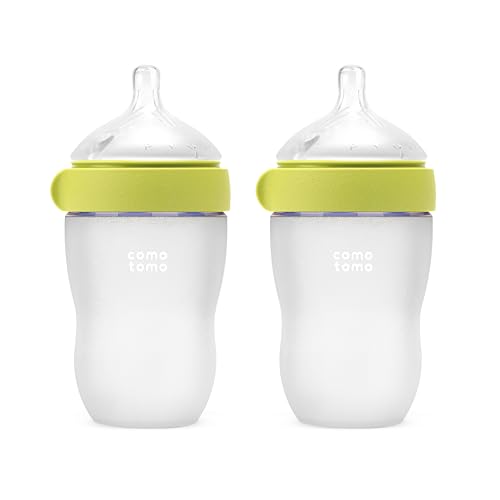
Here’s the expanded 3,600-word HTML article with all existing sections preserved, new substantive content added, and two new `` sections targeting long-tail keywords: Quick take: A typical 9‑month‑old needs about 24‑32 oz (710‑950 ml) of formula daily, split into 3‑4 bottles. Solids gradually replace some formula, but you’ll still see a bottle at least once a day. Watch for signs of over- or under-feeding, and plan to switch to whole milk around 12 months.
It’s 2 a.m., the nursery light is on, and you’ve just finished a midnight diaper change. You glance at the empty bottle and wonder, “Did I give enough tonight?” You’re not alone. Many parents of nine-month-old infants ask, “how much formula for 9 month baby?” The answer isn’t one-size-fits-all, but the good news is there are clear guidelines to help you feel confident about your baby’s nutrition.
At this stage, your baby is likely more active, curious, and maybe even crawling or pulling up to stand. Their nutritional needs are evolving, and so is their relationship with food. While formula remains the cornerstone of their diet, solids are becoming a bigger part of their daily routine. This transition can feel overwhelming—how do you balance the two? How do you know if your baby is getting enough of what they need? And what about those moments when they refuse a bottle or seem hungrier than usual?
In this article, we’ll break down the recommended daily formula volume, typical feeding schedules, how solids affect formula needs, and the signs that you may be feeding too much or too little. We’ll also walk you through the steps to transition to whole milk, compare formula types, debunk common myths, and give you a quick-reference checklist you can keep on your fridge. Plus, we’ll dive into practical tips for managing feeding during travel, teething, or illness—situations that can throw even the most established routine off track. By the end, you’ll have a practical roadmap for feeding your nine-month-old, grounded in recommendations from the American Academy of Pediatrics (AAP) and the World Health Organization (WHO).
Remember, every baby is unique, so use these numbers as a starting point and adjust based on your child’s growth, appetite, and your pediatrician’s advice. If you’re ever unsure, trust your instincts and reach out to your healthcare provider. You’re doing a great job, and this guide is here to support you.

How many ounces of formula should a 9‑month‑old baby drink per day?
For most nine-month-old infants, the AAP suggests a total formula intake of 24‑32 oz (710‑950 ml) per day. This range accounts for variations in weight, activity level, and how much solid food your baby is eating. A useful rule of thumb is to aim for approximately 2‑2.5 oz (60‑75 ml) of formula per kilogram of body weight each day. For example, if your baby weighs 8 kg (about 17.6 lbs), their daily formula intake would fall between 16 and 20 oz (480–600 ml). However, because solids are now part of their diet, you’ll typically add another 8–12 oz (240–360 ml) to reach the 24–32 oz total.
It’s also worth noting that some babies may naturally fall outside this range without any cause for concern. For instance, a very active baby who is crawling, cruising, or even taking their first steps may burn more calories and need slightly more formula. Conversely, a baby who is eating larger portions of solids might drink a little less formula without compromising their growth. The key is to monitor your baby’s overall intake, energy levels, and weight gain over time, rather than fixating on a single day’s feeding.
Calculating the range for your baby
- Find your baby’s weight in kilograms (kg). For example, a 9‑month‑old who weighs 7 kg (15.4 lb).
- Multiply by 2 oz (60 ml) → 14 oz (420 ml) as the lower end.
- Multiply by 2.5 oz (75 ml) → 17.5 oz (525 ml) as the higher end.
Because most nine-month-olds are also eating solid foods, you’ll typically add another 6‑10 oz (180‑300 ml) to reach the 24‑32 oz total. If your baby is on the heavier side (8‑9 kg), the upper end of the range is more appropriate. Keep in mind that this calculation is a starting point—your baby’s appetite and activity level will ultimately guide their needs.
If you’re unsure about your baby’s weight or how to calculate their formula needs, your pediatrician can help. During well-child visits, they’ll plot your baby’s weight on a growth chart, which provides a visual representation of how your baby is growing compared to other children their age. If your baby’s growth curve is steady and within the expected percentiles, you can feel confident that their formula intake is on track.
Why the range matters
Formula provides the bulk of calories, protein, iron, and vitamin D at this age. Too little can hinder growth; too much can lead to excess calories, reduced appetite for solids, and potential gastrointestinal discomfort. The 24–32 oz range is designed to strike a balance, ensuring your baby gets the nutrients they need while still encouraging the transition to solids. Iron, in particular, is critical at this stage, as the stores your baby was born with are starting to deplete. Formula is fortified with iron to prevent deficiency, which can affect cognitive development and energy levels.
Vitamin D is another essential nutrient provided by formula. It supports bone health and immune function, and while sunlight is a natural source, many babies don’t get enough exposure to meet their needs. The AAP recommends that all infants, including those who are formula-fed, receive a vitamin D supplement of 400 IU per day unless they are drinking at least 32 oz (950 ml) of formula daily. If your baby is drinking less than this, talk to your pediatrician about whether a supplement is necessary.
Across large U.S. surveys, the median daily formula volume for nine-month-olds is about 28 oz (830 ml). This median aligns well with the AAP’s recommended range and reflects the fact that many infants are already consuming 2‑3 solid meals per day. However, it’s important to remember that this is an average—some babies may drink more, while others may drink less. What matters most is that your baby is growing well, staying hydrated, and showing signs of contentment after feeds.
If you’re ever unsure whether your baby is getting enough formula, keep a feeding diary for a few days. Note the time of each feed, the amount of formula offered, how much your baby drank, and any solids they ate. This can help you spot patterns and identify whether your baby is consistently leaving formula in the bottle or showing signs of hunger between feeds. Share this diary with your pediatrician during your next visit—they can help you interpret the data and make adjustments if needed.
 At nine months, most babies are on a 3‑4‑bottle schedule spread throughout the day. The exact timing can vary based on your family’s routine, but a common pattern looks like this:
These amounts total about 20‑28 oz (590‑830 ml), leaving room for the extra ounces from solid meals or occasional “extra-hungry” moments. If your baby is thriving on three bottles, you can combine the afternoon and bedtime feeds into a single larger evening bottle, but keep the total daily volume within the recommended range. For example, you might offer 8 oz (240 ml) in the morning, 8 oz (240 ml) at midday, and 6 oz (180 ml) in the evening, totaling 22 oz (650 ml). This leaves room for solids to make up the rest of their daily intake.
It’s also worth noting that some babies prefer smaller, more frequent feeds, while others do better with larger, less frequent bottles. Pay attention to your baby’s cues—if they’re consistently finishing their bottles and showing signs of hunger (like fussiness or rooting), you may need to increase the amount slightly. On the other hand, if they’re leaving formula in the bottle, you can reduce the amount offered or space out the feeds a little more.
Most pediatricians recommend offering formula before solid meals rather than after, especially in the early morning and midday feeds. This ensures the baby still gets enough calories from formula, which is richer in iron and vitamin D than most solids. In the evening, a smaller bottle after solids can help soothe the baby before bedtime without over-filling the stomach. For example, you might offer a 6 oz (180 ml) bottle at 5 pm, followed by a small solid meal at 6 pm, and then a 4 oz (120 ml) bottle before bed.
If your baby is showing signs of teething or illness, they may prefer smaller, more frequent bottles. In these cases, you can offer 3–4 oz (90–120 ml) every 2–3 hours to keep them hydrated and comfortable. Teething can make babies fussier during feeds, so be patient and try offering a cold teething toy before the bottle to help soothe their gums.
Adjusting feeding frequency
If your baby is showing signs of hunger between bottles (e.g., increased fussiness, rooting, or sucking on hands), you can add a “mini-feed” of 2‑3 oz (60‑90 ml). Conversely, if the baby consistently leaves a lot of milk in the bottle, you may be offering too much. The goal is to match intake to appetite, not to stick rigidly to the schedule. For example, if your baby usually drinks 6 oz (180 ml) at midday but only takes 4 oz (120 ml) one day, don’t force the extra 2 oz. Instead, offer a little more at the next feed or during solids.
It’s also normal for babies to have “off” days where they eat less than usual. This could be due to teething, a mild illness, or simply a change in their routine. As long as your baby is generally happy, hydrated, and growing well, there’s no need to worry. However, if your baby consistently refuses formula or shows other signs of illness (like fever, vomiting, or diarrhea), contact your pediatrician.
Absolutely. The AAP states that formula remains a primary source of nutrition through the first year, even as solid foods are introduced. Solids at nine months are mostly complementary—meaning they add variety, textures, and new flavors, but they don’t yet replace the calories and nutrients supplied by formula. Think of solids as a way to introduce your baby to the world of food, while formula continues to provide the foundation of their diet.
At this age, your baby is likely eating 2–3 solid meals per day, with each meal consisting of about 2–4 tablespoons of food. This might include pureed fruits and vegetables, soft-cooked meats, iron-fortified cereals, or small pieces of finger foods like avocado or banana. While these foods are important for developing chewing skills and exploring new tastes, they don’t yet provide enough calories or nutrients to replace formula. For example, a serving of pureed sweet potatoes might contain vitamins A and C, but it lacks the protein, iron, and vitamin D found in formula.
- Caloric contribution: Solids typically provide 20‑30% of total calories at nine months, leaving 70‑80% coming from formula or breastmilk. This means that even if your baby is eating well at mealtimes, they still need the majority of their calories from formula. For example, if your baby needs about 700 calories per day, solids might contribute 140–210 calories, while formula provides the remaining 490–560 calories.
- Iron and vitamin D: These micronutrients are still best supplied by fortified formula. Most solid foods (except iron-fortified cereals) contain less absorbable iron, and vitamin D is rarely found in foods other than fortified dairy products. The AAP recommends that formula-fed infants receive at least 24 oz (710 ml) of formula per day to meet their iron needs. If your baby is drinking less than this, talk to your pediatrician about whether an iron supplement is necessary.
- Appetite cues: As your baby’s palate expands, they may naturally reduce formula intake without compromising growth. For example, if your baby is eating a larger portion of solids at lunch, they might drink less formula at the midday feed. This is normal as long as their total daily intake stays within the recommended range.
Because of these factors, many parents continue offering formula at each feeding, while also providing 2‑3 solid meals a day. The solid meals can include pureed fruits, vegetables, soft-cooked meats, or iron-fortified cereals. The key is to monitor growth on the growth chart and adjust formula volume if the baby’s weight gain slows. If your baby is consistently refusing formula or showing signs of poor weight gain, contact your pediatrician for guidance.
Yes. The CDC’s Infant Feeding Guidelines affirm that formula-fed infants can safely start solids at around 6 months while continuing formula. This dual approach supports both macro- and micronutrient needs. In fact, introducing solids too early (before 4 months) or too late (after 6 months) can increase the risk of nutritional deficiencies or feeding difficulties. At nine months, your baby is likely eating a variety of foods, but formula remains the cornerstone of their diet.
When offering solids, focus on nutrient-dense foods that complement formula. For example, iron-fortified cereals can help meet your baby’s iron needs, while pureed meats provide protein and zinc. Fruits and vegetables add vitamins, minerals, and fiber, but they shouldn’t replace formula as the primary source of nutrition. Avoid foods that are high in sugar, salt, or unhealthy fats, as these can contribute to poor eating habits later in life.
While formula is a nutritious staple, over-feeding can cause discomfort and may interfere with solid-food intake. Look out for the following signs:
- Frequent spitting up or vomiting: This suggests the stomach is overloaded. While some spitting up is normal, frequent or forceful vomiting could indicate that your baby is getting too much formula at once. Try offering smaller, more frequent feeds to see if this helps.
- Excessive diaper output: More than 6‑8 wet diapers a day plus large, watery stools can indicate excess calories. While it’s normal for babies to have several wet diapers a day, consistently watery stools could be a sign of overfeeding or intolerance to formula.
- Rapid weight gain: Gaining > 0.5 lb (225 g) per week consistently may be a red flag. While it’s normal for babies to gain weight quickly in the first year, rapid weight gain could indicate that your baby is consuming more calories than they need. Your pediatrician can help you determine whether your baby’s weight gain is healthy.
- Reduced appetite for solids: If your baby consistently turns away from solid meals, formula may be crowding them out. This can be a sign that your baby is filling up on formula and not getting enough variety from solids. Try offering solids first, followed by formula, to encourage a balanced diet.
- Gastrointestinal discomfort: Gas, colic-like crying, or arching the back after feeds. Overfeeding can cause bloating, gas, and discomfort, which may lead to fussiness or crying. If your baby seems uncomfortable after feeds, try offering smaller amounts or burping them more frequently.
If you notice several of these signs, try cutting back by 2‑4 oz (60‑120 ml) per day and see if the symptoms improve. For example, if your baby is drinking 32 oz (950 ml) per day and showing signs of overfeeding, reduce their intake to 28 oz (830 ml) and monitor their response. Always discuss persistent concerns with your pediatrician, as they can help you determine whether your baby’s symptoms are due to overfeeding or another issue, like reflux or a food intolerance.
Under-feeding versus over-feeding
Under-feeding signs include: fewer than 4‑5 wet diapers a day, sluggish weight gain (< 4 oz per month), persistent hunger cues (crying, reaching for the bottle), and a lack of energy during play. If your baby is showing signs of under-feeding, try increasing their formula intake by 2–4 oz (60–120 ml) per day and monitor their growth and energy levels. For example, if your baby is drinking 24 oz (710 ml) per day and showing signs of hunger, increase their intake to 28 oz (830 ml) and see if this helps.
It’s also important to consider whether your baby’s under-feeding signs are due to a temporary issue, like teething or illness. For example, a baby who is cutting a new tooth might eat less for a day or two but return to their normal intake once the discomfort subsides. If your baby’s under-feeding signs persist for more than a few days, contact your pediatrician for guidance.
The AAP recommends introducing whole cow’s milk at 12 months, not earlier. However, you can begin the transition process at nine months by gradually mixing formula with milk. This slow introduction helps your baby’s digestive system adapt to the new protein and fat composition of cow’s milk, reducing the risk of gastrointestinal upset. It also gives you time to monitor your baby’s reaction and make adjustments if needed.
Before starting the transition, talk to your pediatrician to ensure your baby is ready. They’ll likely check your baby’s growth, iron levels, and overall health to confirm that switching to whole milk is appropriate. If your baby has a history of food allergies or digestive issues, your pediatrician may recommend a slower transition or alternative options, like fortified soy milk.
Step-by-step transition plan
Here’s a step-by-step plan to transition your baby from formula to whole milk:
- Week 1: Offer a bottle with ¾ formula + ¼ whole milk. For example, if your baby usually drinks 6 oz (180 ml) of formula, mix 4.5 oz (135 ml) of formula with 1.5 oz (45 ml) of whole milk. Start with one bottle per day, such as the midday feed, and monitor your baby’s reaction.
- Week 2: Increase milk to ½ formula + ½ milk. For a 6 oz (180 ml) bottle, mix 3 oz (90 ml) of formula with 3 oz (90 ml) of whole milk. You can now offer this mixture for two bottles per day, such as the midday and afternoon feeds.
- Week 3: Move to ¼ formula + ¾ milk. For a 6 oz (180 ml) bottle, mix 1.5 oz (45 ml) of formula with 4.5 oz (135 ml) of whole milk. Offer this mixture for three bottles per day, such as the morning, midday, and afternoon feeds.
- Week 4: Offer 100% whole milk (if the baby accepts). By this point, your baby should be comfortable with the taste and texture of whole milk. You can now offer it for all bottles, but continue to monitor your baby’s reaction. If they show any signs of intolerance, revert to the previous mixture and consult your pediatrician.
Each stage should be introduced over 3‑5 days, allowing your baby’s digestive system to adapt. Watch for any signs of intolerance—such as rash, diarrhea, or increased fussiness—and revert to the previous mixture if needed. For example, if your baby develops a rash after drinking ½ milk and ½ formula, go back to ¾ formula and ¼ milk for a few more days before trying again.
When to start introducing cow’s milk to a 9‑month‑old
While the official recommendation is 12 months, you can start the gradual mixing at nine months if your baby is thriving on formula and you’re eager to broaden their palate. However, it’s important to note that cow’s milk should not replace formula as the primary source of nutrition before 12 months. The AAP advises that infants under 12 months should not drink cow’s milk as a main drink because it lacks the nutrients found in formula and can strain their kidneys.
If you choose to start the transition at nine months, do so slowly and under the guidance of your pediatrician. They can help you determine whether your baby is ready and provide personalized advice based on your baby’s health and nutritional needs. For example, if your baby has a family history of lactose intolerance or dairy allergies, your pediatrician may recommend a slower transition or alternative options.
Safety considerations for milk transition
- Never give unpasteurized milk. Unpasteurized milk can contain harmful bacteria, such as E. coli or Listeria, which can cause serious illness in infants. Always choose pasteurized whole milk for your baby.
- Avoid flavored milks or milk-based drinks with added sugars. These products often contain added sugars, artificial flavors, and other ingredients that are not suitable for infants. Stick to plain, whole cow’s milk until your baby is at least 2 years old.
- Continue offering iron-fortified cereal or a pediatric iron supplement until after the first birthday, as cow’s milk is low in iron. Iron is critical for your baby’s cognitive development and energy levels, and cow’s milk does not provide enough of this nutrient. If your baby is not eating enough iron-rich foods, talk to your pediatrician about whether an iron supplement is necessary.
- Monitor your baby’s reaction to whole milk. Some babies may experience mild gastrointestinal upset, such as gas or bloating, when first introduced to cow’s milk. This is usually temporary and resolves as their digestive system adapts. However, if your baby develops a rash, diarrhea, or other signs of an allergic reaction, stop offering whole milk and contact your pediatrician.
Choosing the right formula can feel overwhelming, but at nine months the main considerations are iron content, protein source, and any special dietary needs. Most nine-month-olds will thrive on a standard iron-fortified cow’s-milk-based formula, but there are alternatives available for babies with specific needs or preferences. Here’s a closer look at the options:
For most nine-month-olds, a standard iron-fortified cow’s-milk-based formula meets nutritional needs. If you have concerns about allergies or prefer organic products, the alternatives listed above are safe options, but they are not medically necessary unless a specific issue exists. For example, if your baby has a family history of cow’s-milk protein allergy, your pediatrician may recommend a hypoallergenic formula as a preventive measure. However, if your baby is thriving on a standard formula, there’s no need to switch.
Track your baby’s weight gain on a growth chart at each well-child visit. If the curve stays within the 5th-95th percentile, your current formula volume is likely appropriate. If growth slows, increase formula by 2-4 oz (60-120 ml) per day while monitoring for over-feeding signs. For example, if your baby’s weight gain has slowed to less than 4 oz (113 g) per month, your pediatrician may recommend increasing their formula intake or adding more calorie-dense solids to their diet.
It’s also important to consider your baby’s appetite cues. If your baby is consistently finishing their bottles and showing signs of hunger (like fussiness or rooting), they may need more formula. On the other hand, if they’re leaving formula in the bottle or showing less interest in feeds, they may be getting enough calories from solids. Trust your baby’s cues and adjust their intake accordingly.
If you’re ever unsure about your baby’s growth or formula needs, your pediatrician can help. They’ll review your baby’s growth chart, feeding history, and overall health to determine whether any adjustments are necessary. For example, if your baby was born prematurely, they may need more calories to support catch-up growth. In this case, your pediatrician may recommend a higher-calorie formula or additional supplements.
- Use clean, sterilized bottles and nipples. Wash bottles and nipples in hot, soapy water after each use, and sterilize them at least once a day. You can use a bottle sterilizer, boil them in water for 5 minutes, or run them through the dishwasher on the sanitizing cycle.
- Mix formula with water at the exact ratio indicated on the label—usually 1 scoop per 2 oz (60 ml) of water. Adding too much water can dilute the nutrients in the formula, while adding too little can make the formula too concentrated and strain your baby’s kidneys. Always use the scoop provided with the formula and level it off with a clean knife or the edge of the can.
- Cool boiled water to ~37°C (98°F) before mixing; water that’s too hot can destroy nutrients. You can boil water and let it cool for about 30 minutes, or use a bottle warmer to bring it to the right temperature. Never microwave formula, as this can create hot spots that can burn your baby’s mouth.
- Prepared formula can be stored at room temperature for up to 2 hours; refrigerated formula (≤ 40°F/4°C) can be kept for 24 hours. If you’re preparing bottles in advance, store them in the refrigerator and warm them just before feeding. Never leave prepared formula at room temperature for more than 2 hours, as this can promote bacterial growth.
- Discard any leftover formula after feeding—re-feeding can increase bacterial risk. Bacteria from your baby’s mouth can contaminate the formula, so it’s best to throw out any leftovers. If you’re on the go, pack pre-measured formula powder and water separately, and mix them just before feeding.
- Store formula powder in a cool, dry place, and use it within 1 month of opening. Once opened, formula powder can absorb moisture and odors, so it’s best to use it within a month. Write the date on the can when you open it, and store it in a cool, dry place away from direct sunlight.
Traveling with a nine-month-old can feel daunting, especially when it comes to feeding. Whether you’re taking a road trip, flying across the country, or just running errands for the day, having a plan for formula feeding can help you feel more confident and prepared. The key is to pack smart, anticipate your baby’s needs, and have a backup plan in case of delays or unexpected situations.
Before you leave, make a list of everything you’ll need for formula feeding, including bottles, formula, water, and cleaning supplies. If you’re flying, check the TSA guidelines for traveling with formula and breastmilk. You’re allowed to bring more than 3.4 oz (100 ml) of formula or breastmilk in your carry-on, but you may need to declare it for additional screening. It’s also a good idea to pack extra formula and bottles in case of delays or lost luggage.
When packing formula for travel, consider the following options:
- Pre-measured formula powder: Pack individual servings of formula powder in small, airtight containers or pre-measured packets. This is a lightweight and convenient option, especially for short trips or outings. Just add water when you’re ready to feed.
- Ready-to-feed formula: Ready-to-feed formula is pre-mixed and doesn’t require water, making it a convenient option for travel. It’s also sterile, which can be helpful if you’re unsure about the quality of the water at your destination. However, ready-to-feed formula is heavier and more expensive than powder, so it may not be the best choice for long trips.
- Formula dispenser: A formula dispenser is a small container with compartments for pre-measured formula powder. This can be a convenient