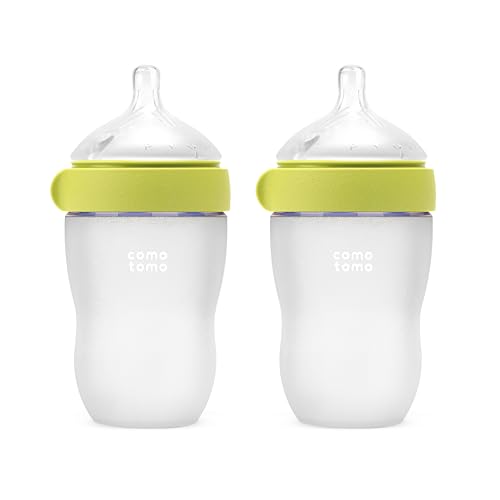
Quick take: A 6‑month‑old baby typically drinks about 24‑32 oz (710‑950 ml) of formula a day, split into 4‑6 feedings. Adjust the amount based on your baby’s hunger cues, growth curve, and any solid foods you’ve introduced. Mix each scoop with the exact amount of water the manufacturer recommends, store prepared bottles safely, and keep a flexible schedule—especially for night feeds and travel. If your baby shows signs of over‑ or under‑feeding, or has persistent reflux, gas, or constipation, talk to your pediatrician.
It’s 3 a.m., the house is quiet, and you’re staring at a half‑filled bottle wondering, “Is this enough?” You’re not alone. Many parents hit that exact moment when their baby hits the six‑month milestone—a time when formula, breastmilk, and the first tastes of solid food intersect. In this guide we’ll break down how much formula for 6 month baby truly looks like, how to fit it into a daily rhythm, and what to watch for as your little one grows.
We’ll walk through everything from daily volumes and feeding frequencies to mixing ratios, night‑time routines, travel tips, and the best formulas for common issues like reflux or gas. By the end you’ll have a clear, evidence‑based roadmap that lets you trust your instincts while staying aligned with pediatric recommendations.
Whether you’re exclusively formula‑feeding, mixing breastmilk and formula, or just starting the transition, the information below is designed for the busy parent who needs concise, practical guidance backed by reputable sources such as the American Academy of Pediatrics (AAP) and the Academy of Nutrition and Dietetics.

Most pediatric growth charts and the AAP suggest that a healthy 6‑month‑old consumes roughly 24‑32 oz (710‑950 ml) of formula daily. This range translates to about 4‑6 feedings spread across the day, with each bottle delivering 4‑8 oz (120‑240 ml) depending on appetite.
Several factors influence where your baby falls within that range:
- Weight and growth trajectory: Babies gaining weight steadily on the World Health Organization (WHO) growth curves usually need the higher end of the range.
- Solid food intake: Each ounce of solid food can replace roughly 1‑2 oz of formula, so as pureed vegetables, fruits, and cereals become regular, the total formula volume may dip.
- Individual hunger cues: Some babies are “big eaters,” while others self‑regulate and finish smaller bottles more often.
To determine the exact amount for your child, start with the midpoint—about 28 oz (830 ml) per day—and adjust based on weight gain and diaper output (six or more wet diapers and three or more stools per day are good signs of adequate intake).
What does “average” really mean?
The term “average” in pediatric nutrition reflects a broad spectrum rather than a one‑size‑fits‑all number. For example, a baby weighing 14 lb (6.4 kg) may thrive on 24 oz, whereas a 16‑lb (7.3 kg) infant might need the full 32 oz. The best approach is to track growth at well‑child visits and use those data points to fine‑tune the daily total.
At six months, most babies are ready for four to six feedings per 24‑hour period. A typical schedule looks like this:
- Morning: 6‑8 oz (180‑240 ml)
- Mid‑morning: 4‑6 oz (120‑180 ml)
- Afternoon: 6‑8 oz (180‑240 ml)
- Early evening: 4‑6 oz (120‑180 ml)
- Bedtime (optional): 2‑4 oz (60‑120 ml) if your baby still wants a night bottle
These intervals are flexible. Some parents find a “cluster feeding” pattern—more frequent feeds in the evening—helps calm a fussy baby. Others prefer evenly spaced feedings every three to four hours.
Can I skip a feeding?
If your baby is thriving, skipping an occasional feed is usually fine, especially if solid foods are now part of the diet. However, consistently missing meals can lead to slower weight gain, so monitor growth closely and discuss any pattern changes with your pediatrician.
Yes, over‑feeding is possible, though it’s less common than under‑feeding. Consistently exceeding 35 oz (1 L) per day can strain a baby’s immature kidneys and increase the risk of obesity later in childhood.
Signs of over‑feeding include:
- Frequent spitting up or vomiting beyond normal reflux
- Excessive weight gain (crossing two major percentile lines on growth charts)
- Very long, watery stools or constipation due to reduced gut motility
- Persistent fussiness after feeds
If you notice any of these, reduce the volume by 1‑2 oz per feeding and observe for a few days. Always keep your pediatrician in the loop, especially if weight gain continues to be rapid.
Below is a sample 7‑day feeding timetable that balances formula, breastmilk (if applicable), and the introduction of solid foods. Adjust the times to suit your family’s routine.
This schedule provides roughly 28‑oz of formula each day, interspersed with breastmilk and two‑to‑three solid‑food servings. Feel free to shift feeding times earlier or later based on your baby’s sleep pattern.
How to adapt the schedule for night feeds
If your baby still wakes for a bottle at 12 am, keep that feed to 2‑4 oz and consider a “dream feed” at 9 pm to reduce the midnight interruption. Many parents report that a calm, dimly lit environment and a consistent bedtime routine help the baby sleep longer.
Watch for these reliable indicators of adequate intake:
- Weight gain: A steady increase of about 0.5‑1 lb (0.2‑0.5 kg) per month is typical.
- Diaper output: At least six wet diapers and three to four stools per day, with stools of a soft, mustard‑like consistency.
- Alertness and mood: A well‑fed baby is generally content, shows interest in surroundings, and displays regular sleep‑wake cycles.
- Growth chart placement: Staying within the 5th‑95th percentile range on the WHO or CDC growth curves.
If any of these markers fall short—especially weight gain or diaper output—consider offering an extra ounce or two of formula at the next feeding and contact your pediatrician.
What if my baby seems “always hungry”?
Babies go through growth spurts, typically around 6 months, where they may want more frequent feeds. During these periods, adding a small 2‑oz top‑up between scheduled meals is safe, provided the total daily volume stays within the recommended range.
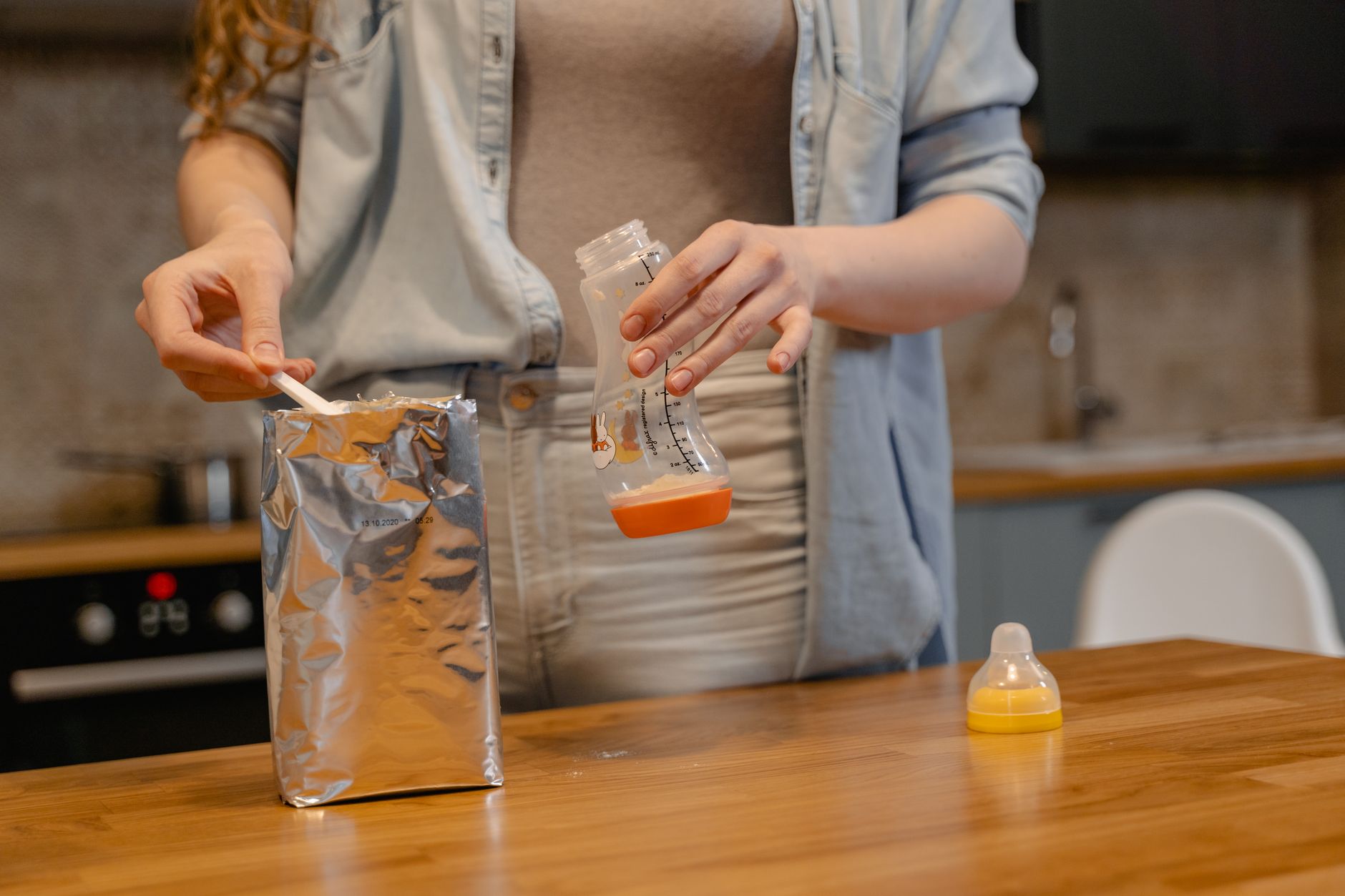
Never guess. Every commercial formula brand provides a specific water‑to‑powder ratio on the label—usually 2 oz (60 ml) of water per scoop. This ratio ensures the correct calorie density and appropriate electrolyte balance.
Using too much water dilutes the nutrients, while too little creates a hyper‑concentrated solution that can stress a baby’s kidneys. Always measure water with a clean, calibrated bottle or a dedicated formula mixer.
Can I use bottled or filtered water?
Yes, as long as the water is boiled and cooled or meets the CDC recommendation for low mineral content (less than 200 ppm total dissolved solids). In many countries, tap water is safe after a quick boil, but always check local guidelines.
When mixing breastmilk with formula, a common approach is the 80 % breastmilk / 20 % formula blend, especially if you’re gradually weaning. This ratio maintains most of the immunologic benefits of breastmilk while ensuring your baby receives the extra calories and iron from formula.
Here’s a simple way to achieve that blend:
- Measure the total volume you plan to give (e.g., 6 oz).
- Pour 4.8 oz of expressed breastmilk into the bottle.
- Add 1.2 oz of prepared formula (follow the manufacturer’s water ratio).
- Gently swirl—do not shake vigorously—to mix.
Adjust the proportion based on your baby’s appetite and your lactation goals. If you’re transitioning fully to formula, increase the formula share by 10‑15 % each week.
If you plan to stop breastfeeding, aim for a complete transition by 7‑8 months, giving your baby time to adapt to the texture of solids and the taste of formula. Pediatric guidance recommends a gradual shift to avoid sudden changes in gut flora.
Transitioning can feel like a delicate balancing act, but a stepwise approach eases both you and your baby:
- Start with a small formula addition: Replace one daily breastfeed with a formula bottle (e.g., the mid‑morning feed).
- Mix breastmilk and formula: Use the 80/20 ratio described above to keep familiar flavors.
- Increase formula gradually: Every 3‑4 days, raise the formula portion by another 10‑15 % while reducing breastmilk.
- Watch for digestive changes: Some babies develop mild gas or changes in stool consistency; keep a log and alert your pediatrician if symptoms persist.
- Offer comfort: Maintain skin‑to‑skin contact, soothing lullabies, and a familiar feeding routine to reassure your baby.
Most babies adapt within two weeks. If your baby resists, revert to the previous step for a few days before trying again.
Common challenges and solutions
- Refusal of the bottle: Try a different nipple shape, warm the formula slightly, or feed in a quiet, dimly lit room.
- Increased gas: Use anti‑reflux (AR) formulas or try a slower flow nipple; burp after each ounce.
- Constipation: Ensure adequate fluid intake, consider a formula with added prebiotics, and offer small amounts of pureed prunes.
Nighttime formula feeds often become less frequent after the six‑month mark, but many babies still need a small bottle before bedtime. A gentle “dream feed” around 9 pm can reduce the likelihood of a 2 am wake‑up.
When introducing solids, aim for 2‑3 spoonfuls of pureed foods per day, gradually increasing texture as your baby shows readiness (e.g., ability to sit with support, decreased tongue thrust). Solids should complement—not replace—formula; the latter remains the primary source of calories and nutrients.
Traveling with a formula‑fed baby adds a layer of logistics. Here are practical tips:
- Pre‑measure powder: Portion individual servings (usually one scoop) into clean, sealable bags or containers.
- Use insulated bottles: Keep prepared formula warm for up to two hours or cool for up to four hours.
- Carry extra water: A small bottle of boiled, cooled water ensures you can mix formula on the go.
- Plan for cleaning: Bring a travel bottle brush and a few drops of mild dish soap for quick sanitizing.
Most airlines allow you to bring formula in reasonable quantities, even if it exceeds the usual liquid limit—just declare it at security and be prepared to show the container.
No. The AAP advises against giving whole cow’s milk before 12 months because it lacks essential fatty acids, iron, and has a high protein load that can stress a baby’s kidneys. Stick with formula or breastmilk until the first birthday.
Specialty formulas can help manage common gastrointestinal issues. Below is a quick comparison of three types frequently recommended by pediatric gastroenterologists:
Always discuss formula changes with your pediatrician, as some infants may need a trial period to gauge effectiveness.
Give the new formula at least 1‑2 weeks before assessing its impact. If symptoms persist, your provider may suggest a different type or further evaluation for underlying conditions.
Myth vs. fact
Myth: “Six‑month‑old babies should be weaned off formula completely.”
Fact: The AAP recommends that formula (or breastmilk) remain the primary source of nutrition until at least 12 months, even after solids are introduced.
Myth: “If my baby sleeps through the night, I can stop feeding altogether.”
Fact: Many babies who sleep through the night still need a small nighttime bottle for the first few months after six months, especially if they have a low birth weight or are still gaining weight.
Myth: “All formula is the same, so price doesn’t matter.”
Fact: Specialty formulas (anti‑reflux, hydrolyzed, prebiotic) are formulated for specific issues and can make a meaningful difference in comfort and growth.
Key takeaways
- Most 6‑month‑old babies need 24‑32 oz (710‑950 ml) of formula daily, divided into 4‑6 feedings.
- Follow the manufacturer’s exact water‑to‑powder ratio; typically 2 oz (60 ml) of water per scoop.
- Monitor weight gain, diaper output, and mood to ensure adequate intake.
- Introduce solids 2‑3 times a day while keeping formula as the main calorie source.
- Choose a formula that matches your baby’s needs—standard, anti‑reflux, hydrolyzed, or prebiotic‑enhanced.
- When traveling, pre‑measure powder, carry boiled water, and use insulated bottles for safety.
- Never replace formula with cow’s milk before 12 months; consult your pediatrician for any feeding concerns.
Frequently asked questions
A typical 6‑month‑old consumes about 24‑32 oz (710‑950 ml) per day, split into 4‑6 feedings. Adjust based on growth, solid food intake, and hunger cues.
For most babies, a standard cow‑milk‑based formula fortified with iron is appropriate. If your baby has reflux, gas, or constipation, an anti‑reflux, hydrolyzed, or prebiotic‑enhanced formula may provide relief. Always discuss changes with your pediatrician.
No. Whole cow’s milk lacks essential nutrients and can be hard on a baby’s kidneys. Stick with formula or breastmilk until the first birthday.
Four to six times a day is typical, with each bottle providing 4‑8 oz (120‑240 ml). Night feeds may be reduced or eliminated as your baby matures.
Yes. A common blend is 80 % breastmilk and 20 % formula, which preserves immunologic benefits while adding extra calories and iron.
Look for slowed sucking, turning the head away, relaxed arms, and a contented demeanor after a feed. If your baby consistently pushes the bottle away, they’re likely full.
When should I call the doctor about my baby’s feeding?
If you notice fewer than six wet diapers a day, poor weight gain, persistent vomiting, or signs of dehydration (dry mouth, sunken fontanelle), contact your pediatrician promptly.
When to see a doctor / specialist
If any of the following red‑flag symptoms appear, schedule a pediatric appointment right away:
- Less than six wet diapers in 24 hours.
- Weight loss or failure to gain at least 0.5 lb (0.2 kg) per week.
- Frequent vomiting or projectile spit‑up beyond normal reflux.
- Persistent hard, pebble‑like stools or severe constipation.
- Signs of dehydration: dry mouth, lack of tears, sunken fontanelle.
- Severe fussiness that does not improve after feeding.
These signs may indicate an underlying gastrointestinal issue, allergy, or metabolic condition that warrants evaluation by a pediatrician or, if needed, a pediatric gastroenterologist.
References
- American Academy of Pediatrics. “Infant Nutrition.” Updated 2023. https://www.aap.org
- Academy of Nutrition and Dietetics. “Infant Feeding Guidelines.” 2022. https://www.eatright.org
- World Health Organization. “Infant and Young Child Feeding.” 2021. https://www.who.int
- American Academy of Pediatrics. “Reflux in Infants.” Clinical Report, 2022.
- Harvard T.H. Chan School of Public Health. “Breastfeeding and Formula Feeding.” 2023.
- U.S. Centers for Disease Control and Prevention. “Water Safety for Infant Formula.” 2022.
- National Institute of Child Health and Human Development. “Growth Charts.” 2020.
- American College of Pediatricians. “When to Transition from Breastmilk to Formula.” 2021.
- British Breastfeeding Helpline. “Mixed Feeding Guidance.” 2023.