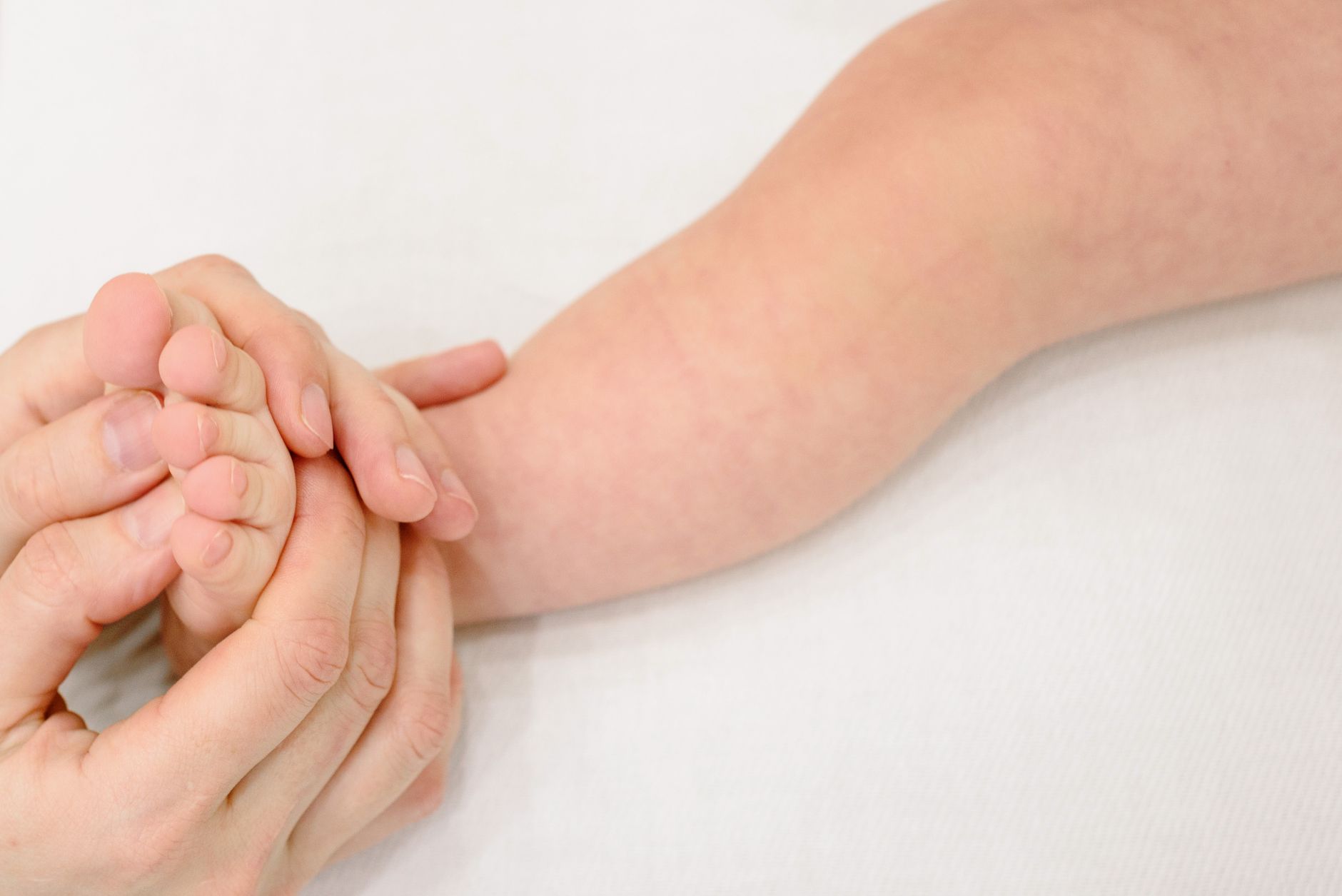
Benadryl is an antihistamine; it blocks the action of histamine, a chemical your body releases during allergic reactions. For infants, the primary approved uses are:
- Relief of mild allergic symptoms such as sneezing, runny nose, or itchy skin caused by a known allergen.
- Temporary reduction of itching from minor insect bites or mild eczema flares.
Using Benadryl for a common cold is not recommended. The American Academy of Pediatrics notes that antihistamines do not shorten the duration of viral infections and may increase sedation in babies. If your infant has a cold, the best approach is supportive care—saline nasal drops, a humidifier, and plenty of fluids.
For allergic rhinitis, a single dose of infant Benadryl can calm symptoms, but you should first confirm an allergic trigger (e.g., pollen, pet dander) with your pediatrician. Over‑use can lead to tolerance, where the medication becomes less effective over time. The NHS also advises that antihistamines should only be used when a clear allergic cause has been identified.
How many milligrams of diphenhydramine are in a baby Benadryl dose?
Each milliliter of infant Benadryl contains 2.5 mg of diphenhydramine. The standard “dose” for a newborn or young infant is calculated based on weight, as described earlier. For a 5‑kg baby, a 0.5 mL dose delivers 1.25 mg of diphenhydramine. That is the precise amount you’re giving—no more, no less.
It’s easy to confuse the “dose” (the volume you measure) with the “strength” (the milligrams of active ingredient). The label on the bottle will always list the concentration, so you can double‑check: “12.5 mg per 5 mL” → “2.5 mg per mL.” Use a calibrated syringe to avoid guesswork. The FDA’s medication guide stresses that accurate measurement is essential for infant safety.
What are the signs of Benadryl overdose in infants?
Overdose is rare when you follow weight‑based dosing, but it can happen—especially if a dose is repeated too soon or if a larger amount is given by accident. Early warning signs often mimic severe sedation or an allergic reaction:
- Extreme drowsiness or difficulty waking the baby
- Rapid, shallow breathing or apnea (pauses in breathing)
- Flushed or bluish skin
- Vomiting, especially if persistent
- Seizures or convulsions
- Irregular heart rhythm (detected by a medical professional)
If you notice any of these symptoms, call emergency services (911 in the U.S., 999 in the U.K.) immediately. While waiting for help, keep the baby on their side to protect the airway and stay calm. Prompt medical attention is the most effective way to prevent serious complications.
How to treat accidental Benadryl overdose in an infant
The first step is to seek emergency care. In a hospital setting, clinicians may administer activated charcoal to bind any remaining drug in the stomach, monitor heart rhythm, and provide supportive breathing if needed. There is no specific antidote for diphenhydramine overdose, so treatment focuses on keeping the baby stable while the medication clears.
After an overdose, your pediatrician will likely recommend a follow‑up appointment to assess any lingering effects on the heart or nervous system. The American College of Emergency Physicians recommends that families keep the medication bottle and dosing syringe handy for the medical team.
How often can I give Benadryl to my newborn?
According to the FDA’s labeling for diphenhydramine, the interval between doses for infants should be at least 12 hours. This means you can give a single dose, then wait half a day before another dose if symptoms persist. The total daily limit must not exceed 1 mg per kilogram.
For example, a 5‑kg baby can receive a 0.5 mL dose (1.25 mg) up to twice in 24 hours, but never more. Exceeding this frequency raises the risk of sedation, respiratory depression, and overdose. Because infants metabolize medications differently from older children, many pediatricians prefer to avoid repeated dosing unless absolutely necessary. If symptoms recur frequently, it’s a signal to discuss alternative strategies with your provider.
Is it safe to use liquid Benadryl on a baby under 6 months?
The FDA’s official labeling states that diphenhydramine is not recommended for children younger than 6 months unless directed by a physician. The concern is twofold:
- Infants under 6 months have immature liver enzymes, making drug clearance slower.
- The sedative effects can be more pronounced, potentially leading to respiratory depression.
Some pediatricians will prescribe a dose for a newborn only after confirming a clear allergic indication and when non‑pharmacologic measures have failed. If you’re considering Benadryl for a baby under 6 months, the safest path is to have a conversation with your pediatrician first. The NHS similarly advises caution and stresses that any antihistamine use in this age group should be under medical supervision.
What weight‑based dosing guidelines exist for infant Benadryl?
Both the American Academy of Pediatrics and the British National Formulary (BNF) agree on the same core principle: 0.25 mg/kg per dose, not exceeding 1 mg/kg per day. Below is a concise reference you can keep on the fridge:
When you have the exact weight, plug it into the formula (weight × 0.25 mg) ÷ 2.5 mg/mL = mL. This eliminates guesswork and helps you avoid accidental overdosing. The AAP also recommends re‑checking the baby’s weight at each well‑child visit because a few ounces can change the dose recommendation.
Alternatives to Benadryl for soothing a fussy baby
Medication isn’t the only way to calm a distressed infant. Below are evidence‑backed, non‑drug options that many parents find helpful:
- Saline nasal drops: A few drops in each nostril can clear mucus, making breathing easier. The American Academy of Pediatrics recommends using a bulb syringe after the drops.
- Humidifier: Adding moisture to the air reduces nasal irritation and can ease coughing.
- Gentle swaddling and rocking: The rhythmic motion mimics the womb environment and can lower cortisol levels.
- Cool‑mist vapor rub (baby‑safe): Products containing eucalyptus or menthol are not recommended for infants under 3 months, but a tiny amount of a pediatric‑approved rub can be soothing for older babies.
- Breast‑milk or formula soothing: Feeding on demand can provide both nutrition and comfort.
- Skin‑friendly moisturizers: Fragrance‑free, hypoallergenic creams can reduce itch from mild eczema without medication.
If allergies are the root cause, identifying and eliminating the trigger (e.g., dust mites, pet dander) often reduces the need for medication altogether. In some cases, a pediatrician may suggest a prescription antihistamine with a longer half‑life and a more predictable dosing schedule. The CDC’s guidance on infant respiratory health emphasizes that environmental controls are a cornerstone of symptom management.

How to store and measure infant Benadryl safely
Proper storage reduces the risk of accidental dosing errors. Keep the bottle in a child‑proof cabinet, away from direct sunlight and extreme temperatures. The FDA advises that liquid antihistamines remain stable for up to 30 days after opening, but you should check the expiration date each time you use it.
When measuring, always use the dosing syringe that comes with the medication. If you lose the syringe, ask your pharmacist for a replacement rather than improvising with kitchen spoons, which can vary by as much as 30 %. Mark the syringe with a permanent pen if you need to track the exact volume for future doses. This small habit can prevent accidental double‑dosing, a common safety issue highlighted by the American Academy of Pediatrics.
Understanding the difference between diphenhydramine and other infant antihistamines
Diphenhydramine (Benadryl) is a first‑generation antihistamine, meaning it crosses the blood‑brain barrier and often causes drowsiness. Newer, second‑generation antihistamines such as cetirizine or loratadine have less sedative effect, but they are not FDA‑approved for infants under 6 months.
When a pediatrician decides an antihistamine is needed, they weigh factors like the infant’s age, severity of symptoms, and potential side effects. In some cases, a low‑dose cetirizine (prescribed off‑label) may be preferred for chronic allergic rhinitis because it provides longer‑lasting relief without the heavy sedation that diphenhydramine can cause. However, any off‑label use should be guided by a clinician and documented in the medical record.
Benadryl and breastfeeding: Is it safe for nursing mothers?
For breastfeeding parents, the concern is whether diphenhydramine passes into breast milk and could affect the infant. The American Academy of Pediatrics states that diphenhydramine does enter breast milk in small amounts, but the exposure is generally considered low risk for a term infant. Nonetheless, the medication can cause drowsiness in the nursing infant, similar to direct dosing.
If you need an antihistamine while nursing, discuss alternatives with your healthcare provider. Some clinicians recommend using a non‑sedating antihistamine or limiting the dose to the shortest effective duration. Monitoring your baby for increased sleepiness after you take Benadryl is a prudent step, and you should contact your pediatrician if you notice any concerning changes.
Myth vs. fact
Myth: “A few extra drops of Benadryl will help my baby sleep through the night.”
Fact: Benadryl can cause drowsiness, but using it as a sleep aid is off‑label and not recommended for infants. The sedation may mask underlying issues like pain or infection, delaying proper care.
Myth: “If the label says ‘use for children 2 years and older,’ it’s safe for a newborn.”
Fact: Infant‑specific formulations are specially calibrated for low‑weight dosing. Regular children’s Benadryl (12.5 mg/5 mL) is too strong for babies under 6 months.
Myth: “Natural remedies are always safer than medication.”
Fact: Some “natural” products (e.g., essential oils) can be toxic to infants. Always verify safety with a pediatrician before using any alternative.
Key takeaways
- Use the weight‑based formula 0.25 mg / kg per dose; never exceed 1 mg / kg in 24 hours.
- For a 2‑month‑old (~5 kg), the safe dose is about 0.5 mL (1.25 mg) of liquid Benadryl.
- Only give Benadryl for confirmed allergic symptoms—not for common colds.
- Watch for overdose signs: extreme drowsiness, breathing changes, vomiting, or seizures.
- Consult your pediatrician before giving Benadryl to any baby under 6 months.
- Consider non‑drug comforts—saline drops, humidifiers, and gentle rocking—before reaching for medication.
- Store the medication safely, use a calibrated syringe, and keep the bottle out of reach.
Benadryl safety for infants with eczema
Eczema, or atopic dermatitis, is common in the first year of life and often causes intense itching. While diphenhydramine can relieve itch temporarily, the AAP cautions that antihistamines are not a first‑line treatment for eczema because the itch‑scratch cycle is primarily driven by skin barrier dysfunction.
Topical moisturizers, gentle cleansers, and prescription‑strength topical steroids (when advised) are the mainstay of therapy. If a pediatrician does prescribe Benadryl for severe itch, the same weight‑based dosing rules apply, and the medication should be used only for a short period while other skin‑care measures take effect. Parents should monitor for increased sedation, especially if the infant is already on a nighttime sleep routine.
Not all antihistamines are created equal, and the formulation you pick can affect safety. Infant‑specific Benadryl comes in a lower‑strength liquid (12.5 mg/5 mL) designed for precise dosing. Regular children’s Benadryl (often 25 mg/5 mL) is too concentrated for infants and can lead to accidental overdose.
When you ask your pharmacist for “Benadryl for a baby,” specify the infant’s exact weight and age. Ask for a calibrated oral syringe and confirm the concentration on the label. Some families prefer a “single‑dose” dropper that delivers 0.5 mL per click, which reduces the chance of mis‑measurement. Keep the medication out of sight, and label the syringe with the baby’s name and the date of the last dose.
Understanding diphenhydramine side effects in infants
Beyond sedation, diphenhydramine can cause anticholinergic effects such as dry mouth, urinary retention, and constipation—though these are less common in infants. The most worrisome side effect is respiratory depression, especially in babies younger than six months whose metabolic pathways are immature.
If you notice the baby breathing shallowly, appearing “floppy,” or having difficulty feeding after a dose, treat it as an emergency. The FDA’s safety communication highlights that even a modest excess can tip the balance toward respiratory compromise. Always have a contact number for your pediatrician or a poison control center (1‑800‑222‑1222 in the U.S.) handy when you keep diphenhydramine at home.
Frequently asked questions
What is the recommended Benadryl dose for a 3‑month‑old?
A 3‑month‑old typically weighs 5.5 kg (12 lb). Using the 0.25 mg/kg rule, the dose is 1.38 mg, which rounds to 0.55 mL of the 12.5 mg/5 mL liquid—about half a milliliter. Never exceed 1 mg/kg in a day, so the maximum total is roughly 5.5 mg.
Can a baby have an allergic reaction to Benadryl?
Yes, although rare, infants can develop a hypersensitivity to diphenhydramine. Symptoms include rash, swelling, or difficulty breathing. If any of these appear after a dose, seek emergency care immediately.
How many drops of liquid Benadryl equal one dose for an infant?
One milliliter of the infant formulation contains about 20 drops (≈0.05 mL per drop). A typical dose for a 5‑kg baby (0.5 mL) equals roughly 10 drops. Using a calibrated syringe is more accurate than counting drops.
Is it safe to give Benadryl to a baby with a fever?
Benadryl does not reduce fever. If your baby has a temperature above 38 °C (100.4 °F), focus on antipyretic options like acetaminophen (as directed by your pediatrician) and monitor hydration. Benadryl may mask fever‑related discomfort, making it harder to track the illness.
What should I do if I give my baby too much Benadryl?
Call emergency services right away. While waiting, keep the infant on their side, monitor breathing, and stay calm. Do not induce vomiting unless instructed by a medical professional.
Are there any natural alternatives to Benadryl for infants?
For mild itching, a cool, damp cloth, oatmeal baths (colloidal oatmeal), or a fragrance‑free moisturizer can provide relief. Saline nasal drops and a humidifier are safe for congestion. Always verify any product’s suitability for infants under 6 months.
Can Benadryl cause drowsiness in newborns?
Yes. Diphenhydramine’s sedative properties can lead to profound drowsiness, especially in newborns and young infants. This is why the FDA limits its use to children over 6 months unless prescribed. If you notice excessive sleepiness, contact your pediatrician.
How do I know if my baby’s symptoms are from allergies or a cold?
Allergic symptoms often include clear, watery discharge, itchy or watery eyes, and a sudden onset after exposure to a known trigger (like pollen). Cold symptoms usually develop gradually, include thick mucus, and may be accompanied by fever. Tracking patterns and discussing them with your pediatrician can help differentiate the two.
Is it okay to combine Benadryl with other over‑the‑counter meds?
Generally, avoid mixing diphenhydramine with other sedating agents (like cough syrups that contain antihistamines) because it can amplify drowsiness and respiratory depression. Always check the active ingredients on any OTC product and ask your pharmacist or pediatrician before combining them.
Can I use Benadryl for a teething baby who’s fussy?
Teething pain is not an indication for diphenhydramine. The AAP recommends using chilled teething rings, gentle gum massage, or acetaminophen (under physician guidance) for comfort. Using Benadryl for teething can expose the infant to unnecessary sedation.
What is the safest way to measure a 0.5 mL dose at home?
Use the oral syringe that comes with the medication. If the syringe is missing, ask your pharmacist for a replacement. Avoid kitchen spoons or droppers, as they can vary widely in volume. Mark the syringe with a permanent pen after each use to ensure you give the same amount each time.
When to see a doctor / specialist
If your baby shows any of the following, seek medical attention promptly:
- Persistent vomiting or diarrhea after a dose
- Severe or worsening rash, swelling, or hives
- Difficulty breathing, wheezing, or a change in skin color
- Unusual drowsiness that does not improve within an hour
- Seizures or convulsions
- Signs of dehydration (dry mouth, no wet diapers for >6 hours)
For any concerns about dosing, side effects, or whether Benadryl is appropriate for your infant’s condition, schedule an appointment with your pediatrician. If an allergic reaction or overdose is suspected, go to the nearest emergency department or call emergency services immediately.
Disclaimer: This article is for informational purposes only and does not replace professional medical advice. Always consult your health care provider before giving any medication to your baby.
References
- American Academy of Pediatrics. Committee on Drugs. “Guidelines for the Use of Antihistamines in Infants and Children.” 2023.
- U.S. Food and Drug Administration. “Diphenhydramine Hydrochloride: Drug Label.” Updated 2022.
- National Institutes of Health (NIH). “Diphenhydramine.” MedlinePlus, 2024.
- British National Formulary (BNF). “Diphenhydramine – Dosing.” 2023.
- American College of Emergency Physicians. “Management of Antihistamine Overdose.” 2022.
- Harvard T.H. Chan School of Public Health. “Allergy Management in Infants.” 2023.
- Centers for Disease Control and Prevention (CDC). “Infant Cold Care.” 2024.
- National Institute for Health and Care Excellence (NICE). “Antihistamines for Allergic Rhinitis in Children.” 2023.
- American Academy of Pediatrics. “Saline Nasal Drops for Infants.” Clinical Report, 2022.
- American College of Obstetricians and Gynecologists (ACOG). “Medication Use in Breastfeeding.” 2023.
- American Academy of Dermatology. “Managing Atopic Dermatitis in Infants.” 2022.
- U.S. Poison Control Center. “Call 1‑800‑222‑1222 for emergency advice.” 2024.