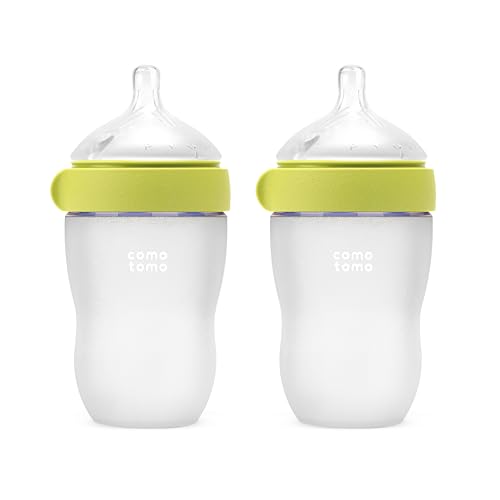
A 2-month-old baby typically needs 24-32 ounces of formula per day, or about 4-5 ounces per feeding. Learn how much formula for 2 month baby is ideal and signs of hunger or fullness.
By Shubhra Mishra — a mom of two who turned her own confusion during pregnancy into BumpBites, a global mission to make food choices clear, safe, and stress-free for every expecting mother. 💛
Check whether any food is safe during pregnancy with the BumpBites Food Safety Checker.
Quick take: Determining the right amount of formula for your 2-month-old can feel like a guessing game, but most babies this age need about 2.5 ounces of formula per pound of body weight daily, spread across 6-8 feedings. Pay close attention to your baby's hunger and fullness cues, as these are the best indicators of their individual needs, which can vary day to day. Always consult your pediatrician if you have concerns about your baby's feeding or growth.
The early weeks of parenthood are a beautiful blur of firsts, but they're also filled with questions, especially around feeding. As your baby reaches the two-month mark, you might be wondering if they're getting enough to eat. One night, as you're carefully measuring scoop after scoop, perhaps you pause and think, "Is this the right amount? Are they still hungry, or am I overfeeding?" It’s a common worry that many parents share.
You're not alone in feeling a bit unsure. Every baby is unique, and their feeding needs can fluctuate based on their weight, activity levels, and even growth spurts. While there are general guidelines, your baby is the best guide, communicating their needs through subtle (and not-so-subtle!) cues. Our goal at BumpBites is to help you understand these signs and equip you with the knowledge to feel confident in nourishing your little one.
In this article, we’ll dive into the practical details of formula feeding for a 2-month-old, covering everything from daily intake to recognizing hunger and fullness. We’ll also discuss what to do during growth spurts and when it’s time to reach out to your pediatrician. Let’s demystify formula feeding so you can focus on those precious bonding moments.
Observing your baby's cues during feeding is key to understanding their needs.
How much formula should a 2-month-old eat per day?
When you're a new parent, it can feel like you're constantly calculating ounces and tracking feeding times. For a 2-month-old, there's a general guideline that can help you gauge their daily formula needs, but remember it's just that—a guideline. The American Academy of Pediatrics (AAP) suggests that most babies at this age consume approximately 2.5 ounces of formula per pound of body weight per day.
Let's break that down with an example. If your 2-month-old weighs 10 pounds, they would typically need around 25 ounces of formula over a 24-hour period (10 pounds x 2.5 ounces/pound = 25 ounces). This daily amount should then be divided across their various feedings throughout the day and night. For instance, if your baby feeds 7 times a day, they would be taking roughly 3.5 ounces per feeding.
It's important to understand that this is an average, and your baby's actual intake might vary. Some days they might drink a little more, especially during a growth spurt, and other days a little less. Factors like their individual metabolism, activity level, and growth rate all play a role. A baby who is more active or going through a growth spurt might naturally demand more, while a sleepier baby might consume slightly less.
Instead of fixating on exact numbers, think of the 2.5 ounces per pound rule as a helpful starting point for discussion with your pediatrician. The most reliable indicators of adequate intake are your baby's overall health, steady weight gain, and consistent diaper output. We'll explore these signs in more detail later, but for now, know that a healthy, growing 2-month-old will typically let you know when they're hungry and when they're full.
Here’s a quick reference table for estimated daily formula intake based on weight:
Baby's Weight (lbs)
Estimated Daily Formula Intake (oz)
Estimated Daily Formula Intake (ml)
8 lbs
20 oz
590 ml
9 lbs
22.5 oz
665 ml
10 lbs
25 oz
740 ml
11 lbs
27.5 oz
815 ml
12 lbs
30 oz
885 ml
Remember, these are averages. Always observe your baby's unique feeding patterns and consult with your pediatrician if you have specific concerns about their growth or daily intake.
How many ounces of formula per feeding for a 2-month-old?
A
t two months old, babies are generally becoming more efficient at feeding and can take in larger volumes per session compared to their newborn days. While the total daily intake is important, knowing how much to offer at each feeding helps prevent over or underfeeding and contributes to a more predictable (though still flexible!) routine.
Most 2-month-old babies will typically consume between 3 to 5 ounces of formula per feeding. This range can fluctuate, with some babies occasionally taking a bit less or a bit more. For example, a baby might take 3 ounces during a sleepy morning feed but finish a full 5-ounce bottle before their longest stretch of sleep at night. The key is to offer enough to satisfy them without forcing them to finish a bottle if they show signs of fullness.
It's common for parents to wonder, "Is 4 oz enough for a 2-month-old?" For many babies, 4 ounces is a perfectly appropriate amount per feeding, especially if they are feeding frequently throughout the day. However, if your baby consistently drains a 4-ounce bottle and still seems to be rooting around or showing hunger cues shortly after, they might be ready for a bit more, perhaps 4.5 or 5 ounces at that particular feeding.
One representative story we often hear from parents is the internal debate over offering another ounce. "My baby finished 4 ounces and still seemed fussy," one mom told us. "I wasn't sure if I should make another bottle or if it was gas. Eventually, I tried offering another ounce, and she happily took it and settled down." This highlights the importance of observing your baby, rather than strictly adhering to a fixed number. Their individual hunger drives their needs.
When preparing a bottle, it's often helpful to prepare an ounce or two more than you expect your baby to drink, especially if you're still learning their patterns. This way, you can offer more if they're still hungry without having to stop and prepare a whole new bottle. However, remember that any formula left in the bottle after a feeding should be discarded within one hour to prevent bacterial growth, as saliva introduced during feeding can contaminate the milk.
Ultimately, the amount per feeding should be guided by your baby’s cues. Start with a reasonable amount (e.g., 4 ounces) and watch for signs that they are satisfied or still hungry. This flexible approach, often called "responsive feeding," helps ensure your baby gets exactly what they need when they need it, fostering a healthy relationship with food from an early age.
How often should a 2-month-old baby drink formula?
At two months old, your baby's feeding schedule might start to settle into a slightly more predictable pattern than in the newborn phase, but it will still largely be driven by their hunger. Generally, 2-month-old babies will need to drink formula every 3 to 4 hours. This means they will typically have 6 to 8 feedings over a 24-hour period.
The concept of "demand feeding" is still very much applicable at this age, even with formula. While you might observe a general rhythm, it's crucial to respond to your baby's hunger cues rather than strictly adhering to a rigid timetable. If your baby wakes up and shows signs of hunger after 2.5 hours, don't wait another 30 minutes just because "it's not time yet." Their body is signaling a need, and responding promptly helps them feel secure and nourished.
What does a typical 2-month-old formula feeding schedule look like? It often involves waking up for a feed, then feeding every 3-4 hours throughout the day, and one or two night feedings. Many babies at this age might start to have one longer stretch of sleep at night, perhaps 4-6 hours, which means they might go a bit longer between feeds during that period. If your baby is sleeping soundly and gaining weight well, it's usually fine to let them sleep, but always check with your pediatrician if you have any concerns about extended sleep periods.
For parents wondering, "How many times a day should a 2-month-old eat formula?", the answer generally falls within that 6-8 feeding range. This frequency ensures they are meeting their daily caloric and fluid needs. If your baby is consistently feeding more or less frequently than this, and you have concerns about their weight gain or overall health, it's a good idea to discuss it with your pediatrician.
One common scenario involves a baby who seems to "snack" more frequently, taking smaller amounts at each feeding. While this can sometimes be normal, especially if they're easily distracted or have reflux, it's also worth ensuring they're getting full, satisfying feeds. Paced feeding techniques, which we’ll discuss later, can help encourage a more controlled and complete feeding experience, allowing the baby to recognize fullness more effectively.
Remember that every baby is unique. Your baby's individual hunger and satiety cues are the most important guides. Establishing a loose routine can be helpful for parents, but always prioritize your baby's needs over the clock. Flexibility and responsiveness are key to successful formula feeding at two months old.
Learning to recognize your baby's subtle hunger cues can help you feed them responsively.
Signs your 2-month-old is getting enough formula
It's completely normal for parents to worry about whether their baby is getting enough to eat. Thankfully, babies are excellent communicators, and there are several clear signs that indicate your 2-month-old is well-nourished and thriving on their formula intake. By observing these cues, you can feel confident that you're meeting their needs.
Active Hunger Cues
Before we look at signs of *enough* formula, let's quickly review the signs of hunger. Knowing these helps you offer formula before your baby becomes overly distressed, which can make feeding more challenging:
Rooting: Turning their head and opening their mouth toward anything that touches their cheek.
Sucking motions: Sucking on their hands, fingers, or smacking their lips.
Fussiness: Crying is a late sign of hunger; try to feed before it escalates to this point.
Hand-to-mouth movements: Bringing their hands to their mouth.
Signs of Satiety and Adequate Intake
Once you've offered formula, here's how to tell they've had enough:
Satisfied and Content: After a feeding, a baby who has had enough formula will generally appear content, relaxed, and often sleepy. They might release the bottle nipple on their own and drift off to sleep.
Steady Weight Gain: This is one of the most important indicators. Your pediatrician will monitor your baby's weight gain at their check-ups. A 2-month-old should be gaining weight consistently, typically around 1 ounce per day (or about 5-7 ounces per week) after the first couple of weeks. They should also be growing in length and head circumference.
Consistent Diaper Output: What goes in must come out! A well-hydrated and well-fed 2-month-old should have at least 6-8 wet diapers per day. The urine should be pale yellow and not strong-smelling. They should also have 3-5 (or more) bowel movements daily, which might vary in consistency and color but should be soft and easy to pass. A sudden decrease in wet or dirty diapers can be a red flag.
Alertness and Activity: A baby who is getting enough nutrition will be alert for periods, engaging with their surroundings, making eye contact, and showing interest in toys or faces. They will have good muscle tone and appear generally healthy and energetic when awake.
Meeting Developmental Milestones: While not directly tied to a single feeding, overall good nutrition supports healthy development. Your 2-month-old should be reaching typical milestones, such as lifting their head briefly, responding to sounds, and smiling.
One mom shared her experience, "I used to stress so much about the ounces, but then my pediatrician reminded me to look at the whole picture. When my baby was happy after feeds, had lots of wet diapers, and was gaining weight, I knew we were on the right track." This holistic view is crucial. If your baby is displaying these signs, you can be confident that their formula intake is sufficient for their growth and development.
What to do if your 2-month-old is still hungry after formula?
It can be a little unsettling when your baby finishes a bottle and still seems to be rooting around, sucking their hands vigorously, or fussing. Your immediate thought might be, "Did I not give them enough?" or "Are they going through a growth spurt?" Both are valid possibilities, and there are several steps you can take to address a seemingly hungry 2-month-old.
Offer More Formula
If your baby consistently finishes their usual bottle amount and still shows strong hunger cues, the simplest solution is often to offer a little more. You can try adding an extra half-ounce to an ounce to their next bottle. If they happily take it and then seem satisfied, they likely just needed a bit more to feel full. Remember, their appetite can increase as they grow or during growth spurts.
Consider Paced Bottle Feeding
Sometimes, a baby might seem hungry but is actually taking in formula too quickly, leading to discomfort or an inability to recognize fullness. Paced bottle feeding is a technique that mimics the flow of breastfeeding, allowing the baby to control the pace of feeding and giving them time to register satiety. Here’s how to do it:
Position: Hold your baby in a more upright position, supporting their head.
Bottle Angle: Hold the bottle horizontally, or only slightly tipped, so that the nipple is full of milk but the baby has to work a bit more to get it. This prevents a fast flow that can overwhelm them.
Breaks: Offer frequent breaks. Every 20-30 seconds, or after every 15-20 sucks, gently pull the bottle back slightly (keeping the nipple in their mouth) to allow them to pause and swallow. You might even remove the bottle completely for a moment.
Switch Sides: Just as you might switch breasts during breastfeeding, you can switch sides when bottle feeding. This encourages different muscle use and can make the feeding more engaging.
Observe Cues: Pay close attention to your baby's cues for pauses or signs of fullness, not just the amount in the bottle.
Paced feeding can help babies feel more in control, reduce gas, and allow their brain to catch up with their stomach, so they recognize when they're truly full.
Burp Your Baby Thoroughly
Sometimes, what seems like hunger might actually be discomfort from trapped gas. Babies swallow air during feedings, and this can lead to a false sense of fullness or fussiness. Make sure to burp your baby frequently during and after feedings. Try different burping positions, like holding them upright against your shoulder, sitting them on your lap and leaning them forward, or laying them across your lap on their tummy.
Identify Growth Spurts
Growth spurts are periods of rapid growth that often lead to an increased appetite. For 2-month-olds, a common growth spurt occurs around 6-8 weeks of age. During a growth spurt, your baby might want to feed more frequently and consume larger amounts of formula. This increased demand is normal and temporary. Respond to their hunger cues during these times, and their intake will likely return to its usual pattern after a few days.
Rule Out Other Discomforts
If your baby seems hungry but then pushes the bottle away, cries, or arches their back, it might not be hunger but rather discomfort from reflux, gas, or another issue. Observe their behavior closely and discuss any persistent concerns with your pediatrician. They can help rule out underlying medical conditions.
The key is responsive feeding. Trust your baby's cues, and don't hesitate to offer a little more if they seem genuinely hungry. If you consistently find your baby unsatisfied or are concerned about their feeding patterns, always reach out to your pediatrician for personalized advice.
How to tell if a 2-month-old is drinking too much formula?
Just as parents worry about underfeeding, it's also common to be concerned about overfeeding, especially if your baby seems to spit up a lot or is unusually fussy after feedings. While it's harder to truly "overfeed" a baby who is responsive to their own hunger and fullness cues, there are signs that might indicate your baby is taking in more formula than they comfortably need, or that the feeding process isn't ideal.
Signs of Overfeeding or Discomfort
Excessive Spit-Up: While some spit-up is normal for babies (often called "laundry disease" by parents!), excessive or forceful spit-up after most feedings can be a sign they've had too much, too quickly, or too often. If it's projectile vomiting, that's a different concern and warrants immediate medical attention.
Gassiness and Abdominal Discomfort: A baby who has consumed too much formula might appear bloated, gassy, or uncomfortable. They might cry, pull their legs up to their chest, or seem generally distressed. This discomfort can also be related to swallowing too much air during rapid feeding.
Frequent Bowel Movements that are Loose or Explosive: While formula-fed babies can have varying stool patterns, consistently very loose, watery, or explosive bowel movements can sometimes be associated with overfeeding or a rapid transit time through the digestive system.
Refusing the Bottle or Turning Away: A baby who is truly full will often turn their head away from the bottle, push the nipple out with their tongue, or simply stop sucking. If you continue to encourage feeding past these cues, it can lead to discomfort.
Very Rapid Weight Gain: While steady weight gain is good, exceptionally rapid weight gain that significantly exceeds expected ranges (as monitored by your pediatrician) could be a sign of consistent overfeeding. However, this is something your doctor will assess.
Fussiness or Crying After Feeds: Sometimes, a baby who has eaten too much might become fussy or cry due to stomach upset rather than hunger. This can be confusing for parents who might then offer another bottle, perpetuating the cycle.
What to Do If You Suspect Overfeeding
If you notice these signs, here are some strategies:
Implement Paced Bottle Feeding: As discussed earlier, this technique slows down the feeding, allowing your baby's brain to register fullness and reducing air intake. It empowers your baby to control their intake.
Offer Smaller, More Frequent Feeds: Instead of trying to get a large amount into one bottle, you might try offering slightly smaller amounts more frequently, if your baby seems to prefer that.
Ensure Proper Burping: Thorough burping during and after feeds can help release trapped air that might be causing discomfort.
Check Nipple Flow: Ensure the bottle nipple flow is appropriate for a 2-month-old. A flow that is too fast can lead to rapid intake and discomfort. Most 2-month-olds do well with a slow-flow or newborn nipple.
Distinguish Hunger from Other Cues: Sometimes a baby cries for reasons other than hunger – they might be tired, need a diaper change, be too hot or cold, or just need comfort. Before offering another bottle, try comforting them in other ways.
Consult Your Pediatrician: If you're consistently concerned about overfeeding, excessive spit-up, or your baby's comfort after feeds, it’s always best to talk to your pediatrician. They can assess your baby's growth, rule out reflux or allergies, and provide tailored advice.
Remember, babies are generally good at self-regulating their intake when given the chance. By being observant and responsive to their cues, you can help them develop healthy eating habits.
When to adjust formula amounts for a 2-month-old?
Your 2-month-old's formula needs aren't static; they will change as your baby grows and develops. Knowing when and how to adjust the amount of formula you offer is an important part of responsive feeding. It's less about following a rigid schedule and more about tuning into your baby's evolving signals.
Signs It Might Be Time to Adjust
Consistent Hunger Cues After Finishing a Bottle: If your baby routinely finishes a bottle and then continues to root, suck their hands, or fuss, it's a clear sign they might need more. This is often the most direct indicator that their usual amount is no longer sufficient.
Increased Frequency of Feedings: If your baby starts demanding feeds more often than their usual 3-4 hour interval, and these demands are persistent, it could indicate they're not getting enough at each feeding, or their overall daily needs have increased.
Growth Spurts: As mentioned, growth spurts are periods of rapid development where babies often have an increased appetite. These typically occur around 6-8 weeks (which falls right into the 2-month window) and again around 3 months. During a growth spurt, your baby might want to feed more frequently and take larger amounts at each feeding for a few days.
Changes in Weight Gain or Diaper Output: While your pediatrician tracks these, if you notice a significant decrease in wet or dirty diapers, or if your baby seems to be gaining weight slower than expected (between check-ups), it's a strong signal to increase intake or consult your doctor. Conversely, if weight gain is exceptionally rapid, your doctor might suggest adjustments.
Longer Sleep Stretches: As babies mature, some might start sleeping for longer stretches at night. While this is often a welcome development, if they're sleeping through a feed they used to take and their overall daily intake has decreased significantly, it might be worth offering a bit more during their awake feeds to compensate. However, always prioritize letting a baby sleep if they are otherwise thriving.
How to Make Adjustments
Increase Gradually: Don't jump from 3 ounces to 6 ounces in one go. If your baby seems hungry for more, try adding an extra half-ounce to an ounce to their usual bottle size. For example, if they typically drink 4 ounces, try offering 4.5 or 5 ounces.
Observe and Respond: After increasing the amount, observe your baby's response over the next day or two. Do they seem satisfied? Are they spitting up more? Are they still showing hunger cues? Continue to adjust based on their feedback.
Maintain Responsive Feeding: Even with adjustments, continue to follow your baby's hunger and fullness cues. Some feeds they might take the full amount, others they might not.
Consider Overall Daily Intake: Remember the general guideline of 2.5 ounces per pound of body weight per day. If your baby's weight has increased, their daily needs will likely increase accordingly.
When to Consult Your Pediatrician
While making small adjustments based on your baby's cues is normal, there are times when professional advice is essential:
If your baby consistently refuses bottles or seems to be struggling with feeding.
If you're concerned about their weight gain or loss.
If they have persistent digestive issues like severe gas, constipation, or diarrhea.
If they seem lethargic, unusually sleepy, or are not meeting developmental milestones.
If you're unsure about how much to adjust or if your adjustments aren't leading to a happy, thriving baby.
Your pediatrician is your best resource for personalized advice on your baby's feeding needs. They can assess your baby's growth chart and provide guidance tailored to their individual health and development. One parent noted, "I always felt better after talking to our pediatrician about feeding changes. It gave me peace of mind that I was doing the right thing for my baby's unique needs."
Proper preparation and storage of formula are crucial for your baby's health.
Myth vs. Fact
Let's clear up some common misconceptions about formula feeding a 2-month-old:
Myth: You should always make your baby finish the bottle.
Fact: Forcing a baby to finish a bottle, even if there's only a little left, can lead to overfeeding, discomfort, and can override their natural fullness cues. It's best to let your baby stop when they show signs of satiety, even if it means discarding some formula. Responsive feeding is key to teaching healthy eating habits.
Myth: If your baby is fussy, they must be hungry and need more formula.
Fact: While hunger is a common reason for fussiness, it's not the only one. Babies can be fussy due to gas, tiredness, a wet diaper, being too hot or cold, needing comfort, or even just being overstimulated. Before offering another bottle, try burping, changing their diaper, cuddling, or offering a pacifier to see if another need is being met.
Myth: All 2-month-olds should be on a strict feeding schedule.
Fact: While some babies naturally fall into a more predictable rhythm around two months, strict schedules are often less effective than responsive or "demand" feeding. Babies' appetites vary, especially during growth spurts. Feeding your baby when they show hunger cues, rather than by the clock, ensures they get the nutrition they need and fosters a healthy feeding relationship.
Key Takeaways
Most 2-month-old babies need about 2.5 ounces of formula per pound of body weight daily, spread across 6-8 feedings.
A typical feeding for a 2-month-old is 3-5 ounces, offered every 3-4 hours.
Prioritize your baby's hunger and fullness cues over strict schedules or predetermined amounts.
Signs of adequate formula intake include steady weight gain, at least 6-8 wet diapers daily, 3-5 soft bowel movements, and overall alertness and contentment.
If your baby is still hungry after a bottle, try offering an extra half-ounce to an ounce, practice paced feeding, and ensure thorough burping.
Signs of potential overfeeding include excessive spit-up, gassiness, discomfort, and refusing the bottle when encouraged.
Adjust formula amounts gradually based on your baby's cues, especially during growth spurts, and always consult your pediatrician with concerns.
Frequently Asked Questions
How many oz should a 2 month old eat?
A 2-month-old baby typically needs about 2.5 ounces of formula per pound of body weight per day, divided across their feedings. For example, a 10-pound baby would need around 25 ounces over 24 hours. Per feeding, most 2-month-olds consume between 3 to 5 ounces, depending on their individual appetite and the frequency of feeds.
How many oz should a 2 month old drink every 3 hours?
If your 2-month-old is feeding approximately every 3 hours, they would likely drink around 3.5 to 4.5 ounces per feeding. This amount allows them to meet their daily intake needs. However, always observe your baby's hunger and fullness cues; some might take a bit less or more at any given feeding.
How many oz should a 2 month old drink in 24 hours?
In a 24-hour period, a 2-month-old should drink approximately 2.5 ounces of formula for every pound of their body weight. So, an 8-pound baby might drink about 20 ounces, while a 12-pound baby might drink around 30 ounces. This total amount is typically spread across 6-8 feedings throughout the day and night.
Is 4 oz enough for a 2 month old?
For many 2-month-olds, 4 ounces per feeding is a perfectly appropriate amount, especially if they are feeding every 3-4 hours and showing signs of satisfaction afterwards. If your baby consistently drains a 4-ounce bottle and still seems hungry, you might offer an additional half-ounce to an ounce at that feeding.
How many times a day should a 2 month old eat formula?
A 2-month-old baby typically eats formula 6 to 8 times within a 24-hour period. This usually translates to feedings every 3 to 4 hours, though some babies might have one longer stretch of sleep at night. Always respond to your baby's hunger cues rather than strictly adhering to a rigid schedule.
What are the signs of overfeeding a 2 month old?
Signs of potential overfeeding in a 2-month-old include excessive or forceful spit-up, increased gassiness and abdominal discomfort, consistently very loose or explosive bowel movements, and refusing the bottle or turning away when encouraged to eat more. If you notice these signs, consider paced feeding and consult your pediatrician.
When to see a doctor or specialist
While many feeding concerns are normal and resolve with minor adjustments, there are specific signs that warrant a call to your pediatrician. Your baby’s doctor is your most valuable resource for personalized medical advice and can address any health concerns.
Contact your pediatrician if your 2-month-old:
Is consistently taking significantly less formula than the general guidelines, or refusing to feed.
Is not gaining weight steadily, or is losing weight.
Has fewer than 6 wet diapers in a 24-hour period.
Has very infrequent bowel movements (e.g., less than once a day consistently) or stools that are hard and dry.
Experiences frequent, forceful, or projectile vomiting (not just regular spit-up).
Shows signs of dehydration, such as a sunken soft spot (fontanelle), dry mouth, lack of tears, or lethargy.
Is excessively fussy, irritable, or cries inconsolably after most feedings.
Seems unusually sleepy or difficult to wake for feedings.
Develops a fever (rectal temperature of 100.4°F / 38°C or higher).
Shows signs of an allergic reaction to formula, such as a rash, hives, severe diarrhea, blood in stool, or swelling.
This article is for informational purposes only and is not a substitute for professional medical advice, diagnosis, or treatment. Always seek the advice of your pediatrician or other qualified health provider with any questions you may have regarding a medical condition or your baby's health.
Not sure about the label on How Much Formula For 2 Month Baby products?
Snap the ingredients list and SafeFilter checks every ingredient for your stage — only 3 free scans this month, then you're locked until reset. Unlimited from $7/mo or $50/yr.
When Shubhra Mishra was expecting her first child in 2016, she was overwhelmed by conflicting food advice — one site said yes, another said never. By the time her second baby arrived in 2019, she realized millions of mothers face the same confusion.
That sparked a five-year journey through clinical nutrition papers, cultural diets, and expert conversations — all leading to BumpBites: a calm, compassionate space where science meets everyday motherhood.
Her long-term vision is to build a global community ensuring safe, supported, and free deliveriesfor every mother — because no woman should face pregnancy alone or uninformed. 🌿
🌍 Stand with mothers, shape safer guidance
Join a small circle of experts who review BumpBites articles so expecting parents everywhere can decide with confidence.