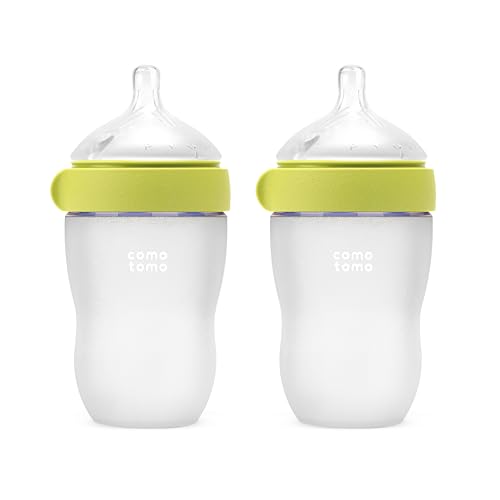
Quick take: A 10‑month‑old typically needs about 24–32 oz (710‑950 ml) of formula a day, spread over 3–4 feedings. Watch the baby’s cues, growth pattern, and diaper output to know if you’re on track, and start transitioning to whole milk around the first birthday.
It’s 2 a.m., the house is quiet, and you’re staring at the empty bottle on the nightstand wondering, “Is this enough?” You’re not alone. Many parents reach this crossroads of balancing formula, solids, and the upcoming milk switch. The good news is that the guidelines are clear, the signs are easy to read, and you can feel confident feeding your 10‑month‑old without second‑guessing.
In this article we’ll answer the exact questions you’re typing into Google, from daily ounce totals to the best formula choices, and we’ll walk you through a safe feeding schedule, solid‑food integration, and the whole‑milk transition. By the end you’ll have a practical roadmap, a handy reference table, and a list of red‑flag signs that tell you when to call your pediatrician.
Whether you’re formula‑only, mixing breast‑milk, or just starting solids, the information below is based on guidance from the American Academy of Pediatrics (AAP), the World Health Organization (WHO), and the UK’s National Health Service (NHS). Remember, every baby is unique—use this as a framework and adjust to your child’s hunger cues and growth curve.

For most 10‑month‑old infants, the AAP recommends 24‑32 oz (710‑950 ml) of formula daily. This range reflects the wide variation in appetite, activity level, and the amount of solid foods already introduced.
Break it down:
- Lower end (24 oz): Babies who are eating a variety of solids and have a smaller appetite.
- Upper end (32 oz): Babies who rely more on formula for calories and may be less interested in solids.
To gauge the right amount, track three simple markers:
- Weight gain of about 0.5‑1 lb (0.2‑0.5 kg) per month.
- At least 5‑6 wet diapers and 2‑3 stools each day.
- Steady, content behavior after feeds (no persistent fussiness).
These indicators, combined with the daily ounce range, give you a reliable picture of whether your baby is meeting nutritional needs. If you notice a trend toward the extremes of the range, consider whether solid‑food intake is higher or lower than usual, and adjust the formula volume accordingly. The goal is a balanced diet that supports steady growth without over‑reliance on any single source.
Both the AAP and NHS note that formula alone should still provide the majority of calories until the first birthday, even as solids become more prominent. If you’re ever unsure, a quick check‑in with your pediatrician can confirm that your baby’s growth curve aligns with expectations.
A typical schedule for a formula‑fed 10‑month‑old includes 3‑4 feedings spaced 4‑5 hours apart, plus snacks of soft solids. Below is a sample day that you can tweak to fit your family’s routine.
This schedule totals roughly 22‑30 oz, leaving room for a small extra feed if your baby shows hunger cues. Adjust the timing if your baby naps later or earlier; the key is consistency and responsiveness to hunger signals. Most parents find that aligning feeds with natural wake‑up times and nap cycles reduces fussiness and helps the baby settle into a predictable rhythm.
When you’re building a routine, remember that the exact amount per feeding can be flexible. A baby may want a larger bottle after a particularly active play session, or a smaller one after a long nap. The important part is that the total daily volume stays within the 24‑32 oz range and that the baby remains content and well‑hydrated.
Beyond the diaper count, there are several observable signs that your baby is receiving adequate formula:
- Steady weight gain: Your pediatrician’s growth chart should show a smooth upward trend.
- Alert, happy demeanor: Babies who are well‑fed are generally content, with brief periods of fussiness.
- Regular sleep patterns: Adequate calories support longer, more restful nighttime sleep.
- Normal bowel movements: Soft, formed stools 2‑3 times daily indicate balanced intake.
If you notice any sudden drop in weight, persistent lethargy, or a drastic change in diaper output, it’s worth reviewing the feeding plan with your provider. The NHS emphasizes that these physical cues are reliable markers of nutritional adequacy, especially when paired with regular well‑child visits.
Another subtle sign is the baby’s interest in new foods. A well‑nourished 10‑month‑old will usually show curiosity and willingness to try fresh flavors, whereas a baby who is still hungry may reject solids in favor of more milk. Observing these cues can give you confidence that you’re meeting the baby’s needs.
Yes—over‑feeding can happen, especially if solids are still limited. Consuming more than 32 oz (950 ml) daily may lead to excess calories, iron deficiency (because excess cow’s‑milk‑based formula can interfere with iron absorption), and digestive discomfort.
Watch for these red‑flag symptoms:
- Frequent vomiting or spit‑up: The stomach may be overloaded.
- Very hard stools or constipation: Too much formula can reduce fiber intake.
- Rapid weight gain: Gaining more than 1 lb (0.5 kg) per month could signal excess calories.
- Persistent irritability after feeds: Discomfort from over‑fullness.
If any of these appear, reduce the formula by 2‑4 oz per feed and increase solid‑food portions. Always discuss significant changes with a pediatrician.
In addition to the physical signs, keep an eye on your baby’s overall energy level. Over‑fed infants may become unusually lethargic or display a lack of interest in play, which can be a subtle cue that caloric intake is too high. The AAP advises that any abrupt changes in feeding patterns merit a brief conversation with your health‑care team.
Solid foods should complement, not replace, formula at this stage. The goal is to provide a balanced mix of nutrients while maintaining the calorie contribution from formula.
Step‑by‑step solid‑food integration
- Start with iron‑rich purees: Iron‑fortified cereals, lentils, and pureed meats provide nutrients that formula alone may not fully cover.
- Introduce a new food every 3‑5 days: This helps identify any allergies.
- Offer 2‑3 solid meals per day: Breakfast, lunch, and dinner, each about 2‑4 oz of food.
- Maintain formula between meals: Use formula to fill the calorie gap, especially if solids are still light.
- Gradually increase texture: Move from smooth purees to soft finger foods as the baby develops chewing skills.
Sample solid‑food day:
- Morning: Iron‑fortified oatmeal mixed with breast‑milk or formula.
- Midday: Mashed sweet potato with a hint of cinnamon.
- Evening: Soft‑cooked chicken shredded into tiny pieces.
Remember to keep offering formula after solids to ensure the total calorie intake stays within the recommended range. The NHS notes that iron needs rise sharply at around nine months, making iron‑rich solids an essential part of the diet.
When you first introduce new textures, watch for signs of readiness such as the ability to sit upright with minimal support and the disappearance of the tongue‑thrust reflex. These developmental milestones indicate that the baby is ready to handle thicker purees and soft finger foods safely.
The AAP advises introducing whole cow’s milk at 12 months, but you can start preparing your baby for the switch as early as 10 months by offering small amounts of cow’s milk mixed with formula.
Transition timeline
- 10‑11 months: Offer 1‑2 oz (30‑60 ml) of whole milk in a cup once a day, mixed 50/50 with formula.
- 12 months: Gradually increase whole‑milk proportion to 100 % while reducing formula to 2‑3 oz per day.
- 13‑15 months: Aim for 16‑24 oz (475‑710 ml) of whole milk daily, eliminating formula entirely.
Practical tips for a smooth switch
- Use a sippy cup or open‑topped cup to encourage self‑drinking.
- Warm the milk slightly (body temperature) to mimic the comfort of formula.
- Offer milk after a solid meal when the baby is already satiated, reducing the risk of refusal.
- Monitor calcium and vitamin D intake; whole milk supplies both, but ensure the overall diet remains balanced.
If your baby shows signs of intolerance (rash, vomiting, or persistent diarrhea), pause the transition and consult your pediatrician.
Whole milk provides essential fats for brain development, but it lacks the iron and certain vitamins found in formula. That’s why the AAP and NHS both recommend continuing a small amount of formula or fortified foods until the iron stores are secure, typically around the first birthday.
At 10 months, most infants still benefit from standard cow’s‑milk‑based formula, but certain situations call for specialized options.
Always discuss any formula change with your pediatrician, especially if your baby has a medical condition or a known allergy. The FDA’s 2020 guidance on infant formula labeling provides detailed nutrient requirements that all commercial formulas must meet, ensuring safety across brands.
For families following a plant‑based lifestyle, the NHS highlights that soy‑based formulas can be a suitable alternative, but they should still be iron‑fortified to meet the infant’s needs. When choosing an organic formula, verify that it meets the same nutrient standards as conventional formulas; otherwise, you may inadvertently miss essential vitamins.
How much water should a 10 month old drink?
At ten months, most of a baby’s fluid needs are met through formula and breast milk. However, offering a small amount of water can help with digestion and prevent constipation, especially as solid foods become more varied.
The NHS recommends offering 2‑4 oz (60‑120 ml) of water per day, ideally in a sippy cup during meals. This amount is enough to keep the baby hydrated without displacing the calories they need from formula. Too much water can lead to a condition called water intoxication, which dilutes the body’s electrolytes and can be dangerous.
When you introduce water, do it gradually. Start with a few sips after a solid meal and watch the baby’s reaction. If the baby seems satisfied and continues to have an adequate number of wet diapers (5‑6 per day), you’re likely providing the right amount.
Remember that water does not replace formula’s nutritional content. If you ever notice a decrease in diaper output or signs of dehydration—dry mouth, sunken fontanelle, or lethargy—contact your pediatrician promptly.
Understanding iron requirements for a 10 month old and when to supplement
Iron becomes a critical nutrient around the nine‑month mark because the baby’s iron stores from birth start to wane. Formula supplies iron, but the amount may not cover the increased demand if solids are low in iron.
The AAP suggests that infants aged 7‑12 months need about 11 mg of iron per day. Iron‑fortified cereals, pureed meats, lentils, and beans are excellent sources. If your baby is a picky eater or you’ve limited iron‑rich foods, a pediatric‑approved iron supplement may be necessary.
Before starting any supplement, have your pediatrician check your baby’s hemoglobin level with a simple blood test. The NHS advises that routine iron supplementation is not required for all infants, but targeted supplementation can prevent iron‑deficiency anemia, which can affect growth and cognitive development.
When giving an iron supplement, follow the provider’s dosage instructions precisely and give it with a small amount of food or formula to reduce gastrointestinal upset. Some babies experience constipation or dark stools; increasing fluid intake and offering high‑fiber foods can help mitigate these side effects.
Choosing the right bottle and nipple size for a 10 month old
As babies grow, their sucking strength and coordination evolve. By ten months, most infants can handle a slower‑flow nipple, but some may be ready for a faster flow if they’re eager to finish a bottle quickly.
Look for bottles labeled “Stage 2” or “Stage 3” (often for 6‑12 months). These typically have a nipple flow that matches a baby’s developing oral muscles. If you notice your baby choking, gulping, or pulling the bottle away frequently, the flow may be too fast and you should switch to a slower‑flow nipple.
Materials matter, too. BPA‑free plastic, glass, or silicone bottles are all safe, but many parents prefer glass for its durability and lack of lingering odors. If you’re using a reusable bottle, ensure it’s sterilized regularly—boiling for 5 minutes or using a dishwasher’s high‑heat setting works well.
Finally, consider the bottle’s shape. Wide‑neck bottles can be easier for you to fill and clean, while narrow‑neck bottles may mimic the natural shape of a breast, which can be comforting for infants who are also breast‑fed.

Myth vs. fact
Myth: A 10‑month‑old can stop drinking formula once solids are introduced.
Fact: Formula (or breast milk) remains a primary source of calories and nutrients until at least the first birthday.
Myth: All babies need exactly 30 oz of formula daily.
Fact: Needs vary; the recommended range is 24‑32 oz, adjusted for solid‑food intake and growth.
Myth: Whole cow’s milk can replace formula before 12 months.
Fact: Whole milk lacks essential iron and vitamin D; it should not be the main drink before 12 months.
Key takeaways
- Give 24‑32 oz of formula daily, spread over 3‑4 feeds.
- Watch weight gain, diaper output, and mood to confirm adequacy.
- Introduce 2‑3 solid meals per day while maintaining formula calories.
- Start the whole‑milk transition at 12 months; you can begin small mixed trials at 10‑11 months.
- Choose formula based on your baby’s health needs—standard, HA, eHF, or soy.
- Store prepared formula in the fridge for up to 24 hours and discard any leftovers after 1 hour at room temperature.
- Offer 2‑4 oz of water daily in a sippy cup to aid digestion.
- Ensure iron intake of about 11 mg per day through iron‑rich foods or supplements if advised.
- Select a bottle with an appropriate nipple flow; slow‑flow is safest unless the baby shows readiness for faster flow.
Frequently asked questions
Most 10‑month‑olds need about 24‑32 oz (710‑950 ml) per day, divided into 3‑4 feedings. Adjust up or down based on solid‑food intake and growth trends.
Whole cow’s milk is not recommended as the primary drink until after the first birthday because it lacks iron and vitamin D. Small mixed amounts can be introduced at 10‑11 months as a transition step.
What are the signs of overfeeding a baby?
Frequent vomiting, hard stools, rapid weight gain, and persistent irritability after feeds suggest the baby may be getting too much formula. Reduce the volume and increase solid foods if needed.
Aim for 3‑4 feedings daily, spaced about 4‑5 hours apart, with solid‑food snacks in between. This schedule supports steady energy levels and healthy digestion.
Yes—mixing formula with pureed fruits, vegetables, or cereals can boost calorie intake and smooth the transition to solids. Just keep the overall formula volume within the recommended daily range.
Begin weaning around 12 months, gradually replacing formula with whole milk. You can start offering small mixed‑milk portions at 10‑11 months to familiarize the palate.
Prepared formula can be refrigerated for up to 24 hours. Discard any bottle left at room temperature for more than 1 hour, and never reuse a bottle that has been partially consumed.
If your baby turns away from a bottle, try offering it at a different temperature (slightly warmer or cooler) or using a different nipple flow. Sometimes offering the bottle after a favorite solid snack can re‑spark interest. If refusal persists for several days, contact your pediatrician to rule out oral‑sensory issues or illness.
Can I give my 10‑month‑old goat’s milk?
Goat’s milk, like cow’s milk, is low in iron and vitamin D and is not recommended as a primary drink before 12 months. It can be introduced as a flavor variation after the first birthday, but only after discussing it with your pediatrician.
When to see a doctor or specialist
Call your pediatrician promptly if you notice any of the following in your 10‑month‑old:
- Persistent vomiting or spitting up after most feeds.
- Hard, painful stools or constipation lasting more than a few days.
- Weight loss or gain of more than 1 lb (0.5 kg) per month.
- Fever above 100.4 °F (38 °C) combined with poor feeding.
- Any signs of allergic reaction such as rash, swelling, or wheezing after a new formula.
- Decreased urine output (fewer than five wet diapers in 24 hours).
These symptoms may indicate over‑feeding, intolerance, or an underlying medical condition that requires professional evaluation. Your pediatrician may refer you to a pediatric gastroenterologist or a dietitian for specialized guidance.
References
- American Academy of Pediatrics. “Infant Feeding and Nutrition.” AAP Clinical Report, 2022.
- World Health Organization. “Guidelines on Complementary Feeding of Infants and Young Children.” WHO, 2021.
- Academy of Nutrition and Dietetics. “Nutrition Care Manual: Infants.” 2023.
- U.S. Food & Drug Administration. “Guidance for Industry: Infant Formula.” FDA, 2020.
- Harvard T.H. Chan School of Public Health. “Feeding Infants and Toddlers.” 2022.
- National Health Service (UK). “Feeding your baby: introducing water and solids.” NHS, 2023.
- American Academy of Pediatrics. “Iron Deficiency in Infancy.” AAP, 2021.
- American Academy of Pediatrics. “Breastfeeding and the Use of Human Milk.” AAP, 2020.