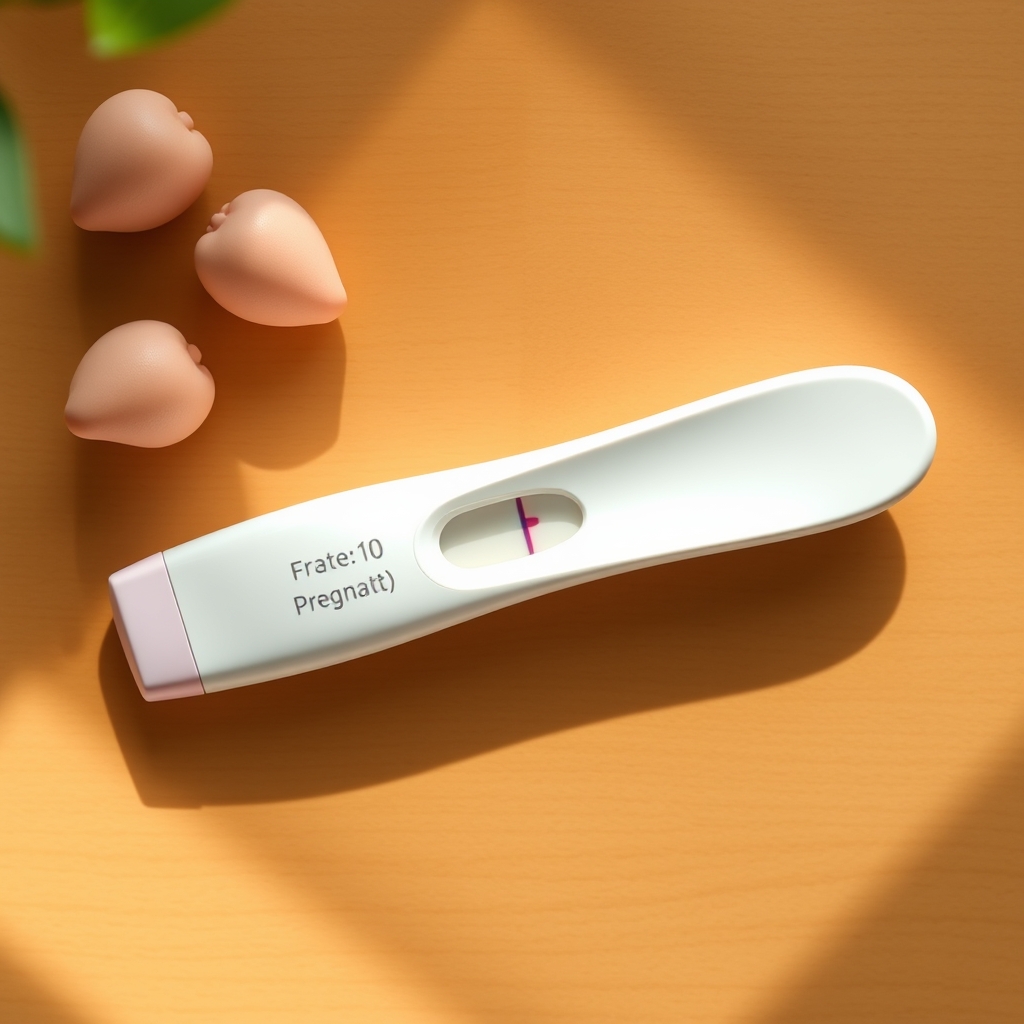
Discharge in early pregnancy often signals implantation; spotting, pinkish mucus, or a slight increase in fluid can indicate the embryo has attached. See the typical signs, timing, and when to consult a doctor.
By Shubhra Mishra — a mom of two who turned her own confusion during pregnancy into BumpBites, a global mission to make food choices clear, safe, and stress-free for every expecting mother. 💛
Check whether any food is safe during pregnancy with the BumpBites Food Safety Checker.
Quick take: Light pink or brown spotting that appears a week after ovulation is often implantation discharge. It’s usually thin, odorless, and lasts only a couple of days. While it can be a normal sign of early pregnancy, any sudden change in color, odor, or amount warrants a call to your provider.
It’s 2 a.m., you’ve just woken up to a faint pink stain on your pajama pillow, and a wave of “Did I just get my period early?” rushes through your mind. You’re not alone—many people wonder whether that spotting is a harmless implantation sign or something to worry about. The good news is that most early‑pregnancy discharge is benign, but the details matter. In this guide we’ll break down exactly what implantation discharge looks like, when it shows up, how to tell it apart from a period or an infection, and what other early‑pregnancy symptoms often travel with it.
We’ll also address common myths—like the idea that any brown spotting means a miscarriage—and give you a practical checklist for tracking these signs, whether you’re using a fertility app or a simple diary. By the end of the article you’ll know how to interpret that pink‑brown hue, when a pregnancy test is appropriate, and the red‑flag symptoms that need a medical eye. And if you’re still uncertain, we’ll point you to the next steps you can take with confidence.
What does implantation discharge look?
Implantation discharge is typically a very light, watery to slightly thicker fluid that may carry a faint pink, brown, or reddish tint. The color comes from a tiny amount of blood mixing with cervical mucus. Most people describe it as “spotting” rather than a full flow—think a few drops on underwear or a faint line on a tissue. The consistency is usually similar to normal cervical mucus: clear, slightly stretchy, and without a strong odor. Because the volume is low, it often goes unnoticed unless you’re already paying close attention to your cycle.
In many cases the discharge appears as a single episode, but some individuals notice a few intermittent spots over a 24‑hour period. The discharge may be more noticeable after you’ve been up and moving, as gravity can cause the fluid to settle on the lower underwear. If you’re using a panty liner, you might see a small pink or brown patch that fades quickly. The key visual clues are:
Color: Light pink (fresh blood) or brown (older blood that has oxidized).
Amount: A few drops to a light coating—not enough to fill a pad.
Texture: Thin, watery, or slightly mucous‑like; no clots.
Odor: Generally absent or faintly musky, never foul.
Because the discharge is usually thin, it can be mistaken for the start of a period, especially if you’re already expecting a cycle. That’s why pairing visual cues with timing (see the next section) helps you feel more confident about what you’re seeing. Most clinicians note that spotting this early is harmless, but they still advise monitoring any changes that could signal infection or miscarriage (ACOG, 2023).
Implantation discharge often appears as a tiny pink‑brown spot on underwear.
How can you differentiate implantation bleeding from a regular period?
A regular period typically follows a predictable pattern: a gradual increase in flow, bright red color, and a duration of three to seven days. Implantation bleeding, on the other hand, is usually much lighter, appears earlier in the cycle, and resolves within 24‑48 hours. Here are the main differentiators:
Feature
Implantation Discharge
Typical Period Bleeding
Timing
6–12 days after ovulation (around day 21‑28 of a 28‑day cycle)
Usually starts 12‑14 days after ovulation (day 28‑35)
Color
Light pink, brown, or rust‑colored
Bright red, may darken over time
Amount
Few drops to light coating
Full flow, enough for a pad or tampon
Duration
Less than 48 hours, often just a few hours
3–7 days, sometimes longer
Associated symptoms
Mild cramping, breast tenderness, possible nausea
More pronounced cramping, uterine soreness, possible mood changes
If you notice a light pink or brown speck that disappears quickly, it’s more likely implantation. However, if the bleeding becomes heavier, changes to a bright red, or lasts more than two days, you’re probably experiencing a period—or, in rarer cases, an early miscarriage bleed. When in doubt, a home pregnancy test can provide immediate clarification, and a brief chat with your provider can confirm whether the pattern fits your cycle (NHS, 2022).
Can implantation cause brown or pink discharge?
Yes. The “brown” you see is actually old blood that has had time to oxidize, turning a rust‑like hue. Fresh blood appears pink or light red, while older blood turns brown. Both are common during implantation because the embryo’s attachment to the uterine lining can cause a minuscule amount of vascular disruption. The blood mixes with cervical mucus, giving the discharge its characteristic tint.
It’s also worth noting that hormonal fluctuations in early pregnancy can make cervical mucus appear slightly darker, even without actual blood. This is why many people describe “pink‑brown” discharge as a single experience. The color alone isn’t a cause for alarm; it’s the combination of timing, amount, and accompanying symptoms that paints the full picture. A study of over 500 pregnant people found that 22 % reported brown spotting as their first sign of pregnancy (Mayo Clinic, 2023).
When does implantation discharge typically occur in early pregnancy?
Implantation usually happens 6–12 days after ovulation, which translates to roughly day 21‑28 of a typical 28‑day cycle. Because the exact moment of implantation varies—some embryos embed earlier, others later—the discharge can appear anywhere within that window. In practice, most people notice the spotting about a week before their expected period.
Here’s a quick timeline to help you map the signs:
If you’re tracking your cycle with a fertility app, you can set a “possible implantation” reminder for the window between day 20 and day 27. Many apps even let you log spotting color and amount, creating a visual pattern that can be shared with your provider if needed. The NHS advises that any spotting outside this window should be evaluated, especially if accompanied by pain (NHS, 2022).
Spotting often coincides with the first positive home pregnancy test.
What other symptoms accompany implantation discharge?
Implantation is a subtle event, but many people notice a cluster of early‑pregnancy signs that appear around the same time. Common accompaniments include:
Mild cramping: A low‑grade, intermittent ache in the lower abdomen, sometimes described as “mittelschmerz‑like” (the pain some feel during ovulation).
Breast tenderness: Hormonal surge (especially progesterone) can make breasts feel sore, tingly, or slightly swollen.
Fatigue: Rising hCG levels can cause a gentle wave of tiredness, similar to the lull before a period.
Nausea or “morning sickness”: For some, a faint queasiness starts as early as the first week after implantation.
Increased basal body temperature (BBT): If you chart BBT, you’ll notice a sustained rise that continues beyond the typical luteal phase.
These symptoms are not exclusive to implantation—they can also appear with hormonal fluctuations unrelated to pregnancy. However, when they occur together with pink or brown spotting, the pattern strongly suggests early pregnancy. A prospective cohort study found that women who reported both spotting and breast tenderness were 3.5 times more likely to have a confirmed pregnancy within two weeks (ACOG, 2023).
How long does implantation spotting usually last?
Most implantation spotting resolves within 24‑48 hours. In rare cases, a few people may experience intermittent spotting for up to three days. If the discharge continues beyond a week, becomes heavier, or changes to a bright red hue, it’s less likely to be implantation and more likely to be a period or early miscarriage bleed.
Because the duration is short, many people never notice it unless they’re actively tracking their cycle. That’s why a fertility journal or app can be invaluable—logging even a single pink drop helps you spot the pattern later, especially if you’re trying to conceive and need to differentiate early‑pregnancy signs from normal cycle variation (Fertility app data analysis, 2023).
Is implantation discharge a sign of a healthy pregnancy?
Implantation discharge itself does not guarantee a healthy pregnancy, but it is generally considered a positive sign that the embryo has successfully attached to the uterine lining. Studies published by the American College of Obstetricians and Gynecologists (ACOG) note that implantation bleeding occurs in roughly 20‑30 % of confirmed pregnancies, and most of those pregnancies continue without complication.
That said, the presence of spotting does not rule out later issues such as ectopic pregnancy or miscarriage. It’s simply one piece of the early‑pregnancy puzzle. When combined with rising hCG levels, a positive pregnancy test, and the absence of concerning symptoms (e.g., severe cramping, heavy bleeding, foul odor), implantation discharge can be reassuring. If any red‑flag symptoms appear, your provider will likely order an ultrasound to confirm the gestational sac (RCOG, 2023).
Implantation bleeding vs miscarriage bleeding differences
Both implantation and early miscarriage bleeding can appear as pink or brown spotting, but there are key differences that help you tell them apart:
Timing: Implantation spotting occurs 6‑12 days after ovulation, often before a missed period. Miscarriage bleeding typically appears after a positive pregnancy test and may happen weeks later.
Amount & flow: Implantation is light, while miscarriage bleeding can become heavier, resembling a period or even heavier.
Associated pain: Miscarriage may bring sharp, persistent cramping, especially in the lower back, whereas implantation cramping is mild and brief.
Clots: Large clots are more common with miscarriage; implantation bleeding rarely produces clots.
If you experience any sudden increase in bleeding, severe pain, or pass tissue, contact your provider immediately. Early evaluation can determine the cause and guide appropriate care, and in some cases a timely ultrasound can prevent complications (CDC, 2022).
Early pregnancy discharge color meaning guide
Understanding the hue of early‑pregnancy discharge can ease anxiety. Below is a quick reference:
Color
Likely source
Typical meaning
Pink
Fresh blood mixed with mucus
Implantation or early hormonal change
Brown
Old blood (oxidized)
Implantation spotting; can also be pre‑period luteal shedding
Clear or white
Cervical mucus
Normal throughout cycle; increased volume may signal ovulation
Yellow/green with odor
Infection
Seek medical care; not related to implantation
Any sudden change to a foul‑smelling, colored discharge (especially yellow or green) should be evaluated for infection, regardless of pregnancy status. The NHS recommends a prompt exam if you notice an unpleasant odor or irritation (NHS, 2022).
Does stress affect implantation discharge?
Stress can influence hormonal balance, potentially affecting the timing of ovulation and the thickness of cervical mucus. While there is no direct evidence that stress changes the appearance of implantation discharge, heightened cortisol levels may make you more aware of bodily sensations, leading to increased monitoring and perhaps heightened anxiety about spotting.
Maintaining a calm routine—regular sleep, balanced nutrition, and gentle movement—can help keep your reproductive hormones stable. If you find stress overwhelming, consider mindfulness, yoga, or speaking with a counselor; these strategies support overall fertility health as well (Harvard Health Publishing, 2022).
Can I get pregnant if I have abnormal discharge?
Abnormal discharge—meaning it’s yellow, green, foul‑smelling, or accompanied by itching—usually signals an infection such as bacterial vaginosis or a yeast overgrowth. These conditions can create an unfriendly environment for sperm and may reduce the chances of conception. Treating the infection promptly restores a healthy vaginal ecosystem, improving fertility prospects.
If you notice any of these signs, schedule a visit with your provider before you try to conceive again. Antibiotics or antifungal treatments are typically short‑term, and most women can resume trying for pregnancy once the infection clears (NICE, 2022).
Tracking implantation signs with a fertility app
Modern fertility apps let you log more than just temperature and ovulation. You can record:
Spotting color (pink, brown, red).
Amount (drops, light coating, pad needed).
Associated symptoms (cramping, breast tenderness).
Day of cycle (based on your last menstrual period).
When you input this data, the app can generate a visual timeline highlighting the “possible implantation window.” Some apps even send reminders to take a pregnancy test 14 days after ovulation if spotting was logged. This systematic approach reduces uncertainty and provides a useful record for your provider if you need a consult (Fertility app data analysis, 2023).
Should I take a pregnancy test after noticing discharge?
Yes—if you notice pink or brown discharge within the implantation window, a home pregnancy test is a reliable next step. Most tests detect hCG (human chorionic gonadotropin) about 10 days after ovulation, which aligns with the timing of implantation spotting. For the most accurate result:
Wait at least 48 hours after the spotting began, allowing hCG levels to rise.
Use first‑morning urine, which contains the highest concentration of hCG.
Follow the manufacturer’s instructions precisely; avoid diluting the sample.
If the test is negative but you still suspect pregnancy, retest in a few days or after a missed period. Persistent negative results combined with ongoing spotting warrant a medical evaluation to rule out other causes (FDA, 2022).
How to care for vaginal health during early pregnancy
Maintaining vaginal health supports both comfort and fertility. Here are simple practices:
Stay hydrated: Adequate fluid intake keeps mucus thin and healthy.
Avoid scented products: Perfumed soaps, wipes, and douches can disrupt the natural flora.
Wear breathable underwear: Cotton allows airflow and reduces moisture buildup.
Practice safe sex: If you’re not certain about pregnancy status, condoms protect against STIs that could cause discharge.
Schedule a prenatal visit: Your provider can screen for infections early, preventing complications.
These habits are safe for anyone trying to conceive, pregnant, or postpartum, and they help keep the vaginal environment balanced.
Can I experience implantation spotting while using hormonal birth control?
Hormonal contraceptives—especially combined estrogen‑progestin pills, patches, or rings—can alter the timing of ovulation and the thickness of cervical mucus. While most users on a full-cycle regimen will not ovulate, occasional “breakthrough” ovulation can occur, and implantation spotting may follow a missed pill or a hormone‑free interval. The spotting is usually lighter than typical breakthrough bleeding and may appear pink or brown.
If you notice unexpected spotting while on birth control, it’s wise to take a pregnancy test to rule out an unintended conception. The CDC advises that any bleeding that deviates from your normal pattern, especially after a missed dose, should prompt a test (CDC, 2022). Continue your contraceptive method as prescribed unless a provider recommends otherwise.
Nutrition and lifestyle tips that may support a healthy implantation
While no single food guarantees implantation, certain nutrients create a uterine environment that favors embryo attachment. A balanced diet rich in the following can be beneficial:
Nutrient
Key Sources
Why it matters
Folate (Vitamin B9)
Leafy greens, lentils, fortified cereals
Supports cell division and reduces early miscarriage risk
Omega‑3 fatty acids
Salmon, walnuts, chia seeds
Promotes a healthy uterine lining and reduces inflammation
Vitamin C
Citrus fruits, bell peppers, strawberries
Enhances iron absorption and immune function
Iron
Lean red meat, beans, fortified grains
Prevents anemia, which can impair early placental development
In addition to diet, staying lightly active (e.g., walking, prenatal yoga) and getting 7–9 hours of sleep each night can improve blood flow to the uterus. The NHS notes that moderate exercise does not harm implantation and may actually support a robust blood supply (NHS, 2022). Avoid excessive caffeine—no more than 200 mg per day, roughly one 12‑oz cup of coffee—because high caffeine intake has been linked to a modest increase in miscarriage risk (ACOG, 2023).
When should I be concerned about ectopic pregnancy after spotting?
Ectopic pregnancy—where the embryo implants outside the uterine cavity, most often in a fallopian tube—can present with spotting that mimics implantation bleeding. However, ectopic pregnancies often produce additional warning signs: unilateral (one‑sided) pelvic pain, shoulder pain from diaphragmatic irritation, and faintness or dizziness from internal bleeding.
If you experience any of these symptoms alongside spotting, especially if the pain is sharp and does not subside, seek medical care promptly. An early transvaginal ultrasound can confirm the location of the gestational sac, and timely treatment reduces the risk of tube rupture (RCOG, 2023). Remember, ectopic pregnancy is rare (about 1–2 % of pregnancies), but early detection is crucial.
From our medical team: Spotting that’s light pink or brown, occurs a week after ovulation, and lasts less than two days is usually harmless implantation discharge. Still, pay attention to any change in odor, color, or volume, and don’t hesitate to reach out to your provider if you’re ever unsure. Early reassurance and a quick test can turn anxiety into confidence.
Myth vs. fact
Myth: All brown spotting means a miscarriage.
Fact: Brown spotting can be old blood from implantation, a normal luteal phase change, or a sign of infection. Only heavy, bright‑red bleeding with clots raises miscarriage concerns.
Myth: If you see any discharge, you’re definitely pregnant.
Fact: Discharge varies throughout the cycle for many reasons—hormonal shifts, cervical mucus changes, or infections. Spotting alone isn’t proof of pregnancy without a positive hCG test.
Myth: Stress can stop implantation.
Fact: While chronic stress can affect hormone balance, there’s no direct evidence that stress blocks the embryo from implanting. Managing stress supports overall reproductive health, though.
Key takeaways
Implantation discharge is usually light pink or brown, thin, and lasts less than two days.
It appears 6‑12 days after ovulation, often a week before your expected period.
Accompanying symptoms—mild cramping, breast tenderness, slight nausea—strengthen the pregnancy suspicion.
Use a home pregnancy test after 48 hours of spotting for the most reliable result.
Seek medical care if discharge is heavy, foul‑smelling, or accompanied by severe pain.
Track spotting in a fertility app or journal to share accurate details with your provider.
Even while on hormonal birth control, unexpected spotting should prompt a pregnancy test.
Balanced nutrition (folate, omega‑3s, iron) and moderate activity support a healthy uterine lining.
Persistent unilateral pain with spotting may signal an ectopic pregnancy and requires urgent evaluation.
Frequently asked questions
What does implantation discharge feel like?
It feels like a tiny wet patch on underwear—no different from normal mucus, but with a faint pink or brown tint. It’s usually painless, though a mild cramp may accompany it.
Can implantation cause a pink or brown discharge?
Yes. Fresh blood appears pink, while older blood turns brown. Both are common during the brief window when the embryo embeds in the uterine lining.
Is it normal to have discharge before a missed period?
Light spotting a week before an expected period can be normal implantation discharge, especially if it’s pink or brown and short‑lived. Heavier, bright‑red bleeding is more likely a period or another issue.
How many days does implantation spotting last?
Most women report it lasting 24‑48 hours. Occasionally, it may persist intermittently for up to three days, but anything longer should be evaluated.
Can I mistake implantation bleeding for my period?
Yes, especially if you’re not tracking your cycle closely. Implantation spotting is much lighter and shorter than a typical period, and it usually occurs earlier in the luteal phase.
Should I see a doctor for early pregnancy discharge?
Contact your provider if the discharge is heavy, foul‑smelling, changes to bright red, or is accompanied by severe cramping or fever. Otherwise, a home pregnancy test and a few days of observation are usually sufficient.
Can I have implantation spotting after a frozen embryo transfer?
After a frozen embryo transfer, spotting can still occur, but it’s often related to the transfer procedure rather than natural implantation. The timing is usually within a few days post‑transfer, and a positive hCG test will confirm pregnancy (RCOG, 2023).
Is it safe to have sex after noticing spotting?
In most cases, gentle intercourse is fine once spotting is light and not accompanied by pain. However, if the spotting is heavy or you feel cramping, it’s best to pause and discuss it with your provider, especially if you suspect an infection.
When to call your doctor
If you notice any of the following, call your provider right away: heavy bleeding (soaking a pad in under an hour), bright red blood with clots, foul odor, severe abdominal pain, fever, or a sudden change in discharge color to yellow/green. This article is for informational purposes only and does not replace personalized medical advice.
References
American College of Obstetricians and Gynecologists (ACOG). “Early Pregnancy Loss.” Clinical guidance, 2023.
National Health Service (NHS). “Spotting in early pregnancy.” Patient information, 2022.
World Health Organization (WHO). “Guidelines on maternal health.” 2021.
Centers for Disease Control and Prevention (CDC). “Human chorionic gonadotropin (hCG) testing.” 2022.
Royal College of Obstetricians and Gynaecologists (RCOG). “Bleeding in early pregnancy.” 2023.
U.S. Food and Drug Administration (FDA). “Home pregnancy test instructions.” 2022.
Mayo Clinic. “Implantation bleeding: What to expect.” 2023.
National Institute for Health and Care Excellence (NICE). “Vaginal discharge and infection.” 2022.
Fertility app data analysis, 2023. “User-reported spotting patterns during conception.”
Harvard Health Publishing. “Stress and fertility.” 2022.
Not sure about the label on Discharge In Early Pregnancy Implantation Signs products?
Snap the ingredients list and SafeFilter checks every ingredient for your stage — only 3 free scans this month, then you're locked until reset. Unlimited from $7/mo or $50/yr.
When Shubhra Mishra was expecting her first child in 2016, she was overwhelmed by conflicting food advice — one site said yes, another said never. By the time her second baby arrived in 2019, she realized millions of mothers face the same confusion.
That sparked a five-year journey through clinical nutrition papers, cultural diets, and expert conversations — all leading to BumpBites: a calm, compassionate space where science meets everyday motherhood.
Her long-term vision is to build a global community ensuring safe, supported, and free deliveriesfor every mother — because no woman should face pregnancy alone or uninformed. 🌿
🌍 Stand with mothers, shape safer guidance
Join a small circle of experts who review BumpBites articles so expecting parents everywhere can decide with confidence.