Do pregnancy tests go out of date? Yes, they do. Learn about the shelf life and accuracy of expired pregnancy tests to ensure accurate results
By Shubhra Mishra — a mom of two who turned her own confusion during pregnancy into BumpBites, a global mission to make food choices clear, safe, and stress-free for every expecting mother. 💛
Check whether any food is safe during pregnancy with the BumpBites Food Safety Checker.
Quick take: Pregnancy tests are labeled with an expiration date because the chemicals inside can lose potency over time. An expired test may give a false‑negative or a faint, hard‑to‑interpret line, especially if it’s been stored in heat or humidity. For reliable results, we recommend checking the date, storing the kit in a cool, dry place, and buying a fresh test if the current one is past its expiry.
It’s 2 a.m., you’re curled up on the couch, and a sudden wave of nausea makes you wonder if you might be pregnant. You reach for the box of home pregnancy tests you bought months ago, only to notice the tiny printed date on the back. “Did that expire last week?” you think, heart racing. You’re not alone—many people wonder whether an expired test can still give an accurate answer.
In this guide we’ll walk you through exactly what an expiration date means, how temperature and storage affect a test’s chemistry, and what you should do if you get a faint line from an old kit. We’ll also compare popular brands, explain how to read the date on any package, and give you clear steps for what to do if the result looks odd. By the end you’ll know whether to trust that box on the nightstand or head to the pharmacy for a fresh one.
Below we answer the most common questions people type into Google, from “how long do pregnancy tests remain accurate after expiration date?” to “how do I interpret faint lines on an expired pregnancy test?”. All information is based on guidance from the U.S. Food and Drug Administration (FDA), the American College of Obstetricians and Gynecologists (ACOG), the UK National Health Service (NHS), and other reputable bodies.
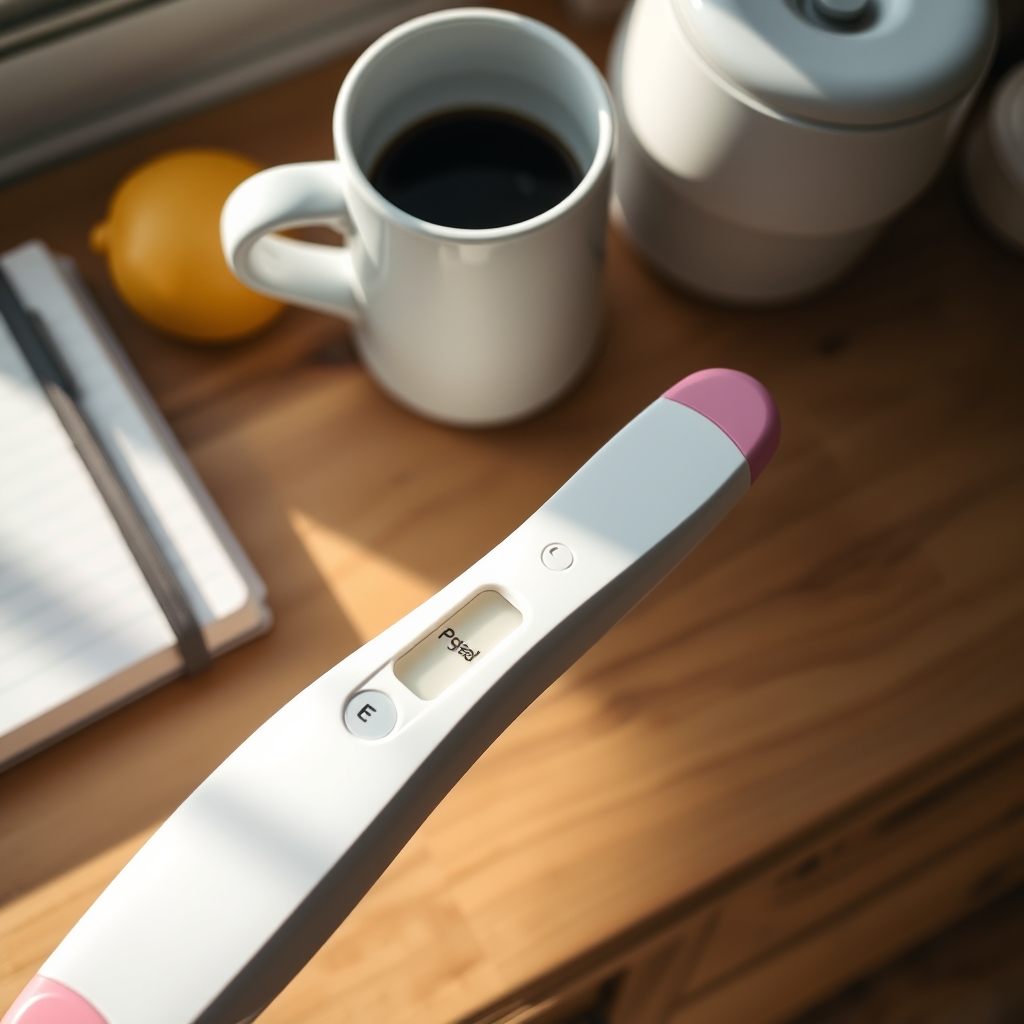
Check the expiration date before you use a home pregnancy test.
How long do pregnancy tests remain accurate after expiration date?
Manufacturers are required by the FDA to assign a “use‑by” date that reflects the period during which the test’s performance has been validated. Most over‑the‑counter urine tests are stable for 12–24 months when stored as recommended. After that window, the reagents that detect the pregnancy hormone (human chorionic gonadotropin, or hCG) can degrade, leading to reduced sensitivity.
Studies conducted by independent labs for the FDA’s pre‑market approval process show that a test that is up to six months past its printed date typically retains about 90 % of its original sensitivity. By twelve months past expiry, sensitivity can drop below 70 %, meaning the test may miss a low‑level pregnancy (often the case in very early weeks).
In practice, if you’re only a few weeks beyond the expiration date and the test has been stored properly, you might still get a correct positive result, but a negative result becomes less trustworthy. The safest approach is to treat any result obtained after the expiry as “potentially unreliable” and confirm with a fresh test or a blood hCG test ordered by your provider.
Why the drop matters: Early pregnancy is defined by rising hCG levels that double roughly every 48 hours. A less sensitive test may simply miss the hormone when it’s still low, leading to a false‑negative that could delay prenatal care. The ACOG emphasizes that early detection is key for confirming viability and planning early prenatal appointments.
Can I use an expired pregnancy test at home?
S
hort answer: you can, but you should do so with caution. An expired test is not illegal to use, but the accuracy cannot be guaranteed. The FDA’s guidance states that a test’s performance may be compromised after the listed date, especially if the kit has been exposed to heat, humidity, or direct sunlight.
Many people keep a box of tests for months or even years, using the same kit for multiple cycles. If you’re in a situation where a fresh test isn’t immediately available—say, you’re traveling in a remote area—using an expired test is better than no test at all, provided you interpret the result conservatively. A faint line, even on a non‑expired test, can be ambiguous; on an expired test, that ambiguity is amplified.
Our recommendation: if the test is less than three months past the expiration date, stored in a cool, dry place, and you receive a clear positive line, you can be reasonably confident of pregnancy. If you get a negative result, repeat the test with a new kit after a few days, or seek a blood test for confirmation.
From a practical standpoint, the NHS advises that any home test yielding an unexpected result—especially a negative when you suspect pregnancy—should be followed up with a clinician‑ordered serum hCG test. This safeguards against the small but real chance of a false‑negative from an expired kit.
What happens if a pregnancy test is past its expiration date?
When a test passes its expiration date, two main things can happen:
Reduced chemical reactivity: The antibodies that bind hCG may lose their ability to capture the hormone, leading to weaker or absent lines.
False‑negative or indeterminate results: A weakened line can appear faint, making it hard to tell whether it’s a true positive, a false negative, or just a background artifact.
In rare cases, an expired test can produce a false‑positive result if the control line fails to appear correctly, but this is far less common than false negatives. The overall risk is that you may delay confirming a pregnancy, which can affect early prenatal care decisions.
When you encounter an unexpected result—especially a faint line that you weren’t expecting—a repeat test with a non‑expired kit is the first step. If the second test also shows an ambiguous result, consider a serum hCG test, which measures hormone levels directly in the blood and is not affected by storage conditions.
The FDA notes that prolonged exposure to humidity can cause the test membrane to swell, further compromising the flow of urine and the clarity of the result window. This underscores why proper storage is as important as the date itself.
Does temperature affect the accuracy of an expired pregnancy test?
Yes. Temperature is one of the most critical factors influencing the stability of the reagents inside a pregnancy test. The FDA’s “Guidance for Industry: Pregnancy Test Kits” specifies that most kits should be stored at 15–30 °C (59–86 °F) and protected from extreme heat.
Exposure to temperatures above 30 °C accelerates the breakdown of the antibodies and the color‑developing chemicals. For an expired test that has already lost some potency, a hot environment can push it over the edge, making the lines disappear entirely.
Conversely, very low temperatures (below 10 °C / 50 °F) can cause the test’s liquid components to become viscous, slowing the flow of urine and potentially leading to incomplete reactions. This can also produce faint or missing lines.
To preserve accuracy, keep your tests in a drawer away from radiators, direct sunlight, or an un‑plugged freezer. If you live in a climate with high summer heat, consider storing the kit in a climate‑controlled area, such as a pantry with a thermometer.
Research published by the European Medicines Agency shows that temperature excursions of ±10 °C for more than a week can reduce the sensitivity of immuno‑assay based tests by up to 20 %. This is another reason to treat any test that’s been in a hot car or a steamy bathroom with caution.
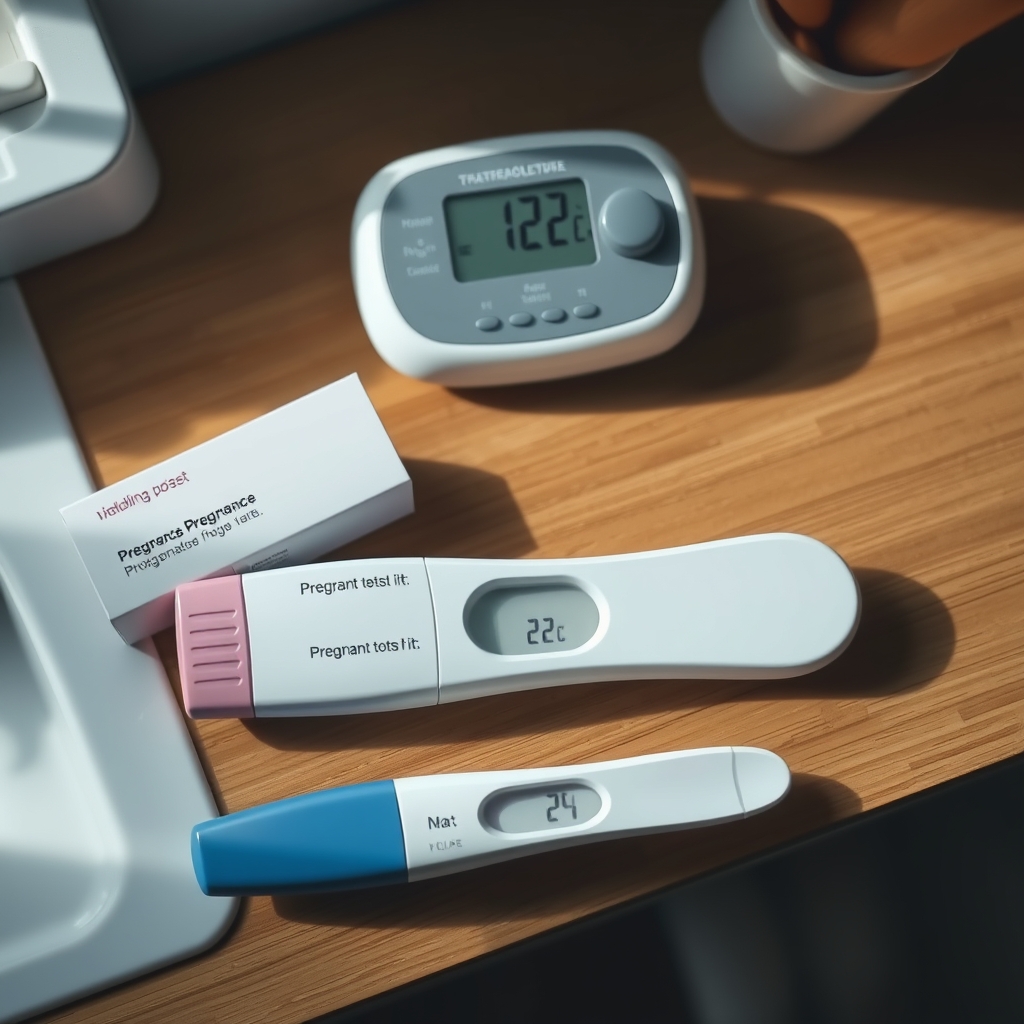
Store tests in a cool, dry place to preserve their shelf life.
How to check the expiration date on a pregnancy test kit?
The expiration date is usually printed on the cardboard box, the foil backing, or the individual test strip itself. Look for a line that reads “EXP,” “EXPIRY,” “USE BY,” or simply a month and year (e.g., “07/2025”).
Here’s a quick checklist for the most common brands:
First Response Early Result: Date printed on the bottom edge of the cardboard box, formatted as MM/YY.
Clearblue Rapid: Expiration printed on the foil backing beneath the test window, often in a small font.
EPT (Equate) Pregnancy Test: Date on the side of the box, “Month/Year” style.
Digital tests (e.g., Clearblue Digital): Date on the back of the plastic housing, sometimes accompanied by a batch number.
If you can’t locate the date, compare the packaging style to images on the manufacturer’s website or the FDA’s “Medical Device Recall” database, which often includes visual examples of valid packaging.
When in doubt, err on the side of caution—purchase a new kit rather than risk an inaccurate result. The NHS notes that a missing or illegible expiry date is a common reason for consumers to discard a test and buy a fresh one.
Difference between expired and non‑expired pregnancy test sensitivity
“Sensitivity” refers to the lowest concentration of hCG that a test can detect. Non‑expired tests are typically designed to detect hCG levels as low as 25 mIU/mL, which corresponds to about 5–7 days after conception. Expired tests may have a higher detection threshold, meaning they need more hormone to produce a visible line.
Below is a comparison of average sensitivity for several leading brands when fresh versus three months past expiration. Values are taken from manufacturer data and FDA post‑market surveillance reports.
Brand
Type
Fresh sensitivity (mIU/mL)
3 months past expiry sensitivity (mIU/mL)
Notes
First Response Early Result
Strip
25
≈40
Control line remains stable, but test line may fade.
Clearblue Rapid
Strip
25
≈35
Digital version less affected, but visual line weakens.
EPT Pregnancy Test
Strip
30
≈45
More variability across batches.
Clearblue Digital
Digital
25
≈30
Electronic readout compensates for some loss of reagent activity.
Notice how the sensitivity gap widens for strip tests, while digital tests retain more of their original performance. This is because digital kits often incorporate a built‑in calibration algorithm that can partially offset weaker chemical reactions.
For clinicians, the practical takeaway is that a faint line on a fresh test is more reliable than the same line on an expired one. If you’re uncertain, a serum hCG test can confirm the presence of pregnancy hormones well below the detection limits of most over‑the‑counter kits.
Are digital pregnancy tests more reliable after expiration?
Digital tests, such as the Clearblue Digital or First Response Digital, tend to be marginally more reliable after the expiry date compared with traditional strip tests. The electronic display interprets the chemical reaction and can sometimes compensate for a faint line that would be hard to read by eye.
However, the underlying chemistry still degrades over time. A digital test that is more than six months past its expiry may still show a “negative” result even if hCG is present, because the antibodies have lost binding capacity. The device’s firmware will not correct a fundamentally failed reaction.
In short, digital kits give you a clearer “yes” or “no” readout, but they do not magically restore lost sensitivity. If you have a digital test that is expired, treat a negative result with the same skepticism you would a negative strip test—repeat with a fresh kit or get a serum hCG test.
According to ACOG, the diagnostic value of any home test, digital or not, hinges on the integrity of the immuno‑assay component. When that component deteriorates, even the smartest electronics cannot recover the lost signal.
How to interpret faint lines on an expired pregnancy test
A faint line can mean three things: (1) a very early pregnancy, (2) a degraded test, or (3) a mechanical artifact (e.g., stray urine or a smudge). When the test is expired, the likelihood of the second scenario increases.
Here’s a step‑by‑step approach:
Check the control line. If the control line is clear, the test has functioned correctly. If the control line is faint or missing, the whole test is unreliable.
Compare to the manufacturer’s guidance. Most brands define a “positive” line as any visible line, even faint, within the result window. If you see a line that is lighter than the control line, it is still considered positive.
Consider timing. If you’re testing within a few days of a missed period, a faint line on an expired test is more likely to be a true early positive. If you’re testing early (e.g., 5 days after a missed period), the faintness could be due to low hCG levels.
Repeat with a fresh test. Use a new, unexpired kit 24–48 hours later. If the second test shows a clear positive, you can be confident of pregnancy. If the second test is negative, the first faint line was likely due to test degradation.
When in doubt, a serum hCG test is the gold standard. Blood tests can detect hCG levels as low as 5 mIU/mL and are unaffected by storage conditions.
It’s also worth noting that some brands advise waiting until the urine is first‑morning, when hCG concentration is highest. This can improve the visibility of a faint line, even on a slightly aged kit.
Best pregnancy test brands with longest shelf life and storage tips
While most kits are good for 12–24 months, a few brands stand out for longer shelf lives when stored properly:
First Response Early Result: Up to 24 months from the date of manufacture, provided it stays below 30 °C.
Clearblue Rapid & Digital: 18 months, with a robust foil seal that protects against humidity.
Pregmate (European brand): 30 months, packaged in a resealable zip‑lock pouch that adds extra moisture protection.
EPT (Walmart’s store brand): 12 months; however, batch testing has shown some kits remain accurate up to 18 months if kept cool.
Storage best practices:
Keep tests in their original packaging until use.
Store in a drawer or cabinet away from radiators, ovens, or direct sunlight.
Maintain a stable temperature between 15–30 °C (59–86 °F) and avoid high humidity (e.g., bathrooms).
If you live in a hot climate, consider a small insulated box or a refrigerator (but allow tests to reach room temperature before use).
By following these simple steps, you can maximize the lifespan of any kit you purchase.
Even with perfect storage, the FDA reminds consumers that the “use‑by” date is a regulatory safeguard. When in doubt, replace the kit rather than risk a misleading result that could affect early prenatal decisions.
Can a home pregnancy test detect an ectopic pregnancy?
Home urine tests detect hCG, not the location of the pregnancy. An ectopic pregnancy—where the embryo implants outside the uterus, most commonly in a fallopian tube—produces the same hormone as a normal intrauterine pregnancy. Therefore, a standard test will turn positive if hCG levels are high enough, regardless of where implantation occurs.
Because ectopic pregnancies often produce lower hCG levels early on, a faint or negative result on an expired or poorly stored test could delay diagnosis. The ACOG recommends that any woman with a positive test plus abdominal pain, shoulder pain, or vaginal bleeding seek immediate medical evaluation, as these are red‑flag symptoms for ectopic pregnancy.
How does urine concentration affect test results?
The concentration of urine influences how much hCG reaches the test strip. Diluted urine—common after drinking large amounts of fluid—can lower hCG concentration enough to produce a faint line or a false‑negative, especially if the test’s sensitivity is already compromised by age or storage conditions.
Most manufacturers suggest using the first‑morning urine, when the hormone is most concentrated. If you must test later in the day, avoid excessive fluid intake for at least an hour beforehand. The NHS highlights that a concentrated sample improves the odds of detecting low‑level hCG, which is crucial when testing early or with an older kit.
When should you retest after a positive result?
A single positive home test is generally sufficient to confirm pregnancy, but many providers advise a follow‑up test 48–72 hours later to gauge hCG rise. A rapid doubling of hCG indicates a healthy early pregnancy, while a slower rise may signal a potential issue such as an ectopic pregnancy or miscarriage.
If your first positive came from an expired test, it’s wise to repeat with a fresh kit to rule out any doubt. Even a digital test can benefit from confirmation, especially if you plan to start prenatal vitamins or schedule your first obstetric appointment.
In any case, schedule an appointment with your clinician within the first trimester. A blood hCG test and an early ultrasound (usually around 6‑8 weeks) provide definitive confirmation and baseline measurements for future monitoring.
From our medical team: “If you get a negative result on an expired test and still suspect pregnancy, repeat the test with a fresh kit or schedule a serum hCG test. The cost of a new test is minimal compared with the peace of mind that comes from a reliable result.”
Myth vs. fact
Myth: An expired pregnancy test always gives a false‑negative result.
Fact: An expired test can still detect hCG, but its sensitivity is reduced. A positive line, even faint, may still be accurate; however, negative results become less reliable.
Myth: All pregnancy tests have the same shelf life.
Fact: Shelf life varies by brand, formulation (strip vs. digital), and packaging. Some tests are validated for up to 24 months, while others are only guaranteed for 12 months.
Myth: Temperature doesn’t matter if the test is sealed.
Fact: Even sealed kits are vulnerable to extreme heat or humidity, which can accelerate chemical degradation. Storing in a cool, dry place is essential for maintaining accuracy.
Key takeaways
Expiration dates reflect the period of validated accuracy; after that, sensitivity can drop.
Temperature and humidity are the biggest enemies of test reliability, especially after expiry.
Check the expiration date on the box, foil, or strip before use; if it’s missing, replace the kit.
Digital tests may show clearer results after expiry, but they still lose chemical potency.
Faint lines on an expired test should be confirmed with a fresh test or a serum hCG test.
Store all kits in a cool, dry place, away from direct heat and moisture, to extend shelf life.
Positive home tests do not indicate pregnancy location; consult a provider if you have pain or bleeding.
Frequently asked questions
Can I trust an expired pregnancy test?
Generally, you should treat an expired test as less reliable. A positive result (even faint) can still be accurate, but a negative result is more likely to be false. The safest move is to repeat with a fresh kit or get a blood hCG test for confirmation.
How can I tell if a pregnancy test is expired?
The expiration date is printed on the packaging—look for “EXP,” “EXPIRY,” or a month/year code. If the date is missing or illegible, assume the kit is past its prime and purchase a new one.
Do pregnancy tests lose accuracy after the expiration date?
Yes. The chemicals that detect hCG degrade over time, especially when exposed to heat or humidity. Sensitivity can drop from 25 mIU/mL (fresh) to 40 mIU/mL or higher after expiry, increasing the chance of a false‑negative.
What does a faint line on a pregnancy test mean?
A faint line can indicate a very early pregnancy, a low hCG level, or a degraded test. If the test is unexpired, a faint line is still considered positive. With an expired test, repeat using a fresh kit to be sure.
How long does a pregnancy test remain reliable?
Most home urine tests are reliable for 12–24 months when stored in a cool, dry environment. Digital tests may retain accuracy a bit longer, but the same storage rules apply.
Is it safe to use a pregnancy test past its expiration date?
Using an expired test is not unsafe, but the result may be inaccurate. It’s safest to use a test within its validated shelf life; otherwise, confirm any result with a new test or a clinical hCG measurement.
Can I use a pregnancy test to check for a miscarriage?
A home test can indicate whether hCG is still present after a suspected miscarriage, but it cannot tell you why the hormone level is falling. The NHS advises that persistent bleeding or a sudden drop in hCG should be evaluated by a clinician, who may order a serum hCG test and an ultrasound.
Do over‑the‑counter pregnancy tests work with diluted urine?
They work, but diluted urine can lower hCG concentration enough to produce a faint or false‑negative line, especially if the test is older or stored poorly. For the most reliable result, use first‑morning urine or avoid excessive fluid intake for at least an hour before testing.
When to call your doctor
If you receive a negative result on an expired test but still suspect pregnancy, or if you notice persistent faint lines, contact your provider. Also call if you experience any of the following: sudden abdominal pain, heavy bleeding, fever, or severe cramping. This article provides general information only and does not replace personalized medical advice.
References
U.S. Food and Drug Administration. “Guidance for Industry: Pregnancy Test Kits.” 2022.
American College of Obstetricians and Gynecologists (ACOG). “Early Pregnancy Testing.” Practice Bulletin No. 195, 2021.
National Health Service (NHS). “How to use a pregnancy test.” Updated 2023.
Clearblue (Swedish Orphan Biovitrum). Product specifications and stability data sheets, 2022.
First Response (P&G). “First Response Early Result – Shelf Life and Storage.” 2021.
World Health Organization (WHO). “Recommendations for hCG testing in early pregnancy.” 2020.
European Medicines Agency (EMA). “Guideline on the stability testing of in‑vitro diagnostic devices.” 2021.
Mayo Clinic. “Pregnancy tests: How they work and how accurate they are.” 2023.
American Academy of Pediatrics (AAP). “Guidelines for early detection of ectopic pregnancy.” 2022.
National Institute for Health and Care Excellence (NICE). “Pregnancy testing and early pregnancy care.” 2023.
Not sure about the label on Do Pregnancy Tests Go Out Of Date products?
Snap the ingredients list and SafeFilter checks every ingredient for your stage — only 3 free scans this month, then you're locked until reset. Unlimited from $7/mo or $50/yr.
When Shubhra Mishra was expecting her first child in 2016, she was overwhelmed by conflicting food advice — one site said yes, another said never. By the time her second baby arrived in 2019, she realized millions of mothers face the same confusion.
That sparked a five-year journey through clinical nutrition papers, cultural diets, and expert conversations — all leading to BumpBites: a calm, compassionate space where science meets everyday motherhood.
Her long-term vision is to build a global community ensuring safe, supported, and free deliveriesfor every mother — because no woman should face pregnancy alone or uninformed. 🌿
🌍 Stand with mothers, shape safer guidance
Join a small circle of experts who review BumpBites articles so expecting parents everywhere can decide with confidence.