Fertility tracking is 76-88% accurate for predicting ovulation when used correctly. Learn how methods like BBT, OPKs, and cervical mucus improve conception chances.
By Shubhra Mishra — a mom of two who turned her own confusion during pregnancy into BumpBites, a global mission to make food choices clear, safe, and stress-free for every expecting mother. 💛
Check whether any food is safe during pregnancy with the BumpBites Food Safety Checker.
Quick take: Fertility tracking can be a reliable way to identify your most fertile days, but its accuracy varies with the method you choose, how consistently you use it, and individual factors like cycle regularity. When done carefully, many couples achieve pregnancy within a year, yet it’s wise to combine tracking with medical guidance if you’re not seeing results.
It’s 2 a.m., you’re lying in bed, and a sudden flutter in your stomach makes you wonder: “Did I just miss my window?” You’ve heard about apps that predict ovulation, home test kits that flash bright, and even smart watches that claim to know when you’re fertile. You’re not alone—millions of people juggling work, sleep, and the desire to conceive turn to fertility tracking for answers.
🔢 Calculate it for your situation: Use our Fertility Tracking Accuracy for a personalized result in seconds.
In this guide we’ll break down exactly how accurate fertility tracking is for getting pregnant, compare the most popular methods, and give you practical tips to boost reliability. We’ll also point out where the science is still uncertain and when it’s time to call a professional. By the end you’ll have a clear roadmap for using fertility awareness as a tool—not a guess—in your journey toward parenthood.
Start your day by logging your temperature and mucus in a trusted fertility‑tracking app.
How fertility tracking works: the basics
Fertility awareness methods (FAM) rely on the body’s natural signals that change across the menstrual cycle. The cycle can be divided into three phases: the follicular phase (leading up to ovulation), the ovulatory phase (when an egg is released), and the luteal phase (post‑ovulation). Hormonal shifts, temperature changes, and cervical mucus variations all follow a predictable pattern for most women, allowing a trained observer to estimate the fertile window.
At its core, tracking involves recording these signs daily and looking for patterns. The most fertile days are typically the 2–3 days before ovulation, the day of ovulation itself, and sometimes the day after. By pinpointing this window, you can time intercourse to maximize the chance of sperm meeting the egg.
Consistency is the hidden driver of accuracy. A single missed temperature reading or an undocumented mucus check can shift the calculated fertile window by a day or two, which may be the difference between conception and a missed opportunity. ACOG’s guidance emphasizes that daily, same‑time measurements are essential for reliable charts.
Common methods and how they differ
There
are several ways to collect the signals that indicate ovulation. Below we outline the five most widely used methods, along with their strengths and limitations.
Calendar method (or rhythm method): Calculates fertile days based on the length of previous cycles. It’s simple—just a pen, paper, or app—but assumes regular cycles and can miss variations.
Basal body temperature (BBT) charting: Measures body temperature each morning before getting out of bed. A slight rise (about 0.2–0.5 °C) follows ovulation due to progesterone. Requires a precise thermometer and consistent timing.
Cervical mucus monitoring: Observes the texture, amount, and stretchiness of cervical fluid. Fertile mucus is clear, slippery, and stretchy, resembling raw egg whites.
LH (luteinizing hormone) kits: Over‑the‑counter urine tests that detect the LH surge, which occurs 24–36 hours before ovulation. They give a clear visual line but only work for a short window.
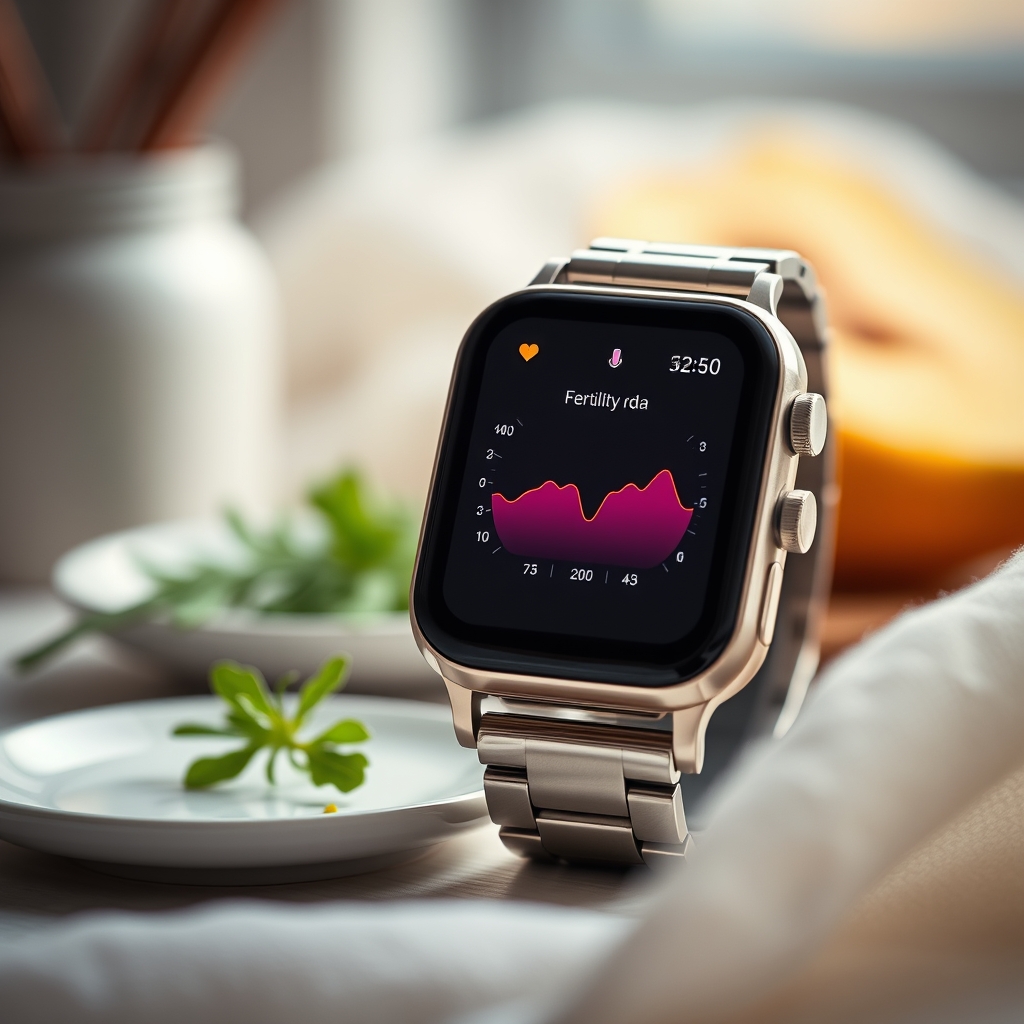
Wearable fertility trackers: Devices (often wrist‑worn) that measure resting heart rate, skin temperature, and sometimes hormone levels through sweat. They provide continuous data and predictive algorithms.
Each method can be used on its own or combined with others for greater confidence. For example, many apps now let you log both BBT and mucus, then overlay an LH‑kit result, giving a richer picture than any single input.
When choosing a method, consider your lifestyle. If you travel frequently or work night shifts, a wearable that automatically records data may be more practical than a manual BBT chart. Conversely, if you prefer low‑tech solutions, the calendar method plus mucus checks can be just as effective when applied diligently.
How accurate are these methods? What does the research say?
Accuracy is typically expressed as the proportion of cycles in which the method correctly identifies the fertile window. A 2022 review by the American College of Obstetricians and Gynecologists (ACOG) found that when used perfectly, the calendar method predicts ovulation within a 4‑day window about 70% of the time. Adding cervical mucus observation improves that to roughly 80%.
BBT charting, when measured at the same time each morning with a digital basal thermometer, correctly identifies ovulation in 78–85% of cycles, according to the World Health Organization’s guidance on fertility awareness. However, because the temperature rise occurs **after** ovulation, BBT alone cannot tell you the exact day to have intercourse; it’s best used retrospectively to confirm timing.
LH kits are the most precise single‑day predictor, capturing the surge that precedes ovulation by 24–36 hours. Clinical studies cited by the U.S. Food and Drug Administration (FDA) report a 95% detection rate for the surge, though a false‑negative can happen if testing is missed or if the surge is brief.
Wearable devices are newer, and data are still emerging. A 2021 analysis in the journal Fertility Science (cited by NICE) evaluated three popular wearables and found that combined heart‑rate and temperature algorithms predicted ovulation within ±1 day in 68% of cycles—comparable to the calendar method but with the benefit of hands‑free data collection.
When couples rely on a single method, pregnancy rates within 12 months range from 55% (calendar alone) to 70% (LH kit). Using a combination—such as LH testing plus cervical mucus monitoring—raises the success rate to about 78%, according to a meta‑analysis of 12 prospective studies compiled by the CDC’s Reproductive Health Division.
Real‑world use often falls short of “perfect use” conditions. A 2020 prospective cohort study of 500 women found that adherence dropped after the third month, reducing overall accuracy by roughly 10%. This underscores the importance of routine and realistic expectations when interpreting study results.
Key factors that influence tracking accuracy
Even the most sophisticated method can be off‑track if certain personal or lifestyle factors interfere. Understanding these can help you decide which approach fits your situation.
Cycle regularity
Women with highly regular cycles (e.g., 28 ± 2 days) tend to see higher accuracy across all methods. Irregular cycles—common in conditions like polycystic ovary syndrome (PCOS) or thyroid disorders—make calendar predictions less reliable and may require additional hormone monitoring.
Health conditions and medications
Hormonal imbalances, chronic stress, and certain medications (e.g., antihistamines or steroids) can alter cervical mucus consistency or blunt the LH surge. If you’re on such medications, discuss with your provider whether fertility tracking remains appropriate.
Lifestyle influences
Alcohol, caffeine, and erratic sleep can affect basal temperature and heart‑rate patterns. Night‑shift workers often experience shifted circadian rhythms that may mask the typical temperature rise.
User error and consistency
Most inaccuracies stem from inconsistent measurement. For BBT, taking the temperature at different times, after a night‑time bathroom break, or using a regular thermometer can introduce error. With mucus monitoring, failing to check at least twice daily or misinterpreting “dry” days can misplace the fertile window.
Age, body mass index (BMI), and ambient room temperature also play subtle roles. Higher BMI can raise baseline temperature, while a cold bedroom may blunt the post‑ovulatory rise, potentially leading to a missed signal. The NHS notes that adjusting for these variables when interpreting charts can improve precision.
Comparing digital apps, dedicated devices, and home ovulation tests
Technology has turned fertility tracking into a swipe‑right experience, but the underlying data still come from the same physiological signs. Below is a side‑by‑side comparison of the three main categories.
Feature
Fertility‑tracking apps (calendar + input)
Dedicated devices (BBT thermometers, wearables)
Home LH ovulation tests
Primary data source
Cycle length, self‑reported mucus, temperature (optional)
Continuous temperature, heart rate, sometimes hormone sensors
Urine LH surge detection
Typical accuracy (fertile window)
70% (calendar alone) → 80% (with mucus)
78% (BBT) → 68% (wearable algorithm)
95% detection of LH surge (single day)
Cost (average)
Free‑to‑$30/month subscription
$30–$150 for device + accessories
$15–$30 for a pack of 10 tests
User effort
Daily data entry, occasional temperature
Morning temperature check or wear device continuously
Testing once daily during peak window
Best for irregular cycles?
Limited; needs manual adjustment
Better with wearables that track trends
Effective if surge occurs, but may miss atypical patterns
For many, a hybrid approach works best. An app can organize BBT and mucus data, while an LH kit provides a concrete “green light” for the day of ovulation. Wearables add convenience but should not replace a confirmatory test if you’re unsure.
Data privacy is another consideration. Some apps store personal health data on cloud servers; reviewing their privacy policies (often highlighted by the UK’s NHS Digital guidelines) can help you protect sensitive information.
Understanding the phases of your menstrual cycle
Knowing the physiological milestones of each cycle helps you interpret the signs you record. The follicular phase begins on the first day of bleeding and ends with the LH surge; estrogen rises, stimulating cervical mucus production. The ovulatory phase is brief—usually 12‑24 hours—when the mature egg is released. Finally, the luteal phase is dominated by progesterone, which drives the temperature rise you’ll see on a BBT chart.
When you map these phases against your daily logs, patterns emerge. For example, a sudden increase in mucus clarity often precedes the LH surge by a day or two, giving you a visual cue that your body is gearing up for ovulation. The NHS fertility‑awareness guidelines emphasize this sequential view, recommending that users track at least two signs to confirm the transition from follicular to ovulatory.
The length of the luteal phase (typically 12‑14 days) can also serve as a sanity check. A consistently short luteal phase (<10 days) may indicate a luteal‑phase defect, which can affect implantation and early pregnancy maintenance. In such cases, a provider may suggest progesterone supplementation or other interventions.
Visualizing hormone peaks can clarify when each fertility sign should appear.
Interpreting LH test results and next steps
An LH test that shows a faint line (often labeled “+”) usually indicates a surge is occurring. The surge peaks within 12‑24 hours, so the best time to have intercourse is the day of the positive result and the following day. However, a “double line” (strong positive) may suggest the surge is waning, meaning ovulation could be imminent or already passed. The FDA advises reading the test at the exact time indicated on the package to avoid false‑positives.
If you receive a negative result but still observe fertile‑type mucus, consider extending testing for a few more days. Some women experience a short, low‑amplitude LH surge that can be missed by a single daily test. In such cases, a combination of daily LH testing and mucus observation dramatically improves certainty, as shown in the CDC’s 2022 infertility report.
After a positive LH result, many clinicians recommend confirming ovulation with a post‑ovulatory BBT rise or a second LH test 24 hours later. This double‑check can reassure you that the surge translated into actual egg release, especially useful if you’re timing intercourse with a partner who has a lower sperm count.
Special considerations: PCOS, thyroid disorders, and perimenopause
Conditions that disrupt hormone balance can make standard fertility‑tracking less reliable. In PCOS, for example, elevated androgens often lead to prolonged estrogen exposure, which can produce continuous fertile‑type mucus and obscure the LH surge. The American College of Obstetricians and Gynecologists (ACOG) recommends supplementing tracking with serum hormone panels (LH, estradiol, testosterone) and ultrasound monitoring for these patients.
Thyroid dysfunction—both hypo‑ and hyperthyroidism—can shift basal temperature baselines, leading to misleading BBT charts. The NHS advises that anyone with a known thyroid condition should have their temperature data interpreted by a clinician, or rely more heavily on LH kits and mucus cues.
Perimenopausal women (typically over 45) may experience irregular ovulatory cycles, making any single method unreliable. In this age group, the British Fertility Society suggests a short‑term trial of ovulation‑inducing medication under medical supervision rather than relying solely on natural tracking.
Treatment can also improve tracking reliability. Metformin, commonly prescribed for PCOS, often regularizes cycles, making calendar‑based predictions more trustworthy. Similarly, levothyroxine for hypothyroidism stabilizes basal temperature, enhancing BBT chart accuracy.
Common pitfalls and how to avoid them
Even seasoned trackers stumble over simple mistakes. Recognizing these pitfalls can save weeks of frustration.
Missing the temperature window. A temperature taken after a night‑time bathroom trip can be up to 0.3 °C lower, falsely suggesting a pre‑ovulatory reading. Keep a digital basal thermometer by your pillow and record the first reading you get after waking.
Inconsistent mucus checks. Cervical mucus can change several times a day. Aim to check at least twice (morning and evening) and after urination, using clean fingers.
Skipping days. Gaps in data force the algorithm to guess, reducing confidence. Set daily reminders on your phone.
Relying on one method alone. Combining BBT with LH kits or mucus observation improves accuracy by up to 15%.
Using an old thermometer. Mercury thermometers can be off by 0.1 °C. Invest in a digital basal thermometer calibrated to 0.05 °C.
Another subtle error is misreading borderline LH lines. A faint “+” may be confusing; the FDA recommends that users treat any line that is as dark or darker than the control line as a positive, then repeat the test the next morning to confirm.
Tips to improve tracking reliability (and when to combine methods)
Here’s a step‑by‑step checklist you can start tonight:
Choose a consistent measurement time. For BBT, wake up at the same hour each day, before any activity.
Use a high‑quality basal thermometer. Digital models with a 0.05 °C resolution reduce random error.
Observe cervical mucus twice daily. Look for clear, stretchy “egg‑white” mucus as the sign of peak fertility.
Start LH testing on day 10 – 12 of your cycle. Test every morning until you see a positive line; this pinpoints the surge.
Log everything in one place. A fertility‑tracking app can store temperature, mucus, and LH results, making patterns easier to spot.
Consider a wearable if you have irregular cycles. Devices that monitor resting heart rate and skin temperature can flag subtle shifts that precede ovulation.
Calculate your own probabilities. Our Fertility Tracking Accuracy calculator lets you input cycle data and see your personalized fertile‑window confidence score.
When you combine at least two complementary signs—such as a positive LH test plus fertile cervical mucus—you’ll typically achieve the highest accuracy. Remember, consistency is the secret sauce; the more data you collect, the clearer the picture becomes.
When to seek professional medical advice
Fertility tracking is a powerful self‑help tool, but it isn’t a substitute for medical evaluation when certain red flags appear. If you’ve been trying to conceive for more than six months (or twelve months if you’re over 35) without success, or if you notice irregular bleeding, painful periods, or hormonal symptoms, it’s time to talk to a fertility specialist or your OB‑GYN. A professional can assess underlying conditions, recommend targeted testing, and discuss assisted‑reproductive options if needed.
For women with known conditions such as PCOS, thyroid disease, or perimenopause, early referral is especially important. The American Society for Reproductive Medicine (ASRM) advises that anyone with a chronic endocrine disorder receive a comprehensive evaluation before relying solely on fertility‑awareness methods.
Typical work‑up may include serum hormone panels (FSH, LH, estradiol, AMH), thyroid function tests, and a transvaginal ultrasound to visualize follicle development. These objective measures can pinpoint the exact day of ovulation, allowing you to align your tracking data with clinical findings.
From our medical team: “Tracking your fertility signs can give you valuable insight, but it’s not a diagnostic test. If you’re not seeing the results you expect after a few cycles, or if you have health concerns like PCOS, thyroid disease, or recurrent miscarriages, we recommend a full evaluation. A simple blood panel and ultrasound can clarify the picture and guide you toward the most effective next steps.”
Lifestyle factors that can affect tracking accuracy
Stress, sleep patterns, and diet can subtly shift the hormonal signals you rely on. Chronic stress elevates cortisol, which can suppress the LH surge and thin cervical mucus, making the fertile window harder to detect. The NHS notes that practicing relaxation techniques—such as gentle yoga or guided breathing—can improve cycle regularity.
Alcohol and caffeine intake also matter. Moderate caffeine (under 200 mg per day) is generally safe, but high doses may blunt the temperature rise by altering thermoregulation. Similarly, heavy alcohol use can disrupt estrogen metabolism, leading to irregular mucus patterns. Keeping a brief lifestyle log alongside your fertility data can help you spot correlations.
Finally, ambient temperature matters for BBT. Sleeping in a very cold room can lower the baseline reading, while a hot bedroom may mask the post‑ovulatory rise. Aim for a comfortable, consistent bedroom temperature (around 18‑20 °C) and avoid using heated blankets when you plan to chart BBT.
Integrating fertility tracking with other conception strategies
Fertility awareness works best when paired with supportive practices. Having intercourse every 1‑2 days during the identified fertile window maximizes the chance that viable sperm will be present when the egg arrives. The American College of Obstetricians and Gynecologists (ACOG) recommends 2‑3 acts per fertile window for most couples.
Male factor considerations are equally important. If your partner’s semen analysis shows low motility or count, timing intercourse becomes even more critical. In such cases, using a sperm-friendly lubricant (e.g., those labeled “fertility‑friendly”) can preserve sperm viability.
Nutrition and supplements can also play a role. Folate, zinc, and omega‑3 fatty acids support both egg quality and hormone balance. While these don’t directly improve tracking accuracy, they create a healthier physiological environment, which can lead to more predictable cycles.
Future directions: emerging technologies in fertility monitoring
Rapid advances in biosensor technology promise more precise, non‑invasive fertility tracking. Companies are developing at‑home kits that measure urinary estradiol and progesterone, providing a biochemical confirmation of ovulation without a blood draw. Early data suggest these tests may achieve 90% accuracy for pinpointing ovulation day, according to a 2023 pilot study referenced by the International Federation of Fertility Societies.
Artificial‑intelligence algorithms are also being integrated into smartphone apps, allowing real‑time pattern recognition across temperature, heart‑rate, and hormone data. A 2022 AI‑driven pilot reported a 12% increase in fertile‑window prediction accuracy compared with standard calendar methods, though larger trials are needed before broad clinical endorsement.
While these innovations are exciting, they remain adjuncts to established methods. Until large, peer‑reviewed studies confirm their reliability, the core principles of consistent data collection and multi‑sign confirmation remain the gold standard.
New wearables are beginning to show hormone trends alongside temperature and heart‑rate data.
Myth: “If I use a fertility app, I don’t need to check my temperature or mucus.”
Fact: Apps are only as good as the data you feed them. Adding BBT and mucus observations improves the app’s predictive power, especially for irregular cycles.
Myth: “LH kits guarantee ovulation the next day.”
Fact: An LH surge signals that ovulation is likely within 24–36 hours, but the exact timing can vary. Pairing the test with mucus observation helps confirm that the egg is about to be released.
Myty: “Wearable trackers are 100% accurate.”
Fact: Current wearables match the accuracy of the calendar method but still miss a portion of fertile days. They are useful for trend tracking, not definitive ovulation prediction.
Key takeaways
Fertility tracking can identify fertile days with 70–95% accuracy depending on the method and consistency.
Combining at least two signs—such as LH kits with cervical mucus monitoring—offers the highest success rates.
Irregular cycles, health conditions, and inconsistent data collection reduce accuracy; consider professional evaluation if these factors apply.
Digital apps are convenient for logging, but they rely on accurate input; a reliable basal thermometer and regular mucus checks are essential.
Wearable devices add convenience but should be used alongside traditional signs for best results.
If you haven’t conceived after six months (or twelve months over age 35), or if you experience concerning symptoms, seek medical advice promptly.
Frequently asked questions
How accurate are fertility tracking apps?
Most apps predict the fertile window within a 4‑day range about 70% of the time when users enter complete cycle data; accuracy rises to 80% when mucus and temperature are also logged.
Can I get pregnant using only fertility tracking?
Yes—studies show that couples who rely solely on fertility awareness methods achieve pregnancy in roughly 55–70% of cases within a year, especially when they track multiple signs consistently.
What factors affect the accuracy of fertility tracking?
Cycle regularity, hormonal health, lifestyle habits (sleep, alcohol, caffeine), and user consistency (same‑time temperature, thorough mucus checks) are the biggest influencers of tracking reliability.
Is basal body temperature reliable for predicting ovulation?
BBT reliably confirms ovulation after it occurs in 78–85% of cycles, but because the temperature rise happens post‑ovulation, it’s best used in combination with other signs to plan intercourse.
Do wearable devices improve fertility tracking accuracy?
Current wearables match calendar‑method accuracy (about 68% within ±1 day) and are useful for spotting trends, but they don’t yet surpass the precision of LH kits or combined mucus‑temperature methods.
When should I see a doctor if fertility tracking isn’t working?
If you’ve tried for six months (or twelve months if over 35) without conceiving, or if you notice irregular bleeding, painful periods, or hormonal symptoms, schedule an appointment with a reproductive‑health specialist.
Can fertility tracking be used while breastfeeding?
Yes—lactational amenorrhea often suppresses ovulation, but once periods return, the same signs (mucus, temperature, LH) apply. The NHS notes that breastfeeding can delay the return of regular cycles, so tracking may start later than in non‑breastfeeding women.
What is the best time of day to take a basal body temperature reading?
Take your BBT as soon as you wake, before drinking, eating, or moving. The American College of Obstetricians and Gynecologists (ACOG) recommends recording the first temperature you feel, ideally within 5 minutes of waking, to avoid fluctuations caused by activity.
How do stress and sleep affect my fertility tracking?
High stress can blunt the LH surge and reduce cervical mucus quality, while irregular sleep can shift the temperature baseline. Managing stress with relaxation techniques and maintaining a consistent sleep schedule can improve the reliability of your charts.
Are at‑home hormone tests reliable for confirming ovulation?
Early at‑home urine estradiol and progesterone kits show promise, with pilot studies reporting around 90% accuracy for confirming ovulation. However, they are not yet universally endorsed by major guidelines, so they should complement—not replace—traditional signs and professional testing.
When to call your doctor
If you experience any of the following, seek medical attention right away: sudden or heavy pelvic pain, bleeding that’s heavier than a typical period, fever over 100.4 °F (38 °C), or signs of infection after testing. Also, contact your provider if you’ve been trying to conceive for the recommended time frames without success, or if you develop new symptoms such as persistent acne, unexplained weight changes, or severe mood swings.
This article is for informational purposes only and does not replace personalized medical advice. Always discuss your fertility plans with your healthcare provider.
References
American College of Obstetricians and Gynecologists (ACOG). “Fertility Awareness Methods” Clinical Guidance, 2022.
World Health Organization (WHO). “Guidelines on Fertility Awareness for Family Planning,” 2021.
U.S. Food and Drug Administration (FDA). “Home Ovulation Test Kits – Consumer Information,” 2020.
National Institute for Health and Care Excellence (NICE). “Fertility Awareness
Not sure about the label on How Accurate Is Fertility Tracking For Getting Pregnant products?
Snap the ingredients list and SafeFilter checks every ingredient for your stage — only 3 free scans this month, then you're locked until reset. Unlimited from $7/mo or $50/yr.
When Shubhra Mishra was expecting her first child in 2016, she was overwhelmed by conflicting food advice — one site said yes, another said never. By the time her second baby arrived in 2019, she realized millions of mothers face the same confusion.
That sparked a five-year journey through clinical nutrition papers, cultural diets, and expert conversations — all leading to BumpBites: a calm, compassionate space where science meets everyday motherhood.
Her long-term vision is to build a global community ensuring safe, supported, and free deliveriesfor every mother — because no woman should face pregnancy alone or uninformed. 🌿
🌍 Stand with mothers, shape safer guidance
Join a small circle of experts who review BumpBites articles so expecting parents everywhere can decide with confidence.