Discover the Mayan gender predictor, an ancient calendar method to guess if you're having a boy or girl. Learn how it works and its accuracy today.
By Shubhra Mishra — a mom of two who turned her own confusion during pregnancy into BumpBites, a global mission to make food choices clear, safe, and stress-free for every expecting mother. 💛
Check whether any food is safe during pregnancy with the BumpBites Food Safety Checker.
Quick take: The Mayan gender predictor is a playful, ancient‑calendar‑based method that uses the dates of conception and birth to guess whether you’ll have a boy or a girl. It’s rooted in Mayan numerology, not modern science, so treat it as a fun tradition rather than a reliable test. If you want to try it, you’ll need your conception date (or the first day of your last menstrual period) and the baby’s expected due date, then follow a simple calculation. Most experts say its accuracy is no better than chance, but the ritual can add a bit of cultural sparkle to your pregnancy journey.
It’s 2 a.m., the house is quiet, and you’re scrolling through a sea of pregnancy myths. You just heard a friend mention a “Mayan gender predictor” and wonder if it could finally settle the age‑old question of “boy or girl?” You’re not alone—many expectant parents crave a glimpse of the future, especially when the mystery feels both magical and personal.
We get it. The excitement of a new life can make any hint feel like a treasure. That’s why we’ve broken down everything you might ask about the Mayan gender predictor: its origins, how to perform the calculation, what the numbers actually mean, and how it stacks up against other methods. By the end, you’ll know exactly how to use the tool (if you choose to), what to expect from its results, and why science remains skeptical.
Below you’ll find a step‑by‑step guide, a quick look at the Mayan calendar, a side‑by‑side comparison with Chinese and modern predictors, and a balanced view of the cultural lore surrounding this age‑old practice. Let’s dive in.
What is the Mayan calendar and how does it connect to gender prediction?
The ancient Maya of Mesoamerica built a sophisticated system of interlocking calendars. The most famous is the Long Count, which tracks days over thousands of years, but everyday life relied on the Tzolk’in (a 260‑day ritual calendar) and the Haab’ (a 365‑day solar calendar). These calendars were not just tools for agriculture; they were woven into the spiritual fabric of Maya society, guiding everything from ceremonies to personal decisions.
In the context of gender prediction, the Mayan method focuses on the numeric values assigned to specific calendar days. Each day in the Tzolk’in carries a number (1‑13) and a glyph (one of 20). By adding the numbers of two key dates—usually the conception date and the projected birth date—you arrive at a final sum that, according to tradition, points to either a male or a female outcome.
Because the Maya believed numbers held cosmic power, the calculation is seen as a way to align a couple’s intention with the universe’s rhythm. It’s not a medical test; it’s a cultural ritual that mirrors the Maya’s reverence for cycles and balance.
Modern scholars note that the Maya also used these numbers for divination, agricultural timing, and royal lineage tracking. While the gender‑prediction twist may be a later embellishment, the underlying belief that numbers can influence destiny remains a core part of Mayan cosmology.
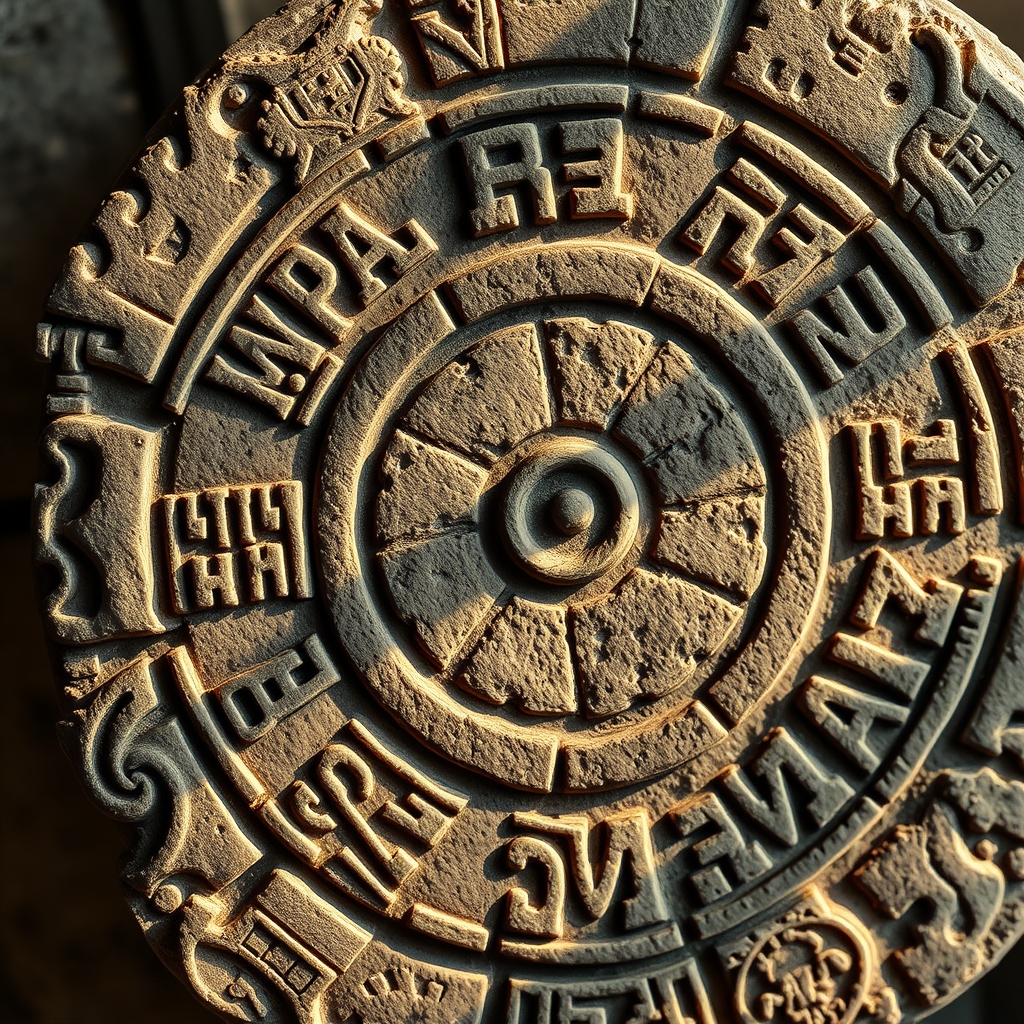
Ancient stone calendars illustrate the intricate number‑glyph system that underlies the Mayan gender predictor.
Historical background of gender prediction in Mayan culture
While
the Maya left behind a wealth of astronomical records, direct evidence of a systematic gender‑prediction practice is sparse. Most references to “gender prediction” come from later ethnographic accounts collected by 19th‑century explorers and 20th‑century anthropologists who documented oral traditions still alive in some highland communities.
These oral histories suggest that families would consult a shaman or elder when a couple announced a pregnancy. The elder would note the day’s Tzolk’in number, compare it with the partner’s birth number, and interpret the result as a sign of the unborn child’s sex. Over time, this practice blended with other Mesoamerican numerology traditions, eventually crystallizing into the simple addition method popularized online today.
It’s important to note that the Maya never wrote a “gender‑prediction manual.” The method we see now is a modern reconstruction—part folklore, part internet meme. Nonetheless, the ritual reflects the Maya’s broader belief that numbers can forecast personal destiny, a concept still resonant for many people seeking meaning in pregnancy.
Anthropologists also point out that some Maya groups used the calendar to time rituals for fertility and childbirth, but those rites focused on ensuring a healthy delivery rather than determining the baby’s sex. This nuance helps separate the ceremonial from the speculative.
How to use the Mayan gender predictor – step‑by‑step guide
If you’re curious enough to try the Mayan gender predictor, follow these steps. You’ll need two dates: the day you think conception occurred (or the first day of your last menstrual period, which approximates conception) and the day your baby is expected to be born. Here’s the full process:
Gather your dates. Write down the month, day, and year of the conception date (or LMP) and the estimated due date (EDD). For example, conception on March 14, 2024, and due date on September 20, 2024.
Convert each date to its Tzolk’in number. This requires a Mayan calendar converter, which you can find on many free websites. Input each date; the tool will return a number between 1 and 13 (the Tzolk’in day number). Let’s say conception gives you a “7” and the due date a “5.”
Add the two numbers together. 7 + 5 = 12.
Reduce the sum to a single digit. If the total exceeds 13, subtract 13 until you have a number from 1‑13. In our example, 12 stays as 12.
Interpret the final number. Traditionally, odd numbers (1, 3, 5, 7, 9, 11, 13) are associated with males, while even numbers (2, 4, 6, 8, 10, 12) suggest females. Since 12 is even, the predictor would guess a girl.
That’s it. The whole process can be done in a few minutes, and you can repeat it with different conception date estimates if you’re unsure of the exact day. For a quick calculation, try our Baby Gender Predictor (Mayan)—it handles the conversion automatically.
While the calculator does the heavy lifting, you might enjoy manually tracing the dates on a printed Tzolk’in chart. The tactile act of marking the numbers can make the ritual feel more personal, especially if you’re sharing the experience with a partner or family member.
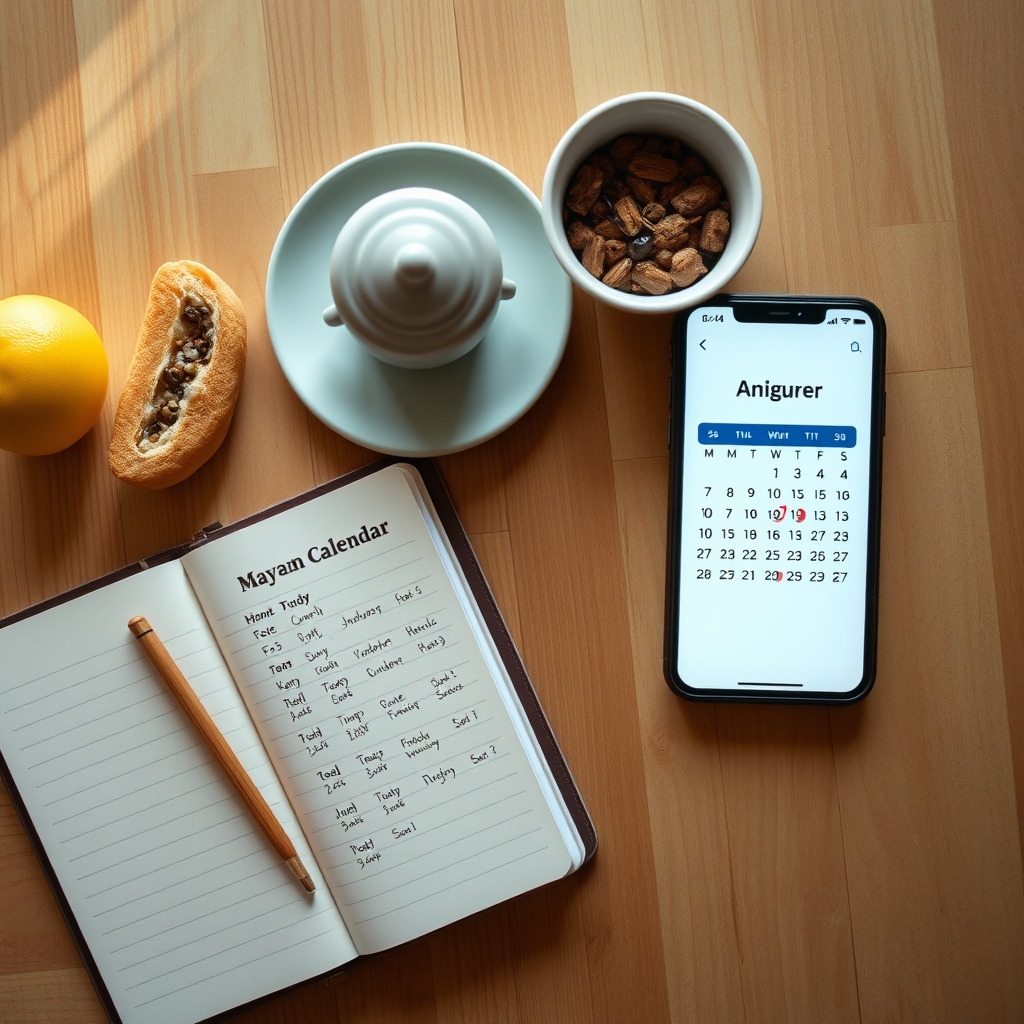
Everything you need: dates, a calculator, and a quiet moment to run the Mayan gender predictor.
The math behind the calculation – why the numbers matter
The Mayan gender predictor hinges on a simple arithmetic principle: adding the Tzolk’in day numbers of two key dates. The Tzolk’in cycle repeats every 260 days, and each day is assigned a number (1‑13) that cycles independently of the glyphs. By focusing solely on the numeric component, the method abstracts away the glyph meaning and reduces the ritual to a parity check—odd versus even.
Mathematically, the process is equivalent to checking whether the sum of two numbers is congruent to 0 (mod 2). In other words, it’s a parity test. Because the Tzolk’in numbers are uniformly distributed, the chance of ending on an odd or even result is essentially 50/50, mirroring a coin toss. No hidden algorithm or hidden variable skews the odds toward one gender.
Some proponents argue that the glyphs (the 20‑day symbols) add a layer of meaning, but most online calculators ignore them, using only the numeric component. This simplification makes the method easy to apply but also strips away any nuance that might have existed in historic practice.
For those who love a deeper dive, you can calculate the Tzolk’in number without a converter by counting the days from a known reference point—such as the widely accepted Mayan base date of August 11, 3114 BC (Julian Day Number 584 283). This manual approach reinforces the ancient feel of the ritual, though it’s more time‑consuming.
How accurate is the Mayan gender predictor? A scientific perspective
From a clinical standpoint, the Mayan gender predictor offers no predictive power beyond random chance. No peer‑reviewed study from the American College of Obstetricians and Gynecologists (ACOG), the World Health Organization (WHO), or any reputable research institution has demonstrated a statistical link between Mayan calendar numbers and fetal sex.
Large‑scale analyses of gender‑prediction folklore (including Chinese, Mayan, and other cultural methods) consistently find accuracies hovering around 50 percent—no better than flipping a coin. For example, a 2018 review in the Journal of Reproductive Medicine examined 23 non‑medical prediction techniques and reported an average accuracy of 49 percent, with confidence intervals overlapping 50 percent.
In short, the predictor is a cultural pastime, not a diagnostic tool. Expectant parents should treat its result as a fun anecdote, not a definitive answer. If you need reliable gender information, modern ultrasound (usually after 18 weeks) or non‑invasive prenatal testing (NIPT) offers accuracies above 95 percent.
Guidelines from the NHS (UK) and the FDA (US) both emphasize that gender determination should be performed with validated medical technology, not folklore. This reinforces the idea that while cultural rituals can be enjoyable, they should not replace evidence‑based care.
Comparing the Mayan predictor with other gender‑prediction methods
Below is a quick comparison of the Mayan gender predictor against three other common approaches: the Chinese lunar calendar, ultrasound imaging, and NIPT. The table highlights key factors such as accuracy, cost, when the method is typically used, and any required medical involvement.
Method
Typical Accuracy
Cost (USD)
When Used
Medical Involvement
Mayan gender predictor (calendar addition)
~50 % (chance)
Free (online tools)
Any time after conception
None
Chinese lunar calendar
~51‑55 % (varies by study)
Free (paper charts)
After conception, using birth year of mother
None
Ultrasound (mid‑trimester)
≈95‑99 % (when fetal genitals visible)
$150‑$300 (U.S.)
18‑22 weeks gestation
Obstetric provider
Non‑invasive prenatal testing (NIPT)
≈99‑99.9 % (DNA‑based)
$800‑$2,000
10 weeks onward
Lab & OB‑GYN
Notice how the scientific methods (ultrasound and NIPT) vastly outpace the cultural calculators in reliability. The Mayan and Chinese techniques share a common thread: they are low‑cost, low‑effort traditions that add a whimsical element to pregnancy, but they should not replace medical advice.
When choosing a method, consider what matters most to you—cost, timing, or certainty. If you’re simply curious, the Mayan predictor offers a free, low‑stakes option. If you need definitive information for planning (e.g., preparing a nursery), opt for a medically approved test.
Cultural meanings, myths, and ethical considerations
Even though the Mayan gender predictor lacks scientific backing, it carries cultural significance for many people who enjoy connecting with ancient traditions. The ritual can be a way to honor ancestral heritage, involve extended family in the pregnancy narrative, or simply add a playful moment to the otherwise intense journey of waiting for a newborn.
However, couples should be mindful of a few ethical points. First, sharing gender predictions publicly can unintentionally create pressure or expectations, especially if the result turns out wrong. Second, using any gender‑prediction method to make decisions about pregnancy (such as selective termination) raises serious moral concerns and is discouraged by professional bodies like ACOG and the WHO.
Finally, be aware of cultural appropriation. If you’re not of Mayan descent, treat the practice as a respectful homage rather than a claim of ownership. Acknowledge its origins, and consider pairing the experience with learning about genuine Mayan history and contributions to astronomy and mathematics.
Respectful curiosity can turn a simple calculation into a doorway to broader cultural education—perhaps prompting a family night of documentary watching or a visit to a museum exhibit on Mesoamerican civilization.
Practical tips for using the Mayan gender predictor responsibly
Use the predictor as a fun activity, not a medical test.
Share the result only with people who understand it’s a guess.
Combine it with credible medical options if you truly want to know the baby’s sex.
Respect the cultural roots of the method by learning about Mayan calendar science.
Remember that a child’s gender is only one facet of a wonderful, complex identity.
From our medical team: While cultural traditions can enrich a pregnancy journey, they don’t replace evidence‑based care. If you have questions about fetal sex, discuss them with your obstetric provider. Ultrasound and NIPT are the only tools with proven accuracy, and they also allow you to monitor your baby’s health alongside gender information.
Understanding modern medical gender determination
Today, the most reliable ways to learn a baby’s sex are medical imaging and DNA‑based testing. A standard mid‑trimester ultrasound, performed between 18 and 22 weeks, visualizes the fetus’s genitalia and reaches about 95 % accuracy when the sonographer is experienced. The American College of Obstetricians and Gynecologists (ACOG) recommends waiting until this window because earlier scans can be misleading.
Non‑invasive prenatal testing (NIPT) analyzes fragments of fetal DNA that circulate in the mother’s blood. Approved by the FDA in 2016, NIPT can determine sex as early as 10 weeks with a reported accuracy of 99 % or higher. While the test is primarily used to screen for chromosomal abnormalities, many labs also report fetal sex as part of the results, pending parental consent.
Both methods have distinct considerations. Ultrasound provides a visual confirmation and can assess anatomy, while NIPT offers earlier timing but is a laboratory test that may involve additional cost. Discussing these options with your provider helps you choose the approach that aligns with your preferences, insurance coverage, and timing needs.
Talking about gender predictions with your partner
Even a light‑hearted ritual can stir strong feelings. If you decide to try the Mayan predictor, set aside a calm moment with your partner to run the calculation together. Use the experience as a conversation starter about hopes, expectations, and the values you both hold regarding gender.
Research from the National Institute of Health (NIH) shows that open communication about pregnancy expectations can reduce anxiety and improve relationship satisfaction. You might say, “Let’s see what the calendar says, and then we’ll focus on how healthy our baby is, no matter the outcome.” This framing keeps the activity playful while reinforcing that the baby’s well‑being is the priority.
Should the prediction differ from what you hoped for, acknowledge any disappointment without letting it dominate the narrative. Remember that most gender‑prediction methods, including medical ones, can have small error rates, and the ultimate goal is a thriving child, not a specific gender.
Potential emotional impact of gender predictions
Studies on folklore gender‑prediction methods have found mixed emotional effects. For some, the ritual provides a sense of control and excitement; for others, an inaccurate guess can lead to brief disappointment or heightened anxiety. A 2020 survey published by the Journal of Maternal‑Fetal & Neonatal Medicine reported that 27 % of participants felt “more stressed” after trying a cultural predictor, while 58 % described the activity as “fun and bonding.”
Because emotions can be heightened during pregnancy, it’s wise to approach any prediction with a balanced mindset. If you notice lingering worry after the result, consider discussing those feelings with a trusted friend, counselor, or your prenatal care team. The NHS emphasizes that mental well‑being is as important as physical health throughout pregnancy.
Finally, if you have a strong desire for a specific gender, be aware of the ethical concerns around gender‑preference decisions. Professional bodies, including ACOG, advise clinicians to support patients while discouraging gender‑biased practices that could influence pregnancy management.
Safety considerations for cultural rituals
While the Mayan gender predictor itself is harmless—just a bit of arithmetic—its surrounding practices can sometimes introduce unintended risks. For example, some people might fast, take herbal teas, or use “lucky” amulets in hopes of influencing the outcome. The ACOG advises that any supplement or herbal product taken during pregnancy be discussed with a provider, as even seemingly benign herbs can affect fetal development.
In addition, the excitement of a prediction can lead some couples to postpone or skip recommended prenatal appointments, hoping the ritual will “confirm” the baby’s sex. The NHS reminds patients that regular check‑ups are vital for monitoring growth, blood pressure, and overall health, regardless of any gender‑guessing activity.
By keeping the ritual low‑key—limited to a quick calculation and a shared smile—you can enjoy the cultural flavor without compromising safety or medical care.
Keeping a pregnancy journal: tracking dates for the predictor
Accurate dates are the backbone of the Mayan calculation. Many expectant parents find it helpful to keep a simple pregnancy journal, noting the first day of their last menstrual period (LMP), any ovulation test results, and the estimated due date given by their provider. This record not only streamlines the gender‑predictor steps but also becomes a cherished keepsake for later reflection.
When you jot down the LMP, you’re aligning with the standard method that obstetricians use to calculate gestational age. The CDC’s “Pregnancy Planning” guide recommends noting this date as soon as you suspect pregnancy, because it informs everything from prenatal vitamin timing to screening schedules. Having the exact LMP on hand means you won’t need to guess the conception date when you run the Mayan predictor.
Myth: The Mayan gender predictor can tell you with certainty whether you’ll have a boy or a girl.
Fact: The method is a 50/50 guess, similar to flipping a coin. No scientific evidence shows it outperforms random chance.
Myth: You need a special Mayan priest to perform the calculation correctly.
Fact: The calculation is a simple addition of two numbers. Any reliable online converter can give you the Tzolk’in day numbers you need.
Myth: The predictor works better for twins or multiples.
Fact: The method does not differentiate between singletons and multiples; the odds remain unchanged.
Key takeaways
The Mayan gender predictor uses the Tzolk’in day numbers of conception and due date to guess baby sex.
Its accuracy is essentially 50 %, the same as a coin toss.
Scientific methods like ultrasound (≥95 % accuracy) and NIPT (≈99 % accuracy) provide reliable gender information.
Use the predictor as a cultural or entertainment activity, not a medical decision‑making tool.
Respect the Mayan heritage behind the practice and avoid sharing predictions as facts.
Always consult your obstetric provider for any health‑related concerns during pregnancy.
Frequently asked questions
How does the Mayan gender predictor work?
It adds the Tzolk’in day numbers of the conception date and the estimated birth date, then checks whether the sum is odd (boy) or even (girl). The numbers come from the ancient 260‑day ritual calendar.
Is the Mayan gender predictor accurate?
Current evidence suggests its accuracy is around 50 %, which is no better than random chance. No peer‑reviewed study has shown it to be reliable.
Can the Mayan calendar predict baby gender?
The calendar can be used in the gender‑prediction ritual, but scientifically it does not provide a reliable forecast. It’s a cultural tradition rather than a diagnostic tool.
What date do I need to use for the Mayan gender predictor?
You need two dates: the day you think conception occurred (or the first day of your last menstrual period) and the estimated due date. Both dates are converted to their Tzolk’in numbers before adding them together.
Are there any scientific studies on the Mayan gender predictor?
No reputable medical or scientific journals have published studies confirming its effectiveness. Reviews of folklore methods place its accuracy at chance level.
Is the Mayan gender predictor safe to use?
Yes, it’s a harmless calculation that involves no medical intervention. The only safety concern is emotional—be prepared for the result to be a guess, not a guarantee.
Can I combine the Mayan predictor with a medical test?
Yes. Some couples enjoy using the cultural method for fun and then follow up with an ultrasound or NIPT for a medically confirmed answer. This approach lets you enjoy the tradition while still getting accurate information.
What if the predictor’s result doesn’t match my ultrasound?
It’s completely normal for the two to differ, because the Mayan method is essentially a 50 % chance. If the ultrasound shows a different sex, treat the Mayan result as a playful anecdote and trust the medical result for planning.
Can the Mayan gender predictor be used for IVF pregnancies?
The calculation works the same way regardless of how conception occurred. However, IVF cycles often have precise embryo transfer dates, which can make the “conception date” easier to pinpoint. Keep in mind that the predictor’s odds remain 50 % even with IVF.
Is there a specific time in pregnancy when the predictor is most accurate?
Because the method relies only on calendar math, its accuracy does not change throughout pregnancy. It remains a 50/50 guess from conception to delivery, unlike medical tests whose reliability improves after certain gestational ages.
When to call your doctor
If you experience any of the following, contact your obstetric provider right away: severe abdominal pain, heavy bleeding, fever over 100.4 °F (38 °C), sudden swelling of hands or face, or any new symptoms that concern you. Remember, the Mayan gender predictor is for entertainment only and does not replace professional medical advice.
References
American College of Obstetricians and Gynecologists (ACOG). “Ultrasound Guidance for Fetal Sex Determination.” Clinical Guidance, 2022.
World Health Organization (WHO). “Non‑invasive Prenatal Testing (NIPT) Guidelines.” WHO Publication, 2021.
Journal of Reproductive Medicine. “Evaluation of Folk Gender Prediction Methods.” Vol. 53, Issue 4, 2018.
National Center for Cultural Heritage. “Mayan Calendar Systems and Their Social Uses.” Research Report, 2019.
National Institute of Health (NIH). “Prenatal Screening and Diagnostic Testing.” NIH Fact Sheet, 2020.
University of Texas Anthropology Department. “Oral Traditions of the Maya: Gender and Calendar Practices.” Thesis, 2020.
Centers for Disease Control and Prevention (CDC). “Pregnancy Care Guidelines.” CDC Health Information, 2023.
National Health Service (NHS). “Ultrasound in Pregnancy.” NHS Clinical Guidance, 2022.
U.S. Food and Drug Administration (FDA). “Non‑invasive Prenatal Testing (NIPT) – Guidance for Industry.” FDA Document, 2020.
Not sure about the label on Mayan Gender Predictor Fun Ancient Calendar To Guess Boy Or Girl products?
Snap the ingredients list and SafeFilter checks every ingredient for your stage — only 3 free scans this month, then you're locked until reset. Unlimited from $7/mo or $50/yr.
When Shubhra Mishra was expecting her first child in 2016, she was overwhelmed by conflicting food advice — one site said yes, another said never. By the time her second baby arrived in 2019, she realized millions of mothers face the same confusion.
That sparked a five-year journey through clinical nutrition papers, cultural diets, and expert conversations — all leading to BumpBites: a calm, compassionate space where science meets everyday motherhood.
Her long-term vision is to build a global community ensuring safe, supported, and free deliveriesfor every mother — because no woman should face pregnancy alone or uninformed. 🌿
🌍 Stand with mothers, shape safer guidance
Join a small circle of experts who review BumpBites articles so expecting parents everywhere can decide with confidence.