Discover your fertile window easily, learn what days you can get pregnant and increase your chances of conception
By Shubhra Mishra — a mom of two who turned her own confusion during pregnancy into BumpBites, a global mission to make food choices clear, safe, and stress-free for every expecting mother. 💛
Check whether any food is safe during pregnancy with the BumpBites Food Safety Checker.
Quick take: You can only get pregnant during your fertile window — the 5–6 days each cycle when sperm can meet an egg. This window starts about 5 days before ovulation and ends the day after. Tracking your cycle, watching for ovulation signs, and using tools like our Fertility Window calculator can help you find these days. If your cycles are irregular, don’t worry — there are still ways to pinpoint your best chances.
It’s 11 p.m., and you’re lying in bed scrolling. The question keeps circling: When can I actually get pregnant? Maybe you’ve just started trying, or maybe you’ve been tracking your cycle for months and feel like you’re guessing. The calendar app on your phone shows a little red dot for your period, but what about the days in between? Are some days better than others? And what if your cycle isn’t the same length every month?
🔢 Calculate it for your situation: Use our Fertility Window for a personalized result in seconds.
You’re not alone. Many women tell us the same thing: they know ovulation is important, but the details feel fuzzy. One reader described it like this: “I thought I could get pregnant any time, but then I read that it’s only a few days a month. How do I even know which days those are?”
Here’s the good news: your body gives you clues. And with a little know-how, you can learn to spot your fertile window — the days when pregnancy is possible. This isn’t about perfect timing or stressing over every day. It’s about understanding your cycle so you can feel more confident and in control.
Understanding your menstrual cycle: the basics
Your menstrual cycle is more than just your period. It’s a monthly process that prepares your body for pregnancy. On average, it lasts 28 days, but anywhere from 21 to 35 days is normal. The cycle starts on the first day of your period (day 1) and ends the day before your next period begins.
Here’s what happens during a typical cycle:
Menstruation (days 1–5): Your period. The lining of your uterus sheds, and you bleed.
Follicular phase (days 1–13): Your body prepares to release an egg. Hormones like estrogen rise, and the lining of your uterus thickens.
Ovulation (around day 14 in a 28-day cycle): An egg is released from one of your ovaries. This is the day you’re most fertile.
Luteal phase (days 15–28): After ovulation, your body prepares for a possible pregnancy. If the egg isn’t fertilized, your period starts again.
Ovulation is the key event. It’s the only time during your cycle when you can get pregnant. But here’s the thing: sperm can live inside your body for up to 5 days. That means you can get pregnant if you have sex in the days leading up to ovulation, not just on the day itself. This is why understanding your fertile window — the days when pregnancy is possible — is so important.
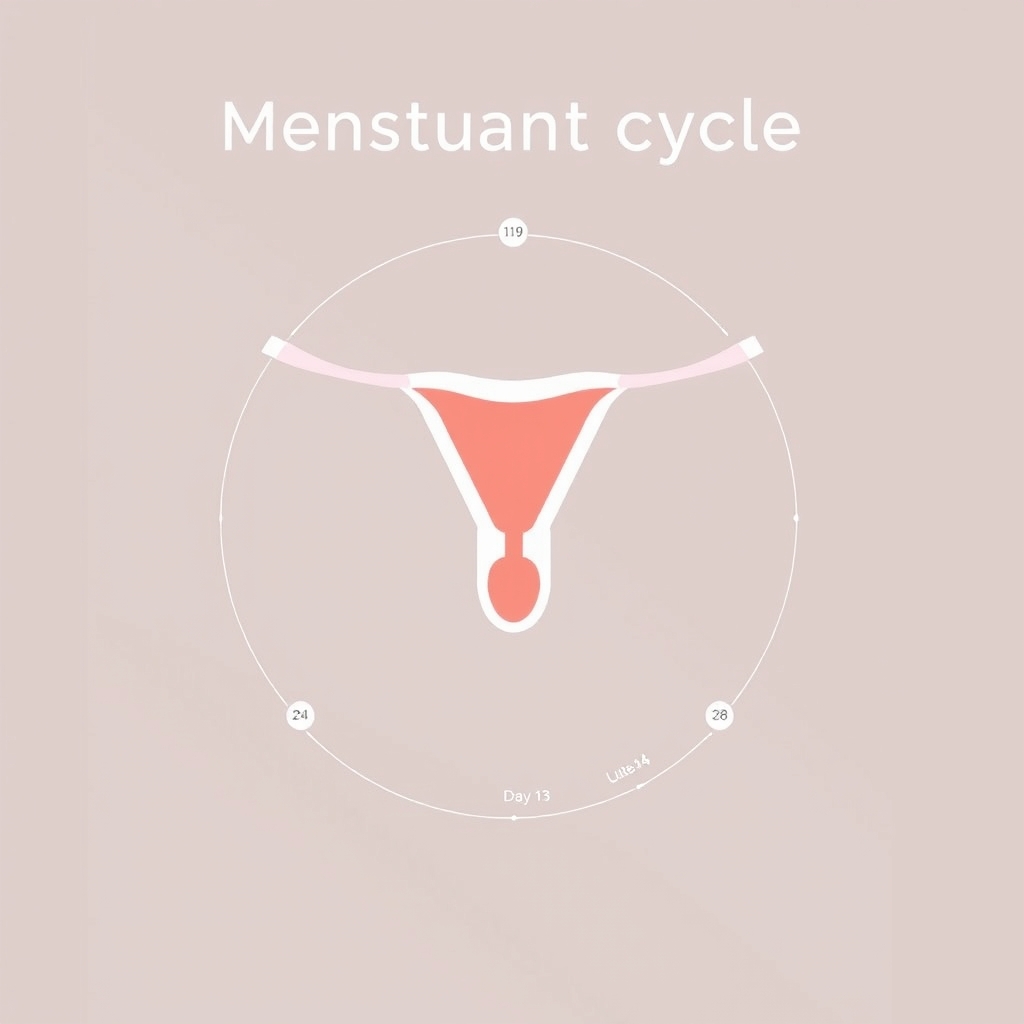
The menstrual cycle: your body prepares for pregnancy each month, with ovulation as the key event.
What is the fertile window?
Your
fertile window is the 5–6 days each cycle when pregnancy is possible. It includes:
The 5 days before ovulation (because sperm can live that long).
The day of ovulation (when the egg is released).
The day after ovulation (the egg can be fertilized for about 12–24 hours after release).
This window is your best chance to get pregnant. But it’s not the same for everyone. The timing depends on the length of your cycle and when you ovulate. For example:
If your cycle is 28 days long, you’ll likely ovulate around day 14. Your fertile window would be days 9–14.
If your cycle is 35 days long, you might ovulate around day 21. Your fertile window would be days 16–21.
Here’s a simple way to think about it: your fertile window starts about 5 days before ovulation and ends the day after. The closer you get to ovulation, the higher your chances of getting pregnant.
How long does the fertile window last?
The fertile window lasts about 6 days, but your chances of getting pregnant aren’t the same every day. Research shows that the 2 days before ovulation and the day of ovulation are your most fertile days. Here’s how the chances break down:
Day relative to ovulation
Chance of pregnancy (%)
5 days before
~10%
4 days before
~16%
3 days before
~14%
2 days before
~27%
1 day before
~31%
Day of ovulation
~33%
1 day after
~0%
Source: Wilcox et al., New England Journal of Medicine (1995)
As you can see, your chances peak in the 2 days leading up to ovulation. After ovulation, the egg is only viable for about 12–24 hours, so the window closes quickly.
How to calculate your fertile window
Finding your fertile window starts with knowing when you ovulate. Here are the most common methods:
1. The calendar method
This is the simplest way to estimate your fertile window. You’ll need to track the length of your cycles for at least 3–6 months. Here’s how to do it:
Record the first day of your period (day 1) and count the days until your next period starts. This is your cycle length.
Subtract 18 from your shortest cycle. This gives you the first day of your fertile window.
Subtract 11 from your longest cycle. This gives you the last day of your fertile window.
For example, if your cycles range from 27 to 31 days:
Shortest cycle: 27 – 18 = day 9
Longest cycle: 31 – 11 = day 20
Your fertile window would be days 9–20. This method works best if your cycles are regular. If they vary by more than 7 days, it’s less reliable.
2. Tracking ovulation signs
Your body gives you physical signs when you’re approaching ovulation. Paying attention to these can help you pinpoint your fertile window more accurately. Here are the most common signs:
Cervical mucus: As you near ovulation, your cervical mucus becomes clear, stretchy, and slippery — like raw egg white. This is a sign that you’re in your fertile window. After ovulation, it becomes thicker and stickier.
Basal body temperature (BBT): Your BBT is your temperature when you first wake up in the morning. It rises slightly (about 0.5°F) after ovulation. Tracking your BBT can help you confirm that ovulation has occurred, but it won’t tell you when it’s about to happen.
Cervical position: Your cervix changes position and texture during your cycle. Around ovulation, it becomes softer, higher, and more open. This can be tricky to notice at first, but with practice, some women find it helpful.
Ovulation pain (mittelschmerz): Some women feel a mild cramping or twinge on one side of their lower abdomen when they ovulate. This is called mittelschmerz, and it can be a sign that ovulation is happening.
Tracking your basal body temperature and cervical mucus can help you spot your fertile window.
3. Ovulation predictor kits (OPKs)
Ovulation predictor kits (OPKs) are urine tests that detect the surge in luteinizing hormone (LH) that happens 24–36 hours before ovulation. They’re similar to pregnancy tests — you pee on a stick and wait for a line to appear. When the test line is as dark as or darker than the control line, you’re about to ovulate.
OPKs are easy to use and can help you pinpoint your fertile window more accurately than the calendar method alone. They’re especially helpful if your cycles are irregular. However, they can be expensive if you use them every month, and they don’t confirm that ovulation actually occurred (just that it’s about to happen).
4. Fertility monitors
Fertility monitors are digital devices that track your hormones to predict your fertile window. Some monitor LH and estrogen in your urine, while others track your BBT or other signs. They’re more expensive than OPKs, but they can give you a more complete picture of your cycle.
5. Using a fertility calculator
If you’d rather not track your cycle manually, you can use an online tool to estimate your fertile window. Our Fertility Window calculator takes your cycle length and the first day of your last period to give you a personalized estimate of your fertile days. It’s a quick and easy way to get started, especially if your cycles are regular.
Factors that affect your fertile window
Your fertile window isn’t set in stone. Several factors can shift it earlier or later in your cycle, or make it harder to predict. Here are the most common ones:
Irregular cycles
If your cycles vary in length by more than 7 days, it can be harder to predict when you’ll ovulate. Irregular cycles can be caused by:
Polycystic ovary syndrome (PCOS)
Thyroid disorders
Extreme stress or illness
Significant weight changes
Perimenopause
Breastfeeding
If your cycles are irregular, tracking ovulation signs (like cervical mucus and BBT) or using OPKs can help you find your fertile window more accurately than the calendar method alone.
Age
Your age affects both the length of your fertile window and your chances of getting pregnant. Here’s what to know:
In your 20s: Your cycles are likely regular, and your fertile window is easier to predict. Your chances of getting pregnant each cycle are about 20–25%.
In your 30s: Your cycles may start to shorten slightly, and your fertile window may shift. Your chances of getting pregnant each cycle drop to about 15–20%. After age 35, fertility declines more rapidly.
In your 40s: Your cycles may become shorter or more irregular, and your fertile window may be harder to predict. Your chances of getting pregnant each cycle are about 5–10%.
Age also affects the quality of your eggs. As you get older, your eggs are more likely to have chromosomal abnormalities, which can make it harder to get pregnant or increase the risk of miscarriage.
Lifestyle factors
Your habits can also affect your fertile window and your chances of getting pregnant. Here are some key factors:
Weight: Being underweight or overweight can disrupt your hormones and make your cycles irregular. Aim for a body mass index (BMI) between 18.5 and 24.9.
Smoking: Smoking can damage your eggs and make it harder to get pregnant. It can also increase the risk of miscarriage and ectopic pregnancy.
Alcohol: Heavy drinking can disrupt your cycles and lower your fertility. If you’re trying to get pregnant, it’s best to limit alcohol or avoid it altogether.
Caffeine: Some studies suggest that high caffeine intake (more than 200–300 mg per day) may lower fertility. If you’re trying to conceive, it’s a good idea to cut back.
Stress: High stress levels can disrupt your hormones and make your cycles irregular. Finding ways to manage stress — like exercise, meditation, or therapy — can help.
Medical conditions
Certain medical conditions can affect your fertile window or make it harder to get pregnant. These include:
Polycystic ovary syndrome (PCOS)
Endometriosis
Thyroid disorders (hypothyroidism or hyperthyroidism)
Pelvic inflammatory disease (PID)
Uterine fibroids or polyps
Primary ovarian insufficiency (POI)
If you have one of these conditions, talk to your healthcare provider about how it might affect your fertility and what you can do to improve your chances of getting pregnant.
Tips for increasing your chances of getting pregnant during your fertile window
Once you’ve found your fertile window, you’ll want to make the most of it. Here are some tips to boost your chances of getting pregnant:
1. Have sex during your fertile window
This might seem obvious, but timing is everything. Your best chances of getting pregnant are in the 2 days leading up to ovulation and the day of ovulation itself. If you’re not sure when you ovulate, aim to have sex every 1–2 days during your estimated fertile window. This ensures that sperm is always present when the egg is released.
Some couples try to “save up” sperm by abstaining for a few days before the fertile window. But research shows that frequent ejaculation (every 1–2 days) leads to higher-quality sperm. So don’t wait — keep things regular!
2. Focus on sperm health
Sperm health is just as important as timing. Here’s how to support it:
Avoid smoking, heavy drinking, and recreational drugs.
Eat a balanced diet rich in antioxidants (like fruits, vegetables, nuts, and seeds).
Stay hydrated and maintain a healthy weight.
Avoid hot tubs, saunas, and tight underwear, which can overheat the testicles.
Talk to your provider about any medications that might affect sperm quality.
3. Optimize your diet and lifestyle
What you eat and how you live can affect your fertility. Here are some evidence-based tips:
Eat a Mediterranean-style diet: This diet is rich in fruits, vegetables, whole grains, lean proteins, and healthy fats. It’s been linked to better fertility in both women and men.
Take a prenatal vitamin: Start taking a prenatal vitamin with folic acid (at least 400 mcg) before you get pregnant. This can help prevent neural tube defects and support your baby’s development.
Exercise moderately: Regular, moderate exercise (like walking, swimming, or yoga) can boost fertility. But avoid intense workouts, which can disrupt your cycles.
Limit caffeine: High caffeine intake (more than 200–300 mg per day) may lower fertility. Stick to 1–2 cups of coffee per day, or switch to decaf.
4. Manage stress
Trying to get pregnant can be stressful, and stress can make it harder to conceive. Finding ways to relax and unwind can help. Here are some ideas:
Practice mindfulness or meditation.
Try yoga or gentle exercise.
Talk to a therapist or counselor.
Spend time with friends and family.
Do something you enjoy, like reading, gardening, or crafting.
Remember, it’s normal to feel anxious or frustrated when you’re trying to get pregnant. Be kind to yourself and give yourself grace.
5. Avoid lubricants that harm sperm
Some lubricants can slow down or kill sperm. If you use lube during sex, choose one that’s sperm-friendly, like:
Pre-Seed
BabyDance
Conceive Plus
Avoid water-based lubes (like KY Jelly) and oil-based lubes (like coconut oil), which can harm sperm.
Common myths and misconceptions about getting pregnant
When it comes to getting pregnant, there’s a lot of misinformation out there. Let’s clear up some of the most common myths:
Myth: You can get pregnant any day of your cycle.
Fact: You can only get pregnant during your fertile window — the 5–6 days each cycle when sperm can meet an egg. Outside of this window, pregnancy isn’t possible. However, if your cycles are irregular, it can be harder to predict when your fertile window will occur.
Myth: You can’t get pregnant during your period.
Fact: While it’s unlikely, it is possible to get pregnant during your period — especially if your cycles are short. Here’s why: sperm can live inside your body for up to 5 days. If you have a short cycle (21–24 days) and ovulate early, you could ovulate while sperm from sex during your period is still alive. This means you could get pregnant from period sex.
Myth: Having sex every day increases your chances of getting pregnant.
Fact: While frequent sex can help ensure that sperm is present when the egg is released, having sex every day doesn’t necessarily increase your chances of getting pregnant. In fact, it can lower sperm count in some men. Research suggests that having sex every 1–2 days during your fertile window is ideal.
Myth: You can’t get pregnant if you have irregular periods.
Fact: Irregular periods can make it harder to predict your fertile window, but they don’t mean you can’t get pregnant. Many women with irregular cycles ovulate just fine — they just don’t know when. Tracking ovulation signs (like cervical mucus and BBT) or using OPKs can help you find your fertile window, even if your cycles are irregular.
Myth: Certain sex positions increase your chances of getting pregnant.
Fact: There’s no evidence that any sex position is better for getting pregnant. What matters is that sperm is deposited near the cervix. After sex, you can lie down for 10–15 minutes to help the sperm reach the egg, but this isn’t necessary. Gravity doesn’t play a big role in conception — sperm are strong swimmers!
From our medical team: Understanding your fertile window is one of the most empowering things you can do when you’re trying to conceive. It takes the guesswork out of timing and helps you focus on the days that matter most. Remember, every woman’s cycle is unique, so what works for one person might not work for another. Don’t be discouraged if it takes a few months to figure out your pattern. And if you’ve been trying for a year (or 6 months if you’re over 35) without success, it’s a good idea to talk to your provider. They can help you explore other options and ensure there’s nothing else going on.
🔢 Ready to crunch your numbers? Use our Fertility Window for a personalized result in seconds.
Key takeaways
You can only get pregnant during your fertile window — the 5–6 days each cycle when sperm can meet an egg. This window starts about 5 days before ovulation and ends the day after.
Your most fertile days are the 2 days before ovulation and the day of ovulation itself. After ovulation, the egg is only viable for about 12–24 hours.
You can calculate your fertile window using the calendar method, tracking ovulation signs (like cervical mucus and BBT), or using tools like OPKs or fertility calculators.
Factors like irregular cycles, age, lifestyle, and medical conditions can affect your fertile window. If your cycles are irregular, tracking ovulation signs or using OPKs can help you find your fertile window more accurately.
To increase your chances of getting pregnant, have sex every 1–2 days during your fertile window, focus on sperm health, optimize your diet and lifestyle, manage stress, and avoid lubricants that harm sperm.
Common myths — like the idea that you can get pregnant any day of your cycle or that certain sex positions increase your chances — aren’t supported by evidence. Stick to the facts to avoid unnecessary stress.
Frequently asked questions
How long does ovulation last?
Ovulation itself — the release of the egg from the ovary — happens in an instant. But the egg is only viable for about 12–24 hours after it’s released. That’s why your fertile window is so short. However, sperm can live inside your body for up to 5 days, which is why you can get pregnant from sex in the days leading up to ovulation.
Can you get pregnant during your period?
It’s unlikely, but it is possible — especially if your cycles are short. If you have a 21–24 day cycle and ovulate early, sperm from sex during your period could still be alive when you ovulate. This means you could get pregnant from period sex. If you’re trying to avoid pregnancy, don’t rely on your period as a safe time.
How many days after ovulation can you get pregnant?
You can only get pregnant on the day of ovulation and the day after. After that, the egg is no longer viable. However, you can get pregnant from sex that happened up to 5 days before ovulation, because sperm can live that long inside your body.
What are the signs of ovulation?
The most common signs of ovulation include:
Clear, stretchy cervical mucus (like raw egg white).
A slight rise in basal body temperature (about 0.5°F).
A softer, higher, and more open cervix.
Mild cramping or twinges on one side of your lower abdomen (mittelschmerz).
Increased libido.
Breast tenderness.
Not everyone experiences all of these signs, so don’t worry if you don’t notice them all.
Can you get pregnant if you have irregular periods?
Yes, you can still get pregnant if you have irregular periods. Irregular cycles can make it harder to predict your fertile window, but they don’t mean you can’t ovulate. Tracking ovulation signs (like cervical mucus and BBT) or using OPKs can help you find your fertile window, even if your cycles are irregular.
How does age affect fertility?
Age affects both the length of your fertile window and your chances of getting pregnant. In your 20s, your cycles are likely regular, and your chances of getting pregnant each cycle are about 20–25%. In your 30s, your cycles may start to shorten, and your chances drop to about 15–20%. After age 35, fertility declines more rapidly. In your 40s, your cycles may become irregular, and your chances of getting pregnant each cycle are about 5–10%. Age also affects the quality of your eggs, which can increase the risk of miscarriage or chromosomal abnormalities.
When to call your doctor
While it’s normal for it to take a few months to get pregnant, there are some signs that it’s time to talk to your provider:
You’ve been trying to get pregnant for a year (or 6 months if you’re over 35) without success.
Your cycles are very irregular (shorter than 21 days or longer than 35 days).
You have severe pain during your period or ovulation.
You have a history of pelvic inflammatory disease (PID), endometriosis, or other conditions that can affect fertility.
You or your partner have a history of sexually transmitted infections (STIs).
You have symptoms of a hormonal imbalance, like excessive hair growth, acne, or weight changes.
Your provider can help you explore other options and ensure there’s nothing else going on. Remember, this article is for informational purposes only and isn’t a substitute for professional medical advice. Always talk to your provider about your specific situation.
References
American College of Obstetricians and Gynecologists (ACOG). (2021). Fertility Awareness-Based Methods of Family Planning.
American Society for Reproductive Medicine (ASRM). (2017). Optimizing Natural Fertility.
Centers for Disease Control and Prevention (CDC). (2021). Infertility.
Mayo Clinic. (2022). Getting Pregnant: When to Have Sex.
National Health Service (NHS). (2021). Trying to Get Pregnant.
Wilcox, A. J., Weinberg, C. R., & Baird, D. D. (1995). Timing of sexual intercourse in relation to ovulation. New England Journal of Medicine, 333(23), 1517–1521.
World Health Organization (WHO). (2020). Infertility.
Not sure about the label on What Days Can I Get Pregnant Find Your Fertile Window Easily products?
Snap the ingredients list and SafeFilter checks every ingredient for your stage — only 3 free scans this month, then you're locked until reset. Unlimited from $7/mo or $50/yr.
When Shubhra Mishra was expecting her first child in 2016, she was overwhelmed by conflicting food advice — one site said yes, another said never. By the time her second baby arrived in 2019, she realized millions of mothers face the same confusion.
That sparked a five-year journey through clinical nutrition papers, cultural diets, and expert conversations — all leading to BumpBites: a calm, compassionate space where science meets everyday motherhood.
Her long-term vision is to build a global community ensuring safe, supported, and free deliveriesfor every mother — because no woman should face pregnancy alone or uninformed. 🌿
🌍 Stand with mothers, shape safer guidance
Join a small circle of experts who review BumpBites articles so expecting parents everywhere can decide with confidence.