Discover 12 wives' tales gender quiz signs ranked by fun, revealing answers to your baby's gender with folklore signs
By Shubhra Mishra — a mom of two who turned her own confusion during pregnancy into BumpBites, a global mission to make food choices clear, safe, and stress-free for every expecting mother. 💛
Check whether any food is safe during pregnancy with the BumpBites Food Safety Checker.
Quick take: Old wives' tales about baby gender are a fun, nostalgic way to guess whether you're having a boy or a girl—but they're not science. From cravings to belly shape, these 12 folklore signs are ranked by how entertaining (and sometimes bizarre) they are. None are accurate, but they make for great conversation—and a playful quiz to try with friends. Enjoy the tradition, but don’t bet the nursery on it!
It’s 3 a.m., and you’re wide awake, scrolling through pregnancy forums while your partner snores softly beside you. You’ve just read that if your wedding ring swings in a circle over your belly, you’re having a girl. If it swings side to side? A boy. You grab your ring, tie it to a string, and hold your breath. The ring moves… in a perfect circle. A girl! But then you remember the ultrasound last week. The technician said, “It’s a boy.” You laugh, toss the ring onto the nightstand, and wonder: How did these old tales even start?
🔢 Calculate it for your situation: Use our Wives' Tales Gender Quiz for a personalized result in seconds.
Want numbers for your own situation? Try our Wives' Tales Gender Quiz for a personalized estimate.
Gender prediction folklore is as old as pregnancy itself. Long before ultrasounds and genetic testing, communities around the world relied on signs, omens, and—let’s be honest—wild guesses to predict whether a baby would be a boy or a girl. Some of these tales are sweet, some are silly, and some are downright strange. But they all share one thing: they’re fun. Whether you’re trying to conceive, already pregnant, or just curious, these 12 folklore signs offer a lighthearted way to pass the time and bond with other parents-to-be. Just don’t expect them to be accurate.
In this article, we’ll rank 12 of the most popular gender prediction wives’ tales by how entertaining they are, explain the (often surprising) origins behind them, and separate myth from fact. You’ll also find a handy table comparing the signs, tips for enjoying the quiz without stressing over the results, and answers to all your burning questions—like whether craving sweets really means you’re having a girl. Ready to dive in? Let’s start with the tale that launched a thousand late-night ring swings.
The wedding ring test is one of the most famous (and fun) gender prediction folklore signs—even if it’s not exactly scientific.
What are old wives’ tales gender prediction signs?
Old wives’ tales about baby gender are traditional beliefs passed down through generations, often rooted in cultural superstitions, observations of nature, or—let’s face it—a healthy dose of imagination. These signs were used to predict whether a pregnant woman was carrying a boy or a girl, usually based on physical changes, cravings, or even how the baby moved in the womb. While they’re not backed by science, they’ve endured because they’re fun, easy to try, and give parents-to-be a way to engage with the mystery of pregnancy before modern technology.
Many of these tales originated in pre-scientific societies where ultrasound machines didn’t exist. Communities relied on observable patterns—like how a mother’s skin changed during pregnancy or which foods she craved—to make educated (or not-so-educated) guesses. Some signs, like the shape of a pregnant belly, were based on the idea that boys and girls carried differently in the womb. Others, like the wedding ring test, were pure superstition, tied to the belief that certain objects or movements could reveal hidden truths.
Today, these tales are mostly used for entertainment. Expecting parents might try a few signs at a baby shower or laugh over the results with friends. But it’s important to remember that they’re not reliable. As one reader, Sarah, told us: “I tried five different signs, and they all said I was having a boy. Turns out, I had a girl! It was hilarious—but I wish I hadn’t let myself get too attached to the idea.”
In the next section, we’ll dive into the 12 most popular folklore signs, ranked by how fun (and sometimes how bizarre) they are. You’ll see why some have stood the test of time, while others are best left in the past.
The 12 folklore gender prediction signs, ranked by fun
Not all gender prediction folklore is created equal. Some signs are charming, some are quirky, and some are just plain weird. To help you navigate the world of old wives’ tales, we’ve ranked these 12 signs based on how entertaining they are to try, how widely known they are, and—let’s be honest—how much they make you laugh. We’ve also included a quick “science says” note for each, so you can separate the fun from the facts.
Here’s our ranking, from the most fun to the least (but still worth a chuckle):
1. The wedding ring test
How it works: Tie your wedding ring (or any ring) to a string and hold it over your belly. If the ring swings in a circle, you’re having a girl. If it swings side to side, it’s a boy. Some versions say the ring will spin in a figure-eight for twins!
Why it’s fun: This is one of the most interactive and dramatic signs. There’s something almost magical about watching the ring move on its own (or at least, that’s what you tell yourself). It’s also a great party trick—try it at your next baby shower and watch the reactions.
Science says: There’s no scientific basis for this one. The movement of the ring is likely due to tiny, involuntary movements in your hand or even air currents in the room. But that doesn’t stop people from trying it!
Cultural twist: This test is popular in Western cultures, but similar versions exist around the world. In some parts of Asia, a needle or key is used instead of a ring, and the direction of the swing is interpreted differently.
2. Cravings: sweet vs. salty
How it works: If you’re craving sweets like chocolate, ice cream, or fruit, you’re having a girl. If you’re reaching for salty, sour, or savory foods like pickles, chips, or meat, it’s a boy.
Why it’s fun: Cravings are one of the most talked-about parts of pregnancy, so it’s fun to assign meaning to them. Plus, it’s an excuse to indulge in your favorite snacks—just blame the baby’s gender!
Science says: Cravings are real, but they’re not linked to the baby’s sex. Hormonal changes during pregnancy can alter your sense of taste and smell, making certain foods more appealing. Some researchers suggest cravings might even be your body’s way of signaling a nutritional need (e.g., salty foods for electrolytes). But as for predicting gender? Nope.
Cultural twist: In some cultures, the type of craving is thought to reflect the baby’s personality. For example, in parts of Latin America, craving spicy foods is said to mean you’re having a feisty baby, regardless of gender.
Craving sweets? Folklore says it’s a girl. Craving pickles? A boy. Science says it’s just your hormones talking.
3. Belly shape: high vs. low
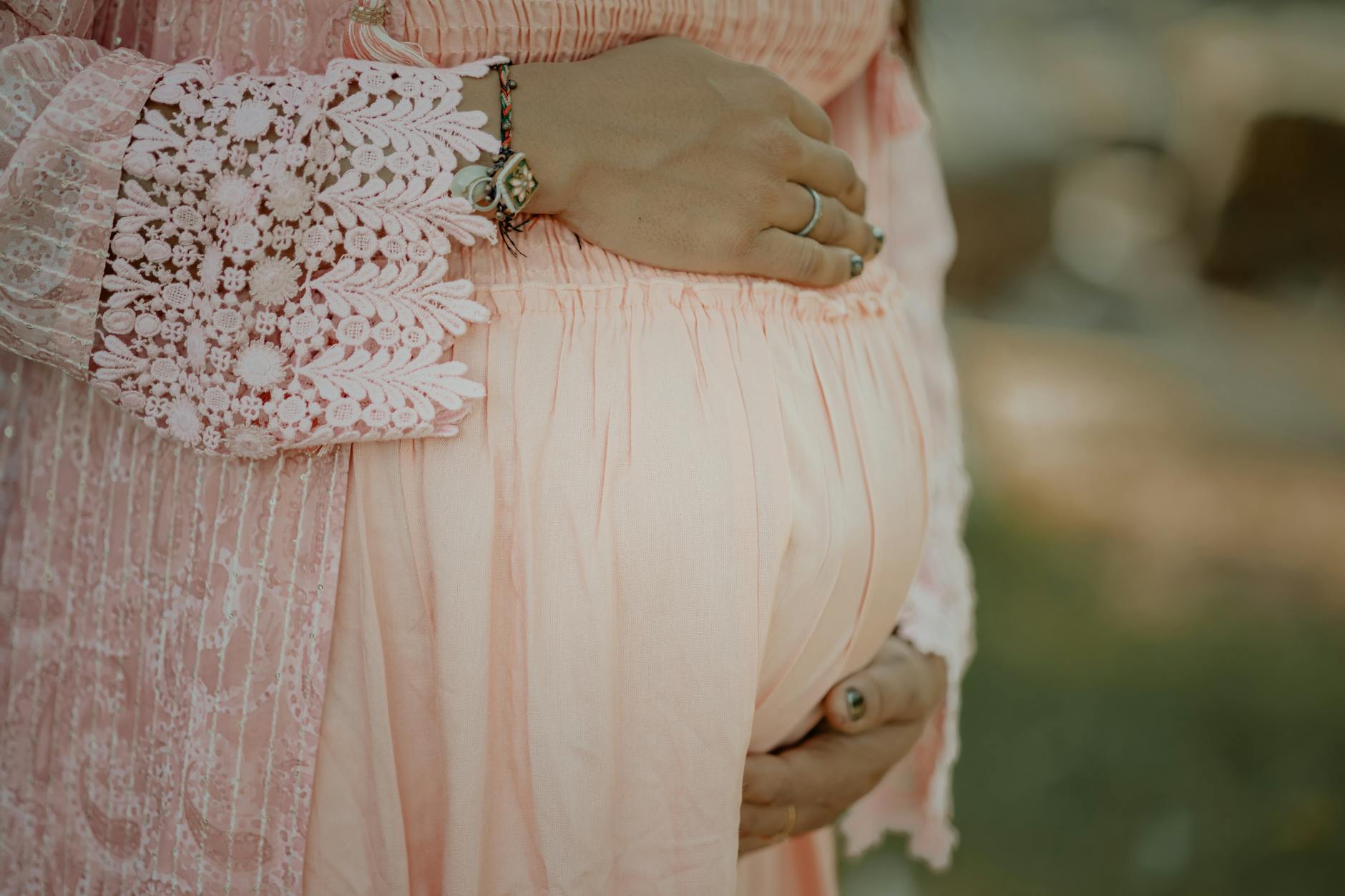
How it works: If your belly is high and round, like a basketball, you’re having a girl. If it’s low and pointy, like a watermelon, it’s a boy. Some versions say a wide belly means a girl, while a narrow, forward-leaning belly means a boy.
Why it’s fun: This is one of the most visible signs, so it’s easy to compare with other pregnant women. It’s also a great conversation starter—just ask any mom about her “carrying style,” and you’ll hear a story.
Science says: The shape of your belly is determined by your body type, muscle tone, and the position of the baby, not their gender. A high belly might mean your baby is positioned higher in the uterus, while a low belly could indicate a lower position or a stronger core. But it has nothing to do with whether you’re having a boy or a girl.
Cultural twist: In some African and Middle Eastern cultures, a high belly is associated with a girl because it’s believed that girls “sit higher” in the womb. In contrast, a low belly is thought to mean a boy, who “drops” lower as he grows.
4. Fetal heart rate
How it works: If your baby’s heart rate is 140 beats per minute (bpm) or higher, you’re having a girl. If it’s below 140 bpm, it’s a boy. Some versions say girls have faster heart rates because they’re “more active” in the womb.
Why it’s fun: This one feels almost scientific because it involves a real measurement. Many parents-to-be love listening to their baby’s heartbeat during ultrasounds, so it’s fun to assign meaning to the numbers.
Science says: A baby’s heart rate can vary widely during pregnancy, and it’s not linked to gender. Studies have shown no consistent difference in heart rates between male and female fetuses. The idea likely stems from the fact that female hearts tend to beat slightly faster than male hearts after birth, but this doesn’t hold true in the womb.
Cultural twist: In some European folklore, a fast heartbeat is associated with a girl because it’s believed that girls are “more delicate” and need a faster heart to thrive. A slower heartbeat, on the other hand, is thought to mean a boy, who is “stronger” and doesn’t need to work as hard.
5. Morning sickness
How it works: If you’re experiencing severe morning sickness (or all-day sickness), you’re having a girl. If you’re feeling relatively fine, it’s a boy. Some versions say that girls “take more from the mother,” making her sicker.
Why it’s fun: Morning sickness is a universal pregnancy experience, so it’s relatable. Plus, it’s a way to bond with other moms over shared struggles—or to feel smug if you’re one of the lucky ones who skips it.
Science says: Morning sickness is caused by hormonal changes, particularly elevated levels of human chorionic gonadotropin (hCG). Some studies suggest that women carrying girls may have slightly higher hCG levels, which could contribute to more severe nausea. However, the link isn’t strong enough to predict gender reliably. Many women with boys experience severe morning sickness, and many women with girls sail through pregnancy with no nausea at all.
Cultural twist: In some Asian cultures, severe morning sickness is seen as a sign of a “strong-willed” baby, regardless of gender. In contrast, mild nausea is thought to mean the baby is “easygoing.”
6. Skin and hair changes
How it works: If your skin breaks out or becomes dull, you’re having a girl because she’s “stealing your beauty.” If your skin glows and your hair is thick and shiny, it’s a boy because he’s “giving you his strength.”
Why it’s fun: This one plays into the idea that pregnancy is a transformative experience for your body. It’s also a great excuse to pamper yourself—whether you’re dealing with breakouts or glowing like a supermodel.
Science says: Hormonal changes during pregnancy can affect your skin and hair, but they’re not linked to the baby’s gender. Increased blood flow can give you a “pregnancy glow,” while higher levels of androgens (male hormones) can cause acne. These changes are normal and vary from woman to woman, regardless of whether she’s having a boy or a girl.
Cultural twist: In some cultures, the idea of a girl “stealing your beauty” is taken literally. In parts of India, for example, pregnant women are encouraged to avoid certain foods or activities to “protect” their skin and hair during pregnancy.
7. The Drano test
How it works: Mix a small amount of your urine with Drano (a drain cleaner) in a cup. If the mixture turns green, you’re having a girl. If it turns brown, it’s a boy. Some versions say the color change happens within minutes, while others say it takes up to an hour.
Why it’s fun: This one is definitely on the weird side, but it’s also one of the most dramatic. The idea of your pee changing color like a magic potion is oddly fascinating—even if it’s not something you’d actually want to try at home.
Science says: This test is not safe or accurate. Drano is a corrosive chemical that can cause burns or release toxic fumes when mixed with urine. There’s no scientific basis for the color change, and it’s not a reliable way to predict gender. Please don’t try this at home!
Cultural twist: This test gained popularity in the mid-20th century, particularly in the U.S. It’s not tied to any specific cultural tradition, but it’s a great example of how folklore can spread quickly, even when it’s dangerous.
8. Baby’s movement
How it works: If your baby moves a lot early in pregnancy (before 20 weeks), you’re having a girl. If the baby is quieter and moves later, it’s a boy. Some versions say that girls are “more active” in the womb, while boys are “lazier.”
Why it’s fun: Feeling your baby move is one of the most exciting parts of pregnancy. This sign gives you a way to interpret those kicks and flutters, even if it’s just for fun.
Science says: A baby’s movement is influenced by their position in the womb, the amount of amniotic fluid, and the mother’s activity level—not their gender. Some babies are naturally more active than others, regardless of whether they’re boys or girls. Plus, every mom experiences movement differently, so it’s not a reliable predictor.
Cultural twist: In some cultures, early movement is seen as a sign of a “strong” baby, while later movement is thought to mean the baby is “taking its time.” Gender isn’t always part of the equation.
9. The Chinese gender chart
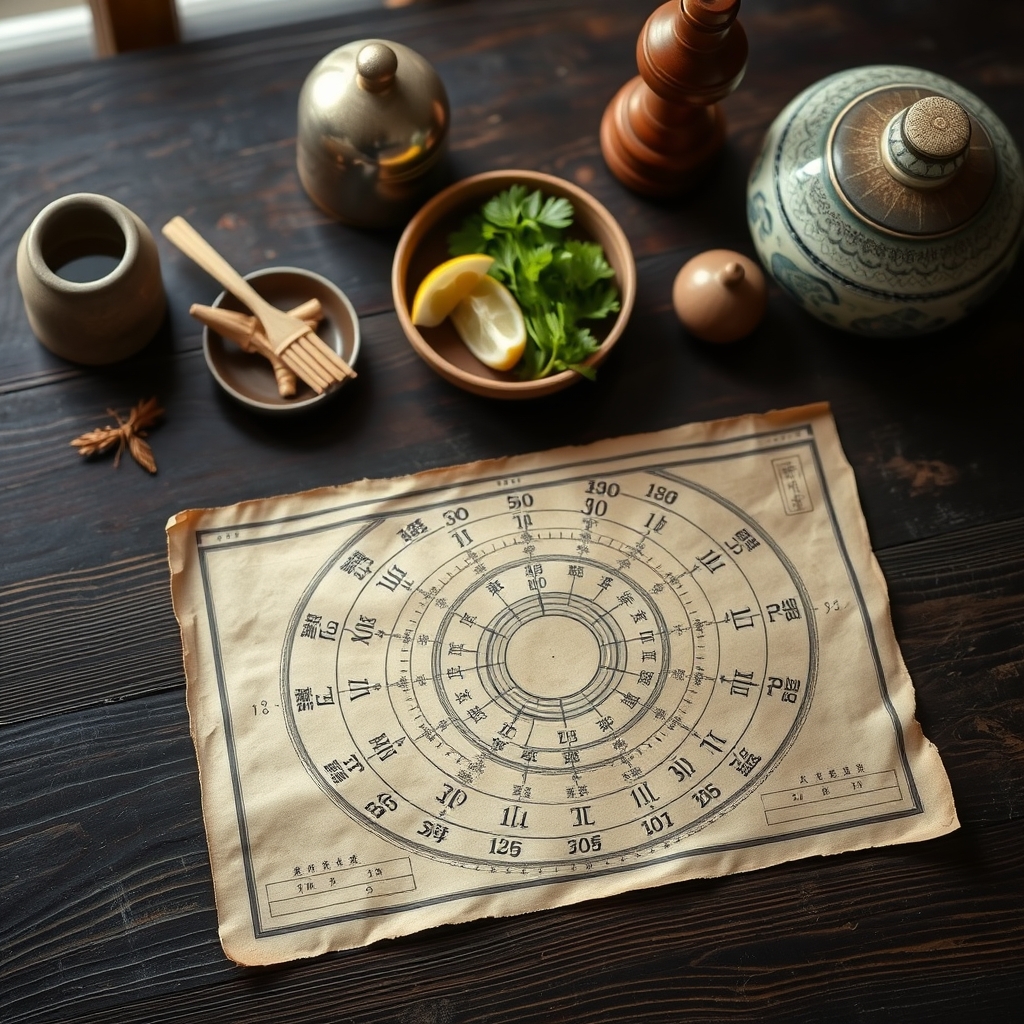
How it works: This ancient Chinese chart (also called the Chinese lunar calendar) predicts the baby’s gender based on the mother’s age at conception and the month the baby was conceived. You find your age and the month of conception on the chart, and it tells you whether you’re having a boy or a girl.
Why it’s fun: This one feels almost like a puzzle. It’s fun to plug in your numbers and see what the chart predicts, especially if you’re into astrology or lunar cycles. Plus, it’s one of the few signs that doesn’t rely on physical changes or cravings.
Science says: There’s no scientific evidence that the Chinese gender chart is accurate. Studies have shown that its predictions are no better than chance (about 50% accuracy). The chart likely originated as a way to balance family planning in ancient China, where sons were highly valued.
Cultural twist: The Chinese gender chart is still widely used in China and other parts of Asia, though many people view it as a fun tradition rather than a reliable predictor. In some cultures, it’s even used to plan the timing of conception to increase the chances of having a boy or a girl.
The Chinese gender chart is one of the oldest folklore signs, but its predictions are no more accurate than flipping a coin.
10. The Mayan gender prediction method
How it works: The Mayan method predicts gender based on the mother’s age at conception and the year the baby was conceived. If both numbers are even or both are odd, you’re having a girl. If one is even and the other is odd, it’s a boy.
Why it’s fun: This one is simple and mathematical, which makes it feel almost like a logic puzzle. It’s also a great way to connect with ancient traditions and cultures.
Science says: Like the Chinese gender chart, the Mayan method is no more accurate than chance. There’s no scientific basis for the even/odd rule, but it’s a fun way to engage with history.
Cultural twist: The Mayan method reflects the advanced mathematical and astronomical knowledge of the Mayan civilization. While it wasn’t originally used for gender prediction, modern adaptations have turned it into a popular folklore sign.
11. The cabbage test
How it works: Boil a red cabbage, then mix a small amount of your urine with the cabbage water. If the water turns pink, you’re having a girl. If it turns purple or blue, it’s a boy.
Why it’s fun: This one is quirky and involves a bit of kitchen science. It’s also one of the few signs that doesn’t rely on physical changes or cravings, so it’s a fun experiment to try with friends.
Science says: The color change is due to the pH level of your urine, not the baby’s gender. Red cabbage contains anthocyanins, which change color based on acidity. Your urine’s pH can vary depending on your diet, hydration, and other factors, but it has nothing to do with whether you’re having a boy or a girl.
Cultural twist: This test isn’t tied to any specific cultural tradition, but it’s a great example of how folklore can turn everyday items (like cabbage) into mystical predictors.
12. The line on your belly (linea nigra)
How it works: The linea nigra is a dark line that appears on your belly during pregnancy, running from your belly button to your pubic bone. If the line extends above your belly button, you’re having a girl. If it stops at or below your belly button, it’s a boy.
Why it’s fun: This is one of the most visible signs, so it’s easy to check. Plus, it’s a great way to marvel at the changes your body is going through during pregnancy.
Science says: The linea nigra is caused by increased melanin production during pregnancy, which darkens the skin. It has nothing to do with the baby’s gender. The length and darkness of the line vary from woman to woman, regardless of whether she’s having a boy or a girl.
Cultural twist: In some Latin American cultures, the linea nigra is seen as a sign of fertility and strength. It’s often called “la línea de la vida” (the line of life) and is celebrated as a symbol of the baby’s journey into the world.
How we ranked these signs: fun vs. ‘reliability’
Ranking these 12 folklore signs wasn’t about accuracy—because, let’s be honest, none of them are reliable. Instead, we focused on how fun they are to try, how widely known they are, and how much they spark conversation or laughter. Here’s how we broke it down:
Interactivity: Signs that involve a hands-on activity (like the wedding ring test or the cabbage test) ranked higher because they’re more engaging. There’s something satisfying about trying a test and getting a “result,” even if it’s just for fun.
Dramatic effect: Signs that produce a visible or surprising outcome (like the Drano test or the cabbage test) scored extra points. The more dramatic the result, the more fun it is to share with friends.
Cultural significance: Signs with deep cultural roots (like the Chinese gender chart or the Mayan method) ranked higher because they connect us to history and tradition. These tales feel more meaningful than, say, the Drano test, which is just plain weird.
Relatability: Signs that are based on common pregnancy experiences (like cravings, belly shape, or morning sickness) ranked higher because they’re easy to try and compare with other moms. Everyone has a story about their cravings or how they “carried” their baby, so these signs feel more personal.
Safety: We docked points for signs that are unsafe or impractical (looking at you, Drano test). No amount of fun is worth risking your health!
We also considered how “reliable” these signs feel, even though none of them are actually accurate. For example, the fetal heart rate test feels almost scientific because it involves a real measurement, while the Drano test feels like a magic trick. The more “reliable” a sign feels, the more fun it is to debate with friends—even if you know it’s all in good fun.
Here’s a quick table summarizing our rankings:
Rank
Sign
Fun Factor (1-10)
Cultural Significance
Safety
1
Wedding ring test
10
High (Western cultures)
Safe
2
Cravings: sweet vs. salty
9
High (global)
Safe
3
Belly shape: high vs. low
8
High (global)
Safe
4
Fetal heart rate
8
Medium (Western cultures)
Safe
5
Morning sickness
7
Medium (global)
Safe
6
Skin and hair changes
7
Medium (global)
Safe
7
Drano test
6
Low (U.S. mid-20th century)
Unsafe
8
Baby’s movement
6
Medium (global)
Safe
9
Chinese gender chart
7
High (Asian cultures)
Safe
10
Mayan gender prediction method
6
High (Mesoamerican cultures)
Safe
11
Cabbage test
5
Low (modern folklore)
Safe
12
Linea nigra
5
Medium (Latin American cultures)
Safe
🔢 Ready to crunch your numbers? Use our Wives' Tales Gender Quiz for a personalized result in seconds.
Myth vs. science: which signs have a grain of truth?
Old wives’ tales about baby gender are a mix of superstition, observation, and—occasionally—a tiny bit of science. While none of these signs are accurate predictors, some are based on real pregnancy changes that just happen to get misinterpreted. Let’s break down which signs have a grain of truth and which are pure folklore.
Signs with a tiny bit of science (but still not accurate)
Morning sickness: Some studies suggest that women carrying girls may have slightly higher levels of human chorionic gonadotropin (hCG), the hormone responsible for morning sickness. However, the link isn’t strong enough to predict gender reliably. Many women with boys experience severe nausea, and many women with girls sail through pregnancy with no sickness at all.
Skin and hair changes: Hormonal changes during pregnancy can affect your skin and hair, but they’re not linked to the baby’s gender. Increased blood flow can give you a “pregnancy glow,” while higher levels of androgens can cause acne. These changes are normal and vary from woman to woman, regardless of whether she’s having a boy or a girl.
Fetal heart rate: Female hearts tend to beat slightly faster than male hearts after birth, but this doesn’t hold true in the womb. A baby’s heart rate can vary widely during pregnancy, and it’s not a reliable indicator of gender.
Signs with no scientific basis (but still fun)
Wedding ring test: The movement of the ring is likely due to tiny, involuntary movements in your hand or air currents in the room. There’s no scientific basis for this one, but it’s a great party trick.
Cravings: sweet vs. salty: Cravings are real, but they’re not linked to the baby’s sex. Hormonal changes during pregnancy can alter your sense of taste and smell, making certain foods more appealing. Some researchers suggest cravings might even be your body’s way of signaling a nutritional need, but as for predicting gender? Nope.
Belly shape: high vs. low: The shape of your belly is determined by your body type, muscle tone, and the position of the baby, not their gender. A high belly might mean your baby is positioned higher in the uterus, while a low belly could indicate a lower position or a stronger core. But it has nothing to do with whether you’re having a boy or a girl.
Chinese gender chart and Mayan method: These charts are no more accurate than chance. They likely originated as cultural traditions or family planning tools, not reliable predictors.
Cabbage test: The color change is due to the pH level of your urine, not the baby’s gender. Red cabbage contains anthocyanins, which change color based on acidity. Your urine’s pH can vary depending on your diet and hydration, but it has nothing to do with whether you’re having a boy or a girl.
Linea nigra: The linea nigra is caused by increased melanin production during pregnancy, which darkens the skin. It has nothing to do with the baby’s gender. The length and darkness of the line vary from woman to woman, regardless of whether she’s having a boy or a girl.
Drano test: This test is not safe or accurate. Drano is a corrosive chemical that can cause burns or release toxic fumes when mixed with urine. There’s no scientific basis for the color change, and it’s not a reliable way to predict gender. Please don’t try this at home!
So, why do these tales persist? Partly because they’re fun, and partly because they give us a way to engage with the mystery of pregnancy. As one mom, Priya, told us: “I knew none of these signs were accurate, but it was still exciting to try them. It made the wait for the ultrasound feel a little shorter.”
Cultural variations: how gender folklore differs around the world
Gender prediction folklore isn’t just a Western phenomenon—it’s a global tradition, with each culture adding its own unique twist. While some signs are universal (like cravings or belly shape), others are deeply tied to local beliefs, history, and even astrology. Here’s a look at how gender folklore varies around the world:
Asia
China: The Chinese gender chart is one of the most famous folklore signs in the world. It predicts gender based on the mother’s age at conception and the lunar month the baby was conceived. While it’s not accurate, it’s still widely used in China and other parts of Asia. Some families even consult the chart to plan the timing of conception to increase the chances of having a boy or a girl.
India: In India, gender prediction folklore often revolves around the mother’s appearance and cravings. For example, if a pregnant woman’s face becomes rounder or her nose widens, it’s said to mean she’s having a girl. Craving spicy foods is thought to indicate a “feisty” baby, while craving dairy is said to mean the baby will be “calm.” Some families also consult astrologers to predict the baby’s gender based on the parents’ birth charts.
Japan: In Japan, the shape of the mother’s belly is a popular predictor. A high, round belly is said to mean a girl, while a low, pointy belly means a boy. Some families also believe that if the mother’s belly button pops out during pregnancy, she’s having a boy.
Africa
Nigeria: In Nigeria, gender prediction folklore often involves the mother’s dreams. For example, dreaming of a snake is said to mean you’re having a boy, while dreaming of a fish means a girl. Some communities also believe that if the mother’s belly is “neat” (not too big or too small), she’s having a girl, while a “messy” belly means a boy.
South Africa: In some South African cultures, the mother’s cravings are thought to reflect the baby’s personality. For example, craving sour foods is said to mean the baby will be “strong-willed,” while craving sweet foods means the baby will be “gentle.” The shape of the belly is also a popular predictor, with a high belly indicating a girl and a low belly indicating a boy.
Europe
United Kingdom: In the UK, the wedding ring test is one of the most popular folklore signs. Some versions say that if the ring swings in a circle, you’re having a girl, while if it swings side to side, it’s a boy. Other signs include the shape of the belly (high for a girl, low for a boy) and the mother’s skin (breakouts mean a girl, a glow means a boy).
Italy: In Italy, gender prediction folklore often involves the mother’s hair. If her hair becomes thicker and shinier during pregnancy, it’s said to mean she’s having a boy. If her hair becomes dull or falls out, it’s a girl. Some families also believe that if the mother’s belly is “pointy,” she’s having a boy, while a “round” belly means a girl.
Scandinavia: In Scandinavian countries, the mother’s mood is a popular predictor. If she’s irritable or moody, it’s said to mean she’s having a girl, while a calm, happy mood means a boy. Some families also believe that if the mother’s belly is “wide,” she’s having a girl, while a “narrow” belly means a boy.
Latin America
Mexico: In Mexico, the linea nigra is a popular predictor. If the line extends above the belly button, it’s said to mean a girl, while if it stops at or below the belly button, it’s a boy. Some families also believe that if the mother’s belly is “high,” she’s having a girl, while a “low” belly means a boy. Cravings are another common sign, with sweet cravings indicating a girl and salty cravings indicating a boy.
Brazil: In Brazil, the mother’s skin is a popular predictor. If her skin breaks out or becomes dull, it’s said to mean she’s having a girl, while a
Not sure about the label on Wives Tales Gender Quiz 12 Folklore Signs Ranked By Fun products?
Snap the ingredients list and SafeFilter checks every ingredient for your stage — only 3 free scans this month, then you're locked until reset. Unlimited from $7/mo or $50/yr.
When Shubhra Mishra was expecting her first child in 2016, she was overwhelmed by conflicting food advice — one site said yes, another said never. By the time her second baby arrived in 2019, she realized millions of mothers face the same confusion.
That sparked a five-year journey through clinical nutrition papers, cultural diets, and expert conversations — all leading to BumpBites: a calm, compassionate space where science meets everyday motherhood.
Her long-term vision is to build a global community ensuring safe, supported, and free deliveriesfor every mother — because no woman should face pregnancy alone or uninformed. 🌿
🌍 Stand with mothers, shape safer guidance
Join a small circle of experts who review BumpBites articles so expecting parents everywhere can decide with confidence.