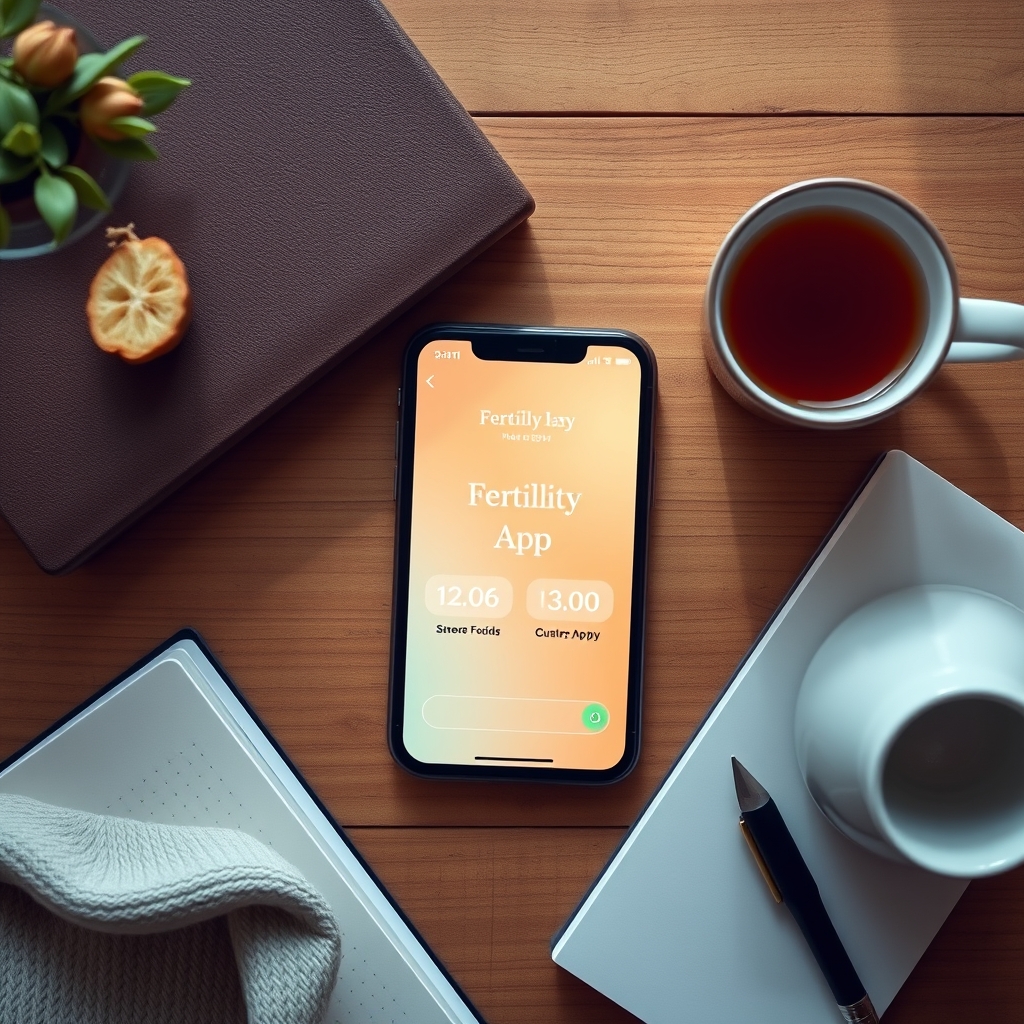
Yes, cramping during ovulation can sometimes signal pregnancy, but it’s often just normal ovulatory pain. Discover key differences and when to consult a doctor.
By Shubhra Mishra — a mom of two who turned her own confusion during pregnancy into BumpBites, a global mission to make food choices clear, safe, and stress-free for every expecting mother. 💛
Check whether any food is safe during pregnancy with the BumpBites Food Safety Checker.
Quick take: Cramping that occurs around the middle of your cycle is most often “mittelschmerz,” the normal pain of ovulation. It isn’t a reliable sign of pregnancy, although a few women notice mild discomfort when a fertilized egg implants a week later. If the pain is sharp, lasts more than a few days, or is paired with fever, heavy bleeding, or dizziness, call your provider.
It’s 2 a.m., you’re lying in bed, and a sudden twinge in your lower belly makes you wonder whether you’ve just ovulated—or if it could be an early sign of pregnancy. You’ve Googled “cramping during ovulation” and the answers are a mix of medical jargon and vague reassurance. You’re not alone—many people in the trying‑to‑conceive phase experience this exact moment of uncertainty.
In this guide we’ll explain what ovulation cramping (called mittelschmerz) is, why it happens, and how it differs from the tiny ache that sometimes follows implantation. We’ll walk through the typical timeline, list other symptoms that often accompany ovulation pain, and give you practical tools—like fertility‑app tracking and lifestyle tweaks—to tell the difference between normal mid‑cycle discomfort and something that needs medical attention.
By the end you’ll have a clear, evidence‑based answer to the headline question, “does cramping during ovulation mean pregnancy?” and a handy checklist for the next few weeks of your cycle.
Why do I feel cramping during ovulation?
Ovulation cramping, medically known as mittelschmerz (German for “middle pain”), occurs when a mature follicle on the ovary ruptures to release an egg. The rupture creates a tiny amount of fluid and blood that irritates the lining of the abdomen, causing a localized, often one‑sided ache. Hormonal shifts—particularly the surge in luteinizing hormone (LH) that triggers ovulation—also increase uterine muscle contractility, which can add to the sensation.
Most women describe the pain as a dull ache, a sharp pinch, or a sudden “stabbing” sensation that lasts anywhere from a few minutes to a couple of days. It typically appears 12–36 hours before or after the LH surge, which is why it lands in the middle of a typical 28‑day cycle (days 13–15 for many). The discomfort is usually felt on the side of the ovulating ovary, so it may be left‑sided one month and right‑sided the next.
Other common causes of mid‑cycle cramping include:
Ovarian cysts that form when the follicle does not release the egg cleanly.
Hormonal fluctuations in estrogen and progesterone that affect smooth‑muscle tone.
Minor pelvic inflammation from infections or endometriosis (though these are less common).
In the majority of cases, mittelschmerz is harmless and resolves without intervention. However, persistent or severe pain should prompt a conversation with a healthcare professional.
What’s happening on a cellular level? When the follicle ruptures, a small amount of follicular fluid leaks into the peritoneal cavity. This fluid contains blood‑derived prostaglandins, which are inflammatory mediators that can irritate the peritoneum and cause the characteristic ache. The process is self‑limiting—once the fluid is reabsorbed, the irritation fades.
Many notice a gentle, localized ache on one side when ovulation occurs.
Can ovulation cramps be a sign of pregnancy?
T
he short answer is no—ovulation cramps themselves do not indicate pregnancy. They happen *before* the egg is released, whereas pregnancy can only begin after fertilization. That said, a small portion of women report a second, milder discomfort about a week after ovulation, which is actually implantation pain rather than lingering ovulation pain.
Implantation occurs when a fertilized egg embeds itself into the uterine lining, typically 6–12 days after ovulation. This process can cause a faint, cramp‑like sensation that some people mistake for “ovulation pain that lasted too long.” Because the timing is close, the two sensations can blur together, especially if you’re tracking cycles without a medical test.
Scientific studies from the American College of Obstetricians and Gynecologists (ACOG) and the National Institute for Health and Care Excellence (NICE) note that implantation pain is reported by less than 20 % of early pregnancies and is usually very mild. It is not a reliable diagnostic sign, and most pregnancy tests will become positive before the discomfort is noticeable.
Why the confusion? Many over‑the‑counter pregnancy tests detect human chorionic gonadotropin (hCG) only after it reaches a threshold, usually around day 10‑12 post‑ovulation. The subtle implantation ache can appear just before that threshold, leading some to assume the cramp is the first “positive” sign. In practice, a confirmed test is far more trustworthy.
Difference between ovulation pain and implantation pain
Understanding the nuances can help you avoid unnecessary worry. Below is a quick comparison:
Feature
Ovulation (Mittelschmerz)
Implantation Pain
Timing in cycle
Mid‑cycle, ~day 13‑15 (depends on length)
6‑12 days after ovulation (≈ day 20‑24)
Location
One side of lower abdomen, often near the ovary
Midline or lower pelvis, may feel like mild period cramp
Duration
Minutes to 48 hours
Usually < 24 hours, sometimes a few days
Intensity
Sharp, stabbing, or dull ache; can be moderate to severe
Very mild, often described as “twinge”
Associated signs
Increased cervical mucus, possible slight spotting
Light spotting, mild nausea, breast tenderness
Both types of pain can be accompanied by subtle spotting, but implantation spotting is usually very light and occurs later in the cycle. Ovulation pain is more likely to be unilateral (one‑sided) and can be felt even if no egg is fertilized.
Clinical tip: If you’re using an ovulation predictor kit (OPK), note the day of the LH surge. Any cramp that appears more than three days after that surge is more likely to be implantation‑related, especially if you have a positive test.
How long does ovulation cramping usually last?
Most women experience ovulation cramping for less than 48 hours. A study published in the Journal of Reproductive Medicine (cited by the CDC) found that 70 % of participants reported cramps that resolved within one day, and 90 % were gone by the third day.
If the pain persists beyond three days, becomes progressively worse, or is accompanied by other concerning symptoms (fever, heavy bleeding, dizziness), it may indicate a condition such as an ovarian cyst, pelvic inflammatory disease, or—rarely—an ectopic pregnancy. In those cases, prompt medical evaluation is essential.
Why some women feel it longer: Hormonal imbalances, such as those seen in thyroid disorders, can prolong uterine contractility. In those cases, the cramp may linger into the luteal phase, prompting a clinician to investigate underlying endocrine issues.
What other symptoms accompany ovulation cramps?
Ovulation is a hormonal event, and the surge in LH and estrogen produces several recognizable signs that often appear alongside mittelschmerz:
Cervical mucus changes: Clear, stretchy, “egg‑white” mucus peaks around ovulation, making it easier for sperm to travel.
Basal body temperature (BBT) rise: A slight increase of 0.3–0.5 °F after ovulation can be detected with a daily thermometer.
Breast tenderness: Hormonal fluctuations can cause mild swelling or a tingling sensation.
Increased libido: Many people experience a natural boost in sexual desire during the fertile window.
Light spotting: Some women notice a few drops of brown or pink blood, known as “mid‑cycle spotting.”
When these signs appear together, they reinforce the likelihood that the cramp is ovulatory rather than early‑pregnancy related. Conversely, if you notice new symptoms such as severe lower‑back pain, shoulder pain, or a fever, consider seeking care.
Other subtle clues: A slight rise in heart rate (palpitations) or a mild increase in body temperature can accompany ovulation. Though not diagnostic, these cues can help you build a comprehensive picture of your cycle when logged consistently.
When should I see a doctor for ovulation‑related pain?
Most ovulation cramps are benign, but certain red‑flag symptoms merit a professional evaluation:
Pain that lasts more than 48 hours or escalates in intensity.
Sudden, sharp pain that radiates to the back or shoulder.
Heavy or prolonged vaginal bleeding (soaking a pad every hour).
Fever, chills, or signs of infection (e.g., foul discharge).
Signs of hormonal imbalance, such as irregular cycles for three consecutive months.
If you have any of these, contact your OB‑GYN, midwife, or urgent‑care clinic. Early detection of conditions like ovarian torsion or ectopic pregnancy can be lifesaving.
What to expect at the visit: The provider may order a transvaginal ultrasound to visualize the ovary and rule out cysts or torsion, and a simple blood test (CBC) if infection is suspected. Imaging is generally safe and provides rapid answers.
Does stress affect ovulation cramping?
Stress does not cause the mechanical rupture that creates ovulation pain, but it can amplify your perception of discomfort. Cortisol—the body’s stress hormone—heightens sensitivity to pain signals and may make mild cramps feel more intense.
Research from the World Health Organization (WHO) and the American Society for Reproductive Medicine (ASRM) shows that high chronic stress can disrupt the hypothalamic‑pituitary‑ovarian axis, potentially delaying ovulation or shortening the fertile window. While stress isn’t a direct cause of mittelschmerz, managing it can reduce overall pelvic tension and make the pain feel more tolerable.
Practical stress‑reduction strategies include:
Mindful breathing or short meditation sessions (5–10 minutes).
Gentle yoga or stretching focused on the lower back and hips.
Regular, moderate exercise—walking, swimming, or cycling.
Prioritizing sleep and limiting caffeine intake in the evening.
Why it matters for conception: Lower stress levels are associated with higher rates of successful implantation, according to a meta‑analysis by the ASRM. Even if stress doesn’t change the cramp itself, a calmer mind can improve timing of intercourse and overall fertility health.
How to track ovulation pain with fertility apps
Modern fertility apps let you log symptoms, cervical mucus, basal temperature, and even subjective pain scores. By consistently recording ovulation cramps, you can spot patterns that confirm they are occurring in the expected mid‑cycle window.
Here’s a step‑by‑step guide to using an app effectively:
Choose a reputable app: Options like Clue, Flo, or Ovia are clinically reviewed and let you log pain intensity on a 0–10 scale.
Enter daily data: Record BBT, mucus type, any spotting, and a brief note on cramp location and intensity.
Tag the symptom: Most apps have a “mid‑cycle pain” or “ovulation pain” tag—use it so the algorithm can learn your pattern.
Review the cycle summary: After each month, the app will highlight the day(s) where pain aligned with the LH surge, confirming ovulation timing.
Share with your provider: Export the data (PDF or CSV) for a doctor’s review if you experience persistent or severe discomfort.
Tracking not only helps you distinguish ovulation cramps from other pelvic pain but also builds a reliable picture of your fertile window—key information if you’re trying to conceive.
Logging cramp intensity in a fertility app helps you see patterns over multiple cycles.
Ovulation cramp vs. period cramp symptoms
Both types of cramping involve uterine muscle contractions, but key differences help you tell them apart:
Timing: Ovulation cramps occur mid‑cycle (days 12‑16), whereas period cramps begin 1‑2 days before menstruation.
Location: Ovulation pain is often unilateral and lower‑abdominal; period pain is usually central and may radiate to the lower back.
Associated signs: Ovulation is accompanied by fertile‑window signs (egg‑white mucus, BBT rise). Period cramps are often paired with a drop in BBT and the onset of menstrual flow.
Intensity pattern: Ovulation pain can be sharp and sudden, while period cramps are more constant and can worsen over the first 24 hours of bleeding.
Recognizing these cues can prevent misinterpretation of normal menstrual discomfort as a sign of pregnancy or ovarian issues.
Quick self‑check: If you notice a one‑sided twinge that fades before your period starts, it’s likely ovulation‑related. If the ache intensifies as bleeding begins, you’re probably dealing with dysmenorrhea (period pain).
Early pregnancy signs after ovulation
If fertilization occurs, the body begins producing hCG (human chorionic gonadotropin) about a week later. The earliest symptoms people report—often before a home pregnancy test turns positive—include:
Mild cramping or a “twinge” in the lower abdomen (implantation pain).
Light spotting (implantation bleeding).
Breast tenderness or a feeling of fullness.
Increased basal body temperature that stays elevated rather than dropping.
Subtle fatigue or mood changes.
These signs overlap with ovulation cues, so a positive pregnancy test remains the most reliable confirmation. The U.S. Food and Drug Administration (FDA) advises waiting at least 10 days after ovulation for home tests to reach peak accuracy.
Why the overlap? Both ovulation and early pregnancy involve rapid hormonal shifts—estrogen spikes at ovulation, followed by progesterone dominance after implantation. This hormonal cocktail can produce similar “early‑pregnancy‑like” sensations, which is why many people feel unsure until the test confirms.
Mid‑cycle pain and fertility: does ovulation pain indicate the fertile window?
Yes—most clinicians agree that the presence of mittelschmerz is a strong indicator that ovulation is occurring, thereby marking the fertile window. ACOG notes that women who experience ovulation pain are often within their most fertile 24‑hour period, especially if the pain is accompanied by the characteristic cervical mucus changes.
However, not every ovulating person feels pain, and the absence of cramping does not mean you’re not fertile. Using a combination of methods—cervical mucus monitoring, basal temperature, and ovulation predictor kits (OPKs)—provides the most reliable picture.
Bottom line for TTC (trying to conceive) couples: Treat ovulation cramp as a useful “natural cue” but back it up with objective data. When both the pain and a positive OPK line up, you’ve hit the sweet spot for timing intercourse.
Painful ovulation and the luteal phase: what to expect
The luteal phase follows ovulation and lasts about 12‑14 days. If you experienced ovulation pain, it should subside before the luteal phase begins. Persistent pain into the luteal phase could suggest an ovarian cyst that formed after the egg was released, or a hormonal imbalance that is prolonging uterine contractility.
Women with luteal‑phase pain sometimes report a lingering dull ache that is less intense than the original ovulation cramp. If the pain persists beyond day 21 of a 28‑day cycle, consider an ultrasound to rule out cysts or other structural issues, as recommended by NICE guidelines.
When to act: A persistent ache that coincides with a drop in progesterone (often felt as a “heavy” sensation) warrants a quick check‑up. Early identification of luteal‑phase defects can improve pregnancy chances with targeted therapy.
Can I get pregnant if I have ovulation cramps?
Absolutely—ovulation cramps do not hinder fertilization. In fact, the pain often signifies that the egg has been released, placing you squarely in the fertile window. Studies from the CDC show that pregnancy rates are similar for women who report mittelschmerz and those who do not, provided they have intercourse during the fertile days.
What matters most is timing intercourse (or insemination) within 24 hours before or after the LH surge. Ovulation pain can be a helpful natural cue, especially when combined with other fertility signs.
Couple tip: If you’re using a shared calendar, mark the day of the cramp and schedule intercourse the night before or the morning after. This “double‑up” strategy maximizes sperm exposure during the brief window of egg viability.
How to differentiate ovulation pain from ectopic pregnancy
Ectopic pregnancy—where a fertilized egg implants outside the uterus, most commonly in a fallopian tube—can present with pelvic pain that mimics ovulation cramping. Key distinguishing features include:
Onset timing: Ectopic pain often begins after ovulation, typically 5‑8 weeks gestation (i.e., after a missed period).
Severity: Pain is usually sharp, constant, and may radiate to the shoulder.
Bleeding: Light to heavy vaginal bleeding that is irregular.
Systemic signs: Dizziness, faintness, or signs of shock.
If you experience any of these after ovulation, especially with a positive pregnancy test, seek emergency care immediately. Early detection is crucial, and the Royal College of Obstetricians and Gynaecologists (RCOG) recommends prompt ultrasound evaluation.
Red‑flag reminder: An ectopic pregnancy is a medical emergency. Even if you suspect it’s just lingering ovulation pain, a quick ultrasound can rule out this life‑threatening condition.
Ovulation cramping after stopping hormonal birth control
When you discontinue hormonal contraceptives—whether combined pills, the patch, or the ring—the body needs time to re‑establish its natural ovulatory rhythm. During this adjustment period, many people notice more pronounced mittelschmerz, sometimes lasting a few days longer than usual.
Research from the NHS indicates that the first few cycles after stopping birth control can be irregular, with variable LH surges. This variability can make the follicular rupture feel more intense, especially if the ovary releases multiple follicles (a “mini‑cycle”). Most clinicians reassure patients that the discomfort typically fades within three to six months as the hypothalamic‑pituitary‑ovarian axis stabilizes.
Practical advice: Keep a symptom diary for the first three cycles, note any unusually strong pain, and discuss persistent or severe symptoms with your provider. In rare cases, a lingering hormonal imbalance may warrant a short course of low‑dose estrogen‑progestin to smooth the transition.
Ovulation cramping and polycystic ovary syndrome (PCOS)
PCOS is characterized by irregular ovulation, often with multiple small follicles that never fully mature. Women with PCOS may experience intermittent mid‑cycle aches, but the pattern is less predictable than classic mittelschmerz.
Studies from the American Society for Reproductive Medicine (ASRM) show that up to 40 % of people with PCOS report chronic pelvic discomfort, partly due to hormonal imbalances and occasional ovarian cyst formation. Because ovulation may be delayed or absent, cramping is not a reliable fertility marker in PCOS; instead, tracking LH surges with blood tests or OPKs is recommended.
When to seek help: If you have persistent pain, enlarged ovaries on ultrasound, or difficulty achieving ovulation, a fertility specialist can discuss ovulation‑inducing medications (e.g., letrozole or clomiphene) that often reduce both cyst formation and associated cramping.
From our medical team: Ovulation cramping is a normal, often reassuring sign that your body is preparing for conception. Keep a symptom diary, stay hydrated, and use a reliable fertility tracking method. If pain becomes severe, lasts more than a couple of days, or is accompanied by concerning symptoms, schedule an appointment. Early evaluation can rule out cysts, infections, or rarer complications like ectopic pregnancy.
Myth vs. fact
Myth: Cramping in the middle of your cycle means you’re already pregnant.
Fact: Mid‑cycle cramping is usually ovulation pain, which occurs before any possible pregnancy. Implantation pain, if it happens, is mild and occurs later in the cycle.
Myth: If you don’t feel any pain, you’re not ovulating.
Fact: Many people ovulate without noticeable discomfort. Use objective signs—cervical mucus, BBT, or OPK results—to confirm ovulation.
Myth: Stress can cause ovulation cramps to become a sign of infertility.
Fact: Stress can heighten pain perception but does not stop the egg from releasing. Managing stress improves overall reproductive health, but ovulation pain alone is not a sign of infertility.
Key takeaways
Ovulation cramping (mittelschmerz) is normal and usually lasts less than 48 hours.
The pain is a sign that the egg has been released, not that you’re already pregnant.
Implantation pain, if present, is mild, occurs later (≈ day 20‑24), and is not a reliable pregnancy indicator.
Track pain, mucus, and temperature in a fertility app to confirm timing and improve conception chances.
Seek medical care if pain is severe, lasts > 48 hours, or is accompanied by fever, heavy bleeding, or dizziness.
Stress can amplify pain perception; regular relaxation, sleep, and gentle exercise help.
After stopping hormonal birth control, expect a possible increase in cramp intensity for a few cycles.
PCOS can make ovulation pain less predictable; consider medical monitoring if cycles are irregular.
Frequently asked questions
Can ovulation cramps be a sign of pregnancy?
No. Ovulation cramps happen before the egg is released, while pregnancy can only begin after fertilization. A later, milder ache may be implantation pain, but it is not a definitive sign of pregnancy.
How can I tell if my cramping is ovulation or implantation?
Ovulation cramping occurs mid‑cycle (around day 13‑15) and is usually one‑sided and sharp. Implantation pain appears 6‑12 days after ovulation, is milder, and may be accompanied by light spotting.
Is it normal to have pain during ovulation?
Yes. About 20‑30 % of people report some discomfort during ovulation, and it is considered a normal physiological response to the follicle’s rupture.
What does it mean if I have cramping after ovulation?
Cramping that continues beyond 48 hours after ovulation could indicate a cyst, hormonal imbalance, or, rarely, an ectopic pregnancy. Consult your provider if the pain is persistent or severe.
When should I be concerned about ovulation pain?
Seek care if the pain is sharp and constant, lasts more than two days, is paired with heavy bleeding, fever, or dizziness, or if you suspect an ovarian cyst or ectopic pregnancy.
Can stress cause cramping during ovulation?
Stress doesn’t cause the ovulation itself, but it can make you more sensitive to the discomfort. Managing stress with relaxation techniques can lessen perceived pain.
Does exercise affect ovulation cramping?
Gentle exercise—like walking or prenatal yoga—can improve blood flow and reduce pelvic tension, potentially easing mittelschmerz. However, high‑impact activities that strain the abdomen may aggravate pain, so listen to your body and choose low‑impact options on cramp days.
Can I take pain relievers for ovulation cramps safely?
Acetaminophen (paracetamol) is generally considered safe in pregnancy and can be used for mild ovulation pain. Non‑steroidal anti‑inflammatory drugs (NSAIDs) such as ibuprofen are usually avoided in the first trimester because they may interfere with implantation; discuss any medication use with your provider.
When to call your doctor
If you experience any of the following, contact your healthcare provider promptly: severe or worsening pain, pain lasting more than 48 hours, heavy vaginal bleeding, fever, chills, dizziness, or sudden shoulder pain. Remember, this article is for informational purposes only and does not replace personalized medical advice.
References
American College of Obstetricians and Gynecologists (ACOG). “Ovulation Pain (Mittelschmerz).” Clinical Guidance, 2023.
National Institute for Health and Care Excellence (NICE). “Fertility: Assessment and Treatment for People Trying to Conceive.” NICE Guideline NG142, 2022.
World Health Organization (WHO). “Stress and Reproductive Health.” WHO Reproductive Health Series, 2021.
U.S. Food and Drug Administration (FDA). “Home Pregnancy Test Accuracy.” Consumer Health Information, 2022.
Royal College of Obstetricians and Gynaecologists (RCOG). “Ectopic Pregnancy.” Clinical Practice Guidelines, 2023.
Centers for Disease Control and Prevention (CDC). “Reproductive Health: Ovulation and Fertility.” CDC Health Topics, 2023.
American Society for Reproductive Medicine (ASRM). “Stress and Fertility.” ASRM Clinical Recommendations, 2022.
Journal of Reproductive Medicine. “Prevalence and Duration of Ovulation Pain in a Cohort of Women Attempting Conception.” 2021.
National Health Service (NHS). “Fertility after stopping the pill.” NHS Women’s Health, 2022.
American Society for Reproductive Medicine (ASRM). “PCOS and Ovulation Pain.” ASRM Clinical Bulletin, 2021.
Not sure about the label on Does Cramping During Ovulation Mean Pregnancy products?
Snap the ingredients list and SafeFilter checks every ingredient for your stage — only 3 free scans this month, then you're locked until reset. Unlimited from $7/mo or $50/yr.
When Shubhra Mishra was expecting her first child in 2016, she was overwhelmed by conflicting food advice — one site said yes, another said never. By the time her second baby arrived in 2019, she realized millions of mothers face the same confusion.
That sparked a five-year journey through clinical nutrition papers, cultural diets, and expert conversations — all leading to BumpBites: a calm, compassionate space where science meets everyday motherhood.
Her long-term vision is to build a global community ensuring safe, supported, and free deliveriesfor every mother — because no woman should face pregnancy alone or uninformed. 🌿
🌍 Stand with mothers, shape safer guidance
Join a small circle of experts who review BumpBites articles so expecting parents everywhere can decide with confidence.