Cramping during ovulation doesn’t mean pregnancy. Learn why it happens, how to tell it apart from early pregnancy signs, and when to see a doctor.
By Shubhra Mishra — a mom of two who turned her own confusion during pregnancy into BumpBites, a global mission to make food choices clear, safe, and stress-free for every expecting mother. 💛
Check whether any food is safe during pregnancy with the BumpBites Food Safety Checker.
Quick take: Experiencing cramping during ovulation doesn't mean you're pregnant right now. Instead, it's a helpful sign that your body is ovulating — releasing an egg — which means you're in your fertile window and have the opportunity to conceive. Early pregnancy cramps happen later, around the time of implantation.
It’s a familiar feeling for many: that subtle twinge or ache in your lower abdomen, often around the middle of your cycle. If you’re trying to conceive, it’s natural to wonder, "Does cramping during ovulation mean pregnancy?" This mid-cycle discomfort can be confusing, especially when you’re eagerly looking for any sign that conception has occurred.
The short answer is no, cramping during ovulation itself doesn't indicate pregnancy. Rather, it’s a signal that your body is preparing for or actively releasing an egg, which is exactly when you have the chance to get pregnant. Early pregnancy cramps, on the other hand, typically occur much later in your cycle, usually after a fertilized egg has implanted in your uterus.
In this article, we'll dive into what causes ovulation cramping, how to tell the difference between ovulation pain and early pregnancy signs, and what to do if you’re trying to conceive. We'll also help you understand when to take a pregnancy test and when to reach out to your healthcare provider for advice.
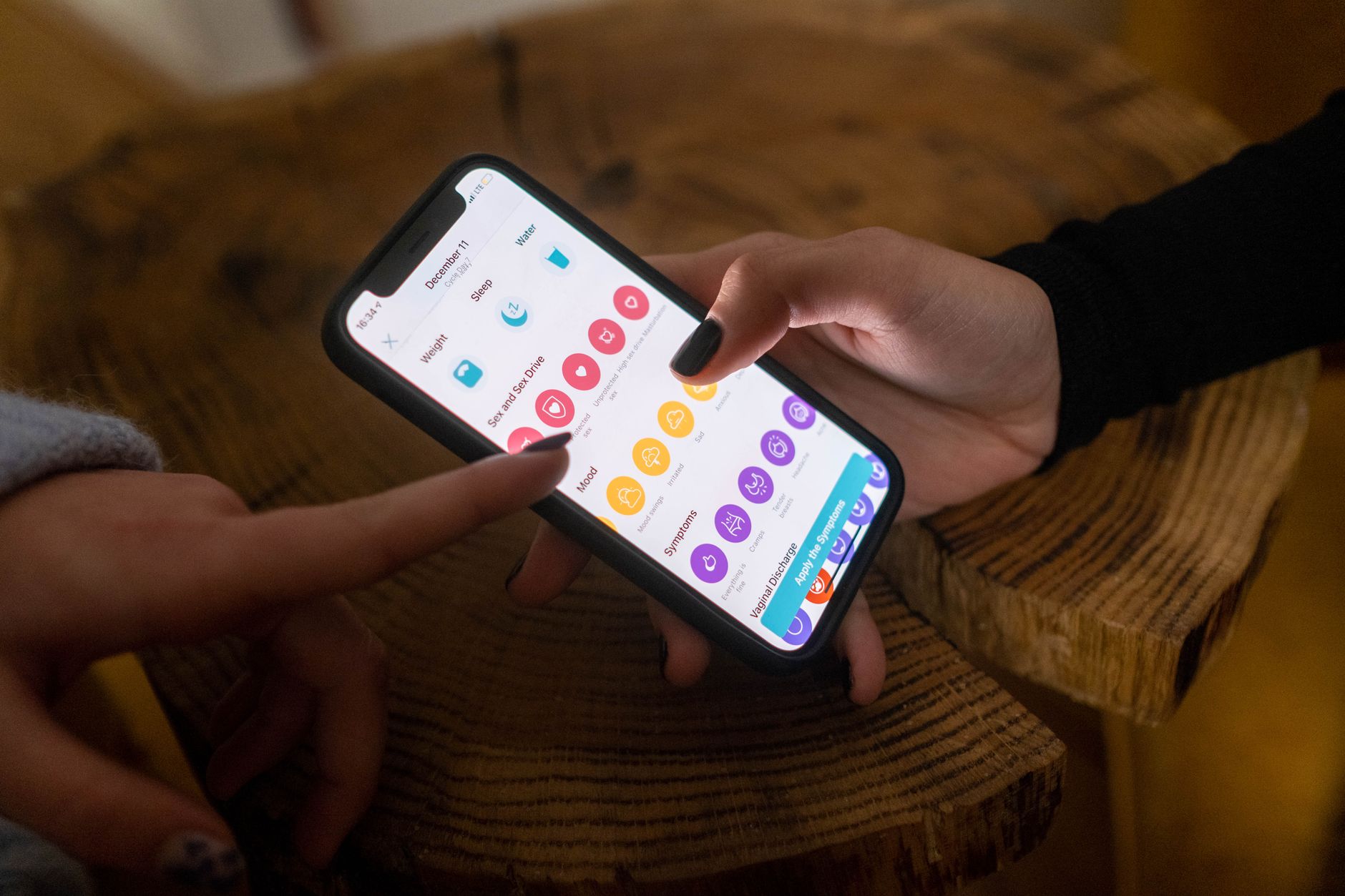
Tracking your cycle, including ovulation cramping, can help you identify your fertile window.
Is ovulation cramping a sign of pregnancy or just ovulation pain?
Ovulation cramping, often referred to as "Mittelschmerz" (German for "middle pain"), is a common sensation that signals your body is ovulating, not that you're pregnant. This pain typically occurs about 10 to 14 days before your next period, right around the time an egg is released from one of your ovaries. It's an important biological indicator, telling you that your body is in its fertile phase.
The exact cause of Mittelschmerz isn't always clear, but experts believe it can be due to a few factors. As your ovary prepares to release an egg, the follicle — a fluid-filled sac containing the egg — grows and stretches the ovarian wall. When the egg is finally released, the follicle ruptures, and sometimes a small amount of fluid or blood is also released. This fluid can irritate the lining of your abdominal cavity, leading to the cramping sensation. It's a normal physiological process, and for many women, it's a helpful sign that they are fertile.
Many women describe ovulation pain as a dull ache, a sharp twinge, or a cramp on one side of their lower abdomen. This sensation can vary in intensity from a mild discomfort you barely notice to a more noticeable pain that might last for a few hours or even a couple of days. Since your ovaries alternate releasing eggs each month, you might feel the pain on a different side of your body from one cycle to the next.
It’s important to distinguish this from cramps that might occur if you were pregnant. Pregnancy-related cramping, often called implantation cramping, happens much later. It occurs when a fertilized egg attaches itself to the uterine wall, typically 6 to 12 days after fertilization. This is usually around the time you would expect your period, or a few days before, making it distinct from the mid-cycle timing of ovulation pain.
So, while ovulation cramping is a strong indicator of your fertile window, it doesn't mean you've already conceived. It simply means your body is doing its job to make conception possible.
What does it mean if I have cramping but no bleeding?
Experiencing cramping without bleeding during ovulation is very common and usually nothing to worry about. As we mentioned, the pain is often caused by the growing follicle stretching the ovary or the release of fluid/blood after the egg ruptures from the follicle. This fluid typically doesn't lead to external bleeding. Some women might notice very light spotting or a brownish discharge around ovulation, but many do not experience any visible bleeding at all. If you're having cramps without bleeding, and they fit the typical pattern of Mittelschmerz, it's likely just a normal sign of ovulation.
Is it normal to have abdominal pain during ovulation?
Absolutely, it's very normal to experience some abdominal pain or discomfort during ovulation. Studies suggest that up to 20-40% of women experience Mittelschmerz regularly. The intensity varies greatly from person to person and even from cycle to cycle for the same individual. For some, it's a barely perceptible twinge, while for others, it can be a more pronounced ache that requires mild pain relief. As long as the pain is manageable, doesn't last too long, and isn't accompanied by concerning symptoms like fever or unusually heavy bleeding, it's considered a normal part of the menstrual cycle for many.
How long does ovulation cramping last and when should I be concerned?
Ovulation cramping, or Mittelschmerz, is usually a fleeting discomfort. Most women who experience it find that the pain lasts anywhere from a few minutes to a couple of hours. In some cases, it might extend for up to 24 to 48 hours. The duration is typically short-lived and resolves on its own without intervention. It's often described as a sharp, localized pain on one side of the lower abdomen, corresponding to the ovary that is releasing the egg that month.
This pain often occurs around day 14 of a typical 28-day cycle, but timing can vary significantly depending on your individual cycle length. It can happen anywhere from day 10 to day 18. Tracking your cycle and symptoms can help you identify your own unique pattern.
While ovulation pain is generally normal, there are times when it warrants closer attention from your healthcare provider. You should be concerned and contact your doctor or midwife if:
The pain is severe, unbearable, or doesn't improve with over-the-counter pain relievers.
The pain lasts longer than 48 hours.
You experience fever, chills, or dizziness alongside the cramping.
The pain is accompanied by unusual or heavy vaginal bleeding, or very foul-smelling discharge.
You have pain during urination or bowel movements.
The pain is persistent or worsens over several cycles.
You suspect the pain might be related to something other than ovulation, such as an ovarian cyst, appendicitis, or an ectopic pregnancy (if you've had unprotected sex).
These symptoms could indicate an underlying condition that requires medical evaluation. It's always best to err on the side of caution when it comes to your health, especially when you're trying to conceive or are pregnant.
Does birth control affect ovulation cramping?
Yes, hormonal birth control methods, such as the pill, patch, ring, or hormonal IUD, often stop ovulation from occurring. Since ovulation is the event that triggers Mittelschmerz, using these types of birth control typically eliminates ovulation cramping. If you were experiencing noticeable ovulation pain before starting birth control and it disappears afterward, this is a normal and expected effect. If you're on birth control and still experiencing mid-cycle cramping, it's worth discussing with your doctor to rule out other causes or to ensure your birth control method is effectively suppressing ovulation.
Can stress increase ovulation cramping?
While stress doesn't directly cause ovulation cramping, it can certainly influence how you perceive pain and may even impact your menstrual cycle. High levels of stress can sometimes delay ovulation or make cycle irregularities more pronounced. When you're stressed, your body's pain perception can be heightened, meaning you might feel normal physiological sensations, like ovulation cramping, more intensely. Additionally, stress can contribute to general abdominal discomfort or muscle tension, which might be confused with or exacerbate ovulation pain. Managing stress through techniques like mindfulness, yoga, or deep breathing can be beneficial for overall well-being and may help reduce the perception of discomfort throughout your cycle.
Can I get pregnant if I experience cramping during ovulation?
Yes, absolutely! Experiencing cramping during ovulation is actually a very good sign if you're trying to get pregnant. It means your body is actively ovulating, which is the release of a mature egg from your ovary. This event marks the most fertile part of your menstrual cycle.
For pregnancy to occur, a sperm needs to fertilize an egg. The egg is only viable for about 12 to 24 hours after it's released. However, sperm can live inside the female reproductive tract for up to 5 days. This means your "fertile window" includes the 5 days leading up to ovulation and the day of ovulation itself. If you're experiencing Mittelschmerz, you know you're right in the middle of this crucial window.
Many couples trying to conceive use ovulation pain, along with other signs like changes in cervical mucus or a positive ovulation predictor kit (OPK), to time intercourse. Having sex during this fertile window significantly increases your chances of conception. So, rather than being a sign of pregnancy itself, ovulation cramping is a biological cue that your body is ready to make a baby.
If you're noticing ovulation cramping, it's an excellent time to focus your efforts on intercourse. The most fertile days are typically the day of ovulation and the one to two days leading up to it. If you're not sure about your cycle, consider tracking your basal body temperature (BBT) or using OPKs to get a more precise understanding of your ovulation timing.
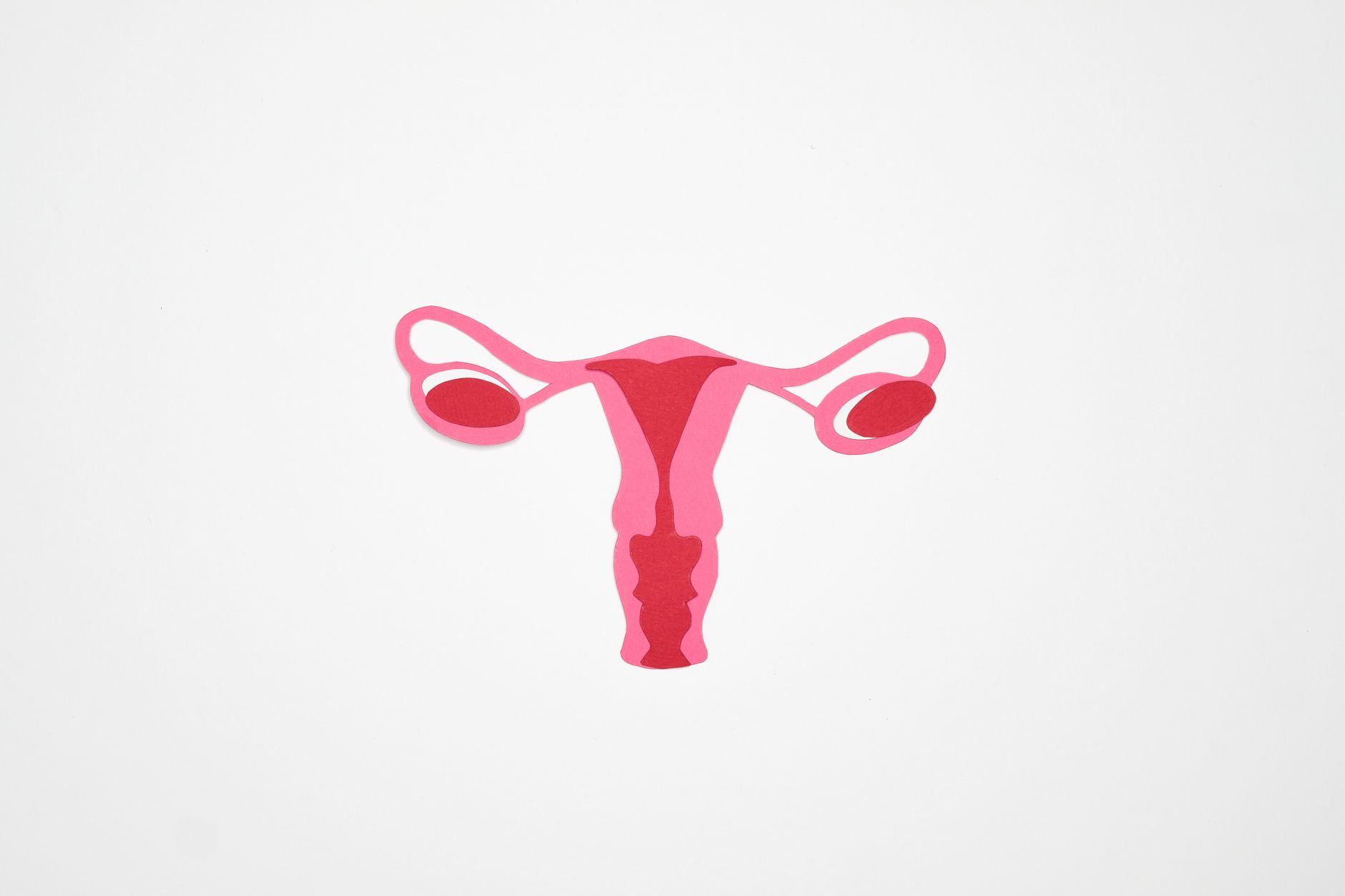
Ovulation cramping occurs when an egg is released from the ovary, making it your most fertile time.
What are the differences between ovulation pain and early pregnancy cramps?
It's very easy to confuse ovulation pain with early pregnancy cramps, especially when you're hoping for a positive test. However, there are distinct differences in their timing, sensation, and what causes them. Understanding these distinctions can help you interpret what your body is telling you.
Ovulation Pain (Mittelschmerz):
Timing: Occurs mid-cycle, usually 10-14 days before your next expected period. This is when an egg is released.
Sensation: Often described as a sharp, sudden twinge, a dull ache, or a cramp on one side of the lower abdomen (left or right, depending on which ovary released the egg).
Duration: Typically short-lived, lasting from a few minutes to a couple of hours, sometimes up to 1-2 days.
Cause: Thought to be due to the growing follicle stretching the ovary, the rupture of the follicle, and/or the release of fluid or blood that irritates the abdominal lining.
Associated symptoms: May be accompanied by changes in cervical mucus (clear, stretchy, "egg-white" consistency), slight increase in basal body temperature (BBT) *after* ovulation, or a positive ovulation predictor kit (OPK). Rarely, very light spotting.
Early Pregnancy Cramps (Implantation Cramps):
Timing: Occurs later in your cycle, usually 6-12 days *after* ovulation, and often around the time you would expect your period (or a few days before your missed period). This is when a fertilized egg implants into the uterine wall.
Sensation: Often described as mild uterine cramping, similar to very light menstrual cramps, but generally less intense. It's usually felt centrally in the lower abdomen, rather than on one side.
Duration: Usually very brief, lasting only a few hours or a day, and often intermittent.
Cause: Believed to be caused by the fertilized egg burrowing into the nutrient-rich lining of the uterus, potentially causing minor irritation or disruption to blood vessels.
Associated symptoms: May be accompanied by very light spotting or "implantation bleeding" (pinkish or brownish discharge, much lighter than a period), breast tenderness, fatigue, mild nausea, and increased sense of smell.
Here's a comparison table to help differentiate between the two:
Feature
Ovulation Cramping (Mittelschmerz)
Early Pregnancy Cramping (Implantation)
Timing in cycle
Mid-cycle (10-14 days before next period)
Late cycle (6-12 days after ovulation, around period time)
Location
One side of lower abdomen (left or right)
Central lower abdomen/uterus
Sensation
Sharp twinge, dull ache, cramping; can be moderate
Mild, light uterine cramping; usually less intense than period
Light implantation spotting, breast tenderness, fatigue, nausea
Meaning
You are currently fertile (egg released)
Possible early sign of pregnancy (fertilized egg implanted)
One common experience shared by many women is the difficulty in distinguishing these sensations. As one reader shared, "I always felt a sharp little jab when I ovulated, but when I was actually pregnant, the cramps were much softer, like a fluttery feeling, and they were right in the middle." Paying close attention to the specific timing and characteristics of your cramps can provide valuable clues.
Should I take a pregnancy test after having cramping during ovulation?
It's completely understandable to feel excited and hopeful when you experience any new sensation while trying to conceive. However, taking a pregnancy test immediately after having cramping during ovulation is generally too early to get an accurate result.
Here's why: Ovulation cramping signals that an egg has been released. If conception occurs, it happens when sperm meets that egg in the fallopian tube. After fertilization, the newly formed embryo travels down to the uterus, a process that takes several days. Once in the uterus, the embryo needs to implant into the uterine lining. This implantation typically happens 6 to 12 days *after* ovulation.
A pregnancy test works by detecting the hormone human chorionic gonadotropin (hCG) in your urine or blood. Your body only starts producing hCG *after* the fertilized egg has successfully implanted in your uterus. If you take a test too early, before implantation has occurred or before enough hCG has built up in your system, you'll get a negative result, even if you are pregnant.
When to take a pregnancy test:
After a missed period: The most reliable time to take a home pregnancy test is on or after the day of your missed period. By this time, if you are pregnant, enough hCG should have accumulated to be detected by most over-the-counter tests.
About two weeks after ovulation: If you know your ovulation date, waiting approximately 14 days after ovulation (which is usually when your period would be due) gives the most accurate results.
Early detection tests: Some highly sensitive tests claim to detect pregnancy a few days before your missed period. While these can sometimes work, they are more prone to false negatives because hCG levels might still be very low. It's often recommended to retest a few days later if you get a negative result but still suspect pregnancy.
So, if you've had ovulation cramping, use it as a sign to time intercourse if you're trying to conceive, but hold off on the pregnancy test for at least two weeks. This patience will help you avoid disappointment from a false negative and give you the most accurate answer.
Can ovulation cramps cause a positive pregnancy test?
No, ovulation cramps themselves cannot cause a positive pregnancy test. A positive pregnancy test is triggered by the presence of human chorionic gonadotropin (hCG), a hormone produced only after a fertilized egg has implanted in the uterus. Ovulation cramps are a physiological event related to the release of an egg, and they occur *before* any fertilization or implantation could have happened. Therefore, any hCG detectable by a pregnancy test would not be present during ovulation cramping. If you experience ovulation cramps and later get a positive pregnancy test, the positive result is due to a pregnancy that occurred *after* the ovulation event, not because of the cramps themselves.
How many days after ovulation can cramping indicate pregnancy?
Cramping that might indicate pregnancy (implantation cramping) typically occurs 6 to 12 days after ovulation. This is the window when a fertilized egg travels to and then burrows into the uterine lining. So, if you experience cramping that feels different from your usual ovulation pain and it happens in this later timeframe, it could potentially be an early sign of pregnancy. However, not all women experience implantation cramping, and it's often very mild and brief, making it easy to miss or confuse with other sensations.
Do hormonal changes cause cramping during ovulation and affect pregnancy chances?
Hormonal changes are the driving force behind your entire menstrual cycle, including ovulation and the cramping that can accompany it. Understanding these hormonal shifts can shed light on why you feel mid-cycle pain and how they relate to your chances of getting pregnant.
The menstrual cycle is orchestrated by a complex interplay of hormones:
Follicle-Stimulating Hormone (FSH): At the beginning of your cycle, FSH stimulates the growth of several follicles in your ovaries.
Estrogen: As these follicles grow, they produce estrogen. Rising estrogen levels cause the uterine lining to thicken and also signal the brain to prepare for ovulation.
Luteinizing Hormone (LH) Surge: When estrogen levels reach a peak, it triggers a surge in LH. This LH surge is the immediate signal for the dominant follicle to rupture and release the egg. This LH surge happens approximately 24-36 hours before ovulation.
Ovulation: The moment the egg is released from the ovary. It's during or immediately after this release that some women experience Mittelschmerz. The stretching of the ovarian wall by the growing follicle and the subsequent rupture and release of fluid are directly linked to these hormonal events.
Progesterone: After ovulation, the ruptured follicle transforms into the corpus luteum, which starts producing progesterone. Progesterone helps maintain the uterine lining, preparing it for a potential pregnancy. If pregnancy doesn't occur, progesterone levels drop, triggering your period.
So, the cramping you feel during ovulation is a direct result of these hormonal changes, particularly the events surrounding the LH surge and egg release. It signifies that your body is actively engaging in the process necessary for conception.
How hormonal changes affect pregnancy chances:
The entire purpose of these hormonal fluctuations is to create the optimal conditions for pregnancy. Ovulation cramping, by indicating egg release, tells you that the "window of opportunity" is open. The rising estrogen levels create favorable cervical mucus (thin, slippery, and stretchy), which helps sperm travel to the egg. The subsequent rise in progesterone prepares the uterus for implantation. Therefore, feeling ovulation cramps means your body is functioning correctly in terms of preparing for pregnancy.
However, while ovulation cramping indicates that ovulation is occurring, it doesn't guarantee conception. Many factors influence pregnancy chances, including sperm quality, the health of the egg, timing of intercourse, and overall reproductive health. But knowing you're ovulating, potentially through Mittelschmerz, allows you to time intercourse effectively, which is a major step in increasing your chances.
What other symptoms accompany ovulation cramping that might indicate pregnancy?
It's crucial to differentiate between symptoms that accompany ovulation (and thus, ovulation cramping) and those that might indicate early pregnancy. Remember, ovulation cramping itself is *not* a sign of pregnancy. However, if you've ovulated and then later experience cramping that *is* an early sign of pregnancy, it might be accompanied by other subtle symptoms.
Symptoms that typically accompany *ovulation cramping*:
Changes in cervical mucus: Leading up to and during ovulation, many women notice their cervical mucus becomes clear, slippery, and stretchy, resembling raw egg whites. This "fertile quality" mucus helps sperm travel.
Increased libido: Some women report a natural increase in sex drive around ovulation, a biological drive to encourage conception.
Slight breast tenderness: Hormonal shifts around ovulation can sometimes cause mild breast tenderness, but this is usually less pronounced than pregnancy-related tenderness.
Positive ovulation predictor kit (OPK): An OPK detects the LH surge that precedes ovulation. If you're using these, a positive result will coincide with or just before your ovulation cramping.
Slight rise in basal body temperature (BBT): Your BBT typically rises by about 0.5 to 1 degree Fahrenheit *after* ovulation and stays elevated until your next period. This confirms ovulation has occurred, but doesn't predict it.
Symptoms that might accompany *implantation cramping* (a potential early sign of pregnancy, occurring later in the cycle):
If you're experiencing mild, central cramping around the time of your expected period, and it's accompanied by some of these symptoms, it *could* be an early indication of pregnancy:
Implantation spotting: Very light pink or brown spotting that lasts for only a day or two, much lighter than a regular period. This occurs when the fertilized egg implants.
Nausea or "morning sickness": This can begin as early as two weeks after conception, although for many, it starts a bit later. It's not limited to mornings.
Fatigue: Feeling unusually tired, even after adequate rest, is a very common early pregnancy symptom.
Breast changes: Tenderness, swelling, tingling, or darkening of the nipples can start very early in pregnancy.
Frequent urination: Hormonal changes and increased blood volume can lead to more frequent trips to the bathroom.
Heightened sense of smell: Many pregnant women report an increased sensitivity to odors, sometimes finding previously pleasant smells now irritating.
Food cravings or aversions: Sudden strong desires or dislikes for certain foods can develop.
It's important to remember that many of these early pregnancy symptoms can also be attributed to premenstrual syndrome (PMS) or other factors. The only definitive way to confirm pregnancy is with a positive pregnancy test and subsequent confirmation by a healthcare provider.
Listen to your body, but remember that many early symptoms can be tricky to interpret on their own.
From our medical team: "It's normal to feel a bit confused by your body's signals when you're trying to conceive. Ovulation pain, or Mittelschmerz, is a distinct mid-cycle event that simply means your body is fertile. Don't mistake it for pregnancy, but rather as an excellent cue to time intercourse. If you're concerned about any persistent or severe pain, or if you're ever unsure about your symptoms, always reach out to your GP or midwife. They can provide personalized advice and rule out any other causes."
Myth vs. fact
There's a lot of information and misinformation floating around when it comes to fertility and early pregnancy. Let's clear up some common myths about ovulation cramping:
Myth: If you feel ovulation cramping, it means you're already pregnant.
Fact: Ovulation cramping is a sign that your body is ovulating—releasing an egg. This is the time when you *can* get pregnant, not a sign that you *are* pregnant. Pregnancy can only be confirmed after implantation and the subsequent production of hCG.
Myth: Severe ovulation pain means you are more fertile than someone who doesn't feel it.
Fact: The intensity of ovulation pain varies greatly from person to person and doesn't correlate with your fertility level. Some women are highly fertile and feel no Mittelschmerz at all, while others have noticeable pain every month and may or may not conceive easily. It's simply a physiological sensation, not a measure of your reproductive potential.
Myth: You can only get pregnant on the exact day you feel ovulation cramping.
Fact: While the day of ovulation is your most fertile day, your fertile window actually extends for about 5 days before ovulation and includes the day of ovulation itself. This is because sperm can live for several days in the reproductive tract, waiting for the egg to be released. So, even if you have sex a few days before your ovulation cramps, you still have a good chance of conceiving.
Key takeaways
Ovulation cramping (Mittelschmerz) is a normal mid-cycle pain indicating you're ovulating, not pregnant.
It typically lasts minutes to 48 hours and occurs on one side of your lower abdomen.
Experiencing ovulation cramps means you are in your fertile window, making it a good time to try to conceive.
Early pregnancy (implantation) cramps occur later in your cycle (6-12 days after ovulation) and are usually milder and more central.
Do not take a pregnancy test immediately after ovulation cramping; wait until your missed period for accurate results.
Hormonal changes are responsible for both ovulation and its associated cramping, signaling your body's readiness for conception.
If cramps are severe, prolonged, or accompanied by fever or unusual discharge, contact your doctor.
Frequently asked questions
Can ovulation cramps cause a positive pregnancy test?
No, ovulation cramps themselves cannot cause a positive pregnancy test. A pregnancy test detects the hormone hCG, which is only produced after a fertilized egg has implanted in the uterus. Ovulation occurs before any potential fertilization or implantation, meaning hCG would not be present in your system at that time.
How many days after ovulation can cramping indicate pregnancy?
Cramping that might indicate pregnancy, known as implantation cramping, typically occurs 6 to 12 days after ovulation. This is when a fertilized egg attaches to the uterine wall. Any cramping occurring earlier than this, around the middle of your cycle, is more likely related to ovulation itself.
Is it normal to have abdominal pain during ovulation?
Yes, it is very normal to have abdominal pain during ovulation. This pain, called Mittelschmerz, is experienced by many women and can range from a mild twinge to a more noticeable ache. It's a normal physiological response to the processes of egg release.
What does it mean if I have cramping but no bleeding?
Having cramping without bleeding during ovulation is common and usually normal. The cramping is often caused by the follicle growing or rupturing, or by the release of fluid, none of which necessarily cause visible bleeding. Some women might experience very light spotting, but its absence doesn't mean anything is wrong.
Can I get pregnant if I have pain during ovulation?
Yes, absolutely! Experiencing pain during ovulation is a strong indicator that you are ovulating, meaning an egg has been released and you are in your fertile window. Having intercourse around this time significantly increases your chances of getting pregnant, as sperm can fertilize the egg.
Do hormonal fluctuations cause cramping during ovulation?
Yes, hormonal fluctuations are the direct cause of cramping during ovulation. The surge in Luteinizing Hormone (LH) triggers the release of the egg, and the subsequent rupture of the follicle and release of fluid are physiological events driven by these hormones, leading to the sensation of Mittelschmerz.
When to call your doctor
While ovulation cramping is usually a normal and harmless part of your cycle, certain symptoms warrant a call to your healthcare provider. Please contact your doctor or midwife if you experience:
Severe, debilitating pain that doesn't improve with over-the-counter pain relief.
Cramping that lasts longer than 48 hours or is unusually persistent.
Fever, chills, or dizziness accompanying the pain.
Unusual or heavy vaginal bleeding, or foul-smelling discharge.
Pain during intercourse or urination.
Any new, concerning, or worsening abdominal pain, especially if you think you might be pregnant.
This article is for informational purposes only and is not a substitute for professional medical advice. Always consult with your healthcare provider for any health concerns or before making any decisions related to your health or treatment.
Not sure about the label on Does Cramping During Ovulation Mean Pregnancy Guide products?
Snap the ingredients list and SafeFilter checks every ingredient for your stage — only 3 free scans this month, then you're locked until reset. Unlimited from $7/mo or $50/yr.
When Shubhra Mishra was expecting her first child in 2016, she was overwhelmed by conflicting food advice — one site said yes, another said never. By the time her second baby arrived in 2019, she realized millions of mothers face the same confusion.
That sparked a five-year journey through clinical nutrition papers, cultural diets, and expert conversations — all leading to BumpBites: a calm, compassionate space where science meets everyday motherhood.
Her long-term vision is to build a global community ensuring safe, supported, and free deliveriesfor every mother — because no woman should face pregnancy alone or uninformed. 🌿
🌍 Stand with mothers, shape safer guidance
Join a small circle of experts who review BumpBites articles so expecting parents everywhere can decide with confidence.