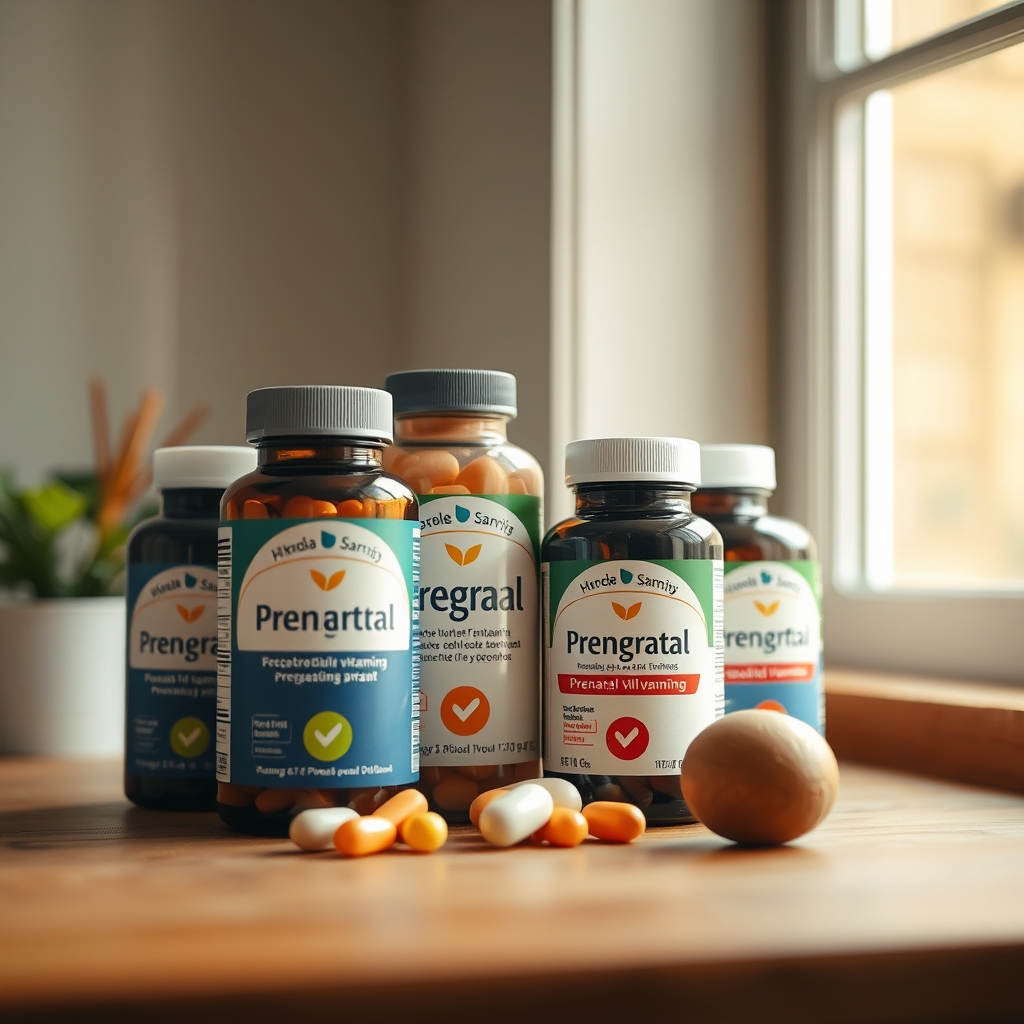
Prenatal vitamins don’t directly boost fertility, but they support reproductive health. Learn what studies show about their role in helping you get pregnant.
By Shubhra Mishra — a mom of two who turned her own confusion during pregnancy into BumpBites, a global mission to make food choices clear, safe, and stress-free for every expecting mother. 💛
Check whether any food is safe during pregnancy with the BumpBites Food Safety Checker.
Quick take: Taking a prenatal vitamin before you’re pregnant can improve the nutritional environment for conception, especially if you have gaps in folic acid, iron, vitamin D, or iodine. It won’t replace a fertility treatment, but it may boost ovulation, sperm health, and early embryo development. Start one month before trying, choose a brand with the recommended nutrients, and talk to your provider if you have a condition like PCOS.
It’s 3 a.m., you’re scrolling through a sea of articles while a tiny flutter of hope rises in your chest. You’ve just learned that a daily prenatal vitamin might be the “extra push” you need to turn that hope into a pregnancy. The question that keeps echoing is simple: do prenatal vitamins really help you get pregnant? The answer isn’t a blanket “yes” or “no.” It depends on what your body needs, how long you’ve been taking the supplement, and whether you have underlying conditions that affect fertility.
In this article we’ll break down the science, highlight the nutrients that matter most, explain how long you should be on a prenatal vitamin before trying to conceive, and compare these vitamins to dedicated fertility supplements. We’ll also cover safety, brand selection, and special scenarios like PCOS or irregular cycles. By the end you’ll have a clear, evidence‑based roadmap for deciding whether a prenatal vitamin belongs in your pre‑conception routine.
Can prenatal vitamins increase my chances of getting pregnant?
Most of the research linking prenatal vitamins to fertility looks at specific nutrients rather than the whole pill. A large prospective cohort study published in the American Journal of Clinical Nutrition found that women who took a supplement containing at least 400 µg of folic acid had a modestly lower risk of infertility compared with those who did not (hazard ratio ≈ 0.85). The study did not test “prenatal vitamins” as a distinct product, but the findings support the idea that adequate folic acid— a cornerstone of most prenatal formulas— improves the odds of conceiving.
Other observational studies have shown that women with sufficient iron and vitamin D levels are less likely to experience anovulatory cycles, a common cause of difficulty conceiving. The American College of Obstetricians and Gynecologists (ACOG) recommends that anyone planning pregnancy take a prenatal vitamin with 400–800 µg folic acid, 27 mg iron, and 600–800 IU vitamin D to support both maternal health and fertility.
While the data are promising, it’s important to note that prenatal vitamins are not a magic bullet. They work best as part of a holistic pre‑conception plan that includes a balanced diet, regular exercise, and, when needed, medical evaluation of ovulatory function or male factor infertility.
Seeing a prenatal vitamin beside your nightly fertility tracker can turn a routine supplement into a purposeful habit.
What nutrients in prenatal vitamins are essential for fertility?
Four nutrients consistently appear in research as having a direct link to reproductive health:
Folic acid – Essential for DNA synthesis and cell division. Low folate levels have been associated with an increased risk of ovulatory disorders and early embryonic loss. The World Health Organization (WHO) recommends 400 µg daily for women planning pregnancy.
Iron – Supports oxygen transport to the ovaries and developing follicles. Iron‑deficiency anemia can disrupt the menstrual cycle, leading to irregular ovulation. ACOG advises 27 mg iron in prenatal formulas.
Vitamin D – Regulates calcium metabolism and modulates the immune system, both of which influence implantation. A meta‑analysis in Reproductive Biology and Endocrinology linked vitamin D deficiency (< 20 ng/mL) to a 30 % lower odds of pregnancy.
Iodine – Critical for thyroid hormone production, which in turn controls menstrual regularity. The National Institute of Health (NIH) suggests 150 µg/day for women of reproductive age.
Other supporting nutrients often included in prenatal formulas— such as vitamin B12, zinc, and omega‑3 fatty acids — help maintain overall reproductive health, but the evidence for a direct effect on conception is less robust.
How long should I take prenatal vitamins before trying to conceive?
Most professional societies agree on a minimum of one month of daily supplementation before attempting pregnancy. This timeframe allows folic acid stores to reach a protective level in the bloodstream and for iron and vitamin D levels to stabilize.
ACOG’s guideline states: “Begin a prenatal vitamin at least 30 days prior to conception and continue through the first trimester.” The National Health Service (NHS) in the UK echoes this recommendation, adding that women with known deficiencies (e.g., low vitamin D) may benefit from a longer lead‑in period of 2–3 months.
In practice, many clinicians suggest starting the vitamin as soon as you decide to try for pregnancy, especially if you have a history of irregular cycles or known nutrient gaps. For men, a daily multivitamin with 400 µg folic acid and 2 µg vitamin B12 for three months has been shown to improve sperm motility in a small randomized trial.
Do prenatal vitamins help with ovulation and menstrual regularity?
Ovulatory dysfunction accounts for roughly 25 % of infertility cases. Nutrient deficiencies can exacerbate this problem. For example, low folate impairs the synthesis of methyl groups needed for hormone regulation, while iron deficiency can lead to anemia‑related fatigue that disrupts the hypothalamic‑pituitary‑ovarian axis.
Randomized controlled trials (RCTs) have examined folic acid supplementation alone and found modest improvements in cycle regularity. One RCT published in Fertility and Sterility showed that women receiving 800 µg folic acid daily for three months had a 12 % higher ovulation rate compared with placebo.
Vitamin D also plays a role. A 2022 RCT involving 200 women with vitamin D insufficiency (< 30 ng/mL) demonstrated that correcting the deficiency with 2,000 IU daily for eight weeks increased the likelihood of a luteal phase ≥ 13 days—a marker of a healthy ovulatory cycle.
While prenatal vitamins are not a substitute for ovulation‑inducing medications, they can provide a nutritional foundation that supports more regular cycles, especially when paired with lifestyle measures like stress reduction and adequate sleep.
Are there any risks of taking prenatal vitamins if I'm not pregnant yet?
For most healthy adults, prenatal vitamins are safe. However, the higher doses of certain nutrients— particularly iron and folic acid— can cause side effects when taken without a deficiency.
Iron overload can lead to constipation, dark stools, and, in rare cases, gastrointestinal irritation. Women who already meet iron needs through diet should monitor their ferritin levels before adding a high‑dose prenatal.
Excess folic acid (> 1 mg/day) may mask a vitamin B12 deficiency, potentially leading to neurological issues if not identified. The U.S. Food and Drug Administration (FDA) advises that most pre‑conception supplements stay within the 400–800 µg range.
Vitamin D toxicity is unlikely at the typical prenatal dose (600–800 IU), but megadose supplements (> 4,000 IU) should be avoided without medical supervision.
If you have a chronic condition— such as hemochromatosis, kidney disease, or a known allergy to a specific vitamin component— discuss the supplement with your provider. In those cases, a tailored prenatal formula or a standard multivitamin may be safer.
Which prenatal vitamin brands are best for women trying to conceive?
Choosing a brand is less about marketing hype and more about meeting the nutrient benchmarks set by leading health organizations. Look for prenatal vitamins that contain:
400–800 µg folic acid (synthetic folic acid is more reliably absorbed than natural folate).
27 mg iron (as ferrous fumarate or ferrous gluconate).
600–800 IU vitamin D3.
150 µg iodine.
Additional B‑complex vitamins, especially B12 (2.6 µg) and B6.
Many reputable brands meet these criteria, including One A Day Prenatal, Nature Made Prenatal, and Garden of Life Vitamin Code Raw Prenatal. When comparing products, read the supplement facts panel carefully and avoid those that exceed the upper tolerable intake level for iron (> 45 mg) or folic acid (> 1 mg) unless specifically recommended by a clinician.
For women with special dietary needs, look for a prenatal that is certified gluten‑free, non‑GMO, and free from unnecessary additives. A third‑party testing seal (e.g., USP or NSF) adds an extra layer of confidence that the label matches the actual content.
Choosing a prenatal vitamin that meets the ACOG nutrient checklist can simplify your pre‑conception routine.
Do prenatal vitamins work differently for women with PCOS?
Polycystic ovary syndrome (PCOS) is characterized by hormonal imbalance, insulin resistance, and often, micronutrient deficiencies. Women with PCOS frequently have lower levels of vitamin D and folate, both of which can exacerbate anovulation.
Clinical trials specifically targeting PCOS patients have shown that supplementing with 1,500 IU vitamin D daily for three months improves menstrual regularity in up to 45 % of participants. Adding 400 µg folic acid to the regimen has been associated with a modest reduction in homocysteine—a marker linked to poorer oocyte quality.
Because many prenatal vitamins already contain the recommended amounts of vitamin D and folic acid, they can serve as a convenient “baseline” supplement for women with PCOS. However, some experts suggest a higher vitamin D dose (2,000–4,000 IU) under medical supervision, especially if baseline levels are severely low.
Importantly, prenatal vitamins do not address insulin resistance directly. Women with PCOS should also consider lifestyle modifications (dietary changes, regular exercise) and, when appropriate, metformin therapy as part of a comprehensive fertility plan.
How do prenatal vitamins compare to fertility supplements?
Fertility supplements—often marketed as “fertility boosters” or “pre‑conception blends”—tend to focus on a narrower set of nutrients believed to influence reproductive hormones, such as myo‑inositol, L‑carnitine, and higher doses of vitamin D or zinc. Prenatal vitamins, by contrast, aim for a broader nutritional safety net designed for pregnancy.
Below is a side‑by‑side comparison of typical formulations:
Feature
Prenatal Vitamin (standard)
Fertility Supplement (example)
Folic Acid
400–800 µg (synthetic)
Often 400 µg or omitted
Iron
27 mg
Usually absent
Vitamin D
600–800 IU
1,000–2,000 IU (higher)
Iodine
150 µg
Often omitted
Myo‑inositol
Not included
2 g
Vitamin B12
2.6 µg
Varies, sometimes higher
Target Audience
All women planning pregnancy
Women with specific fertility concerns (e.g., PCOS, unexplained infertility)
Research directly comparing the two categories is limited. A 2021 systematic review in Reproductive Health concluded that while fertility‑specific supplements may provide modest benefits for women with documented deficiencies, the overall pregnancy rates did not differ significantly from those using standard prenatal vitamins when underlying health factors were controlled.
In short, if you have no diagnosed nutrient gaps and are generally healthy, a high‑quality prenatal vitamin is usually sufficient. If you have a known condition like PCOS, low vitamin D, or a history of recurrent miscarriage, a fertility‑focused supplement—under a clinician’s guidance—might add value.
Do prenatal vitamins affect sperm quality?
Male fertility is often overlooked in pre‑conception discussions, yet several nutrients in prenatal formulas influence sperm health. Folate, zinc, and vitamin D are the most studied.
A double‑blind RCT published in Andrology gave men 400 µg folic acid and 30 mg zinc daily for three months. The treated group showed a 15 % increase in sperm concentration and a 10 % rise in motility compared with placebo. Vitamin D status has also been linked to sperm morphology; men with serum levels > 30 ng/mL tend to have higher percentages of normal‑shaped sperm.
While these findings are encouraging, the effect size is modest and should be viewed as complementary to a healthy lifestyle—balanced diet, regular exercise, and avoidance of smoking or excessive alcohol.
When is the best time to start prenatal vitamins for pregnancy?
Because the earliest stages of embryo development occur before many women even realize they’re pregnant, the safest strategy is to begin supplementation as soon as you decide to try for a baby. This “pre‑conception window” typically spans the three months leading up to your first attempt at intercourse aimed at conception.
For women who have already been taking a prenatal vitamin for general health, no abrupt changes are needed; simply continue the same product and ensure you’re meeting the recommended folic acid dose. If you’re starting fresh, aim for at least 30 days of daily use before you begin tracking ovulation or timing intercourse.
Men can also benefit from a daily multivitamin with 400 µg folic acid and 2 µg vitamin B12 for three months before trying to conceive. This timeline mirrors the spermatogenesis cycle, which takes roughly 74 days from stem cell to mature sperm.
From our medical team: “Prenatal vitamins are a low‑risk, high‑benefit addition to a pre‑conception plan when they contain the core nutrients—folic acid, iron, vitamin D, and iodine. They are not a substitute for a fertility evaluation if you’ve been trying for more than six months without success.”
Myth vs. fact
Myth: You only need a prenatal vitamin after you confirm you’re pregnant.
Fact: Starting a prenatal vitamin before conception ensures key nutrients are already in place for early embryo development, reducing the risk of neural tube defects and supporting ovulation.
Myth: Prenatal vitamins can replace fertility medications.
Fact: They complement medical treatments but do not cure underlying hormonal or structural infertility issues.
Myth: Taking too much folic acid is always safe because it’s a vitamin.
Fact: Excessive folic acid (> 1 mg/day) can mask vitamin B12 deficiency and may have unknown long‑term effects; stick to the 400–800 µg range unless a doctor advises otherwise.
Key takeaways
Begin a prenatal vitamin with 400–800 µg folic acid, iron, vitamin D, and iodine at least 30 days before trying to conceive.
These nutrients support ovulation, menstrual regularity, early embryo development, and even sperm quality.
Women with PCOS, vitamin D deficiency, or irregular cycles may need higher doses under medical supervision.
Choosing a brand that meets ACOG’s nutrient benchmarks and carries a third‑party seal ensures safety and efficacy.
Prenatal vitamins are safe for most adults, but excess iron or folic acid can cause side effects; consult your provider if you have chronic health conditions.
Fertility supplements may add targeted nutrients for specific issues, but they are not universally superior to a well‑formulated prenatal vitamin.
Frequently asked questions
Do prenatal vitamins improve fertility?
Yes, they can improve fertility when you have a nutrient gap. Studies show that adequate folic acid, iron, and vitamin D levels are linked to more regular ovulation and lower risk of early pregnancy loss.
How long before trying to get pregnant should I start prenatal vitamins?
At least 30 days before you begin trying. This allows folate stores to build up and iron and vitamin D levels to stabilize, meeting the recommendations of ACOG and the NHS.
Can taking prenatal vitamins cause any side effects before pregnancy?
Side effects are usually mild. Iron may cause constipation or dark stools; high folic acid can mask a B12 deficiency. If you experience severe stomach upset, talk to your provider about adjusting the formulation.
What are the key ingredients in prenatal vitamins that support conception?
Folic acid, iron, vitamin D, and iodine are the core ingredients. Together they support DNA synthesis, hormone balance, thyroid function, and oxygen delivery to reproductive tissues.
Are prenatal vitamins necessary if I have a balanced diet?
They’re still recommended. Even a well‑rounded diet can fall short on folic acid (especially if you don’t eat fortified grains) and iron, which are critical for fertility and early pregnancy.
Do prenatal vitamins help with irregular periods?
They may help normalize cycles. Iron and vitamin D deficiencies are linked to irregular menstruation; correcting these deficiencies with a prenatal vitamin can improve cycle regularity in many women.
When to call your doctor
If you notice any of the following, contact your obstetrician, midwife, or fertility specialist right away: persistent heavy bleeding, severe abdominal pain, sudden swelling of hands or face, unexplained fever, or a change in vision. Remember, this article provides general information and does not replace personalized medical advice.
References
American College of Obstetricians and Gynecologists. “Nutrition During Pregnancy.” ACOG Committee Opinion, 2023.
World Health Organization. “Folic Acid Supplementation Guidelines for Women of Reproductive Age.” WHO Publication, 2022.
National Institute of Health. “Vitamin D and Reproductive Health.” NIH Fact Sheet, 2021.
American Journal of Clinical Nutrition. “Folic Acid Supplementation and Infertility Risk.” 2020.
Fertility and Sterility. “Folic Acid Dose and Ovulation Rate: A Randomized Trial.” 2019.
Reproductive Biology and Endocrinology. “Vitamin D Status and Pregnancy Outcomes.” 2022.
Andrology. “Effect of Folate and Zinc on Male Semen Parameters.” 2021.
National Health Service (UK). “Pre‑conception Health.” NHS Guidance, 2023.
U.S. Food and Drug Administration. “Dietary Supplement Labeling Guide.” FDA, 2022.
Reproductive Health. “Prenatal Vitamins vs. Fertility Supplements: Systematic Review.” 2021.
Not sure about the label on Do Prenatal Vitamins Help You Get Pregnant What Studies Show products?
Snap the ingredients list and SafeFilter checks every ingredient for your stage — only 3 free scans this month, then you're locked until reset. Unlimited from $7/mo or $50/yr.
When Shubhra Mishra was expecting her first child in 2016, she was overwhelmed by conflicting food advice — one site said yes, another said never. By the time her second baby arrived in 2019, she realized millions of mothers face the same confusion.
That sparked a five-year journey through clinical nutrition papers, cultural diets, and expert conversations — all leading to BumpBites: a calm, compassionate space where science meets everyday motherhood.
Her long-term vision is to build a global community ensuring safe, supported, and free deliveriesfor every mother — because no woman should face pregnancy alone or uninformed. 🌿
🌍 Stand with mothers, shape safer guidance
Join a small circle of experts who review BumpBites articles so expecting parents everywhere can decide with confidence.