Quick take: Deciding on the ideal spacing between children is a deeply personal journey, and for many families, an age gap of 5 years or more between siblings offers unique benefits and challenges. While it can lead to greater independence for the older child and a built-in mentor relationship, it also requires thoughtful parenting strategies to bridge developmental differences and foster strong bonds. With conscious effort, a significant age gap can create a rich and rewarding family dynamic.
You’re watching your first child navigate kindergarten, conquer bike riding, or perhaps even read their first chapter book, and a little voice whispers: "Maybe it's time for another." But then the questions flood in: Is it too late? Will they even know each other? What if the age gap feels… too big?
If you're considering expanding your family and there will be an age gap 5 years or more siblings, you’re not alone. Many modern parents find themselves in this position, whether by choice or circumstance. The truth is, there's no single "perfect" age gap. Every family dynamic is unique, and a significant age difference between children can bring both wonderful advantages and specific hurdles.
This honest guide will walk you through the pros and cons of having a wide age gap between children, offer practical strategies for preparing your older child, and share tips for fostering a loving, connected relationship between siblings at different life stages. We'll explore how to navigate everything from playdates to long-term bonds, ensuring your family thrives, no matter how many years separate your little ones.
The Unique Advantages of a Large Age Gap Between Siblings
Many parents initially worry about a large age gap, but it often comes with a surprising array of benefits that can simplify family life and enrich sibling relationships. When you have an age gap 5 years or more siblings, you'll find there are distinct advantages that can make the transition smoother for everyone.
Older Child's Independence and Maturity
One of the most significant perks of a wide age gap is the older child's increased independence. By the time a new baby arrives, a 5-year-old or older child is typically self-sufficient in many ways. They can dress themselves, manage basic hygiene, and entertain themselves for periods, which can be a huge help when you're juggling newborn demands. This maturity means they often understand concepts like "quiet time" or "gentle hands" more readily than a toddler might, reducing some of the immediate stress on parents.
Built-in Helper and Role Model
Your older child can become a fantastic helper and role model. They might enjoy fetching diapers, singing to the baby, or simply offering a comforting presence. This isn't about turning them into a "third parent," but rather involving them in age-appropriate ways that foster a sense of responsibility and connection. As the younger child grows, they’ll have an older sibling to look up to, learn from, and perhaps even confide in, creating a unique mentor-mentee dynamic. This can be especially true with a 7-year age gap or even a 10-year age gap, where the older child is genuinely capable of being a positive influence.
Less Sibling Rivalry (Initially)
In the early years, a large age gap often translates to less direct competition and rivalry compared to siblings who are close in age. The older child isn't competing for toys or parental attention in the same way a younger sibling might. Their interests are different, their friends are different, and their needs are generally distinct, which can lead to a more harmonious home environment, at least in the beginning. This doesn't mean rivalry won't emerge later, but it often looks different and can be managed with good strategies.
More One-on-One Time for Each Child
With a large age gap, you often find more opportunities for dedicated one-on-one time with each child. While the baby naps, you can focus entirely on your older child's homework or play. Conversely, when the older child is at school or with friends, you can soak in those precious baby moments without feeling pulled in multiple directions. This can help each child feel seen and valued for who they are, rather than constantly being part of a sibling unit.
Financial and Logistical Benefits
From a practical standpoint, a large age gap can offer significant advantages. You might already have many of the baby items from your first child stored away, saving money. Logistically, you're not juggling two children in diapers, two sets of car seats for different stages, or two children needing naps at the exact same time. Childcare costs might also be staggered, as your older child will likely be in school by the time the younger one needs preschool. For those considering an even wider gap, like a 10-year age gap, these logistical benefits become even more pronounced.
Understanding the Disadvantages of a Wide Age Gap Between Children
While a significant age gap offers many benefits, it's also important to acknowledge the potential challenges. Being prepared for these can help you navigate them more smoothly and ensure a positive experience for everyone in the family. The presence of an age gap 5 years or more siblings can lead to different sets of challenges compared to having children closer in age.
Different Developmental Stages and Interests
One of the most apparent disadvantages is the vast difference in developmental stages and interests. A 5-year-old might be obsessed with superheroes and imaginative play, while a baby's world revolves around eating, sleeping, and exploring with their senses. This can make it difficult to find activities that genuinely engage both children simultaneously. What excites one might bore or frustrate the other, requiring parents to constantly switch gears or manage separate playtimes.
Potential for Older Child Resentment
Even with their maturity, an older child can still experience resentment when a new baby arrives, especially if they've been an only child for many years. They've been the sole focus of your attention, and suddenly, a tiny, demanding human is taking up a significant portion of your time and energy. This can manifest as acting out, regression, or even withdrawal. It’s not uncommon for an older child to feel displaced or jealous, despite understanding logically that the baby isn't "trying" to take their place. Addressing older child resentment proactively is key.
Feeling Like a "Third Parent"
While it’s wonderful to involve your older child in baby care, there’s a fine line between being a helpful big sibling and feeling like a "third parent." If the older child is constantly asked to help, babysit, or put their needs aside for the younger one, they might start to feel burdened or resentful. This can strain the sibling relationship rather than strengthen it, leading to a dynamic where the older child feels responsible for or annoyed by the younger one, rather than seeing them as a peer or friend.
Parenting Different Needs Simultaneously
Parents with a large age gap often find themselves in different parenting "modes" at the same time. You might be navigating potty training and toddler tantrums with your younger child, while simultaneously dealing with school challenges, friendships, and emerging independence with your older one. This requires a flexible and adaptable parenting style, as what works for one child certainly won't work for the other. It can be mentally exhausting to switch between these distinct developmental landscapes throughout the day.
Bridging the Play Gap
Finding common ground for play can be a significant challenge. A baby needs tummy time and gentle interactions, while an older child wants to run, build, and explore. As the younger child grows into a toddler, their play styles will still be quite different. An older child might find a toddler's destructive tendencies or limited communication frustrating, while the toddler might struggle to keep up with more complex games. This "play gap" often requires parents to facilitate joint activities carefully or organize separate play opportunities.
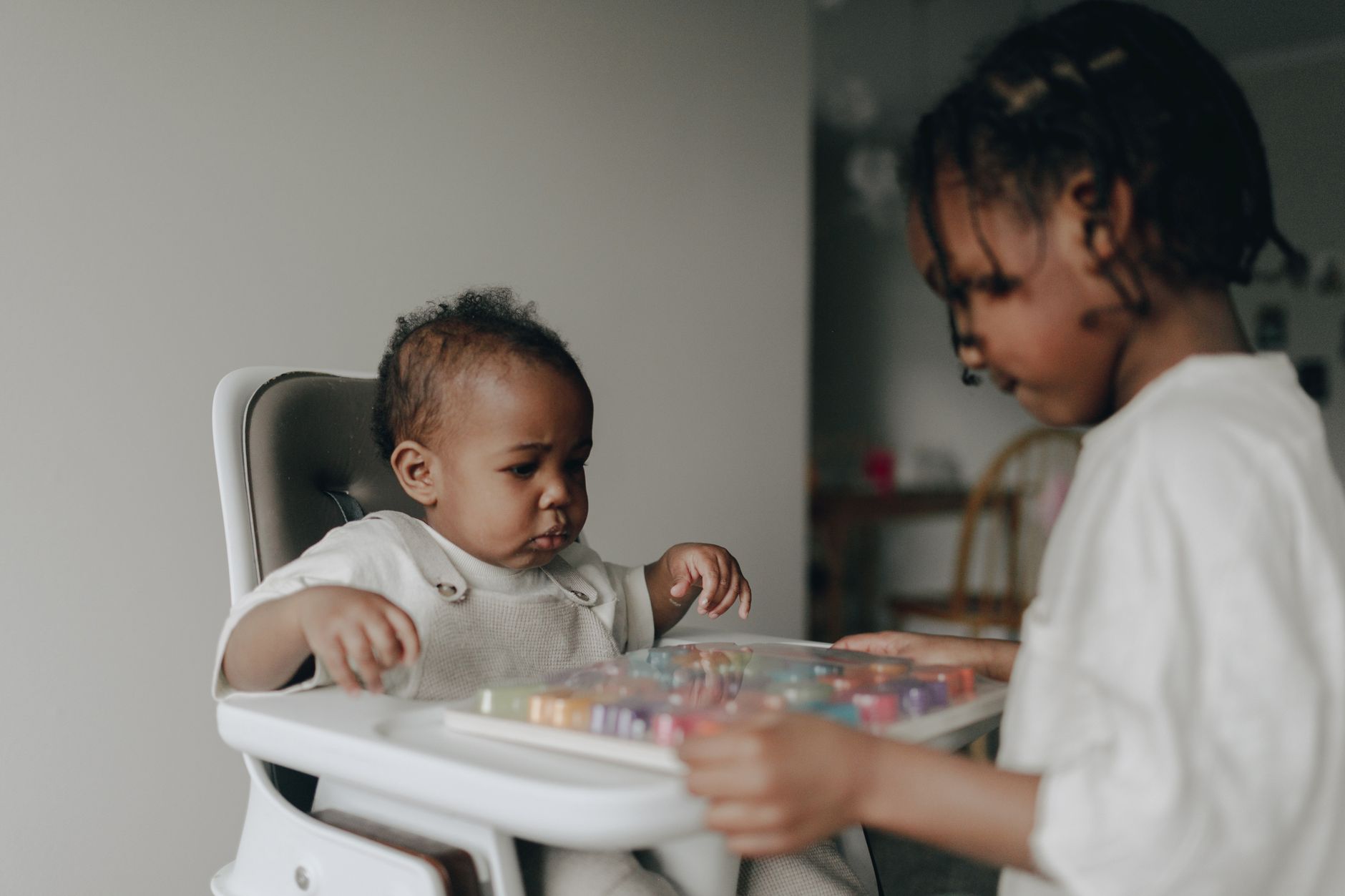
Preparing Your Older Child for a New Baby with a Significant Age Difference
Bringing a new baby home is a huge transition for any family, but it can be particularly impactful for an older child who has enjoyed years as the sole focus. When there's an age gap 5 years or more siblings, preparing your older child thoughtfully can make all the difference in fostering a positive relationship from day one.
The Right Time to Share the News
For an older child, it's often best to share the news of a new sibling once you're past the first trimester and the pregnancy feels more "real." This prevents a long, abstract waiting period that can feel endless to a child. Keep the explanation simple and positive. Focus on what *will* change (a new baby in the house, more noise, less immediate attention from you) but also what *won’t* change (your love for them, their special place in the family). Avoid overwhelming them with too many details at once.
Involving Them in the Preparation
Involve your older child in age-appropriate ways throughout the pregnancy and once the baby arrives. This can help them feel like a valued part of the process, rather than an observer. For example:
- Let them help choose a few baby items, like a blanket or a cute outfit.
- Have them draw pictures for the nursery.
- Read books about becoming a big brother or sister together.
- Allow them to help with baby proofing, explaining why certain areas need to be safe for the new arrival.
- Once the baby is home, ask them to "help" with simple tasks like fetching a diaper, choosing the baby's outfit for the day, or singing a lullaby.
The key is to offer choices and involvement without making it feel like a chore or burden. Frame it as "teamwork" and "special big sibling duties."
Managing Expectations and Their Role
It’s crucial to manage your older child's expectations. While they might initially be excited about a "new playmate," gently explain that babies mostly eat, sleep, and cry. They won't be ready to play for quite some time. Reassure them that as the baby grows, they will be able to play together. Emphasize that their role is to be a loving big sibling, not a mini-parent. Avoid phrases like, "You're the big boy/girl, so you need to set an example," as this can place undue pressure on them.
One representative story we often hear is from Sarah, a mom of a 6-year-old and a newborn. "I made sure to tell my son, 'This baby is coming to join *our* family, and you're going to be such a wonderful big brother.' I focused on his role as a loving family member, not as a caregiver. It really helped manage his expectations about what the baby would actually do."
Maintaining Individual Attention
Even with a new baby demanding much of your time, make a conscious effort to maintain special one-on-one time with your older child. This could be a "date night" with just them and one parent, reading a book together while the baby naps, or simply having a dedicated 15 minutes of uninterrupted play. This reassures them that they haven't been replaced and that your love and attention for them are still strong. This dedicated time can significantly reduce feelings of older child resentment toward a new baby with a big age gap, fostering a more secure bond.
Tips for Fostering Connection Between Siblings with a 5+ Year Age Gap
Bridging the developmental gap between children with a significant age difference requires intentional effort, but it’s entirely possible to cultivate a deep and loving connection. When you have an age gap 5 years or more siblings, creating shared experiences is crucial.
Creating Shared Experiences
While their interests may diverge, seek out activities that can be enjoyed by both, even if it means adapting them. For example:
- Reading together: The older child can "read" to the baby (even if it's just making up stories to the pictures), or you can read a book that both can enjoy in different ways.
- Music time: Sing songs, dance, or play simple instruments together. Babies love music, and older kids can lead the way.
- Outdoor adventures: A walk in the park allows the baby to observe and the older child to run and explore. Point out things to both of them.
- Family movie nights: Choose a family-friendly movie that even the older child enjoys, and let the baby simply be present in the cozy atmosphere.
The goal isn't always active participation from both, but shared presence and positive association. For instance, one mom shared that her 7-year-old loved to "narrate" his LEGO creations to his baby sister, who would gurgle in response. It was a simple, shared moment of connection.
Encouraging Mentorship, Not Parenthood
Encourage your older child to be a mentor, not a parent. Guide them on how to interact gently and positively with the baby. Teach them how to hold the baby safely (with supervision), how to make them laugh, or how to comfort them. Praise their gentle actions and positive interactions. Frame it as "teaching" the baby about the world, rather than "caring" for them. This empowers the older child without burdening them with parental responsibilities. This is especially important for how to involve an older child in baby care with a big age gap.
Dedicated Sibling Time
Schedule regular "sibling time" where both children interact with each other, with your guidance. This could be a specific playtime each day, or a designated activity. During this time, allow the older child to lead some of the play, within safe boundaries. Even if the younger child can only observe, being present and included helps build a sense of belonging. As the younger child grows, these dedicated times become crucial for bridging the gap in play styles and fostering shared interests.
Respecting Individual Space
While fostering connection is important, also respect that the older child needs their own space and time away from the baby. They shouldn't feel obligated to constantly engage with their younger sibling. Ensure they have their own activities, friends, and private time without interruption. This balance prevents burnout and resentment, allowing them to genuinely enjoy their sibling when they do interact. Acknowledging their need for individual time is a key part of managing an age gap 5 years or more siblings.
Effective Parenting Strategies for Managing a Significant Age Gap Between Kids
Parenting children with a significant age gap means navigating different developmental needs simultaneously. It requires flexibility, thoughtful planning, and a deep understanding of each child's individual stage. When you have an age gap 5 years or more siblings, your approach will naturally adapt to these different needs.
Tailoring Discipline and Expectations
What works for a 1-year-old certainly won't work for a 6-year-old, and vice versa. Your discipline strategies and expectations must be tailored to each child's cognitive and emotional maturity. For the younger child, discipline might involve redirection and simple "no" statements. For the older child, it will involve consequences, discussions about choices, and problem-solving. Avoid comparing them or using the older child as a constant example for the younger one. Treat each child as an individual, respecting their unique journey.
Balancing Individual Needs
This is perhaps the biggest challenge with a wide age gap. One child needs a nap, the other needs help with homework. One wants to go to the park, the other needs a quiet activity. Try to:
- Stagger activities: If possible, plan activities that cater to one child while the other is engaged elsewhere (e.g., older child's sports while baby is with a sitter, or baby's nap time for older child's focused play).
- Designate special times: As mentioned, regular one-on-one time with each child is vital. It doesn't have to be long, just focused.
- Involve partners/support systems: If you have a partner, divide and conquer. Grandparents, friends, or babysitters can also provide invaluable support in ensuring each child gets dedicated attention.
A parent once shared, "My 5-year-old loves to 'help' me make dinner while the baby is in a carrier. It’s a small thing, but it’s our special time, and it makes him feel important while I'm doing something necessary for the family."
Managing Logistics and Schedules
Life with a baby and an older child can feel like a constant juggling act. Streamlining your logistics can save your sanity. Think about:
- Routines: While flexibility is key, having a general routine for meals, naps, and bedtime can provide structure for both children and predictability for you.
- Meal planning: Simple, adaptable meals that can satisfy both a growing child and a baby (with modifications) can be a lifesaver.
- Packing smart: When you leave the house, have separate bags or sections for each child's essentials.
- Screen time: Use it strategically. A short, engaging show for the older child can buy you crucial minutes to feed the baby or tackle a quick chore.
Remember that managing an age gap of 2 years or an age gap of 3 years or even a 4-year age gap all come with their unique logistical challenges, but a 5+ year gap often means the older child can be more independent in handling their own schedule.
Prioritizing Self-Care for Parents
Parenting children with different needs is demanding. It’s easy to feel stretched thin. Prioritizing your own well-being is not selfish; it’s essential. Find small pockets of time for yourself: a hot cup of coffee, a quick walk, reading a book, or connecting with a friend. A rested and less stressed parent is better equipped to meet the diverse needs of their children and manage the unique dynamics of an age gap 5 years or more siblings.

How Does a Large Age Gap Affect Sibling Relationships Long Term?
The immediate dynamics of a large age gap are often characterized by differences in play and needs, but what happens as they grow up? The long-term effects of an age gap 5 years or more siblings can be incredibly varied, often evolving in fascinating ways.
Evolving Dynamics Over Time
The relationship between siblings with a wide age gap isn't static. It will shift and evolve as they both mature. What starts as a caregiver-dependent dynamic (older child helping with baby) gradually morphs. As the younger child grows into a toddler and then a school-aged child, they'll seek more interaction and may even begin to challenge the older sibling. Teen years can bring new dynamics, sometimes with the older sibling becoming a trusted confidant, other times with typical teenage aloofness. It's a journey of continuous adjustment and rediscovery.
The Mentor-Mentee Relationship
A common long-term outcome for siblings with a large age gap is the development of a strong mentor-mentee relationship. The older sibling often takes on a protective, guiding role, offering advice, sharing experiences, and sometimes even advocating for their younger sibling. This can be a powerful bond, with the younger sibling often looking up to their older counterpart as a source of wisdom and support. This dynamic can be particularly pronounced with a large age gap affecting sibling relationships in a positive, guiding way.
Shared Family History, Different Perspectives
While they may not have shared many childhood games, siblings with a wide age gap share a common family history. However, they will have experienced that history from very different perspectives. The older sibling might remember family trips or challenges in vivid detail, while the younger one only has vague memories or stories told by others. This can lead to rich discussions and a deeper understanding of their family narrative as they get older, each filling in gaps for the other.
Potential for Deeper Bonds Later On
Many families report that while the early years might be less about shared play, the adult sibling relationship can become incredibly strong. Once the younger sibling catches up developmentally, the age gap often shrinks in significance. They can become close friends, confidantes, and sources of mutual support. They might share similar values instilled by their parents, even if their childhood experiences differed. The unique journey of growing up with a significant age difference can forge a bond that is distinctively resilient and appreciative of each other's individuality.
We've heard from many mothers who initially worried about their children not being close. One mom, Maya, reflected, "My daughters are 8 years apart. When they were little, I wondered if they'd ever truly connect. Now, my oldest is in college, and her younger sister is her biggest fan. They text all the time, and my older daughter gives the best advice. It's a different kind of closeness, but it's incredibly strong." This highlights how a large age gap between siblings can foster unique and enduring connections.
Fun Activities for Siblings with a 5+ Year Age Difference
Finding common ground for play and interaction when there's an age gap 5 years or more siblings can seem tricky, but it's definitely achievable. The key is to think creatively and embrace activities that can be adapted or enjoyed on different levels.
Collaborative Play Ideas
Focus on activities where both siblings can contribute, even if their roles are different. This encourages teamwork and a sense of shared accomplishment.
- Building projects: The older child can design and build with LEGOs or blocks, while the younger one can be the "assistant," handing pieces or making suggestions.
- Art projects: Both can draw or paint. The older child might create a detailed picture, while the younger one explores colors and textures. They can even collaborate on a single piece of art.
- Cooking/baking: The older child can help measure and mix, while the younger one can stir (with supervision) or simply watch and "taste test."
- Storytelling: The older child can tell a story, with the younger child contributing sound effects or simple ideas.
Outdoor Adventures
Nature offers endless opportunities for multi-age play. The open-ended nature of outdoor exploration often naturally accommodates different developmental stages.
- Park visits: While the younger one plays on baby swings or explores a sandpit, the older one can run, climb, and slide. They can still share the space and point things out to each other.
- Nature walks: The older child can lead the way, pointing out interesting leaves, rocks, or insects, while the younger one enjoys the fresh air and sensory experience.
- Water play: A splash pad or even a backyard sprinkler can be fun for both. The older child can chase the water, while the younger one splashes in a baby pool.
- Gardening: The older child can help plant seeds or water plants, and the younger one can dig in the dirt (supervised, of course!).
Creative Projects
Engage their imaginations with projects that allow for individual expression within a shared theme.
- Dress-up and pretend play: The older child can create a scenario (e.g., "we're going on a safari"), and the younger one can join in with simple actions or sound effects.
- Music and dance: Put on some music and have a dance party. The older child can show off moves, and the younger one can bounce and wiggle.
- Puppet show: The older child can create puppets and a simple storyline, and the younger one can be the enthusiastic audience.
Everyday Moments
Don't underestimate the power of everyday moments to build connection. Simple things can become special rituals.
- Meal times: Eating together as a family, sharing stories of the day.
- Bath time: The older child can help supervise the baby's bath (with you present), making funny faces or playing with bath toys.
- Bedtime routines: The older child can help pick out the baby's pajamas or sing a lullaby.

Myth vs. Fact About Large Age Gaps
There are many preconceived notions about having an age gap 5 years or more siblings. Let's clear up some common myths with the actual facts.
Myth: Siblings with a large age gap will never be close.
Fact: While their early childhoods might look different from siblings closer in age, many adults with large age gaps report incredibly strong, deep bonds. The relationship often evolves from a mentor-mentee dynamic to a close friendship as they mature. The lack of early rivalry can sometimes even lead to a more harmonious long-term relationship.
Myth: The older child will always feel like a "third parent" and resent the younger one.
Fact: This is a risk if not managed properly, but it's not inevitable. By clearly defining roles, ensuring the older child receives ample individual attention, and involving them in age-appropriate ways without burdening them, parents can foster a positive big-sibling role. It’s about being a helpful, loving sibling, not a substitute parent.
Myth: It’s impossible to find activities that both siblings can enjoy together.
Fact: It requires creativity, but many activities can be adapted. As discussed, things like reading, outdoor play, art projects, and music can engage both children at different levels. The goal isn't always identical participation but shared presence and positive interaction, which builds connection over time.
Key Takeaways
- An age gap of 5 years or more between siblings offers unique advantages like older child independence and reduced early rivalry.
- Challenges include differing developmental interests and the potential for older child resentment if not managed well.
- Thoughtful preparation, involving the older child appropriately, and maintaining individual attention are crucial.
- Fostering connection involves creating shared experiences and encouraging a mentorship role rather than a parental one.
- Effective parenting strategies mean tailoring discipline, balancing individual needs, and prioritizing parent self-care.
- Long-term, these relationships often evolve into strong, supportive bonds, with older siblings often acting as mentors.
- Many activities can be adapted to engage both siblings, focusing on shared presence and collaboration.
Frequently Asked Questions
Is a 5 year age gap between siblings good?
A 5-year age gap between siblings can be very good for many families. It often means the older child is more independent, can be a helpful and understanding big sibling, and may experience less direct rivalry. Parents also benefit from having more dedicated one-on-one time with each child. While there are challenges in bridging developmental differences, with intentional parenting, it can create a rich and rewarding family dynamic.
What are the pros and cons of a large age gap between siblings?
The pros of a large age gap (5+ years) include increased older child independence, a built-in helper and role model for the younger child, reduced early sibling rivalry, more one-on-one time for each child, and staggered financial/logistical burdens. Cons can involve different developmental stages making shared activities difficult, potential older child resentment, the older child feeling like a "third parent," and the challenge of parenting diverse needs simultaneously.
How do you prepare a 5 year old for a new baby?
To prepare a 5-year-old for a new baby, share the news when it feels real (e.g., after the first trimester), involve them in age-appropriate preparations like choosing baby items or decorating the nursery, manage their expectations about what a baby will actually do, and ensure you maintain special one-on-one time with them after the baby arrives. Reassure them of their continued importance in the family.
Do siblings with a large age gap get along?
Yes, siblings with a large age gap can absolutely get along, often forming very strong and unique bonds. While their early interactions might be less about shared play and more about mentorship, as they mature, the age gap often shrinks in significance. Many adult siblings with large age gaps become close friends and confidantes, appreciating each other's distinct perspectives and shared family history.
What is the best age gap between siblings?
There is no single "best" age gap between siblings, as it's highly individual to each family's circumstances, preferences, and children's temperaments. Some prefer smaller gaps for close playmates, while others find larger gaps offer more independence and less rivalry. The "best" gap is the one that works best for your family's unique needs and allows for a happy, healthy environment for everyone.
Does a large age gap affect sibling relationships?
Yes, a large age gap certainly affects sibling relationships, but not necessarily in a negative way. It often leads to a dynamic where the older sibling takes on a mentor or protective role. While they may not share as many childhood play experiences, they can develop deep bonds based on mutual respect, shared family history, and support. The nature of their relationship tends to evolve significantly as they both grow and mature.
When to See a Doctor or Specialist
While an age gap of 5 years or more between siblings is a common family dynamic, there are times when professional support can be beneficial. This article provides general information and is not a substitute for personalized medical or psychological advice. If you observe any of the following, consider reaching out to a professional:
- Persistent or severe behavioral changes in the older child: If your older child exhibits prolonged aggression, regression (e.g., bedwetting after being potty trained), significant withdrawal, or extreme jealousy that impacts their daily life or school performance.
- Overwhelming parental stress or burnout: If you find yourself consistently feeling overwhelmed, unable to cope, or experiencing symptoms of anxiety or depression related to managing your family dynamics.
- Significant difficulty in sibling bonding: If, despite your best efforts, the siblings show persistent animosity, refusal to interact, or if the older child consistently expresses resentment that impacts the family environment.
- Concerns about the older child feeling like a "third parent": If your older child expresses feeling burdened, responsible for, or resentful towards the younger sibling beyond typical sibling squabbles.
In these situations, it can be helpful to consult with your pediatrician, a child psychologist, or a family therapist. They can offer strategies, support, and guidance tailored to your family's specific needs.
References
- American Academy of Pediatrics (AAP). HealthyChildren.org.
- American Psychological Association (APA).
- Mayo Clinic.
- Cleveland Clinic.
- National Institutes of Health (NIH).



