Quick take: Welcoming a second baby when your first is around two years old brings a unique blend of joys and challenges, from managing toddler jealousy to establishing new routines. With thoughtful preparation, practical strategies, and a focus on both children's emotional needs, you can navigate this exciting transition and foster a strong sibling bond from the start.
The moment you discover you’re expecting again, a whirlwind of emotions begins. Joy, excitement, and then, for many parents, a quiet question: "How will this change things with my first?" If your eldest is around two years old, you're entering a special phase, often dubbed the "two-year age gap." It's a time of immense growth for your toddler, who is just starting to assert their independence, while simultaneously needing so much of your attention. Introducing a newborn into this dynamic can feel daunting, but it also lays the groundwork for a deeply connected sibling relationship.
You're not alone if you're picturing juggling a demanding toddler and a tiny newborn, wondering how you'll manage feedings, tantrums, and sleepless nights. We understand that feeling of loving your first child so fiercely and wanting to protect their world, even as you expand your family. This guide is designed to offer honest, practical, and compassionate advice for navigating the 2-year age gap, helping you prepare your family, manage the early days, and foster a loving bond between your little ones.
From practical tips on preparing your toddler to strategies for handling sibling jealousy and creating new family routines, we’ll explore how to make this transition smoother for everyone. We'll also dive into the unique benefits and challenges of this specific age gap, ensuring you feel equipped and confident as your family grows.
How to Prepare a 2-Year-Old for a New Baby Sibling?
Preparing a two-year-old for a new baby is less about them understanding the complexities of childbirth and more about gently introducing the concept of a new family member and what that might mean for their daily life. Toddlers thrive on routine and predictability, so gradual, consistent communication is key. Start early, but not too early; a few months before the due date is often ideal, as a two-year-old's concept of time is still developing.
Introducing the Idea of a New Baby
Begin by talking about the baby in simple, positive terms. Use phrases like, "Mommy has a baby growing in her tummy," or "Soon, we'll have a new baby joining our family." Point to your growing belly and let them gently touch it, if you're comfortable. You can also show them ultrasound pictures or baby clothes. Frame the baby's arrival as an exciting new adventure for everyone, rather than a disruption to their world.
Reading Books About New Siblings
Books are a fantastic way for toddlers to process new concepts. Look for age-appropriate books that illustrate what it's like to have a new baby in the family. These stories can help them visualize the changes and normalize feelings they might experience, such as curiosity or even a little apprehension. Some popular choices include "I'm a Big Brother/Sister" or "The New Baby." Reading these together creates a safe space for questions and discussion.
Involving Your Toddler in Preparations
Giving your two-year-old small, manageable tasks can help them feel like an important part of the preparation process. This could be as simple as letting them pick out a baby outfit, helping to wash baby clothes, or choosing a toy for the baby's room. Even if their "help" is more symbolic than practical, it reinforces their role as the "big sibling" and fosters a sense of ownership and excitement. For instance, you could say, "Can you help Mommy pick out a soft blanket for the baby?"
Practicing Gentle Touch and Baby Care
Toddlers are naturally curious, but they also have developing impulse control. Practice gentle touch with dolls or stuffed animals. Show them how to softly pat, hold, and talk to a "baby." You can even involve them in pretend feeding or diaper changes. This helps them understand appropriate ways to interact with a fragile newborn and gives them a safe outlet for their curiosity. Emphasize that babies are delicate and need careful handling.
Maintaining Current Routines as Much as Possible
As the due date approaches, try to keep your toddler's existing routines as consistent as possible. Major changes, like transitioning from a crib to a big-kid bed or starting potty training, are often best done well *before* the baby arrives or postponed until well *after*. Introducing too many changes at once can be overwhelming and contribute to feelings of instability. The goal is to minimize disruptions to their familiar world, so they feel secure.
If there are changes that absolutely must happen – like moving their room to make space for the nursery – try to do them several months in advance so your toddler has plenty of time to adjust before the baby’s arrival. The more predictable their environment feels, the more secure they will be as they transition into their new role as a big sibling.

Managing the Initial Transition: First Weeks with a 2-Year-Old and Newborn
The first few weeks after a new baby arrives with a two-year-old in tow can feel like a blur of sleepless nights, endless feedings, and navigating a rollercoaster of toddler emotions. It’s a period of intense adjustment for everyone, especially for your older child who is experiencing a profound shift in their family dynamic. Your focus should be on creating a sense of security for your toddler while you also bond with your newborn.
The Hospital Visit: First Meeting
When your toddler first meets the new baby, try to make it a special moment. If possible, have someone else bring your toddler to the hospital or home, so you can greet them with open arms, rather than holding the baby. This small gesture can make a big difference in how your toddler feels. Give them a big hug and lots of attention first. Then, introduce the baby. Keep the first meeting short and positive, focusing on your toddler's feelings and excitement.
Consider having a small "gift from the baby" for the older sibling. This isn't about bribing, but about creating a positive association and making your toddler feel special and included in the celebration. It could be a new book, a small toy, or a fun activity they can do with you.
Prioritizing One-on-One Time
Even though a newborn demands constant care, finding moments for dedicated one-on-one time with your two-year-old is crucial. This doesn't need to be elaborate; even 10-15 minutes of undivided attention each day can make a huge difference. Read a book, build a tower, or simply snuggle on the couch. Let your toddler choose the activity. This reassures them that they are still loved and important, and that their bond with you hasn't changed. One mom we spoke to described it as "filling their love tank" before the baby needs attention again.
Involving Your Toddler in Baby Care
Two-year-olds love to help, and involving them in simple baby care tasks can make them feel like a valuable "big helper." Ask them to fetch a diaper, hand you a wipe, or choose a baby outfit. They can sing to the baby, gently pat their back during burping, or "read" a book to the baby during tummy time. Make sure to praise their efforts and express gratitude for their help, reinforcing their positive role as a big sibling. Just be prepared to step in and guide them gently, as their fine motor skills are still developing.
Creating Special "Toddler Zones"
Consider setting up designated "toddler zones" where your older child can play independently and safely, even when you're busy with the baby. This might be a corner of the living room with their favorite toys, a small table for drawing, or a baby-proofed area where they can explore. Having a space that is "theirs" can give them a sense of control and security during a time of big changes. You can also keep a special basket of toys or books that only come out when you're feeding or rocking the baby.
Managing Visitors and Attention
When friends and family come to visit, they'll naturally want to see the new baby. Gently remind them to acknowledge your toddler first. A simple "Hi [Toddler's Name]! I hear you're a big brother/sister now! Can I have a hug?" before turning to the baby can prevent feelings of being overlooked. You can also encourage visitors to bring a small token or a special activity for the toddler, reinforcing that they are still a central part of the family.
Accepting Help and Lowering Expectations
The early weeks are not the time for perfection. Accept all offers of help, whether it's someone bringing a meal, watching your toddler for an hour, or simply doing a load of laundry. Lower your expectations for housework, elaborate meals, and even your own appearance. Focus on rest, recovery, and bonding with both of your children. This period is about survival and connection, not achieving an ideal state. Remember, it's okay to let things slide a little.
Dealing with Toddler Jealousy and Regression with a New Baby
It's completely normal for a two-year-old to exhibit signs of jealousy or regression after a new baby arrives. Their world has been turned upside down, and they might not have the language to express their big feelings. Common behaviors include wanting to be babied, increased tantrums, potty training accidents, or even mild aggression towards the baby. Understanding that these are expressions of insecurity and a bid for attention, rather than naughtiness, is the first step in addressing them.
Understanding the Roots of Jealousy
For a two-year-old, the new baby represents a sudden, significant competitor for their parents' time, attention, and affection. They've been the center of your universe, and now they have to share. This can feel confusing and even threatening. Regression, like wanting a bottle or a pacifier again, or having potty accidents, is often their way of seeking the familiar comfort and undivided attention they associate with being a baby themselves. They might think, "If I act like a baby, maybe I'll get that attention too."
Strategies for Addressing Jealousy
- Acknowledge Their Feelings: Validate their emotions, even if you don't agree with the behavior. "I know it's hard when Mommy is busy with the baby. You feel sad/mad/frustrated." Naming their feelings helps them feel understood.
- "Blame" the Baby (Gently): When you have to say no to your toddler because of the baby's needs, you can gently "blame" the baby. "The baby needs a quiet time now, so we can't play with the loud toys right now, but we can read a book together." This redirects their frustration towards the baby's needs, rather than feeling rejected by you.
- Special Time: As mentioned, dedicated one-on-one time is critical. Even 10-15 minutes of uninterrupted play, reading, or snuggling can recharge their emotional battery and remind them they are cherished.
- Positive Reinforcement: Catch them being kind or gentle with the baby. "I love how gently you touched the baby's hand!" or "Thank you for being such a good helper when I changed the baby's diaper." Positive attention for desired behaviors is far more effective than negative attention for unwanted ones.
- Teach Them About the Baby: Explain, in simple terms, what the baby can and cannot do. "The baby can't play with your trucks yet, but they love to hear you sing!" This helps manage their expectations and fosters understanding.
Dealing with Regression Behaviors
Regression behaviors require patience and a gentle approach. Punishing a child for regression will likely make it worse, as it often stems from a need for comfort and attention.
- Potty Training Regression: Don't make a big deal out of accidents. Clean them up calmly and reassure your child. Revisit the basics of potty training if needed, but avoid pressure. Focus on praise when they do use the potty successfully.
- Wanting to Be Carried/Fed: If your toddler suddenly wants to be carried everywhere or hand-fed, try to accommodate these requests when possible, or offer alternatives. "I can't carry you right now because I'm holding the baby, but you can sit on my lap while I feed the baby."
- Increased Tantrums: Tantrums are often a sign of overwhelming emotions. Try to stay calm, offer comfort, and help them label their feelings. Ensure they are getting enough sleep and food, as these can exacerbate tantrums.
- Biting/Hitting the Baby: This is a serious behavior that needs immediate, firm, but calm intervention. Remove your toddler from the situation, explain "No hitting, that hurts the baby," and redirect their attention. Supervise all interactions closely, especially in the early weeks.
Remember that these phases are usually temporary. With consistent love, attention, and understanding, your toddler will eventually adjust to their new role and embrace being a big sibling. It’s a marathon, not a sprint, and there will be good days and challenging ones.
What Are the Pros and Cons of a 2-Year Age Gap Between Siblings?
Choosing the "right" age gap between children is a deeply personal decision with no one-size-fits-all answer. However, the 2-year age gap is a common choice for many families, offering a unique set of benefits and challenges that are important to consider. Understanding these can help you set realistic expectations and prepare for what's ahead.
Table: Pros and Cons of a 2-Year Age Gap
Elaborating on the Benefits
One of the most frequently cited benefits of a 2-year age gap is the potential for a close sibling bond. Because they are so close in age, children with this gap often become natural playmates. They share similar developmental milestones, interests, and friend groups as they grow, leading to a unique camaraderie. This can make family life feel more cohesive, as activities can often cater to both children simultaneously.
From a parent's perspective, there's a sense of "getting it all done at once." The intense baby and toddler years, while challenging, are concentrated into a shorter period. This means you might emerge from the early childhood phase feeling like you can regain some personal time and freedom sooner. Your knowledge of newborn care, too, is still fresh, making the practical aspects of baby care feel less daunting the second time around.
Understanding the Challenges
The primary challenge of a 2-year age gap is the sheer intensity of the early years. You'll have two children, neither of whom is fully independent, both requiring significant hands-on care. This can lead to profound sleep deprivation, mental exhaustion, and a feeling of being constantly "on call." Toddler jealousy and regression are almost inevitable, as your two-year-old is still very much in a stage of self-centered development and struggles to share attention.
Logistically, managing two very young children can be demanding. Simple outings require careful planning, and you'll likely need specialized gear like a double stroller. The financial strain can also be significant, as expenses for diapers, childcare, and specialized equipment overlap for a longer period. It's a period that tests parental resilience, patience, and the ability to function on very little sleep.
Ultimately, while demanding, many parents find the 2-year age gap incredibly rewarding. The challenges are real, but the joy of watching two closely-aged siblings grow up together, forging their own unique bond, often outweighs the initial difficulties.
Activities and Playtime for a 2-Year-Old and a Newborn
Finding ways to engage both a busy two-year-old and a sleepy newborn simultaneously can feel like a puzzle. The key is to create opportunities for parallel play and interaction, rather than expecting them to play together in the traditional sense. Focus on activities that allow your toddler to feel involved and your newborn to observe, stimulating their senses in gentle ways.
Engaging the Toddler During Newborn Care
One of the most frequent times you'll be tied down is during newborn feedings, diaper changes, or rocking sessions. This is a perfect opportunity to engage your toddler nearby. Keep a "special activity basket" that only comes out during these times. It could contain:
- Stickers and paper: Simple, quiet, and engaging.
- Duplo or large blocks: Easy to manipulate and build.
- Board books: Your toddler can "read" to themselves or to the baby.
- Sensory bins: A small bin with dry pasta, rice, or water beads (with supervision) can keep them absorbed.
You can also sing songs together, tell stories, or just chat about their day while you're tending to the baby. This makes the baby's care time feel less like a disruption and more like a shared family activity.
Activities That Include Both Children (Parallel Play)
While a newborn won't actively "play," they can certainly be present and observe.
- Tummy Time Together: Lay the newborn on a playmat for tummy time while your toddler plays with soft toys nearby. Encourage your toddler to talk or sing to the baby. The baby will be fascinated by their sibling's movements and sounds.
- Reading Time: Gather both children for story time. Your toddler can sit on your lap, and the baby can lie next to you or in a bouncer. Let your toddler help turn pages or point to pictures. This is a wonderful bonding activity for everyone.
- Music and Movement: Put on some music and encourage your toddler to dance. You can gently sway or bounce the baby in your arms or a carrier. The baby will enjoy the sounds and motion, and your toddler gets to burn some energy.
- Outdoor Walks: Use a double stroller or a baby carrier for the newborn and let your toddler walk or ride in a single stroller/on a scooter. Point out things in nature to your toddler, engaging them with the world around them.
- "Helping" with Baby's Toys: Let your toddler choose a soft rattle or a crinkly toy for the baby to look at. They can hold it up (with supervision) or shake it gently, fostering a sense of responsibility and connection.
Independent Play Opportunities for Your Toddler
It's vital for your two-year-old to have opportunities for independent play, both for their development and for your sanity. Set up safe, engaging play spaces where they can explore without constant direct supervision. This might include:
- Open-ended toys: Blocks, play-doh, art supplies (with supervision), or dress-up clothes encourage creativity.
- Outdoor play: If you have a fenced yard, let them play with ride-on toys, sand, or water tables (again, with supervision).
- Audio stories or music: For moments when you truly need to focus on the baby, a pre-recorded story or children's music can keep them entertained. Be mindful of screen time recommendations, but a short, engaging educational video can sometimes be a helpful tool in a pinch.
Remember, the goal isn't always perfectly coordinated play, but rather creating an environment where both children feel loved, engaged, and have their developmental needs met, even if those needs are very different.
Establishing Routines and Sleep Schedules with Two Young Children
Routines are the backbone of a peaceful household with young children, and they become even more crucial when you have a two-year-old and a newborn. While flexibility is always necessary, a predictable structure provides a sense of security for your toddler and can help both children (and you!) get the rest they need. Consistency, even amidst chaos, is your greatest ally.
Creating a Flexible Daily Rhythm
Forget rigid schedules; aim for a flexible rhythm. This means having a general order of events rather than strict times. For example, "wake, breakfast, play, baby nap, toddler quiet time, lunch, toddler nap, play, dinner, bedtime." This allows for the inevitable disruptions of a newborn while still giving your toddler the predictability they crave.
Try to align your toddler's nap and bedtime with the baby's sleep periods as much as possible, especially in the afternoon. This creates pockets of quiet time for you to rest, catch up, or enjoy some individual time with your newborn.
Synchronizing Sleep (When Possible)
This is the holy grail for parents of a 2-year age gap. While you can't force a newborn to sleep on command, you can work towards synchronizing their sleep with your toddler's naps.
- "Wake to sleep" for baby: If your toddler has a predictable nap, try gently waking your newborn 10-15 minutes before that nap ends to feed them. This helps ensure the baby isn't due for a feed right when your toddler wakes up, giving you a window of time.
- Safe sleep environment: Ensure both children have their own safe sleep spaces. For the newborn, this means a crib or bassinet in your room for the first 6-12 months, free of bumpers, blankets, or soft toys, as recommended by the American Academy of Pediatrics (AAP).
- Prioritize your toddler's nap: Protecting your toddler's nap is critical. This provides you with a much-needed break and ensures they are well-rested, reducing the likelihood of overtired tantrums later.
Remember that babies, especially newborns, have very erratic sleep patterns. Focus on building good sleep habits from the start, but don't stress if your baby isn't a perfect sleeper. For more specific tips on managing infant sleep, refer to our guide on baby fighting sleep tips.
Bedtime Routines for Both Children
Establishing separate, yet sometimes overlapping, bedtime routines is crucial.
- Toddler's "Big Kid" Routine: Involve your two-year-old in their bedtime routine: bath, pajamas, brushing teeth, reading a few books, and then tucking them in. Make this a special, consistent ritual. If possible, have one parent handle the toddler's bedtime while the other manages the baby.
- Newborn's Bedtime Routine: This will be simpler: bath (if desired), massage, feeding, swaddle, and putting them down drowsy but awake.
- Staggered Bedtimes: Often, it's easier to put the toddler to bed first, especially if they need more attention and winding down. Once they are settled, you can focus on the newborn's bedtime. This also ensures your toddler gets adequate sleep before their younger sibling starts needing attention in the night.
Feeding Schedules and Strategies
Whether you're breastfeeding or bottle-feeding, feeding a newborn while caring for a toddler requires strategy.
- Set up "feeding stations": Have essentials like water, snacks, burp cloths, and a phone within reach. Keep a basket of special toys or books for your toddler nearby to entertain them during feeds.
- Utilize carriers: A baby carrier can be a lifesaver, allowing you to breastfeed hands-free or simply hold the baby close while you engage with your toddler.
- "Cluster feeding" management: Newborns often cluster feed, meaning they feed frequently over a few hours. Try to time this with your toddler's independent play or quiet time, or have an extra set of hands available if possible.
Consistency in routines, even if they are flexible, helps all family members adjust to the new normal and provides a framework for navigating the busy days with two young children.
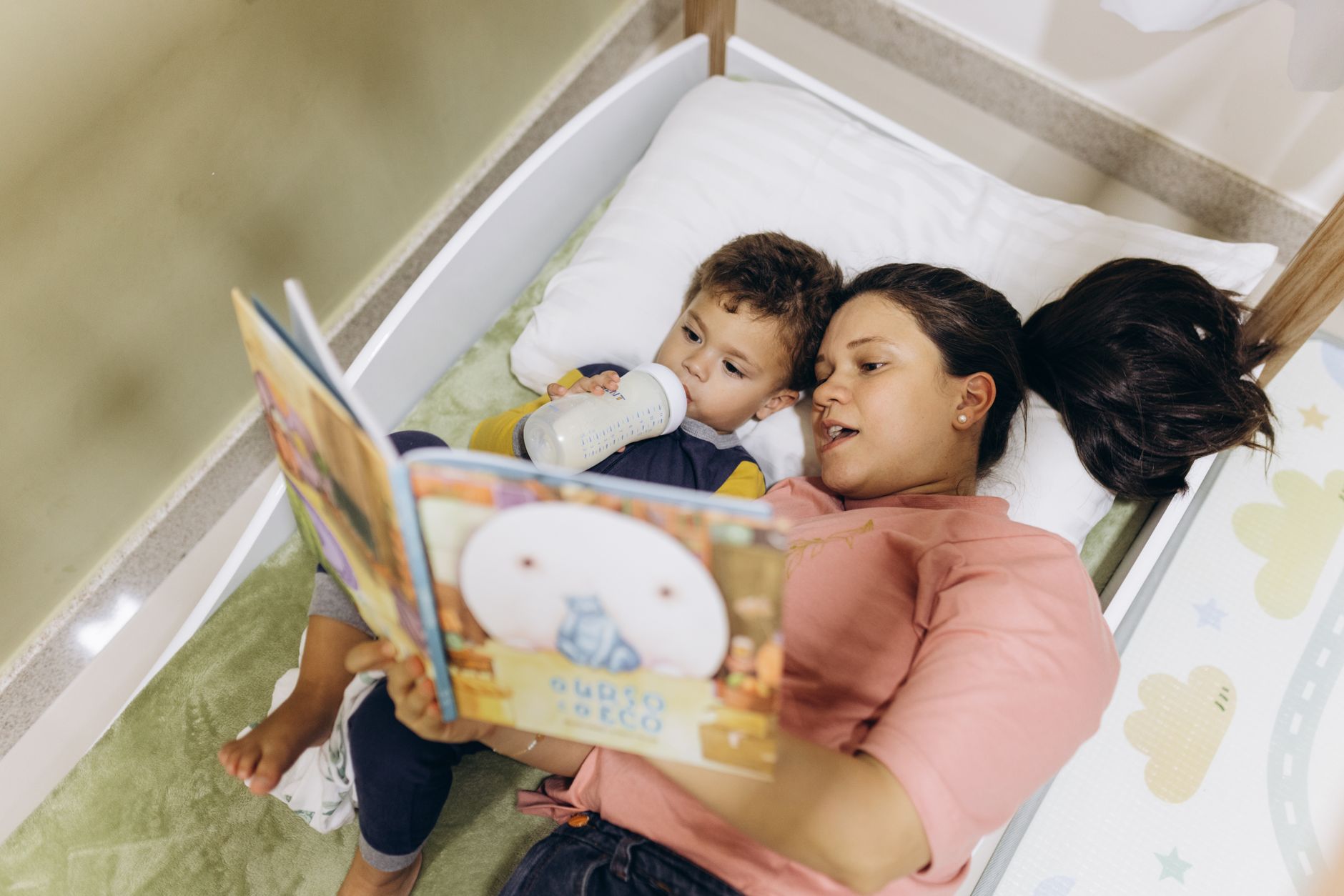
Tips for Parents Coping with a 2-Year Age Gap Between Kids
Having two children with a 2-year age gap is incredibly rewarding, but it's also a period of intense physical and emotional demands. Many parents describe it as a season of survival, where self-care often feels like an impossible luxury. However, neglecting your own well-being can lead to burnout. Prioritizing small, consistent ways to cope will make a significant difference in your ability to manage the demands and enjoy this special time.
Prioritizing Self-Care (Even in Small Doses)
Self-care doesn't mean a spa day; it means finding small, realistic ways to recharge.
- Micro-breaks: Even 5-10 minutes of quiet time can help. Sip a cup of tea while the baby naps, listen to a podcast while folding laundry, or simply stare out the window.
- Hydration and nutrition: It's easy to forget to eat or drink when you're busy. Keep water bottles accessible and have easy, healthy snacks on hand (fruit, nuts, yogurt).
- Movement: A short walk around the block with the stroller, some gentle stretches, or dancing with your toddler can boost your mood and energy.
- Sleep when you can: This is a classic but vital tip. If both children are asleep, try to rest, even if it's just for 20 minutes. Don't feel guilty about prioritizing sleep over chores.
One mom shared, "I used to think self-care meant a full hour, but now it's five minutes of quiet in the shower or listening to my favorite song. It makes a huge difference."
Leaning on Your Support System
You don't have to do this alone. Identify your support system and don't be afraid to ask for help.
- Partner support: Communicate openly with your partner about tasks, sleep, and emotional needs. Divide and conquer, taking shifts with the baby or giving each other breaks to focus on the toddler.
- Family and friends: Let them know specific ways they can help. Instead of "What can I do?", offer "Could you bring a meal?" or "Could you watch the toddler for an hour so I can shower?"
- Parent groups: Connecting with other parents who have a similar age gap can provide invaluable emotional support, practical tips, and a sense of community. Shared experiences can normalize your struggles and make you feel less isolated.
Managing Expectations and Practicing Patience
This is a marathon, not a sprint. Adjust your expectations for what you can realistically accomplish in a day.
- Lower your standards: Your house might not be spotless, meals might be simpler, and your to-do list might grow. That's okay. Focus on the essentials: feeding, sleeping, and loving your children.
- Patience with yourself and your children: There will be tough days. You'll feel overwhelmed, frustrated, and tired. Practice self-compassion. Your children are also adjusting; their behaviors are often a cry for help or a natural developmental phase.
- Celebrate small victories: Did you get both kids fed and dressed? Did you manage to read a book to your toddler? Did the baby sleep for an extra 30 minutes? Acknowledge these small wins.
Prioritizing Your Relationship with Your Partner
It's easy for your relationship with your partner to take a backseat during this intense period. However, nurturing this bond is essential for your well-being and the family's overall health.
- Communicate openly: Talk about your feelings, frustrations, and needs. Don't assume your partner knows what you're thinking.
- Scheduled check-ins: Even 10 minutes at the end of the day to talk about something other than the kids can help.
- Small gestures: A hug, a compliment, bringing each other a cup of coffee – these small acts of kindness can go a long way.
- Date nights (even at home): When possible, try to carve out time for just the two of you, even if it's ordering takeout after the kids are asleep and watching a movie.
Remember that this demanding phase is temporary. By taking care of yourself, leaning on your support system, and managing expectations, you'll be better equipped to navigate the challenges and truly cherish the joys of having two young children close in age.
Essential Gear and Practical Hacks for a 2-Year Age Gap
When you have a two-year-old and a newborn, your hands are almost always full. Having the right gear and adopting smart hacks can make a world of difference in your daily life, saving you time, energy, and a fair bit of sanity. Think about efficiency, safety, and making things accessible.
Double Strollers and Carriers
A reliable double stroller is often an essential investment. It allows you to take both children out for walks, errands, or park visits without juggling two separate modes of transport. Consider models that offer versatility, like those that can accommodate a car seat for the newborn and a seat for the toddler. Researching double stroller compatibility can help you find the perfect fit for your family and lifestyle.
Baby carriers are also invaluable. Wearing your newborn in a soft wrap or structured carrier allows you to be hands-free to tend to your toddler, prepare meals, or even just hold their hand. This can be especially helpful during the "witching hour" or when your newborn needs extra snuggles while you still need to engage with your older child.
Baby Gear for Independence and Safety
- Bouncers, swings, and playards: Having safe, portable spots to put the newborn down around the house is crucial. This allows you to supervise your toddler while the baby is content and secure. Consider having one in the living room and another in the kitchen.
- Toddler tower/learning stool: For your two-year-old, a toddler tower can allow them to safely reach the counter to "help" with meal prep or wash their hands, giving them a sense of independence and involvement while keeping them contained.
- Baby gates: If you haven't already, install baby gates to create safe zones for your toddler and to keep them away from areas where the newborn might be sleeping or where you need a moment of quiet.
- Video monitor: A good video monitor can offer peace of mind, allowing you to check on the sleeping baby while you're playing with your toddler in another room, or vice versa.
Organization and Accessibility Hacks
- Diapering stations: Set up multiple diaper caddies around the house – one in the nursery, one in the living room, perhaps one upstairs. Stocked with diapers, wipes, cream, and a change of clothes, this saves you countless trips to the nursery.
- Snack baskets: Keep easy, healthy snacks for your toddler (and yourself!) in an accessible basket in the kitchen or pantry. This prevents meltdowns due to hunger and allows your toddler to grab a snack independently.
- "Busy boxes" or "activity bags": Create small, curated boxes or bags of special toys, books, or art supplies that only come out during specific times, like during baby feedings or when you need a few minutes of uninterrupted time. Rotate the contents to keep them fresh and exciting.
- Meal prepping and freezer meals: Preparing meals in advance or stocking your freezer with easy-to-reheat options will be a lifesaver. The last thing you want to do with a newborn and a two-year-old is cook an elaborate meal from scratch.
- Online shopping and grocery delivery: Embrace technology! Utilizing online grocery delivery services or shopping apps can save you precious time and energy, allowing you to avoid stressful supermarket trips with two young children.
By investing in smart gear and implementing these practical hacks, you can streamline your day, reduce stress, and create a more functional and peaceful environment for your growing family.
Myth vs. Fact: Navigating the 2-Year Age Gap
When you're expecting your second child, especially with a young toddler at home, you'll hear all sorts of advice and opinions. It's important to separate helpful insights from common misconceptions that can add unnecessary stress.
Myth: Your two-year-old will instantly love their new baby sibling.
Fact: While some toddlers show immediate affection, it's more common for a two-year-old to feel a mix of curiosity, confusion, and even resentment. Their world has been turned upside down, and they're too young to fully grasp the concept of a new family member. Expecting instant love can set you up for disappointment. Focus on fostering acceptance and a gradual bond, understanding that love will grow over time.
Myth: You should make your toddler "grow up" quickly to prepare for the baby.
Fact: Forcing a two-year-old to potty train, move beds, or become more independent too rapidly right before or after a baby's arrival can actually backfire. It can increase their anxiety and lead to more regression. Instead, maintain their routines as much as possible and allow them to be a "baby" when they need to. Gradual transitions, well in advance or well after the baby arrives, are much more effective.
Myth: Having a 2-year age gap guarantees your children will be best friends.
Fact: While a close age gap often leads to shared interests and a strong bond, personality plays a huge role. There's no guarantee siblings will be "best friends," regardless of age gap. They might have different temperaments or interests. The goal is to foster a loving, supportive relationship, not necessarily an identical friendship. Focus on teaching them respect, empathy, and how to resolve conflicts, rather than forcing a specific dynamic.
Key Takeaways
- Prepare your two-year-old gently by talking about the baby, reading books, and involving them in small preparations, but avoid major changes close to the due date.
- Prioritize one-on-one time with your toddler in the early weeks and involve them in simple baby care to help them feel important and loved.
- Expect toddler jealousy and regression; these are normal reactions to change and a bid for attention. Respond with patience, validation, and positive reinforcement.
- The 2-year age gap offers potential for a close sibling bond and getting the intense early years "over with," but demands intense parental energy and brings logistical challenges.
- Create parallel play opportunities where your toddler can play independently or gently interact with the baby, such as during reading or tummy time.
- Establish flexible daily routines and work towards synchronizing naps to bring predictability to your household and create pockets of rest for parents.
- Practice self-care in small doses, lean on your support system, and manage expectations to cope with the demands of two young children.
- Utilize essential gear like double strollers, baby carriers, and safe play zones, along with practical hacks like meal prepping and multiple diaper stations, to streamline daily life.
Frequently Asked Questions
Is a 2 year age gap between siblings good?
Many parents find a 2-year age gap to be very rewarding. It can lead to a close sibling bond as children share similar developmental stages and interests, often becoming natural playmates. This also means you're through the intense baby and toddler phases relatively quickly. However, it's also one of the most demanding age gaps for parents in the early years due to the constant care required by two very young children.
What are the pros and cons of a 2 year age gap?
Pros include a strong potential for a close sibling bond, shared interests that simplify activities, and completing the demanding early childhood phase sooner. Cons involve intense demands on parents, significant sleep deprivation, potential for toddler jealousy and regression, and logistical challenges with gear and simultaneous care needs.
How do you manage a 2 year old and a newborn?
Managing a 2-year-old and a newborn involves prioritizing one-on-one time with the toddler, involving them in simple baby care, establishing flexible routines, using baby carriers and double strollers, and setting up safe play zones for both children. Accepting help, lowering expectations, and practicing self-care are also crucial for parents.
How do you prepare a 2 year old for a new baby?
Prepare your 2-year-old by talking about the baby in simple, positive terms, reading books about new siblings, and letting them help with baby preparations (like choosing an outfit). Practice gentle touch with dolls and maintain their existing routines as much as possible to provide security and minimize disruptions.
Is 2 years between kids hard?
Yes, many parents describe 2 years between kids as one of the hardest age gaps, especially in the first year after the new baby arrives. Both children require constant, hands-on care, leading to significant parental exhaustion, logistical challenges, and the need to navigate toddler emotions like jealousy and regression. However, it's also a deeply rewarding experience for many families.
How do you deal with toddler jealousy when a new baby arrives?
Deal with toddler jealousy by validating their feelings ("I know you're feeling mad right now"), ensuring dedicated one-on-one time daily, and involving them in baby care as a "big helper." Gently "blame" the baby for necessary parental unavailability, and use positive reinforcement when they show positive interactions. Avoid punishing regression, instead offering comfort and understanding.
When to See a Doctor or Specialist
While the emotional and developmental adjustments that come with a 2-year age gap are normal, there are times when it’s wise to seek professional guidance. Trust your instincts as a parent. If you have concerns about your child's behavior or your own well-being, don't hesitate to reach out.
- For your toddler: If you observe severe or persistent aggression towards the baby, extreme withdrawal, loss of developmental milestones (beyond typical regression), or a significant, prolonged change in eating or sleeping patterns, discuss this with your pediatrician. They can offer strategies or refer you to a child psychologist or therapist if needed.
- For yourself: If you are experiencing overwhelming feelings of anxiety, sadness, hopelessness, or rage that interfere with your daily functioning for more than two weeks, or if you have thoughts of harming yourself or your children, please seek immediate medical attention. Postpartum depression and anxiety can affect mothers for up to a year (or more) after childbirth, and support is available. Talk to your OB/GYN, primary care provider, or a mental health professional.
This article is for informational purposes only and is not a substitute for professional medical advice, diagnosis, or treatment. Always seek the advice of your physician or other qualified health provider with any questions you may have regarding a medical condition.
References
- American Academy of Pediatrics. (2022). Sleep: What Is a Safe Sleep Environment? Retrieved from HealthyChildren.org
- World Health Organization. (2009). Infant and Young Child Feeding: Model Chapter for Textbooks for Medical Students and Other Health Professionals.
- American Academy of Pediatrics. (2018). Guidance for the Care of Children and Adolescents with Down Syndrome. (General guidance on sibling relationships applies).
- Mayo Clinic. (2023). Sibling rivalry: Helping your children get along. Retrieved from MayoClinic.org
- Cleveland Clinic. (2022). Toddler Sleep Regression. Retrieved from ClevelandClinic.org



