Yes, it's possible to get pregnant on Nexplanon, though extremely rare. Discover the real failure rate, common reasons for unexpected pregnancy, and key signs to watch for. Get informed.
By Shubhra Mishra — a mom of two who turned her own confusion during pregnancy into BumpBites, a global mission to make food choices clear, safe, and stress-free for every expecting mother. 💛
Check whether any food is safe during pregnancy with the BumpBites Food Safety Checker.
Quick take: Nexplanon is one of the most reliable forms of birth control, with a typical‑use failure rate of about 0.05 percent. In the rare event you do become pregnant while it’s in place, early signs can look like typical side‑effects, so a home pregnancy test followed by a visit to your provider is the safest way to confirm. If pregnancy is confirmed, removal of the implant and a discussion of next steps with your doctor are recommended.
It’s 2 a.m.; you’ve just felt a flutter in your stomach after a morning of nausea, and you’re scrolling through answers about whether your birth‑control implant could be the reason. You’re not alone—many people wonder, “Can you get pregnant on Nexplanon?” The short answer is that it’s extremely unlikely, but no method is 100 percent foolproof.
In this guide we’ll break down exactly how Nexplanon works, the real‑world effectiveness numbers, what can lower its protection, and how to tell the difference between normal side‑effects and early pregnancy signs. We’ll also walk you through the steps to take if you suspect a pregnancy, compare Nexplanon to other long‑acting reversible contraceptives (LARCs), and answer the most common follow‑up questions.
By the end of this article you’ll have a clear picture of your odds, know what to watch for, and feel confident about the next steps—whether that means staying the course or speaking with your provider.
How effective is Nexplanon at preventing pregnancy?
Nexplanon (the brand name for the etonogestrel implant) is a tiny, flexible rod inserted under the skin of the upper arm. It releases a steady, low dose of progestin, which mainly works by thickening cervical mucus and suppressing ovulation. Because the hormone level stays consistent for up to three years, the method’s effectiveness is largely independent of user behavior.
According to the U.S. Food and Drug Administration (FDA) and the American College of Obstetricians and Gynecologists (ACOG), the perfect‑use failure rate is 0.05 percent—meaning about 1 in 2,000 users will become pregnant each year. In typical use, which accounts for occasional insertion errors or occasional missed follow‑up visits, the failure rate remains around 0.06 percent. This places Nexplanon among the most reliable contraceptives, comparable to hormonal intrauterine devices (IUDs).
For perspective, the World Health Organization (WHO) rates Nexplanon as a Tier 1 method, the highest level of contraceptive efficacy. In large‑scale studies involving more than 10,000 women worldwide, the cumulative pregnancy rate after three years of use was 0.8 percent, reinforcing the implant’s strong track record.
What factors can make Nexplanon less effective?
While the implant itself is highly reliable, several external factors can reduce its protection:
Improper insertion or migration: If the rod is not placed correctly in the subdermal tissue, hormone absorption may be inadequate. A palpable or palpable‑to‑touch implant that feels unusually deep or mobile warrants a check.
Drug interactions: Certain enzyme‑inducing medications—most notably some antiepileptics (e.g., carbamazepine), the antibiotic rifampin, and the herbal supplement St. John’s wort—can accelerate hormone metabolism, lowering blood levels of etonogestrel.
Weight gain or obesity: Current evidence, including a review by the NHS, suggests that very high body mass index (BMI > 30) may slightly reduce effectiveness, though the overall impact remains modest.
Insertion timing: If Nexplanon is placed more than seven days after a missed period or after an unprotected intercourse, the initial protection may be delayed; a backup method is advised for the first week.
Most of these issues are rare. Regular check‑ups with your healthcare provider—especially after significant weight changes or medication updates—help ensure the implant remains fully functional.
What are the signs of pregnancy while on Nexplanon?
Early pregnancy symptoms often overlap with common Nexplanon side‑effects, making it tricky to differentiate. Below is a side‑by‑side comparison of typical implant‑related changes and early pregnancy cues:
Symptom
Typical Nexplanon side‑effect
Possible early pregnancy sign
Spotting or light bleeding
Irregular breakthrough bleeding (most common)
Implant‑related spotting usually stops; persistent spotting may indicate implantation bleeding
Nausea or "morning sickness"
Hormonal nausea (less common)
Persistent nausea, especially with food aversion
Breast tenderness
Hormone‑induced tenderness
Increased tenderness, swelling, or darkening of areolas
Fatigue
General fatigue from hormone
Unexplained, pronounced fatigue
Weight changes
Weight gain (10‑15 lb) in first months
Rapid weight gain or localized bloating
If you notice any of these symptoms persisting beyond a few weeks, or if you experience classic pregnancy signs—such as a missed period, heightened sense of smell, or heightened urination—consider taking a home pregnancy test.
What should I do if I think I'm pregnant with Nexplanon?
First, take a deep breath. A positive test does not automatically mean something is wrong, but it does require prompt medical attention. Follow these steps:
Take a home pregnancy test: Use a first‑morning urine sample for the most accurate result. If the test is negative but you still suspect pregnancy, repeat the test in 48 hours.
Schedule an appointment with your provider: Bring the test result, your implant card (if you have one), and a list of any medications you’re taking.
Confirm with a serum hCG test: Blood testing can detect pregnancy earlier and quantify hormone levels, helping your clinician assess gestational age.
Discuss implant removal: If pregnancy is confirmed, the implant can be removed safely at any point. Removal does not increase the risk of miscarriage, but it does eliminate ongoing hormonal exposure.
Plan next steps: Your provider will discuss options—continuing the pregnancy, considering termination, or discussing contraception for future cycles.
Never attempt to remove Nexplanon yourself. Professional removal ensures the entire rod is extracted, preventing hormone fragments from remaining under the skin.
How soon can you get pregnant after Nexplanon removal?
Fertility typically returns quickly after the implant is taken out. The etonogestrel hormone clears the bloodstream within a few days, and ovulation can resume as early as the first menstrual cycle post‑removal. Studies published by the CDC indicate that about 85 percent of women conceive within one year after removal, matching the natural fertility timeline for women not using hormonal contraception.
Because ovulation may occur before your next period, if you wish to become pregnant immediately, consider using a fertility‑tracking method (basal body temperature or ovulation predictor kits) to identify your fertile window.
Is Nexplanon more effective than other birth control methods?
When we compare long‑acting reversible contraceptives (LARCs) side‑by‑side, Nexplanon holds its own:
Method
Typical‑use failure rate
Duration of protection
Key advantage
Nexplanon implant
0.05 %
Up to 3 years
Very low maintenance, discreet
Hormonal IUD (e.g., Mirena)
0.2 %
3‑7 years
Can reduce menstrual bleeding
Copper IUD (ParaGard)
0.8 %
10‑12 years
No hormones
Combined oral contraceptive pill
7 %
Daily
Regulates cycles, can improve acne
Condom (male)
13 %
Single use
Provides STI protection
In short, Nexplanon’s failure rate is lower than most pills and condoms, and comparable to hormonal IUDs. Its main edge is the “set it and forget it” convenience—no daily action, no routine clinic visits after the initial insertion.
Can Nexplanon cause false positive pregnancy tests?
False‑positive results are rare but can happen. The implant releases a synthetic progestin, which does not interfere with the human chorionic gonadotropin (hCG) detection in most home tests. However, certain medical conditions—such as trophoblastic disease or certain cancers—can elevate hCG levels and cause a positive test unrelated to pregnancy.
Because false positives are uncommon, a single positive home test should be followed by a confirmatory serum hCG test. If the blood test is negative, the home test result was likely a false positive, and you can discuss any underlying health concerns with your provider.
What are the risks of being pregnant with Nexplanon in place?
Carrying a pregnancy while the implant remains in your arm is generally safe for the mother, but it does expose the fetus to continuous progestin. The data, primarily from case series reviewed by the ACOG, suggest:
Miscarriage risk: Slightly higher than in pregnancies without hormonal exposure, though the absolute increase is modest (approximately 1‑2 % additional risk).
Fetal development: No consistent evidence of major birth defects linked to etonogestrel exposure.
Maternal side‑effects: Continuation of typical implant side‑effects (e.g., spotting, mood changes) may persist, potentially compounding pregnancy‑related symptoms.
Because the hormone dose is low, many clinicians recommend leaving the implant in place until after delivery, especially if removal would be technically difficult. Yet, most providers prefer removal as soon as pregnancy is confirmed to eliminate any unnecessary hormonal exposure.
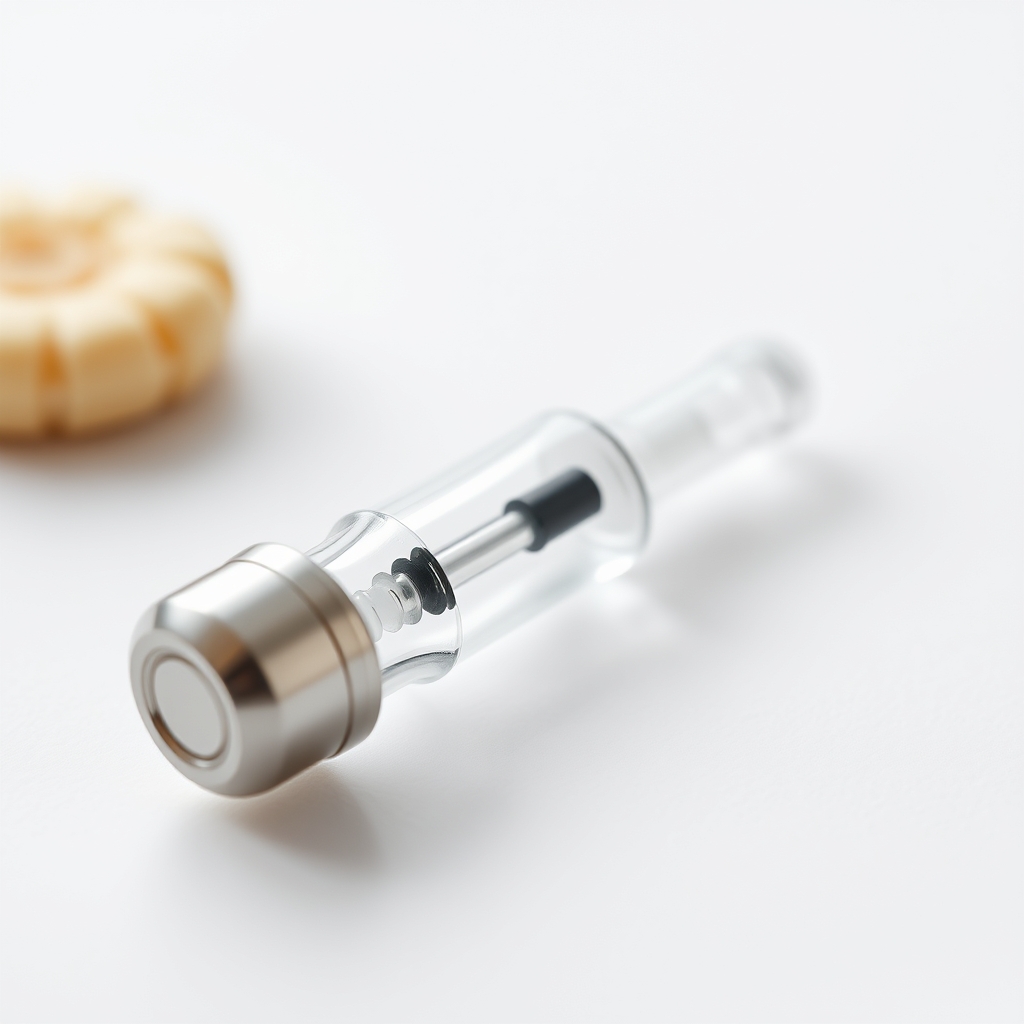
Look at the tiny, flexible rod that provides three years of contraception.
Additional insights: Nexplanon pregnancy rate statistics and failure causes
Across the globe, the cumulative pregnancy rate for Nexplanon users over three years hovers around 0.8 percent, according to data compiled by the International Consortium for Contraceptive Studies. This translates to fewer than 1 pregnancy per 125 users.
When failures do occur, the most common reasons are:
Insertion errors (e.g., placement too shallow or too deep)
Concurrent use of strong enzyme‑inducing drugs
Extreme weight gain that may alter hormone distribution
Manufacturer defects—extremely rare, but reported in a handful of cases worldwide
Understanding these causes helps you and your provider take preventive steps, such as confirming implant location via ultrasound if insertion difficulty was noted.
Track the three‑year lifespan of Nexplanon and know when to check its effectiveness.
How does Nexplanon prevent conception?
Nexplanon’s etonogestrel works through three primary mechanisms:
Thickening cervical mucus: The mucus becomes so viscous that sperm cannot pass through the cervix.
Suppressing ovulation: In most users, the steady hormone level halts the release of an egg from the ovary.
Altering the uterine lining: The endometrium becomes less receptive, making implantation less likely even if fertilization occurs.
Because the implant delivers a constant dose, these effects are maintained without daily user action, which is why the failure rate stays so low.
Can weight gain affect Nexplanon effectiveness?
Research from the NHS and the WHO indicates that while obesity may slightly lower hormone concentrations, the impact on overall effectiveness is minimal. A systematic review of over 5,000 women showed no statistically significant increase in pregnancy rates among users with BMI > 30 compared with those of normal weight.
Nevertheless, it’s wise to have your implant’s location checked if you experience rapid or substantial weight changes, as the rod could shift deeper into tissue, making it harder for the hormone to be absorbed.
From our medical team: If you suspect a pregnancy while Nexplanon is still in place, do not panic. A quick home test, followed by a serum hCG confirmation and prompt removal of the implant, is the safest pathway. Most pregnancies discovered early can be managed without complications, and your provider can guide you through every step.
Myth vs. fact
Myth: “If I have a regular period, I can’t be pregnant on Nexplanon.”
Fact: While many users experience regular bleeding, breakthrough bleeding can occur even in pregnancy. A missed period or any pregnancy‑compatible symptom should prompt a test.
Myth: “Nexplanon never fails, so I don’t need backup contraception.”
Fact: No method is 100 % effective. If the implant was placed more than seven days after unprotected sex, a short‑term backup method (condom or pills) is recommended for the first week.
Myth: “If I’m on antibiotics, Nexplanon stops working.”
Fact: Only enzyme‑inducing antibiotics like rifampin significantly affect the implant. Common antibiotics (e.g., amoxicillin) do not reduce its efficacy.
Key takeaways
Nexplanon’s typical‑use failure rate is about 0.05 percent, making it one of the most reliable contraceptives.
Factors such as improper insertion, certain enzyme‑inducing drugs, and extreme weight gain can lower its effectiveness.
Early pregnancy symptoms (spotting, nausea, breast tenderness) can mimic Nexplanon side‑effects; a home test and serum hCG confirm diagnosis.
If pregnancy is confirmed, removal of the implant is safe and recommended, followed by a discussion of prenatal care or other options.
Fertility returns quickly after removal, often within the first menstrual cycle.
Nexplanon’s effectiveness is comparable to hormonal IUDs and superior to pills and condoms.
Frequently asked questions
How common is Nexplanon failure?
Failure is very rare—about 1 in 2,000 women per year, according to FDA data. Most reported cases involve insertion errors or drug interactions.
Can you get pregnant on Nexplanon if you take antibiotics?
Only antibiotics that strongly induce liver enzymes, such as rifampin, can reduce implant effectiveness. Common antibiotics like penicillin or azithromycin do not affect it.
What are the chances of getting pregnant with Nexplanon in your arm?
Under typical use, the chance is roughly 0.05 percent annually, meaning fewer than 1 pregnancy per 2,000 users each year.
How do I know if my Nexplanon is still working?
Regular check‑ups, a palpable implant under the skin, and the absence of breakthrough bleeding are good signs. If you notice irregularities or suspect migration, schedule an ultrasound with your provider.
What happens if you get pregnant while on Nexplanon?
Confirm pregnancy with a serum hCG test, discuss removal of the implant, and follow your provider’s guidance on prenatal care or termination options.
Are pregnancy symptoms different on Nexplanon?
The symptoms are largely the same as in any early pregnancy, but they may be confused with implant side‑effects like spotting or nausea. A test is the most reliable way to differentiate.
When to call your doctor
If you experience any of the following, contact your provider promptly: sudden severe abdominal pain, heavy vaginal bleeding, fever over 38 °C (100.4 °F), or a positive pregnancy test while Nexplanon is still in place. Remember, this article is for information only and does not replace personalized medical advice.
References
U.S. Food and Drug Administration (FDA). “Nexplanon (etonogestrel) Implant” prescribing information, 2022.
American College of Obstetricians and Gynecologists (ACOG). “Long‑Acting Reversible Contraception: ACOG Committee Opinion No. 782,” 2023.
World Health Organization (WHO). “Medical eligibility criteria for contraceptive use,” 2021.
National Health Service (NHS). “Implant (Nexplanon) – effectiveness and side effects,” 2023.
Centers for Disease Control and Prevention (CDC). “Contraceptive Failure Rates,” 2022.
Mayo Clinic. “Etonogestrel implant: How it works,” accessed July 2026.
International Consortium for Contraceptive Studies. “Global pregnancy rates for sub‑dermal implants,” 2024.
RCOG (Royal College of Obstetricians and Gynaecologists). “Guidelines on hormonal contraception and drug interactions,” 2023.
Not sure about the label on Can You Get Pregnant On Nexplanon Real Failure Rate Signs products?
Snap the ingredients list and SafeFilter checks every ingredient for your stage — only 3 free scans this month, then you're locked until reset. Unlimited from $7/mo or $50/yr.
When Shubhra Mishra was expecting her first child in 2016, she was overwhelmed by conflicting food advice — one site said yes, another said never. By the time her second baby arrived in 2019, she realized millions of mothers face the same confusion.
That sparked a five-year journey through clinical nutrition papers, cultural diets, and expert conversations — all leading to BumpBites: a calm, compassionate space where science meets everyday motherhood.
Her long-term vision is to build a global community ensuring safe, supported, and free deliveriesfor every mother — because no woman should face pregnancy alone or uninformed. 🌿
🌍 Stand with mothers, shape safer guidance
Join a small circle of experts who review BumpBites articles so expecting parents everywhere can decide with confidence.