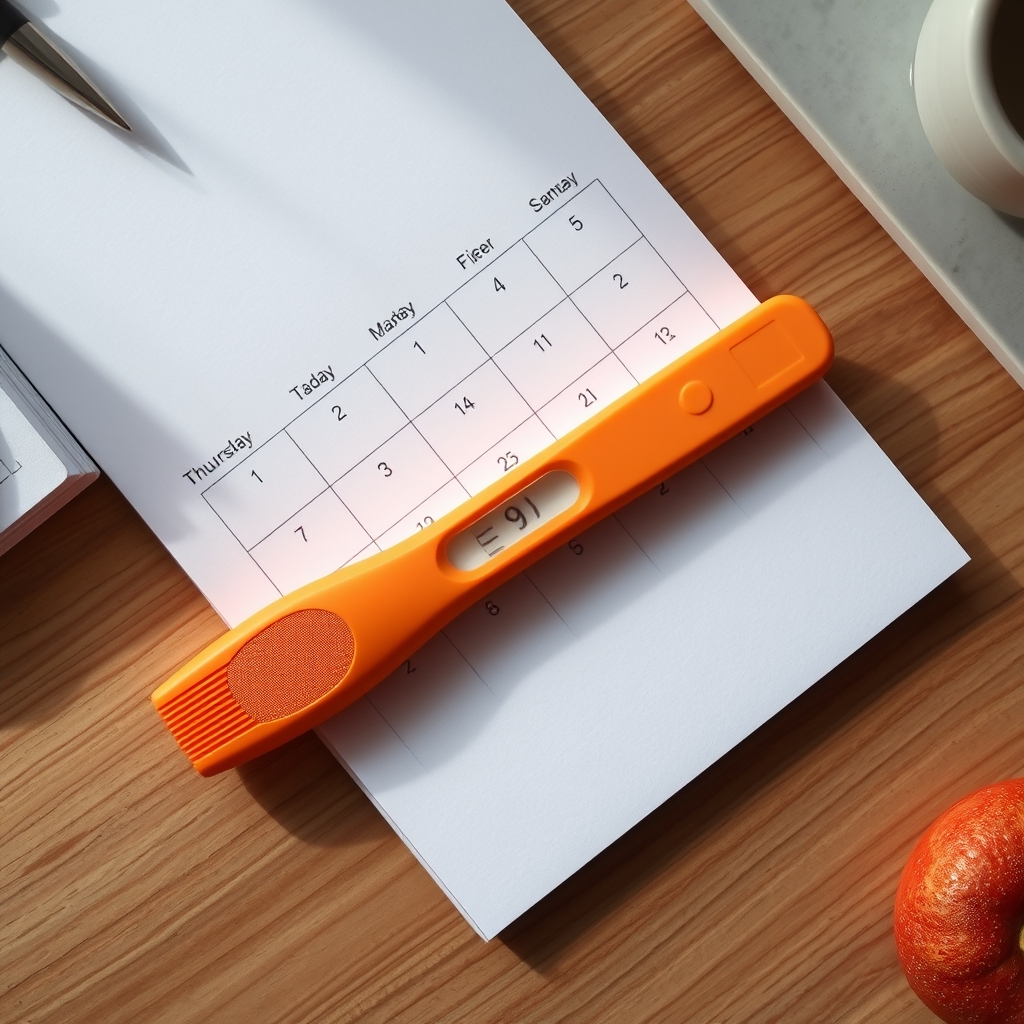
Yes—you can become pregnant right before or after your period. Discover how ovulation timing, cycle length, and sperm survival affect the chance of getting pregnant after your period.
By Shubhra Mishra — a mom of two who turned her own confusion during pregnancy into BumpBites, a global mission to make food choices clear, safe, and stress-free for every expecting mother. 💛
Check whether any food is safe during pregnancy with the BumpBites Food Safety Checker.
Quick take: Yes, you can become pregnant right after or even just before your period, especially if you have a short cycle or irregular timing. Sperm can live up to five days, and ovulation may occur sooner than you expect, so fertilization is possible. Track your ovulation and watch for early pregnancy signs, and talk to your provider if anything feels off.
It’s 2 a.m., you’ve just finished cleaning the kitchen, and a quick glance at the calendar reminds you that your period ended yesterday. A sudden wave of “Did I just have sex?” floods your mind, and you wonder, “Will I get pregnant after my period?” You’re not alone—many people ask the same question, especially when their cycles are short or unpredictable.
Bottom line: pregnancy can happen anytime sperm meets an egg, and that window sometimes falls right after your period ends or even just before it begins. In this article we’ll break down the menstrual cycle, explain how long sperm survive, explore the odds of conceiving on or near your period, and give you practical tools to track fertility and spot early signs of pregnancy.
We’ll also debunk common myths, offer a quick‑reference table, and answer the most‑asked follow‑up questions so you’ll leave feeling informed—not anxious.
Can you get pregnant right after your period ends?
When your period stops, your uterus is still shedding the lining that was built up during the previous cycle. At the same time, the hormonal surge that triggers ovulation may be just a few days away. For many people with a 28‑day cycle, ovulation typically occurs around day 14, which means the fertile window opens roughly five days before ovulation. If your cycle is shorter—say 21 days—ovulation can happen as early as day 7, putting the fertile window right after your period ends.
Because sperm can live inside the female reproductive tract for up to five days, intercourse on the last day of bleeding can still result in fertilization if ovulation follows soon after. In practice, the chance of pregnancy from sex on the final day of a period ranges from 2 % to 7 % for a typical 28‑day cycle, but it climbs to 10 %‑15 % for shorter cycles where ovulation occurs earlier.
To illustrate, consider a woman with a 24‑day cycle. Her period lasts five days, ending on day 5. Ovulation may happen on day 10, meaning the “fertile window” (days 6‑12) starts just after her period. If she has unprotected sex on day 5, viable sperm could still be present when the egg is released on day 10, leading to pregnancy.
Tracking ovulation with a basal body temperature chart, luteinizing hormone (LH) surge tests, or a fertility app can pinpoint when the fertile window truly begins, allowing you to make informed decisions.
Is it possible to conceive during the days just before your period?
Y
es—conception can occur in the days leading up to menstruation, especially if your cycle is irregular or shorter than average. The key factor is when ovulation actually happens. If ovulation is delayed or occurs later in the cycle, the fertile window can overlap with the pre‑menstrual days.
In a typical 28‑day cycle, the luteal phase (the time from ovulation to the start of the next period) lasts about 14 days. However, luteal phase length can vary from 10 to 16 days among individuals. If a woman’s luteal phase is on the shorter side, ovulation may happen later, pushing the fertile window toward the days just before bleeding starts.
Statistically, the probability of pregnancy from intercourse in the two days before bleeding begins is roughly 1 %‑3 % for a standard cycle, but it can rise to 5 %‑8 % for those with a luteal phase of 10 days or a cycle length under 24 days. The overlap is rare but biologically plausible.
Women who track their cycles often notice that a light spotting episode isn’t always a sign that the period is imminent; it can sometimes be an early ovulation bleed. Using ovulation predictor kits (OPKs) or monitoring cervical mucus can help differentiate between pre‑ovulatory spotting and true menstrual flow.
What is the chance of pregnancy if you have sex on the first day of your period?
Having sex on day 1 of bleeding is often assumed to be “safe,” but the reality depends on cycle length and sperm viability. In a classic 28‑day cycle, ovulation around day 14 means the “fertile window” is far from the first day of menses, making the chance of pregnancy low—generally under 2 %.
However, for women with cycles shorter than 24 days, ovulation may occur as early as day 8‑10. In those cases, sperm deposited on day 1 could survive until ovulation, raising the risk to roughly 5 %‑7 %.
A useful way to think about it is the “5‑day rule”: if you have intercourse within five days before ovulation, pregnancy is possible. Count backward from your expected ovulation day; if day 1 of your period falls within that five‑day window, the risk is real.
Because cycle lengths can vary month to month, relying on the calendar alone is risky. Couples who want to avoid pregnancy should consider consistent contraception, even during menstruation, while those trying to conceive can use the first‑day period as a potential early marker for the upcoming fertile window.
How does ovulation timing affect the risk of getting pregnant after your period?
Ovulation timing is the master switch for fertility. In a regular 28‑day cycle, ovulation on day 14 creates a fertile window that begins about five days earlier, meaning the risk of pregnancy after the period is modest. But when ovulation shifts—whether earlier or later—the window moves accordingly.
Early ovulation (day 9‑10) often occurs in women with short cycles (≤24 days). In such cases, the fertile window may start just after the period ends, making the chance of pregnancy from post‑period sex as high as 10 %‑15 %. Late ovulation (day 16‑18) is more common in longer cycles (≥30 days), pushing the fertile window toward the pre‑menstrual days.
Factors that can shift ovulation include stress, significant weight changes, intense exercise, and hormonal birth control “breakthrough” cycles. For example, stopping hormonal contraception can cause a “rebound” ovulation that happens earlier than the body’s usual rhythm, briefly increasing the risk of conception right after the first post‑pill bleed.
Understanding your own ovulation pattern—through basal body temperature, LH surge tests, or digital fertility trackers—helps you predict when the risk is highest and plan accordingly, whether you’re trying to conceive or avoid pregnancy.
Does sperm survive long enough to cause pregnancy after a period?
Sperm are remarkably resilient. In optimal cervical mucus, they can remain motile for up to five days, and occasionally up to seven days, inside the female reproductive tract. This longevity is why intercourse even several days before ovulation can result in pregnancy.
After a period, the cervix is typically low in mucus, which can shorten sperm lifespan. However, as estrogen rises in the days leading up to ovulation, cervical mucus becomes more fertile—thin, stretchy, and alkaline—creating a hospitable environment that can revive sperm that were deposited days earlier.
Research from the American College of Obstetricians and Gynecologists (ACOG) notes that the “fertile window” is effectively five days before ovulation and the day of ovulation itself. Therefore, if you have sex on the last day of bleeding and ovulate within the next five days, the sperm may still be viable.
For women with very short cycles (≤21 days), the window between the end of bleeding and ovulation can be as narrow as two to three days, making the sperm’s survival time a critical factor in the likelihood of conception.
Can irregular cycles increase the likelihood of getting pregnant right before or after a period?
Irregular cycles—those that vary by more than ± 7 days from month to month—make it harder to predict ovulation, often extending the fertile window into days you might assume are “safe.” When cycle length fluctuates, ovulation can shift earlier or later, sometimes landing just after the period or just before the next bleed.
For example, a woman who alternates between 24‑day and 32‑day cycles may ovulate on day 10 in a short cycle and day 18 in a longer one. In the short cycle, the fertile window starts immediately after menstruation, while in the long cycle it may overlap with the pre‑menstrual days.
Studies cited by the National Institute for Health and Care Excellence (NICE) indicate that women with irregular cycles have a 1.5‑to‑2‑fold increased chance of conceiving from intercourse that occurs near the start or end of their period compared to women with consistently 28‑day cycles.
Because irregularity blurs the boundaries of the “safe” days, using ovulation tracking methods—such as daily temperature charts, LH surge kits, or fertility apps that learn your pattern—becomes especially valuable for both contraception and conception planning.
What are the signs of early pregnancy if you conceive right after your period?
When conception occurs shortly after your period, the hormonal changes that signal pregnancy begin earlier than many expect. Within the first two weeks after ovulation, you might notice subtle signs that differ from typical pre‑menstrual symptoms.
Common early indicators include:
Spotting or light bleeding that mimics a period but is usually lighter and shorter.
Breast tenderness that feels different from cyclical soreness—often more pronounced and persistent.
Fatigue that doesn’t resolve with rest, caused by rising progesterone levels.
Increased urination, especially at night, due to hormonal shifts and increased blood flow to the kidneys.
Changes in sense of smell or food aversions, which can appear as early as a week after conception.
Because these symptoms overlap with menstrual or pre‑menstrual signs, a home pregnancy test taken after a missed period (or at least 14 days after ovulation) provides the most reliable confirmation. If you suspect pregnancy and experience severe cramping, bleeding, or fever, contact your provider promptly.
Fertility window after period ends: how many days after period can you get pregnant?
The “fertility window” begins a few days before ovulation and ends on the day of ovulation. For most people with a 28‑day cycle, this window falls between days 10‑14. If your period lasts five days, the window typically starts around day 9, meaning you could become pregnant as early as four days after your period ends.
However, cycle length dramatically influences this timing. In a 21‑day cycle, ovulation may occur on day 7, making the fertile window start on day 2—just two days after bleeding stops. Conversely, in a 35‑day cycle, ovulation could be on day 21, pushing the window to start around day 16.
Below is a quick reference table summarizing typical fertile windows based on cycle length:
Cycle length
Typical ovulation day
Fertile window (days)
Earliest post‑period conception
21 days
Day 7
Day 2‑7
Day 2
24 days
Day 10
Day 5‑10
Day 5
28 days
Day 14
Day 9‑14
Day 9
32 days
Day 18
Day 13‑18
Day 13
35 days
Day 21
Day 16‑21
Day 16
Understanding where you fall on this spectrum helps you anticipate the earliest days after your period when pregnancy is possible, empowering you to make the right choices for your reproductive goals.
Visual guide to spotting the fertile window in short cycles.
Tracking ovulation for women with short cycles
Women with cycles under 24 days benefit from precise ovulation tracking because the fertile window can open soon after menstruation. The most reliable methods include:
Basal body temperature (BBT) charting: Take your temperature each morning before getting out of bed. A sustained rise of about 0.3‑0.5 °C signals ovulation.
Luteinizing hormone (LH) surge kits: Test urine daily after your period ends. A positive result indicates that ovulation will likely occur within 24‑36 hours.
Cervical mucus monitoring: Look for clear, stretchy, egg‑white‑like mucus, which appears a day or two before ovulation.
Fertility apps with predictive algorithms: Input your cycle length and any symptom data; the app can forecast your fertile window, adjusting for irregularities.
Combining two methods—such as LH kits and mucus observation—offers the highest accuracy, especially when cycles vary month to month. Consistent tracking also helps you identify any underlying issues, like luteal phase defects, that could affect fertility.
If you’re trying to conceive, aim to have intercourse every 1‑2 days during the identified fertile window. For those avoiding pregnancy, consider barrier methods or emergency contraception if you have unprotected sex during this period.
Impact of birth control on post‑period fertility
Hormonal birth control—pills, patches, rings, injections, and hormonal IUDs—suppresses ovulation, making pregnancy highly unlikely during use. However, once you stop a hormonal method, the return of fertility can be swift, sometimes within a single cycle.
For combined oral contraceptives, the first withdrawal bleed mimics a period but is actually a hormone‑free interval. Ovulation can resume as early as the first cycle after stopping the pill, meaning the “post‑period” window may be fertile sooner than expected.
Long‑acting reversible contraceptives (LARCs) like the hormonal IUD or implant have a delayed return of fertility, often taking 3‑6 months after removal. In contrast, copper IUDs do not affect ovulation, so fertility can return immediately after removal—potentially within weeks.
Women who wish to become pregnant after discontinuing birth control should discuss a transition plan with their provider, especially if they have a history of irregular cycles. Tracking ovulation with the methods above can clarify when the fertile window re‑opens.
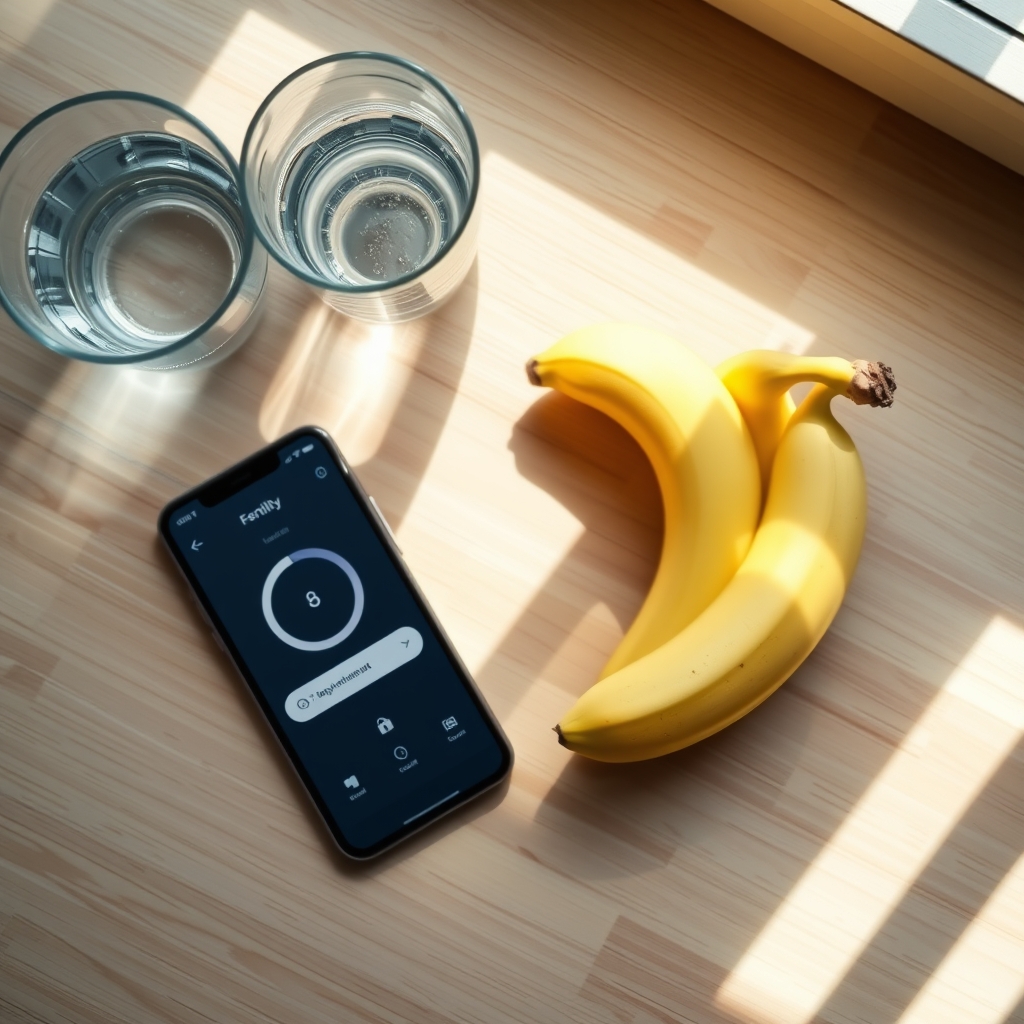
Simple tools—like a phone app—can help you pinpoint the fertile window after your period.
Average luteal phase length and pregnancy risk
The luteal phase—the interval between ovulation and the start of the next period—is remarkably consistent for most people, averaging 14 days (range 10‑16 days). Because this phase is relatively fixed, the timing of ovulation can be inferred by counting backward from the onset of the next period.
When the luteal phase is short (≤10 days), ovulation may occur later in the cycle, potentially moving the fertile window closer to the next period. This can increase the chance of conceiving just before a period, especially if intercourse occurs in the days leading up to bleeding.
Conversely, a longer luteal phase (≥16 days) pushes ovulation earlier, expanding the window after menstruation. Women with consistently short luteal phases should be especially vigilant about tracking ovulation if they wish to avoid pregnancy during the pre‑menstrual days.
Testing luteal phase length can be done by measuring progesterone levels mid‑cycle or by tracking basal body temperature spikes and confirming the day of the next period. Understanding your luteal phase adds another layer of precision to fertility awareness.
From our medical team: The timing of ovulation, not the calendar alone, determines when you’re most fertile. If you have a short or irregular cycle, the “safe” days after your period can quickly turn into high‑risk days for pregnancy. Using a reliable ovulation tracker—whether it’s a temperature chart, an LH test, or a validated app—helps you stay ahead of the curve. And remember, early pregnancy symptoms can mimic period symptoms, so a home test after a missed period is the best way to confirm. If you’re ever unsure, reach out to your provider for personalized guidance.
Myth vs. fact
Myth: You can’t get pregnant during your period.
Fact: Pregnancy is possible if ovulation occurs early or if sperm survive long enough to meet the egg, especially in short cycles.
Myth: Light spotting means you’re not fertile.
Fact: Spotting can be an early ovulation bleed; it doesn’t guarantee you’re outside the fertile window.
Myth: The “7‑day rule” (waiting seven days after period) is foolproof.
Fact: Because sperm can live up to five days and ovulation timing varies, the seven‑day rule isn’t reliable for everyone.
Key takeaways
Pregnancy can occur right after or even just before your period, especially with short or irregular cycles.
Sperm may survive up to five days, so intercourse within that window before ovulation can lead to conception.
Track ovulation with temperature charts, LH kits, or reputable fertility apps to pinpoint your fertile window.
Early pregnancy symptoms often overlap with menstrual signs; a home test after a missed period provides confirmation.
If you’re using or discontinuing birth control, be aware that fertility can return quickly—monitor ovulation accordingly.
When in doubt, consult your healthcare provider for personalized advice.
Frequently asked questions
Can you get pregnant on the first day of your period?
Yes, you can, especially if you have a short cycle where ovulation occurs early; the risk is low in a typical 28‑day cycle but rises to about 5‑7 % in cycles under 24 days.
How long does sperm live inside the female reproductive tract?
Sperm can remain motile for up to five days, and under optimal cervical mucus conditions, they may survive up to seven days, which is why the fertile window extends several days before ovulation.
When does ovulation typically occur in a 28‑day cycle?
Ovulation usually happens around day 14, with the fertile window spanning roughly days 9‑14; however, individual variation can shift this timing by several days.
Is it safe to have unprotected sex right after your period?
While the chance of pregnancy is lower right after a period in a standard cycle, it’s not zero—especially for short or irregular cycles—so using contraception if you’re not trying to conceive is advisable.
What are the early signs of pregnancy if you conceive after your period?
Early signs can include light spotting, breast tenderness, fatigue, increased urination, and changes in smell or appetite, all of which can resemble pre‑menstrual symptoms.
Do irregular periods affect the chances of getting pregnant?
Yes, irregular cycles make it harder to predict ovulation, often expanding the fertile window into days surrounding your period, which can increase the likelihood of conception during those times.
When to call your doctor
If you experience any of the following, seek medical attention promptly: heavy or prolonged bleeding, severe abdominal pain, fever, sudden swelling, or signs of ectopic pregnancy such as sharp shoulder pain. This article provides general information and is not a substitute for personalized medical advice. Always consult your healthcare provider with specific concerns.
References
American College of Obstetricians and Gynecologists (ACOG). “Timing of Intercourse and Pregnancy.” Clinical Guidance, 2023.
National Institute for Health and Care Excellence (NICE). “Fertility Problems: Assessment and Treatment.” NG146, 2022.
World Health Organization (WHO). “Contraception and Fertility Awareness.” Reproductive Health Guidelines, 2021.
Centers for Disease Control and Prevention (CDC). “Sperm Viability and Fertile Window.” Reproductive Health Fact Sheet, 2022.
Royal College of Obstetricians and Gynaecologists (RCOG). “Ovulation Timing and Cycle Length.” Clinical Practice Guidelines, 2023.
Mayo Clinic. “Luteal Phase Length and Fertility.” Patient Education, 2022.
National Health Service (NHS). “How to Track Ovulation.” Women's Health Resources, 2023.
Not sure about the label on Can You Get Pregnant Right Before Or After Your Period products?
Snap the ingredients list and SafeFilter checks every ingredient for your stage — only 3 free scans this month, then you're locked until reset. Unlimited from $7/mo or $50/yr.
When Shubhra Mishra was expecting her first child in 2016, she was overwhelmed by conflicting food advice — one site said yes, another said never. By the time her second baby arrived in 2019, she realized millions of mothers face the same confusion.
That sparked a five-year journey through clinical nutrition papers, cultural diets, and expert conversations — all leading to BumpBites: a calm, compassionate space where science meets everyday motherhood.
Her long-term vision is to build a global community ensuring safe, supported, and free deliveriesfor every mother — because no woman should face pregnancy alone or uninformed. 🌿
🌍 Stand with mothers, shape safer guidance
Join a small circle of experts who review BumpBites articles so expecting parents everywhere can decide with confidence.