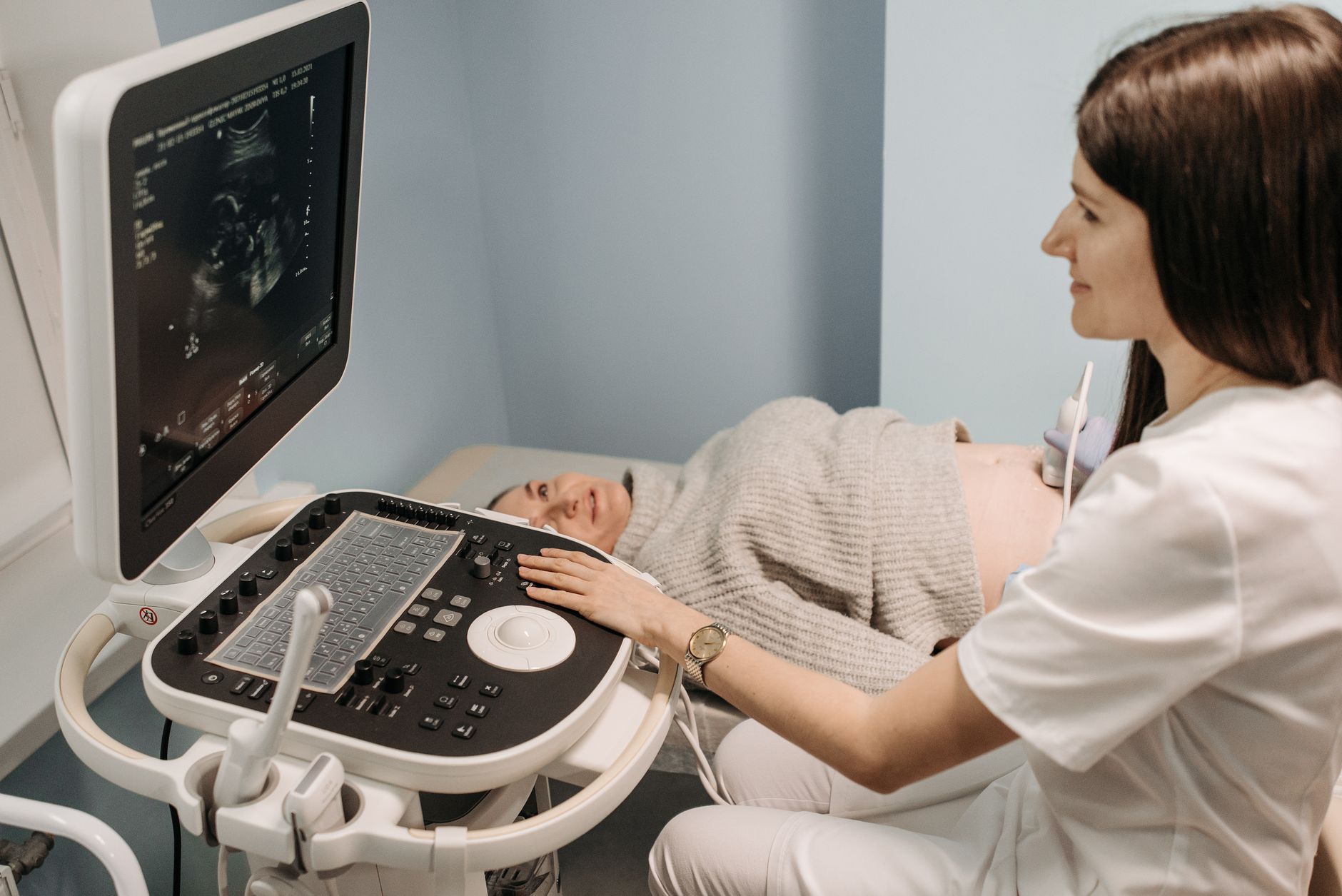
Yes, you can determine paternity during pregnancy with safe, non‑invasive cell‑free fetal DNA testing, which analyzes fetal DNA in the mother’s blood.
By Shubhra Mishra — a mom of two who turned her own confusion during pregnancy into BumpBites, a global mission to make food choices clear, safe, and stress-free for every expecting mother. 💛
Check whether any food is safe during pregnancy with the BumpBites Food Safety Checker.
Quick take: Non‑invasive prenatal paternity testing is a safe, highly accurate way to learn who the father is while you’re pregnant. By analyzing tiny fragments of fetal DNA that float in the mother’s bloodstream, the test can be done as early as eight weeks, usually returns results within a few weeks, and avoids any risk to the baby. Costs run between $1,000‑$2,000, and most labs follow strict U.S. (FDA‑cleared) and U.K. (NHS‑approved) standards. Before you decide, consider timing, legal implications, emotional support, and insurance options—your provider can help you navigate each step.
As an expecting mother, you may be wondering about the possibility of determining paternity during pregnancy. Perhaps you’re not sure who the father is, or you need confirmation for personal or legal reasons. It’s natural to feel anxious when a question as intimate as “who is the dad?” meets a medical decision. Many women have been in your shoes, scrolling late‑night Google searches while a baby bump grows. One common story is that of “Sarah,” who discovered she was pregnant after a breakup. With a non‑invasive prenatal paternity test, she learned the father’s identity, filed the necessary paperwork, and moved forward with confidence.
In this guide we’ll walk through what a non‑invasive prenatal paternity (NIPP) test is, when you can have it, how accurate it is, how much it costs, and what you need to know about safety, logistics, and next steps. We’ll also cover legal considerations, emotional support resources, and insurance options—so you can decide with a clear head and a calm heart.
What is a Non-Invasive Prenatal Paternity Test (NIPP)?
A non‑invasive prenatal paternity test, often abbreviated NIPP, is a genetic method that determines paternity without entering the uterus. The test looks for cell‑free fetal DNA (cffDNA) that naturally leaks from the placenta into the mother’s bloodstream. By drawing a standard 10‑ml blood sample from the mother, the lab isolates the cffDNA, then compares it to DNA from the alleged father using short‑tandem repeat (STR) markers. The science is the same technology behind non‑invasive prenatal screening (NIPS) for chromosomal conditions, which the FDA cleared in 2016.
Because the procedure requires only a routine blood draw, there’s no risk of miscarriage, infection, or fetal injury. Most reputable laboratories are CLIA‑certified and follow ACOG’s guidance that cffDNA testing is safe for both mother and baby. The result is a statistical probability of paternity—usually >99.9% if the man is the biological father, or <0.1% if he is not.
Since the test uses only maternal blood, it can be scheduled alongside your regular prenatal labs, meaning you won’t need an extra appointment solely for the paternity test.
Seeking answers about paternity during pregnancy can be a challenging and emotional journey.
How Early Can You Get a Non-Invasive Paternity Test During Pregnancy?
T
he earliest you can reliably perform an NIPP test is around 8 weeks gestation. At this stage, cffDNA makes up roughly 4–10% of total cell‑free DNA in maternal plasma, which is enough for the lab’s quantitative PCR or next‑generation sequencing platforms to generate a clear profile. Some labs claim they can start at 7 weeks, but the likelihood of an inconclusive result rises sharply before 8 weeks because the fetal fraction may be too low.
If you’re carrying twins, the fetal fraction can be higher, which sometimes allows for a slightly earlier draw. Conversely, a low fetal fraction—common in women with a higher body‑mass index or certain medical conditions—might require waiting until 10–12 weeks for a definitive result. Your obstetrician or a genetic counselor can order a “fetal fraction” test first to see whether the sample will be sufficient.
Because the blood draw is low‑risk, many providers integrate it into the 8‑week prenatal visit, making it a seamless part of early pregnancy care.
How Accurate Are Non-Invasive Paternity Tests While Pregnant?
When the fetal fraction meets the laboratory’s minimum threshold (usually ≥4%), non‑invasive paternity tests achieve >99.9% accuracy for confirming a biological father. The high accuracy stems from analyzing dozens of STR loci across the genome, which dramatically reduces the chance of a coincidental match. ACOG’s 2022 review of cffDNA technology notes that false‑positive or false‑negative rates are vanishingly small when proper protocols are followed.
Nevertheless, a small percentage of tests can be inconclusive. Low fetal fraction, maternal DNA contamination, or a mismatch in sample handling can all affect the outcome. In such cases, the lab may recommend a repeat draw or, if necessary, an invasive test (CVS or amniocentesis) to obtain fetal cells directly. Even in those rare scenarios, the invasive option still carries a miscarriage risk of about 0.5‑1%—far higher than the non‑invasive approach.
Recent data from a multi‑center study published in *Prenatal Diagnosis* (2022) confirm that when the fetal fraction is ≥4%, the concordance with invasive testing exceeds 99.8%.
The accuracy of non-invasive paternity tests relies on the analysis of cell-free fetal DNA in the mother's blood.
What Is the Cost of Non-Invasive Prenatal Paternity Testing?
In the United States, most private labs price NIPP tests between $1,000 and $2,000, depending on turnaround time, shipping fees, and whether you need a legally admissible report (often required for court). In the United Kingdom, NHS‑approved private providers typically charge £800‑£1,200, and some NHS trusts may cover the test if it’s medically indicated, though most paternity cases fall under private care.
Additional costs can include: (1) shipping the mother’s blood sample to the lab, (2) a second blood draw if the first sample is insufficient, (3) a legal affidavit if you need a court‑ready result, and (4) optional counseling sessions. Some labs offer bundled packages that reduce overall expense, and a few nonprofit organizations provide financial assistance for low‑income families. Always ask the provider for a detailed quote before proceeding.
Insurance rarely covers elective paternity testing, but if the test is tied to a medical indication—such as confirming carrier status for a hereditary disorder—some plans may reimburse part of the fee.
Is Non-Invasive Paternity Testing During Pregnancy Safe for the Baby?
Yes. The test involves only a standard venous blood draw from the mother, which poses no more risk than any routine prenatal lab work (e.g., blood‑type or anemia testing). The cffDNA analysis does not interfere with fetal development, placenta function, or maternal health. The FDA cleared NIPT tests in 2016 after extensive safety studies, and subsequent peer‑reviewed research published in *Prenatal Diagnosis* (2021) found no adverse outcomes linked to cffDNA extraction.
Because the procedure is non‑invasive, there is no increased chance of miscarriage, infection, or preterm labor. ACOG’s Committee Opinion on “Non‑Invasive Prenatal Testing” (2022) specifically states that cffDNA testing is “clinically safe for the fetus and mother” when performed after 8 weeks.
Even when a repeat draw is needed, the second venipuncture carries the same minimal risk as any routine blood test, reinforcing the overall safety profile.
Non-invasive paternity testing is a safe and reliable way to determine paternity during pregnancy.
How Does Non-Invasive Prenatal Paternity Testing Work Scientifically?
The science begins with a maternal blood draw, typically 10 ml, which is processed to separate plasma from red blood cells. The plasma contains a mixture of cell‑free DNA fragments: roughly 90% maternal, 10% fetal (when the fetal fraction is adequate). The lab uses a magnetic bead‑based extraction method to isolate the cffDNA, then amplifies selected STR loci using polymerase chain reaction (PCR). These loci are compared to the alleged father’s DNA, which is usually collected via a cheek swab or saliva kit.
Statistical analysis calculates a “paternity index” for each marker, then combines them into a cumulative probability. If the combined probability exceeds 99.9%, the lab reports “paternity confirmed.” If it falls below 0.1%, the report states “exclusion.” Intermediate results are rare and typically trigger a repeat test. The entire workflow—from draw to final report—usually takes 7–14 days, depending on lab workload.
Because the test uses next‑generation sequencing, it can also detect low‑level mosaicism, giving clinicians extra confidence in borderline cases.
Where Can I Find Labs Offering Non-Invasive Paternity Tests During Pregnancy?
Many commercial genetics companies now list NIPP as a service on their websites. In the U.S., major players include DNA Diagnostics Center (DDC), LabCorp, and Quest Diagnostics. In the U.K., companies such as The DNA Lab, UK Paternity Test, and private NHS‑affiliated labs provide the service. When selecting a lab, verify that it is CLIA‑certified (U.S.) or ISO‑15189 accredited (U.K.) and that it follows FDA guidelines for cffDNA testing.
Consider the following factors: (1) turnaround time (standard vs. expedited), (2) whether the lab offers a legally admissible report, (3) customer support for sample collection, and (4) transparent pricing. Reading online reviews and checking for any past FDA warnings can also help you avoid low‑quality providers.
Most reputable labs also provide a dedicated hotline staffed by genetic counselors who can walk you through each step, from ordering to interpreting results.
Non-Invasive vs. Invasive Paternity Tests: What’s the Difference?
Non‑invasive tests rely on a simple maternal blood draw, while invasive tests require direct sampling of fetal cells. Invasive methods include chorionic villus sampling (CVS) performed at 10‑12 weeks and amniocentesis done after 15 weeks. Both invasive approaches carry a small but real risk of miscarriage—estimated at 0.5‑1% for CVS and 0.1‑0.3% for amniocentesis—plus potential infection or placental complications.
In terms of timing, invasive tests can be performed slightly earlier (CVS at 10 weeks) than most non‑invasive options, but the safety trade‑off is significant. Accuracy for both methods is comparable (>99% when performed correctly), yet the non‑invasive test’s low risk makes it the preferred first line. If a non‑invasive test is inconclusive, clinicians may still recommend an invasive procedure for definitive clarification.
Because invasive sampling extracts fetal cells directly, it can also be used for additional genetic analyses beyond paternity, but the added risk rarely outweighs the benefits when a blood‑based test is feasible.
Test Type
Risk Level
Typical Timing
Accuracy
Non‑Invasive
Low (blood draw only)
After 8 weeks
≥99.9%
Invasive (CVS)
Higher (≈0.5‑1% miscarriage)
10‑12 weeks
≥99.9%
Invasive (Amniocentesis)
Higher (≈0.1‑0.3% miscarriage)
15‑20 weeks
≥99.9%
Legal and Privacy Considerations for Prenatal Paternity Testing
Before ordering a test, it’s wise to understand the legal landscape. In the United States, paternity testing is generally admissible in family‑law courts, but the test must be performed by a certified lab and accompanied by a chain‑of‑custody affidavit. Some states, such as California and New York, have specific statutes that require a court order for testing if the alleged father objects. In the United Kingdom, the Family Law Act 1996 allows courts to order a paternity test, but the test must be performed by an accredited laboratory and follow strict privacy rules.
If you plan to use the result for child‑support, custody, or immigration purposes, you’ll need a “legal” version of the report. This includes a signed statement from the lab director, a detailed description of the sampling process, and a notarized consent form from both parents (or a court order if consent is unavailable). Always discuss these requirements with your attorney early, as processing times can add weeks to the overall timeline.
Both U.S. and U.K. privacy regulations (HIPAA and GDPR) require labs to safeguard genetic data, meaning your results will be stored securely and only shared with authorized parties.
Emotional Support and Counseling Resources
Learning about paternity can be emotionally charged. Many parents‑to‑be experience anxiety, guilt, or relief depending on the outcome. ACOG recommends that clinicians offer genetic counseling for all prenatal paternity tests, regardless of the result. Counseling can help you process the information, discuss next steps, and connect you with support groups.
National resources include the National Domestic Violence Hotline (1‑800‑799‑7233) if you feel unsafe, the Postpartum Support International (PSI) network for mental‑health referrals, and local family‑law clinics that often provide free counseling. In the U.K., the NHS offers a “Parenting Support Service” that can connect you with a therapist experienced in family‑law stress. Remember, you are not alone—reaching out for professional support is a sign of strength, not weakness.
Many hospitals also run peer‑support groups for expectant parents navigating complex family situations, providing a safe space to share experiences.
Preparing for Your Non‑Invasive Paternity Test
Preparation is minimal, but a few practical steps can smooth the process. First, schedule the blood draw with your obstetrician or a certified phlebotomy center—most labs provide a prepaid kit for shipping the sample. Bring a photo ID, your insurance card (if you plan to submit a claim), and a copy of the father’s consent form or a court order. If you’re collecting the alleged father’s DNA yourself, ask him to use a sterile cheek‑swab kit, avoiding food or drink for at least 30 minutes beforehand.
After the draw, store the sample at room temperature if shipping within 24 hours, or refrigerate it if there’s a delay. The lab will usually provide a tracking number, so you can monitor its arrival. If you’re waiting for results, keep a list of questions for your next prenatal visit: “What does a ‘probability of paternity’ mean for legal purposes?” and “Are there any follow‑up steps if the result is inconclusive?”
Make sure you have a quiet, private place to discuss the results with your partner or support person, as the emotional impact can be significant.
Understanding Your Test Results
Results come in one of three categories: (1) “Paternity Confirmed” – typically >99.9% probability, (2) “Paternity Excluded” – usually <0.1% probability, and (3) “Inconclusive” – when the fetal fraction is too low or the sample quality is compromised. A “confirmed” result means the alleged father’s DNA matches the fetal DNA at all tested loci. An “excluded” result indicates a mismatch at multiple loci, effectively ruling out biological fatherhood.
If you receive an inconclusive report, the lab will suggest a repeat draw, often 1‑2 weeks later when the fetal fraction may have increased. In rare cases where repeat testing still fails, an invasive test may be recommended. Always review the report with a qualified genetic counselor or your obstetrician to understand the legal weight of the findings and any next steps you may wish to take.
For parents who need a court‑ready document, the lab will issue a separate “legal report” that includes a notarized chain‑of‑custody statement.
Insurance and Payment Options
Most private insurance plans treat prenatal paternity testing as an elective service, not a medically necessary one, so coverage is limited. However, if the test is ordered for a medical reason—such as confirming a genetic disorder that requires knowledge of the father’s carrier status—some insurers will cover it under the umbrella of prenatal screening. In the U.S., check your policy’s “genetic testing” clause, and ask your provider to submit a pre‑authorization request.
In the U.K., the NHS rarely funds paternity testing unless it is directly linked to a medical condition or court order. Some private insurers offer “add‑on” policies that reimburse up to 80% of the cost. For families without coverage, many labs provide a “payment plan” option, allowing you to split the fee into three monthly installments without interest.
When budgeting, remember to factor in possible extra fees for legal documentation, expedited shipping, and any counseling sessions you may wish to attend.
Can NIPP be Combined with Other Prenatal Screens?
Yes. Because the same maternal blood sample can be used for both NIPP and standard non‑invasive prenatal testing (NIPT) for chromosomal abnormalities, many providers offer a bundled “dual‑screen” package. This approach maximizes efficiency and can reduce overall cost, while still delivering separate, legally valid reports for each purpose.
According to NHS guidance (2022), laboratories must keep the two analyses distinct to preserve the chain‑of‑custody for any legal use. Discuss with your provider whether a combined test fits your clinical and legal needs.
What Consent Is Required for a Prenatal Paternity Test?
In the United States, both the pregnant woman and the alleged father must provide written consent before a paternity test can be performed, unless a court order overrides the requirement. The consent form details the purpose of the test, how the samples will be handled, and the intended use of the results.
In the United Kingdom, the Human Tissue Act 2004 mandates informed consent from all parties, and the laboratory must retain a signed consent form for at least ten years. If the alleged father refuses, a court can compel testing, but only after a thorough judicial review.
What If the Alleged Father Refuses to Provide a Sample?
When a father declines to give a DNA sample, the situation becomes a legal matter. In many U.S. states, a court can issue an order compelling the individual to submit a cheek swab, especially if the test is needed for child‑support or custody determinations. The order typically includes a deadline and may impose penalties for non‑compliance.
In the U.K., a similar court order can be sought under the Family Law Act. The order will specify how the sample should be collected—often by a neutral third‑party laboratory—ensuring the process remains fair and unbiased.
From our medical team: Non‑invasive paternity testing is a safe and reliable way to determine paternity during pregnancy. While invasive paternity tests may be necessary in some cases, non‑invasive tests are generally preferred due to their low risk and high accuracy.
Myth vs. Fact
There are several myths and misconceptions surrounding non‑invasive paternity testing. Here are a few:
Myth: Non‑invasive paternity testing is not accurate. Fact: Non‑invasive paternity testing is highly accurate, with accuracy rates exceeding 99%.
Myth: Non‑invasive paternity testing is invasive and poses a risk to the mother and fetus. Fact: Non‑invasive paternity testing is completely safe and does not pose any risk to the mother or the fetus.
Myth: Non‑invasive paternity testing is only available for women who are carrying twins or have a history of miscarriage. Fact: Non‑invasive paternity testing is available for all pregnant women, regardless of their individual circumstances.
Myth: A non‑invasive test can be done at any stage of pregnancy. Fact: The test is most reliable after 8 weeks when the fetal DNA fraction is sufficient.
Key Takeaways
Non‑invasive prenatal paternity testing is a safe, highly accurate way to learn who the father is while you’re pregnant.
The test requires only a standard maternal blood draw and can be performed as early as 8 weeks gestation.
Results are typically delivered within 1‑2 weeks and show a probability of >99.9% when paternity is confirmed.
Costs range from $1,000‑$2,000 (U.S.) or £800‑£1,200 (U.K.), with possible discounts or payment plans.
Legal admissibility requires a certified laboratory, a chain‑of‑custody affidavit, and often a court order if consent is lacking.
Emotional support and counseling are recommended to help you process the outcome.
Frequently Asked Questions
Can you do a DNA test while pregnant without the father knowing?
Yes, it is technically possible to order a non‑invasive prenatal paternity test without the alleged father's knowledge, but doing so raises ethical and legal concerns. In many jurisdictions, collecting a man's DNA without consent may be considered a violation of privacy, and a court could deem the result inadmissible if the father contests it. We recommend discussing any concerns with a legal professional and, if possible, seeking a mediated conversation with the father.
What is the earliest week for non‑invasive paternity test?
The earliest reliable week for a non‑invasive paternity test is around 8 weeks gestation. Before this point, the fetal DNA fraction in maternal blood may be too low, increasing the chance of an inconclusive result. Some labs may attempt testing at 7 weeks, but they typically advise a repeat draw if the fetal fraction is insufficient.
Is non‑invasive paternity test 100% accurate?
Non‑invasive paternity testing is highly accurate—generally >99.9% when the fetal fraction meets the laboratory’s threshold. However, no test is 100% foolproof; sample contamination, low fetal fraction, or laboratory error can lead to inconclusive or erroneous results. In such cases, a repeat draw or an invasive test may be recommended.
How long do non‑invasive paternity test results take?
Most labs report results within 7‑14 days after receiving the maternal blood sample. Expedited services are available for an additional fee and can return results in as few as 3 days. Delays may occur if the sample is shipped internationally or if the fetal fraction is borderline and requires a repeat draw.
What is the difference between NIPP and NIPT?
NIPP (Non‑Invasive Prenatal Paternity) determines the biological father by comparing fetal DNA to a potential father's DNA. NIPT (Non‑Invasive Prenatal Testing) screens the fetus for chromosomal abnormalities such as Down syndrome, trisomy 18, or sex‑chromosome anomalies. Both use the same cffDNA technology, but they answer different clinical questions.
Can I get a free paternity test during pregnancy?
Free prenatal paternity testing is rare. Some court‑ordered tests may be covered by state legal aid programs, and a few nonprofit organizations sometimes provide vouchers for low‑income families. Most private labs charge a fee, though discounts or payment plans are often available. Always verify any “free” offer for hidden costs.
Will a non‑invasive paternity test affect my prenatal care?
No. The test does not interfere with standard prenatal care, and the blood draw can be coordinated with routine prenatal labs. Your obstetrician will continue to monitor your pregnancy as usual, regardless of the paternity test outcome.
Can I use a non‑invasive test to determine the father of a future child after delivery?
After birth, a simple buccal swab from the newborn and from the alleged father provides a definitive paternity result with 99.9% accuracy. However, many parents prefer to test prenatally to avoid uncertainty during pregnancy.
Can I use a non‑invasive paternity test if I have a blood clotting disorder?
Yes. The blood draw required for NIPP is the same as any routine prenatal lab test, and it does not exacerbate clotting disorders. However, you should inform your obstetrician or phlebotomist about your condition so they can take any precautionary measures, such as applying pressure longer after the needle is removed.
Is it possible to test paternity after a miscarriage?
If a miscarriage occurs before 8 weeks, the fetal DNA fraction is usually too low for a reliable NIPP result. After 8 weeks, a small blood sample can still be drawn, but the accuracy may be reduced. In many cases, families choose a post‑delivery buccal swab if the pregnancy progresses to term, or they may opt for a standard post‑miscarriage DNA test if timing permits.
When to Call Your Doctor
If you’re considering non‑invasive paternity testing, it’s essential to consult your healthcare provider or a genetic counselor. They can help you choose the right timing, understand the legal implications, and arrange the blood draw.
If you experience any of the following symptoms, seek medical attention immediately:
Vaginal bleeding or spotting
Severe abdominal pain
Fever or chills
Sudden change in fetal movement
Non‑invasive paternity testing is a safe and reliable way to determine paternity during pregnancy. While it’s important to consider individual circumstances, the test is generally a good option for women who need to establish paternity.
References
American College of Obstetricians and Gynecologists (ACOG). (2022). Committee Opinion: Non‑Invasive Prenatal Testing. Retrieved from ACOG website.
National Health Service (NHS). (2022). Non‑invasive prenatal testing (NIPT). Retrieved from NHS website.
Food and Drug Administration (FDA). (2016). Clearance of non‑invasive prenatal tests for fetal aneuploidy. Retrieved from FDA website.
DNA Diagnostics Center. (2022). Non‑Invasive Prenatal Paternity Testing – Technical Overview. Retrieved from DDC website.
Society of Obstetricians and Gynaecologists of Canada (SOGC). (2021). Clinical practice guideline: Prenatal genetic screening. Retrieved from SOGC website.
Family Law Act 1996 (UK). (1996). Legislation governing court‑ordered paternity testing. Retrieved from UK legislation database.
Postpartum Support International (PSI). (2023). Resources for perinatal mental health. Retrieved from PSI website.
Not sure about the label on Can You Paternity Test During Pregnancy Non Invasive Methods products?
Snap the ingredients list and SafeFilter checks every ingredient for your stage — only 3 free scans this month, then you're locked until reset. Unlimited from $7/mo or $50/yr.
When Shubhra Mishra was expecting her first child in 2016, she was overwhelmed by conflicting food advice — one site said yes, another said never. By the time her second baby arrived in 2019, she realized millions of mothers face the same confusion.
That sparked a five-year journey through clinical nutrition papers, cultural diets, and expert conversations — all leading to BumpBites: a calm, compassionate space where science meets everyday motherhood.
Her long-term vision is to build a global community ensuring safe, supported, and free deliveriesfor every mother — because no woman should face pregnancy alone or uninformed. 🌿
🌍 Stand with mothers, shape safer guidance
Join a small circle of experts who review BumpBites articles so expecting parents everywhere can decide with confidence.