Get accurate results with Clear Blue Pregnancy Test Instructions Step-by-Step Guide, learn how to use the test for pregnancy confirmation
By Shubhra Mishra — a mom of two who turned her own confusion during pregnancy into BumpBites, a global mission to make food choices clear, safe, and stress-free for every expecting mother. 💛
Check whether any food is safe during pregnancy with the BumpBites Food Safety Checker.
Quick take: Clearblue pregnancy tests offer a reliable way to detect pregnancy by measuring the hormone hCG. For accurate results, always follow the specific instructions for your test type (Digital, Early Detection, Rapid Detection), test at the right time, and understand how to interpret positive, negative, or invalid displays. If in doubt, retest or consult your healthcare provider.
It's 3 AM, and you're staring at a tiny stick, your heart pounding. Is that a line? Is it an error symbol? The world of pregnancy tests, especially with a brand as popular as Clearblue, can feel a bit overwhelming when you're desperate for a clear answer. You're not alone in feeling this mix of hope, anxiety, and confusion.
Clearblue offers a range of pregnancy tests, from digital options that spell out "Pregnant" or "Not Pregnant" to traditional line tests that reveal a cross or lines. While they all aim to detect the pregnancy hormone human chorionic gonadotropin (hCG), each type has specific instructions for optimal use and interpretation. Getting those steps right is key to trusting your result.
We're here to demystify the process. This guide will walk you through the nuances of using different Clearblue tests, understanding your results, and knowing when to seek professional advice. Our goal is to give you the confidence that you're using your test correctly and interpreting its message accurately, so you can take the next step in your journey with clarity.
Following instructions carefully is crucial for an accurate and reliable Clearblue test result.
How to Use Clearblue Digital Pregnancy Test Step-by-Step
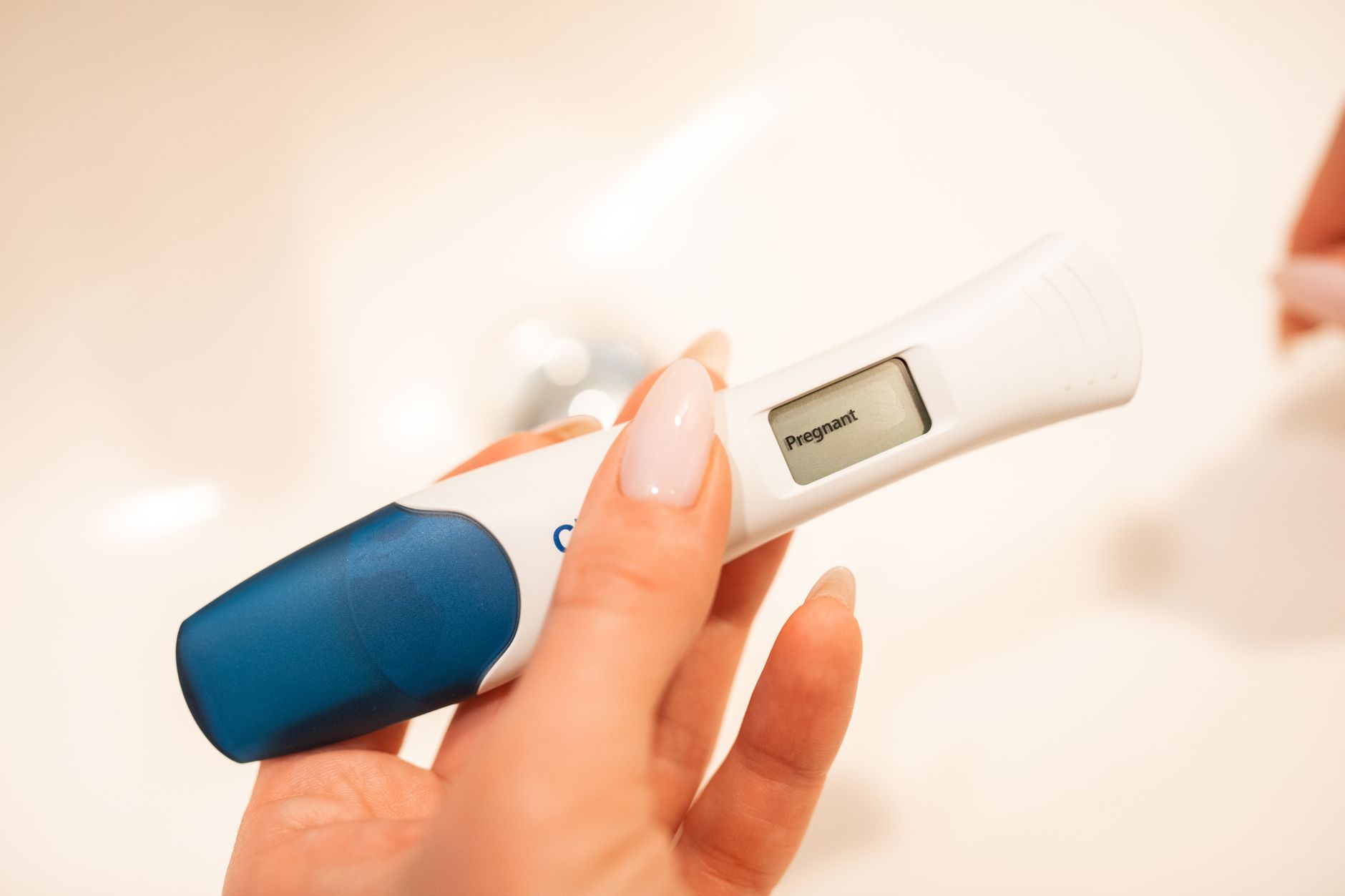
Clearblue Digital Pregnancy Tests are designed to give you clear, unmistakable results in words like "Pregnant" or "Not Pregnant," often even indicating how many weeks since conception. This can be incredibly reassuring, but proper technique is still essential. Here’s a detailed guide for using a digital test:
Step 1: Read the Instructions (Always!)
Before you even open the foil wrapper, take a moment to read the leaflet that comes with your specific Clearblue Digital test. While general steps are similar, there might be subtle differences in waiting times or symbols between models. This is your first and most important step to accuracy.
Step 2: Prepare for Testing
Timing is key: For the most accurate results, especially if you're testing early, use your first-morning urine. This is when your hCG levels are most concentrated. If you're testing later in the day, try to hold your urine for at least four hours without drinking excessive fluids.
Gather supplies: Have a clean, dry cup ready if you prefer to collect urine, or position yourself comfortably over the toilet.
Step 3: Perform the Test
Remove the cap: Just before testing, take the cap off the test stick.
Choose your method:
Midstream: Hold the absorbent tip pointing downwards in your urine stream for 5-7 seconds (check your specific test's instructions, as this can vary). Be careful not to get the rest of the test stick wet.
Collected sample: Dip the absorbent tip into a clean, dry sample of your urine (collected in a cup) for 20 seconds. Again, refer to your test's instructions for the exact dipping time.
Replace the cap: Once the absorbent tip is thoroughly wet, replace the cap and lay the test stick flat on a clean, dry surface.
Step 4: Wait for Your Result
This is often the hardest part! A "wait" symbol (like a flashing hourglass) will usually appear on the digital display, indicating the test is working. The waiting time varies by test type but is typically 1-3 minutes. Do not pick up or move the test during this time. Set a timer if it helps manage the anticipation.
Step 5: Read Your Digital Result
Once the waiting time is up, your clear result will appear on the display. It will typically be:
"Pregnant": If you are pregnant. Some advanced digital tests will also show "1-2", "2-3", or "3+" to indicate weeks since conception.
"Not Pregnant": If you are not pregnant.
Error symbol: If the test was not performed correctly. (More on troubleshooting later.)
Read the result within the specified timeframe (usually within 10 minutes). After a certain period, the display may disappear, but the initial result is the valid one. Do not disassemble the test to look for lines inside, as these are not designed for interpretation.
Clearblue Early Detection Pregnancy Test Instructions and Timing
T
he Clearblue Early Detection Pregnancy Test is designed to be highly sensitive, meaning it can detect lower levels of the pregnancy hormone hCG in your urine. This allows you to test up to 6 days before your missed period, which is 5 days before the day of your expected period. While the ability to test early can be tempting, understanding the optimal timing is crucial for accuracy.
Understanding hCG and Early Detection
Pregnancy tests work by detecting human chorionic gonadotropin (hCG), a hormone produced by the body shortly after a fertilized egg attaches to the uterine wall. hCG levels rise rapidly in early pregnancy. Early detection tests are more sensitive because they can pick up these lower levels of hCG.
When to Test for Early Detection
Up to 6 days before your missed period: This means 5 days before the day your period is expected. For example, if your period is due on Saturday, you could test as early as Monday.
First morning urine: Even with highly sensitive tests, using your first-morning urine is recommended, especially when testing early. Your urine is most concentrated at this time, increasing the likelihood of detecting hCG if it's present.
Patience pays off: While you *can* test early, the accuracy increases significantly the closer you get to your missed period. If you test early and get a "Not Pregnant" result but still think you might be pregnant, it's a good idea to retest on or after the day of your expected period.
Instructions for Clearblue Early Detection Tests (Line Tests)
Clearblue Early Detection tests often come as traditional line tests, though digital versions are also available. If you have a line test, the instructions are similar to the digital test's initial steps, but result interpretation differs:
Prepare: Have a timer ready.
Perform: Hold the absorbent tip in your urine stream for 5 seconds, or dip it in a collected urine sample for 20 seconds.
Wait: Lay the test flat and wait for the specified time, usually 1-3 minutes.
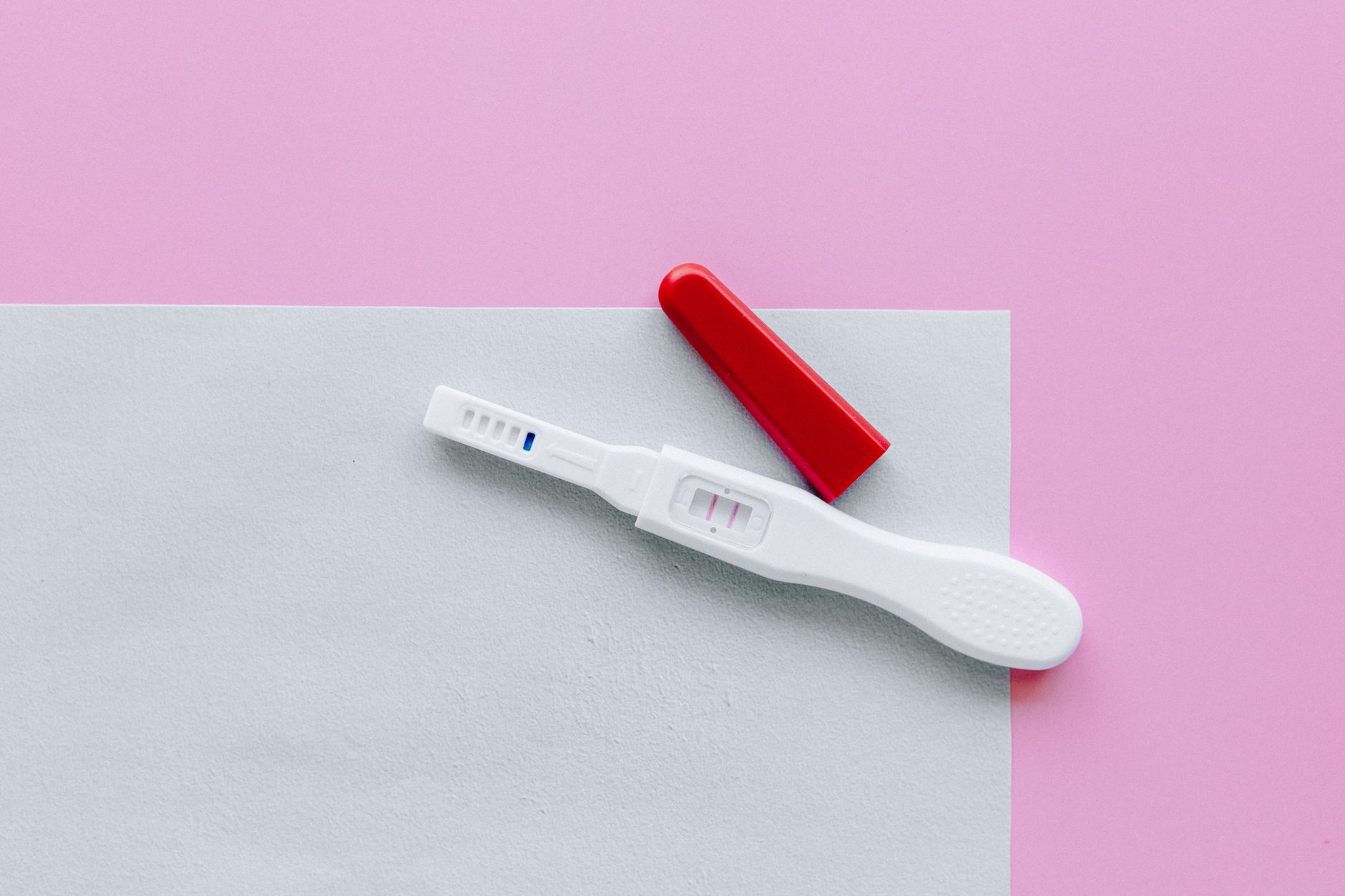
Read: Look for two lines: a control line (to confirm the test worked) and a test line (indicating pregnancy). The intensity of the test line can vary.
Remember, a positive result, no matter how faint the test line, indicates pregnancy. If you're using a digital early detection test, it will simply display "Pregnant" or "Not Pregnant" along with potentially the week estimation.
Clearblue Pregnancy Test Sensitivity Levels Explained
Test sensitivity is measured in mIU/mL (milli-International Units per milliliter), which refers to the lowest concentration of hCG the test can detect. A lower mIU/mL number means higher sensitivity and earlier detection. Clearblue Early Detection tests are typically sensitive to 10 mIU/mL, making them one of the most sensitive tests on the market for early pregnancy detection.
Here's a quick comparison of common Clearblue tests:
Clearblue Test Type
Sensitivity (mIU/mL)
Earliest Test Time
Result Format
Result Time
Early Detection
10 mIU/mL
Up to 6 days before missed period
Line (or Digital with weeks indicator)
1-3 minutes
Digital with Weeks Indicator
25 mIU/mL
Up to 5 days before missed period
"Pregnant" / "Not Pregnant" + Weeks
3 minutes
Rapid Detection
25 mIU/mL
Up to 5 days before missed period
Line (cross or two lines)
1 minute
Plus (Line Test)
25 mIU/mL
Up to 4 days before missed period
Line (cross or two lines)
2 minutes
Note: Sensitivity levels can vary slightly by region and specific product batches. Always check the packaging for the most accurate information on your particular test.
What Do Clearblue Pregnancy Test Results Mean: Positive, Negative, Invalid?
Understanding what your Clearblue test is trying to tell you is paramount. Whether it's a digital display or a series of lines, each outcome has a specific meaning. Let's break down the possibilities.
"Pregnant" (Positive Result)
On a digital Clearblue test, a clear "Pregnant" display (sometimes with a weeks indicator like "1-2", "2-3", or "3+ weeks") means that the test has detected hCG in your urine. This is considered a positive result. Even if the digital display only shows "Pregnant" without a week indicator, it's still positive.
For Clearblue line tests (like the Rapid Detection or Plus), a positive result is indicated by the presence of both a control line and a test line. The test line might appear as a blue line, a plus sign, or a second distinct line, depending on the specific test. Even a very faint test line, if it appears within the recommended reading time, indicates a positive result. This is because any amount of hCG detected by the test triggers the line to appear.
What to do: If you receive a positive result, congratulations! It's a good idea to schedule an appointment with your healthcare provider to confirm the pregnancy and discuss your prenatal care options. They can perform blood tests and an ultrasound to confirm and date the pregnancy.
"Not Pregnant" (Negative Result)
A digital Clearblue test showing "Not Pregnant" means that no hCG was detected at a level high enough for the test to register. For line tests, a negative result is indicated by only the control line appearing, with no test line visible within the reading window.
What to do: If you get a negative result but your period still hasn't arrived, or if you tested very early, you might consider retesting in a few days. hCG levels double every 48-72 hours in early pregnancy, so waiting can increase accuracy. If you continue to miss your period and get negative results, or if you have concerns, consult your doctor to investigate other reasons for a missed period.
Invalid Results and Error Symbols
Sometimes, a test doesn't provide a clear positive or negative result. This is usually due to an error during the testing process. Clearblue Digital tests will often display an error symbol (like a "book" symbol or a flashing question mark) if the test hasn't worked correctly. On a line test, an invalid result is indicated if no control line appears at all. The control line is there to confirm that the test has absorbed enough urine and is working as it should.
Common causes of invalid results:
Not enough urine on the absorbent tip.
Too much urine on the absorbent tip (saturating the test).
Reading the test too early or too late.
The test being faulty (though rare).
What to do: If you get an invalid result, it means the test cannot be trusted. You'll need to discard the test and retest with a new one, making sure to follow all instructions carefully. If you repeatedly get invalid results, try a different test batch or consult your doctor.
From digital words to faint lines, understanding your test's specific result format is key.
How Accurate Are Clearblue Pregnancy Tests and When to Take One?
Clearblue pregnancy tests are known for their high accuracy when used correctly. Most Clearblue tests boast over 99% accuracy from the day of your expected period. However, this accuracy can vary depending on when you test in relation to your cycle and the specific type of test you're using. Understanding how accuracy works can help you get the most reliable result.
Understanding Accuracy Rates
The "over 99% accurate" claim refers to detection of pregnancy from the day of your expected period. If you test earlier than this, the accuracy rate can drop because hCG levels may not yet be high enough to be detected by the test, even if you are pregnant. For example, some Clearblue tests claim to detect pregnancy up to 6 days before your missed period, but the accuracy rate at that early stage might be closer to 70-75%, increasing daily as you approach your missed period.
Factors Influencing Accuracy
Timing of the test: As mentioned, testing too early is the most common reason for a false negative. hCG levels increase rapidly in early pregnancy, so waiting until at least the day of your expected period gives your body more time to produce detectable levels.
Concentration of urine: First-morning urine is generally the most concentrated, containing the highest levels of hCG. Testing later in the day, especially after drinking a lot of fluids, can dilute your urine and make it harder for the test to detect hCG.
Proper use: Not following the instructions precisely (e.g., not holding the absorbent tip in the urine stream long enough, or reading the result outside the specified window) can lead to inaccurate or invalid results.
Test sensitivity: Different Clearblue tests have different sensitivities (mIU/mL). More sensitive tests (lower mIU/mL) can detect lower levels of hCG, allowing for earlier detection but still subject to the timing caveat.
When is the Best Time to Take a Clearblue Test?
For the most accurate result, especially if you want to avoid the anxiety of an early, potentially false negative, we recommend testing:
On or after the day of your expected period: This is when Clearblue tests are over 99% accurate.
With your first-morning urine: This ensures the highest concentration of hCG.
At least 14 days after ovulation (DPO): If you're tracking ovulation, waiting until 14 DPO is a good general guideline, as implantation usually occurs between 6-12 DPO, and it takes a few days for hCG to build up.
While Clearblue Early Detection tests allow you to test sooner, be aware that a negative result at this stage doesn't definitively rule out pregnancy. If you test early and get a negative, and your period doesn't arrive, retest in a few days.
Troubleshooting Clearblue Pregnancy Test Errors and Faint Lines
It's incredibly frustrating to take a pregnancy test and not get a clear answer. Whether you're seeing an error symbol or a line that's barely there, understanding what might be happening can help you decide what to do next.
Common Clearblue Digital Test Errors
Clearblue Digital tests are designed to be user-friendly, but sometimes an error symbol appears instead of "Pregnant" or "Not Pregnant."
The "Book" Symbol (or Error Symbol): This typically means the test didn't work correctly. It might have absorbed too much or too little urine, or there was an issue with the test strip itself. Don't try to interpret anything from this symbol; the test is invalid.
No Display: If nothing appears on the screen after the waiting time, the test is likely faulty or wasn't exposed to urine correctly.
What to do: If you encounter an error symbol or no display, the test is invalid. You'll need to discard it and retest with a new one. Carefully review the instructions to ensure you're holding the absorbent tip in the urine stream or sample for the exact recommended time, and avoid getting the rest of the test wet.
Understanding Faint Lines on Clearblue Line Tests
For Clearblue line tests (like the Rapid Detection or Plus), a faint blue line can be a source of confusion. Many women wonder, "What does 2 lines mean on a Clearblue pregnancy test if one is so light?"
A faint positive line: If a second blue line appears in the test window within the specified reading time, even if it's very faint, it generally indicates a positive result. This usually means that hCG is present, but at a low concentration. This is common if you're testing very early in pregnancy.
Faint line progression: If you test again in a day or two and the line appears darker, that's a good sign of increasing hCG levels, which indicates a progressing pregnancy.
Evaporation lines: This is where it gets tricky. An evaporation line is a faint, colorless line that can appear in the test window *after* the recommended reading time has passed (e.g., after 10 minutes). It's caused by urine drying on the test strip and doesn't indicate pregnancy. To avoid mistaking an evaporation line for a positive, always read your test within the instructed timeframe and discard it afterward. Evaporation lines are typically colorless or greyish, while a true positive line will have some blue pigment.
Clearblue pregnancy test blue dye vs pink dye accuracy: While both blue dye and pink dye tests work similarly, blue dye tests (like Clearblue's traditional line tests) are sometimes criticized for evaporation lines appearing more easily or for faint lines being harder to distinguish from evaporation lines due to the nature of the blue pigment. Pink dye tests tend to show clearer positive lines. However, when used correctly and read within the timeframe, both types are reliable.
What to do: If you see a faint line within the reading time, treat it as a positive and consider retesting in 48-72 hours with another early detection test or scheduling a doctor's appointment. If you're concerned it's an evaporation line, retest with a new test, ensuring you read it promptly.
Clearblue Rapid Detection Pregnancy Test Instructions and Result Time
When you're eager for an answer, the Clearblue Rapid Detection Pregnancy Test offers results quickly. While it provides a fast outcome, it's important to understand its specific use and timing, as its sensitivity might differ from other Clearblue tests designed for earlier detection.
Understanding the Rapid Detection Test
The Clearblue Rapid Detection test is designed to give you a result in just 1 minute when testing from the day of your missed period. It works by detecting hCG at a sensitivity of 25 mIU/mL, similar to the Clearblue Digital with Weeks Indicator, but less sensitive than the Clearblue Early Detection test. This means it's generally best used closer to or after your missed period for reliable results.
Instructions for Use
The steps are very similar to other Clearblue line tests, but pay close attention to the timing:
Prepare: Have a timer ready.
Perform the test:
Hold the absorbent tip pointing downwards in your urine stream for 5 seconds.
Alternatively, dip the absorbent tip into a collected urine sample for 20 seconds.
Wait: Lay the test stick flat and wait for 1 minute. A control line should appear to confirm the test is working.
Read your result: A blue plus sign (+) in the result window indicates "Pregnant," while a single blue line (-) indicates "Not Pregnant." You should read your result within 1 to 3 minutes, but not after 10 minutes to avoid evaporation lines.
Key Differences and Considerations
Speed vs. Early Detection: The main advantage of the Rapid Detection test is its speed. However, because it's slightly less sensitive than the Early Detection test, you might not get a positive result as early. For the most accurate early result, the Early Detection test is generally preferred.
Result window: While a result can appear in 1 minute, Clearblue advises waiting up to 3 minutes for confirmation, especially if testing early. Always adhere to the instruction leaflet provided with your specific test.
Line interpretation: Like other line tests, a faint blue plus sign still indicates a positive result. However, be mindful of evaporation lines if reading after the 10-minute window.
The Clearblue Rapid Detection test is a great option if you're past your missed period and want a quick answer. If you're testing several days before your missed period, consider the Clearblue Early Detection test for higher sensitivity.
Certain medications and medical conditions can sometimes influence pregnancy test results, making it important to consult your doctor.
Can Medications or Conditions Affect Clearblue Pregnancy Test Results?
While Clearblue pregnancy tests are highly accurate, certain medications or medical conditions can sometimes interfere with the results, leading to either a false positive or a false negative. It's important to be aware of these potential influences to interpret your test accurately.
Medications That Can Cause False Positives
A false positive result (where the test says you're pregnant, but you're not) is very rare, but it can happen. The most common cause is specific fertility drugs that contain hCG. These include medications used in IVF treatments or to trigger ovulation, such as:
Pregnyl
Profasi
Novarel
Ovidrel
If you've recently taken one of these medications, it's possible for residual hCG from the drug to be detected by a home pregnancy test. Your doctor will advise you on the best time to take a test after these treatments to avoid a false positive.
Other medications, like antibiotics or birth control pills, do not typically affect pregnancy test results.
Medical Conditions Affecting Results
Certain medical conditions, while less common, can also lead to unusual or unexpected pregnancy test results:
Chemical pregnancy: This is a very early miscarriage that occurs shortly after implantation. The test detects hCG, giving a positive result, but the pregnancy doesn't progress. You might get a positive test, followed by your period and then a negative test a few days later.
Ectopic pregnancy: This is when a fertilized egg implants outside the uterus, usually in a fallopian tube. An ectopic pregnancy still produces hCG, so a home test will show positive. However, hCG levels may rise more slowly, potentially leading to fainter lines or delayed positives.
Molar pregnancy: A rare condition where abnormal tissue grows in the uterus instead of a healthy embryo. This can lead to very high levels of hCG, resulting in a strong positive test.
Certain rare cancers: Very rarely, some types of cancer (such as germ cell tumors) can produce hCG, leading to a positive pregnancy test in a non-pregnant individual.
Perimenopause or pituitary disorders: In extremely rare cases, high hCG levels unrelated to pregnancy can occur due to perimenopause or certain pituitary disorders.
Factors Leading to False Negatives
A false negative (where the test says you're not pregnant, but you are) is far more common than a false positive. Most often, it's due to:
Testing too early: This is the number one reason. Your hCG levels may not be high enough for the test to detect yet.
Diluted urine: Drinking excessive fluids before testing can dilute your urine, lowering the concentration of hCG.
Incorrect test usage: Not following the instructions precisely (e.g., not enough urine, reading too late).
Clearblue pregnancy test false positive vs false negative: False negatives are significantly more likely than false positives. If you get a negative result but still suspect you might be pregnant, waiting a few days and retesting is advisable, especially if your period is still delayed.
If you're taking any fertility medications, have a known medical condition, or are concerned about your test results, always discuss them with your healthcare provider. They can provide personalized advice and perform further tests if needed.
From our medical team: Remember that while home pregnancy tests are highly accurate for detecting hCG, they can't confirm a viable pregnancy or rule out complications like an ectopic pregnancy. A positive test is an important first step, but always follow up with your doctor or midwife for confirmation and to begin your prenatal care journey. They can guide you through the next steps and ensure a healthy start for you and your baby.
Myth vs. Fact
There's a lot of folklore and misinformation surrounding pregnancy tests. Let's clear up some common myths about Clearblue tests.
Myth: A very faint line means you're "barely pregnant" or might not stay pregnant.
Fact: A faint line, if it appears within the recommended reading time, indicates pregnancy. The intensity of the line simply reflects the concentration of hCG in your urine. If you're testing early, hCG levels are lower, leading to a fainter line. It doesn't tell you anything about the viability of the pregnancy.
Myth: You can only take a pregnancy test first thing in the morning.
Fact: While first-morning urine is recommended for optimal accuracy, especially if testing early, Clearblue tests can be taken at any time of day if you've missed your period. If you're testing before your missed period, using first-morning urine is still your best bet for the most concentrated hCG.
Myth: You can take apart a digital test to see the lines inside and confirm the result.
Fact: Digital tests contain internal strips that are not designed for visual interpretation. The digital display is the only valid result. Disassembling the test and looking for lines can lead to confusion and misinterpretation.
Key Takeaways
Always read the specific instructions for your Clearblue test before use.
For the most accurate results, test with first-morning urine, especially if testing early.
A positive result, even a faint line on a line test, indicates pregnancy.
If you receive an invalid result (error symbol, no control line), retest with a new test.
False negatives are more common than false positives, often due to testing too early or diluted urine.
Follow up a positive home pregnancy test with your healthcare provider for confirmation and prenatal care.
Frequently Asked Questions
How do you use a Clearblue pregnancy test step by step?
First, read the instructions for your specific Clearblue test. Then, remove the cap and hold the absorbent tip in your urine stream for 5-7 seconds, or dip it in a collected urine sample for 20 seconds. Lay the test flat and wait for the specified time (typically 1-3 minutes) before reading your result on the digital display or as lines.
What does 2 lines mean on a Clearblue pregnancy test?
On a Clearblue line-based pregnancy test, two distinct lines (one control line and one test line) indicate a positive result, meaning you are pregnant. Even if the test line is faint, its presence within the recommended reading time signifies a positive outcome. The control line confirms the test worked correctly.
How long do you wait for Clearblue results?
The waiting time for Clearblue test results varies by product type, but it's typically between 1 to 3 minutes. For example, the Rapid Detection test can show results in 1 minute, while Digital and Early Detection tests usually take 3 minutes. Always check the specific instructions provided with your test for the exact waiting period.
Can you take a Clearblue test anytime of day?
Yes, you can take a Clearblue test at any time of day, particularly if you are testing on or after the day of your expected period. However, for the most accurate results, especially if testing before your missed period, using your first-morning urine is recommended as it contains the highest concentration of hCG.
What does an invalid Clearblue test look like?
On a Clearblue Digital test, an invalid result is typically indicated by an error symbol, such as a "book" icon or a flashing question mark, instead of "Pregnant" or "Not Pregnant." For line tests, an invalid result occurs if no control line appears in the result window, indicating the test didn't work correctly.
What are the chances of a false negative with Clearblue?
The chances of a false negative with Clearblue tests are higher if you test too early in your cycle, before your hCG levels are high enough for detection, or if your urine is diluted. While Clearblue tests are over 99% accurate from the day of your expected period, early testing can yield negative results even if you are pregnant.
When to Call Your Doctor
While home pregnancy tests are a great first step, they are not a substitute for medical confirmation. You should call your doctor or midwife:
If you receive a positive Clearblue pregnancy test result, to confirm the pregnancy and begin prenatal care.
If you have received multiple negative tests but your period is still delayed, or if you have any concerning symptoms.
If you experience any unusual symptoms after a positive test, such as severe abdominal pain, vaginal bleeding, or shoulder pain, which could indicate an ectopic pregnancy or other complication.
If you have any questions or concerns about your test results or your pregnancy journey.
This article provides general information and is not a substitute for professional medical advice. Always consult with a qualified healthcare provider for personalized guidance regarding your health and pregnancy.
Not sure about the label on Clear Blue Pregnancy Test Instructions Step By Step Guide products?
Snap the ingredients list and SafeFilter checks every ingredient for your stage — only 3 free scans this month, then you're locked until reset. Unlimited from $7/mo or $50/yr.
When Shubhra Mishra was expecting her first child in 2016, she was overwhelmed by conflicting food advice — one site said yes, another said never. By the time her second baby arrived in 2019, she realized millions of mothers face the same confusion.
That sparked a five-year journey through clinical nutrition papers, cultural diets, and expert conversations — all leading to BumpBites: a calm, compassionate space where science meets everyday motherhood.
Her long-term vision is to build a global community ensuring safe, supported, and free deliveriesfor every mother — because no woman should face pregnancy alone or uninformed. 🌿
🌍 Stand with mothers, shape safer guidance
Join a small circle of experts who review BumpBites articles so expecting parents everywhere can decide with confidence.