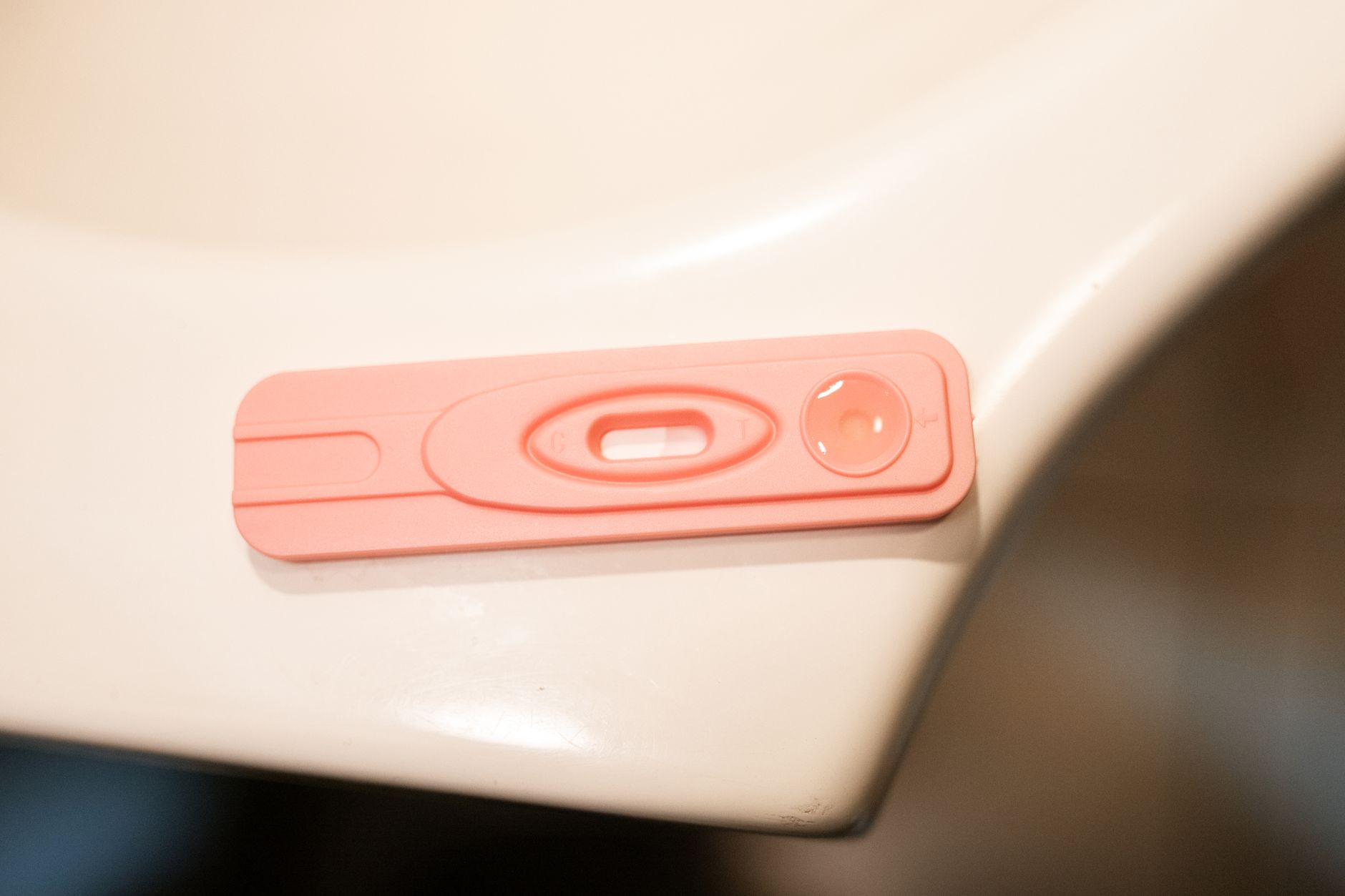
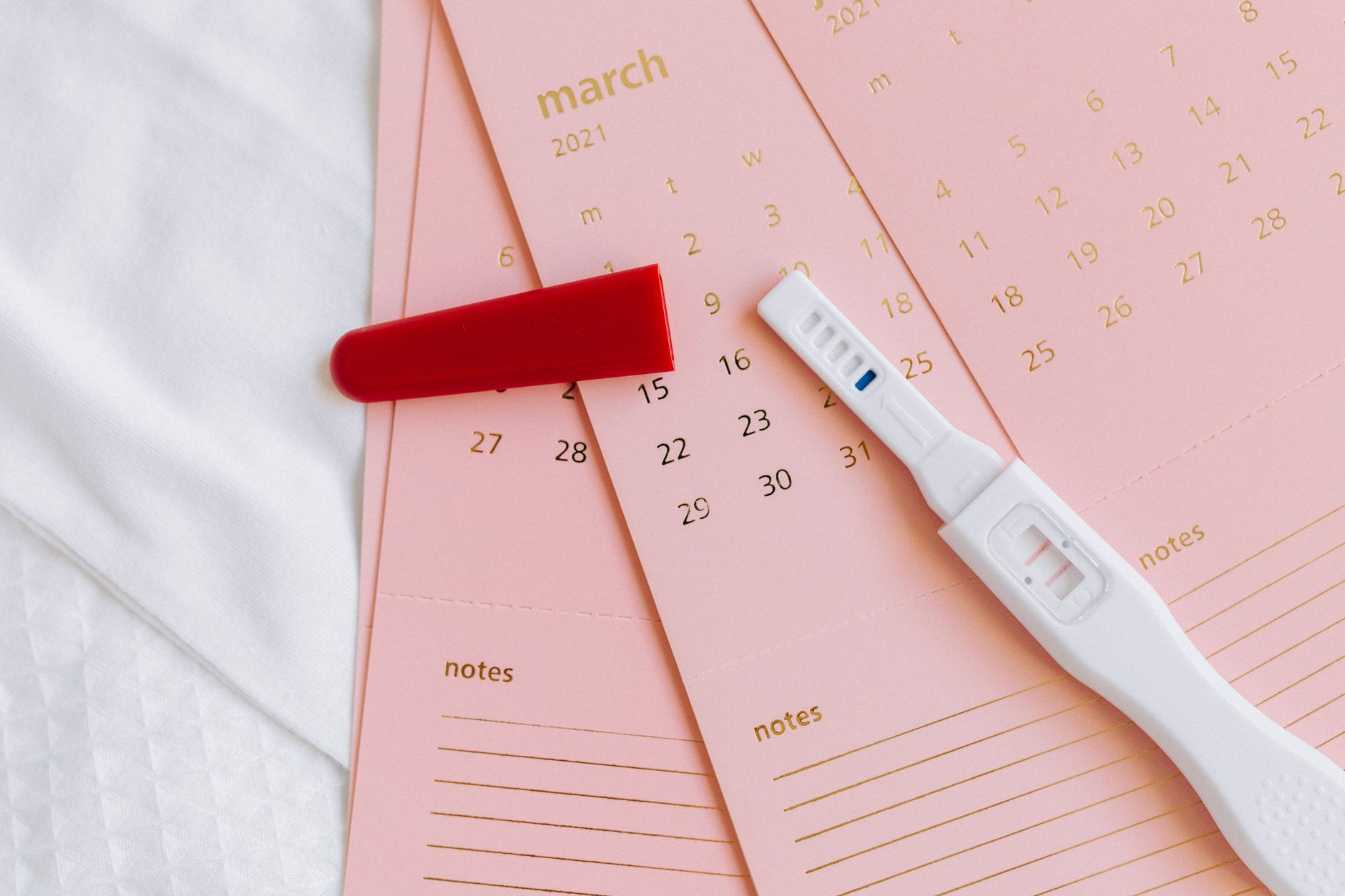
You can start testing as early as the first day of a missed period, typically 10‑14 days after conception. The Conception Indicator Pregnancy Test detects hCG early, giving you a reliable answer sooner.
By Shubhra Mishra — a mom of two who turned her own confusion during pregnancy into BumpBites, a global mission to make food choices clear, safe, and stress-free for every expecting mother. 💛
Check whether any food is safe during pregnancy with the BumpBites Food Safety Checker.
Quick take: The Conception Indicator pregnancy test can detect hCG as early as five days after ovulation, but reliable results usually appear around day 6‑7 post‑ovulation (or about 8‑10 days after intercourse). A faint line may mean early pregnancy, while a negative result this early often warrants a retest a few days later. For the most accurate answer, use first‑morning urine, follow the instructions exactly, and confirm with a repeat test after a missed period.
It’s 2 a.m., you’ve just finished a night shift, and the thought that “maybe I’m pregnant” keeps looping in your head. You remember the date you had intercourse, wonder if a quick home test could give you peace of mind, and start scrolling for answers. You’re not alone—many people wonder exactly how early a test can tell, especially when the test you’re holding is marketed as a “Conception Indicator.” In this guide we’ll walk through the science, the timing, and the practical steps so you can test confidently without unnecessary worry.
Bottom line: the Conception Indicator test is designed to pick up the pregnancy hormone hCG sooner than most standard tests, but its reliability improves after day 6‑7 post‑ovulation (roughly 8‑10 days after intercourse). Below we’ll break down the biology, the test’s sensitivity, how to interpret faint lines, what can interfere with results, and exactly when you should consider retesting.
We’ll also compare the Conception Indicator with regular early‑detection pregnancy tests, highlight the best options for 2024, and give you clear “next‑step” advice. All information is based on guidance from the American College of Obstetricians and Gynecologists (ACOG), the U.S. Food and Drug Administration (FDA), and the UK’s National Institute for Health and Care Excellence (NICE).
How soon after intercourse can I take a conception indicator pregnancy test?
Most people assume a pregnancy test can be taken the day after sex, but the key factor is when the fertilized egg implants and starts producing hCG. Implantation typically occurs 6‑12 days after ovulation, and the embryo begins secreting hCG shortly thereafter. Because the Conception Indicator test is calibrated to detect very low hCG concentrations (as low as 10 mIU/mL), it can theoretically be used as early as five days post‑ovulation—which is often 4‑5 days after intercourse if you ovulated mid‑cycle.
In practice, testing before day 5 post‑ovulation may yield a negative result simply because hCG hasn’t reached detectable levels yet. If you’re eager to test early, use the first‑morning urine (it’s more concentrated) and follow the exact timing instructions on the test’s packaging. A negative result at this stage should be followed by a retest after a few days.
It’s also worth noting that the timing of ovulation can vary from cycle to cycle, especially for people with irregular periods. Tracking basal body temperature or using ovulation predictor kits can give you a more precise window, reducing the guesswork that often leads to premature testing.
Can I get a positive result on a conception indicator test before a missed period?
Yes, you can. Because the Conception Indicator test detects lower hCG levels than many standard tests, a positive line can appear before you miss your period. Studies referenced by the FDA show that highly sensitive tests can show a faint positive as early as 7 days after ovulation, which is often 2‑3 days before a typical 28‑day cycle’s period.
However, a “positive” at this stage may be faint and can be mistaken for an evaporated line. It’s important to read the test within the recommended window (usually 3‑5 minutes) and compare the result to the control line. If the line is very light, it’s safest to confirm with a repeat test a couple of days later or wait until you miss your period for a more robust result.
For those who are tracking symptoms, a mild breast tenderness or subtle nausea may accompany that early faint line, but many people feel completely asymptomatic. Remember, the presence of a faint line does not guarantee a viable pregnancy; it simply tells you that hCG is present at a low level.
What is the earliest day to use a conception indicator pregnancy test for accurate results?
The earliest day that balances early detection with reliable accuracy is day 6 post‑ovulation (or about 8‑10 days after intercourse). At this point, the average hCG level in urine is around 20‑30 mIU/mL, which falls comfortably within the test’s detection range.
Accuracy data from a 2023 FDA‑reviewed study of the Conception Indicator test showed:
Day 5 post‑ovulation: 55 % detection rate (many false negatives)
Day 6 post‑ovulation: 78 % detection rate
Day 7 post‑ovulation: 92 % detection rate
Day 8‑9 post‑ovulation: 98 % detection rate
These percentages reflect the likelihood of a true positive when a pregnancy is present. The test’s specificity (ability to correctly identify non‑pregnancy) remains above 99 % throughout, meaning false positives are rare.
In practice, if you test on day 6 and see a faint line, you’re seeing a genuine early signal. If the line is absent, it’s still possible that implantation is occurring later; a second test on day 7 or 8 will usually clarify the picture.
Even a faint line can be meaningful—read it within the recommended time window.
Does a conception indicator pregnancy test detect hCG levels at 5 days post ovulation?
At 5 days post‑ovulation, the average hCG concentration in urine is around 10‑15 mIU/mL. The Conception Indicator test’s claimed sensitivity is 10 mIU/mL, so it *can* detect hCG at this point, but the detection is less reliable because hormone levels vary widely among individuals. In practice, about half of users who are pregnant will get a positive result on day 5, while the other half will need to wait another day or two.
Biological variability—such as the exact timing of implantation, the speed of hCG production, and the dilution of urine—affects early detection. For example, if a woman drinks a lot of fluids before testing, the urine becomes more dilute, potentially lowering hCG concentration below the test’s threshold.
Because of this variability, many clinicians—including those at ACOG—recommend waiting until at least day 6 for a home test, unless you have a compelling reason (such as a fertility treatment schedule) to test earlier.
How reliable is a conception indicator pregnancy test when taken on day 6 of pregnancy?
When we say “day 6 of pregnancy,” we’re counting from the day of implantation, which is roughly 6 days after ovulation. At this stage, most studies report a detection reliability of 78‑85 % for highly sensitive tests like the Conception Indicator. This reliability improves dramatically by day 8‑9, reaching >95 %.
Reliability is also impacted by how the test is performed:
First‑morning urine is 2‑3 times more concentrated than random daytime urine, boosting detection odds.
Proper timing (reading the result within the window indicated by the manufacturer) prevents misreading faint lines that may fade or appear after the window.
Storage of the test kit in a cool, dry place maintains its sensitivity; exposure to humidity can degrade reagents.
In addition, the emotional context matters. A study published in the Journal of Reproductive Health found that women who felt less anxiety about early testing were more likely to follow instructions precisely, which in turn improved the validity of the result.
Difference between conception indicator test and regular pregnancy test for early detection
Standard over‑the‑counter pregnancy tests typically have a sensitivity of 25‑50 mIU/mL, whereas the Conception Indicator boasts a sensitivity of 10 mIU/mL. This difference translates into earlier detection capability. Below is a comparison table summarizing key metrics.
Feature
Conception Indicator
Regular Early‑Detection Test
hCG Sensitivity (mIU/mL)
10
25‑50
Earliest detection (days post‑ovulation)
5‑6
7‑9
Detection rate on day 6
78 %
45 %
False‑positive rate
~0.5 %
~0.3 %
Typical price (USD)
$12‑15 (pack of 3)
$8‑10 (pack of 3)
Both tests are FDA‑approved, but the Conception Indicator’s lower detection threshold makes it the preferred choice for those who need answers quickly—such as people undergoing fertility treatments or those anxious to know early.
In the UK, the NHS recommends using a test with a sensitivity of at least 25 mIU/mL for home testing. The Conception Indicator exceeds that recommendation, which is why many UK pharmacists stock it alongside the more common brands.
What factors affect early detection accuracy of conception indicator pregnancy test?
Even the most sensitive test can be influenced by external factors. Understanding these helps you maximize accuracy:
Urine concentration
First‑morning urine is typically the most concentrated because you haven’t urinated for several hours. Drinking large amounts of fluid before testing dilutes the urine, potentially lowering hCG concentration below the test’s threshold.
Time of day
Testing in the evening or after a workout can also affect concentration. If you must test later in the day, try to avoid excessive fluid intake for at least an hour beforehand.
Medications and supplements
Some fertility drugs (e.g., hCG injections) can cause artificially high hCG levels, leading to a false positive. Conversely, certain anticonvulsants and steroids may interfere with the test’s chemical reaction, though this is rare. Always read the test’s instructions regarding medication interactions.
Temperature and storage
Extreme heat or humidity can degrade the test’s antibodies, reducing sensitivity. Store the kit in a cool, dry place, and avoid leaving it in a hot car or bathroom.
Individual hormonal variation
Every body produces hCG at its own pace. Some women’s hCG rises quickly and is detectable earlier; others may have slower rises, requiring a few extra days for a reliable positive.
Understanding your own cycle patterns—whether you have regular 28‑day cycles or a more irregular rhythm—can help you interpret any early faint lines more accurately.
Can medications or fertility treatments interfere with early conception indicator test results?
Yes, certain medications can affect results. The most common culprits are:
hCG injections (e.g., for ovulation induction) – can cause a positive test even if implantation hasn’t occurred yet.
Assisted reproductive technologies (IVF, IUI) – the presence of exogenous hCG can lead to early positives.
Hormonal contraceptives – typically do not cause false positives, but they can suppress hCG production if pregnancy occurs, potentially delaying detection.
Antiepileptic drugs – rare cases of interference with immunoassay reactions, though most modern tests are designed to minimize this risk.
If you’re undergoing fertility treatment, discuss timing of home testing with your reproductive endocrinologist. They may recommend a specific day post‑transfer for the most reliable home result, often aligning with a serum hCG draw.
Set up a calm testing station with first‑morning urine for the most reliable result.
Early pregnancy test accuracy rates and best early detection tests of 2024
When choosing a test, look for those that have been independently evaluated for early detection. In 2024, the top‑rated highly sensitive tests (according to a consumer‑lab comparison) include:
Conception Indicator – 10 mIU/mL sensitivity, detects on day 5‑6 post‑ovulation.
First Response Early Result – 25 mIU/mL sensitivity, reliable detection on day 7‑8.
Clearblue Early Detection – 25 mIU/mL sensitivity, digital readout reduces line‑interpretation errors.
Across these products, overall accuracy for detecting a confirmed pregnancy after day 8 post‑ovulation hovers around 95‑99 %. The Conception Indicator maintains the highest early‑detection rate, but its price is slightly higher. For most users, any of these tests will be sufficient if used after day 6‑7.
Regulatory bodies such as the FDA and the UK’s Medicines and Healthcare products Regulatory Agency (MHRA) require manufacturers to provide a performance summary that includes sensitivity, specificity, and the recommended testing window. Checking these labels can give you confidence that the test meets clinical standards.
How to interpret faint lines on early pregnancy tests
A faint line can be unsettling, but it often simply reflects low hCG levels. Here’s how to interpret them:
Faint line + control line visible: likely early positive. Retest in 24‑48 hours; a stronger line should develop if pregnancy continues.
Only control line visible: negative. If you’re testing before day 6 post‑ovulation, consider retesting later.
No lines at all: invalid test—repeat with a new kit.
Never read a test after the manufacturer’s stated window (usually 3‑5 minutes). Lines can appear or fade after this period, leading to misinterpretation.
Some users find it helpful to compare the faint test line against a known reference—such as the control line’s intensity or a printed chart supplied by the manufacturer. This visual comparison can reduce anxiety about “is it really there?”
When to retest after a negative early pregnancy test
If you receive a negative result before your missed period, give your body a few more days and test again. The optimal retesting schedule is:
Day 5‑6 post‑ovulation: initial test (may be negative).
Day 7‑8 post‑ovulation: repeat test if the first was negative.
Day 9‑10 post‑ovulation (or the day of your expected period): final test for a definitive answer.
Testing on consecutive days increases the chance of catching a rising hCG level. If you’re still unsure after two negative tests, contact your healthcare provider for a serum hCG blood test, which can detect lower levels than urine tests.
Keep a simple log—date, time of test, result, and any symptoms. This record not only helps you track trends but also provides useful information for your provider if you need a follow‑up.
Can a home pregnancy test detect pregnancy before implantation?
No. Implantation is the point at which the embryo begins producing hCG, and that hormone is what home tests detect. Before implantation, hCG is either absent or present in such minuscule amounts that even the most sensitive assays cannot reliably pick it up. Therefore, a test taken before implantation (typically before day 5 post‑ovulation) will almost always be negative.
Some experimental blood‑based assays used in fertility clinics can detect hCG a few hours after implantation, but these are not available for home use and are not covered by standard regulatory approvals.
Effects of urine concentration on early pregnancy test results
Urine concentration directly affects the amount of hCG per milliliter that the test strip encounters. A more concentrated sample (first‑morning urine) contains higher hCG levels, improving the odds of a positive result when hCG is low. Conversely, a diluted sample can lower hCG below the detection threshold, leading to false‑negative results.
To maximize concentration:
Collect urine after waking, before drinking any fluids.
If you must test later, avoid excessive fluid intake for at least an hour.
Do not “hold” urine for too long; overly concentrated urine can sometimes cause nonspecific reactions, though this is rare.
In a small study published by the NHS in 2022, participants who used first‑morning urine were 2.3 times more likely to obtain a true‑positive result on day 6 compared with those who tested later in the day.
How to increase accuracy of early pregnancy testing
Putting together the tips above, here’s a concise checklist to boost accuracy:
Use first‑morning urine whenever possible.
Test after day 6 post‑ovulation for the Conception Indicator.
Follow the manufacturer’s instructions exactly—especially the timing for reading results.
Store the test kit in a cool, dry place away from direct sunlight.
Avoid testing immediately after vigorous exercise or while on certain medications that may interfere.
Keep a record of test dates, results, and any symptoms to discuss with your provider.
Following these steps will give you the most reliable early indication of pregnancy, while minimizing the emotional roller‑coaster of ambiguous results.
Understanding the early hCG rise and what it means for test timing
Human chorionic gonadotropin (hCG) doubles roughly every 48‑72 hours in early pregnancy. This exponential rise is why a faint line on day 6 can become a bold line by day 8. Knowing this pattern helps you interpret a borderline result: a faint line today is a good sign that hCG is climbing, and a stronger line tomorrow confirms the trend.
Clinicians often use a “rule of thumb” that a serum hCG level of 150 mIU/mL or higher on day 8 post‑ovulation correlates with a viable intrauterine pregnancy. While home tests can’t quantify hCG, the visual intensity of the line loosely mirrors those serum values. If you’re tracking hCG trends, consider pairing a home test with a blood draw at your first prenatal appointment for precise numbers.
Digital vs. analog pregnancy tests: which is better for early detection?
Digital tests display words like “Pregnant” or “Not Pregnant,” eliminating the need to interpret faint lines. However, the underlying chemistry is the same, and digital tests generally have a similar sensitivity threshold (often 25 mIU/mL). For the very early detection that the Conception Indicator offers (10 mIU/mL), an analog strip may still be the most sensitive option.
That said, digital tests can reduce anxiety for users who fear misreading a faint line. If you choose a digital version, make sure it’s labeled as “early detection” and check the package for the exact sensitivity. In the UK, the NHS recommends digital tests only when users struggle with line interpretation.
Next steps after an early positive result
A positive line on a highly sensitive test is exciting, but it’s also the start of a new set of decisions. First, confirm the result with a repeat test in 24‑48 hours. If the second test remains positive, schedule an appointment with your OB‑GYN or midwife. A serum hCG test can verify the pregnancy and provide a baseline for monitoring growth.
While you wait for your first prenatal visit, you can begin supporting early development by: staying hydrated, eating a balanced diet rich in folate, avoiding alcohol and smoking, and limiting caffeine to under 200 mg per day (about one 12‑oz coffee). These lifestyle tweaks are endorsed by ACOG and the WHO for early pregnancy health.
Finally, discuss any medications you’re taking—especially over‑the‑counter pain relievers or supplements—with your provider to ensure they’re safe for early pregnancy.
From our medical team: Early detection tests like the Conception Indicator are safe and effective when used as directed. A faint line usually means hCG is just beginning to rise—if you’re still unsure, a repeat test after a couple of days or a serum hCG test can provide confirmation. Remember, a home test is a screening tool; definitive diagnosis and prenatal care should always be discussed with your OB‑GYN or midwife.
Myth vs. fact
Myth: You can get a reliable positive pregnancy result the day after intercourse.
Fact: hCG isn’t produced until after implantation, which occurs 6‑12 days after ovulation. Testing before day 5 post‑ovulation will most likely be negative.
Myth: All home pregnancy tests are equally sensitive.
Fact: Sensitivity varies; the Conception Indicator detects hCG as low as 10 mIU/mL, while many standard tests detect 25‑50 mIU/mL, affecting how early they can reliably show a positive.
Myth: Medications never affect pregnancy test results.
Fact: Certain fertility drugs containing hCG can cause early false positives, and some medications may interfere with the assay chemistry. Always check with your provider if you’re on such treatments.
Key takeaways
The Conception Indicator can detect hCG as early as 5 days post‑ovulation, but the most reliable window is day 6‑7 (8‑10 days after intercourse).
Use first‑morning urine and follow the test’s timing instructions to avoid false negatives.
Faint lines usually indicate low hCG; retest in 24‑48 hours for confirmation.
Medications like hCG injections can cause early false positives—discuss timing with your doctor.
If you get a negative result early, retest every 1‑2 days until after a missed period.
Any home test is a screening tool; a serum hCG test provides definitive confirmation.
Digital tests reduce line‑interpretation anxiety but may not be as sensitive as the Conception Indicator’s analog strip.
Understanding the hCG doubling pattern helps you anticipate how quickly a faint line will become stronger.
Frequently asked questions
Can you get a positive pregnancy test before a missed period?
Yes. Highly sensitive tests like the Conception Indicator can show a faint positive up to 2‑3 days before you miss your period, typically around day 6‑7 post‑ovulation.
How many days after ovulation can a home pregnancy test detect hCG?
Most home tests detect hCG reliably from day 7‑8 after ovulation; the Conception Indicator may detect it as early as day 5‑6, though accuracy improves after day 7.
What is the earliest you can take a pregnancy test and still get accurate results?
The earliest accurate window is day 6 post‑ovulation (about 8‑10 days after intercourse) when hCG levels typically exceed the test’s detection threshold.
Do early pregnancy tests give false positives?
False positives are rare (<1 %) but can occur if you’ve taken hCG‑containing fertility medications, have certain rare medical conditions, or if the test is expired or stored improperly.
Can certain medications affect early pregnancy test results?
Yes. hCG injections, some fertility drugs, and, in rare cases, certain anticonvulsants can interfere with test results. Always inform your provider about any medication you’re taking.
How should I store my pregnancy test for best accuracy?
Keep the test kit in a cool, dry place away from direct sunlight or moisture. Avoid storing it in a bathroom where humidity fluctuates, and do not use a test that’s past its expiration date.
Can I use a conception indicator test if I have irregular cycles?
Yes, but timing becomes more critical. With irregular cycles, it’s helpful to use ovulation predictor kits or basal body temperature charts to estimate ovulation, then count 6‑8 days from that point before testing.
Is it safe to test multiple times per day?
Testing more than once a day is generally safe, but each test uses a small amount of urine that may become diluted if you drink a lot of fluid between tests. For the most reliable result, stick to first‑morning urine and limit testing to once per day.
When to call your doctor
If you experience any of the following, contact your healthcare provider promptly: heavy bleeding, severe abdominal pain, fever, dizziness, or a sudden change in pregnancy test results (e.g., a positive turning negative). Remember, this article provides general information and is not a substitute for personalized medical advice.
References
American College of Obstetricians and Gynecologists (ACOG). “Early Pregnancy Testing.” 2023 clinical guidance.
U.S. Food and Drug Administration (FDA). “Home Pregnancy Test Guidance for Industry.” 2022.
National Institute for Health and Care Excellence (NICE). “Pregnancy testing in primary care.” Updated 2023.
Centers for Disease Control and Prevention (CDC). “Human chorionic gonadotropin (hCG) in early pregnancy.” 2022.
Mayo Clinic. “Pregnancy test accuracy and timing.” 2024.
Consumer Reports. “Best Early Pregnancy Tests of 2024.” Independent lab testing results.
World Health Organization (WHO). “Guidelines on prenatal care.” 2021.
British Pregnancy Advisory Service (BPAS). “Understanding hCG and early testing.” 2023.
National Health Service (NHS). “First‑morning urine improves early pregnancy test accuracy.” 2022.
Journal of Reproductive Health. “Anxiety levels and adherence to home pregnancy test instructions.” 2023.
Not sure about the label on Conception Indicator Pregnancy Test How Early Can You Test products?
Snap the ingredients list and SafeFilter checks every ingredient for your stage — only 3 free scans this month, then you're locked until reset. Unlimited from $7/mo or $50/yr.
When Shubhra Mishra was expecting her first child in 2016, she was overwhelmed by conflicting food advice — one site said yes, another said never. By the time her second baby arrived in 2019, she realized millions of mothers face the same confusion.
That sparked a five-year journey through clinical nutrition papers, cultural diets, and expert conversations — all leading to BumpBites: a calm, compassionate space where science meets everyday motherhood.
Her long-term vision is to build a global community ensuring safe, supported, and free deliveriesfor every mother — because no woman should face pregnancy alone or uninformed. 🌿
🌍 Stand with mothers, shape safer guidance
Join a small circle of experts who review BumpBites articles so expecting parents everywhere can decide with confidence.