Women’s chance of conceiving on ovulation day varies by age, about 30% in their 20s, 20% in their 30s, and under 10% after 40 as fertility declines each decade.
By Shubhra Mishra — a mom of two who turned her own confusion during pregnancy into BumpBites, a global mission to make food choices clear, safe, and stress-free for every expecting mother. 💛
Check whether any food is safe during pregnancy with the BumpBites Food Safety Checker.
Quick take: Your chances of getting pregnant on ovulation day depend largely on your age — but not as much as you might fear. In your 20s, the odds hover around 30–35% per cycle; by age 35, they drop to about 20–25%; and over 40, they fall to 5–10%. That said, ovulation day is still your most fertile window, and timing intercourse in the days leading up to and including it can double or triple your chances. Age affects egg quality and quantity, but sperm health, frequency of sex, and lifestyle factors also play a big role. If you're over 35 or have been trying for more than a year, talking to a fertility specialist can help you understand your personal odds and options.
Ovulation day is your most fertile window — but your age and timing play a big role in your chances.
It's 11 p.m., and you're lying in bed, staring at the ceiling. You've just tracked your temperature, checked your cervical mucus, and marked the calendar: today is ovulation day. You and your partner had sex this morning, but now you're second-guessing. Did we time it right? Will this be the month? If you're over 35, the questions multiply: Am I too old? Are my eggs still good? What are my real chances?
Here's the truth: ovulation day is your most fertile day of the month, but your age does change the odds. The good news? Even if the numbers aren't what they were in your 20s, you can still stack the deck in your favor. In this guide, we'll break down the real chances of getting pregnant on ovulation day by age — and give you the practical steps to maximize them, no matter how old you are.
What Is Ovulation Day, and Why Does It Matter?
Ovulation is the moment when one of your ovaries releases a mature egg, ready to be fertilized. This usually happens once per menstrual cycle, about 12–16 days before your next period starts. The egg lives for about 12–24 hours after release, but sperm can survive in your reproductive tract for up to 5 days. That means your "fertile window" — the days when pregnancy is possible — actually starts a few days before ovulation and ends about a day after.
Ovulation day itself is the peak of that window. If you have sex on the day you ovulate, the sperm and egg have the best chance of meeting at the right time. But here's the catch: because sperm can live for days, having sex in the 2–3 days before ovulation can actually give you slightly better odds than waiting for the day itself. Many couples get pregnant from sex that happened before ovulation, not on the day.
One reader, Sarah, 32, told us: "I was so focused on ovulation day that I didn't realize the days leading up to it were just as important. We started having sex every other day starting on day 10 of my cycle, and I got pregnant the first month we tried that way."
Chance of Pregnancy on Ovulation Day for Women in Their 20s
If you're in your 20s, your fertility is at its peak. Your eggs are at their healthiest, your ovarian reserve (the number of eggs you have left) is still strong, and your menstrual cycles are usually regular. On ovulation day, your chances of getting pregnant are about 30–35% per cycle — the highest they'll ever be.
Here's what that looks like in real numbers:
Age 20–24: ~33% chance of pregnancy per cycle on ovulation day
Age 25–29: ~30% chance of pregnancy per cycle on ovulation day
These odds assume you're having sex on ovulation day (or in the 1–2 days leading up to it) and that both you and your partner have no underlying fertility issues. If you're tracking your cycle and timing intercourse well, about 85% of couples in their 20s will conceive within a year of trying.
But even in your 20s, fertility isn't a guarantee. About 1 in 10 women in this age group will experience infertility, often due to conditions like polycystic ovary syndrome (PCOS), endometriosis, or unexplained factors. If you've been trying for a year without success, it's worth talking to your doctor — even if you're young.
Pregnancy success rates per cycle peak in your 20s and gradually decline with age.
How Likely Am I to Conceive on Ovulation Day at Age 35?
At 35, your fertility starts to decline more noticeably. Your egg quality and quantity begin to drop, and your chances of getting pregnant on ovulation day fall to about 20–25% per cycle. That's still a good chance — about 1 in 4 or 1 in 5 — but it's lower than in your 20s.
Here's what the numbers look like:
Age 35: ~20–25% chance of pregnancy per cycle on ovulation day
Age 37: ~15–20% chance of pregnancy per cycle on ovulation day
By age 35, about 70% of couples will conceive within a year of trying. That means 3 in 10 couples will need more than a year, and some may need fertility treatments like IUI (intrauterine insemination) or IVF (in vitro fertilization) to get pregnant.
One important note: the decline isn't sudden. You don't go from "great odds" at 34 to "bad odds" at 35. The drop is gradual, starting in your late 20s and becoming more noticeable in your mid-30s. Many women in their late 30s conceive naturally, but the process may take longer.
If you're 35 or older and have been trying for 6 months without success, the American College of Obstetricians and Gynecologists (ACOG) recommends talking to a fertility specialist. At this age, earlier intervention can make a big difference in your chances.
Pregnancy Odds on Ovulation Day for Women Over 40
After 40, your fertility declines more sharply. Your egg quality and quantity drop significantly, and your chances of getting pregnant on ovulation day fall to about 5–10% per cycle. That's still a chance — about 1 in 10 to 1 in 20 — but it's much lower than in your 20s or 30s.
Here's what the numbers look like:
Age 40: ~5–10% chance of pregnancy per cycle on ovulation day
Age 43: ~1–3% chance of pregnancy per cycle on ovulation day
Age 45+: <1% chance of pregnancy per cycle on ovulation day
By age 40, only about 40% of couples will conceive within a year of trying. Many women over 40 will need fertility treatments to get pregnant, and the success rates of those treatments also decline with age. For example, the live birth rate per IVF cycle using your own eggs is about 15–20% at age 40, and drops to 5% or less by age 43.
That said, pregnancy is still possible after 40. Many women in their early 40s conceive naturally, especially if they're tracking their cycles and timing intercourse well. But the odds drop quickly after 42, and by 45, natural conception becomes very rare.
If you're over 40 and trying to conceive, it's a good idea to talk to a fertility specialist early — ideally, after 3–6 months of trying without success. At this age, time is a critical factor, and earlier intervention can improve your chances.
Does Age Affect the Success Rate of Getting Pregnant on Ovulation Day?
Yes, age has a big impact on your chances of getting pregnant on ovulation day — but it's not the only factor. Here's how age affects your fertility:
Egg quality: As you age, your eggs are more likely to have chromosomal abnormalities, which can lead to miscarriage or birth defects. This is the main reason why fertility declines with age.
Egg quantity: You're born with all the eggs you'll ever have, and that number declines over time. By your late 30s, your ovarian reserve (the number of eggs left) is much lower than in your 20s.
Hormone levels: As you age, your hormone levels change, which can affect ovulation and the quality of your uterine lining. For example, lower levels of progesterone can make it harder for a fertilized egg to implant.
Menstrual cycles: Cycles can become shorter or more irregular with age, making it harder to predict ovulation and time intercourse correctly.
But age isn't the whole story. Other factors can also affect your chances of getting pregnant on ovulation day, no matter how old you are:
Sperm health: Your partner's sperm count, motility (how well the sperm move), and morphology (the shape of the sperm) all play a role. Poor sperm health can make it harder to conceive, even if you're ovulating.
Frequency of sex: Having sex every 1–2 days during your fertile window gives you the best chance of conceiving. Less frequent sex can lower your odds.
Timing of sex: Having sex in the 2–3 days leading up to ovulation can give you better odds than waiting for ovulation day itself. Sperm can live in your reproductive tract for up to 5 days, so they're ready and waiting when the egg is released.
Lifestyle factors: Smoking, heavy alcohol use, being underweight or overweight, and high stress levels can all lower your fertility. Making healthy lifestyle choices can improve your chances of conceiving.
Underlying health conditions: Conditions like PCOS, endometriosis, thyroid disorders, and sexually transmitted infections (STIs) can affect your fertility. Treating these conditions can improve your odds of getting pregnant.
Average Fertility Rate on Ovulation Day by Age Group
Here's a breakdown of the average fertility rates on ovulation day by age group, based on data from the American Society for Reproductive Medicine (ASRM) and other fertility research:
Age Group
Chance of Pregnancy per Cycle on Ovulation Day
Chance of Pregnancy Within 1 Year of Trying
Chance of Miscarriage
20–24
30–35%
~85%
~10%
25–29
25–30%
~78%
~10–15%
30–34
20–25%
~63%
~15–20%
35–39
15–20%
~52%
~20–25%
40–42
5–10%
~36%
~30–40%
43–44
1–3%
~10%
~50%
45+
<1%
<5%
>50%
These numbers are averages, and your personal chances may be higher or lower depending on your health, lifestyle, and other factors. They also assume you're having sex on ovulation day (or in the 1–2 days leading up to it) and that you and your partner have no underlying fertility issues.
One important note: the chance of miscarriage also rises with age. This is mainly due to the higher rate of chromosomal abnormalities in eggs as you get older. At age 20, your risk of miscarriage is about 10%; by age 40, it's about 30–40%; and by age 45, it's over 50%.
Can a 45-Year-Old Woman Get Pregnant on Ovulation Day?
Yes, a 45-year-old woman can get pregnant on ovulation day — but the odds are very low. At this age, your chance of getting pregnant naturally is less than 1% per cycle, and your risk of miscarriage is over 50%. Most women over 45 who get pregnant do so with the help of fertility treatments like IVF, often using donor eggs.
Here's what you need to know if you're 45 and trying to conceive:
Natural conception is rare: By age 45, your ovarian reserve is very low, and the quality of your remaining eggs is poor. Most women at this age have stopped ovulating regularly, or their eggs are no longer viable.
Fertility treatments may help: If you're still ovulating, fertility treatments like IUI or IVF can improve your chances. But the success rates of these treatments also decline with age. For example, the live birth rate per IVF cycle using your own eggs is less than 5% at age 45.
Donor eggs are an option: If you're open to using donor eggs, your chances of getting pregnant improve dramatically. The live birth rate per IVF cycle using donor eggs is about 50–60%, regardless of your age. This is because the eggs come from younger women with higher-quality eggs.
Pregnancy risks are higher: At 45, your risk of pregnancy complications like gestational diabetes, preeclampsia, and preterm birth is higher than in younger women. You'll need close monitoring from your healthcare provider.
Talk to a specialist early: If you're 45 and trying to conceive, it's a good idea to talk to a fertility specialist right away. They can help you understand your options and make a plan that's right for you.
One reader, Maria, 46, shared her story: "I didn't think I could get pregnant at my age, but after 6 months of trying, I saw a fertility specialist. They told me my egg quality was poor, but with donor eggs, my chances were much better. I ended up getting pregnant on my second IVF cycle with donor eggs, and now I have a healthy baby boy."
Impact of Ovarian Reserve on Ovulation Day Pregnancy Chances
Your ovarian reserve — the number and quality of eggs you have left — plays a big role in your chances of getting pregnant on ovulation day. As you age, your ovarian reserve declines, which is why fertility drops over time. But ovarian reserve isn't just about age. Some women in their 20s or 30s have a low ovarian reserve due to genetics, medical conditions, or treatments like chemotherapy. Others in their late 30s or early 40s may still have a strong reserve.
Here's how ovarian reserve affects your fertility:
Egg quantity: The more eggs you have, the more chances you have to ovulate a healthy egg each cycle. Women with a low ovarian reserve may ovulate less frequently or stop ovulating altogether.
Egg quality: Even if you have a lot of eggs left, their quality matters. Poor-quality eggs are more likely to have chromosomal abnormalities, which can lead to miscarriage or birth defects.
Hormone levels: Your ovarian reserve affects your hormone levels, which in turn affect ovulation and the quality of your uterine lining. For example, low levels of anti-Müllerian hormone (AMH) can indicate a low ovarian reserve.
You can get a sense of your ovarian reserve with these tests:
Anti-Müllerian hormone (AMH) test: AMH is a hormone produced by the follicles in your ovaries. Low AMH levels can indicate a low ovarian reserve. This test can be done at any time in your cycle.
Antral follicle count (AFC): This is an ultrasound test that counts the number of small follicles in your ovaries. A low AFC can indicate a low ovarian reserve. This test is usually done on day 2–4 of your cycle.
Follicle-stimulating hormone (FSH) test: FSH is a hormone that stimulates your ovaries to produce eggs. High FSH levels can indicate a low ovarian reserve. This test is usually done on day 2–4 of your cycle.
If you're concerned about your ovarian reserve, talk to your doctor. They can help you understand your test results and what they mean for your fertility. Even if your ovarian reserve is low, there are still options for getting pregnant, like fertility treatments or donor eggs.
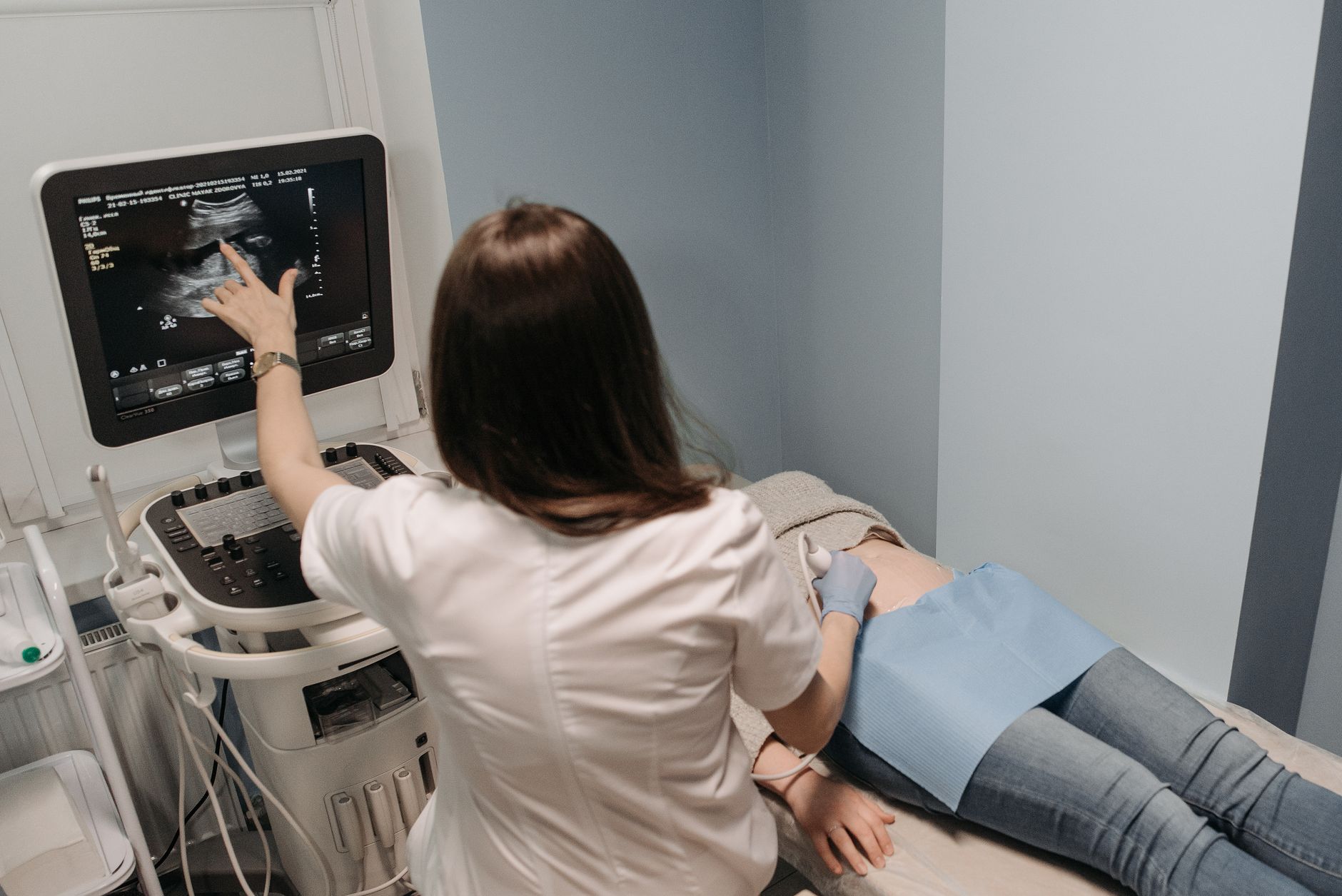
An antral follicle count (AFC) ultrasound can give you a sense of your ovarian reserve.
Fertility Decline After Age 30: Ovulation Day Success
Fertility starts to decline gradually in your late 20s, but the drop becomes more noticeable after age 30. By age 35, your chances of getting pregnant on ovulation day are about half what they were in your early 20s. Here's what's happening in your body:
Egg quality declines: As you age, your eggs are more likely to have chromosomal abnormalities. This is the main reason why fertility drops and miscarriage rates rise with age.
Egg quantity drops: You're born with all the eggs you'll ever have, and that number declines over time. By your late 30s, your ovarian reserve is much lower than in your 20s.
Hormone levels change: As you age, your hormone levels shift, which can affect ovulation and the quality of your uterine lining. For example, lower levels of progesterone can make it harder for a fertilized egg to implant.
Menstrual cycles become less regular: Cycles can become shorter or more irregular with age, making it harder to predict ovulation and time intercourse correctly.
Here's how your chances of getting pregnant on ovulation day change after age 30:
Age 30: ~25% chance per cycle
Age 35: ~20% chance per cycle
Age 40: ~10% chance per cycle
But don't panic — these are averages, and many women in their 30s and early 40s conceive naturally. The key is to be proactive. If you're over 30 and trying to conceive, here are some steps you can take to maximize your chances:
Track your cycles: Use ovulation predictor kits (OPKs), basal body temperature (BBT) tracking, or cervical mucus monitoring to pinpoint your fertile window.
Time intercourse well: Have sex every 1–2 days during your fertile window, especially in the 2–3 days leading up to ovulation.
Optimize your health: Maintain a healthy weight, eat a balanced diet, exercise regularly, and manage stress. Avoid smoking, heavy alcohol use, and recreational drugs.
Get checked early: If you've been trying for 6 months without success, talk to your doctor. Earlier intervention can improve your chances, especially as you get older.
Best Timing for Intercourse to Maximize Pregnancy Chances at Age 28
At age 28, your fertility is still strong, but timing intercourse correctly can make a big difference in your chances of getting pregnant. Here's what you need to know:
Your fertile window is about 6 days long: This includes the 5 days leading up to ovulation and the day of ovulation itself. Sperm can live in your reproductive tract for up to 5 days, so having sex before ovulation gives the sperm time to reach the egg.
The best days for sex are the 2–3 days before ovulation: Having sex on these days gives you the best chance of conceiving. In fact, your odds of getting pregnant are slightly higher from sex that happens before ovulation than on ovulation day itself.
Ovulation day is still important: If you have sex on ovulation day, the sperm and egg have the best chance of meeting at the right time. But because the egg only lives for 12–24 hours, timing is key.
Here's a simple plan for timing intercourse at age 28:
Track your cycles: Use an ovulation predictor kit (OPK), basal body temperature (BBT) tracking, or cervical mucus monitoring to figure out when you ovulate. Most women ovulate about 12–16 days before their next period starts.
Start having sex early: Begin having sex every other day starting about 5 days before you expect to ovulate. This ensures that sperm are ready and waiting when the egg is released.
Focus on the 2–3 days before ovulation: These are your most fertile days. If you can, have sex every day or every other day during this window.
Don't skip ovulation day: Even if you've been having sex regularly, make sure to have sex on the day you ovulate (or the day before, if you can't).
Keep going for a few days after: Sperm can live for up to 5 days, so having sex in the day or two after ovulation can still give you a chance of conceiving if your timing was off.
One reader, Emma, 28, shared her experience: "I thought I had to wait for ovulation day to have sex, but my doctor told me the days leading up to it were just as important. We started having sex every other day starting on day 10 of my cycle, and I got pregnant the first month we tried that way."
How Many Eggs Are Released During Ovulation at Age 38?
At age 38, you typically release one egg during ovulation — just like at any other age. The number of eggs released during ovulation doesn't change much with age. What does change is the quality of those eggs and the frequency of ovulation.
Here's what you need to know:
Usually one egg per cycle: Most women release one egg during ovulation, regardless of age. Occasionally, you might release two eggs, which can lead to fraternal twins.
Egg quality declines: At 38, your eggs are more likely to have chromosomal abnormalities, which can make it harder to get pregnant and increase the risk of miscarriage.
Ovulation may become less frequent: As you age, your cycles may become shorter or more irregular, and you may ovulate less often. Some women in their late 30s or early 40s may skip ovulation altogether in some cycles.
Ovarian reserve drops: By age 38, your ovarian reserve (the number of eggs you have left) is much lower than in your 20s. This doesn't affect the number of eggs released per cycle, but it does mean you have fewer cycles left to conceive.
If you're 38 and trying to conceive, here are some steps you can take:
Track your cycles: Use ovulation predictor kits (OPKs), basal body temperature (BBT) tracking, or cervical mucus monitoring to confirm that you're ovulating regularly.
Time intercourse well: Have sex every 1–2 days during your fertile window, especially in the 2–3 days leading up to ovulation.
Optimize your health: Maintain a healthy weight, eat a balanced diet, exercise regularly, and manage stress. Avoid smoking, heavy alcohol use, and recreational drugs.
Talk to your doctor: If you've been trying for 6 months without success, talk to your doctor. They can check your ovarian reserve, hormone levels, and overall health to help you understand your chances.
Effects of Hormone Levels on Ovulation Day Conception Rates
Your hormone levels play a big role in your chances of getting pregnant on ovulation day. Hormones like estrogen, progesterone, follicle-stimulating hormone (FSH), luteinizing hormone (LH), and anti-Müllerian hormone (AMH) all work together to regulate your menstrual cycle, trigger ovulation, and prepare your body for pregnancy. If your hormone levels are off, it can affect ovulation, egg quality, and your chances of conceiving.
Here's how key hormones affect your fertility:
Estrogen: Estrogen rises in the first half of your cycle, stimulating the growth of follicles in your ovaries. It also thickens your uterine lining, preparing it for a fertilized egg. Low estrogen levels can lead to irregular cycles or anovulation (not ovulating).
Follicle-stimulating hormone (FSH): FSH stimulates the growth of follicles in your ovaries. High FSH levels can indicate a low ovarian reserve, while low FSH levels can lead to irregular cycles or anovulation.
Luteinizing hormone (LH): LH surges about 24–36 hours before ovulation, triggering the release of the egg. Ovulation predictor kits (OPKs) detect this surge to help you time intercourse.
Progesterone: Progesterone rises after ovulation, preparing your uterine lining for a fertilized egg. Low progesterone levels can make it harder for a fertilized egg to implant or increase the risk of miscarriage.
Anti-Müllerian hormone (AMH): AMH is produced by the follicles in your ovaries. Low AMH levels can indicate a low ovarian reserve.
If your hormone levels are off, it can affect your chances of getting pregnant on ovulation day. For example:
Anovulation: If you're not ovulating, you can't get pregnant. Conditions like PCOS or thyroid disorders can cause anovulation.
Poor egg quality: Hormonal imbalances can affect the quality of your eggs, making it harder to conceive and increasing the risk of miscarriage.
Thin uterine lining: Low estrogen or progesterone levels can lead to a thin uterine lining, making it harder for a fertilized egg to implant.
Short luteal phase: The luteal phase is the time between ovulation and your next period. A short luteal phase (less than 10 days) can make it harder to get pregnant because the fertilized egg may not have enough time to implant.
If you're concerned about your hormone levels, talk to your doctor. They can order blood tests to check your hormone levels and help you understand what they mean for your fertility. In some cases, medications like Clomid or letrozole can help regulate your cycles and improve your chances of ovulating.
Natural vs. IVF Pregnancy Odds on Ovulation Day for Women Over 40
If you're over 40 and trying to conceive, you may be wondering whether to try naturally or move straight to fertility treatments like IVF. Here's how the odds compare:
Method
Chance of Pregnancy per Cycle (Age 40–42)
Chance of Pregnancy per Cycle (Age 43+)
Notes
Natural conception
5–10%
1–3%
Assumes you're ovulating regularly and timing intercourse well.
IUI (intrauterine insemination)
5–10%
1–3%
Similar to natural conception, but sperm are placed directly in the uterus.
IVF with own eggs
15–20%
5% or less
Success rates decline sharply after age 42.
IVF with donor eggs
50–60%
50–60%
Success rates are high regardless of your age, because the eggs come from younger women.
As you can see, natural conception and IUI have similar success rates for women over 40. IVF with your own eggs can improve your odds, but the success rates decline sharply after age 42. If you're over 43 or have a low ovarian reserve, IVF with donor eggs may be your best option.
Here's what you need to know about each method:
Natural conception: If you're still ovulating regularly and timing intercourse well, you can try naturally for a few months. But if you're over 40 and haven't conceived after 3–6 months, it's a good idea to talk to a fertility specialist.
IUI (intrauterine insemination): IUI involves placing sperm directly in your uterus around the time of ovulation. This can improve your chances if your partner has mild sperm issues or if you have cervical mucus problems. But IUI success rates are similar to natural conception for women over 40.
IVF with own eggs: IVF involves stimulating your ovaries to produce multiple eggs, retrieving those eggs, fertilizing them with sperm in a lab, and transferring one or more embryos to your uterus. IVF can improve your chances of getting pregnant, but the success rates decline with age.
IVF with donor eggs: If your egg quality is poor, using donor eggs can dramatically improve your chances of getting pregnant. The eggs come from younger women with higher-quality eggs, so the success rates are high regardless of your age.
If you're over 40 and trying to conceive, it's a good idea to talk to a fertility specialist early. They can help you understand your options and make a plan that's right for you.
Daily Sperm Count Needed for Conception on Ovulation Day
Not sure about the label on Chances Of Getting Pregnant On Ovulation Day By Age products?
Snap the ingredients list and SafeFilter checks every ingredient for your stage — only 3 free scans this month, then you're locked until reset. Unlimited from $7/mo or $50/yr.
When Shubhra Mishra was expecting her first child in 2016, she was overwhelmed by conflicting food advice — one site said yes, another said never. By the time her second baby arrived in 2019, she realized millions of mothers face the same confusion.
That sparked a five-year journey through clinical nutrition papers, cultural diets, and expert conversations — all leading to BumpBites: a calm, compassionate space where science meets everyday motherhood.
Her long-term vision is to build a global community ensuring safe, supported, and free deliveriesfor every mother — because no woman should face pregnancy alone or uninformed. 🌿
🌍 Stand with mothers, shape safer guidance
Join a small circle of experts who review BumpBites articles so expecting parents everywhere can decide with confidence.