Yes, you can get pregnant with an IUD, but the risk is low. Discover the failure rates, warning signs of a possible pregnancy, and steps to take if it happens.
By Shubhra Mishra — a mom of two who turned her own confusion during pregnancy into BumpBites, a global mission to make food choices clear, safe, and stress-free for every expecting mother. 💛
Check whether any food is safe during pregnancy with the BumpBites Food Safety Checker.
Quick take: Yes, you can get pregnant with an IUD, but it’s rare. Both copper and hormonal IUDs are over 99% effective at preventing pregnancy. If it does happen, the biggest warning signs are a missed period, unusual spotting, or missing IUD strings. If you suspect you’re pregnant, take a test and call your provider right away—an IUD pregnancy carries higher risks, including ectopic pregnancy. Most women who do get pregnant with an IUD go on to have healthy pregnancies, especially if the IUD is removed early.
It’s 3 a.m., and you’re staring at the ceiling, your mind racing. You’ve been on an IUD for years—it’s supposed to be the most reliable birth control out there. But this month, your period is late. Or maybe you’ve noticed some weird cramping, or you can’t feel the strings when you check. Now you’re Googling, heart pounding: Can you get pregnant with an IUD?
First, take a deep breath. The odds are in your favor—IUDs are one of the most effective forms of birth control available. But yes, pregnancies can happen, and when they do, they come with extra worries. In this guide, we’ll walk you through exactly how rare IUD pregnancies are, what warning signs to watch for, what to do if you suspect you’re pregnant, and how to stay safe. No medical jargon, no judgment—just the facts you need, right now.
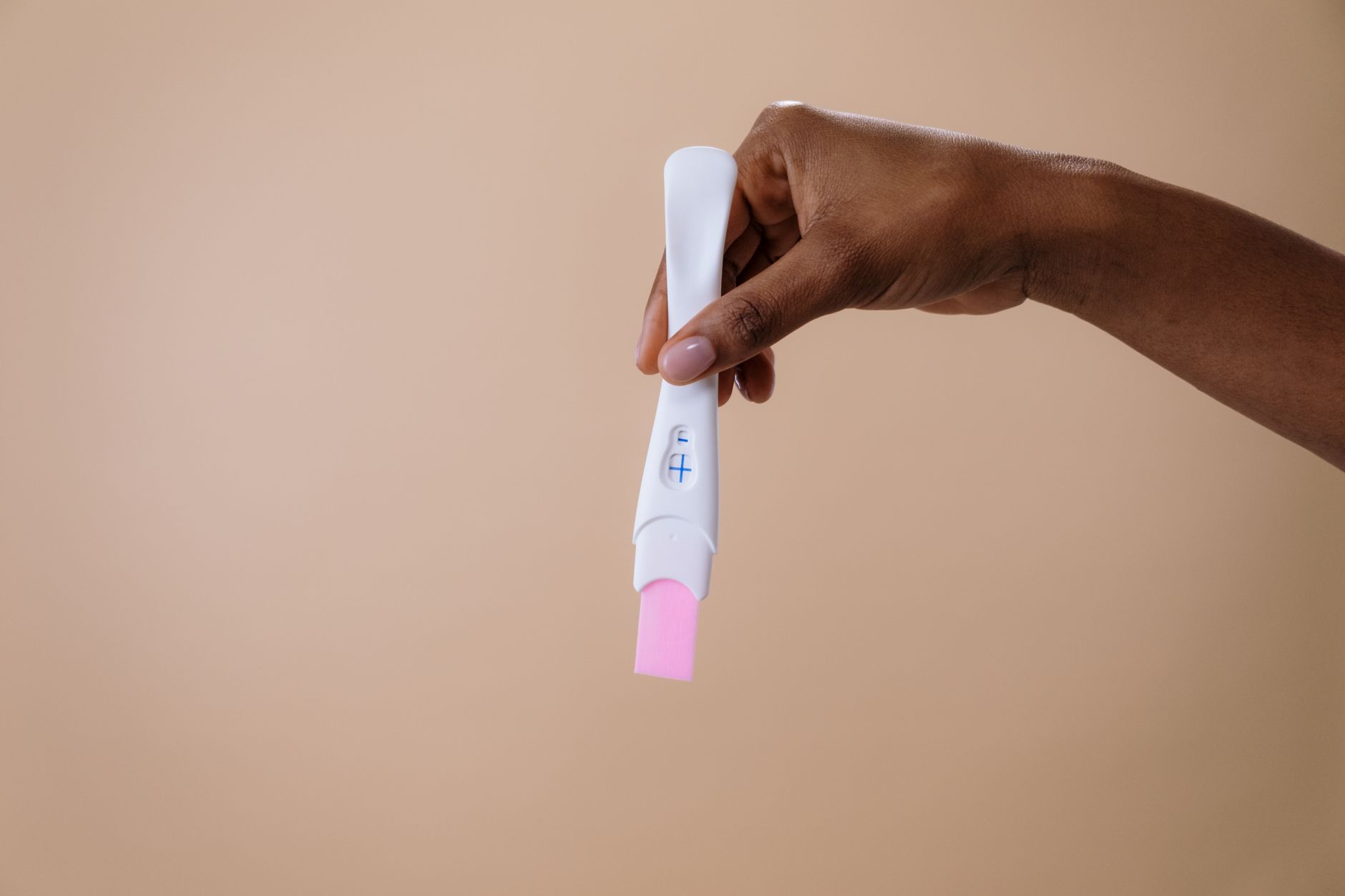
An IUD is over 99% effective, but if you suspect pregnancy, a test is your first step.
How likely is it to get pregnant with an IUD?
IUDs are over 99% effective at preventing pregnancy. That means fewer than 1 in 100 women using an IUD will get pregnant in a typical year. For comparison, birth control pills are about 91% effective with typical use, and condoms are 82%. But no method is perfect—and IUDs, while rare, can fail.
One reader, Sarah, shared her experience: “I’d had my hormonal IUD for three years when I started feeling off. My period was late, and I had this weird nausea that wouldn’t go away. I took a test on a whim—and it was positive. I was shocked. My doctor told me it happens, but it’s rare. I had the IUD removed right away, and my pregnancy was healthy.”
Sarah’s story isn’t unique, but it’s not common either. Most women who use an IUD will never experience a pregnancy. Still, it’s important to know the signs, just in case.
How likely is pregnancy with a copper IUD after 5 years?
Copper IUDs, like Paragard, are approved to last for 10–12 years, but many women wonder if their effectiveness drops over time. The good news? The failure rate doesn’t increase significantly as the IUD ages. According to a 2023 study published in Contraception, the annual pregnancy rate for copper IUDs remains below 1% even after 5 years of use. In fact, the study found that the failure rate for copper IUDs after 5 years is about 0.3–0.5%—still extremely low.
Here’s what that means in real terms:
After 5 years, fewer than 1 in 200 women with a copper IUD will get pregnant in a given year.
After 10 years, the failure rate is still under 1%.
The copper IUD’s effectiveness comes from the copper ions it releases, which are toxic to sperm. This mechanism doesn’t “wear out” over time, so the IUD remains just as effective in year 10 as it was in year 1.
That said, there are a few caveats:
Expulsion risk: The chance of the IUD being expelled (falling out) is slightly higher in the first year after insertion, but it can happen at any time. If your IUD is expelled, you’re no longer protected from pregnancy.
Displacement: If the IUD moves out of place (e.g., shifts into the cervix or partially into the uterus), it may not work as well. This is why checking your strings regularly is so important.
Breakage: While rare, copper IUDs can break, especially if they’re left in longer than the approved duration. A broken IUD may not prevent pregnancy as effectively.
If you’ve had your copper IUD for 5 years or more and you’re worried about pregnancy, the first step is to check your strings. If you can’t feel them, or if you notice any unusual symptoms (like spotting or cramping), call your provider. They can do an ultrasound to confirm the IUD is still in place and working properly.
Can a hormonal IUD fail and cause pregnancy?
Hormonal IUDs (like Mirena, Kyleena, Skyla, and Liletta) are even more effective than copper IUDs, with a failure rate of just 0.1–0.2% in the first year. That means fewer than 1 in 500 women using a hormonal IUD will get pregnant annually. But like all birth control methods, they’re not 100% foolproof.
Hormonal IUDs work by releasing a small amount of progestin (a synthetic hormone) into the uterus. This thickens cervical mucus, making it harder for sperm to reach the egg, and thins the uterine lining, making it less likely for a fertilized egg to implant. Some women also stop ovulating while using a hormonal IUD, though this isn’t the case for everyone.
So why do hormonal IUDs fail? The most common reasons include:
Expulsion: The IUD can fall out, usually within the first few months after insertion. If this happens, you’re no longer protected from pregnancy.
Displacement: The IUD can shift out of place, which may reduce its effectiveness. This can happen if the IUD moves into the cervix or partially into the uterine wall.
Perforation: In rare cases, the IUD can perforate (puncture) the uterine wall during insertion. If this happens, the IUD may not work properly, and you could be at higher risk for pregnancy.
Breakage: While very rare, hormonal IUDs can break, especially if they’re left in longer than the approved duration. A broken IUD may not release hormones effectively, increasing the risk of pregnancy.
One woman, Maria, shared her story: “I’d had my Mirena IUD for two years when I started noticing spotting between periods. I didn’t think much of it—spotting is normal with hormonal IUDs, right? But then my period was late, and I took a test. It was positive. My doctor did an ultrasound and found that my IUD had shifted into my cervix. She removed it, and I continued the pregnancy without any issues.”
Maria’s experience highlights an important point: while hormonal IUDs are highly effective, they’re not infallible. If you suspect something is off—whether it’s missing strings, unusual bleeding, or a late period—don’t ignore it. A quick check with your provider can give you peace of mind.
What are the warning signs of pregnancy while using an IUD?
If you’re using an IUD, the last thing you expect is to get pregnant. But if it happens, your body will usually give you some clues. The warning signs of pregnancy with an IUD are similar to those of a typical pregnancy, but there are a few red flags that are more common when an IUD is involved. Here’s what to watch for:
IUD pregnancy symptoms checklist
Missed period: This is the most obvious sign. If your period is usually regular and suddenly stops, it’s time to take a pregnancy test. Keep in mind that hormonal IUDs can make periods lighter or stop them altogether, so a missed period may not always be a red flag—but it’s still worth checking.
Unusual spotting or bleeding: Light spotting is common with IUDs, especially hormonal ones. But if you notice heavier bleeding, bleeding between periods, or bleeding after sex, it could be a sign of pregnancy or a problem with the IUD.
Cramping or pelvic pain: Mild cramping is normal with an IUD, but severe or persistent pain could signal a problem. If the pain is one-sided or accompanied by bleeding, it could be a sign of an ectopic pregnancy (more on that below).
Nausea or vomiting: Morning sickness isn’t just for the movies. If you’re suddenly feeling queasy, especially in the morning, it could be a sign of pregnancy.
Breast tenderness: Hormonal changes during pregnancy can make your breasts feel sore or swollen.
Fatigue: Feeling unusually tired? Pregnancy hormones can zap your energy.
Frequent urination: If you’re running to the bathroom more often than usual, it could be a sign that a growing uterus is pressing on your bladder.
Missing IUD strings: If you can’t feel your IUD strings when you check, it could mean the IUD has moved or expelled. This doesn’t always mean you’re pregnant, but it’s a sign you should call your provider.
One reader, Jessica, described her experience: “I’d had my copper IUD for four years, and my periods were always like clockwork. Then one month, nothing. I figured it was stress—until I started feeling nauseous every morning. I took a test, and it was positive. My doctor confirmed the pregnancy and removed the IUD. I was lucky—everything turned out fine, but I wish I’d known the signs sooner.”
If you notice any of these symptoms, don’t panic. Many of them can also be caused by other factors, like stress, illness, or changes in your IUD. But it’s always better to be safe. Take a pregnancy test, and if it’s positive, call your provider right away.
A missed period or unusual symptoms? A pregnancy test is the first step to clarity.
What should I do if I think I’m pregnant with an IUD in place?
If you suspect you’re pregnant with an IUD, the first thing to do is stay calm. While it’s a stressful situation, most women who get pregnant with an IUD go on to have healthy pregnancies—especially if they act quickly. Here’s what to do, step by step:
1. Take a pregnancy test
Start with an at-home pregnancy test. These tests detect the hormone hCG (human chorionic gonadotropin) in your urine, which is produced during pregnancy. For the most accurate results:
Take the test first thing in the morning, when your urine is most concentrated.
Follow the instructions on the package carefully.
If the test is positive, take a second test a day or two later to confirm.
Keep in mind that pregnancy tests are just as accurate with an IUD as they are without one. The IUD doesn’t interfere with the test’s ability to detect hCG.
2. Call your provider
If your test is positive, call your healthcare provider right away. They’ll likely ask you to come in for an appointment to confirm the pregnancy and check the position of your IUD. Here’s what to expect at the visit:
Ultrasound: Your provider will use an ultrasound to confirm the pregnancy and check where the IUD is located. This is important because the IUD’s position can affect your options.
Blood test: Your provider may also order a blood test to measure your hCG levels. This can help determine how far along you are and whether the pregnancy is viable.
Pelvic exam: Your provider may do a pelvic exam to check for any signs of infection or complications.
3. Discuss your options
If the pregnancy is confirmed, you’ll need to decide what to do next. Your options will depend on several factors, including how far along you are, the position of the IUD, and your personal preferences. Here are the most common scenarios:
IUD removal: If the IUD is still in place and the pregnancy is in the uterus (not ectopic), your provider will likely recommend removing the IUD as soon as possible. This reduces the risk of complications like miscarriage, infection, or preterm labor. Most women who have the IUD removed early go on to have healthy pregnancies.
Continuing the pregnancy with the IUD in place: If the IUD is left in place, the risks increase. Studies show that women who keep the IUD during pregnancy have a higher chance of miscarriage, infection, or preterm birth. However, some women choose to continue the pregnancy with the IUD if removal isn’t possible (e.g., if the IUD has moved and can’t be safely removed).
Ending the pregnancy: If you decide not to continue the pregnancy, you can discuss termination options with your provider. The IUD will need to be removed before or during the procedure.
One woman, Lisa, shared her story: “I found out I was pregnant with my Mirena IUD at 6 weeks. My doctor removed the IUD right away, and I continued the pregnancy. I was nervous, but everything turned out fine. My son is now a healthy 2-year-old.”
4. Monitor for warning signs
After confirming the pregnancy, it’s important to watch for signs of complications. Call your provider immediately if you experience:
Severe abdominal or pelvic pain
Heavy bleeding (soaking a pad in an hour)
Fever or chills
Dizziness or fainting
Shoulder pain (a sign of ectopic pregnancy)
These symptoms could indicate an ectopic pregnancy, miscarriage, or infection, all of which require immediate medical attention.
How do IUD failure rates compare to other birth control methods?
IUDs are among the most effective forms of birth control, but how do they stack up against other methods? Here’s a breakdown of failure rates for common contraceptives, based on data from the CDC and ACOG:
Birth control method
Effectiveness (typical use)
Pregnancies per 100 women per year
Copper IUD (Paragard)
99.2%
0.8
Hormonal IUD (Mirena, Kyleena, etc.)
99.8%
0.2
Birth control implant (Nexplanon)
99.95%
0.05
Birth control pill
91%
9
Birth control patch
91%
9
Birth control ring (NuvaRing)
91%
9
Condom
82%
18
Diaphragm
88%
12
Fertility awareness methods
76–88%
12–24
No birth control
15%
85
As you can see, IUDs are significantly more effective than most other methods, including pills, patches, and condoms. The only method that’s more effective is the birth control implant (Nexplanon), which has a failure rate of just 0.05%.
Why are IUDs so effective? Unlike methods that rely on user compliance (like pills or condoms), IUDs work automatically once they’re inserted. There’s no need to remember to take a pill every day or use a condom every time you have sex. This makes them a great option for women who want long-term, hassle-free birth control.
That said, no method is perfect. Even IUDs can fail, especially if they’re expelled, displaced, or broken. If you’re using an IUD and you’re concerned about pregnancy, it’s important to know the warning signs and check in with your provider if something feels off.
Can a broken or displaced IUD increase the chance of pregnancy?
Yes, a broken or displaced IUD can increase your risk of pregnancy. Here’s why:
Displaced IUD
A displaced IUD is one that has moved out of its proper position in the uterus. This can happen if the IUD shifts into the cervix, partially into the uterine wall, or even into the abdominal cavity (in rare cases of perforation). When the IUD is displaced, it may not work as effectively to prevent pregnancy. For example:
If the IUD moves into the cervix, sperm may be able to bypass it and reach the egg.
If the IUD perforates the uterine wall, it may not release hormones (in the case of hormonal IUDs) or copper ions (in the case of copper IUDs) effectively.
Signs that your IUD may be displaced include:
Missing or shorter/longer IUD strings
Pain or cramping during sex
Unusual bleeding or spotting
Pelvic pain or discomfort
If you suspect your IUD is displaced, call your provider. They can do an ultrasound to check its position and determine whether it needs to be removed or replaced.
Broken IUD
IUDs are designed to be durable, but they can break, especially if they’re left in longer than the approved duration. A broken IUD may not work as effectively to prevent pregnancy because:
The broken pieces may not release hormones or copper ions properly.
The IUD may not stay in place, increasing the risk of expulsion or displacement.
Signs that your IUD may be broken include:
Missing or irregular IUD strings
Pain or cramping that doesn’t go away
Unusual bleeding or spotting
Feeling part of the IUD during sex or a pelvic exam
If you think your IUD is broken, call your provider. They can do an ultrasound to check its condition and determine whether it needs to be removed.
Expelled IUD
An expelled IUD is one that has fallen out of the uterus entirely. This is most common in the first few months after insertion, but it can happen at any time. If your IUD is expelled, you’re no longer protected from pregnancy.
Signs that your IUD may have expelled include:
Missing IUD strings
Feeling the IUD in your vagina or cervix
Sudden changes in your menstrual cycle (e.g., heavier periods with a hormonal IUD)
Pain or cramping during or after expulsion
If you think your IUD has expelled, use a backup method of birth control (like condoms) and call your provider. They can confirm whether the IUD is gone and discuss your options for replacement.
One woman, Emma, shared her experience: “I’d had my copper IUD for three years when I started feeling sharp pains during sex. I checked my strings, and they were gone. I called my doctor, and she did an ultrasound. The IUD had broken and partially expelled. She removed it, and I got a new one inserted. I was lucky—I hadn’t gotten pregnant, but I realized how important it is to check your strings regularly.”
How can I tell if my IUD strings are missing or my IUD has expelled?
Checking your IUD strings is one of the easiest ways to make sure your IUD is still in place. Here’s how to do it, and what to do if the strings are missing:
How to check your IUD strings
Your IUD has two thin strings that hang down from the cervix into the vagina. These strings are there so your provider can remove the IUD when needed, and so you can check that it’s still in place. Here’s how to check them:
Wash your hands: Before you start, wash your hands with soap and water to avoid introducing bacteria.
Get into a comfortable position: Squat, sit on the toilet, or lie down with your knees bent. You can also try standing with one foot on a stool or the edge of the bathtub.
Insert your finger: Gently insert your index or middle finger into your vagina until you feel your cervix. It should feel firm and round, like the tip of your nose.
Feel for the strings: The strings should feel like thin, plastic threads. They may be slightly coiled or straight. If you can’t feel them, try moving your finger around the cervix to see if they’re hiding.
Don’t tug: Never pull on the strings. This could dislodge the IUD.
Most women can feel their IUD strings, but it can take some practice. If you’re having trouble, ask your provider to show you how at your next appointment.
What to do if your strings are missing
If you can’t feel your IUD strings, don’t panic. There are a few possible explanations:
The strings are curled up: Sometimes, the strings curl up around the cervix, making them hard to feel. This is more common with hormonal IUDs, which can make the cervix softer and the strings more likely to retract.
The IUD has moved: The IUD may have shifted higher in the uterus, pulling the strings with it. This doesn’t always mean the IUD isn’t working, but it’s worth checking with your provider.
The IUD has expelled: The IUD may have fallen out entirely. This is more likely if you’ve noticed other symptoms, like pain or unusual bleeding.
The IUD has perforated: In rare cases, the IUD can puncture the uterine wall and move into the abdominal cavity. This is more likely to happen if the IUD was inserted shortly after childbirth or while breastfeeding.
If you can’t feel your strings, call your provider. They can do an ultrasound to check the IUD’s position. In the meantime, use a backup method of birth control (like condoms) to prevent pregnancy.
What to do if your IUD has expelled
If your IUD has expelled (fallen out), you’ll need to have it replaced if you want to continue using an IUD for birth control. Here’s what to do:
Use backup birth control: If your IUD has expelled, you’re no longer protected from pregnancy. Use condoms or another backup method until you can get a new IUD.
Call your provider: Let them know what happened. They can schedule an appointment to insert a new IUD or discuss other birth control options.
Check for the IUD: If you think your IUD has expelled, check your underwear, pads, or toilet for the device. It’s small (about the size of a quarter) and T-shaped. If you find it, bring it to your provider so they can confirm it’s the full device.
Monitor for symptoms: If you experience pain, fever, or unusual bleeding after an expulsion, call your provider. These could be signs of infection or other complications.
One reader, Alex, shared her story: “I’d had my hormonal IUD for six months when I noticed the strings were missing. I called my doctor, and she did an ultrasound. The IUD was gone—it had expelled. I was surprised because I hadn’t felt anything. My doctor inserted a new one, and I’ve been fine ever since. Now I check my strings every month.”
IUD strings should feel like thin, plastic threads near your cervix. If you can’t feel them, call your provider.
What is the risk of ectopic pregnancy when using an IUD?
If you get pregnant with an IUD, the risk of an ectopic pregnancy (a pregnancy that occurs outside the uterus, usually in the fallopian tube) is higher than it is for women not using birth control. Here’s what you need to know:
What is an ectopic pregnancy?
An ectopic pregnancy happens when a fertilized egg implants outside the uterus, most commonly in the fallopian tube. This type of pregnancy is not viable and can be life-threatening if it’s not treated promptly. Symptoms of an ectopic pregnancy include:
Severe abdominal or pelvic pain (often on one side)
Vaginal bleeding or spotting
Shoulder pain
Dizziness or fainting
Nausea or vomiting
If you experience any of these symptoms, seek medical attention immediately. An ectopic pregnancy requires emergency treatment to prevent complications like internal bleeding.
How common is ectopic pregnancy with an IUD?
While IUDs are highly effective at preventing pregnancy, if pregnancy does occur, the risk of it being ectopic is higher. Here’s why:
IUDs work primarily by preventing fertilization. If fertilization does happen (which is rare), the IUD may also prevent the fertilized egg from implanting in the uterus. This increases the chance that the egg will implant elsewhere, like the fallopian tube.
Studies show that about 3–5% of pregnancies with an IUD in place are ectopic, compared to about 1–2% of pregnancies in the general population.
However, it’s important to note that the overall risk of ectopic pregnancy is still very low for women using an IUD. Because IUDs are so effective at preventing pregnancy, the absolute number of ectopic pregnancies among IUD users is much lower than it is for women not using birth control.
Ectopic pregnancy risk by IUD type
The risk of ectopic pregnancy varies slightly depending on the type of IUD:
Copper IUD: The risk of ectopic pregnancy with a copper IUD is about 0.02% per year. If pregnancy does occur, about 3–5% of those pregnancies are ectopic.
Hormonal IUD: The risk of ectopic pregnancy with a hormonal IUD is even lower—about 0.01% per year. If pregnancy does occur, about 10–15% of those pregnancies are ectopic. This higher percentage is likely because hormonal IUDs are so effective at preventing uterine pregnancies that when pregnancy does happen, it’s more likely to be ectopic.
One woman, Priya, shared her experience: “I’d had my copper IUD for two years when I started feeling sharp pain on my right side. I also had some spotting. I went to the ER, and they confirmed an ectopic pregnancy. I was shocked—I’d never even considered it. The doctor told me it’s rare, but it can happen. I had surgery to remove the pregnancy, and I’m now on a different form of birth control.”
Priya’s story highlights the importance of knowing the signs of ectopic pregnancy. If you suspect you’re pregnant with an IUD, call your provider right away. They can do an ultrasound to check the location of the pregnancy and ensure you get the care you need.
From our medical team:
“IUDs are one of the safest and most effective forms of birth control, but no method is 100% foolproof. If you suspect you’re pregnant with an IUD, don’t wait—call your provider. Early detection is key to managing the pregnancy safely, whether that means removing the IUD, monitoring for ectopic pregnancy, or discussing your options. Most women who get pregnant with an IUD go on to have healthy pregnancies, especially if they act quickly.”
Myth vs. fact
There’s a lot of misinformation out there about IUDs and pregnancy. Let’s clear up some of the most common myths:
Myth: If you get pregnant with an IUD, you’ll always have an ectopic pregnancy. Fact: While the risk of ectopic pregnancy is higher with an IUD, most pregnancies that occur with an IUD in place are not ectopic. About 95–97% of IUD pregnancies are intrauterine (in the uterus). However, if you do get pregnant with an IUD, it’s important to rule out an ectopic pregnancy early.
Myth: IUDs cause infertility. Fact: IUDs do not cause infertility. Once the IUD is removed, your fertility returns to normal almost immediately. In fact, many women conceive within a few months of having their IUD removed. The only exception is if you develop an infection (like pelvic inflammatory disease) while using an IUD, which can rarely lead to fertility issues. This is why it’s important to treat infections promptly.
Myth: You can’t get pregnant immediately after IUD removal. Fact: Your fertility returns to normal as soon as the IUD is removed. Some women ovulate within
Not sure about the label on Can You Get Pregnant With An Iud Failure Rates Warning Signs products?
Snap the ingredients list and SafeFilter checks every ingredient for your stage — only 3 free scans this month, then you're locked until reset. Unlimited from $7/mo or $50/yr.
When Shubhra Mishra was expecting her first child in 2016, she was overwhelmed by conflicting food advice — one site said yes, another said never. By the time her second baby arrived in 2019, she realized millions of mothers face the same confusion.
That sparked a five-year journey through clinical nutrition papers, cultural diets, and expert conversations — all leading to BumpBites: a calm, compassionate space where science meets everyday motherhood.
Her long-term vision is to build a global community ensuring safe, supported, and free deliveriesfor every mother — because no woman should face pregnancy alone or uninformed. 🌿
🌍 Stand with mothers, shape safer guidance
Join a small circle of experts who review BumpBites articles so expecting parents everywhere can decide with confidence.