Quick take: Babies often resist sleep because they’re overtired, experiencing a developmental milestone, or lacking a consistent routine. By tailoring soothing techniques, setting age‑appropriate nap schedules, and creating a safe, calming sleep environment, you can reduce “baby fighting sleep” episodes at any age. If your infant shows persistent distress, unusual waking patterns, or signs of sleep deprivation, reach out to your pediatrician or a sleep specialist.
It’s 2 a.m., the house is quiet, and you’re standing in the dim nursery, gently rocking a 4‑month‑old who refuses to settle. You’ve tried lullabies, swaddling, even a warm bath, but the fight continues. You’re not alone—many parents wonder why their little one seems determined to stay awake. The good news is that most sleep battles have practical solutions that match your baby’s developmental stage.
In this guide we’ll walk through baby fighting sleep tips age by breaking down why sleep resistance happens at each milestone, how to spot overtiredness, and what routines work best from newborn to toddler. You’ll also find a symptom checklist, a treatment‑options table, safe‑sleep recommendations, and myth‑busting facts to help you feel confident in your choices.
Read on for actionable strategies, soothing techniques, and clear signs that it’s time to call a professional.

Why is my 4‑month‑old fighting sleep and how can I help?
At four months most babies are entering a period of rapid brain growth and motor skill development. This “four‑month sleep regression” often looks like a sudden fight against sleep, even if your infant previously slept well.
Understanding the 4‑month sleep regression
During this stage, babies start to become more aware of their surroundings, practice rolling, and may even begin to recognize faces. These exciting milestones can make them overstimulated, leading to shorter naps and more frequent night waking. The American Academy of Pediatrics (AAP) notes that sleep regressions are common and usually resolve within 2–3 weeks.
Baby fighting sleep tips age 3 months
If you’re seeing similar resistance at three months, the cause is often a still‑developing circadian rhythm. Newborns have irregular sleep‑wake cycles, and a 3‑month‑old may still need help distinguishing day from night.
- Consistent lighting: Keep the room bright for feedings and dim for sleep.
- Swaddle wisely: Use a lightweight swaddle that allows hip movement.
- White‑noise: A soft hum can mask household sounds that might startle a young infant.
Practical steps to calm a fighting infant
1. Check for basic needs—hunger, diaper, temperature. A calm baby is more likely to settle.
2. Introduce a “pre‑sleep cue” such as a short lullaby or a gentle massage lasting 3–5 minutes.
3. Maintain a predictable routine—same order of activities each night signals that sleep is coming.
4. Offer a brief “wake‑to‑sleep” window: If your baby is fussing for more than 20 minutes, gently pick them up, soothe for a few minutes, then place them back while drowsy but awake.
These techniques help signal to your baby that it’s time to wind down, reducing the fight.
Symptoms checklist for babies who fight sleep
- Frequent crying during bedtime (more than 20 minutes)
- Irregular nap lengths (under 30 minutes or over 2 hours)
- Daytime irritability or clinginess
- Rubbing eyes, yawning, or drooping eyelids
- Sudden increase in night waking (more than 3 times per night)
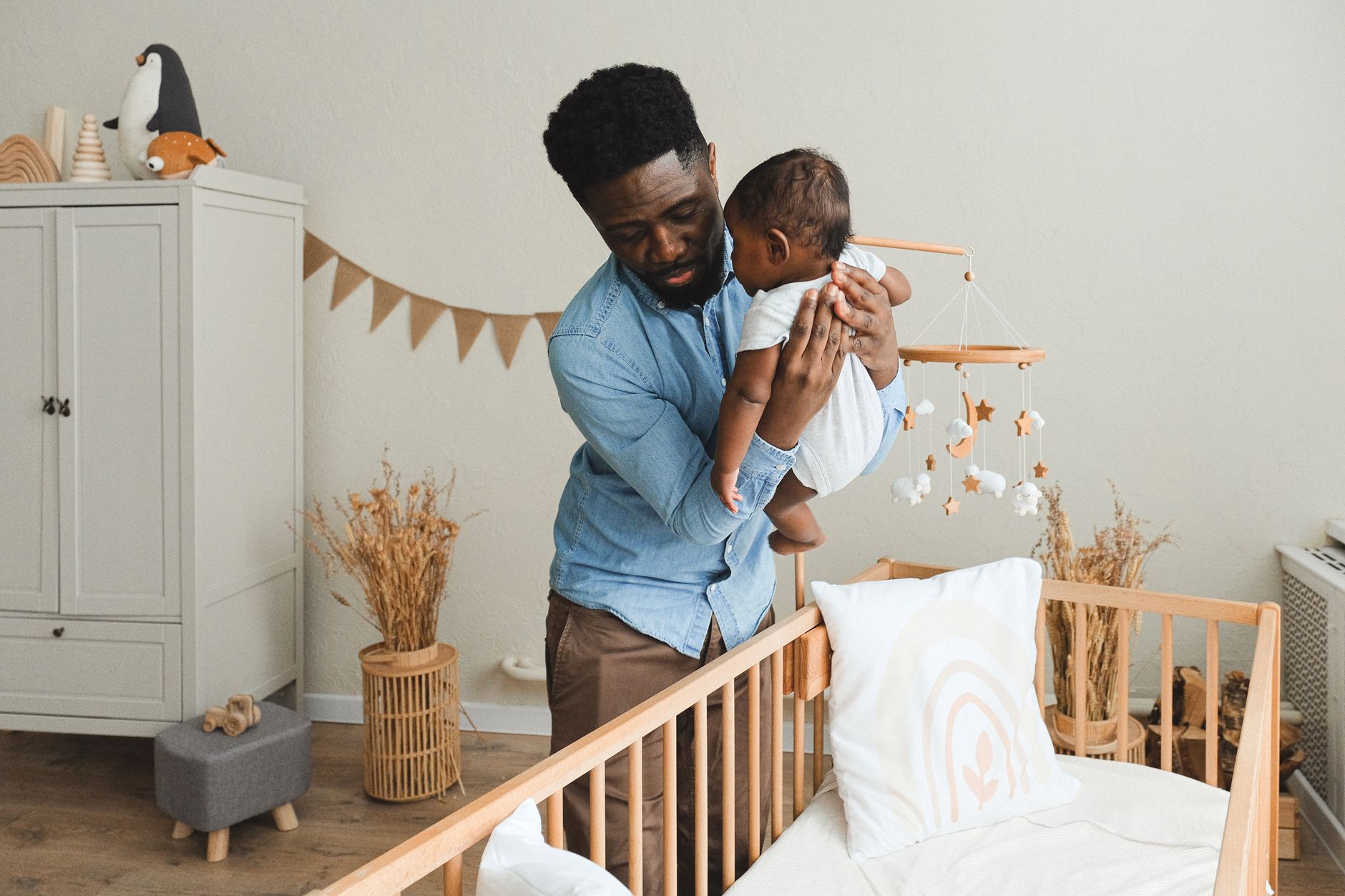
Signs my baby is overtired and resisting nap time
Overtiredness is a hidden culprit behind many sleep battles. When a baby’s internal clock is out of sync, they become fussy, have difficulty settling, and may even “fight” nap time.
Key signs of overtiredness
- Rubbing eyes, yawning, or looking away
- Increased clinginess or “whining” when placed down
- Short, restless naps that end abruptly
- Sudden spikes in crying that seem unrelated to hunger
- Reduced interest in play or feeding
According to the National Sleep Foundation, infants typically need 14–17 hours of sleep in a 24‑hour period, including naps. When total sleep drops below this range, overtiredness can set in.
How to catch overtiredness early
Track your baby’s sleep in a simple log: note start and end times of naps, nighttime sleep, and any wake‑ups. When you see a pattern of short naps followed by long awake periods, it’s a cue to adjust the schedule.
Age‑specific nap cues
3‑month‑old: Look for yawning and gaze aversion roughly 30–45 minutes after a feeding.
4‑month‑old: Signs appear after 45–60 minutes of wakefulness.
6‑month‑old: Overtiredness may surface after 90 minutes of awake time.
Quick soothing tactics for overtired infants
- Offer a brief “wind‑down” period with a soft lullaby.
- Use a pacifier or gentle rocking if the baby is fussy.
- Keep the room slightly cooler (around 68–70°F) to encourage sleep.
Best bedtime routine for a 6‑month‑old who fights sleep
At six months, babies are developing a more regular circadian rhythm, making a consistent bedtime routine especially powerful.
How much sleep does a 6‑month‑old need?
The AAP recommends 12–16 hours of total sleep per day for a 6‑month‑old, split between nighttime sleep (10–12 hours) and two daytime naps (1–2 hours each). This guideline helps you structure a routine that meets their needs.
Step‑by‑step bedtime routine (≈30 minutes)
- Wind‑down (5 min): Dim the lights, turn on a white‑noise machine at a low volume.
- Bath (10 min): A lukewarm bath signals the body to relax. Keep it brief to avoid overstimulation.
- Massage (5 min): Use a baby‑safe oil and gentle strokes on arms, legs, and back.
- Feeding (5 min): Offer a final breast‑milk or formula feed; try to keep the environment calm.
- Storytime or lullaby (5 min): A short book or soft singing provides a cue that sleep is next.
- Put down drowsy but awake: This helps the baby learn to self‑soothe.
Common mistakes to avoid
- Skipping the “wind‑down” phase—sudden darkness can be jarring.
- Over‑stimulating with toys or bright screens right before sleep.
- Inconsistent bedtime—variations of more than 30 minutes can confuse the infant’s clock.
Natural remedies with evidence (for soothing)
While most sleep aids for infants are behavioral, a few gentle options have modest support:
- Melatonin‑rich foods (for toddlers): Small amounts of pureed banana or oatmeal can aid melatonin production, though research is limited.
- Lavender scent (aged 12 months+): A few drops of diluted lavender oil on a cloth near the crib may improve sleep quality (study by the University of Basel, 2022).
Always discuss any aromatherapy or supplement with your pediatrician before use.
How many naps should a 9‑month‑old have to avoid sleep fights?
By nine months, most babies transition from three to two naps per day. Too many or too few naps can trigger overtiredness and bedtime battles.
Typical nap schedule for a 9‑month‑old
These two naps usually provide 2–3 hours of daytime sleep, aligning with the AAP’s recommendation of 14–16 total hours.
Signs your baby needs a nap
- Yawning or eye‑rubbing 2–3 hours after waking
- Decreased engagement with toys or people
- Fussiness that escalates after 30 minutes of wakefulness
Tips to prevent nap‑time resistance
1. Stick to the schedule: Offer the nap at the same time daily.
2. Use a “pre‑nap cue”: A short song or soft shush signals that sleep is coming.
3. Keep the environment consistent: Same sleep space, same blanket, same lighting.
Sleep regression tips for babies who fight sleep
During developmental leaps—like crawling or standing—babies may temporarily resist naps. Offer extra soothing, keep the routine steady, and expect a brief regression of 1–2 weeks.
When to transition from crib to toddler bed if baby fights sleep
Most children make the switch between 18 months and 3 years, but if a baby is consistently fighting bedtime, a premature move can backfire.
Signs your child is ready for a toddler bed
- Climbing out of the crib consistently
- Showing interest in “big kid” furniture
- Having a stable sleep schedule (10 + hours at night)
Age‑appropriate transition timeline
For babies who fight sleep, aim for a transition around 24 months, not earlier than 18 months, unless safety concerns arise.
How to create a calming sleep environment for toddlers
- Low, firm mattress: Ensure it meets safety standards (e.g., ASTM).
- Night‑light: A soft, warm‑colored night‑light can reduce fear of darkness.
- Consistent bedtime cues: Same song, same story, same “goodnight” phrase.
Transition checklist
- Introduce the toddler bed during daytime play.
- Let the child explore the bed with favorite blanket.
- Maintain the same bedtime routine.
- Stay with the child until they fall asleep for the first few nights.
How to soothe a newborn who cries during night feedings
Night feedings are a normal part of newborn life, but the crying can feel overwhelming. The key is to keep the environment calm and consistent.
Why night crying happens
Newborns have immature digestive systems, and feeding schedules often don’t align with their natural sleep cycles. Additionally, they may be overstimulated by bright lights or loud noises during nighttime care.
Soothing techniques
- Keep lights dim: Use a night‑light instead of overhead lights.
- Maintain a soft voice: Speak in a low, soothing tone.
- Swaddle gently: A snug swaddle can provide security without overheating.
- Maintain skin‑to‑skin contact: This releases oxytocin, calming both baby and parent.
How to handle night waking in babies who resist sleep
1. Offer the breast or bottle promptly, but keep interaction brief.
2. After feeding, give a gentle pat and a brief lullaby before placing the baby back down.
3. If the baby remains unsettled, try a slow rocking motion for 2–3 minutes, then lay them down drowsy but awake.
When to seek professional help
If night crying persists beyond three months, is accompanied by weight loss, or the baby shows signs of reflux (spitting up, arching back), consult a pediatrician. Persistent sleep resistance may also indicate an underlying medical issue such as acid reflux or an ear infection.

What are safe sleep practices for babies who resist bedtime?
Safety is paramount, especially when a baby is fighting sleep and may be more prone to movement. Following evidence‑based safe‑sleep guidelines reduces the risk of Sudden Infant Death Syndrome (SIDS).
Core safe‑sleep recommendations (AAP)
- Place baby on the back for every sleep.
- Use a firm, flat surface—a crib or bassinet that meets current safety standards.
- Keep the sleep area free of soft bedding, pillows, or stuffed animals.
- Room‑share, not bed‑share, for at least the first 6 months.
- Maintain a temperature of 68–72°F (20–22°C) to avoid overheating.
Additional tips for babies who resist bedtime
- White‑noise machines: Low‑volume sound can mask household noises that might startle a resistant sleeper.
- Consistent sleepwear: Use a one‑piece sleep sack instead of blankets.
- Limit stimulation before bed: No screens, bright toys, or active play within 30 minutes of sleep.
When to call a specialist
If your baby consistently fights sleep despite a solid routine, experiences frequent apnea pauses, or you notice abnormal breathing patterns, contact a pediatric sleep specialist or your pediatrician promptly.
Myth vs fact about babies fighting sleep
Myth: “If a baby cries, they must be hungry.”
Fact: While hunger is a common reason, overtiredness, overstimulation, or a need for comfort can also trigger crying. A quick check of basic needs, followed by a soothing routine, often resolves the issue.
Myth: “Keeping a baby awake longer will make them sleep better.”
Fact: Extending wake time usually leads to overtiredness, which makes it harder for infants to settle. Consistent, age‑appropriate nap windows support better nighttime sleep.
Myth: “Co‑sleeping solves bedtime battles.”
Fact: The AAP recommends room‑sharing without bed‑sharing to reduce SIDS risk. While proximity can be comforting, establishing independent sleep skills is crucial for long‑term sleep health.
Key takeaways
- Identify overtiredness early—look for yawning, eye‑rubbing, and clinginess.
- Stick to a consistent, age‑specific bedtime and nap routine.
- Maintain a safe, calming sleep environment: back‑sleeping, firm surface, minimal bedding.
- Use soothing cues—white‑noise, gentle rocking, brief lullabies—to transition to sleep.
- Watch for red‑flag symptoms (persistent crying, feeding problems, apnea) and seek professional help.
- Myths about “tiring out” or “co‑sleeping” often worsen sleep fights; rely on evidence‑based practices.
Frequently asked questions
Why does my baby fight sleep?
Babies fight sleep when they’re overtired, experiencing a developmental milestone, or lacking a consistent routine. The fight is a signal that the infant’s internal clock needs help syncing with day‑night cues.
How many hours of sleep does a 6‑month‑old need?
The AAP recommends 12–16 hours of total sleep in a 24‑hour period, including 10–12 hours at night and two daytime naps totaling 1–2 hours.
What are the signs of overtiredness in infants?
Key signs include frequent yawning, eye‑rubbing, irritability, short or restless naps, and a “fight” during bedtime. Tracking wake‑time intervals helps catch overtiredness before it escalates.
When should I stop co‑sleeping if my baby fights sleep?
Room‑sharing is safe for the first 6 months, but if bedtime battles persist, consider transitioning to a separate sleep surface while keeping the baby’s room nearby. Consult your pediatrician for personalized guidance.
Can feeding schedule affect a baby's sleep fights?
Yes. Inconsistent feeding can lead to hunger cues at night, prompting wake‑ups. A regular feeding schedule—especially a calming pre‑bedtime feed—helps signal that sleep is next.
Is it normal for a baby to resist naptime?
Occasionally, especially during growth spurts or sleep regressions. However, repeated resistance may indicate overtiredness or an improperly timed nap schedule. Adjusting wake windows usually helps.
How do I know when to see a doctor for my baby’s sleep issues?
Seek medical advice if your baby shows any of the following: persistent crying for more than three weeks, poor weight gain, signs of reflux, apnea pauses, or if you’re unable to establish a consistent sleep pattern despite trying evidence‑based strategies.
When to see a doctor or specialist
If you notice any of these red‑flag symptoms, contact a pediatrician right away. For persistent sleep resistance, a referral to a pediatric sleep specialist or a developmental pediatrician may be appropriate.
- Frequent night waking with prolonged crying (over 20 minutes each time)
- Signs of breathing difficulty or pauses during sleep
- Significant weight loss or failure to thrive
- Persistent reflux symptoms (spitting up, arching back)
- Behavioral changes such as extreme irritability or lethargy
Remember, this article provides general information and is not a substitute for personalized medical advice. Always discuss any concerns with your healthcare provider.
References
- American Academy of Pediatrics. “Sleep Safety and SIDS Prevention.” AAP, 2023.
- National Sleep Foundation. “Infant Sleep Guidelines.” NSF, 2022.
- American Academy of Pediatrics. “Nighttime Feeding Recommendations.” AAP, 2021.
- Harvard T.H. Chan School of Public Health. “White Noise and Infant Sleep.” Harvard, 2022.
- University of Basel. “Lavender Aromatherapy and Sleep Quality in Toddlers.” Journal of Pediatric Research, 2022.
- Centers for Disease Control and Prevention. “Safe Sleep Practices for Infants.” CDC, 2023.
- National Institute of Child Health and Human Development. “Developmental Milestones and Sleep.” NICHD, 2024.
- American Academy of Pediatrics. “Guidelines for Room‑Sharing and Bed‑Sharing.” AAP, 2023.



