When your skin is acting up, you need snacks that are quick, easy to grab, and won’t leave you feeling sluggish or itchy. The key is focusing on foods that reduce inflammation, support skin health, and avoid common triggers like gluten, dairy, nuts, and high-histamine foods. Here are some of the easiest, most effective options to keep on hand:
- Boiled eggs (packed in a thermos or small container with ice packs)
- Fresh fruit like apples, bananas, or berries (peeled and pre-cut for convenience)
- Dairy-free yogurt with chia seeds or flaxseeds (choose unsweetened, coconut or almond-based options)
- Hummus with veggie sticks (store-bought or homemade, gluten-free)
- Rice cakes topped with avocado or almond butter (if nut-free isn’t a concern)
- Homemade energy bites (oats, dates, and coconut flakes—check for gluten-free oats)
- Olives or dairy-free cheese sticks (low-histamine options like feta or goat cheese)
One reader described how she used to rely on store-bought granola bars, only to end up with a flare-up every time. After switching to homemade energy bites made with almond flour and coconut oil, her skin cleared up within a week. "I never realized how much sugar and artificial ingredients were messing with my eczema," she said.
---
Gluten-Free Eczema Diet Snacks for Travel
Traveling with eczema can feel like navigating a minefield of hidden gluten, dairy, and other triggers. The good news? Gluten-free snacks are often naturally low in histamine and easy to find. Here’s how to pack smart:
First, avoid processed snacks that might contain cross-contamination. Opt for:
- Fresh fruit (apples, pears, oranges—peel if sensitive to skin contact)
- Gluten-free crackers with sunflower seed butter (check labels for cross-contamination warnings)
- Popcorn (plain, air-popped—avoid pre-packaged microwave bags with additives)
- Dried fruit (unsulfured—sulfites can trigger flares in some people)
- Seaweed snacks (low-histamine and naturally gluten-free)
Pro tip: Pack snacks in resealable bags or small containers to avoid spills. If you’re flying, check TSA guidelines for liquids and gels, but most solid snacks are fine in your carry-on. For longer trips, consider pre-ordering gluten-free snacks from specialty stores or online retailers like Gluten Free Panda.
Many women with eczema find that travel flares are worse because of stress and dehydration. Staying hydrated and sticking to a familiar snack routine can help. For those managing multiple sensitivities, Crohn’s diet snacks often overlap with eczema-friendly options.
---
Low-Histamine Eczema Snacks to Take to Work
If you’re sensitive to histamine, your snack choices need to be even more intentional. Histamine intolerance can worsen eczema symptoms, so opt for fresh, unprocessed foods that are low in histamine or naturally low-histamine foods. Here’s what to pack:
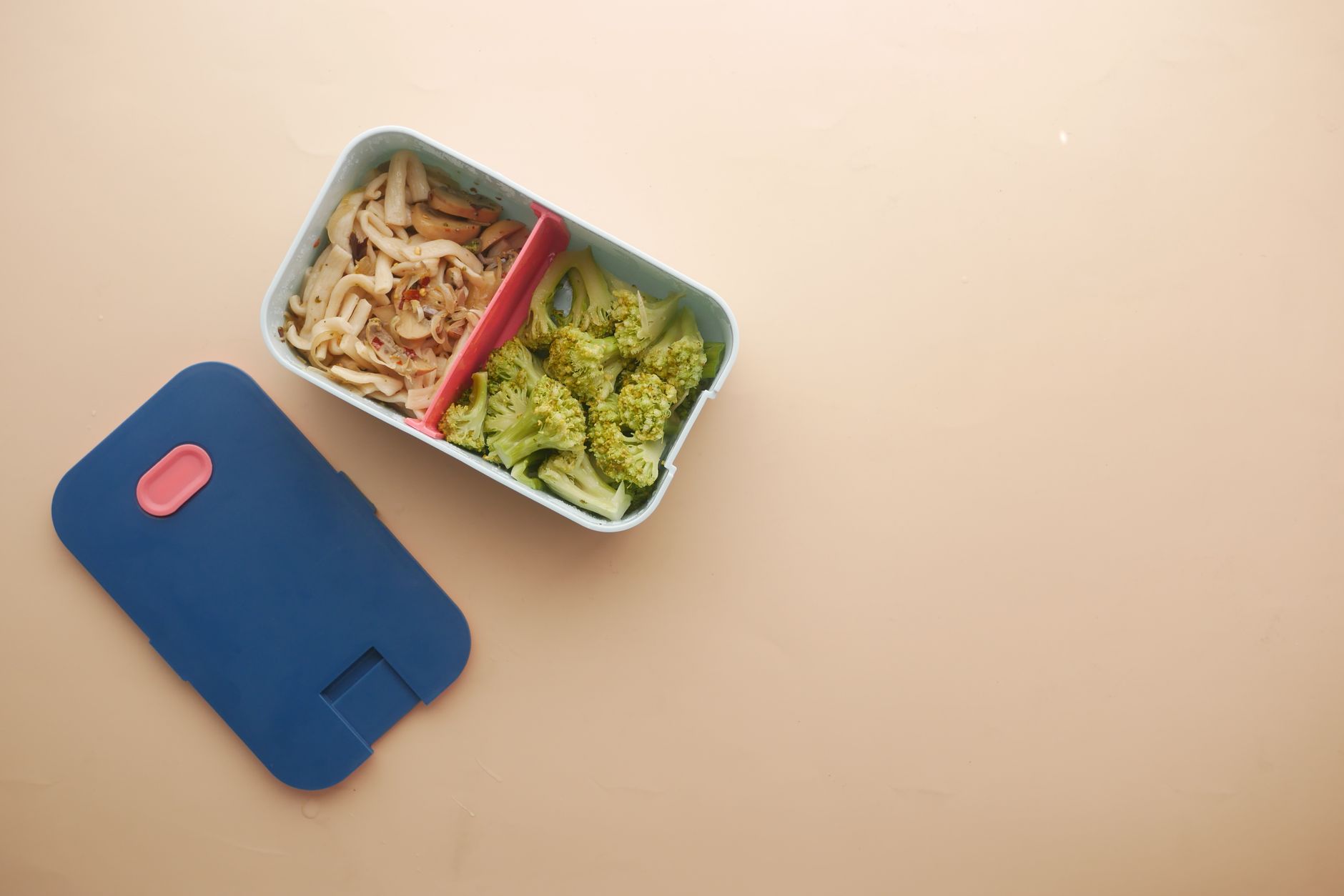
For work, pack snacks in small containers or bento boxes to keep them fresh. Avoid pre-packaged snacks, which often contain preservatives that can trigger histamine reactions. If you’re unsure, opt for fresh, whole foods and avoid anything that’s been sitting on the shelf for weeks.
One woman shared how she used to get headaches and eczema flares after eating lunch at work. After switching to low-histamine snacks like fresh fruit and rice cakes, her symptoms disappeared. "I thought it was just stress, but it turned out to be the snacks I was grabbing from the vending machine," she said.
---
Nut-Free Eczema-Friendly On-the-Go Snacks
Nut allergies and sensitivities are common in eczema, so finding nut-free snacks can feel like a challenge. The good news? There are plenty of delicious alternatives that won’t trigger a reaction. Here are some of the best options:
- Sunflower seed butter (on rice cakes or gluten-free crackers)
- Pumpkin seeds (raw or roasted—great for crunch)
- Seeds (chia, flax, hemp) (sprinkled on yogurt or oatmeal)
- Dairy-free yogurt with coconut flakes
- Fresh fruit with sunflower seed butter (like apple slices with sunflower seed butter)
- Olives or pickles (low-histamine options)
When packing nut-free snacks, always double-check labels for "may contain nuts" warnings. Some brands cross-contaminate their products in the same facility. If you’re packing for someone else (like a child or partner), make sure to communicate clearly about allergies.
For those with multiple sensitivities, Asperger’s diet snacks often include nut-free options that can also work for eczema.
---
How to Pack Eczema Diet Snacks for a Day Trip
Day trips can be tricky because you’re limited on space and need snacks that won’t spoil quickly. Here’s how to pack like a pro:
- Use small, leak-proof containers for liquids or soft foods like yogurt or hummus.
- Pack fresh fruit in a separate container with a paper towel to absorb any juice.
- Bring a small cooler bag with ice packs for perishable items like boiled eggs or dairy-free cheese.
- Avoid glass containers—opt for plastic or stainless steel for safety.
- Label your snacks if you’re sharing with others (e.g., "Gluten-Free, Nut-Free").
For a day trip, consider packing:
- Hard-boiled eggs
- Fresh fruit (apples, bananas, or berries)
- Gluten-free crackers with sunflower seed butter
- Dairy-free protein bars (check for low-histamine options)
- Olives or pickles (low-histamine)
One mom shared how she used to struggle with packing snacks for her kids’ school field trips. After switching to a cooler bag with ice packs and pre-packaged nut-free snacks, her kids never went hungry—and neither did she. "I used to stress so much about what to bring, but now it’s just part of my routine," she said.
---
Best Fruits for Eczema Diet Snacks While Commuting
Fruit is one of the easiest and most nutritious snacks for eczema, but not all fruits are created equal. Some are high in sugar or contain compounds that can trigger flares, while others are low in histamine and packed with skin-supporting nutrients. Here’s what to reach for:
For commuting, peel fruits like apples and bananas to avoid skin contact with any residues. Pack fruit in a small container with a paper towel to catch any juice. If you’re sensitive to sugar, opt for berries or pears, which are lower in natural sugars.
One woman shared how she used to avoid fruit entirely because she thought it would make her eczema worse. After switching to berries and apples, her skin improved. "I thought fruit was the enemy, but it turns out, the right kind can actually help," she said.
---
Vegan Eczema Diet Snacks for Busy Moms
Busy moms have a lot on their plates—literally. Finding vegan snacks that are also eczema-friendly can feel overwhelming, but it’s totally doable with a little planning. Here are some of the best options:
- Hummus with veggie sticks (carrots, cucumbers, bell peppers)
- Roasted chickpeas (seasoned with olive oil and spices)
- Avocado toast on gluten-free bread (with sunflower seed butter)
- Edamame (steamed and lightly salted)
- Dairy-free yogurt with flaxseeds
- Trail mix (nut-free) (pumpkin seeds, sunflower seeds, dried fruit)
For busy moms, meal prep is key. Spend one afternoon making a big batch of hummus or roasted chickpeas and portion them out into small containers. This way, you can grab and go without worrying about last-minute prep.
One mom shared how she used to rely on convenience store snacks, which often contained dairy, gluten, and nuts. After switching to vegan, eczema-friendly snacks like hummus and roasted chickpeas, her daughter’s eczema improved, and so did her own. "I never realized how much better I felt when I ate clean snacks," she said.
---
Eczema Diet Snack Ideas for Kids
Kids with eczema need snacks that are not only safe but also appealing. The key is to make snacks fun and familiar while avoiding common triggers. Here are some kid-approved ideas:
- Cheese sticks (dairy-free if needed) with whole-grain crackers
- Apple slices with sunflower seed butter (cut into fun shapes)
- Popcorn (plain, air-popped) with a sprinkle of cinnamon
- Dairy-free yogurt with granola (gluten-free)
- Veggie cups with hummus (cut into fun shapes like stars or flowers)
- Trail mix (nut-free) with dried fruit and seeds
For school lunches, pack snacks in small, colorful containers to make them more appealing. Involve your child in packing their snacks—they’re more likely to eat something they helped choose. If your child is sensitive to multiple triggers, consider Atkins diet snacks or carnivore diet snacks for additional guidance.
One parent shared how she used to struggle to get her child to eat anything but chips and candy. After switching to fun, eczema-friendly snacks like apple slices with sunflower seed butter, her child’s eczema improved, and so did her appetite. "I never thought snacks could be so healthy and tasty," she said.
---
Eczema Diet Snack Recipes That Are Portable
Homemade snacks are often the best option because you control the ingredients. Here are a few easy, portable recipes:
1. Energy Bites
Mix 1 cup gluten-free oats, ½ cup sunflower seed butter, ⅓ cup honey (or maple syrup), 1 tsp vanilla extract, and ¼ cup mini chocolate chips (dairy-free). Roll into balls and refrigerate for at least 30 minutes. Store in an airtight container for up to a week.
2. Hummus with Veggie Sticks
Blend 1 can chickpeas, 2 tbsp tahini, 2 tbsp lemon juice, 3 garlic cloves, 2 tbsp olive oil, and salt to taste. Serve with cucumber, carrot, or bell pepper sticks. Store hummus in the fridge for up to 5 days.
3. Rice Cakes with Avocado
Spread mashed avocado on a rice cake and top with a sprinkle of sea salt and red pepper flakes. Pack in a small container for easy grab-and-go snacking.
These recipes are simple, customizable, and perfect for meal prep. Spend a little time on Sunday making a batch, and you’ll have snacks ready for the week.
---
Eczema Diet Snack List for School Lunch
Packing a school lunch for someone with eczema requires a little extra planning, but it’s worth it to avoid triggers and keep skin happy. Here’s a sample list:
- Hard-boiled eggs
- Fresh fruit (apples, bananas, or berries)
- Gluten-free crackers with sunflower seed butter
- Dairy-free yogurt with chia seeds
- Veggie sticks with hummus
- Popcorn (plain, air-popped)
- Trail mix (nut-free, with dried fruit and seeds)
Always check labels for hidden allergens, and avoid pre-packaged snacks with artificial additives. If your child has a severe allergy, consider packing a separate snack for them to avoid cross-contamination.
One mom shared how she used to send her child to school with a sad lunch of crackers and juice. After switching to a variety of eczema-friendly snacks, her child’s lunch became something to look forward to—and her eczema improved. "I never realized how much better she felt when she ate the right snacks," she said.
---
Eczema Diet Snack Nutrition Facts
Nutrition is key to managing eczema, so let’s break down what your snacks should include:
- Omega-3 fatty acids (found in flaxseeds, chia seeds, and walnuts—if nut-free isn’t a concern)
- Vitamin E (found in avocados, nuts, and seeds)
- Zinc (found in pumpkin seeds, lentils, and chickpeas)
- Vitamin C (found in citrus fruits, bell peppers, and strawberries)
- Probiotics (found in dairy-free yogurt and fermented foods like sauerkraut)
These nutrients help reduce inflammation, support skin repair, and strengthen the skin barrier. Aim for snacks that combine these nutrients for maximum benefit.
For example, a snack of hummus with veggie sticks provides fiber, healthy fats, and vitamin C. A bowl of dairy-free yogurt with chia seeds offers probiotics and omega-3s. Small, consistent choices add up to big improvements in skin health.
---
Eczema Diet Snack Allergy-Safe Options
Allergies and sensitivities can make snacking feel like a minefield, but there are plenty of safe options if you know what to look for. Here’s how to navigate common allergens:
- Gluten-free: Opt for certified gluten-free oats, crackers, and bread. Avoid cross-contamination by choosing brands that are dedicated to gluten-free production.
- Dairy-free: Choose yogurts made from coconut, almond, or soy. Read labels carefully for hidden dairy in cheese sauces or flavored yogurts.
- Nut-free: Use sunflower seed butter or pumpkin seed butter instead of peanut or almond butter. Check labels for "may contain nuts" warnings.
- Low-histamine: Stick to fresh, unprocessed foods and avoid aged cheeses, fermented foods, and cured meats.
When in doubt, opt for whole, unprocessed foods. Fresh fruit, vegetables, and lean proteins are always safe bets. If you’re unsure about a product, reach out to the manufacturer for ingredient information.
One woman shared how she used to avoid all snacks because she wasn’t sure what was safe. After learning to read labels and stick to whole foods, she found a world of eczema-friendly options. "I never realized how many safe snacks were out there," she said.
---
Eczema Diet Snack Prep Time
Prep time doesn’t have to be a barrier to healthy snacking. Here’s how to save time while keeping snacks fresh and safe:
- Batch prep: Make a big batch of hummus, energy bites, or roasted chickpeas on Sunday and portion them out for the week.
- Pre-cut fruit: Wash and chop fruit at the beginning of the week and store in the fridge with paper towels to absorb moisture.
- Use a cooler bag: Pack a small cooler with ice packs for perishable items like boiled eggs or dairy-free cheese.
- Invest in good containers: Leak-proof, airtight containers keep snacks fresh and prevent spills.
- Keep a snack stash: Always have a few go-to snacks on hand, like rice cakes or fresh fruit, so you’re never caught without an option.
One mom shared how she used to spend 30 minutes every morning prepping snacks. After switching to batch prep on Sunday, she saved time and stress. "I never thought I’d be excited about meal prep, but now it’s my favorite part of the week," she said.
---
Myth vs. Fact: Eczema Diet Snacks
There are a lot of myths about eczema and diet. Let’s set the record straight:
Myth: "All fruits are bad for eczema."
Fact: Not all fruits are created equal. Some fruits are high in sugar or contain compounds that can trigger flares, while others are low in histamine and packed with skin-supporting nutrients. Stick to low-sugar, low-histamine fruits like apples, bananas, and berries.
Myth: "You have to avoid all nuts if you have eczema."
Fact: Nuts can be part of an eczema-friendly diet, but they’re not for everyone. If you’re allergic or sensitive to nuts, opt for nut-free alternatives like sunflower seed butter or pumpkin seeds. Always check labels for cross-contamination warnings.
Myth: "Eczema diet snacks have to be boring."
Fact: Eczema-friendly snacks can be delicious and fun! Experiment with flavors, textures, and ingredients to find what you like. Homemade snacks often taste better than store-bought options.
---
Key Takeaways
- Focus on fresh, whole foods that are low in histamine and avoid common triggers like gluten, dairy, and nuts.
- Pack snacks in leak-proof, airtight containers to keep them fresh and avoid spills.
- Batch prep snacks on weekends to save time during the week.
- Always check labels for hidden allergens and cross-contamination warnings.
- Experiment with different flavors and textures to find snacks you enjoy.
- Stay hydrated and eat snacks at regular intervals to support skin health.
---
Frequently Asked Questions
What are the best snacks for eczema patients on the go?
The best snacks for eczema are fresh, whole foods that avoid common triggers like gluten, dairy, nuts, and high-histamine foods. Opt for boiled eggs, fresh fruit, dairy-free yogurt, hummus with veggie sticks, and homemade energy bites. Always check labels for hidden allergens.
Can I eat fruit with eczema?
Yes, you can eat fruit with eczema, but not all fruits are created equal. Stick to low-sugar, low-histamine fruits like apples, bananas, and berries. Avoid citrus fruits and grapes if you’re sensitive to sugar or histamine.
Are nuts safe for eczema sufferers?
Nuts can be part of an eczema-friendly diet, but they’re not for everyone. If you’re allergic or sensitive to nuts, opt for nut-free alternatives like sunflower seed butter or pumpkin seeds. Always check labels for cross-contamination warnings.
How do I avoid eczema triggers in snacks?
Avoiding eczema triggers in snacks is all about reading labels, choosing fresh whole foods, and being mindful of cross-contamination. Stick to snacks that are certified gluten-free, dairy-free, and nut-free if you have sensitivities. Always check labels for hidden allergens.
What is a low-histamine snack for eczema?
A low-histamine snack for eczema includes fresh fruit, fresh vegetables, freshly cooked rice or quinoa, and fresh hummus. Avoid aged cheeses, fermented foods, and cured meats, which are high in histamine.
Do dairy-free snacks help eczema?
Dairy-free snacks can help eczema if you’re sensitive to dairy. Many people with eczema experience flare-ups when consuming dairy, so opting for dairy-free alternatives like coconut or almond yogurt can support skin health.
---
When to See a Doctor or Specialist
While diet can play a significant role in managing eczema, it’s important to work with a healthcare provider or dietitian to identify your specific triggers and create a personalized plan. If you’re experiencing severe flare-ups, persistent itching, or other concerning symptoms, consult an allergist or dermatologist. They can perform allergy testing and provide guidance tailored to your needs.
For most people, managing eczema through diet involves avoiding triggers and focusing on anti-inflammatory foods. However, if you suspect food allergies or sensitivities, an allergist can help you identify and avoid problematic foods.
If your eczema is severe or not improving with diet changes, consider seeing a dermatologist. They can recommend topical treatments, moisturizers, and other therapies to help manage your symptoms.
---
References
- American Academy of Dermatology. (2023). *Eczema (Atopic Dermatitis): Symptoms and Causes*. Retrieved from https://www.aad.org
- National Eczema Association. (2023). *Diet and Eczema*. Retrieved from https://nationaleczema.org
- Mayo Clinic. (2023). *Eczema (Atopic Dermatitis): Diagnosis and Treatment*. Retrieved from https://www.mayoclinic.org
- Harvard T.H. Chan School of Public Health. (2023). *Diet and Inflammation*. Retrieved from https://www.hsph.harvard.edu
- Food Allergy Research & Education (FARE). (2023). *Food Allergy Basics*. Retrieved from https://www.foodallergy.org




