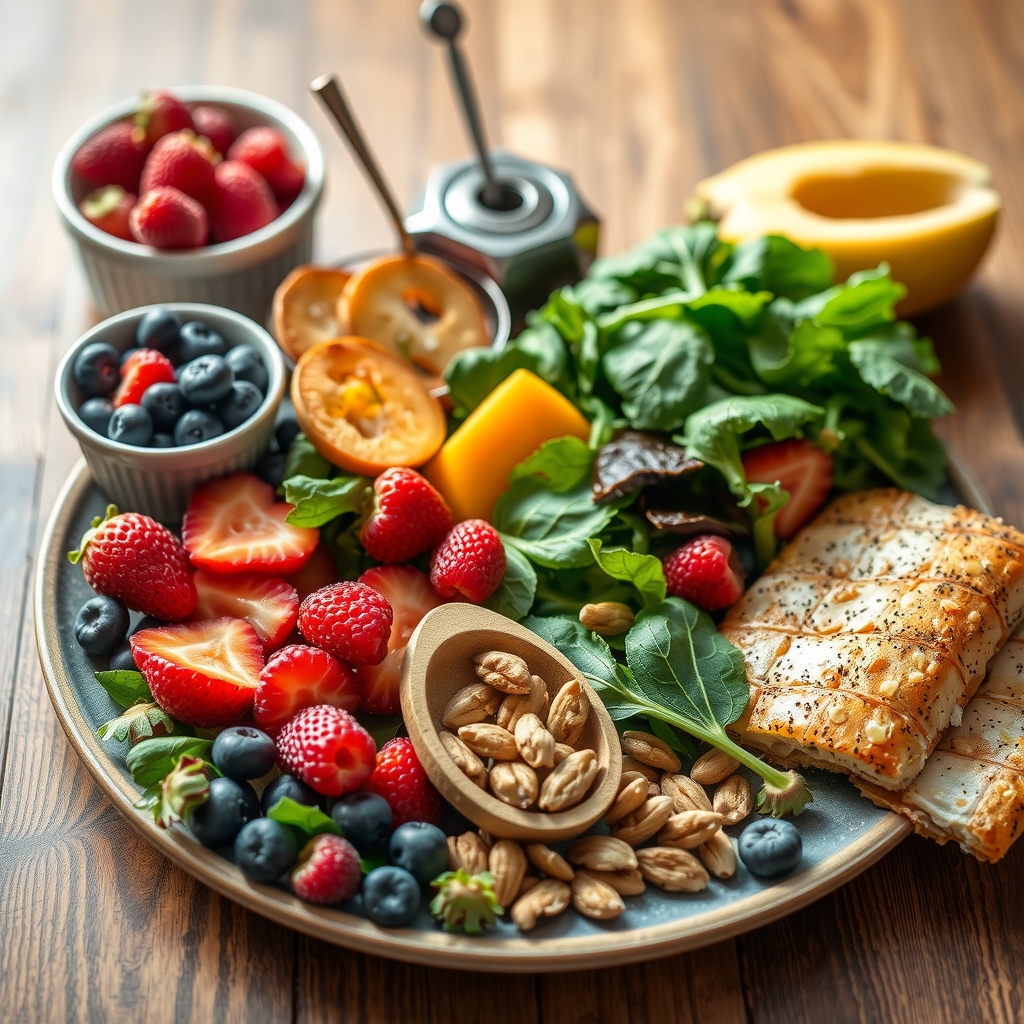
Unlock a complete thyroid friendly diet sample day of eating for 2026. This guide offers balanced meals and snacks designed to support thyroid health, boost
By Shubhra Mishra — a mom of two who turned her own confusion during pregnancy into BumpBites, a global mission to make food choices clear, safe, and stress-free for every expecting mother. 💛
Check whether any food is safe during pregnancy with the BumpBites Food Safety Checker.
Quick take: Navigating diet during pregnancy, especially with thyroid concerns, can feel overwhelming. A thyroid-friendly diet for expectant mothers focuses on nutrient-dense, whole foods rich in iodine, selenium, zinc, and iron, while moderating potential goitrogens and highly processed items. This approach supports optimal thyroid function for both you and your baby's development. Always consult your healthcare provider for personalized dietary advice during pregnancy.
When you’re expecting, every choice feels magnified, especially when it comes to what you eat. If you’re also managing thyroid health, whether it’s hypothyroidism, hyperthyroidism, or even just a concern about gestational thyroid changes, the thought of creating a perfect diet can add an extra layer of stress. You might find yourself staring at your pantry, wondering if that seemingly healthy snack is actually helping or hindering your thyroid.
Take a breath. You're not alone in these concerns. Many women tell us they feel overwhelmed trying to balance their pregnancy needs with specific dietary requirements. The good news is that a thyroid-friendly diet during pregnancy isn't about rigid restrictions; it's about smart, nourishing choices that support your body and your baby's development. It’s a holistic approach that prioritizes nutrient-rich foods that naturally enhance thyroid function.
In this guide, we'll walk you through what a thyroid-friendly diet looks like specifically for pregnant women, complete with a practical sample day of eating. We’ll cover key nutrients, foods to embrace, and those to approach with caution, along with actionable tips to make meal planning simpler and less stressful. Our goal is to empower you with clear, trustworthy information so you can feel confident in nourishing yourself and your growing baby.
What Does a Thyroid-Friendly Diet Look Like During Pregnancy?
Understanding what a thyroid-friendly diet entails during pregnancy is crucial, not just for your well-being but also for your baby's healthy development. Your thyroid gland, a small butterfly-shaped organ in your neck, produces hormones that regulate metabolism, energy, and temperature. During pregnancy, the demand on your thyroid increases significantly. These hormones are vital for your baby's brain and nervous system development, especially in the first trimester when their own thyroid isn't fully formed.
A thyroid-friendly diet for expectant mothers emphasizes whole, unprocessed foods that provide the specific nutrients your thyroid needs to function optimally. It's less about strict rules and more about making informed choices that support hormonal balance and reduce inflammation. This nutritional approach is often quite similar to a generally healthy pregnancy diet, focusing on variety, balance, and mindful eating.
Why Thyroid Health Matters So Much During Pregnancy
The American Thyroid Association (ATA) highlights that undetected or undertreated thyroid dysfunction in pregnancy can lead to complications for both mother and baby. For the mother, this might include preeclampsia, gestational hypertension, anemia, or postpartum hemorrhage. For the baby, risks can involve premature birth, low birth weight, and impaired neurocognitive development. Supporting your thyroid through diet is a proactive step in minimizing these risks.
General Principles of a Thyroid-Supportive Pregnancy Diet
The foundation of this diet rests on several key principles:
Nutrient Density: Prioritize foods packed with vitamins, minerals, and antioxidants to support overall health and thyroid function.
Balanced Macronutrients: Ensure a good balance of lean proteins, complex carbohydrates, and healthy fats at each meal to maintain stable blood sugar and energy levels, which indirectly supports thyroid health.
Anti-Inflammatory Focus: Many thyroid conditions, particularly autoimmune ones like Hashimoto's thyroiditis, involve inflammation. An anti-inflammatory diet rich in fruits, vegetables, and omega-3 fatty acids can be beneficial.
Adequate Hydration: Drinking plenty of water is essential for all bodily functions, including metabolism and nutrient transport, which are critical for thyroid hormone action. Aim for at least 8-10 glasses (2-2.5 liters) of water daily, adjusting based on activity and climate.
Mindful Eating: Pay attention to hunger and fullness cues, and enjoy your meals without rushing. This can help with digestion and nutrient absorption.
While this article provides general guidance, always remember that individual needs vary. It's essential to work closely with your OB/GYN and, if necessary, an endocrinologist or registered dietitian to tailor a diet plan that considers your specific thyroid condition, medication, and pregnancy requirements.
Focus on a variety of whole, unprocessed foods to support your thyroid and your baby's development.
Key Nutrients and Foods to Prioritize for Maternal Thyroid Health During Pregnancy
When you're pregnant and focusing on thyroid health, certain nutrients become non-negotiable superheroes in your diet. These compounds are essential for the synthesis of thyroid hormones and the overall function of your endocrine system. Incorporating a variety of foods rich in these nutrients ensures you’re giving your body, and your baby, the best possible support.
Iodine: The Thyroid's Building Block
Iodine is perhaps the most critical nutrient for thyroid hormone production. The thyroid gland uses iodine to create T3 and T4 hormones. During pregnancy, your iodine requirements increase significantly to support both your thyroid and your baby's developing brain and nervous system. The World Health Organization (WHO) recommends 250 micrograms (mcg) of iodine per day for pregnant women.
Food Sources: Iodized salt (use in moderation for sodium intake), seaweed (nori, kombu, wakame – but be cautious of excessive intake as some can have very high levels), dairy products (milk, yogurt, cheese), eggs, and some seafood (cod, shrimp). Prenatal vitamins typically contain iodine, but check the label to ensure it meets the recommended amount.
Selenium: The Thyroid's Protector
Selenium is a trace mineral that acts as an antioxidant, protecting the thyroid gland from oxidative stress. It's also crucial for converting T4 (the inactive form of thyroid hormone) into T3 (the active form). Adequate selenium intake can be particularly beneficial for those with autoimmune thyroid conditions like Hashimoto's.
Food Sources: Brazil nuts (just 1-2 per day can provide your daily needs, but avoid excessive amounts), tuna, sardines, eggs, chicken, turkey, and sunflower seeds.
Zinc: The Hormone Regulator
Zinc plays a vital role in the synthesis of thyroid hormones and their proper function. A deficiency in zinc can impair thyroid activity. It also supports your immune system, which is important for overall health during pregnancy.
Food Sources: Oysters (ensure they are fully cooked during pregnancy), beef, chicken, pumpkin seeds, cashews, lentils, and chickpeas.
Iron: Preventing Anemia and Supporting Thyroid
Iron is essential for red blood cell production and preventing anemia, which is common in pregnancy. It also plays a role in the enzyme activity involved in thyroid hormone synthesis. Iron deficiency can slow down thyroid hormone metabolism.
Food Sources: Lean red meat, poultry, fish, lentils, beans, spinach, fortified cereals. Pair iron-rich foods with vitamin C sources (like oranges or bell peppers) to enhance absorption.
B Vitamins: Energy and Metabolism Boosters
The B vitamins, especially B12 and folate, are critical for energy metabolism and cellular function, both of which are impacted by thyroid hormones. Folate is particularly important for preventing neural tube defects in the baby, and many women with thyroid issues report low B12 levels.
Vitamin D is often linked to immune health and can play a role in autoimmune conditions. Many individuals with thyroid disorders, especially Hashimoto's, are found to have low vitamin D levels. Adequate levels are also important for bone health for both mother and baby.
Food Sources: Fatty fish (salmon, mackerel), fortified milk and cereals, egg yolks. Sun exposure is a primary source, but supplementation is often necessary, especially in pregnancy, and should be discussed with your doctor.
Antioxidants and Anti-inflammatory Foods
Beyond specific minerals, a diet rich in antioxidants helps combat oxidative stress, while anti-inflammatory foods can help manage any underlying inflammation often associated with thyroid conditions. Consider a variety of colorful fruits and vegetables, similar to the principles you might find in a DASH Diet sample day of eating, which focuses on nutrient density.
Food Sources: Berries, cherries, dark leafy greens (spinach, kale), bell peppers, tomatoes, ginger, turmeric, fatty fish (rich in omega-3s).
By consciously including these nutrient-dense foods in your daily meals, you’re providing comprehensive support for your thyroid and ensuring your pregnancy journey is as healthy as possible.
Foods to Limit or Avoid on a Thyroid Diet While Pregnant
While focusing on what to eat is empowering, understanding which foods to limit or avoid is equally important, especially during pregnancy when your body is working overtime. Some foods can interfere with thyroid hormone production or absorption, while others may contribute to inflammation or simply lack the nutritional value you and your baby need.
Goitrogens: A Nuanced Approach
Goitrogens are compounds found in certain foods that can interfere with thyroid hormone production by inhibiting iodine uptake. Raw cruciferous vegetables like broccoli, cauliflower, cabbage, and kale are well-known goitrogens. However, it's important to approach this with nuance.
What to Do: For most pregnant women with thyroid concerns, consuming these vegetables in moderation and, crucially, *cooked* is generally fine. Cooking significantly reduces their goitrogenic effect. There's no need to eliminate these highly nutritious vegetables entirely unless specifically advised by your doctor or dietitian. Avoid large quantities of raw cruciferous juices or smoothies.
Processed Foods and Refined Sugars
These are generally discouraged in any healthy diet, but particularly so when managing thyroid health during pregnancy. Processed foods often contain unhealthy trans fats, excessive sodium, and refined sugars, all of which can contribute to inflammation and disrupt blood sugar levels.
Why Limit: They offer little nutritional value, can lead to weight gain (which can impact thyroid function), and may exacerbate inflammation, potentially worsening autoimmune thyroid conditions.
Examples: Sugary drinks, candies, pastries, most fast food, highly processed snacks, white bread, and refined pasta.
Excessive Soy Products
Soy has a complex relationship with thyroid health. Some compounds in soy, called isoflavones, may interfere with thyroid hormone absorption, especially if consumed in large quantities or if iodine intake is insufficient. This is a particular concern for women taking thyroid medication, as soy can reduce its effectiveness.
What to Do: While moderate consumption of fermented soy products (like tempeh or miso) might be acceptable for some, it's generally recommended to limit highly processed soy products (soy protein isolates, soy milk, soy-based meat alternatives) during pregnancy if you have thyroid issues. Always discuss your soy intake with your healthcare provider.
Gluten and Dairy (If Sensitive)
For some individuals, especially those with autoimmune thyroid conditions like Hashimoto's thyroiditis, gluten and/or dairy can trigger inflammatory responses. This isn't a universal recommendation, and most pregnant women do not need to avoid these foods unless they have a diagnosed allergy, intolerance, or sensitivity (e.g., celiac disease or lactose intolerance). However, if you suspect a sensitivity or have been advised by your doctor to explore an elimination diet, limiting these might be beneficial.
What to Do: If you're exploring a more restrictive autoimmune protocol diet, gluten and dairy are often removed. However, for most pregnant women, the focus should be on nutrient density. If you do cut them out, ensure you're replacing the nutrients adequately (e.g., calcium from fortified plant milks or leafy greens if dairy-free; fiber from gluten-free whole grains like quinoa if gluten-free).
Caffeine and Alcohol
Caffeine: While not directly impacting the thyroid, excessive caffeine can interfere with nutrient absorption and disrupt sleep, which indirectly affects overall health and stress levels. During pregnancy, the American College of Obstetricians and Gynecologists (ACOG) recommends limiting caffeine intake to no more than 200 mg per day (about one 12-ounce cup of coffee).
Alcohol: Alcohol should be avoided entirely during pregnancy due to the risk of fetal alcohol spectrum disorders. This is a non-negotiable for all expectant mothers, regardless of thyroid status.
The key takeaway here is moderation and personalization. Always consult your healthcare provider or a registered dietitian before making significant changes to your pregnancy diet, especially concerning thyroid health or if you are on thyroid medication.
Thyroid-Friendly Breakfast Ideas for Expectant Mothers
Starting your day with a nourishing, thyroid-friendly breakfast sets the tone for sustained energy and stable blood sugar levels, which are vital for both you and your baby during pregnancy. Focus on meals that combine lean protein, complex carbohydrates, and healthy fats to keep you feeling full and satisfied.
Here are some breakfast ideas that are easy to prepare and packed with thyroid-supportive nutrients:
Berry & Spinach Smoothie:
Ingredients: 1 cup unsweetened almond milk (or other plant-based milk), 1 scoop unsweetened protein powder (pea or collagen-based), 1 cup mixed berries (rich in antioxidants), 1 handful spinach (cooked to reduce goitrogens, or a small amount raw is usually fine), 1 tablespoon chia seeds (omega-3s), 1/2 banana, 1/4 teaspoon ground ginger.
Thyroid Benefits: Berries for antioxidants, spinach for iron and B vitamins, chia seeds for omega-3s, protein powder for amino acids.
Scrambled Eggs with Avocado Toast:
Ingredients: 2-3 pasture-raised eggs (source of iodine, selenium, B12), scrambled with a pinch of iodized salt and pepper. Serve on 1-2 slices of gluten-free whole-grain toast (if sensitive) or regular whole-grain toast, topped with 1/4 sliced avocado and a sprinkle of pumpkin seeds (zinc).
Thyroid Benefits: Eggs are a complete protein and excellent source of iodine and selenium. Avocado provides healthy fats, and pumpkin seeds offer zinc.
Overnight Oats with Nuts and Seeds:
Ingredients: 1/2 cup rolled oats, 1 cup unsweetened milk (dairy or plant-based), 1 tablespoon chia seeds, 1 tablespoon flax seeds, 1/4 cup mixed nuts (almonds, walnuts, 1 Brazil nut for selenium), 1/2 cup sliced fruit (apple or pear), a dash of cinnamon. Prepare the night before.
Thyroid Benefits: Oats provide complex carbs and fiber. Nuts and seeds offer healthy fats, protein, and minerals like selenium and zinc.
Greek Yogurt Parfait (if dairy is tolerated):
Ingredients: 1 cup plain Greek yogurt (iodine, protein), layered with 1/2 cup mixed berries, 2 tablespoons chopped walnuts (omega-3s), and a sprinkle of cinnamon.
Thyroid Benefits: Dairy yogurt is a good source of iodine and calcium, while berries and walnuts offer antioxidants and healthy fats.
Remember to listen to your body and choose options that appeal to you, especially during times of morning sickness or food aversions. Even a simple, well-balanced meal can make a big difference.
Nourishing Lunch Options for Thyroid Health in Pregnancy
Lunch is your mid-day opportunity to refuel and maintain steady energy levels, essential for managing pregnancy fatigue and supporting your thyroid. Aim for meals that are satisfying, nutrient-dense, and easy to prepare, especially if you're on the go or have limited time. A balanced lunch should include lean protein, complex carbohydrates, healthy fats, and plenty of vegetables.
Here are some thyroid-friendly lunch ideas designed for expectant mothers:
Salmon Salad with Mixed Greens:
Ingredients: 3-4 ounces baked or grilled salmon (rich in omega-3s, selenium, vitamin D), served over a bed of mixed greens (spinach, romaine), with cucumber, cherry tomatoes, and bell peppers. Dress with a homemade vinaigrette (olive oil, apple cider vinegar, Dijon mustard, herbs). Add a sprinkle of sesame seeds for extra zinc.
Thyroid Benefits: Salmon is a powerhouse for thyroid health. Greens offer a range of vitamins and minerals.
Lentil Soup with Whole-Grain Bread:
Ingredients: A hearty bowl of homemade lentil soup (lentils are a great source of iron, zinc, and fiber) with plenty of vegetables like carrots, celery, and cooked spinach. Serve with a slice of whole-grain bread or gluten-free bread for dipping.
Thyroid Benefits: Lentils are excellent for iron and B vitamins. The fiber helps with digestion and blood sugar stability.
Turkey and Veggie Wrap:
Ingredients: Whole-grain or gluten-free tortilla filled with 3-4 ounces sliced turkey breast (lean protein, zinc), avocado slices (healthy fats), mixed greens, shredded carrots, and a thin spread of hummus.
Thyroid Benefits: Turkey is a good source of protein and zinc. Avocado provides healthy fats.
Quinoa Bowl with Roasted Vegetables and Chicken:
Ingredients: 1 cup cooked quinoa (complex carb, protein, B vitamins), topped with 3-4 ounces shredded chicken breast (lean protein, B vitamins), and a medley of roasted vegetables like zucchini, bell peppers, and asparagus. Drizzle with a lemon-tahini dressing.
Thyroid Benefits: Quinoa is a complete protein and provides essential minerals. Chicken and vegetables add further nutrients. This kind of balanced meal is also a staple in general healthy eating plans, such as a diabetic diet meal plan, emphasizing stable blood sugar.
Preparing components like cooked quinoa, roasted vegetables, or shredded chicken in advance can make assembling these lunches much quicker during a busy week. This meal prep strategy can significantly reduce stress and help you stick to your thyroid-friendly diet.
Dinner Recipes to Support Thyroid Function During Pregnancy
Dinner is often the main meal of the day, and it’s a wonderful opportunity to pack in nutrient-dense ingredients that support your thyroid and overall pregnancy health. The goal is to create satisfying, balanced meals that contribute to your daily intake of essential vitamins and minerals without feeling heavy or causing digestive discomfort before bed. Focus on lean proteins, complex carbohydrates, healthy fats, and a generous portion of cooked vegetables.
Here are some dinner ideas that are both delicious and thyroid-friendly for expectant mothers:
Baked Cod with Roasted Sweet Potatoes and Green Beans:
Ingredients: 4-6 ounces baked cod fillet (excellent source of iodine and selenium), seasoned with lemon, dill, and a touch of iodized salt. Serve with one medium roasted sweet potato (complex carbs, vitamin A) and a side of steamed or lightly roasted green beans (folate, fiber).
Thyroid Benefits: Cod provides crucial iodine and selenium. Sweet potatoes offer sustained energy, and green beans add essential vitamins.
Chicken and Vegetable Stir-fry with Brown Rice:
Ingredients: 4-6 ounces sliced chicken breast (lean protein, zinc), stir-fried with a colorful array of pregnancy-safe vegetables like bell peppers, snow peas, carrots, and bok choy (lightly cooked to reduce goitrogens). Use a low-sodium soy sauce alternative or tamari, ginger, and garlic for flavor. Serve over 1 cup cooked brown rice (complex carbs, B vitamins).
Thyroid Benefits: Chicken offers protein and zinc. The diverse vegetables provide a wide range of vitamins and antioxidants. Brown rice supports stable blood sugar.
Beef and Spinach Meatballs with Zucchini Noodles:
Ingredients: Meatballs made from lean ground beef (iron, zinc, B12), mixed with finely chopped spinach and herbs. Bake or simmer in a simple tomato sauce. Serve over spiralized zucchini noodles (lightly sautéed) or a small serving of whole-wheat pasta.
Thyroid Benefits: Lean beef is an excellent source of highly absorbable iron and zinc. Spinach adds iron and folate.
Shrimp Scampi with Whole-Wheat Linguine:
Ingredients: 4-5 ounces cooked shrimp (iodine, selenium, protein) sautéed with garlic, olive oil, lemon juice, and a sprinkle of parsley. Toss with a moderate portion of whole-wheat linguine and a generous helping of steamed asparagus.
Thyroid Benefits: Shrimp is a great source of iodine and selenium. Whole-wheat pasta provides complex carbohydrates and fiber.
Remember that portion control is always important, even with healthy foods, to manage pregnancy weight gain and digestive comfort. Enjoy your meals, knowing you're nourishing yourself and your baby with every bite.
Healthy Thyroid-Supportive Snacks for Pregnant Women
Snacks play a vital role in a thyroid-friendly pregnancy diet. They help bridge the gap between meals, keep your blood sugar stable, prevent excessive hunger (which can lead to overeating later), and provide continuous nutrient delivery for both you and your developing baby. When choosing snacks, aim for options that combine protein, healthy fats, and fiber to maximize satiety and nutritional benefits.
Here are some excellent thyroid-supportive snack ideas for expectant mothers:
Apple Slices with Almond Butter:
Why it works: Apples provide fiber and antioxidants, while almond butter offers healthy fats, protein, and some magnesium. This combination helps stabilize blood sugar and keeps you full.
Tip: Look for almond butter with no added sugars or oils.
Hard-Boiled Eggs:
Why it works: Quick, convenient, and packed with protein, iodine, and selenium. Eggs are a thyroid superfood.
Tip: Boil a batch at the beginning of the week for easy grab-and-go snacks.
Greek Yogurt with Berries and Pumpkin Seeds (if dairy is tolerated):
Why it works: Greek yogurt is rich in protein and iodine. Berries offer antioxidants and fiber. Pumpkin seeds contribute zinc and healthy fats.
Tip: Choose plain, unsweetened Greek yogurt to avoid added sugars.
A Handful of Brazil Nuts (1-2 only):
Why it works: Brazil nuts are incredibly rich in selenium. Just one or two can meet your daily requirement.
Caution: Don't overdo it, as excessive selenium can be harmful. Stick to 1-2 nuts per day.
Vegetable Sticks with Hummus:
Why it works: Carrots, celery, and bell peppers provide vitamins, minerals, and fiber. Hummus offers plant-based protein, fiber, and some zinc from chickpeas and tahini.
Tip: Make your own hummus to control ingredients, or choose a low-sodium store-bought option.
Edamame (steamed):
Why it works: Edamame (young soybeans) are a good source of plant protein, fiber, iron, and folate. While soy should be consumed in moderation with thyroid issues, a serving of whole, steamed edamame is generally considered acceptable.
Tip: Enjoy a small bowl (about 1/2 cup) steamed with a pinch of sea salt.
Homemade Trail Mix:
Why it works: Combine unsalted almonds, walnuts, a few Brazil nuts, sunflower seeds (vitamin E, selenium), and a small amount of dried fruit (like unsweetened cranberries or apricots for iron).
Tip: Portion it out into small bags to avoid overeating.
Listen to your body's signals for hunger and fullness, and choose snacks that genuinely satisfy you while providing the essential nutrients your thyroid and pregnancy need. This proactive approach to snacking can make a significant difference in your energy levels and overall well-being.
Sample Day of Eating: A Thyroid-Friendly Pregnancy Plan
Here’s a practical example of a full day of thyroid-friendly eating designed for expectant mothers. This plan balances key nutrients, provides sustained energy, and focuses on whole, unprocessed foods. Remember to adjust portion sizes based on your individual needs, activity level, and the advice of your healthcare provider or dietitian. And don't forget to hydrate with plenty of water throughout the day!
Meal
Description
Thyroid-Friendly Focus
Hydration (Morning)
1 large glass of water with a squeeze of lemon.
Kickstarts metabolism, aids digestion.
Breakfast
Scrambled Eggs with Spinach & Whole-Grain Toast: 3 scrambled eggs with 1/2 cup cooked spinach (wilted), seasoned lightly with iodized salt and pepper. Served with 1 slice of whole-grain toast (or gluten-free if sensitive) topped with 1/4 avocado slices.
Greek Yogurt & Berries: 1 cup plain, unsweetened Greek yogurt (if dairy tolerated) with 1/2 cup mixed berries and 1 Brazil nut (chopped).
Yogurt (iodine, protein), berries (antioxidants), Brazil nut (selenium).
Lunch
Salmon & Quinoa Salad: 4 oz baked salmon fillet (leftover from dinner or freshly prepared), served over 1 cup mixed greens and 1/2 cup cooked quinoa. Add chopped cucumber, bell peppers, and a light lemon-herb vinaigrette (olive oil, lemon juice, herbs).
Apple Slices with Almond Butter: 1 medium apple, sliced, with 2 tablespoons natural almond butter.
Apple (fiber), almond butter (healthy fats, protein, magnesium).
Dinner
Lean Beef Stir-fry with Brown Rice: 4-5 oz lean beef strips stir-fried with 1 cup mixed vegetables (broccoli florets, carrots, snow peas – cooked thoroughly). Season with ginger, garlic, and a low-sodium tamari sauce. Serve with 1 cup cooked brown rice.
Herbal tea (e.g., peppermint, ginger, or chamomile – check for pregnancy safety) or water.
Supports hydration, aids relaxation before sleep.
This sample day provides a template, but feel free to swap out foods based on your preferences and what's available seasonally. The core principle remains: prioritize whole, nutrient-dense foods that directly support your thyroid function and the health of your pregnancy.
Meal Planning and Prep Tips for Your Thyroid-Friendly Pregnancy Diet
Juggling pregnancy symptoms, appointments, and the general demands of life can make healthy eating feel like another chore. But with a little planning and smart prep, you can make your thyroid-friendly pregnancy diet much more manageable and enjoyable. One reader described how adopting a more structured approach to meals helped her reduce decision fatigue during her first trimester.
Here are some practical tips to help you streamline your meal planning and preparation:
1. Plan Ahead
Weekly Meal Schedule: Dedicate 15-30 minutes once a week to plan all your meals and snacks. This prevents last-minute scrambling and impulsive, less healthy choices. Consider your energy levels – some days you might need simpler meals.
Build Around Staples: Base your plan around versatile protein sources (chicken, fish, eggs, lentils) and staple complex carbohydrates (quinoa, brown rice, sweet potatoes) that can be easily combined with different vegetables and flavors.
Theme Nights: Keep it fun and simple with theme nights, like "Meatless Monday," "Taco Tuesday" (using lean ground turkey or fish), or "Fish Friday."
2. Smart Grocery Shopping
Make a List: Always shop with a detailed grocery list based on your meal plan. This saves time, reduces waste, and helps you stick to your thyroid-friendly choices.
Shop the Perimeter: Focus on the outer aisles of the grocery store where fresh produce, lean proteins, and dairy (if tolerated) are typically found.
Buy in Bulk (Sensibly): Non-perishable thyroid-friendly items like oats, quinoa, lentils, nuts, and seeds can often be bought in bulk to save money and ensure you always have them on hand.
3. Efficient Meal Prep (Batch Cooking)
Cook Grains in Advance: Cook a large batch of brown rice, quinoa, or lentils at the beginning of the week. These can be stored in the fridge and quickly added to salads, bowls, or as a side for dinners.
Prep Proteins: Bake or grill a few chicken breasts or fish fillets, or cook a batch of ground turkey/beef. These can be used for lunches, dinners, or even quick breakfasts.
Wash and Chop Veggies: Wash, chop, and store your vegetables in airtight containers. This makes them readily available for stir-fries, salads, or quick snacks.
Make Homemade Dressings/Sauces: Whip up a batch of healthy vinaigrette or a simple lemon-tahini dressing. Store in the fridge for easy meal topping.
Portion Out Snacks: Divide nuts, seeds, or veggie sticks into individual containers or bags for easy grab-and-go options throughout the week.
4. Stay Hydrated
Keep Water Accessible: Always have a water bottle nearby. Infuse water with lemon, cucumber, or berries to make it more appealing.
Set Reminders: If you struggle to drink enough, set reminders on your phone to sip water regularly throughout the day.
5. Listen to Your Body and Be Flexible
Cravings and Aversions: Pregnancy often brings strong cravings and aversions. While it's good to stick to your plan, be kind to yourself. If a planned meal suddenly sounds unappealing, have a backup of simple, bland but nourishing options like toast, plain rice, or a simple broth.
Energy Levels: Some days you'll have more energy for cooking than others. On low-energy days, rely on your prepped components or opt for very simple meals like scrambled eggs and avocado.
By integrating these tips into your routine, you can make your thyroid-friendly pregnancy diet a source of nourishment and support, rather than stress. Remember, every healthy choice you make contributes to the well-being of both you and your baby.
Myth vs. Fact: Thyroid Diet During Pregnancy
When it comes to diet and thyroid health, especially during pregnancy, there's a lot of information circulating, and not all of it is accurate. Separating myth from fact can help you make informed decisions without unnecessary worry.
Myth: You must completely avoid all cruciferous vegetables like broccoli and kale if you have a thyroid condition in pregnancy.
Fact: While raw cruciferous vegetables contain compounds called goitrogens that can interfere with thyroid function, cooking them significantly deactivates these compounds. For most pregnant women with thyroid concerns, consuming cooked cruciferous vegetables in moderation is perfectly safe and even beneficial due to their rich nutrient content. The key is moderation and preparation. Unless specifically advised by your doctor, there's no need to eliminate these healthy foods.
Myth: Soy is always bad for your thyroid, especially during pregnancy.
Fact: The relationship between soy and thyroid health is complex. Compounds in soy (isoflavones) can interfere with thyroid hormone absorption and production, particularly if iodine intake is insufficient or if you're taking thyroid medication. However, moderate consumption of whole, fermented soy products (like tempeh or miso) is generally considered less problematic than large amounts of highly processed soy products. If you're on thyroid medication, it's best to consume soy at least 3-4 hours apart from your medication. Always discuss your soy intake with your healthcare provider for personalized advice.
Myth: Coffee is completely off-limits if you have thyroid issues and are pregnant.
Fact: Moderate caffeine intake (up to 200 mg per day, or about one 12-ounce cup of coffee) is generally considered safe during pregnancy by organizations like ACOG. While caffeine doesn't directly harm the thyroid, excessive amounts can interfere with the absorption of certain nutrients and thyroid medication. If you take thyroid medication, it's crucial to take it on an empty stomach with water and wait at least 30-60 minutes before consuming coffee or any food. Listen to your body and discuss your caffeine intake with your doctor.
Key Takeaways
A thyroid-friendly diet during pregnancy focuses on nutrient-dense, whole foods to support both maternal and fetal thyroid health.
Prioritize key nutrients like iodine, selenium, zinc, iron, and B vitamins, found in foods like seafood, eggs, nuts, lean meats, and leafy greens.
Limit highly processed foods, refined sugars, and unhealthy fats, which can contribute to inflammation and disrupt overall health.
Consume cruciferous vegetables (goitrogens) cooked and in moderation; avoid excessive raw intake.
Be mindful of soy intake, especially processed soy products, and consume thyroid medication separately from soy and coffee.
Hydration is crucial; aim for 8-10 glasses of water daily.
Meal planning and batch cooking can significantly simplify adhering to a thyroid-friendly diet during pregnancy.
Always consult your OB/GYN or an endocrinologist for personalized dietary advice, especially if you have a diagnosed thyroid condition or are on medication.
Frequently Asked Questions
What foods are bad for thyroid during pregnancy?
While no single food is universally "bad" for everyone, certain foods are best limited or approached with caution during pregnancy if you have thyroid concerns. These include excessive amounts of raw cruciferous vegetables (cooking reduces their goitrogenic effect), highly processed foods, refined sugars, unhealthy fats, and large quantities of processed soy products. These can interfere with thyroid function, nutrient absorption, or contribute to inflammation. Always prioritize whole, unprocessed foods.
Can diet affect thyroid function in pregnancy?
Absolutely. Diet plays a significant role in supporting or hindering thyroid function, especially during pregnancy when your body's demands for thyroid hormones and key nutrients increase. Adequate intake of iodine, selenium, zinc, and iron is crucial for optimal thyroid hormone production. Conversely, deficiencies in these nutrients or excessive consumption of certain disruptive foods can negatively impact your thyroid and, consequently, your baby's development.
What is the best diet for an underactive thyroid?
For an underactive thyroid (hypothyroidism), the best diet, especially during pregnancy, is generally a whole-foods-based, anti-inflammatory approach. This includes plenty of iodine-rich foods (like seafood and iodized salt), selenium sources (Brazil nuts, eggs), zinc (lean meats, pumpkin seeds), and iron (lean red meat, lentils). It also emphasizes fruits, vegetables, and healthy fats while limiting processed foods, refined sugars, and excessive amounts of raw goitrogenic vegetables.
What should I eat for breakfast with an underactive thyroid?
For an underactive thyroid during pregnancy, a good breakfast combines protein, healthy fats, and complex carbohydrates to provide sustained energy. Examples include scrambled eggs with cooked spinach and avocado on whole-grain toast, a berry and spinach smoothie with protein powder, or overnight oats with nuts and seeds. These options provide essential nutrients like iodine, selenium, iron, and fiber, supporting thyroid function and managing blood sugar.
Is coffee bad for thyroid in pregnancy?
In moderation, coffee is generally considered safe during pregnancy (up to 200 mg caffeine per day, or about one 12-ounce cup). However, coffee can interfere with the absorption of thyroid medication. If you're taking thyroid hormones, it's crucial to take your medication on an empty stomach with water and wait at least 30-60 minutes before consuming coffee or any food. Excessive caffeine can also disrupt sleep and nutrient absorption, which indirectly affects overall health.
How much iodine do pregnant women with thyroid issues need?
Pregnant women, including those with thyroid issues, generally need about 250 micrograms (mcg) of iodine per day. This increased requirement supports both the mother's thyroid and the baby's developing brain and nervous system. While some iodine comes from food sources like dairy, eggs, and seafood, many prenatal vitamins also contain iodine. It's essential to discuss your iodine intake with your healthcare provider to ensure you're meeting your needs without exceeding safe limits.
When to See a Doctor / Specialist
Managing your thyroid health during pregnancy is a critical part of ensuring a healthy outcome for both you and your baby. While diet plays a supportive role, it is not a substitute for medical care. You should always be under the care of an obstetrician-gynecologist (OB/GYN) throughout your pregnancy, and if you have a pre-existing thyroid condition or develop thyroid issues during pregnancy, you will also need to consult with an endocrinologist.
Call your doctor (OB/GYN or endocrinologist) immediately if you experience any of the following:
New or worsening symptoms of hypothyroidism (e.g., extreme fatigue, unexplained weight gain, severe constipation, feeling unusually cold, persistent brain fog).
New or worsening symptoms of hyperthyroidism (e.g., rapid heart rate, unexplained weight loss despite eating, excessive sweating, tremors, anxiety, difficulty sleeping).
Significant changes in your energy levels or mood that concern you.
Any signs of preeclampsia, such as severe headaches, vision changes, sudden swelling in your hands or face, or persistent abdominal pain.
If you are already on thyroid medication and experience any new or unusual symptoms, or if your symptoms seem to be worsening or not improving.
If you have any doubts or concerns about your thyroid health, diet, or medication during pregnancy.
Your healthcare team will monitor your thyroid hormone levels regularly throughout your pregnancy and adjust your medication as needed. This article is for informational purposes only and is not a substitute for professional medical advice, diagnosis, or treatment. Always seek the advice of your physician or other qualified health provider with any questions you may have regarding a medical condition.
References
American College of Obstetricians and Gynecologists (ACOG). (2020). Thyroid Disease in Pregnancy. ACOG Practice Bulletin, No. 223.
American Thyroid Association (ATA). (2017). Guidelines for the Diagnosis and Management of Thyroid Disease During Pregnancy and the Postpartum. Thyroid, 27(3), 303-389.
Harvard T.H. Chan School of Public Health. The Nutrition Source: Iodine. Retrieved from health.harvard.edu
National Institutes of Health (NIH) Office of Dietary Supplements. Dietary Supplement Fact Sheets: Iodine, Selenium, Zinc, Iron, Vitamin D. Retrieved from ods.od.nih.gov
World Health Organization (WHO). (2007). Assessment of Iodine Deficiency Disorders and Monitoring their Elimination: A Guide for Programme Managers (3rd ed.).
Not sure about the label on Thyroid Friendly Diet Sample Day Of Eating products?
Snap the ingredients list and SafeFilter checks every ingredient for your stage — only 3 free scans this month, then you're locked until reset. Unlimited from $7/mo or $50/yr.
When Shubhra Mishra was expecting her first child in 2016, she was overwhelmed by conflicting food advice — one site said yes, another said never. By the time her second baby arrived in 2019, she realized millions of mothers face the same confusion.
That sparked a five-year journey through clinical nutrition papers, cultural diets, and expert conversations — all leading to BumpBites: a calm, compassionate space where science meets everyday motherhood.
Her long-term vision is to build a global community ensuring safe, supported, and free deliveriesfor every mother — because no woman should face pregnancy alone or uninformed. 🌿
🌍 Stand with mothers, shape safer guidance
Join a small circle of experts who review BumpBites articles so expecting parents everywhere can decide with confidence.