Discover a complete dash diet sample day of eating for 2026, featuring balanced meals and snacks designed to lower blood pressure and improve heart health.
By Shubhra Mishra — a mom of two who turned her own confusion during pregnancy into BumpBites, a global mission to make food choices clear, safe, and stress-free for every expecting mother. 💛
Check whether any food is safe during pregnancy with the BumpBites Food Safety Checker.
Quick take: A typical DASH diet day balances whole foods, lean proteins, and low-sodium flavors to support heart health and blood pressure. Expect meals packed with vegetables, fruits, whole grains, and healthy fats—think a Greek yogurt parfait for breakfast, a quinoa salad with grilled chicken for lunch, and baked salmon with roasted Brussels sprouts for dinner. Portion control is key: aim for 2,000–2,500 calories daily, with no more than 1,500–2,400 mg sodium. Pro tip: Prep veggies in advance to avoid last-minute takeout—your future self will thank you.
You’re staring at your fridge at 8 PM, wondering how to make dinner without resorting to takeout again. The DASH diet isn’t just another fad—it’s a scientifically proven way to lower blood pressure and reduce heart disease risk by cutting sodium and focusing on nutrient-dense foods. But what does a real, doable DASH day actually look like? No more guesswork: here’s your complete 2026 guide, with meal ideas, grocery hacks, and even a snack plan that won’t leave you craving chips at 3 PM.
Meet Sarah, a 42-year-old marketing manager who swapped her usual "I’ll just order pizza" nights for a DASH meal prep routine after her annual checkup flagged her blood pressure. "I thought I’d have to give up flavor," she admits, "but now I crave the bright flavors of roasted beets and lemon-herb chicken—it’s like my taste buds got a glow-up." Sarah’s secret? She treats DASH like a lifestyle, not a diet. That means batch-cooking grains, freezing leftovers, and keeping her pantry stocked with low-sodium staples. This approach not only helps manage her blood pressure but also gives her more energy throughout her busy work week. This is your blueprint.
Below, we’ve broken down a sample DASH day of eating with realistic recipes, nutritional breakdowns, and even a grocery list to print. Whether you’re managing hypertension, prepping for a doctor’s visit, or just curious about heart-healthy eating, this guide covers it all—including how to adapt DASH for weight loss, athletes, or busy schedules. And yes, dessert can fit in (we’ll show you how). We’ll also tackle common myths and provide practical tips to make the DASH diet a sustainable part of your life.
Before we dive in: the DASH diet isn’t about deprivation. It’s about prioritizing whole foods while gradually reducing sodium (aim for <1,500 mg/day if you have high blood pressure) and adding potassium, calcium, and magnesium-rich foods. Think of it as upgrading your plate from fast food to farm-to-table without the fancy price tag. This shift in focus helps retrain your palate to appreciate natural flavors and reduces your reliance on processed, high-sodium foods.
---
What is the DASH diet, and why does it work?
The DASH diet—Dietary Approaches to Stop Hypertension—was developed in the 1990s by U.S. researchers to combat high blood pressure. Unlike restrictive diets, DASH emphasizes food groups over calorie counting. The plan is built on three pillars:
Reduce sodium: Most Americans consume 3,400 mg/day of sodium (about 1.5 tsp of salt), but DASH limits it to 1,500–2,400 mg/day. Even cutting to 1,200 mg can lower blood pressure by 8–14 mmHg in some people. This reduction is crucial because excess sodium causes your body to retain fluid, increasing blood volume and pressure.
Load up on fruits, veggies, and whole grains: These foods are rich in potassium, magnesium, and fiber—nutrients that help counterbalance sodium’s effects. Potassium, in particular, helps relax blood vessel walls and excrete excess sodium, directly contributing to lower blood pressure.
Choose lean proteins and healthy fats: Focus on fish, poultry, beans, and nuts over red meat and processed snacks. These choices provide essential nutrients without the saturated fat and cholesterol often found in less healthy options, further supporting cardiovascular health.
Current evidence from the National Heart, Lung, and Blood Institute (NHLBI) shows DASH can reduce systolic blood pressure by 11 mmHg in people with hypertension and 5–6 mmHg in those with normal blood pressure. It’s also linked to lower cholesterol, improved insulin sensitivity, and even weight loss when combined with portion control. The comprehensive nutrient profile of the DASH diet supports overall wellness, making it a sustainable choice for long-term health, not just a temporary fix. For many, it becomes a preferred way of eating due to its flexibility and the delicious food options it promotes.
Breakfast sets the tone for your day—and your blood pressure. Skip the sugary cereal or greasy bacon, and opt for these DASH-friendly options that keep you full and flavorful. These meals are designed to provide a good balance of fiber, protein, and healthy fats, ensuring sustained energy without the mid-morning crash.
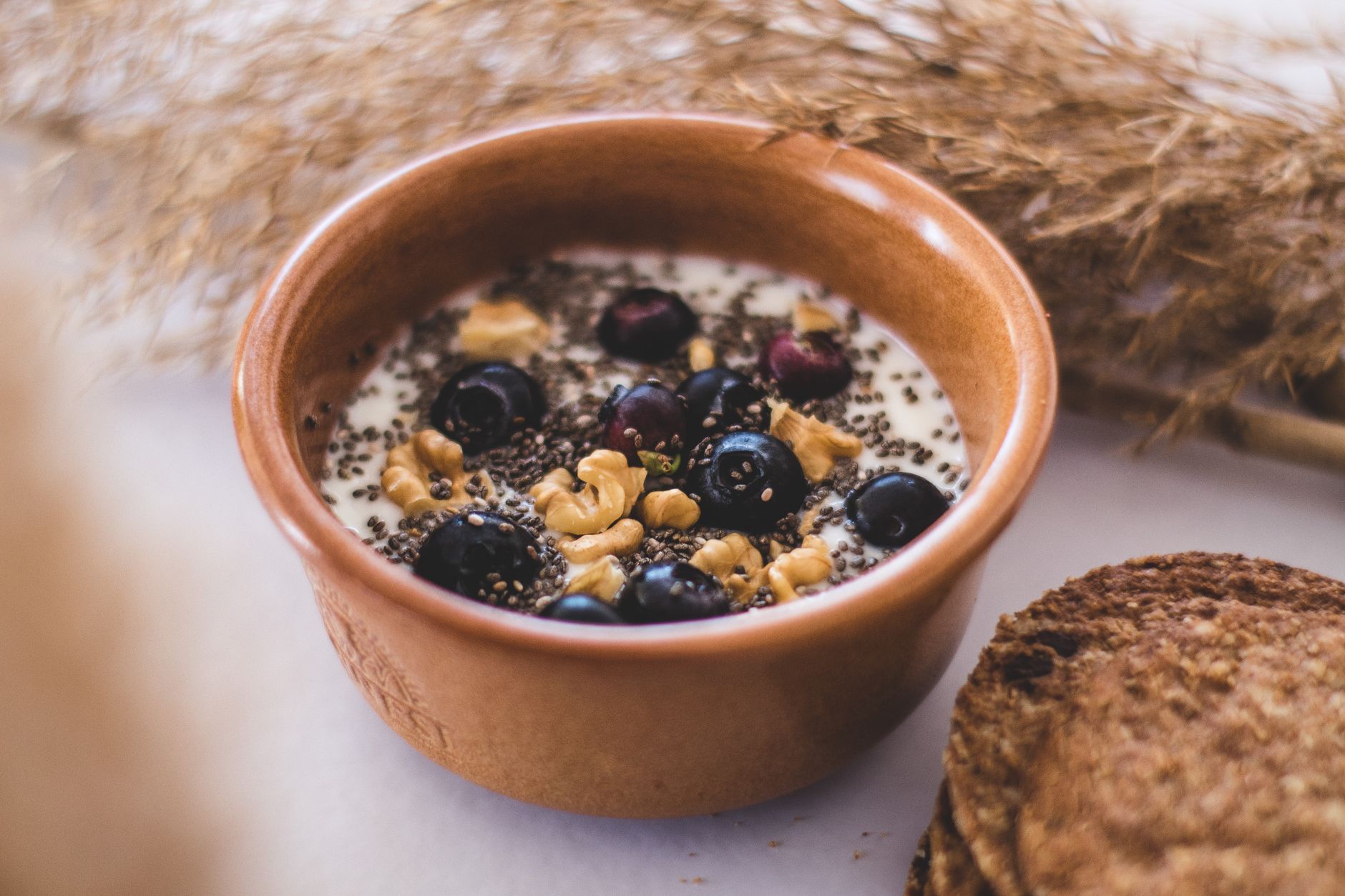
Option 1: Greek Yogurt Parfait with Berries and Nuts
Pro tip: Use unsweetened yogurt and add fresh berries for natural sweetness.
Nutritional breakdown (per serving):
Calories: 280
Protein: 18g
Fiber: 5g
Sodium: 50mg
Potassium: 350mg
How to make it:
Layer 1 cup plain nonfat Greek yogurt (or 2% for creaminess) in a bowl.
Top with ½ cup mixed berries (blueberries, strawberries, or raspberries).
Sprinkle 1 tbsp chopped walnuts or almonds and 1 tsp chia seeds for crunch.
Drizzle with 1 tsp honey or maple syrup (optional).
Why it works: Greek yogurt is packed with probiotics and protein, which support gut health and keep you feeling full. Berries provide a wealth of antioxidants and natural sweetness, while nuts add healthy monounsaturated fats and essential minerals like magnesium.
Option 2: Avocado Toast with Smoked Salmon
Nutritional breakdown (per serving):
Calories: 320
Protein: 12g
Fiber: 8g
Sodium: 120mg
Potassium: 600mg
How to make it:
Toast 1 slice whole-grain bread until crisp.
Mash ½ ripe avocado and spread on the toast.
Top with 2 oz smoked salmon (low-sodium) and a sprinkle of dill.
Add a squeeze of lemon juice for brightness.
Why it works: Avocados are rich in monounsaturated fats, which support heart health and can help lower LDL ("bad") cholesterol. Smoked salmon provides valuable omega-3 fatty acids and lean protein, essential for cardiovascular well-being. Opting for low-sodium salmon is key here.
Option 3: Oatmeal with Cinnamon and Apple Slices
Nutritional breakdown (per serving):
Calories: 250
Protein: 6g
Fiber: 6g
Sodium: 30mg
Potassium: 300mg
How to make it:
Cook ½ cup rolled oats in water or unsweetened almond milk.
Stir in ½ tsp cinnamon and 1 sliced apple.
Top with 1 tbsp chopped pecans for crunch.
Why it works: Oats are a soluble fiber powerhouse, known for helping to lower cholesterol and stabilize blood sugar. Apples add natural sweetness without refined sugar, along with additional fiber and vitamins. Cinnamon may further help regulate blood sugar levels, making this a balanced and heart-healthy start.
Pro tip: Prep overnight oats the night before by mixing oats, almond milk, chia seeds, and a dash of vanilla. Store in the fridge and grab in the morning. This simple hack saves precious minutes on busy mornings.
---
Dash Diet Sample Day of Eating: Lunch Recipes
Lunch is where many people slip up—opt for fiber-rich, protein-packed meals that keep you satisfied without the sodium overload. Here are three DASH-approved lunches that are easy to make ahead, preventing the temptation of high-sodium fast food or takeout.
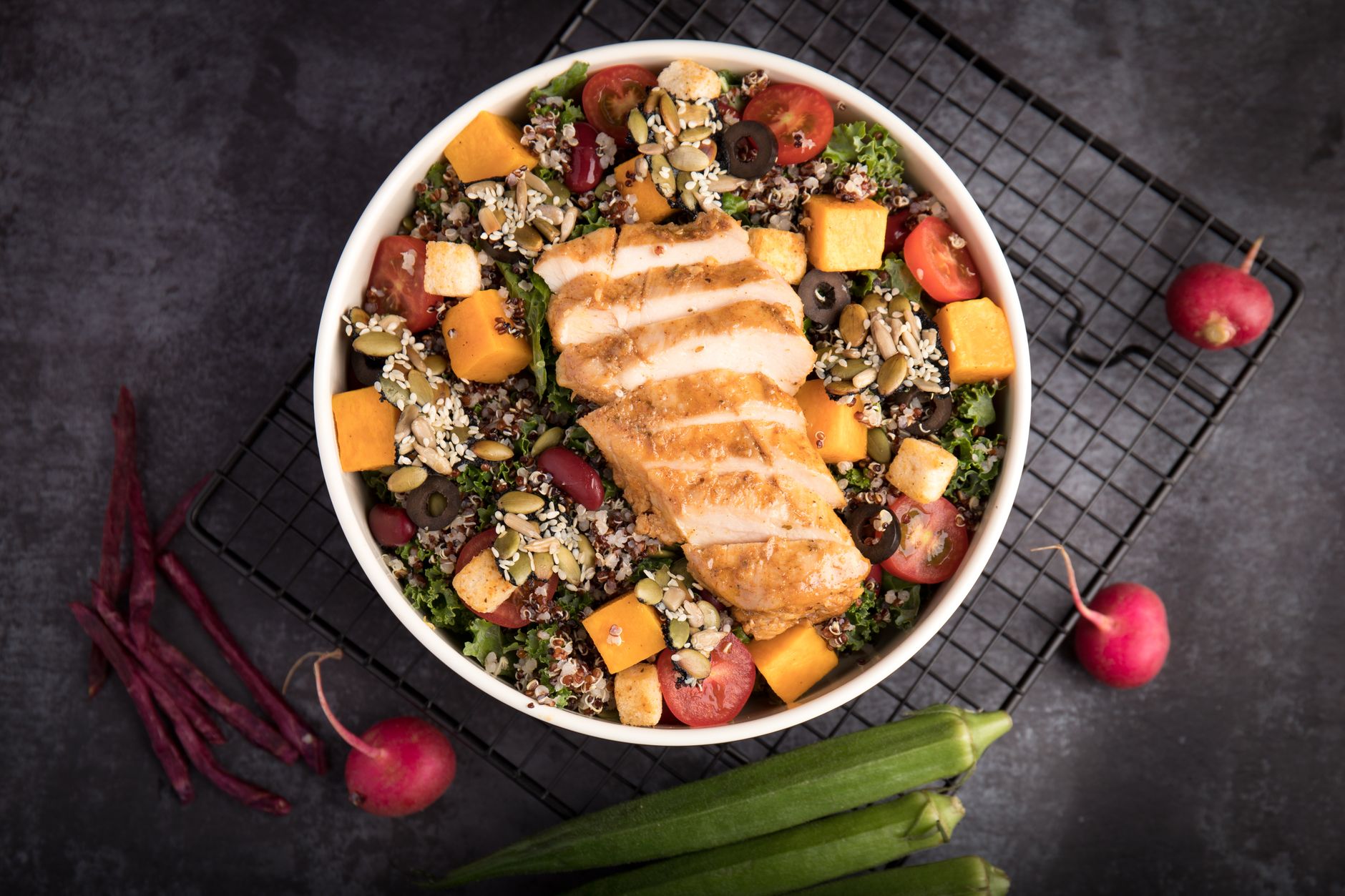
Option 1: Grilled Chicken and Quinoa Bowl
Pro tip: Use leftover quinoa to speed up prep.
Nutritional breakdown (per serving):
Calories: 450
Protein: 35g
Fiber: 10g
Sodium: 200mg
Potassium: 800mg
How to make it:
Cook 1 cup quinoa in water or low-sodium broth.
Grill or bake 4 oz chicken breast with olive oil, garlic, and lemon.
Roast 1 cup mixed veggies (zucchini, bell peppers, cherry tomatoes) with 1 tsp olive oil and herbs.
Mix quinoa, chicken, veggies, and a drizzle of tahini-lemon dressing (1 tbsp tahini + lemon juice + water to thin).
Why it works: Quinoa is a complete protein, meaning it contains all nine essential amino acids, and provides complex carbohydrates for sustained energy. Chicken offers lean protein without excess fat, while the array of roasted vegetables adds volume, vitamins, and minerals like potassium and magnesium, crucial for blood pressure regulation.
Option 2: Lentil and Spinach Soup
Nutritional breakdown (per serving):
Calories: 280
Protein: 15g
Fiber: 12g
Sodium: 180mg
Potassium: 900mg
How to make it:
Sauté 1 diced onion, 2 cloves garlic, and 1 carrot in 1 tbsp olive oil.
Add ½ cup dried lentils, 4 cups low-sodium vegetable broth, and 2 cups fresh spinach.
Simmer for 25–30 minutes until lentils are tender.
Season with black pepper and fresh parsley.
Why it works: Lentils are exceptionally high in fiber and plant-based protein, contributing to satiety and digestive health. Spinach adds iron, vitamin K, and magnesium. Using low-sodium broth is critical for keeping the sodium content in check, making this a warm, nourishing, and heart-friendly meal.
Option 3: Tuna Salad (No Mayo) with Whole-Grain Crackers
Nutritional breakdown (per serving):
Calories: 250
Protein: 20g
Fiber: 6g
Sodium: 150mg
Potassium: 400mg
How to make it:
Mix 1 can (5 oz) low-sodium tuna with 1 tbsp Greek yogurt (instead of mayo) and 1 tbsp diced celery.
Add lemon juice, black pepper, and a pinch of dried dill.
Serve with 6 whole-grain crackers and sliced cucumber.
Why it works: Tuna is rich in heart-healthy omega-3 fatty acids, which are known to reduce inflammation and support brain function. Greek yogurt provides protein and a creamy texture without the added saturated fat of traditional mayonnaise. Whole-grain crackers offer beneficial fiber, contributing to fullness and digestive regularity.
Meal prep hack: Cook a big batch of quinoa or lentils on Sunday and store in the fridge for up to 5 days. Tuna salad keeps well for 2–3 days in an airtight container. This allows for quick assembly of lunches throughout the week, saving time and effort.
---
Dash Diet Sample Day of Eating: Dinner Plan
Dinner is your chance to recreate with heart-healthy ingredients. These recipes focus on lean proteins, colorful veggies, and healthy fats—no processed sauces or excessive salt. The goal is to finish your day with a satisfying meal that supports your blood pressure goals and overall well-being.
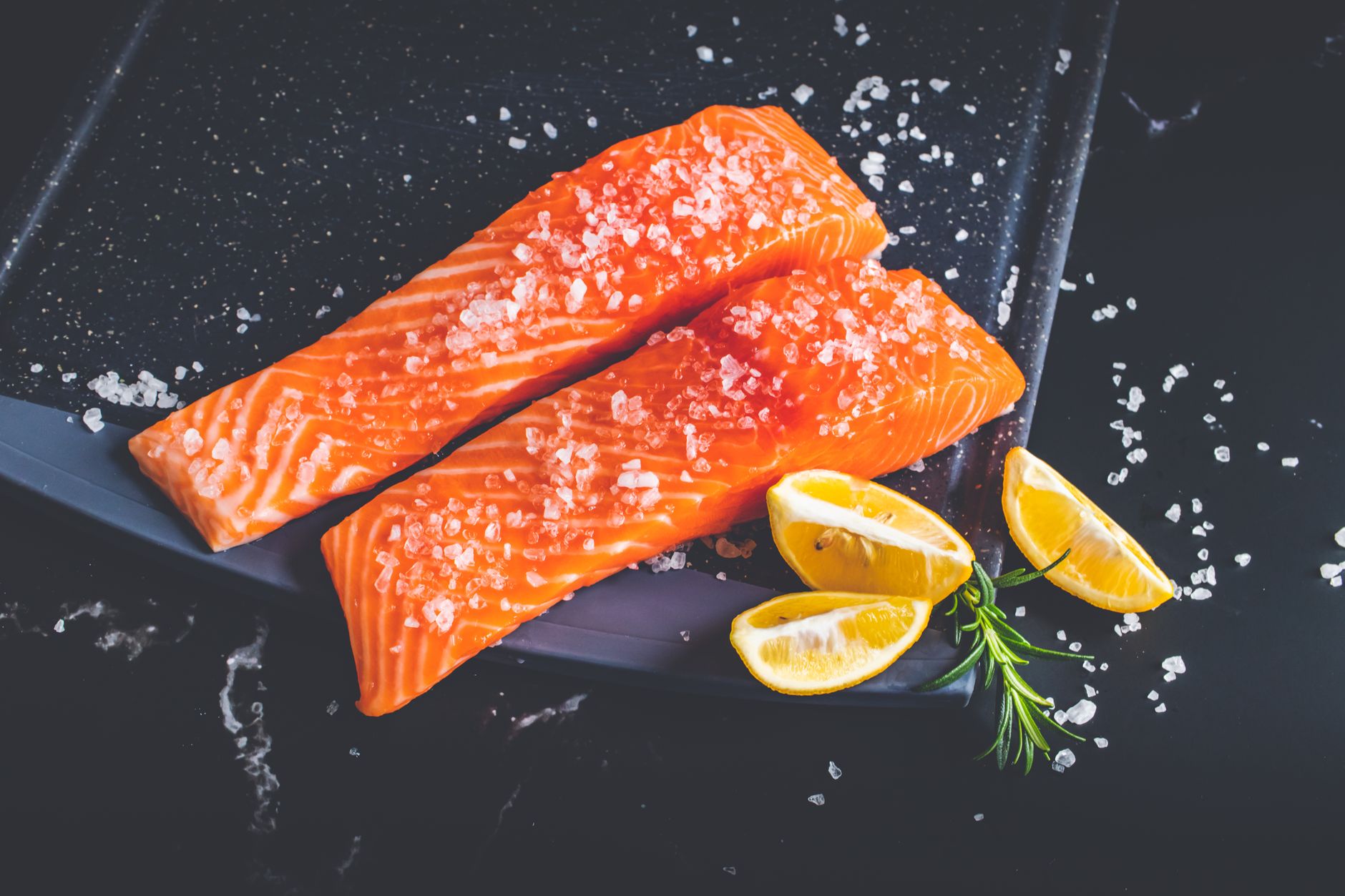
Option 1: Baked Salmon with Roasted Brussels Sprouts
Pro tip: Toss Brussels sprouts with balsamic glaze for extra flavor.
Nutritional breakdown (per serving):
Calories: 400
Protein: 30g
Fiber: 6g
Sodium: 120mg
Potassium: 700mg
How to make it:
Preheat oven to 400°F (200°C).
Place 1 salmon fillet (6 oz) on a lined baking sheet. Drizzle with 1 tsp olive oil, lemon juice, and garlic powder.
Toss 1 cup halved Brussels sprouts with 1 tsp olive oil, salt, and pepper.
Bake salmon for 12–15 minutes and Brussels sprouts for 20 minutes.
Serve with a side of steamed asparagus.
Why it works: Salmon is loaded with heart-protective omega-3 fatty acids, which are vital for reducing inflammation and supporting brain and heart health. Brussels sprouts provide excellent sources of vitamin K and fiber, while the lemon and garlic powder keep flavors bright and savory without relying on excess sodium. Asparagus adds additional vitamins and minerals.
Option 2: Turkey and Black Bean Chili
Nutritional breakdown (per serving):
Calories: 350
Protein: 25g
Fiber: 10g
Sodium: 200mg
Potassium: 850mg
How to make it:
Brown 4 oz lean ground turkey in a pan. Drain fat.
Add 1 cup black beans (rinsed), 1 diced bell pepper, 1 diced onion, and 1 can (15 oz) diced tomatoes (no salt added).
Simmer for 20 minutes with 1 tsp cumin and 1 tsp chili powder.
Top with avocado slices and fresh cilantro.
Why it works: Turkey adds lean protein, a healthier alternative to fattier ground meats. Black beans provide a significant amount of fiber and plant-based iron, contributing to satiety and aiding digestion. The rich blend of spices like cumin and chili powder adds deep flavor without the need for high-sodium seasoning packets, while avocado provides healthy fats.
Option 3: Stir-Fried Tofu with Veggies
Nutritional breakdown (per serving):
Calories: 300
Protein: 18g
Fiber: 8g
Sodium: 100mg
Potassium: 600mg
How to make it:
Press and cube ½ block firm tofu. Pan-fry until golden.
Stir-fry 1 cup mixed veggies (bell peppers, broccoli, snap peas) in 1 tbsp sesame oil.
Add tofu and toss with 2 tbsp low-sodium soy sauce (or coconut aminos) and ginger.
Serve over ½ cup brown rice.
Why it works: Tofu is a versatile plant-based protein, making this a great option for those reducing meat intake. The abundance of colorful stir-fried vegetables adds volume, essential vitamins, and antioxidants. Using low-sodium soy sauce or coconut aminos is crucial for keeping sodium levels within DASH guidelines, ensuring a flavorful yet heart-healthy meal.
Dinner prep tip: Double the chili or stir-fry for leftovers. Store in portions for quick reheats during the week. This strategy ensures you always have a healthy, pre-made meal option available, reducing the likelihood of reaching for less healthy choices.
---
Dash Diet Sample Day of Eating: Snack Options
Snacks are where many people go off track—but DASH snacks can be delicious and satisfying. Focus on crunch, creaminess, and natural sweetness to curb cravings without the sodium. These options are designed to provide nutrients and keep hunger at bay between meals.
Option 1: Apple Slices with Peanut Butter
Nutritional breakdown (per serving):
Calories: 180
Protein: 6g
Fiber: 4g
Sodium: 30mg
Potassium: 300mg
How to make it:
Slice 1 apple and pair with 2 tbsp natural peanut butter (no added sugar).
Sprinkle with cinnamon for extra flavor.
Why it works: Apples provide natural sweetness and a satisfying crunch, along with dietary fiber. Natural peanut butter offers healthy monounsaturated fats and protein, which helps with satiety. Always check the label for "natural" peanut butter to avoid added sugars and excessive sodium.
Option 2: Cottage Cheese with Pineapple
Nutritional breakdown (per serving):
Calories: 160
Protein: 14g
Fiber: 2g
Sodium: 80mg
Potassium: 400mg
How to make it:
Mix ½ cup low-fat cottage cheese with ¼ cup diced pineapple.
Add a dash of vanilla extract and cinnamon.
Why it works: Low-fat cottage cheese is an excellent source of protein and calcium, crucial for bone health. Pineapple adds a burst of natural sweetness and vitamin C, an important antioxidant. Look for low-sodium cottage cheese varieties to keep your intake within DASH guidelines.
Option 3: Roasted Chickpeas
Nutritional breakdown (per serving):
Calories: 150
Protein: 7g
Fiber: 6g
Sodium: 50mg
Potassium: 300mg
How to make it:
Drain and rinse ½ cup canned chickpeas. Pat dry.
Toss with 1 tsp olive oil, paprika, and garlic powder.
Roast at 400°F (200°C) for 20–25 minutes until crispy.
Why it works: Chickpeas are a fantastic source of plant-based protein and fiber, providing a satisfying crunch that can replace less healthy processed snacks. Paprika and garlic powder add savory flavor without relying on salt, making them a delicious and heart-healthy alternative to chips.
Option 4: Dark Chocolate and Almonds
Nutritional breakdown (per serving):
Calories: 200
Protein: 6g
Fiber: 3g
Sodium: 40mg
Potassium: 200mg
How to make it:
Pair 1 oz dark chocolate (70% cocoa or higher) with 10 almonds.
Enjoy slowly to satisfy cravings.
Why it works: Dark chocolate, especially with 70% cocoa or higher, contains antioxidants like flavonoids that may support heart health. Almonds provide healthy fats, fiber, and protein, contributing to satiety. This combination offers a small, indulgent treat that fits within DASH guidelines when consumed in moderation.
Portion control tip: Use small bowls or containers to portion snacks. This prevents mindless eating from the bag or jar. Pre-portioning helps you stay aware of how much you're consuming and stick to your daily calorie and nutrient targets.
---
Dash Diet Sample Day of Eating: Grocery List
Prepping for DASH doesn’t have to be expensive or overwhelming. This grocery list covers the essentials for a week of meals, with notes on low-sodium swaps and budget-friendly picks. Planning your shopping list around your meal plan helps you buy only what you need, reducing food waste and saving money.
Produce (aim for organic when possible):
Leafy greens (spinach, kale, arugula) – 5 bags
Brussels sprouts – 1 lb
Broccoli – 1 head
Bell peppers (red, yellow, green) – 3
Zucchini – 2
Carrots – 1 lb
Sweet potatoes – 3 medium
Avocados – 3
Apples – 4
Bananas – 4
Berries (blueberries, strawberries) – 2 pints
Garlic – 1 head
Onions – 3
Lemons – 3
Fresh herbs (dill, cilantro, parsley) – 1 bunch each
Proteins:
Chicken breast – 2 lbs
Salmon fillets – 1 lb
Ground turkey (93% lean) – 1 lb
Canned tuna (in water, no salt added) – 2 cans
Eggs – 1 dozen
Greek yogurt (plain, nonfat or 2%) – 32 oz
Cottage cheese (low-fat, low-sodium) – 16 oz
Black beans – 2 cans (15 oz each, rinsed)
Lentils – 1 lb dry
Firm tofu – 1 block
Peanut butter (natural, no added sugar) – 1 jar
Almonds or walnuts – 1 lb
Grains:
Quinoa – 1 lb
Brown rice – 1 lb
Whole-grain bread – 1 loaf
Whole-grain crackers – 1 box
Oats – 1 canister (rolled or steel-cut)
Dairy & Alternatives:
Low-fat milk or unsweetened almond milk – 1 gallon
Cheese (low-sodium, like feta or cheddar) – 8 oz
Pantry Staples:
Olive oil – 1 bottle
Sesame oil – 1 small bottle
Low-sodium soy sauce or coconut aminos – 1 bottle
Tahini – 1 small jar
Chia seeds – 1 small bag
Cinnamon – 1 jar
Dried herbs (oregano, basil, thyme) – 1 each
Garlic powder – 1 jar
Black pepper – 1 jar
Cumin, chili powder, paprika – 1 jar each
Low-sodium vegetable broth – 1 carton
Diced tomatoes (no salt added) – 2 cans
Dark chocolate (70% cocoa or higher) – 1 bar
Shopping tips:
Buy frozen veggies like spinach or mixed stir-fry veggies to save time and reduce waste. They are often just as nutritious as fresh.
Choose store-brand canned goods (like beans and tomatoes) to cut costs, but always double-check for "no salt added" labels.
Check labels for "no salt added" or "low-sodium" options on all packaged foods, including broths, crackers, and condiments.
Pre-cut veggies can be a lifesaver for busy days—just rinse and toss into meals. While often more expensive, they can be worth it for convenience.
Shop sales and seasonal produce to maximize your budget. Fresh, in-season fruits and vegetables are usually cheaper and more flavorful.
For a budget-friendly DASH grocery list, prioritize seasonal produce, buy in bulk (like nuts or grains), and opt for frozen or canned veggies when fresh isn’t available. Need more ideas? Our DASH diet grocery list guide breaks it all down with budget hacks.
---
Dash Diet Meal Prep Tips for Busy People
Meal prepping is the secret weapon of DASH success. With a little planning, you can spend 2 hours on Sunday and have healthy meals ready for the week. This proactive approach eliminates last-minute stress and ensures you stick to your goals, even on your most hectic days.
1. Batch-cook grains and proteins
Make 3–4 cups of quinoa or brown rice at once. Store in airtight containers for up to 5 days. This provides a versatile base for many meals.
Cook 2–3 pounds of chicken breast (baked, grilled, or shredded) and portion for salads, wraps, or grain bowls. This lean protein can be seasoned in various ways to keep meals interesting.
Roast a big tray of veggies (like Brussels sprouts, carrots, and zucchini) to use in meals all week. Roasting brings out their natural sweetness and makes them delicious additions to any plate.
2. Pre-cut and store veggies
Wash and chop bell peppers, cucumbers, and carrots and store in containers with a damp paper towel to keep them fresh. These are perfect for snacking or quick meal additions.
Pre-portion snacks like nuts, hummus, or roasted chickpeas into small bags or containers. This makes grab-and-go healthy eating effortless.
3. Freeze leftovers
Double dinner recipes like chili or soup and freeze half for later. This creates a stash of healthy "fast food" for busy evenings.
Portion soups or stews into individual containers for quick reheats. Label them clearly with the date to keep track.
4. Use the "DASH-friendly freezer"
Frozen berries, spinach, and fish fillets are great for quick meals and smoothies, ensuring you always have nutrient-dense options on hand.
Pre-portion Greek yogurt or cottage cheese into small containers for grab-and-go snacks, especially useful for work or school.
5. Plan for busy days
Keep a DASH-friendly emergency kit in your bag: nuts, fruit, whole-grain crackers, and a protein bar (check the label for <150mg sodium).
Use slow cookers or Instant Pots to make meals hands-off. Try a turkey and vegetable stew or lentil soup, allowing flavors to meld beautifully with minimal effort. Consider involving family members in meal prep—it can be a fun way to share responsibilities and teach healthy eating habits.
Sample meal prep schedule:
Day
Task
Time
Sunday
Cook quinoa, roast veggies, bake chicken
1.5 hours
Monday
Pre-cut veggies, portion snacks
30 minutes
Wednesday
Make overnight oats for the week
20 minutes
Friday
Freeze leftovers, prep lunch for the weekend
45 minutes
Pro tip: Label your containers with the date and contents. Most DASH-friendly meals last 3–4 days in the fridge or 3 months in the freezer. This organization prevents food waste and ensures you're always grabbing fresh, safe meals.
---
Dash Diet Sample Day of Eating for High Blood Pressure
If you’re managing high blood pressure, the DASH diet is your best friend. The key is cutting sodium to <1,500 mg/day while loading up on potassium, magnesium, and calcium-rich foods. These minerals work synergistically to relax blood vessels and counteract the effects of sodium. Here’s how to adapt the sample day for optimal blood pressure control, focusing on maximum nutrient density and minimal sodium.
Breakfast: Skip the salted nuts or processed granola. Opt for plain Greek yogurt with fresh berries and a sprinkle of cinnamon. The potassium in berries helps balance sodium, while Greek yogurt provides calcium and protein without added sugars or excessive sodium. Consider adding a tablespoon of chia seeds for extra fiber and omega-3s.
Lunch: Choose lentil soup with low-sodium broth and extra garlic. Skip the salt packet—use herbs like thyme or oregano instead. Lentils are packed with fiber and potassium, both crucial for blood pressure management. Pair it with a small whole-grain roll (check sodium content) and a side salad with a vinegar-based dressing.
Dinner: Grill salmon with lemon and herbs and serve with steamed broccoli and a side of baked sweet potato. Sweet potatoes are rich in potassium, a powerful ally against high blood pressure. Salmon's omega-3s also contribute to heart health. Ensure no added salt is used in cooking; rely on fresh herbs, spices, and citrus for flavor.
Snacks: Munch on carrot sticks with hummus (low-sodium) or a small handful of almonds. Both are low in sodium and high in magnesium, which plays a role in regulating blood pressure. An apple or a banana also makes for an excellent, potassium-rich snack.
Additional tips for blood pressure control:
Read food labels carefully: Sodium content varies wildly. Look for "no salt added," "low sodium," or "very low sodium" options.
Limit processed foods: These are often hidden sources of high sodium. Focus on whole, unprocessed ingredients.
Cook at home: This gives you full control over the ingredients and sodium levels in your meals.
Increase potassium intake: Beyond the foods listed, consider bananas, oranges, potatoes (with skin), and leafy greens.
Stay hydrated: Drink plenty of water throughout the day.
Regular physical activity: Combine your DASH diet with at least 150 minutes of moderate-intensity exercise per week, as recommended by the American Heart Association (AHA), for optimal blood pressure management.
---
7-Day DASH Diet Meal Plan (Sample Table)
To give you a clearer picture of how the DASH diet can look over a week, here’s a sample 7-day meal plan. This plan aims for approximately 2,000 calories per day, focusing on variety, flavor, and adherence to DASH principles. Remember that portion sizes can be adjusted based on your individual calorie needs and activity level.
Day
Breakfast
Lunch
Dinner
Snacks
Monday
Greek Yogurt Parfait with Berries & Nuts
Grilled Chicken & Quinoa Bowl
Baked Salmon with Roasted Brussels Sprouts
Apple slices with peanut butter, small handful of almonds
Tuesday
Oatmeal with Cinnamon & Apple
Leftover Baked Salmon & Brussels Sprouts
Turkey & Black Bean Chili (no salt added)
Carrot sticks with low-sodium hummus, a banana
Wednesday
Avocado Toast with Smoked Salmon
Lentil & Spinach Soup
Stir-fried Tofu with Veggies & Brown Rice
Low-fat cottage cheese with pineapple, 1 oz dark chocolate
Thursday
Greek Yogurt Parfait with Berries & Nuts
Leftover Stir-fried Tofu & Brown Rice
Chicken & Veggie Skewers (marinated in lemon-herb) with Whole Wheat Couscous
Roasted chickpeas, an orange
Friday
Oatmeal with Cinnamon & Apple
Tuna Salad (no mayo) with Whole-Grain Crackers & Cucumber
Lean Beef Stir-fry with Broccoli, Bell Peppers & Brown Rice (low-sodium soy sauce)
Pear slices with 1 tbsp almond butter, a handful of walnuts
Saturday
Scrambled Eggs (2) with Spinach & Whole-Grain Toast
Large Mixed Green Salad with Chickpeas, Tomatoes, Cucumber & Olive Oil Vinaigrette
Baked Chicken Breast with Sweet Potato & Green Beans
Greek yogurt with a peach, a few whole-grain crackers
Sunday
Whole-Grain Pancakes (sugar-free syrup) with Berries
Leftover Baked Chicken, Sweet Potato & Green Beans
Vegetable Lasagna (low-sodium sauce, part-skim ricotta) & Side Salad
Celery sticks with peanut butter, a handful of pecans
This plan provides a template; feel free to swap meals based on your preferences, as long as you adhere to the DASH principles of low sodium, high fiber, and plenty of fruits, vegetables, and lean proteins. Remember to drink plenty of water throughout the day, and limit sugary drinks and excessive alcohol.
---
Hydration and Beverages on the DASH Diet
While the focus of the DASH diet is often on food, what you drink is just as important for managing blood pressure and overall health. Proper hydration supports every bodily function, including circulation, and helps your kidneys flush out excess sodium.
Water is your best friend: Aim for 6-8 glasses (about 2-3 liters) of plain water daily. It's calorie-free, sodium-free, and essential for maintaining fluid balance. If plain water feels boring, infuse it with slices of cucumber, lemon, lime, or berries for a refreshing twist without added sugar or artificial sweeteners.
Limit sugary drinks: Sodas, sweetened teas, and fruit juices (even 100% juice) are high in sugar, which can contribute to weight gain and negatively impact blood pressure. If you crave something sweet, opt for whole fruit or dilute juice with water.
Coffee and tea in moderation: Unsweetened coffee and tea are generally fine on the DASH diet. While caffeine can temporarily raise blood pressure in some individuals, moderate intake (up to 3-4 cups per day) is usually not a concern for most. Monitor your own response and discuss with your doctor if you have concerns. Remember to avoid adding sugary syrups or excessive cream.
Alcohol: If you drink alcohol, do so in moderation. The CDC defines moderate drinking as up to one drink per day for women and up to two drinks per day for men. Excessive alcohol consumption can raise blood pressure and interfere with blood pressure medications. Choose options like red wine, which may offer some heart benefits, but always prioritize moderation.
---
Common Mistakes to Avoid on the DASH Diet
Starting any new eating plan can come with a learning curve. While the DASH diet is flexible, avoiding these common pitfalls can help you achieve the best results and make the diet a sustainable part of your lifestyle.
Not reading food labels: This is arguably the biggest mistake. Sodium hides everywhere, even in foods that don't taste salty, like bread, cereals, and condiments. Always check the "Nutrition Facts" label for sodium content and serving size.
Underestimating sodium in "healthy" foods: Many canned soups, frozen meals, and even some restaurant salads can be sodium bombs. Opt for low-sodium or "no salt added" versions, and prioritize fresh, whole ingredients.
Skipping meal prep: Without planning, it's easy to fall back on convenient (but high-sodium) takeout or processed snacks when hunger strikes. Dedicate time to prepare meals and snacks in advance.
Not enough fruits and vegetables: These are the cornerstones of the DASH diet, providing essential potassium, magnesium, and fiber. Ensure at least 4-5 servings of each per day.
Expecting instant results: While some people see blood pressure improvements quickly, the DASH diet is a long-term lifestyle change. Be patient and consistent; sustained changes yield lasting benefits.
Getting discouraged by occasional slip-ups: No one is perfect. If you have a high-sodium meal, don't throw in the towel. Simply get back on track with your next meal. Focus on overall patterns rather than individual instances.
Ignoring portion sizes: While DASH emphasizes food groups, portion control is still important, especially for weight management. Use measuring cups and spoons until you're familiar with appropriate serving sizes.
---
Myth vs. Fact
Let's clear up some common misconceptions about the DASH diet:
Myth: The DASH diet is only for people with high blood pressure.
Fact: While developed for hypertension, the DASH diet is a heart-healthy eating plan beneficial for everyone. It can help prevent high blood pressure, lower cholesterol, aid in weight management, and reduce the risk of heart disease, stroke, and even some cancers. It's a template for overall wellness, regardless of your current blood pressure status.
Myth: The DASH diet is bland and restrictive.
Fact: The DASH diet encourages a wide variety of fresh fruits, vegetables, whole grains, lean proteins, and healthy fats. It focuses on using herbs, spices, lemon juice, and vinegar to add flavor, rather than excessive salt. Many people find their taste buds adapt and they begin to appreciate the natural, vibrant flavors of whole foods, discovering a rich and satisfying culinary experience.
Myth: I have to completely cut out all salt on the DASH diet.
Fact: The DASH diet aims to *reduce* sodium intake to healthier levels (1,500-2,400 mg/day for most, or 1,500 mg/day for those with hypertension), not eliminate it entirely. It's about being mindful of where sodium comes from, primarily processed foods, and choosing low-sodium alternatives while cooking with herbs and spices instead of relying on the salt shaker. A small amount of salt used strategically in home cooking is often acceptable within the overall daily limits.
---
Key Takeaways
The DASH diet is a scientifically proven eating plan to lower blood pressure and improve heart health by focusing on whole, nutrient-dense foods.
It emphasizes reducing sodium while increasing intake of potassium, magnesium, and calcium-rich foods like fruits, vegetables, whole grains, and lean proteins.
Meal prepping is crucial for success, allowing you to control ingredients and sodium levels while saving time.
Prioritize water for hydration and limit sugary beverages and excessive alcohol.
Always read food labels for sodium content and choose "no salt added" or "low-sodium" options.
The DASH diet is a sustainable lifestyle change, not a temporary fix, offering benefits for everyone, not just those with high blood pressure.
---
Frequently Asked Questions
Can I drink coffee on the DASH diet?
Yes, in moderation. Unsweetened coffee and tea are generally acceptable on the DASH diet. While caffeine can temporarily increase blood pressure in some individuals, moderate intake (up to 3-4 cups daily) is usually fine for most people. It's important to monitor your personal response and avoid adding excessive sugar or high-fat creamers. If you have concerns, consult your healthcare provider.
Is the DASH diet suitable for vegetarians or vegans?
Absolutely! The DASH diet is highly adaptable for vegetarian and vegan lifestyles. Its emphasis on fruits, vegetables, whole grains, legumes, and nuts aligns perfectly with plant-based eating. You would simply replace lean meats and dairy with plant-based protein sources like tofu, tempeh, lentils, beans, and fortified plant milks, ensuring adequate calcium and vitamin D intake.
How quickly can I expect to see results from the DASH diet?
Many individuals begin to see improvements in their blood pressure within a few weeks of consistently following the DASH diet, especially when also reducing sodium significantly. However, individual results vary. It’s important to remember that DASH is a long-term approach to health, with sustained benefits building over months and years.
Do I need to count calories on the DASH diet?
While the DASH diet primarily focuses on food groups and portion sizes rather than strict calorie counting, it provides guidelines for daily calorie intake (e.g., 2,000 or 2,500 calories). If weight loss is also a goal, paying attention to your overall calorie intake and adjusting portion sizes accordingly will be necessary. Your doctor or a registered dietitian can help you determine your specific calorie needs.
What if I don't like some of the recommended foods?
The DASH diet is designed to be flexible. If you don't like a particular fruit, vegetable, or protein, there are many other options within the same food group to choose from. Experiment with different cooking methods and seasonings to find what you enjoy. The key is to focus on the overall principles of the diet rather than strict adherence to specific recipes.
Is the DASH diet expensive?
The DASH diet can be budget-friendly if you focus on whole, unprocessed foods. Buying in-season produce, opting for frozen fruits and vegetables, choosing dried beans and lentils over canned, and cooking more at home can significantly reduce costs. Processed, high-sodium foods often carry a higher price tag anyway, so switching to whole foods can actually save money over time.
---
When to See a Doctor / Specialist
The DASH diet is a powerful tool for managing and preventing high blood pressure, but it is not a substitute for medical care. If you have been diagnosed with high blood pressure or are concerned about your heart health, it is essential to consult with your healthcare provider.
Call your doctor if:
Your blood pressure remains consistently high despite following the DASH diet.
You experience any new or worsening symptoms such as severe headaches, chest pain, shortness of breath, or numbness/tingling.
You are taking blood pressure medication and are considering making significant dietary changes, as these changes may affect your medication dosage.
You have other underlying health conditions (like diabetes, kidney disease, or heart failure) that require specialized dietary considerations.
You need personalized advice on adapting the DASH diet to your specific health needs or dietary preferences.
A registered dietitian can also provide tailored guidance on implementing the DASH diet effectively and safely. This article is for informational purposes only and does not constitute medical advice. Always consult with a qualified healthcare professional for any health concerns or before making any decisions related to your health or treatment.
---
References
National Heart, Lung, and Blood Institute (NHLBI). DASH Eating Plan.
American Heart Association (AHA). The DASH Diet.
Centers for Disease Control and Prevention (CDC). Moderate Alcohol Use.
Mayo Clinic. DASH diet: Healthy eating to lower your blood pressure.
Not sure about the label on Dash Diet Sample Day Of Eating products?
Snap the ingredients list and SafeFilter checks every ingredient for your stage — only 3 free scans this month, then you're locked until reset. Unlimited from $7/mo or $50/yr.
When Shubhra Mishra was expecting her first child in 2016, she was overwhelmed by conflicting food advice — one site said yes, another said never. By the time her second baby arrived in 2019, she realized millions of mothers face the same confusion.
That sparked a five-year journey through clinical nutrition papers, cultural diets, and expert conversations — all leading to BumpBites: a calm, compassionate space where science meets everyday motherhood.
Her long-term vision is to build a global community ensuring safe, supported, and free deliveriesfor every mother — because no woman should face pregnancy alone or uninformed. 🌿
🌍 Stand with mothers, shape safer guidance
Join a small circle of experts who review BumpBites articles so expecting parents everywhere can decide with confidence.