Let’s start with the basics. The DASH diet—short for Dietary Approaches to Stop Hypertension—wasn’t designed to be a fad. It’s a lifestyle plan backed by the National Heart, Lung, and Blood Institute to lower blood pressure and improve heart health. The key? Focus on nutrient-dense foods that are naturally low in sodium, saturated fat, and added sugars. Think of it like building a well-balanced meal from four pillars:
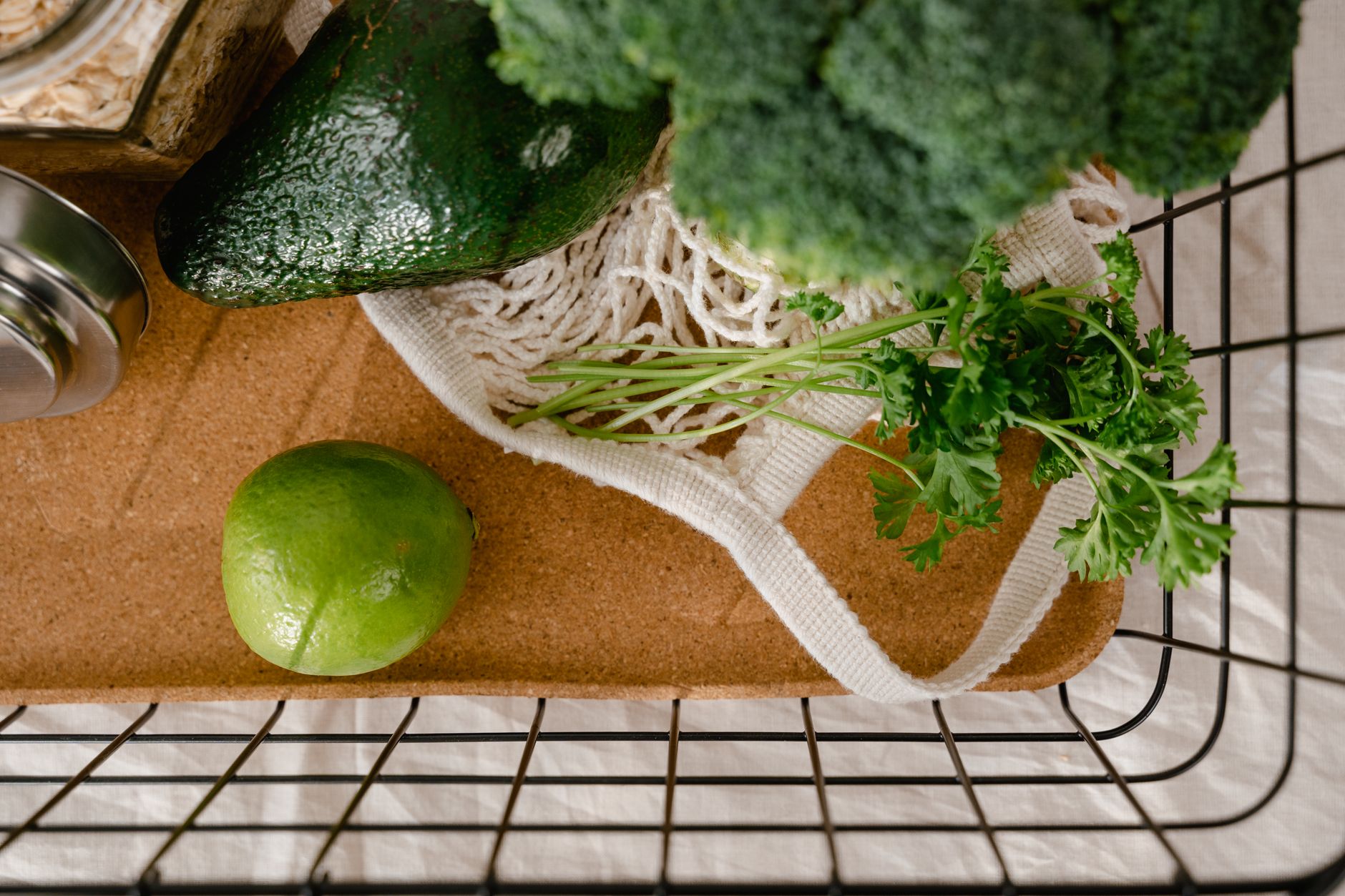
- Fruits and vegetables (half your plate): Aim for 4–5 servings of fruit and 4–5 servings of vegetables daily. The more colors, the better.
- Whole grains (3+ servings/day): Oats, quinoa, brown rice, and whole-wheat bread are your friends.
- Lean proteins (6+ servings/week): Skinless poultry, fish, beans, and low-fat dairy.
- Healthy fats (2–3 servings/day): Avocados, nuts, seeds, and olive oil.
Here’s the thing: You don’t need to memorize this. Start by clearing out the obvious culprits—sugary cereals, chips, and soda—and stock your pantry with the staples below. We’ll dive deeper into each category, but first, let’s talk about the one food group you might be overdoing: salt. The DASH diet limits sodium to 1,500–2,300 mg/day, depending on your health needs. That’s about a teaspoon of table salt. If you’re used to seasoning everything, this might feel like a shock—but it’s manageable. We’ll show you how.
---
You’re not alone if you’re hoping the DASH diet will help you shed a few pounds. While it wasn’t originally designed for weight loss, its emphasis on whole foods and portion control makes it a great tool for managing weight—especially when combined with mindful eating. The average DASH diet plan ranges from 1,600 to 2,400 calories/day, depending on your activity level and goals. But here’s the catch: It’s not just about calories. It’s about how you eat.
Many women tell us they struggle with portion distortion. A serving of rice might look tiny on the plate, but it’s actually ½ cup cooked. A single serving of nuts is ¼ cup—not the whole bag. To make this easier, we’ve included serving sizes in the grocery list below. Pro tip: Use your hand as a guide. A fist-sized portion of veggies, a palm-sized portion of protein, and a thumb-sized portion of healthy fats are good starting points.
For weight loss, focus on these strategies:
- Prioritize fiber: Fruits, vegetables, and whole grains keep you full longer. Aim for at least 20–30 grams of fiber daily.
- Stay hydrated: Sometimes thirst feels like hunger. Drink water before meals to curb overeating.
- Plan your snacks: Keep cut veggies, hummus, or a small handful of nuts handy to avoid reaching for junk food.
- Cook at home: Restaurant meals often contain hidden sodium and extra calories. Try our 7-day DASH meal plan for easy, heart-healthy recipes.
Myth: "The DASH diet is boring."
Fact: It’s packed with flavor! Herbs like basil, cilantro, and rosemary; spices like paprika and turmeric; and citrus zest can transform simple dishes. For example, swap salt for garlic powder, lemon juice, or a sprinkle of Parmesan cheese. If you’re craving something sweet, try cinnamon or vanilla extract in your oatmeal or Greek yogurt.
---
Dash Diet Grocery List for Heart Health 2026: The Science-Backed Staples
The DASH diet is the gold standard for heart health, according to the American Heart Association. It’s designed to lower blood pressure, reduce LDL ("bad") cholesterol, and decrease the risk of heart disease. So what does that look like on your grocery list? Think of it as a heart’s dream menu:
- Potassium-rich foods: Bananas, sweet potatoes, spinach, and avocados help balance sodium levels.
- Magnesium sources: Almonds, pumpkin seeds, and dark leafy greens support heart rhythm and blood pressure.
- Omega-3 fatty acids: Fatty fish like salmon, mackerel, and sardines (or flaxseeds and walnuts for vegetarians).
- Antioxidant powerhouses: Berries, dark chocolate (70%+ cocoa), and red wine (in moderation) combat inflammation.
One reader, Maria, a 55-year-old accountant, shared how the DASH diet changed her life after her doctor diagnosed prediabetes. "I was skeptical at first, but I started swapping my usual lunch of a burger and fries for a big salad with grilled chicken and avocado. Within a month, my blood pressure dropped 20 points, and I had more energy than I had in years." The key was consistency—not perfection.
If you’re new to heart-healthy eating, start by adding one new item to your cart each week. For example:
- Week 1: Add a bag of baby spinach to your salad greens.
- Week 2: Swap your usual pasta for whole-wheat spaghetti.
- Week 3: Buy frozen salmon fillets for easy dinners.
For a deeper dive into how the DASH diet compares to other heart-healthy plans like the Mediterranean diet, check out our science-backed guide.
---
Budget constraints don’t have to mean sacrificing nutrition. The DASH diet can be affordable—you just need to know where to look. Here’s how to shop smart:
- Buy in bulk: Whole grains like oats, brown rice, and quinoa are cheaper per serving when bought in bulk. Divide them into smaller containers for easy grab-and-go meals.
- Choose frozen or canned: Frozen vegetables (like spinach or mixed berries) are just as nutritious as fresh and often cheaper. Look for no-salt-added canned beans and tomatoes.
- Opt for store brands: Generic oatmeal, Greek yogurt, and chicken breasts are just as good as name brands but cost less.
- Plan meals around sales: Check your local grocery store’s weekly flyer and plan meals around discounted proteins (like chicken thighs) or produce (like bananas or apples).
- Buy seasonal: Seasonal fruits and vegetables are cheaper and more flavorful. In summer, stock up on berries and tomatoes; in winter, try apples, pears, and root vegetables.
Here’s a budget breakdown for a basic DASH grocery list (assuming you already have basics like salt, pepper, and olive oil):
If you’re still feeling pinched, consider meal prepping. Cook a big batch of grains or proteins on Sunday and use them throughout the week. For example, make a pot of quinoa and use it in salads, bowls, or as a side dish. Our 7-day DASH meal plan includes budget-friendly recipes like lentil soup and veggie-packed stir-fries.
---
Dash Diet Grocery List for Vegetarian 2026: Plant-Based Protein and Beyond
You don’t have to eat meat to follow the DASH diet! A vegetarian version focuses on plant-based proteins like beans, lentils, tofu, and tempeh, along with plenty of whole grains and dairy (or dairy alternatives). The key is ensuring you’re getting enough protein, calcium, and vitamin B12.
Here’s how to adapt the DASH diet for a vegetarian lifestyle:
- Protein sources: Beans (black, pinto, chickpeas), lentils, tofu, tempeh, edamame, and Greek yogurt or cottage cheese.
- Calcium-rich foods: Fortified plant milks, leafy greens (like kale and bok choy), almonds, and chia seeds.
- Iron sources: Spinach, lentils, pumpkin seeds, and fortified cereals. Pair iron-rich foods with vitamin C (like lemon juice or bell peppers) to boost absorption.
- Vitamin B12: This is tricky for vegetarians. Look for fortified foods like nutritional yeast or plant milks, or consider a supplement.
Here’s a sample vegetarian DASH grocery list:
Vegetarian DASH Grocery List
- Beans: Black, pinto, chickpeas (canned or dry)
- Lentils (green or brown)
- Tofu or tempeh
- Edamame
- Greek yogurt or cottage cheese
- Fortified plant milk (almond, soy, or oat)
- Leafy greens (spinach, kale, Swiss chard)
- Broccoli, cauliflower, Brussels sprouts
- Berries (frozen or fresh)
- Whole grains: Quinoa, brown rice, whole-wheat pasta
- Nuts and seeds: Almonds, walnuts, chia seeds, flaxseeds
- Avocados
- Olive oil
- Herbs and spices: Basil, cilantro, turmeric, garlic powder
For inspiration, check out our easy Mediterranean diet food list—it shares many overlaps with a vegetarian DASH approach!
---
Dash Diet Grocery List for Low Sodium 2026: The Hidden Culprits and Swaps
Lowering sodium is one of the biggest challenges for new DASH dieters. The average American consumes 3,400 mg of sodium daily, far above the recommended limit. But with a little planning, you can cut back without feeling deprived. Here’s how:
- Avoid processed foods: Canned soups, deli meats, frozen meals, and even bread can be sodium bombs. Opt for fresh, whole ingredients instead.
- Read labels: Even "healthy" foods like salad dressings, nut butters, and broths can be high in sodium. Look for products labeled "low sodium" or "no salt added."
- Use herbs and spices: Skip the salt shaker. Try lemon juice, garlic, ginger, or a pinch of black pepper to add flavor.
- Cook at home: Restaurant meals often contain hidden sodium. When dining out, ask for sauces and dressings on the side.
- Choose fresh over canned: Buy fresh tomatoes, beans, and vegetables instead of canned versions. If you must use canned goods, rinse them thoroughly to remove excess sodium.
Here’s a low-sodium DASH grocery list to get you started:
Low-Sodium DASH Grocery List
- Fresh or frozen vegetables (no salt added)
- Fresh fruits (no added sugars)
- Whole grains: Brown rice, quinoa, oats, whole-wheat bread (check label for sodium content)
- Lean proteins: Skinless chicken, turkey, fish, eggs
- Low-sodium or no-salt-added canned beans
- Plain Greek yogurt or cottage cheese
- Low-fat or fat-free dairy products
- Herbs and spices: Basil, oregano, thyme, rosemary, garlic powder, onion powder
- Healthy fats: Olive oil, avocado oil, nuts, seeds
- Low-sodium broth or bouillon cubes
If you’re managing high blood pressure, aim for 1,500 mg of sodium or less per day. Track your intake using an app like MyFitnessPal or Cronometer to stay on target. For more tips, check out our guide to DASH diet risks and benefits.
---
Pregnancy is a time to nourish both you and your growing baby, and the DASH diet is a fantastic choice for expectant mothers. It provides essential nutrients like folate, iron, calcium, and omega-3s while keeping sodium in check—important for managing pregnancy-related blood pressure changes. However, there are a few adjustments to keep in mind:
- Avoid raw or undercooked foods: This includes sushi, rare meat, and unpasteurized cheeses like Brie or feta.
- Increase calcium and vitamin D: Aim for 1,000–1,300 mg of calcium daily and consider a vitamin D supplement if you’re deficient.
- Prioritize folate-rich foods: Spinach, lentils, black-eyed peas, and fortified cereals help prevent neural tube defects.
- Watch your mercury intake: Limit high-mercury fish like shark, swordfish, and king mackerel. Opt for salmon, sardines, or trout instead.
- Stay hydrated: Pregnancy increases your fluid needs. Aim for at least 8–10 cups of water daily.
Here’s a pregnancy-friendly DASH grocery list:
Pregnancy DASH Grocery List
- Leafy greens: Spinach, kale, Swiss chard
- Folate-rich foods: Lentils, black-eyed peas, fortified cereals
- Calcium sources: Low-fat yogurt, cottage cheese, fortified plant milks
- Omega-3 rich fish: Salmon, sardines, trout
- Whole grains: Oats, quinoa, whole-wheat bread
- Lean proteins: Chicken, turkey, eggs
- Fruits: Bananas (potassium), berries (antioxidants), oranges (vitamin C)
- Healthy fats: Avocados, nuts, seeds, olive oil
- Herbs and spices: Cinnamon, ginger, turmeric (safe in moderation)
- Prenatal vitamins
If you’re new to pregnancy nutrition, consider working with a registered dietitian to tailor your DASH diet to your specific needs. For more tips on eating for two, check out our beginner’s guide to DASH foods.
---
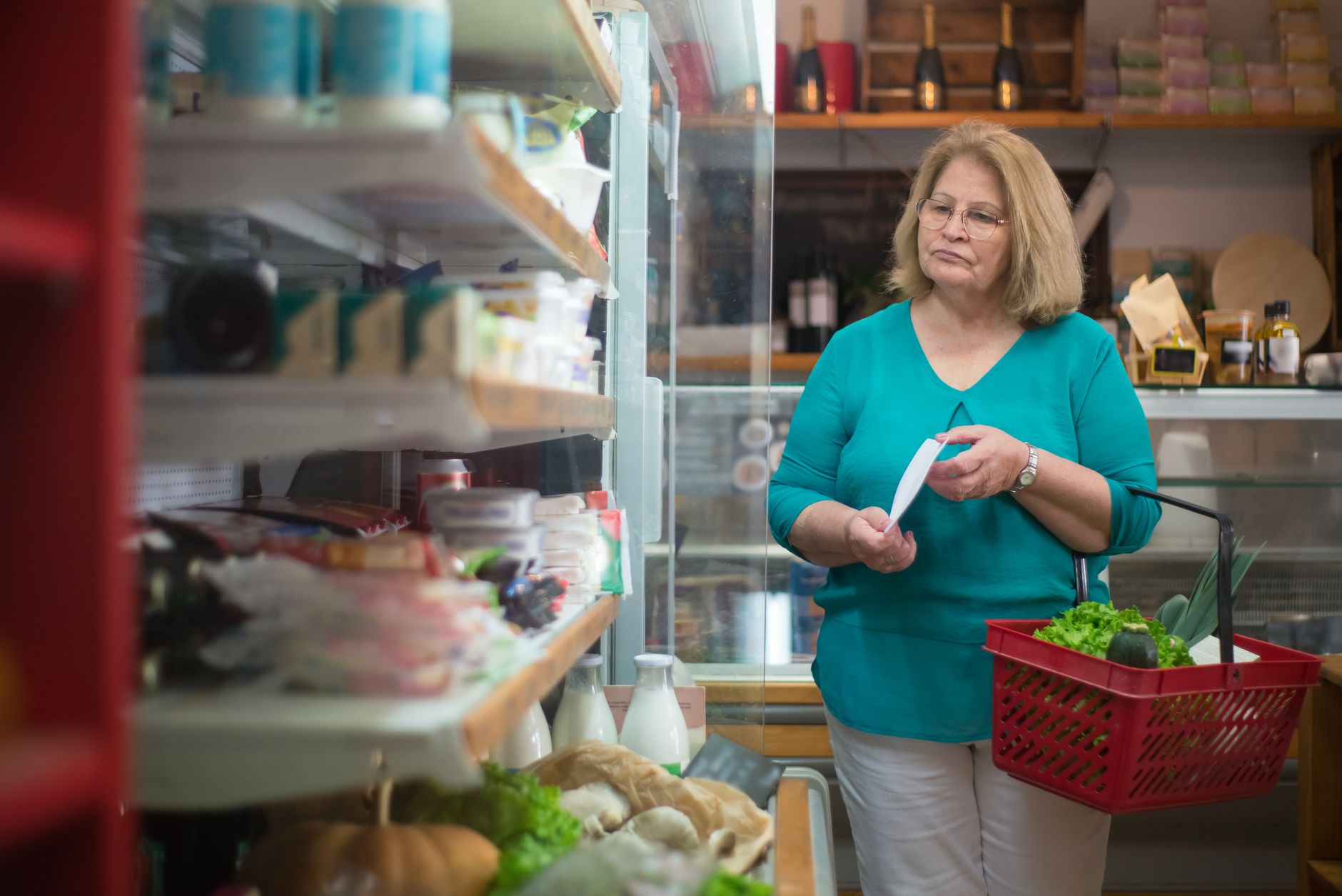
Ready to hit the store? Below is a printable-friendly version of the DASH grocery list, organized by category for easy shopping. Pro tip: Print this out and check off items as you go! You can also save it to your phone’s notes app for quick reference.
Complete DASH Diet Grocery List
Fruits
- Bananas
- Apples
- Berries (fresh or frozen)
- Oranges
- Grapes
- Avocados
- Kiwi
- Pears
Vegetables
- Spinach
- Kale
- Broccoli
- Carrots
- Bell peppers
- Zucchini
- Sweet potatoes
- Mushrooms
- Tomatoes
Whole Grains
- Oats
- Brown rice
- Quinoa
- Whole-wheat bread
- Whole-wheat pasta
- Barley
- Bulgur
Proteins
- Skinless chicken breast
- Turkey breast
- Salmon or other fatty fish
- Eggs
- Greek yogurt (plain, low-fat)
- Cottage cheese
- Low-fat cheese
- Beans (black, pinto, chickpeas)
- Lentils
- Tofu or tempeh (for vegetarians)
Dairy
- Low-fat or fat-free milk
- Low-fat yogurt
- Cottage cheese
- Low-fat cheese
Healthy Fats
- Olive oil
- Avocado oil
- Almonds
- Walnuts
- Chia seeds
- Flaxseeds
Herbs and Spices
- Garlic powder
- Onion powder
- Cinnamon
- Turmeric
- Basil
- Oregano
- Rosemary
Pantry Staples
- Low-sodium broth
- No-salt-added canned beans
- Whole-grain cereals
- Hummus
Save this list to your phone or print it out to take with you to the store. Pro tip: Shop the perimeter of the grocery store first—this is where fresh produce, lean proteins, and dairy are usually located. Processed foods are often in the middle aisles, so avoid them unless you’re checking labels carefully.
---
Dash Diet Grocery List Sample 2026: Meal Ideas to Inspire You
Now that you’ve got your grocery list, let’s talk meals. The DASH diet is all about balance, so aim for a plate that’s half fruits and vegetables, a quarter whole grains, and a quarter lean protein. Here are some easy, heart-healthy meal ideas to get you started:
- Breakfast:
- Oatmeal topped with berries, chia seeds, and a drizzle of honey
- Greek yogurt with sliced banana, walnuts, and cinnamon
- Veggie omelet with spinach, mushrooms, and feta
- Lunch:
- Grilled chicken salad with mixed greens, avocado, cherry tomatoes, and balsamic vinaigrette
- Lentil soup with a side of whole-grain bread
- Quinoa bowl with black beans, corn, bell peppers, and lime dressing
- Dinner:
- Baked salmon with roasted sweet potatoes and steamed broccoli
- Turkey and vegetable stir-fry with brown rice
- Stuffed bell peppers with lean ground turkey, quinoa, and tomatoes
- Snacks:
- Apple slices with almond butter
- Carrot and cucumber sticks with hummus
- Handful of mixed nuts
- Greek yogurt with a sprinkle of cinnamon
For more meal ideas, check out our 7-day DASH meal plan. It includes easy recipes like Spinach and Feta Stuffed Chicken and Black Bean and Sweet Potato Tacos—all designed to keep your heart happy and your taste buds satisfied.
---
Dash Diet Grocery List for Low Sodium 2026 (Revisited): Common Mistakes to Avoid
Even with the best intentions, it’s easy to slip up on sodium. Here are the most common mistakes—and how to fix them:
- Assuming "low-fat" means low-sodium: Low-fat cheese, for example, can still be high in sodium. Always check the label.
- Using flavored rice or pasta: Instant rice or pasta mixes often contain added salt. Stick to plain versions and season with herbs.
- Skipping the label on canned tomatoes: Some brands add salt to canned tomatoes. Rinse them before using or choose no-salt-added versions.
- Overusing soy sauce or teriyaki: These sauces are sodium powerhouses. Use them sparingly or opt for low-sodium versions.
- Assuming frozen meals are low-sodium: Many frozen dinners are loaded with salt. Cook at home instead.
If you’re struggling to cut back on sodium, start by tracking your intake for a few days. Apps like MyFitnessPal can help you identify hidden sources. For more tips, check out our guide to DASH diet benefits.
---
Dash Diet Grocery List for High Potassium 2026: The Best Sources
Potassium is a superstar nutrient for heart health, helping to balance sodium and regulate blood pressure. The DASH diet naturally includes potassium-rich foods, but if you’re looking to boost your intake, focus on these top sources:
- Bananas (one medium banana = ~422 mg potassium)
- Sweet potatoes (one medium baked sweet potato = ~542 mg potassium)
- Spinach (1 cup cooked = ~839 mg potassium)
- Avocados (½ avocado = ~250 mg potassium)
- White beans (½ cup cooked = ~240 mg potassium)
- Salmon (3 oz cooked = ~400 mg potassium)
- Cottage cheese (½ cup = ~200 mg potassium)
- Oranges (one medium orange = ~237 mg potassium)
If you have kidney disease or are on a low-potassium diet, consult your doctor before increasing your intake. Otherwise, aim for 3,500–4,700 mg of potassium daily to support heart health.
---
Myth vs. Fact: DASH Diet Common Misconceptions
Let’s bust some myths about the DASH diet:
Myth: The DASH diet is just a low-sodium diet.
Fact: While sodium reduction is a key part of the DASH diet, it’s also rich in fruits, vegetables, whole grains, and lean proteins. The focus is on nutrient density, not just cutting back on one thing.
Myth: You have to give up all your favorite foods.
Fact: The DASH diet allows for moderation. You can still enjoy a small piece of dark chocolate or a glass of wine—just keep an eye on portion sizes and sodium content.
Myth: The DASH diet is only for people with high blood pressure.
Fact: While it was designed to lower blood pressure, the DASH diet benefits everyone. It’s great for weight management, heart health, and even reducing the risk of type 2 diabetes.
Myth: The DASH diet is expensive.
Fact: With smart shopping—like buying in bulk, choosing frozen or canned produce, and opting for store brands—you can follow the DASH diet on a budget. See our budget tips above!
Myth: You have to cook from scratch every day.
Fact: While homemade meals are ideal, you can still follow the DASH diet by choosing low-sodium packaged foods and pre-cut veggies. Just check labels!
---
Here’s a quick recap of what to prioritize on your next grocery run:
- Load up on fruits and vegetables: Aim for at least 4–5 servings of each daily. Frozen and canned (no-salt-added) options work too!
- Choose whole grains over refined grains: Swap white bread for whole-wheat, and opt for brown rice instead of white.
- Pick lean proteins: Skinless chicken, turkey, fish, beans, and low-fat dairy are all great choices.
- Use herbs and spices instead of salt: Basil, garlic, ginger, and turmeric add flavor without the sodium.
- Plan ahead: Meal prep and batch cooking save time and help you stick to the plan.
- Read labels: Even "healthy" foods can be high in sodium or added sugars. Always check the nutrition facts.
---
Frequently Asked Questions About the DASH Diet Grocery List
What foods are allowed on the DASH diet?
The DASH diet encourages a variety of nutrient-dense foods, including fruits, vegetables, whole grains, lean proteins (like chicken, fish, and beans), low-fat dairy, and healthy fats (like olive oil and nuts). It limits sodium, saturated fats, added sugars, and red meat. For a full list, check our beginner’s guide.
How many calories should I eat on the DASH diet?
The DASH diet doesn’t prescribe a specific calorie range, but it’s typically recommended for 1,600–2,400 calories/day, depending on your activity level and goals. If you’re trying to lose weight, you may need to adjust calories downward slightly while focusing on portion control and whole foods.
Can I follow the DASH diet if I have high blood pressure?
Absolutely! The DASH diet was specifically designed to lower blood pressure. Aim for 1,500 mg of sodium or less per day and focus on potassium-rich foods like bananas




