

Quick take: The Mediterranean diet isn't just a meal plan—it's a lifestyle built on whole foods, healthy fats, and mindful eating. For beginners, focus on olive oil, leafy greens, fish, nuts, and whole grains while avoiding processed foods. If you're pregnant, prioritize iron-rich foods like lentils and spinach, and swap refined carbs for whole grains. Start with simple swaps: trade white bread for sourdough, swap sugary yogurt for Greek yogurt with honey, and add a handful of olives to your salads. Our 7-day meal plan includes a full grocery list to make it effortless.Mediterranean Diet Food List for Beginners: The Complete 2026 Guide
It was 3 a.m., and your phone buzzed with another notification: "You haven’t eaten since lunch." You’re exhausted, craving something quick, and the pantry looks like a warzone of half-empty bags of chips and forgotten takeout containers. Then you remember: the Mediterranean diet. You’ve heard it’s good for your heart, your brain, and maybe even your pregnancy—but what *actually* do you eat? Is it just olive oil and fish? Can you still have wine? And why does every grocery list look like a food desert?
You’re not alone. The Mediterranean diet ranks as one of the healthiest eating patterns globally, but for many, the idea of adopting it feels overwhelming. Should you give up dairy? Can you still enjoy carbs? What’s the deal with all those herbs? The truth is, the Mediterranean diet isn’t about deprivation—it’s about abundance. It’s about filling your plate with vibrant, nutrient-dense foods that nourish your body and your soul. And yes, it’s totally doable, even if you’re pregnant, managing a busy schedule, or just trying to figure out where to start.
This guide will break down the Mediterranean diet into actionable steps: what to eat, what to avoid, how to prep meals, and how to adapt it for pregnancy, heart health, or weight loss. We’ll include a sample meal plan, a beginner-friendly grocery list, and tips to avoid common pitfalls. By the end, you’ll know exactly how to transform your kitchen into a Mediterranean-friendly zone—without feeling like you’re starting from scratch.
--- ## What Are the Best Mediterranean Foods for Pregnancy? Pregnancy is a time when your body needs extra nutrients—folate, iron, omega-3s, and calcium—to support both you and your baby. The Mediterranean diet is one of the safest and most nourishing ways to eat during pregnancy because it emphasizes whole foods that provide these essentials. But what exactly should you prioritize? ### Key Nutrients for Pregnancy and How to Get Them 1. **Folate (folic acid)**: Crucial for preventing neural tube defects. Found in leafy greens (spinach, kale), lentils, chickpeas, and fortified whole grains. 2. **Iron**: Helps prevent anemia. Opt for lean red meat, poultry, fish (especially sardines and salmon), and plant-based sources like lentils and fortified cereals. Pair iron-rich foods with vitamin C (bell peppers, citrus fruits) to boost absorption. 3. **Omega-3s**: Support brain development. Fatty fish like salmon, mackerel, and sardines are excellent sources. If you’re avoiding fish, consider flaxseeds, chia seeds, and walnuts. 4. **Calcium and Vitamin D**: Essential for bone health. Dairy (Greek yogurt, feta cheese), fortified plant-based milks, and leafy greens (collard greens, bok choy) are great choices. 5. **Protein**: Supports tissue growth. Include eggs, poultry, fish, beans, and nuts in your meals. ### Mediterranean Foods to Prioritize During Pregnancy - **Fatty fish**: Rich in omega-3s (salmon, sardines, mackerel). Aim for 2–3 servings per week. - **Leafy greens**: Spinach, arugula, and Swiss chard are packed with folate and iron. - **Legumes**: Lentils, chickpeas, and white beans provide fiber, protein, and folate. - **Whole grains**: Brown rice, quinoa, and whole-wheat pasta offer sustained energy and fiber. - **Healthy fats**: Olive oil, avocados, and nuts (almonds, walnuts) support brain development and hormone production. - **Dairy**: Greek yogurt and feta cheese are excellent sources of calcium and protein. ### Foods to Approach with Caution While the Mediterranean diet is generally safe during pregnancy, some foods require extra attention: - **Raw or undercooked seafood**: Avoid sushi or ceviche unless you’re certain the fish is fresh and properly handled. - **Unpasteurized dairy or soft cheeses**: Stick to pasteurized options like feta (if it’s made from pasteurized milk) or hard cheeses like parmesan. - **High-mercury fish**: Limit swordfish, king mackerel, and tilefish to avoid exposing your baby to mercury. - **Excessive caffeine**: Stick to 200 mg or less per day (about one cup of coffee). ---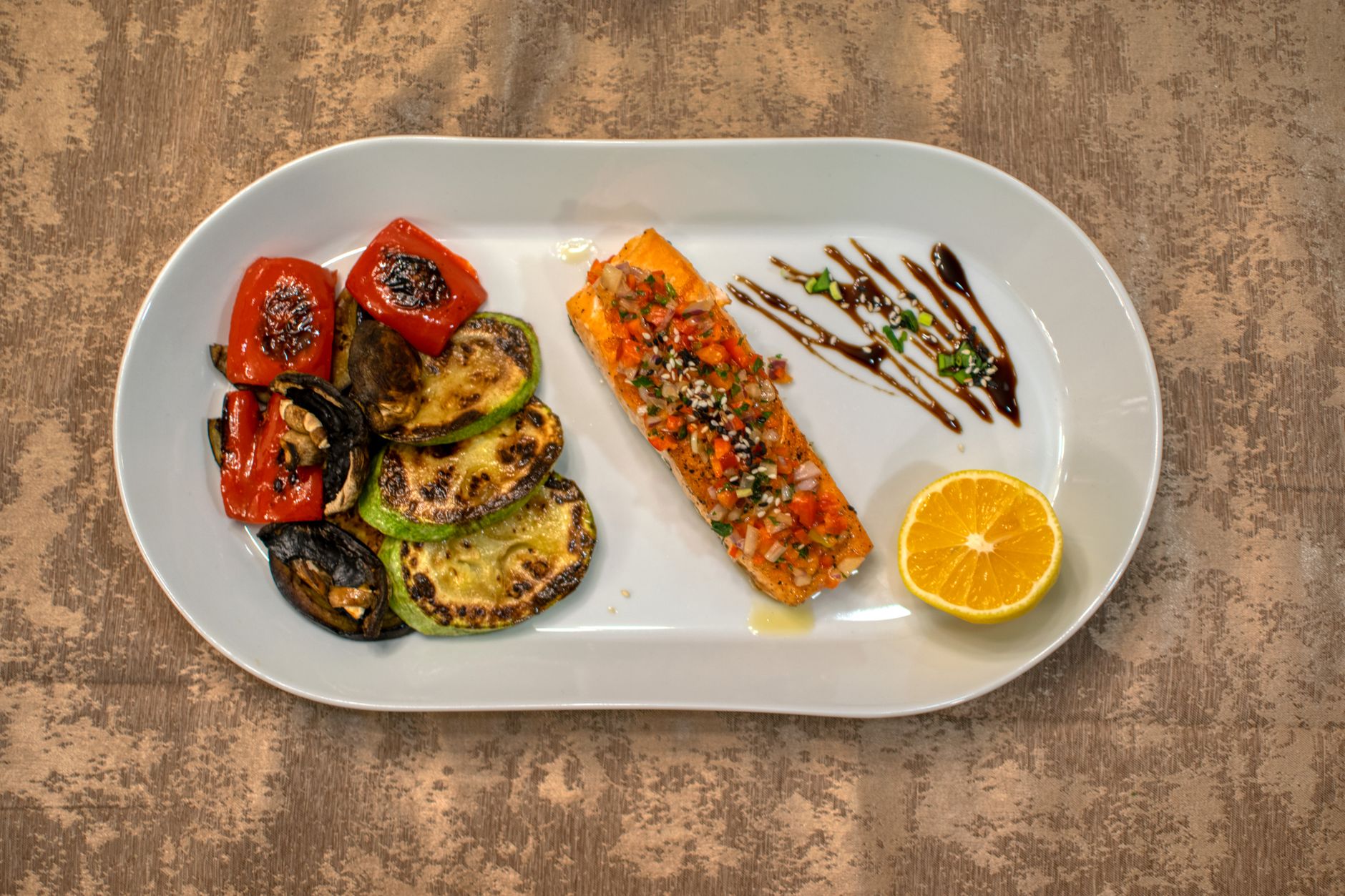 ---
## Mediterranean Diet Meal Plan for Beginners with Grocery List
Starting a new diet can feel like moving into a foreign country—you don’t know the language (or the grocery store layout). The good news? The Mediterranean diet is built on familiar, globally loved foods. Below is a simple meal plan for three days, followed by a comprehensive grocery list to get you started.
### Sample Meal Plan
**Day 1**
- **Breakfast**: Greek yogurt with honey, walnuts, and a sprinkle of cinnamon.
- **Lunch**: Grilled chicken salad with mixed greens, olives, cherry tomatoes, cucumber, and a lemon-olive oil dressing.
- **Dinner**: Baked salmon with roasted Brussels sprouts and quinoa.
- **Snack**: A handful of almonds and an apple.
**Day 2**
- **Breakfast**: Whole-grain toast with avocado, cherry tomatoes, and a drizzle of olive oil.
- **Lunch**: Lentil soup with a side of whole-grain bread and a small olive oil and garlic dip.
- **Dinner**: Shrimp stir-fry with bell peppers, zucchini, and brown rice.
- **Snack**: Hummus with carrot and cucumber sticks.
**Day 3**
- **Breakfast**: Smoothie with spinach, banana, Greek yogurt, flaxseeds, and almond milk.
- **Lunch**: Tuna salad (with olive oil instead of mayo) wrapped in whole-grain tortilla with lettuce and tomato.
- **Dinner**: Stuffed bell peppers with ground turkey, quinoa, and tomatoes.
- **Snack**: A small handful of mixed nuts and dried fruit.
### Grocery List for Beginners
**Produce**
- Leafy greens (spinach, kale, arugula)
- Bell peppers (red, yellow, green)
- Tomatoes (cherry and Roma)
- Cucumber
- Zucchini
- Brussels sprouts
- Carrots
- Celery
- Garlic
- Onions (red and yellow)
- Lemons
- Avocados
- Berries (strawberries, blueberries)
- Apples
- Bananas
**Proteins**
- Chicken breast
- Ground turkey
- Salmon fillets
- Sardines (canned in olive oil)
- Shrimp
- Eggs
- Greek yogurt (plain, unsweetened)
- Feta cheese
- Parmesan cheese
**Grains and Legumes**
- Whole-grain bread
- Whole-grain pasta
- Quinoa
- Brown rice
- Lentils (dry or canned)
- Chickpeas (canned)
- White beans
**Healthy Fats**
- Extra-virgin olive oil
- Avocado oil
- Almonds
- Walnuts
- Pistachios
- Flaxseeds
- Chia seeds
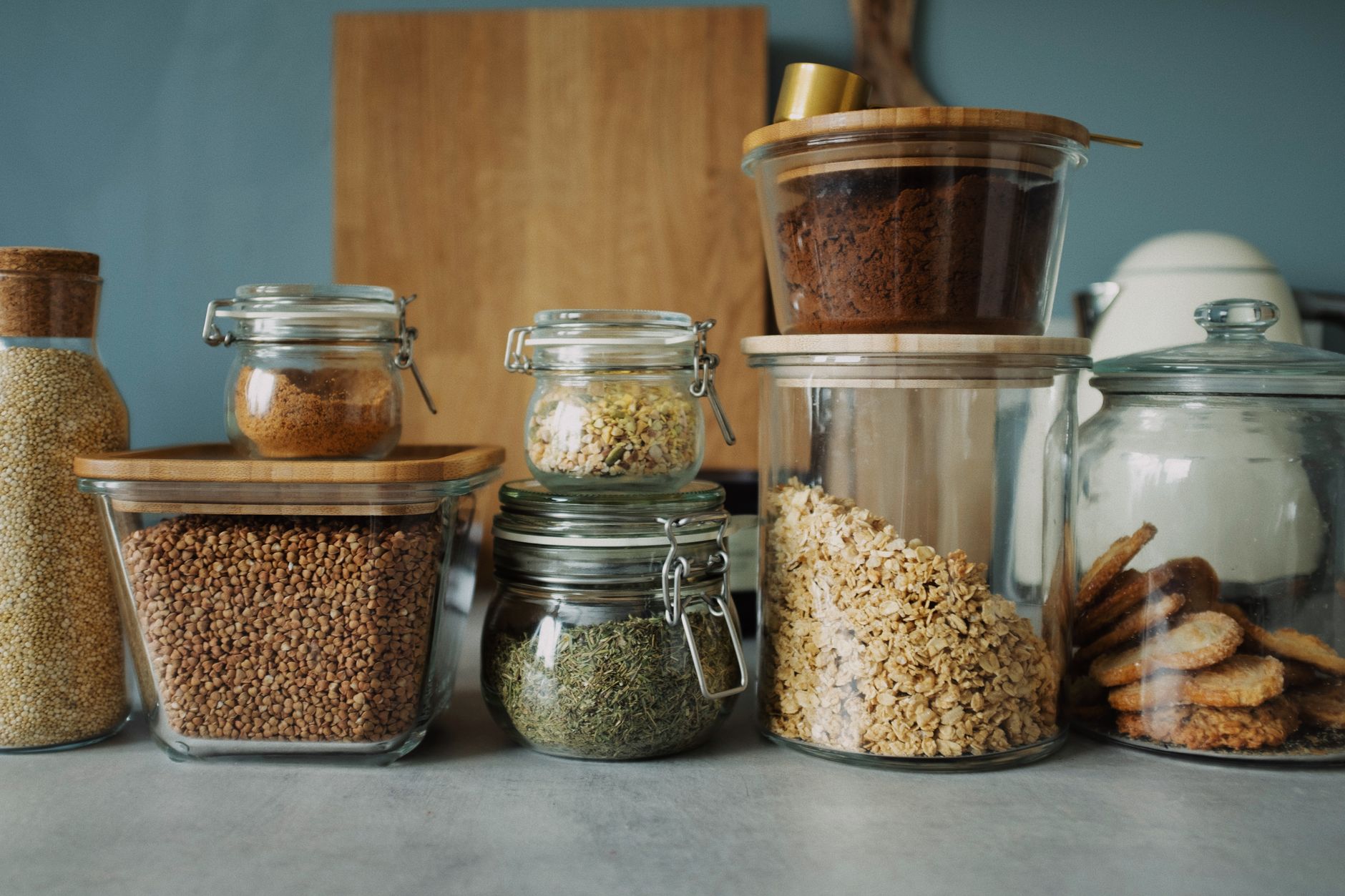
**Pantry Staples**
- Olive oil
- Balsamic vinegar
- Honey
- Cinnamon
- Cumin
- Paprika
- Dried oregano
- Dried basil
- Tomato paste
- Canned tomatoes
- Hummus
---
 ---
## How to Incorporate Mediterranean Diet into a Low Sodium Diet
If you’re managing high blood pressure or simply trying to reduce sodium intake, the Mediterranean diet is a fantastic choice—it naturally emphasizes fresh, whole foods over processed ones. However, even Mediterranean meals can sneak in hidden sodium if you’re not careful. Here’s how to keep it low-sodium while staying true to the diet.
### Key Adjustments for Lower Sodium
1. **Skip the salt shaker**: Rely on herbs, garlic, lemon juice, and spices for flavor.
2. **Choose fresh over canned**: Opt for fresh tomatoes instead of canned, and cook grains from scratch.
3. **Limit processed foods**: Avoid cured meats, salty cheeses, and packaged snacks.
4. **Use herbs and citrus**: Fresh basil, oregano, rosemary, and lemon zest add depth without sodium.
5. **Watch canned beans**: Rinse canned lentils and chickpeas to remove excess sodium.
### Low-Sodium Mediterranean Meal Ideas
- **Breakfast**: Oatmeal with cinnamon, sliced banana, and a drizzle of honey.
- **Lunch**: Grilled chicken wrap with hummus, spinach, and cucumber in a whole-grain tortilla.
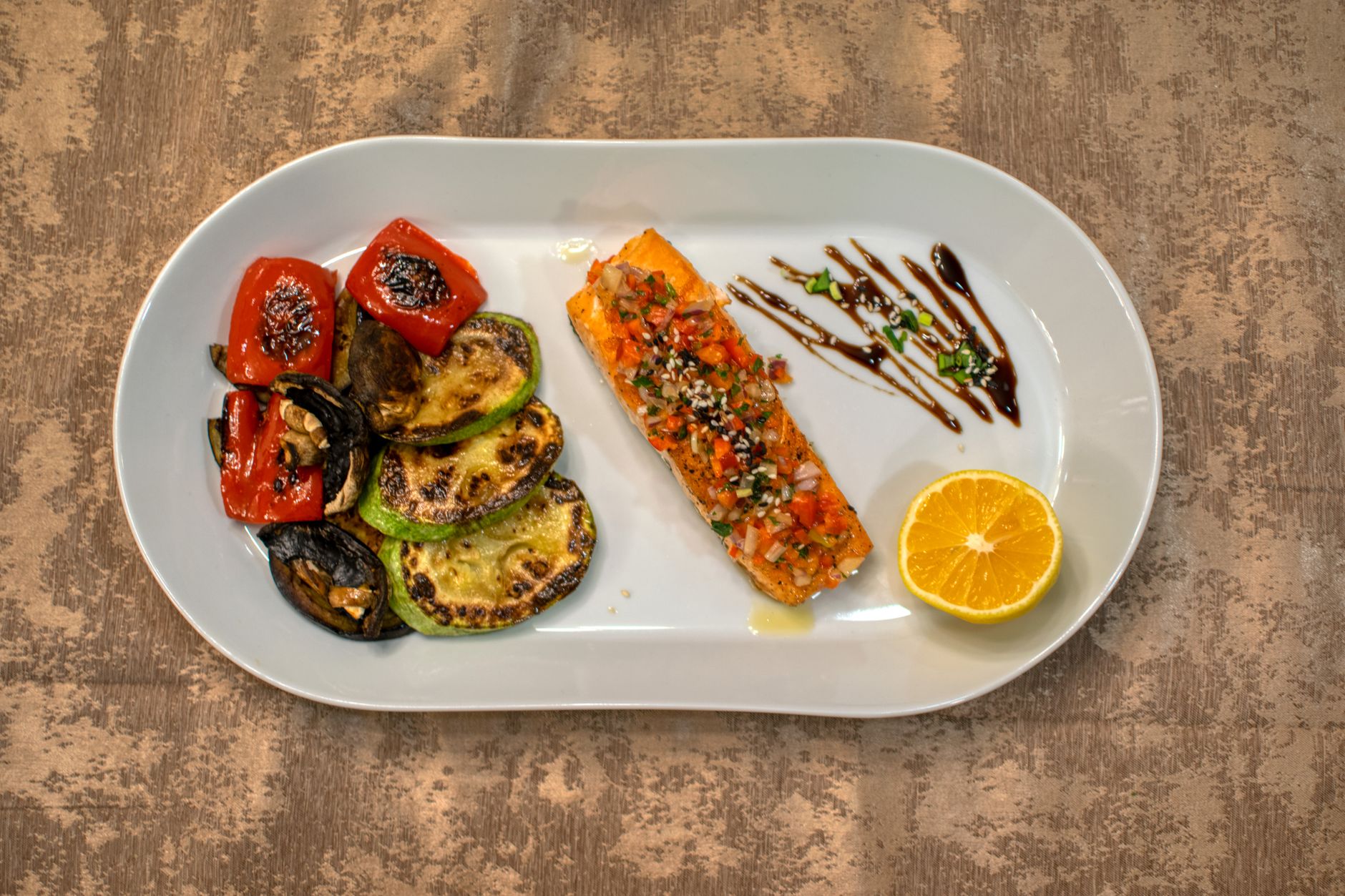
- **Dinner**: Baked cod with roasted potatoes, asparagus, and a sprinkle of lemon zest.
- **Snack**: Fresh fruit with a sprinkle of nuts.
### Sodium-Hidden culprits to Avoid
- Canned soups (even "low-sodium" ones can add up)
- Processed cheeses and deli meats
- Soy sauce and teriyaki sauces
- Frozen meals (even those labeled "healthy")
---
 ---
## Mediterranean Diet Foods to Avoid During Pregnancy
While the Mediterranean diet is generally safe and beneficial during pregnancy, some foods—even those considered healthy—should be limited or avoided entirely. Here’s what to steer clear of and why.
### Foods to Limit or Avoid
1. **Raw or undercooked fish and shellfish**: Risk of foodborne illnesses like listeria or salmonella.
2. **High-mercury fish**: Swordfish, king mackerel, and tilefish can expose your baby to harmful levels of mercury.
3. **Unpasteurized dairy or soft cheeses**: Can contain harmful bacteria like listeria.
4. **Excessive caffeine**: Stick to no more than 200 mg per day (about one cup of coffee).
5. **Raw sprouts**: Can carry bacteria like E. coli.
6. **Alcohol**: Avoid entirely during pregnancy.
7. **Excessive added sugars**: Limit sweets, sugary yogurts, and processed snacks.
### Safe Alternatives
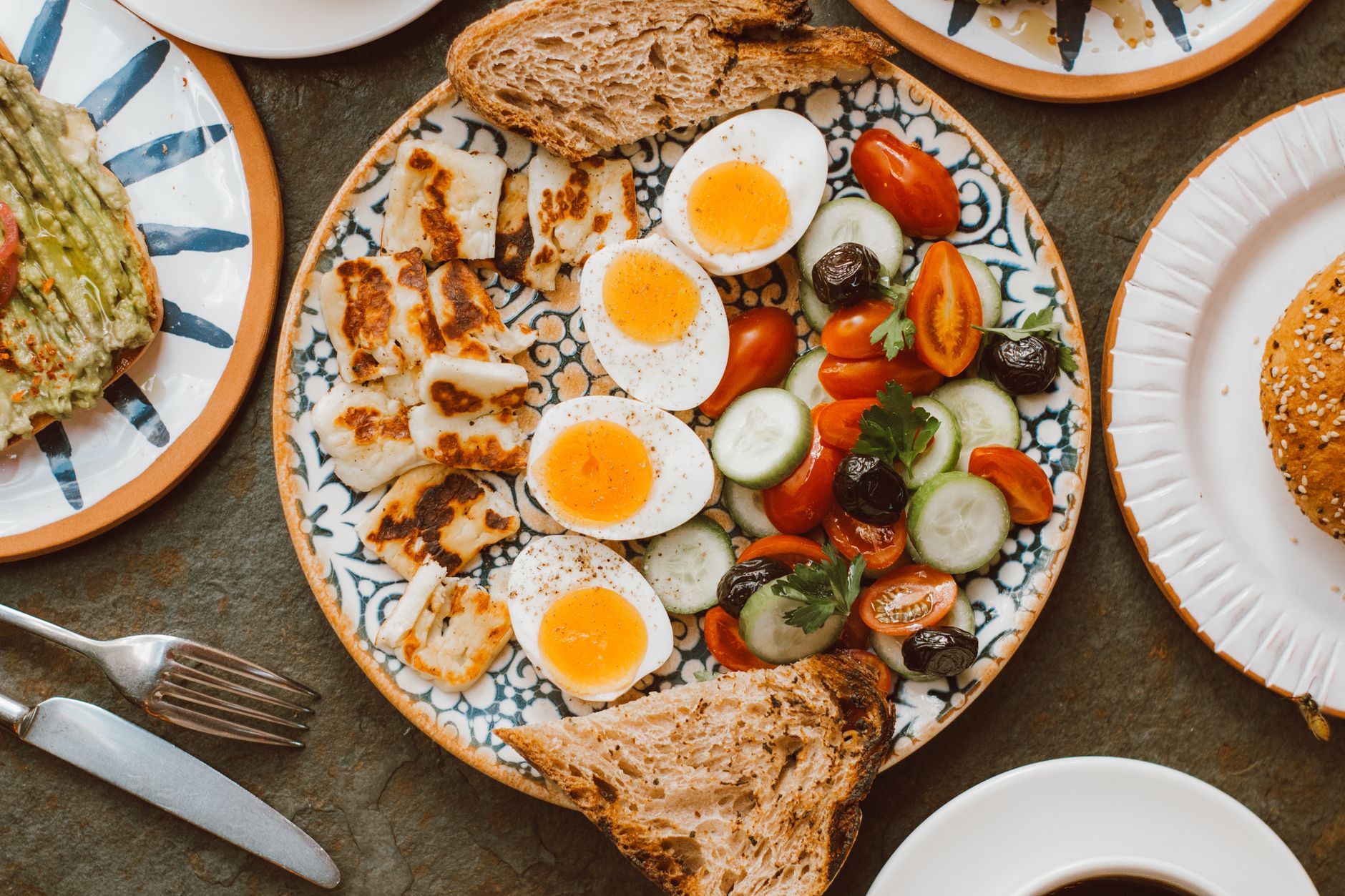
- **Instead of raw fish**: Opt for cooked salmon, sardines, or canned tuna (in water).
- **Instead of unpasteurized cheese**: Choose hard cheeses like parmesan or pasteurized feta.
- **Instead of caffeine-heavy drinks**: Swap coffee for herbal teas or decaf options.
- **Instead of raw sprouts**: Enjoy steamed or cooked vegetables.
---
 ---
## Mediterranean Diet Recipes for Beginners with Easy Prep
You don’t need to be a master chef to eat Mediterranean. Many of the diet’s staples are simple to prepare, even on busy nights. Below are three easy recipes to get you started.
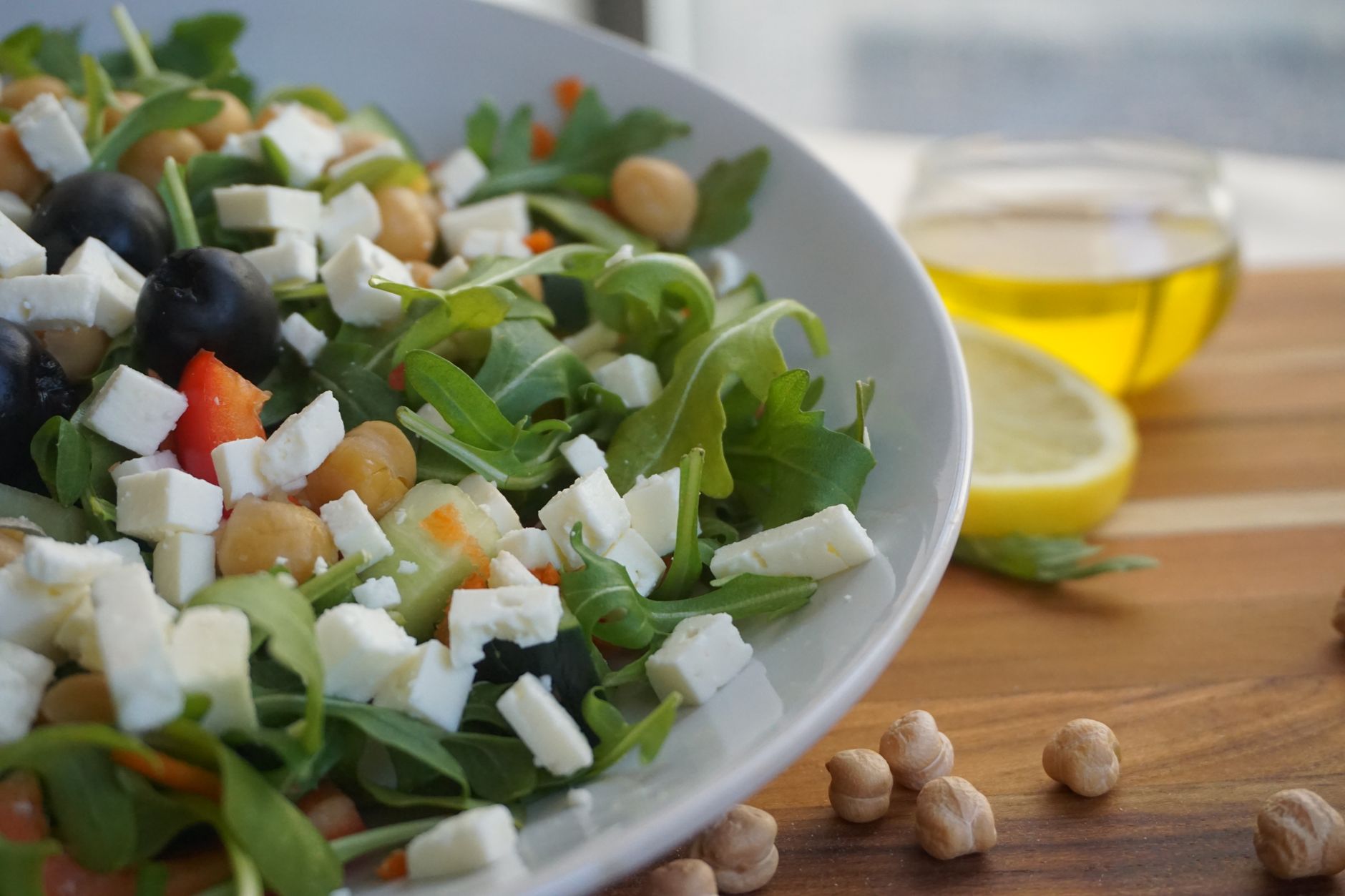
### 1. Mediterranean Chickpea Salad
**Ingredients**:
- 1 can chickpeas (drained and rinsed)
- 1 cucumber, diced
- 1 cup cherry tomatoes, halved
- ½ red onion, finely chopped
- ¼ cup Kalamata olives, pitted
- ¼ cup feta cheese, crumbled
- 2 tbsp olive oil
- 1 tbsp lemon juice
- 1 tsp dried oregano
- Salt and pepper to taste
**Instructions**:
1. Combine chickpeas, cucumber, tomatoes, red onion, and olives in a bowl.
2. Top with feta cheese.
3. Whisk together olive oil, lemon juice, oregano, salt, and pepper. Pour over the salad.
4. Toss gently and serve.
### 2. One-Pan Lemon Garlic Salmon and Vegetables
**Ingredients**:
- 2 salmon fillets
- 1 lb asparagus or broccoli
- 2 tbsp olive oil
- 3 garlic cloves, minced
- Zest and juice of 1 lemon
- 1 tsp dried thyme
- Salt and pepper to taste
**Instructions**:
1. Preheat oven to 400°F (200°C).
2. Place salmon and vegetables on a baking sheet lined with parchment paper.
3. Drizzle with olive oil, garlic, lemon zest, lemon juice, thyme, salt, and pepper.
4. Bake for 12–15 minutes until salmon is cooked through.
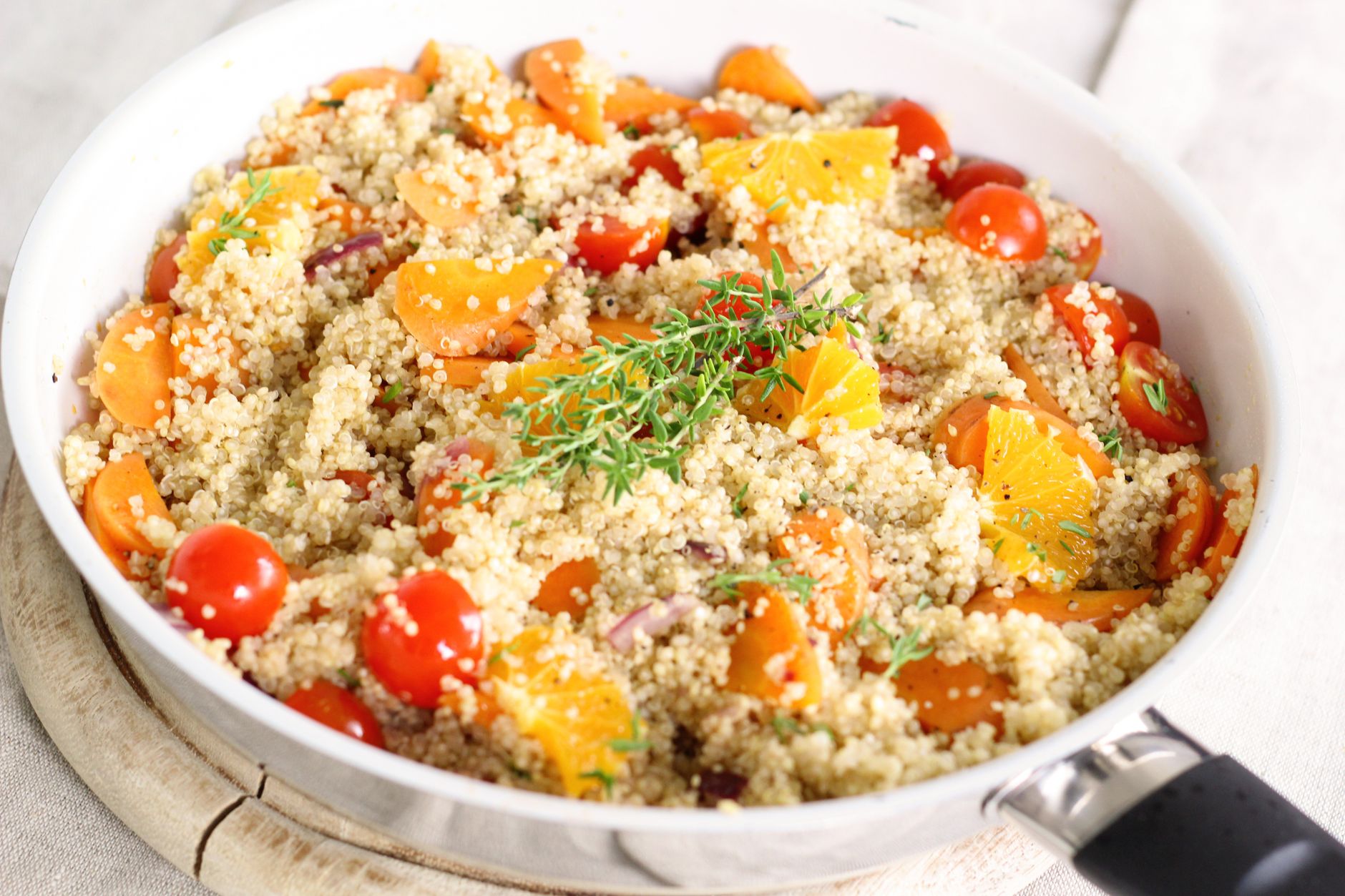
### 3. Quick Mediterranean Quinoa Bowl
**Ingredients**:
- ½ cup quinoa, cooked
- ½ cup chickpeas, drained and rinsed
- ½ cup diced cucumber
- ¼ cup cherry tomatoes, halved
- 2 tbsp crumbled feta
- 1 tbsp olive oil
- 1 tsp dried basil
- 1 tbsp lemon juice
**Instructions**:
1. Mix cooked quinoa, chickpeas, cucumber, and tomatoes in a bowl.
2. Top with feta.
3. Drizzle with olive oil, basil, and lemon juice. Toss gently.
---
 ---
## Mediterranean Diet Nutrition Facts for Pregnant Women
Pregnancy increases your nutritional needs, and the Mediterranean diet is one of the best ways to meet them. Here’s a breakdown of the key nutrients you’ll get from this diet and how they support both you and your baby.
### Nutrient Breakdown
| **Nutrient** | **Mediterranean Diet Sources** | **Why It Matters During Pregnancy** |
|--------------------|-------------------------------------------------------|---------------------------------------------------------------------------------------------------|
| **Omega-3s** | Fatty fish (salmon, sardines), flaxseeds, walnuts | Supports brain and eye development in your baby. Reduces risk of preterm birth. |
| **Folate** | Leafy greens, lentils, whole grains | Prevents neural tube defects and supports cell growth. |
| **Iron** | Lean red meat, poultry, lentils, spinach | Prevents anemia and supports increased blood volume. |
| **Calcium** | Greek yogurt, feta cheese, fortified plant milks | Builds your baby’s bones and teeth. Supports your own bone health. |
| **Vitamin D** | Fatty fish, fortified dairy, sunlight exposure | Essential for calcium absorption and immune function. |
| **Fiber** | Whole grains, legumes, vegetables | Prevents constipation and supports digestive health. |
| **Healthy Fats** | Olive oil, avocados, nuts | Supports hormone production and brain development. |
### Sample Daily Intake for Pregnant Women
- **Calories**: ~2,200–2,500 (varies by pre-pregnancy weight and activity level).
- **Protein**: ~75–100g (from fish, poultry, legumes, and dairy).
- **Healthy Fats**: ~50–70g (from olive oil, nuts, and avocados).
- **Fiber**: ~25–30g (from whole grains, vegetables, and legumes).
- **Hydration**: 8–10 cups of water daily (herbal teas and infused water count!).
---
 ---
## Mediterranean Diet vs Keto for Beginners
If you’re comparing the Mediterranean diet to keto, you’re not alone. Both diets promise health benefits, but they’re built on very different principles. Here’s how they stack up.
### Key Differences
| **Factor** | **Mediterranean Diet** | **Keto Diet** |
|--------------------------|-----------------------------------------------------------|------------------------------------------------------------------|
| **Primary Focus** | Whole foods, healthy fats, plant-based proteins | High fat, moderate protein, very low carb |
| **Carbs** | Moderate (whole grains, fruits, vegetables) | Very low (<50g net carbs/day) |
| **Protein** | Moderate (fish, poultry, legumes) | Moderate to high (meat, eggs, dairy) |
| **Fats** | Primarily unsaturated (olive oil, nuts, avocados) | Primarily saturated (butter, coconut oil, fatty cuts of meat) |
| **Pregnancy Safety** | **Highly recommended** by experts like the ACOG | **Not recommended** during pregnancy (risk of nutrient deficiencies) |
| **Heart Health** | Proven to reduce heart disease risk | Mixed evidence; may increase LDL cholesterol for some |
| **Weight Loss** | Sustainable, focuses on overall health | Rapid initial weight loss, but often unsustainable long-term |
### Which One Should You Choose?
- **If you’re pregnant or trying to conceive**: The Mediterranean diet is the clear winner. It provides all the nutrients you and your baby need without the risks of keto.
- **If you’re managing diabetes**: Keto *may* help with blood sugar control, but gestational diabetes diets often blend Mediterranean principles with low-glycemic foods for a safer approach.
- **If you’re focused on long-term health**: The Mediterranean diet is backed by decades of research for heart health, longevity, and disease prevention. Keto is more about short-term results.
---
 ---
## Mediterranean Diet Meal Prep Ideas
Meal prep is your secret weapon for sticking to the Mediterranean diet without daily stress. Here are some easy ways to batch-cook and store meals for the week.
### 1. Batch-Cook Grains and Legumes
- Cook a big pot of quinoa, brown rice, or lentils on Sunday. Store in airtight containers in the fridge for up to 5 days.
- Use them as a base for salads, bowls, or sides.
### 2. Prep Protein in Advance
- Grill or bake chicken breasts and portion them out for salads or wraps.
- Cook a batch of salmon or shrimp and freeze portions for quick meals.
### 3. Chop Vegetables for the Week
- Wash and chop bell peppers, cucumbers, carrots, and celery. Store in containers with paper towels to absorb moisture.
- Use for salads, snacks, or stir-fries.
### 4. Make Dressings and Sauces
- Whisk together olive oil, lemon juice, garlic, and herbs for a simple dressing. Store in a small jar in the fridge for up to a week.
- Blend avocado, yogurt, and cucumber for a creamy dip.
### 5. Portion Snacks
- Divide nuts, seeds, and dried fruit into small bags for easy grab-and-go snacks.
- Pack cheese cubes and whole-grain crackers for a balanced snack.
### 6. Freeze for Later
- Freeze cooked grains, soups, or stews in portion-sized containers.
- Portion out nuts or seeds to avoid overeating.
---
 ---
## Mediterranean Diet for Weight Loss During Pregnancy
Gaining weight during pregnancy is normal and necessary, but excessive weight gain can lead to complications like gestational diabetes or high blood pressure. The Mediterranean diet can help you manage weight gain healthily by focusing on nutrient-dense, low-calorie foods.
### How to Use the Mediterranean Diet for Healthy Weight Gain
1. **Prioritize whole, unprocessed foods**: Fill your plate with vegetables, fruits, whole grains, and lean proteins.
2. **Control portions**: Even healthy foods can contribute to excess weight gain if eaten in large quantities.
3. **Stay hydrated**: Sometimes thirst is mistaken for hunger. Drink water or herbal teas throughout the day.
4. **Limit added sugars and refined carbs**: Opt for whole-grain bread, brown rice, and natural sweeteners like honey.
5. **Incorporate physical activity**: Gentle exercises like walking or prenatal yoga can help manage weight gain without strain.
### Sample Weight-Loss-Friendly Meal Plan
- **Breakfast**: Greek yogurt with berries and a sprinkle of chia seeds.
- **Lunch**: Grilled chicken salad with mixed greens, cucumber, and olive oil dressing.
- **Dinner**: Baked cod with roasted Brussels sprouts and quinoa.
- **Snacks**: A small handful of almonds and an apple.
### Foods to Limit for Weight Management
- Processed snacks (chips, crackers)
- Sugary drinks (soda, juice)
- Refined grains (white bread, pasta)
- Fried foods (fries, fried chicken)
---
 ---
## Mediterranean Diet Protein Sources
Protein is essential during pregnancy for tissue growth and repair. The Mediterranean diet offers a variety of high-quality protein sources that are also rich in other nutrients.
### Animal-Based Protein Sources
- **Fish**: Salmon, sardines, mackerel (rich in omega-3s and easy to digest).
- **Poultry**: Chicken breast, turkey (lean and versatile).
- **Eggs**: Rich in choline, which supports brain development.
- **Dairy**: Greek yogurt, feta cheese (calcium and protein in one).
### Plant-Based Protein Sources
- **Legumes**: Lentils, chickpeas, white beans (fiber and folate).
- **Nuts and Seeds**: Almonds, walnuts, chia seeds (healthy fats and protein).
- **Whole Grains**: Quinoa, brown rice (protein + fiber).
### How to Incorporate More Protein
- Add lentils to soups or salads.
- Snack on Greek yogurt with nuts.
- Include a side of chickpeas with your dinner.
- Start your day with eggs or a smoothie with protein powder (if approved by your provider).
---
 ---
## Mediterranean Diet for Heart Health
The Mediterranean diet is one of the most well-researched diets for heart health, reducing the risk of heart disease, stroke, and high blood pressure. Here’s how it works and how to make it work for you.
### How It Benefits Your Heart
- **Reduces LDL cholesterol**: Healthy fats like olive oil and nuts help lower "bad" cholesterol.
- **Lowers blood pressure**: Potassium-rich foods (leafy greens, tomatoes) help regulate blood pressure.
- **Anti-inflammatory**: Olive oil and fatty fish reduce inflammation, a key driver of heart disease.
- **Rich in antioxidants**: Fruits, vegetables, and nuts protect cells from damage.
### Heart-Healthy Mediterranean Meal Plan
- **Breakfast**: Oatmeal with berries, walnuts, and a drizzle of honey.
- **Lunch**: Grilled salmon salad with mixed greens, olives, and olive oil dressing.
- **Dinner**: Baked cod with roasted vegetables and quinoa.
- **Snack**: A small handful of almonds and an apple.
### Foods to Avoid for Heart Health
- Trans fats (found in fried foods and processed snacks)
- Excessive saturated fats (red meat, full-fat dairy)
- Refined sugars (soda, candy, pastries)
---
 ---
## Mediterranean Diet Side Effects
The Mediterranean diet is generally safe and well-tolerated, but like any dietary change, it can have side effects—especially if you’re not used to its foods or if you have specific health conditions.
### Common Side Effects
1. **Digestive Changes**: If you’re increasing fiber intake (from whole grains and vegetables), you might experience bloating or gas initially. Drink plenty of water and gradually increase fiber.
2. **Hormonal Fluctuations**: Some women report changes in energy or mood when reducing refined carbs. This is normal as your body adjusts.
3. **Food Sensitivities**: If you have gluten intolerance or lactose sensitivity, you’ll need to adjust (e.g., swap whole-grain pasta for gluten-free alternatives).
4. **Weight Loss Plateaus**: If you’re expecting rapid weight loss, remember that the Mediterranean diet is about sustainable, healthy eating—not crash dieting.
### When to Talk to Your Doctor
- If you experience severe digestive issues (persistent diarrhea or constipation).
- If you have a history of eating disorders and worry about restrictive behaviors.
- If you’re managing a chronic condition like diabetes or heart disease and notice changes in your symptoms.
---
 ---
## Myth vs. Fact: Mediterranean Diet
Let’s clear up some common misconceptions about the Mediterranean diet.
### Myth: "The Mediterranean diet is just about eating olive oil."
**Fact**: While olive oil is a cornerstone, the diet is built on a variety of whole foods—vegetables, fruits, whole grains, legumes, nuts, and lean proteins. Olive oil is the *healthy fat* that ties it all together.
### Myth: "You can’t eat carbs on the Mediterranean diet."
**Fact**: Carbs are part of the diet, but they come from whole, nutrient-rich sources like whole grains, fruits, and vegetables—not refined carbs like white bread or sugary cereals.
### Myth: "The Mediterranean diet is expensive."
**Fact**: While fresh fish and nuts can be pricier, the diet is budget-friendly if you focus on seasonal produce, legumes, and whole grains. Buying in bulk and freezing can also save money.
### Myth: "You can’t have wine on the Mediterranean diet."
**Fact**: Moderate red wine (one glass per day) is sometimes included in the traditional Mediterranean diet, but it’s not required. If you’re pregnant, alcohol is off-limits entirely.
### Myth: "The Mediterranean diet is only for weight loss."
**Fact**: The diet is about overall health—reducing heart disease risk, improving brain function, and even supporting longevity. Weight loss is a bonus, not the goal.
---
 ---
## Key Takeaways
Here’s what you need to remember as you start your Mediterranean journey:
- **Focus on whole foods**: Vegetables, fruits, whole grains, legumes, nuts, and healthy fats should fill most of your plate.
- **Prioritize protein**: Include fish, poultry, eggs, dairy, and plant-based proteins like lentils and chickpeas.
- **Use olive oil as your primary fat**: It’s rich in antioxidants and heart-healthy monounsaturated fats.
- **Limit processed foods**: Avoid chips, sugary snacks, and fried foods.
- **Stay hydrated**: Water, herbal teas, and infused water are your best friends.
- **Adapt for pregnancy**: Focus on iron-rich foods, folate, and omega-3s while avoiding raw fish and excessive caffeine.
- **Meal prep is your friend**: Batch-cook grains, chop veggies, and portion snacks to stay on track.
- **Enjoy the process**: The Mediterranean diet isn’t about restriction—it’s about nourishing your body and savoring flavor.
---
 ---
## Frequently Asked Questions
### What foods are included in the Mediterranean diet?
The Mediterranean diet includes a wide variety of foods, but the core staples are:
- **Vegetables**: Leafy greens, tomatoes, zucchini, eggplant, and peppers.
- **Fruits**: Apples, berries, oranges, and grapes.
- **Whole grains**: Brown rice, quinoa, whole-wheat pasta, and whole-grain bread.
- **Legumes**: Lentils, chickpeas, and white beans.
- **Nuts and seeds**: Almonds, walnuts, chia seeds, and flaxseeds.
- **Healthy fats**: Olive oil, avocados, and fatty fish.
- **Proteins**: Fish, poultry, eggs, and dairy (in moderation).
- **Herbs and spices**: Basil, oregano, thyme, garlic, and lemon.
### Is the Mediterranean diet safe during pregnancy?
Yes! The Mediterranean diet is one of the safest and most beneficial diets during pregnancy because it provides all the essential nutrients you and your baby need. Focus on iron-rich foods like lentils and spinach, omega-3s from fatty fish, and folate from leafy greens. Avoid raw or undercooked fish, excessive caffeine, and alcohol.
### How many calories should I consume on a Mediterranean diet?
Caloric needs vary based on your activity level, pre-pregnancy weight, and whether you’re pregnant or trying to conceive. Generally:
- **Non-pregnant women**: ~1,500–2,000 calories (depending on activity).
- **Pregnant women**: ~2,200–2,500 calories (varies by trimester and individual needs).
- **Breastfeeding women**: ~2,000–2,500 calories.
Always check with your healthcare provider for personalized guidance.
### Can I follow a Mediterranean diet if I have a gluten allergy?
Absolutely! You can still enjoy the Mediterranean diet by swapping gluten-containing grains (like wheat or barley) for gluten-free alternatives:
- **Quinoa** instead of pasta or rice.
- **Certified gluten-free oats** for breakfast.
- **Buckwheat or millet** for grain bowls.
- **Gluten-free whole-grain bread** for sandwiches.
Focus on the same core foods—vegetables, fruits, nuts, and lean proteins—while avoiding gluten-containing grains.
### What are the health benefits of the Mediterranean diet?
The Mediterranean diet is linked to numerous health benefits, including:
- **Heart health**: Reduces the risk of heart disease and stroke by lowering LDL cholesterol and blood pressure.
- **Brain health**: May reduce the risk of cognitive decline and Alzheimer’s disease.
- **Weight management**: Supports healthy weight loss and maintenance.
- **Diabetes prevention**: Lowers the risk of type 2 diabetes by improving insulin sensitivity.
- **Longevity**: Associated with a longer, healthier life span.
- **Pregnancy support**: Provides essential nutrients for both mom and baby.
### How do I start a Mediterranean diet plan?
Starting is easier than you think! Follow these steps:
1. **Stock your pantry**: Fill it with olive oil, whole grains, nuts, and legumes.
2. **Fill half your plate with vegetables**: Aim for a rainbow of colors for maximum nutrients.
3. **Choose healthy fats**: Swap butter for olive oil and enjoy avocados and nuts.
4. **Incorporate fish**: Aim for 2–3 servings of fatty fish per week.
5. **Limit red meat**: Opt for poultry, eggs, or plant-based proteins instead.
6. **Stay hydrated**: Drink water, herbal teas, and infused water throughout the day.
7. **Meal prep**: Cook grains and chop veggies in advance to save time.
8. **Enjoy the process**: Focus on flavor, freshness, and how the food makes you feel.
---
 ---
## When to See a Doctor or Specialist
While the Mediterranean diet is generally safe and beneficial, there are times when you should consult your healthcare provider:
### Red Flags During Pregnancy
- **Severe nausea or vomiting**: Could indicate hyperemesis gravidarum, which requires medical attention.
- **Unexplained weight loss**: If you’re losing weight unintentionally, check for underlying issues.
- **Persistent digestive issues**: Severe constipation or diarrhea may need adjustment in your diet or medication.
- **Signs of gestational diabetes**: Increased thirst, frequent urination, or unexplained fatigue. If you’re at risk, your provider may recommend gestational diabetes diet planning.
- **High blood pressure**: Monitor for signs of preeclampsia, such as sudden swelling, vision changes, or severe headaches.
### General Health Concerns


