Discover a balanced gestational diabetes diet meal plan to manage blood sugar during pregnancy. Learn safe foods, meal timing, and tips for a healthy mom and baby.
By Shubhra Mishra — a mom of two who turned her own confusion during pregnancy into BumpBites, a global mission to make food choices clear, safe, and stress-free for every expecting mother. 💛
Check whether any food is safe during pregnancy with the BumpBites Food Safety Checker.
Quick take: A gestational diabetes diet meal plan focuses on balanced carbs, lean protein, healthy fats, and plenty of fiber—aiming for about 30‑45 g of carbs per meal and 1500‑2000 kcal daily, depending on your needs. Below is a step‑by‑step guide with grocery lists, sample menus, portion tips, and safe‑food choices to keep your blood sugar steady throughout pregnancy.
It’s 2 a.m., you’re lying in bed, and the glucose monitor on your nightstand beeps higher than you’d like. You wonder: “What should I actually eat to keep my numbers in range?” You’re not alone. Hundreds of expecting moms receive a gestational diabetes diagnosis each year and face the same question—how to eat well without feeling deprived.
We’ll walk you through a complete gestational diabetes diet meal plan, from the first trimester to postpartum, covering breakfast ideas, grocery lists, portion sizes, snack strategies, and even special scenarios like vegetarian meals or twin pregnancies. All recommendations align with guidance from the American College of Obstetricians and Gynecologists (ACOG), the American Diabetes Association (ADA), and the UK’s NHS.
By the end of this guide you’ll have a clear, practical roadmap you can adapt to your preferences, budget, and lifestyle—plus quick reference tables and checklists you can print or save on your phone.
What should my gestational diabetes diet meal plan look like in the first trimester?
The first trimester is a time of rapid hormonal changes, and many women experience nausea or food aversions. Your diet plan should focus on steady carbohydrate intake spread across three meals and two snacks, aiming for 30‑45 g of carbs per meal and 15‑20 g per snack. This helps prevent spikes while still delivering the extra calories your growing baby needs.
Typical daily targets in the first trimester are:
Calories: 1800‑2000 kcal (adjusted for pre‑pregnancy BMI)
Carbohydrates: 120‑150 g total (≈30 % of calories)
Protein: 75‑100 g
Fat: 55‑70 g, emphasizing unsaturated sources
Because nausea can limit intake, prioritize nutrient‑dense foods that are easy on the stomach—smoothies with Greek yogurt, soft whole‑grain toast, and warm soups. Pair carbs with protein or healthy fat (e.g., cheese, nut butter) to blunt glucose peaks.
Early‑trimester cravings can be intense; choosing low‑glycemic options like whole‑grain crackers or plain oatmeal can satisfy hunger while keeping glucose stable.
What are low‑carb breakfast ideas for a gestational diabetes diet meal plan?
B
reakfast sets the tone for your blood‑sugar control. Choose foods that combine slow‑release carbs with protein and a little healthy fat. Here are five ideas that stay under 45 g of carbs:
Greek yogurt parfait: ¾ cup plain Greek yogurt + ¼ cup fresh berries + 2 Tbsp granola (≈30 g carbs). Add a sprinkle of chia seeds for omega‑3s.
Veggie omelet: 2 eggs + ½ cup chopped spinach + ¼ cup diced tomatoes + 1 slice whole‑grain toast (≈35 g carbs). The toast provides fiber while the eggs supply protein.
Avocado‑toast with cottage cheese: 1 slice sprouted‑grain bread + ¼ avocado + ½ cup low‑fat cottage cheese (≈30 g carbs). The cheese adds calcium, vital for fetal bone development.
Protein‑rich smoothie: 1 cup unsweetened almond milk + ½ banana + 1 scoop whey protein + 1 Tbsp almond butter (≈35 g carbs). Blend with ice for a refreshing texture.
Overnight oats: ¼ cup rolled oats + ½ cup unsweetened soy milk + 1 Tbsp flaxseed + ¼ cup sliced strawberries (≈40 g carbs). Prepare the night before for a quick grab‑and‑go.
Pair each breakfast with a glass of water or herbal tea, and check your glucose 1‑2 hours after eating to see how your body responds.
For added variety, swap the berries for sliced kiwi or add a dash of cinnamon, which may modestly improve insulin sensitivity.
Overnight oats are a quick, balanced breakfast that keeps carbs steady.
What should I put on a gestational diabetes diet meal plan grocery list for a week?
Having a ready‑made grocery list saves time and reduces the temptation to reach for processed snacks. Below is a sample list that covers all food groups, emphasizes low‑glycemic choices, and fits a budget of roughly $80‑$120 per week (U.S. average). Adjust quantities based on your household size.
Category
Items (≈7‑day supply)
Whole grains
Whole‑grain bread, quinoa, brown rice, rolled oats
Herbal tea, sparkling water, plain coffee (no added sugar)
Tip: Shop the perimeter of the store first—produce, meat, dairy—then head to the aisles for whole‑grain staples. Batch‑cook quinoa and roasted veggies on Sunday; store in airtight containers for quick assembly.
When possible, choose bulk bins for nuts and seeds; they’re often cheaper and allow you to control portion sizes more precisely.
How can I adapt a gestational diabetes diet meal plan for vegetarians?
Vegetarian diets can meet all gestational diabetes goals with thoughtful protein sources and fiber‑rich carbs. Aim for the same carbohydrate targets (30‑45 g per meal) and ensure you get at least 75 g of protein daily. Good plant‑based proteins include:
Legumes: lentils, chickpeas, black beans (½ cup cooked ≈ 20 g protein)
Tofu or tempeh (½ cup ≈ 10‑15 g protein)
Low‑fat dairy: Greek yogurt, cottage cheese
Eggs (if lacto‑ovo vegetarian)
Quinoa (½ cup cooked ≈ 4 g protein)
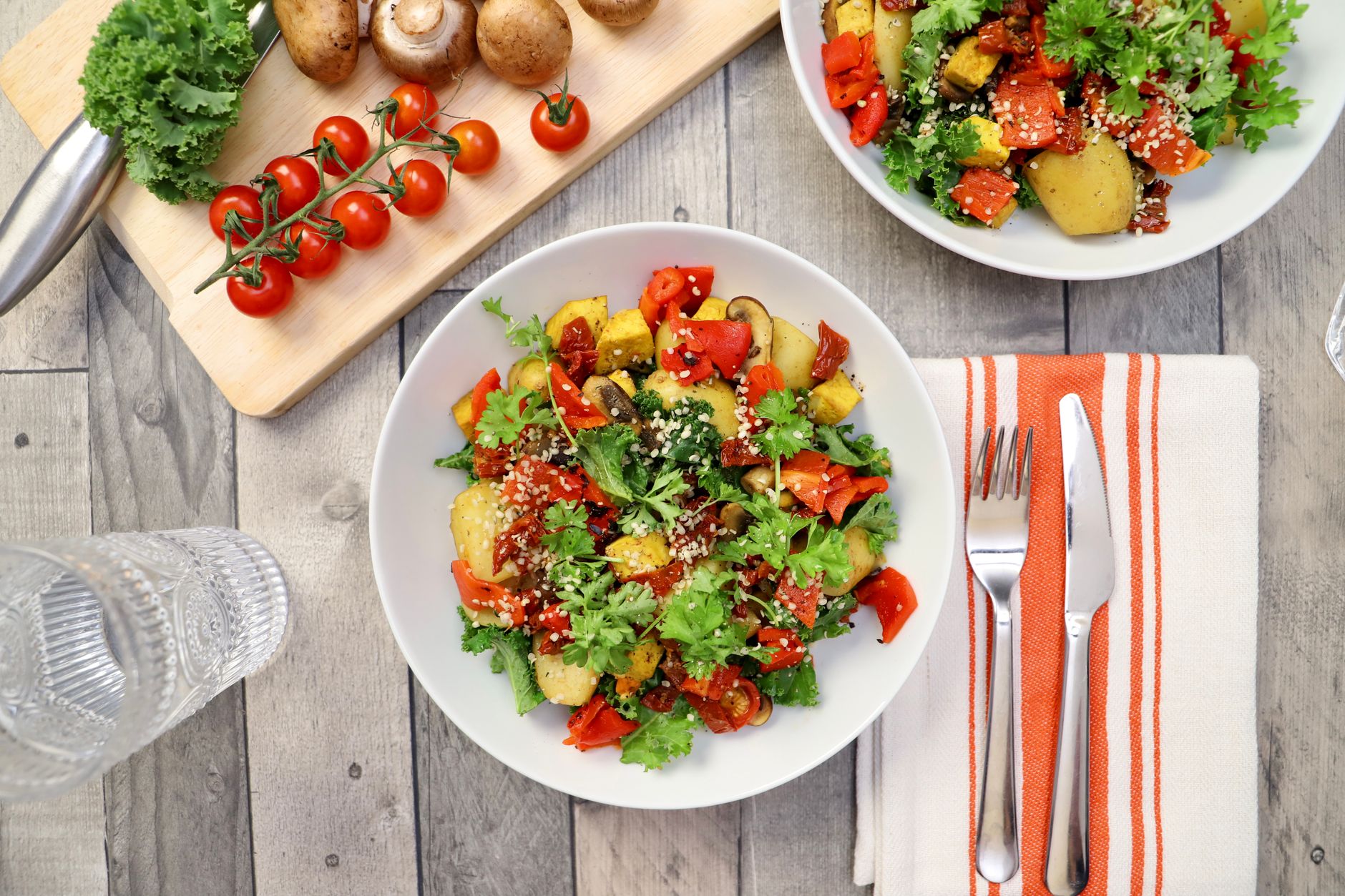
Sample vegetarian lunch: quinoa salad with roasted veggies, ¼ cup feta, and a drizzle of olive oil—about 40 g carbs, 15 g protein, and 9 g fat.
Watch for hidden sugars in processed meat substitutes; choose varieties labeled “no added sugar” and keep portion sizes modest (¼‑½ cup per serving).
Adding a handful of nuts or a spoonful of hemp seeds to salads can boost protein without raising carbs dramatically.
What are the appropriate portion sizes and calorie count for a gestational diabetes diet meal plan?
Portion control is essential because it directly influences carbohydrate load. Use the “plate method” as a visual guide:
Half the plate: non‑starchy vegetables (broccoli, leafy greens)
One‑quarter: lean protein (chicken, fish, tofu)
One‑quarter: whole grains or starchy veg (brown rice, sweet potato)
For precise carbohydrate tracking, consider the following typical portion sizes:
Food
Portion
Carbs (g)
Calories
Whole‑grain bread
1 slice (≈30 g)
15
80
Cooked quinoa
½ cup
20
110
Apple (medium)
1 whole
25
95
Greek yogurt (plain)
¾ cup
8
100
Sweet potato (baked)
½ cup
20
90
Daily calorie needs vary: 1500‑1800 kcal for women with a normal BMI, 1800‑2100 kcal for those needing modest weight gain, and up to 2200‑2500 kcal for twin pregnancies. Adjust portions accordingly while keeping carbs within the 120‑150 g range.
Using a kitchen scale for the first few weeks can help you internalize these portion sizes before you rely on visual cues.
What snack options keep blood sugar stable on a gestational diabetes diet meal plan?
Snacks should be balanced—about 15‑20 g carbs, 5‑10 g protein, and a touch of healthy fat. Here are ten ideas you can rotate:
Apple slices with 1 Tbsp almond butter (≈15 g carbs)
Low‑fat string cheese + a few whole‑grain crackers (≈12 g carbs)
Hard‑boiled egg + a handful of baby carrots (≈10 g carbs)
Greek yogurt + a sprinkle of cinnamon (≈12 g carbs)
Hummus (¼ cup) with cucumber sticks (≈10 g carbs)
Small banana + 1 Tbsp peanut butter (≈20 g carbs)
Roasted chickpeas (½ cup) seasoned with paprika (≈15 g carbs)
Whole‑grain rice cake topped with avocado (≈15 g carbs)
Mini whole‑grain pita with low‑fat feta (≈18 g carbs)
Fresh berries with a dollop of ricotta (≈12 g carbs)
Pair any snack with a glass of water or unsweetened tea. If you notice a glucose rise within two hours, consider reducing the carb portion or adding a bit more protein.
Keeping a small stash of pre‑portioned snacks in the fridge can prevent impulse choices when cravings hit.
Can you give me a sample menu for 7 days on a gestational diabetes diet meal plan?
Below is a balanced week‑long menu. Each day totals roughly 1800 kcal and 130‑150 g carbs. Feel free to swap similar items (e.g., swap quinoa for brown rice) to suit taste or cultural preferences.
Day
Breakfast
Lunch
Dinner
Snack
Monday
Greek yogurt parfait with berries & granola
Grilled chicken salad with mixed greens, chickpeas, vinaigrette
Baked salmon, quinoa, steamed broccoli
Apple slices + almond butter
Tuesday
Veggie omelet + whole‑grain toast
Lentil soup + side mixed‑green salad
Stir‑fried tofu, brown rice, bell peppers
String cheese + whole‑grain crackers
Wednesday
Overnight oats with strawberries
Turkey wrap (whole‑grain tortilla) + avocado
Lean beef chili with black beans, side corn
Greek yogurt + cinnamon
Thursday
Protein smoothie (almond milk, banana, whey)
Quinoa & roasted veggie bowl with feta
Grilled shrimp, sweet potato mash, green beans
Hummus + cucumber sticks
Friday
Avocado‑toast with cottage cheese
Chicken & barley soup, side salad
Baked cod, wild rice, roasted carrots
Small banana + peanut butter
Saturday
Scrambled eggs + sautéed spinach + whole‑grain English muffin
Vegetarian chili (kidney beans, tomatoes) + side quinoa
Turkey meatballs, spaghetti squash, marinara
Roasted chickpeas
Sunday
Whole‑grain pancakes topped with fresh blueberries (use almond flour for lower carbs)
Grilled chicken Caesar salad (light dressing)
Stuffed bell peppers (ground turkey, brown rice)
Fresh berries + ricotta
Measure your glucose after each main meal for the first two weeks. If numbers stay within target (<140 mg/dL fasting, <180 mg/dL 1‑hour post‑meal per ACOG), the plan is working. Adjust portion sizes or snack timing as needed.
Keep a simple notebook or phone note of the meals that keep your glucose stable; this personal record becomes your go‑to guide later in pregnancy.
Which foods should I avoid on a gestational diabetes diet meal plan?
Focus on low‑glycemic choices and steer clear of foods that cause rapid spikes. Avoid or limit:
Fruit juices and dried fruit without added fiber (they concentrate carbs)
Alcohol (not recommended during pregnancy)
Read labels for “added sugars” and “high fructose corn syrup.” Even “low‑fat” or “diet” packaged foods can hide sweeteners that raise blood glucose.
Choosing whole‑fruit over juice also adds fiber, which helps slow sugar absorption.
How many carbs should I eat per day with gestational diabetes?
The ADA and ACOG recommend 180‑250 g of carbohydrates per day for most pregnant women with gestational diabetes, split across three meals and two‑three snacks. This translates to roughly 30‑45 g per meal and 15‑20 g per snack. Women with a higher pre‑pregnancy BMI may aim toward the lower end of the range to prevent excessive weight gain.
Carbohydrate counting is easier when you use a food diary app or a simple handwritten log. Keep the total under 250 g, and monitor glucose 1‑hour after each eating occasion to see how your body reacts.
Some clinicians suggest a modest “carb‑swap” technique—replacing ½ cup of rice with an equal volume of cauliflower rice to lower net carbs without sacrificing volume.
What is the recommended diet plan for weight gain when I have gestational diabetes?
Even with gestational diabetes, a modest weight gain is healthy—usually 0.5‑1 lb per week after the first trimester. To achieve this, increase calories by 300‑500 kcal per day while keeping carbs within the recommended range.
Strategies include:
Adding a nutrient‑dense smoothie (protein powder, nut butter, avocado) between meals.
Choosing whole‑grain breads or pasta with added legumes for extra protein.
Incorporating healthy fats—olive oil drizzles, a handful of nuts, or avocado slices.
Ensuring each snack contains both carbs and protein (e.g., cheese & whole‑grain crackers).
Regular prenatal visits will track your weight gain trajectory alongside glucose control, allowing your provider to adjust calorie targets if needed.
If you’re struggling to meet calorie goals, consider adding a tablespoon of olive oil to soups or salads; it adds calories without a carb spike.
Which fruits are best for a gestational diabetes diet?
Low‑glycemic fruits provide vitamins, fiber, and antioxidants without overwhelming your glucose levels. Top choices include:
Berries (strawberries, blueberries, raspberries) – 5‑10 g carbs per cup
Apples (with skin) – 15‑20 g carbs per medium fruit
Cherries – 12‑15 g carbs per cup
Peaches – 13‑15 g carbs per medium fruit
Oranges – 15 g carbs per medium fruit
Consume whole fruit rather than juice to retain fiber, which slows sugar absorption. Pair fruit with a protein source (e.g., cheese or Greek yogurt) for an even glucose response.
Seasonal fruit can be more affordable; frozen berries are a great alternative that retain nutritional value.
How much will a gestational diabetes diet meal plan cost per week?
Costs vary by region, but a balanced plan can be managed on a moderate budget. Based on USDA food‑price data (2023) and typical grocery lists, the average weekly expense in the United States is:
Item Category
Average Weekly Cost (USD)
Whole grains & legumes
$12‑$18
Lean proteins (chicken, fish, tofu)
$20‑$30
Fresh produce (veg & low‑GI fruit)
$25‑$35
Dairy/alternatives
$8‑$12
Healthy fats & snacks
$10‑$15
Overall, you can expect to spend **$75‑$110 per week**. Buying in bulk, choosing frozen vegetables, and selecting seasonal produce can reduce costs further.
Planning meals around sales—such as a “protein‑day” when chicken is discounted—can stretch your grocery budget without compromising nutrition.
Can I follow a keto diet with gestational diabetes?
Current medical guidance does **not** recommend a strict ketogenic (very low‑carb) diet during pregnancy. The fetus relies on glucose as its primary energy source, and severe carb restriction can limit growth and increase the risk of ketosis—a state that may cause nausea, fatigue, and, in rare cases, complications for the baby.
Instead, aim for a moderate‑carb approach (30‑45 g per meal) that balances blood‑sugar control with fetal nutrition. If you are interested in a lower‑carb pattern, discuss it with your obstetrician or a registered dietitian who can tailor a safe plan.
Some clinicians allow a modest “low‑carb” day (e.g., 25 g carbs) if glucose stays stable, but this should always be supervised.
How should I modify my gestational diabetes diet plan for twins?
Twin pregnancies typically require higher calories—about 2500‑3000 kcal per day—while still keeping carbs within the 180‑250 g range. Key adjustments:
Increase portion sizes of protein and whole grains (e.g., 1 ½ cups cooked quinoa instead of ½ cup).
Add extra healthy fats: drizzle olive oil, include avocado, or snack on nuts.
Schedule an additional snack (fourth snack) to meet caloric needs without overloading carbs in any single meal.
Monitor glucose more frequently—twins can amplify insulin resistance.
Close coordination with your prenatal care team is essential; they may recommend a personalized carbohydrate target based on your glucose trends.
Staying hydrated is especially important with twins; aim for at least 10 cups of water daily to support increased blood volume.
What is the best gestational diabetes diet plan and exercise schedule?
Nutrition and activity work together to improve insulin sensitivity. A balanced weekly routine looks like:
Monday, Wednesday, Friday: 30‑45 minutes of moderate‑intensity aerobic activity (brisk walking, stationary cycling, swimming). Aim for a target heart rate of 50‑70 % of your maximum.
Tuesday, Thursday: Light strength training (bodyweight squats, seated rows, resistance bands) for 20 minutes.
Saturday: Gentle prenatal yoga or stretching for flexibility and stress reduction.
Sunday: Rest or a leisurely stroll.
Combine this schedule with the meal plan outlined above. Eat a small carbohydrate‑protein snack (e.g., half a banana with a tablespoon of peanut butter) 30‑60 minutes before workouts to avoid hypoglycemia.
If you’re new to exercise, start with 10‑minute walks and gradually increase duration; consistency matters more than intensity.
What should my gestational diabetes diet plan look like postpartum?
After delivery, blood‑sugar levels often normalize, but many women retain a heightened risk for type 2 diabetes. Continuing a balanced diet helps protect long‑term health. Aim for the same principles—whole grains, lean protein, plenty of vegetables, and controlled portions—while adjusting total calories to match your new energy needs (usually 1800‑2000 kcal for non‑breastfeeding moms, up to 2500 kcal for those nursing).
Maintain regular glucose screening (fasting glucose or HbA1c) at 6‑12 weeks postpartum, as recommended by the ADA. If you wish to keep the gestational diabetes plan, gradually re‑introduce moderate carbs (45‑60 g per meal) and monitor how your body responds.
Breastfeeding can improve glucose metabolism, so staying hydrated and eating enough calories to support milk production is key.
Post‑delivery meals can stay nutritious and satisfying.
How to read nutrition labels for gestational diabetes
Understanding food labels helps you stay within carb goals. Look first at the “Total Carbohydrate” line; this includes sugars, fiber, and starches. Subtract dietary fiber (if >5 g) to get net carbs, which more accurately reflect glucose impact.
Also check the “Added Sugars” amount—keep it under 5 g per serving whenever possible. Serving size is crucial; a package may list 30 g carbs per 2‑cup serving, but you might only eat half that amount.
Meal‑prepping tips for busy weeks
Batch cooking saves time and reduces the temptation to order takeout. Cook a large pot of quinoa, roast a tray of mixed vegetables, and grill several chicken breasts on Sunday. Portion them into individual containers with a measured scoop of carbs (½ cup quinoa, ½ cup veggies) and a protein serving.
Label each container with the date and carb count; this visual cue makes it easy to assemble a balanced meal in minutes, even on hectic days.
From our medical team: “Gestational diabetes is managed best with a steady‑carb approach, regular physical activity, and close monitoring of blood glucose. The meals we’ve outlined provide flexibility for different cultural tastes and budgets while staying within the safe carbohydrate range. If you ever feel unsure about a food choice or notice persistent high readings, reach out to your obstetrician or a registered dietitian—personalized guidance is key.”
Myth vs. fact
Myth: “All carbs are bad for gestational diabetes.”
Fact: Carbohydrates are essential for fetal growth. The goal is to choose complex, high‑fiber carbs and spread them evenly throughout the day.
Myth: “You can’t eat any fruit if you have gestational diabetes.”
Fact: Fresh, whole fruit—especially low‑GI varieties like berries and apples—can be part of a balanced plan when paired with protein or healthy fat.
Myth: “A keto diet will cure gestational diabetes.”
Fact: Very low‑carb diets are not recommended during pregnancy because they may limit glucose availability for the baby and increase the risk of ketosis.
Key takeaways
Target 30‑45 g carbs per meal and 15‑20 g per snack; total 180‑250 g carbs per day.
Use the plate method—half vegetables, quarter protein, quarter whole grains—to control portions.
Build a weekly grocery list around whole grains, lean proteins, low‑GI fruits, and healthy fats.
Include low‑glycemic snacks that pair carbs with protein or fat to steady blood sugar.
Adjust calories and portions for weight‑gain goals, twin pregnancies, or vegetarian preferences.
Stay active with moderate aerobic exercise most days; pair pre‑workout snacks with carbs.
Postpartum, continue a balanced diet and schedule glucose screening to monitor long‑term risk.
Frequently asked questions
What foods are safe to eat with gestational diabetes?
Safe foods include whole‑grain breads, brown rice, quinoa, legumes, non‑starchy vegetables, low‑fat dairy, lean meats, nuts, seeds, and low‑glycemic fruits such as berries and apples. Choose items that are high in fiber and pair carbs with protein or healthy fat.
These choices help maintain steady glucose while providing essential nutrients for the baby.
How many meals a day should I have with gestational diabetes?
Most experts recommend three main meals and two to three balanced snacks each day, spreading carbohydrate intake evenly to avoid large glucose spikes.
This pattern supports stable blood sugar and keeps hunger at bay.
Not sure about the label on Gestational Diabetes Diet Meal Plan products?
Snap the ingredients list and SafeFilter checks every ingredient for your stage — only 3 free scans this month, then you're locked until reset. Unlimited from $7/mo or $50/yr.
When Shubhra Mishra was expecting her first child in 2016, she was overwhelmed by conflicting food advice — one site said yes, another said never. By the time her second baby arrived in 2019, she realized millions of mothers face the same confusion.
That sparked a five-year journey through clinical nutrition papers, cultural diets, and expert conversations — all leading to BumpBites: a calm, compassionate space where science meets everyday motherhood.
Her long-term vision is to build a global community ensuring safe, supported, and free deliveriesfor every mother — because no woman should face pregnancy alone or uninformed. 🌿
🌍 Stand with mothers, shape safer guidance
Join a small circle of experts who review BumpBites articles so expecting parents everywhere can decide with confidence.