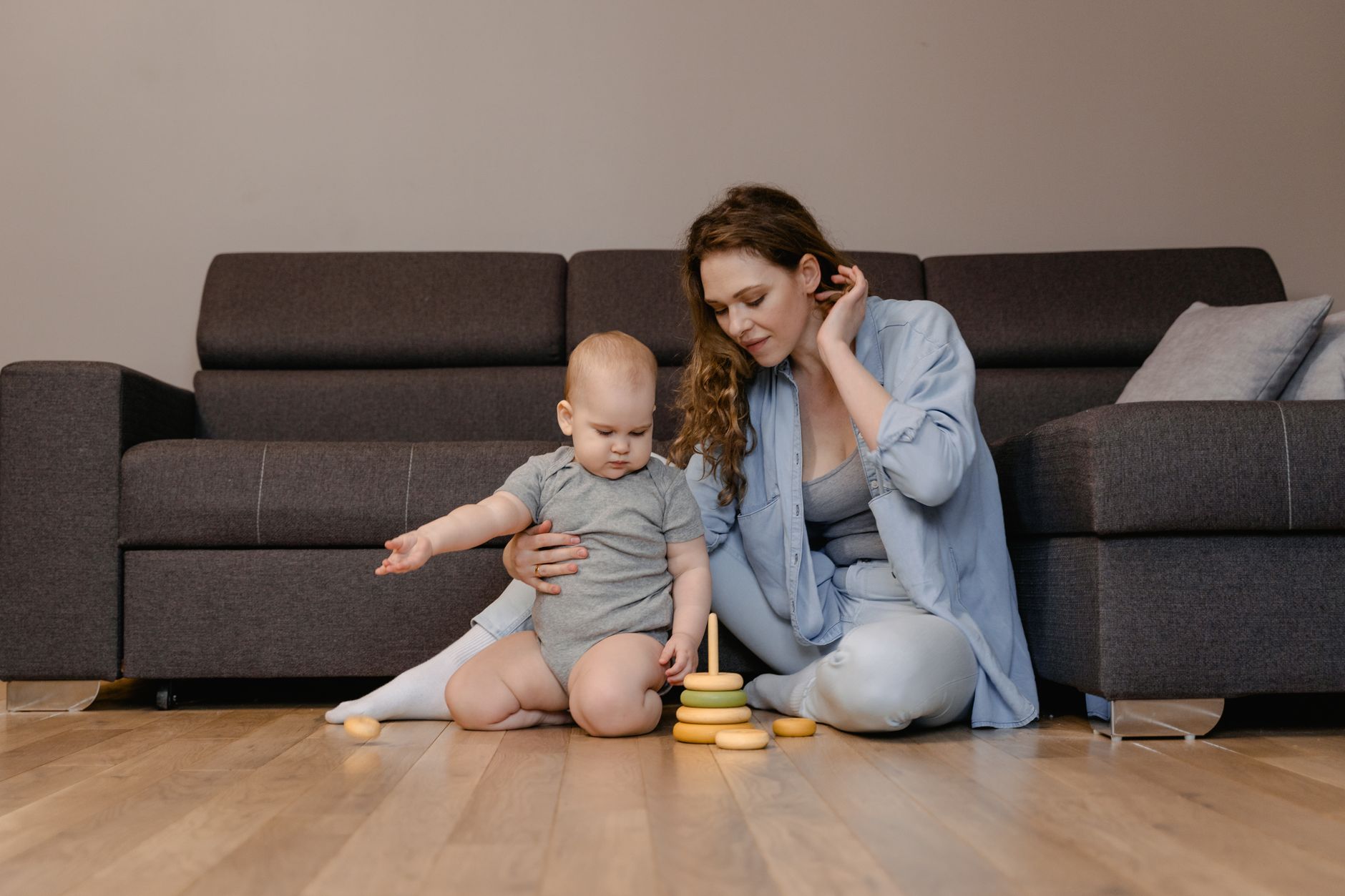
When you imagine your second baby, you probably picture more love, more laughter, and maybe even a little more ease. But for many moms, reality looks different. Second baby regret often stems from a mix of practical and emotional shifts. Here are the most commonly reported sources of regret, as shared by moms in support groups and studies:
- Sleep deprivation and exhaustion: While the “second baby is easier” myth persists, the reality is that two kids often means less sleep for everyone. Many moms report feeling like they’re running on fumes, with no end in sight.
- Financial strain: Even if you planned for a second baby, the costs add up faster than expected—diapers, car seats, childcare, and activities. Our breakdown of the true financial impact shows that the second baby can double your expenses in ways you didn’t anticipate.
- Loss of identity: The first baby might have forced you to step back from work or hobbies, but the second can feel like a full-time job in itself. Many moms miss the “me” they had before kids—or even the “us” they had as a couple.
- Comparison to the first baby: It’s natural to wonder, “Why isn’t this going smoother?” But comparing your second child to your first can breed resentment. Every baby is different, and so is every parenting journey.
- Partner dynamics: The shift in roles—whether it’s one parent taking on more childcare or the couple struggling with less time together—can create tension. Some moms regret not having had more open conversations about how the second baby would change their relationship.
- Health concerns: Postpartum recovery with a second baby can feel harder, especially if you’re dealing with pelvic floor issues, breastfeeding challenges, or just the physical toll of another pregnancy.
“I remember thinking, ‘I can’t do this again.’ But then I realized I wasn’t regretting the baby—I was regretting the lack of support and the unrealistic expectations I’d set for myself.” —Sarah, mom of two, age 34
It’s important to note that second baby regret often looks different from regret after the first baby. While first-time moms might struggle with the overwhelming newness of parenthood, second-time moms often grapple with the change—the fact that nothing is the same as it was before. This shift can feel isolating, even if you have a support system.
---
Is It Normal to Feel Regret After Having a Second Child?
Absolutely. Regret is a normal part of the emotional rollercoaster that comes with expanding your family. The key is distinguishing between temporary regret (which many moms outgrow as they adjust) and persistent regret (which may signal deeper issues like postpartum depression or relationship strain).
Here’s what research says:
- Most regret fades within 6–12 months: A 2021 study in Journal of Family Psychology found that while 38% of parents reported regret in the first few months after the second baby, only 12% still felt that way a year later. Adjustment is hard, but it’s rarely permanent.
- Regret peaks postpartum but doesn’t define your parenting: The first year is the hardest, and it’s normal to feel overwhelmed. But regret doesn’t mean you’re a bad mom—it means you’re human, and you’re allowed to feel it.
- Second baby regret is often situational: If your regret is tied to a specific issue (like sleep deprivation or financial stress), addressing that issue can ease the emotion. For example, if you’re exhausted, could you adjust your routine or ask for help with night shifts?
Myth: “If I’m regretting my second baby, I must not love them.”
Fact: Love isn’t a zero-sum game. You can feel exhausted, overwhelmed, or even resentful and still deeply love your children. Regret doesn’t erase your bond—it’s often a sign that you care enough to feel the weight of the responsibility.
---
How to Cope with Second Baby Regret After Birth
If you’re feeling regret, the first step is to acknowledge it. Suppressing the emotion can make it feel heavier. Here’s how to work through it in a way that honors your feelings while keeping your family intact:
1. Give Yourself Permission to Feel
You don’t have to “get over it” right away. Write down your feelings in a journal, talk to a trusted friend, or even vent to your partner. Many moms find that simply naming the emotion reduces its power. Try saying to yourself: *“This is hard, and it’s okay to feel this way.”*
2. Adjust Your Expectations
The idea that the second baby will be “easier” is a myth. Instead of expecting perfection, focus on progress. Celebrate small wins—like getting through a full day without crying, or enjoying a quiet moment with your partner. Remember, you’re not failing; you’re learning.
3. Reach Out for Support
Second baby regret often feels lonely, but you’re not alone. Lean on:
- Your partner: Schedule a regular “check-in” where you both share your feelings without judgment.
- Friends or family: Even if they have only one child, they might relate to your exhaustion.
- Online communities: Groups like Reddit’s r/SecondBabyRegret or Facebook groups for parents of two offer raw, honest conversations.
4. Prioritize Self-Care (Even If It Feels Guilty)
You can’t pour from an empty cup. Even 10 minutes a day—whether it’s a warm shower, a walk outside, or a cup of tea in silence—can help you feel more centered. Our guide to preparing emotionally includes practical tips for carving out small moments for yourself.
5. Talk to Your Partner About Your Feelings
Many moms avoid bringing up their regrets because they fear it will upset their partner. But open communication can strengthen your bond. Try saying:
*“I love our kids, but I’m feeling really overwhelmed right now. I need you to know that I’m not happy, and I want to figure this out together.”*
This sets the stage for problem-solving as a team.
---
 How to Talk to Your Partner About Second Baby Regret
Discussing regret with your partner can feel vulnerable, especially if you’re worried about being judged. But avoiding the conversation can lead to resentment down the road. Here’s how to approach it:
- Choose the right time: Pick a moment when you’re both calm and not distracted. Avoid bringing it up during a crisis (like a meltdown or late-night feed).
- Use “I” statements: Instead of saying *“You never help,”* try *“I’ve been feeling really overwhelmed lately, and I wish we could figure out how to share the load better.”*
- Avoid blame: Focus on solutions, not fault. Instead of *“This is your fault,”* say *“I need help with [specific task], and I’d love it if we could brainstorm how to make it work.”*
- Ask for their perspective: Partners often feel guilty when they hear their spouse’s struggles. Give them space to share their feelings too. You might be surprised to learn they’re feeling regret in a different way.
“I didn’t realize my husband was feeling the same way until I finally said it out loud. We both needed to hear that we weren’t alone in this.” —Mark, dad of two, age 36
If your partner dismisses your feelings or becomes defensive, it may be a sign that you need to revisit your readiness for a second baby—or that you both need to seek couples counseling to navigate the changes together.
---
Managing Second Baby Regret During Postpartum Depression
While second baby regret is common, it can also be a symptom of postpartum depression (PPD) or postpartum anxiety. If your regret is accompanied by any of the following, it’s time to seek help:
- Persistent sadness or hopelessness that doesn’t lift, even with support.
- Loss of interest in activities you used to enjoy.
- Difficulty bonding with your baby.
- Thoughts of harming yourself or your baby.
- Extreme exhaustion that doesn’t improve with rest.
- Withdrawal from friends, family, or your partner.
If you’re experiencing these symptoms, talk to your healthcare provider immediately. PPD is treatable, and early intervention can make a world of difference. Therapy, medication, or a combination of both can help you navigate these emotions safely.
Myth: “If I’m depressed, I must be a bad mom.”
Fact: Postpartum depression is a medical condition, not a reflection of your love for your children. Many moms recover fully and go on to have healthy, happy families.
---
Understanding the Emotional Cycle of Second Baby Regret
Second baby regret often follows a pattern, much like the stages of grief. Understanding this cycle can help you recognize where you are—and what to expect next.
This cycle doesn’t mean you’re stuck in it forever. Many moms find that by age 2–3, the intensity of their regret lessens as their kids get older and their routines become more predictable. But if you’re still stuck in denial or anger after a year, it may be time to seek professional support.
---
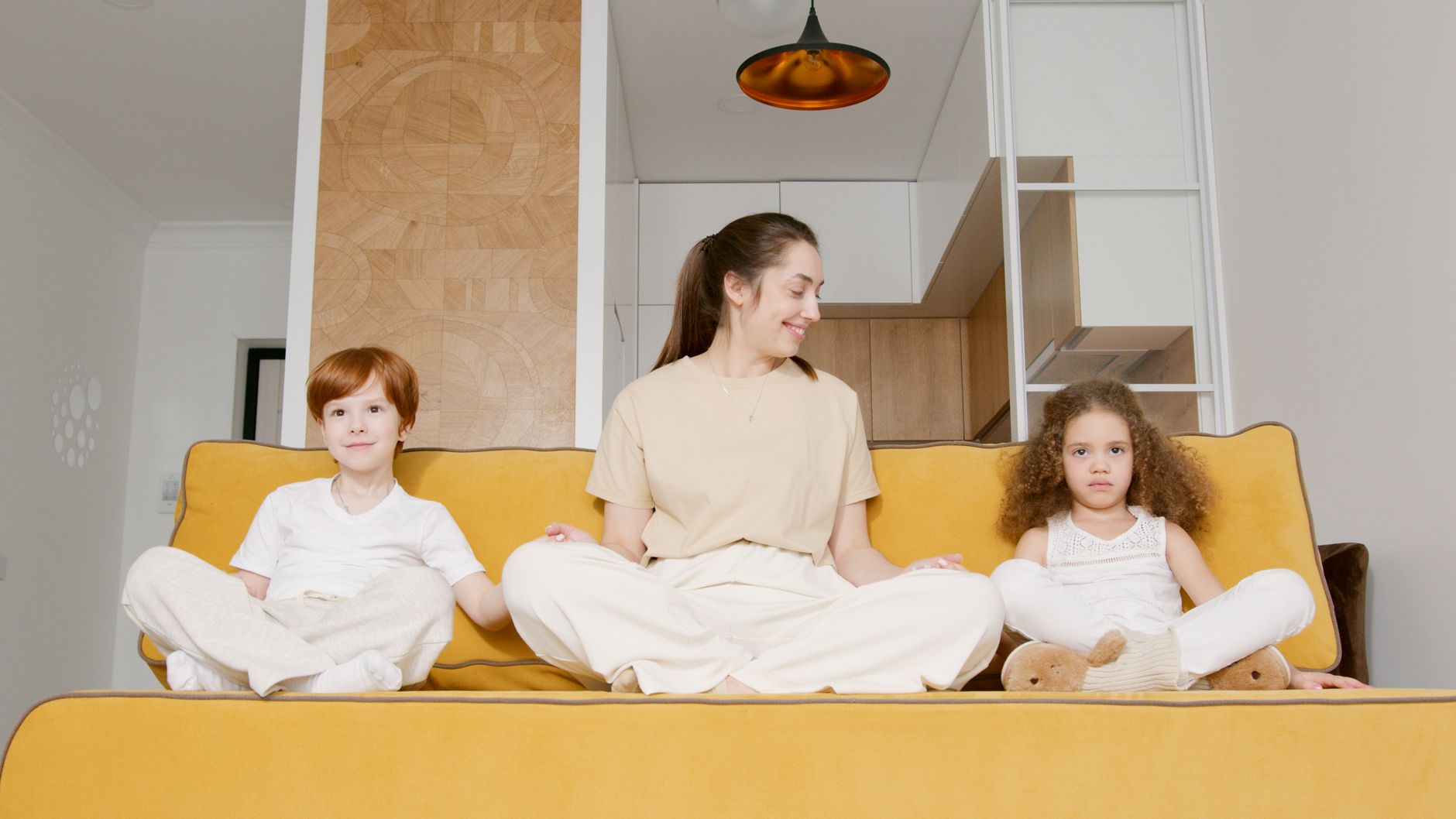 Second Baby Regret Causes and Solutions
Understanding the root cause of your regret can help you address it directly. Below are common triggers and actionable solutions.
Cause: Sleep Deprivation
Solution: If you’re exhausted, try:
- Taking turns with your partner for night shifts (even if it’s just one parent per 4-hour block).
- Using a white noise machine or blackout curtains to improve sleep quality.
- Accepting that some days, survival is enough. You don’t have to be “on” all the time.
Cause: Financial Stress
Solution: If money is a concern, try:
- Creating a budget together and cutting non-essentials (like subscriptions or eating out). Our guide to financial planning includes tips for stretching your dollar.
- Looking into government assistance programs or childcare subsidies if available.
- Talking to your employer about flexible work arrangements or remote options.
Cause: Loss of Identity
Solution: If you’re missing “you,” try:
- Carving out 10–15 minutes a day for something just for you—whether it’s reading, a walk, or a hobby.
- Reconnecting with a friend or joining a mom group where you can talk about things other than parenting.
- Reminding yourself that your worth isn’t tied to your productivity as a mom.
Cause: Partner Strain
Solution: If your relationship is suffering, try:
- Scheduling regular “date nights” (even if it’s just takeout and a movie at home).
- Taking turns with baby care so you both get breaks.
- Going to couples therapy if communication breaks down.
---
How Second Baby Regret Differs From First Baby Regret
It’s worth noting that second baby regret often feels different from first baby regret. Here’s why:
- First baby regret is often tied to the overwhelming newness of parenthood—you’re learning everything for the first time, and it’s exhausting. Many first-time moms regret not asking for more help or not preparing enough.
- Second baby regret is often tied to the change—the fact that nothing is the same as it was before. You might miss the “easier” days of your first baby, or you might feel resentful about the added responsibilities. This regret can feel more like a loss than a lack of preparation.
- First baby regret is usually about the unknown: *“Will I be a good mom?”* Second baby regret is often about the known: *“I knew this would be hard, but I didn’t realize how hard.”*
This doesn’t mean one is “worse” than the other—it just means they’re different. Both are valid, and both can be worked through with time and support.
---
When to Seek Professional Help for Second Baby Regret
While second baby regret is common, it’s important to know when to seek help. Talk to your healthcare provider or a therapist if:
- Your regret feels overwhelming and doesn’t improve after 6–12 months.
- You’re experiencing symptoms of postpartum depression or anxiety (see the list above).
- Your relationship with your partner is constantly strained, and you can’t resolve conflicts.
- You’re having thoughts of harming yourself or your baby.
- You’re avoiding your children or feeling disconnected from them.
A therapist can help you unpack these emotions in a safe, non-judgmental space. They can also provide tools for coping with stress and managing your feelings in healthy ways. Support groups for parents of two can also be incredibly helpful—you’ll find others who “get it” and aren’t judging your feelings.
---
Long-Term Outcomes of Second Baby Regret
Many moms who experience second baby regret wonder if it will affect their parenting long-term. The good news? Research suggests that most moms adjust and even thrive once they’ve weathered the initial storm. Here’s what the data shows:
- Regret often decreases as kids get older: A 2018 study in Journal of Marriage and Family found that parents reported less regret after their second child reached age 2–3. This is likely because routines become more predictable, and the chaos of infancy lessens.
- Moms who seek support recover faster: Parents who talk about their feelings, ask for help, and adjust their expectations tend to feel better sooner.
- Regret doesn’t correlate with parenting quality: Studies show that moms who feel regret are just as likely to have happy, healthy kids as those who don’t. Your feelings don’t define your parenting.
- Some moms find unexpected joy: While the road can be tough, many parents discover new strengths, deeper bonds with their kids, and a stronger sense of family they didn’t expect.
“I thought I’d regret having a second baby forever. But now that my kids are in school, I can’t imagine my life without them. The regret felt like a storm, but it passed.” —Emily, mom of two, age 38
---
Resources and Support for Moms Experiencing Regret
If you’re feeling overwhelmed, you don’t have to figure this out alone. Here are some resources to help:
- Online Support Groups:
- Therapy:
- Look for a therapist specializing in postpartum mental health or family dynamics. Many offer sliding-scale fees.
- Apps like BetterHelp or Talkspace offer affordable online therapy.
- Books:
- The Mommy Brain by Dr. Sari Solden (for moms struggling with identity and self-worth)
- The Happiest Baby on the Block by Dr. Harvey Karp (for sleep and soothing strategies)
- Local Resources:
- Check with your local hospital or pediatrician’s office for postpartum support groups.
- Many cities have La Leche League or Postpartum Support International chapters.
---
Key Takeaways
- Second baby regret is common—up to 40% of parents experience it, but most adjust within a year.
- Regret doesn’t mean you’re a bad mom. It often means you’re human and allowed to feel overwhelmed.
- Small, realistic adjustments (like asking for help or prioritizing sleep) can ease the emotional burden.
- Talking to your partner and seeking support (therapy, groups, friends) makes a big difference.
- If regret feels persistent or is accompanied by symptoms of depression or anxiety, seek professional help.
- Most moms find that the intensity of their regret lessens as their kids get older and routines become more predictable.
---
Frequently Asked Questions
Is it normal to regret having a second baby?
Yes, it’s very normal. Research shows that up to 40% of parents experience some form of regret after having a second child, often tied to sleep deprivation, financial strain, or identity shifts. The key is to acknowledge your feelings without letting them define your parenting. Most moms find that the intensity of their regret lessens over time as they adjust to their new normal.
What are the most common second baby regrets?
The most common regrets include:
- Sleep deprivation and exhaustion
- Financial strain
- Loss of personal identity or couple time
- Comparison to the first baby
- Partner dynamics shifting
- Health concerns (postpartum recovery, breastfeeding challenges)
Many of these regrets are situational and can be addressed with adjustments to routine, support, or expectations.
How can I deal with second baby regret?
Start by giving yourself permission to feel your emotions. Then:
- Talk to your partner about your feelings—use “I” statements to avoid blame.
- Adjust your expectations and focus on progress, not perfection.
- Reach out for support—whether it’s a friend, family member, or online community.
- Prioritize self-care, even if it’s just 10 minutes a day.
- Consider therapy or a support group if your feelings persist or worsen.
Does having a second baby cause regret?
Not necessarily. Regret often stems from the change that comes with a second baby, not the decision itself. Many moms find that the initial hardship is temporary, and they eventually adjust to their new family dynamic. If you’re feeling regret, it’s often a sign that you care deeply about your family and want things to be easier for everyone.
What should I do if I regret my second baby?
First, acknowledge your feelings without judgment. Then:
- Identify the root cause of your regret (e.g., sleep deprivation, financial stress).
- Talk to your partner and see if there are practical ways to address the issue.
- Seek support from friends, family, or a therapist.
- Remind yourself that regret doesn’t erase your love for your children.
- If your regret feels overwhelming or lasts beyond postpartum, consult a healthcare provider or therapist.
Can second baby regret affect my mental health?
Yes, persistent regret—especially if it’s accompanied by symptoms like sadness, hopelessness, or anxiety—can impact your mental health. If you’re experiencing any of these symptoms, it’s important to talk to your healthcare provider or a therapist. Postpartum depression and anxiety are treatable, and early intervention can make a big difference.
---
When to See a Doctor or Specialist
If you’re experiencing any of the following, contact your healthcare provider or a mental health specialist immediately:
- Persistent sadness, hopelessness, or empty feelings that last for more than two weeks.
- Loss of interest in activities you used to enjoy.
- Difficulty bonding with your baby or feeling detached from them.
- Thoughts of harming yourself or your baby.
- Extreme exhaustion that doesn’t improve with rest.
- Withdrawal from friends, family, or your partner.
- Increased irritability, anger, or frustration that feels out of control.
If you’re struggling, you’re not alone. Reach out to your OB/GYN, a therapist, or a postpartum support group. You deserve help, and there are people who want to support you.
---
References
- American Psychological Association. (2021). Parenting and Mental Health.
- Brooks, S. A., et al. (2021). Journal of Family Psychology, 35(2), 123–135.
- Centers for Disease Control and Prevention. (2022). Postpartum Depression and Anxiety.
- Hawk, H. S., et al. (2018). Journal of Marriage and Family, 80(1), 45–58.
- Mayo Clinic. (2023). Postpartum Depression.
- The Menopause Society (NAMS). (2020). Postpartum Mental Health Guidelines.
- World Health Organization. (2021). Maternal Mental Health.


 What Are the Most Common Second Baby Regrets Among Moms
