Quick take: Close‑in‑age siblings can share playtime, empathy, and lifelong friendship, but they also bring tighter schedules, rivalry, and higher short‑term costs. Weigh the pros and cons, plan your spacing deliberately, and use proven parenting strategies to turn the challenges into strengths.
Imagine you’re in the grocery aisle, juggling a diaper bag, a stroller, and a toddler who’s suddenly demanding a snack. You glance at the next‑door stroller and see a baby that’s almost the same age as your first child. The moment feels both chaotic and oddly comforting—your kids might be “mini‑versions” of each other, and you wonder whether having them so close together is a blessing or a burden.
Many modern moms grapple with this exact dilemma. Whether you’re trying to decide on the timing of your next pregnancy or reflecting on the dynamics of your two‑year‑old and newborn, the question “close in age siblings pros cons” surfaces again and again. Below, we break down the research‑backed benefits, the real‑world challenges, and practical tips to help you make an informed decision that fits your family’s lifestyle.
In this guide you’ll find answers to the most common questions—like what age gap counts as “close,” how sibling rivalry can be managed, the financial ripple effects, and what long‑term emotional outcomes look like. Let’s dive in.
Benefits of having close in age siblings
When children are born within a few years of each other, they often develop a natural camaraderie that can shape their childhood in positive ways. The American Academy of Pediatrics (AAP) notes that siblings close in age are more likely to share activities, language, and peer groups, which can foster early social skills.
Shared interests and play—Kids who are close in age tend to enjoy the same toys, games, and media. This overlap means they can play together without needing constant adult mediation, giving parents a brief respite. For example, a mother of two shared that her seven‑year‑old and five‑year‑old built a LEGO city together every evening, turning what could have been separate playtimes into a collaborative project.
Mutual support—Research from the National Institute of Child Health and Human Development (NICHD) shows that siblings who are close in age often become emotional anchors for each other during stressful moments, such as a school transition or a family move. The older child can model coping strategies, while the younger child offers a sense of belonging.
Accelerated language development—When a younger child is exposed to the speech of an older sibling, they often pick up vocabulary faster. A 2020 NICHD study found that children with a sibling less than three years older had, on average, a 5‑point higher expressive language score by age three.
Overall, the closeness can create a built‑in playmate that reduces loneliness, encourages empathy, and lays a solid foundation for lifelong friendship.
Challenges of raising close in age siblings
While the benefits are compelling, the challenges are equally real. Parents often report heightened fatigue, competition for resources, and increased parental stress when children are close in age.
Resource strain—From diapers to preschool tuition, the financial and logistical demands can double within a short period. The U.S. Department of Health and Human Services estimates that the first year of life alone can cost $12,000–$15,000 per child, meaning two infants in rapid succession can strain budgets.
Sibling rivalry—Close proximity can intensify rivalry. A study in the Journal of Family Psychology found that siblings with less than a three‑year age gap reported higher levels of conflict, especially during the younger child’s early childhood years.
Parental burnout—A 2022 survey by the Parenting Research Centre highlighted that 68% of parents with children under two years apart felt “exhausted” at least once a week, compared with 45% of those with wider spacing.
These challenges don’t mean close‑in‑age siblings are a bad idea; rather, they signal the need for proactive planning and support strategies.
How to manage sibling rivalry with close in age children
Rivalry isn’t inevitable, but it does require intentional guidance. Below are evidence‑based tactics to turn competition into cooperation.
Establish clear, consistent routines
Children thrive on predictability. When both kids know when meals, naps, and bedtime occur, they’re less likely to feel threatened by the other's schedule. The AAP recommends a consistent bedtime routine within 30 minutes of each child's natural sleep onset.
Use “team” language
Shift the narrative from “me vs. you” to “we.” Simple phrases like “Let’s build this tower together” reinforce partnership. A mother of three reported that using team language reduced daily arguments by half within three weeks.
Separate one‑on‑one time
Even if the children are close in age, each needs individual attention. Schedule short, regular “special time” with each child to prevent feelings of neglect.
Set fair boundaries
When disputes arise, intervene with a neutral, age‑appropriate solution. For example, use a “time‑out” for both children together, then discuss feelings afterward.
Encourage shared responsibilities
Assign age‑appropriate chores that promote teamwork, such as setting the table together. According to the Child Development Institute, shared tasks improve cooperation and reduce conflict.
Remember, rivalry can also be a developmental milestone—learning to negotiate and resolve disagreements is a valuable skill when guided correctly.
Financial impact of having children close in age
One of the most concrete concerns is cost. Below is a simplified comparison of typical expenses for children spaced closely (0‑2 years apart) versus more widely (3‑5 years apart).
While the short‑term outlay can be higher with close spacing, families sometimes offset costs through shared items (e.g., a single set of strollers, shared clothing). Additionally, parents often experience a “compressed” parenting timeline—fewer years of intensive childcare overall—allowing a return to work sooner, which can boost long‑term earning potential.
When budgeting, consider the “one‑time” spikes (like a second crib) versus the “ongoing” expenses that can be shared. A financial planner with the National Association of Personal Financial Advisors suggests creating a “dual‑child” expense tracker to identify overlapping costs and potential savings.

Emotional development differences for close in age siblings
Emotional outcomes vary, but several patterns emerge from longitudinal studies.
Empathy and perspective‑taking
Children who grow up close together often develop stronger empathy. The NICHD’s 2019 longitudinal cohort found that siblings with a two‑year gap scored 8% higher on empathy scales at age 10 compared to those with a five‑year gap.
Independence and self‑identity
Conversely, some close‑in‑age siblings may struggle with individuality, especially if parents treat them as a “unit.” Encouraging separate interests—like music lessons for one child and sports for the other—helps each child form a distinct identity.
Stress resilience
Exposure to each other’s challenges can build resilience. A 2021 study in Child Development linked close sibling proximity with higher coping scores during adolescent stressors.
Potential for rivalry
Despite these positives, rivalry can affect self‑esteem. Parents should monitor for signs of chronic competition, such as one child consistently feeling “less than” the other, and intervene with supportive counseling if needed.
Overall, the emotional landscape is nuanced—close in age siblings can be each other’s greatest allies or toughest critics, depending on the family environment.
Tips for planning pregnancies close together
If you’re considering bringing a second child into the family within a few years, thoughtful planning can smooth the transition.
Consult your healthcare provider early
Discuss your family planning goals with an OB‑GYN or midwife. The American College of Obstetricians and Gynecologists (ACOG) recommends a minimum inter‑pregnancy interval of 12‑18 months to reduce maternal complications, though many families successfully have children closer than that with appropriate monitoring.
Assess your physical health
Ensure you have a healthy pre‑conception weight, adequate folic acid intake, and stable chronic‑condition management (e.g., thyroid, diabetes). These factors influence both maternal recovery and fetal health.
Financial readiness
Map out a budget that includes potential overlapping expenses (e.g., double childcare). A simple spreadsheet can help visualize cash flow and identify where you can cut costs.
Support network
Identify family members, friends, or professional caregivers who can step in during the early weeks after birth. Having reliable help can prevent burnout.
Plan for flexible work arrangements
Discuss parental leave options with your employer. Some companies offer “parental leave stacking” for multiple births, which can be advantageous for close‑in‑age families.
Finally, remember that every family’s timeline is unique. The “right” spacing is the one that aligns with your health, resources, and emotional readiness.
What age gap is considered close in age for siblings
There isn’t a strict medical definition, but most researchers and parenting experts agree that an age gap of three years or less qualifies as “close in age.” The National Parenting Center categorizes sibling spacing as follows:
- Close in age: 0‑3 years apart
- Moderate gap: 4‑6 years apart
- Wide gap: 7 + years apart
Within the “close” category, many families aim for a two‑year interval because it balances the benefits of shared interests with a slight developmental difference that can reduce direct competition.
Ideal age gap between siblings for bonding
Studies suggest that a 2‑ to 3‑year gap offers the best balance of shared experiences and individuality. A 2022 meta‑analysis published in Pediatrics found that siblings spaced 2‑3 years apart reported the highest levels of mutual support and lowest levels of rivalry.
Pros and cons of having children two years apart
Pros: Overlapping preschool years, easier scheduling for childcare, similar energy levels.
Cons: Potential for simultaneous developmental milestones (e.g., potty training) to strain parental time.
Can close in age siblings be best friends?
Yes—many close‑in‑age siblings describe each other as lifelong best friends. However, friendship isn’t guaranteed; it depends on personality, parental mediation, and opportunities for shared positive experiences.
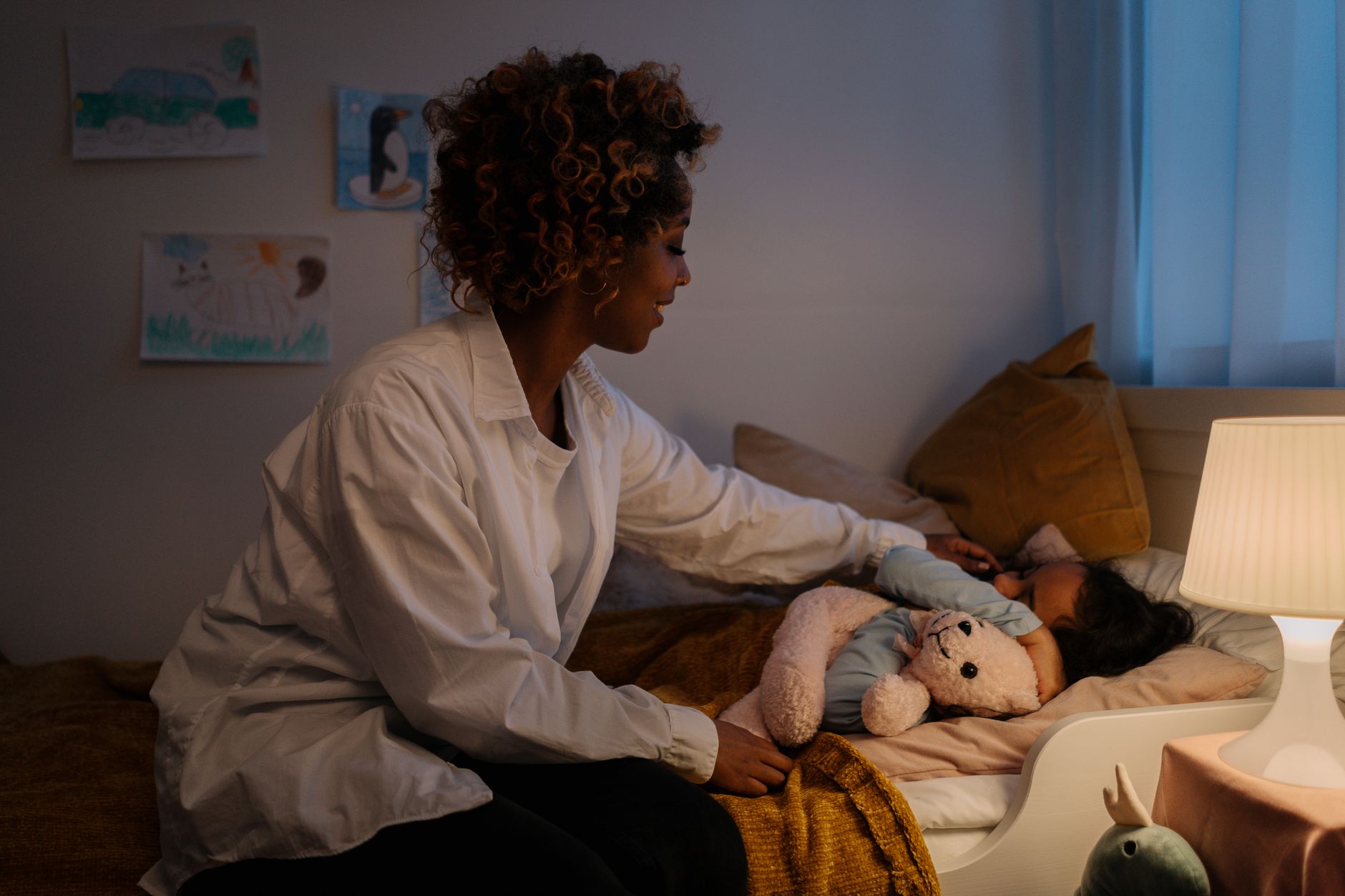
How close in age siblings affect parental sleep schedule
Sleep is often the first casualty when children are born close together. The AAP warns that chronic sleep deprivation can impair parental decision‑making, mood, and overall health.
Typical sleep disruptions
Newborns require 14‑17 hours of sleep per day, while toddlers need 11‑14 hours. When these needs overlap, parents may find themselves juggling night feeds, bedtime routines, and early morning wake‑ups.
Strategies to protect parental sleep
- Staggered bedtime routines: Put the younger child down first, allowing the older child’s bedtime to follow without rush.
- Co‑sleeping considerations: If safe and appropriate, sharing a room can reduce nighttime awakenings for the infant.
- Use of white noise or sleep aids: Consistent background sounds can help both children sleep longer and more soundly.
- Partner shift system: Alternate “night duties” with your spouse or support person to ensure at least one adult gets a full night of rest.
Prioritizing sleep for yourself isn’t selfish—research from the National Sleep Foundation shows that well‑rested parents are more patient, responsive, and better able to manage sibling dynamics.
Myth vs. fact
Myth: Close‑in‑age siblings are always fighting.
Fact: While rivalry can be more frequent, many siblings also develop deep cooperation and mutual support, especially when parents encourage teamwork.
Myth: Having children close together is always cheaper.
Fact: Short‑term costs (diapers, childcare) can be higher, but families may save on long‑term expenses like clothing and staggered college tuition.
Myth: Close age means the children will have identical personalities.
Fact: Even within a narrow age gap, genetics, environment, and individual experiences shape distinct personalities.
Key takeaways
- Close in age siblings (0‑3 years apart) often share interests, empathy, and play, creating built‑in companionship.
- Challenges include increased rivalry, higher short‑term financial strain, and parental sleep disruption.
- Effective strategies—consistent routines, team language, and separate one‑on‑one time—can turn rivalry into cooperation.
- Financial planning should account for overlapping costs but also potential savings from shared resources.
- Planning pregnancies with a healthcare provider, budgeting, and building a support network are essential for success.
- Sleep health for parents is critical; staggered bedtime routines and partner shift systems help protect rest.
Frequently asked questions
Are close in age siblings more likely to fight?
They can have more frequent conflicts because they vie for similar resources at the same developmental stage. However, with clear boundaries, teamwork language, and shared responsibilities, many families report reduced fighting over time.
Do close in age siblings develop stronger bonds?
Research indicates that siblings spaced 2‑3 years apart often report higher levels of mutual support and affection. The shared experiences and similar interests foster a deep bond, though the strength of the relationship also depends on parental guidance.
What is the recommended age gap between children?
There is no universal “right” gap, but experts often suggest a minimum of 12‑18 months for maternal health and a 2‑3 year gap for optimal sibling dynamics. Ultimately, the best spacing aligns with your health, finances, and personal preferences.
How does having close in age siblings affect parental stress?
Parents of closely spaced children frequently report higher stress due to overlapping care needs and sleep disruption. Implementing structured routines, seeking help from partners or caregivers, and prioritizing self‑care can mitigate this stress.
Can close in age siblings help each other with school work?
Yes—siblings close in age often serve as “study buddies,” explaining concepts in familiar language. This peer‑learning can boost academic confidence, especially when parents encourage cooperative homework sessions.
Is it cheaper to have children close together or spaced apart?
Short‑term expenses (diapers, childcare) are higher with close spacing, but families can save on overlapping costs like clothing and staggered college tuition. Long‑term financial impact depends on budgeting, shared resources, and earning potential.
When to see a doctor or specialist
If you notice any of the following red‑flag signs, consult a pediatrician or child psychologist promptly:
- Persistent, intense aggression that lasts more than a few weeks.
- Significant developmental delays in language, motor skills, or social interaction.
- Excessive anxiety or withdrawal that interferes with daily activities.
- Physical health concerns (e.g., frequent illness due to overlapping daycare exposure).
For concerns about sleep deprivation, a pediatric sleep specialist can offer guidance. If rivalry appears to affect mental health, a child psychologist or family therapist is a valuable resource. Always remember that this article is for informational purposes only and does not replace personalized medical advice.
References
- American Academy of Pediatrics. “Sibling Relationships and Child Development.” AAP, 2022.
- American College of Obstetricians and Gynecologists. “Inter‑Pregnancy Interval Recommendations.” ACOG, 2021.
- National Institute of Child Health and Human Development. “Early Language Development in Sibling Contexts.” NICHD, 2020.
- Journal of Family Psychology. “Sibling Rivalry and Age Gap.” 2021.
- U.S. Department of Health and Human Services. “Cost of Raising a Child.” 2022.
- National Sleep Foundation. “Sleep Needs for Parents and Children.” 2023.
- Child Development Institute. “Cooperative Parenting Strategies.” 2022.
- Parenting Research Centre. “Parental Burnout Survey.” 2022.
- Pediatrics. “Sibling Age Gap and Emotional Outcomes.” 2022.
- National Association of Personal Financial Advisors. “Financial Planning for Growing Families.” 2021.



