
Quick take: Baby proofing isn’t a one-time project—it’s a living checklist that grows with your child. From the first flailing newborn kicks to the daredevil climbs of a 3-year-old, each stage brings new risks and new solutions. Bookmark this guide, print the age-by-age checklists, and revisit it every 3 months. We’ll walk you through exactly what to secure, when to secure it, and how to do it without breaking the bank or your sanity.
You’re standing in the middle of your living room at 2 a.m., coffee in hand, watching your 6-month-old army-crawl toward the power strip behind the TV. Your brain flashes: Is that even safe? When did I last check the crib slats? What about the cleaning supplies under the sink? If this scene feels familiar, you’re not alone. Most parents start baby proofing in a panic—usually right after the first near-miss. But here’s the good news: you don’t need to turn your home into a padded cell. You just need a smart, stage-by-stage plan.
This guide is your roadmap. We’ll cover every age from newborn to 5 years, breaking down the exact hazards that emerge at each stage and the simplest, most effective fixes. You’ll find a printable checklist for each age, product recommendations (with 2026’s top-rated picks), DIY hacks, and a clear “when to worry” timeline. Whether you’re nesting before birth or playing catch-up with a newly mobile toddler, we’ve got you covered.
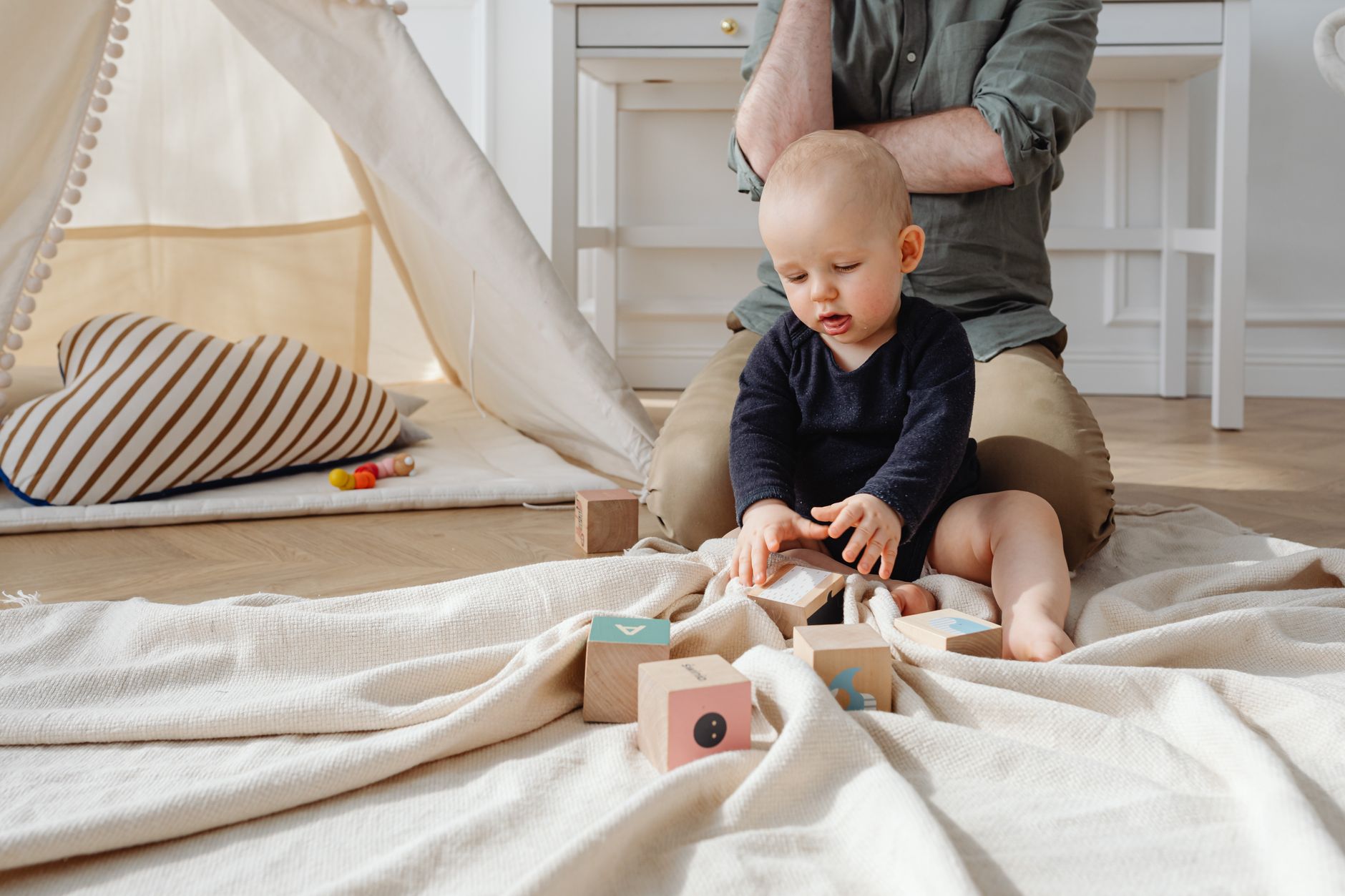
When should you start baby proofing your home?
Most parents wait until their baby starts rolling or crawling—around 6 months—but experts recommend starting much earlier. The American Academy of Pediatrics (AAP) suggests beginning baby proofing during the third trimester, when you’re still energized and nesting. Why? Because newborns grow faster than you think. One day they’re swaddled and still; the next, they’re grabbing, rolling, and reaching for everything in sight.
Think of baby proofing in three phases:
- Phase 1 (0–3 months): Focus on the nursery and sleep safety. Hazards are minimal but critical (e.g., loose blankets, crib bumpers).
- Phase 2 (4–12 months): Secure furniture, outlets, and cords as your baby becomes mobile. This is when most accidents happen.
- Phase 3 (1–5 years): Expand to kitchen, bathroom, and outdoor safety as your child gains independence and curiosity.
Pro tip: Set a calendar reminder to revisit your checklist every 3 months. Developmental leaps (like pulling up to stand or opening doors) often happen overnight.
Baby proofing checklist for newborns (0–3 months)
Sleep safety: The non-negotiables
- Crib setup: Use a firm, flat mattress with a fitted sheet. No bumpers, pillows, stuffed animals, or loose blankets. The AAP’s safe sleep guidelines are clear: bare is best.
- Room temperature: Keep the nursery between 68–72°F (20–22°C). Overheating is a SIDS risk factor.
- Monitor placement: If using a baby monitor, keep cords at least 3 feet away from the crib to prevent strangulation.
Nursery essentials
- Dresser and changing table: Secure both to the wall with anti-tip straps. Babies can wiggle enough to topple furniture even at this age.
- Diaper pail: Choose one with a child-resistant latch. Even newborns can surprise you with their strength.
- Toy storage: Use soft bins or baskets without lids. Hard plastic bins can slam shut on tiny fingers.
Common mistakes at this stage
- Assuming your baby “won’t roll yet.” Many babies roll as early as 2 months.
- Leaving the crib near a window. Even a closed window can shatter if a toy is thrown against it.
- Using a secondhand crib. Older cribs may not meet current safety standards (slats wider than 2 3/8 inches are a no-go).

Printable checklist for 0–3 months
| Area | Hazard | Solution | Product to Buy (2026 Top Picks) |
|---|---|---|---|
| Crib | Loose blankets, bumpers, toys | Use a sleep sack; keep crib bare | Halo SleepSack (TOG-rated) |
| Dresser | Tipping hazard | Anti-tip straps | Safety 1st Furniture Straps |
| Changing table | Falls, diaper pail access | Secure to wall; use pail with latch | Munchkin Arm & Hammer Diaper Pail |
| Nursery | Window cords, blinds | Cordless window coverings | IKEA Tupplur Blackout Shades |
Baby proofing checklist for 4–6 month old infants
This is the stage where things get real. Your baby is suddenly rolling, grabbing, and maybe even sitting up. Their curiosity is endless, and their motor skills are improving daily. Here’s what to tackle next:
Furniture and heavy objects
- Bookshelves and TVs: Secure all furniture to the wall with anti-tip straps. A 2023 study by the Consumer Product Safety Commission (CPSC) found that a child is sent to the ER every 30 minutes due to furniture tip-overs.
- TVs: Mount flat-screen TVs to the wall or place them on a low, stable stand. Tube TVs should be removed entirely—they’re too heavy and unstable.
Outlets and cords
- Electrical outlets: Cover all unused outlets with sliding plate covers. Avoid the old plastic plugs—they’re a choking hazard if removed.
- Cords: Bundle and secure cords from blinds, monitors, and electronics with cord shorteners or wall clips. Keep them at least 3 feet away from the crib.
Small objects and choking hazards
- Choking hazards: Anything smaller than a toilet paper roll (about 1.75 inches in diameter) is a risk. Scan floors daily for coins, batteries, or small toys.
- Pet food: Keep pet bowls out of reach. Dry kibble is a choking hazard, and wet food can attract bacteria.
DIY hacks for this stage
- Pool noodle bumpers: Cut a pool noodle in half lengthwise and slip it over sharp table edges to soften the impact.
- Cabinet locks: Use rubber bands or hair ties to temporarily secure cabinets if you don’t have locks yet.
- Door pinch guards: Foam guards prevent little fingers from getting pinched in doors.

Printable checklist for 4–6 months
| Area | Hazard | Solution | Product to Buy (2026 Top Picks) |
|---|---|---|---|
| Living room | Furniture tip-overs | Anti-tip straps for all furniture | Safety 1st Furniture Straps |
| Electrical | Outlet access | Sliding outlet covers | Elektek Self-Closing Outlet Covers |
| Kitchen | Cabinet access | Magnetic or adhesive locks | Safety 1st Magnetic Locks |
| Floors | Small objects | Daily sweep; use a toilet paper roll test | Choking Hazard Tester (Toilet Paper Roll) |
Baby proofing checklist for 7–12 month old babies
Welcome to the “mobile baby” stage. Your little one is crawling, pulling up, and maybe even cruising along furniture. Their world just got a lot bigger—and so did the risks. Here’s how to keep up:
Crawling hazards
- Floors: Scan for small objects, pet toys, or dropped medication. Babies at this age put everything in their mouths.
- Cords and wires: Secure all cords (blinds, electronics, chargers) with cord shorteners or wall clips. The CPSC reports that corded window coverings are a leading cause of strangulation in children under 5.
- Stairs: Install baby gates at the top and bottom of stairs. Pressure-mounted gates are fine for the bottom, but use hardware-mounted gates at the top to prevent falls.
Pulling up and standing
- Tablecloths and runners: Remove them entirely. A baby can pull a tablecloth—and everything on it—down in seconds.
- Low shelves and drawers: Secure with locks or remove tempting items (like remotes or keys) entirely. Babies love to explore drawers as “stairs.”
- TV stands and bookshelves: Double-check that all furniture is secured to the wall. Babies can pull themselves up and topple furniture in seconds.
Kitchen safety
- Stove and oven: Use knob covers to prevent your baby from turning on burners. If possible, cook on the back burners and turn pot handles inward.
- Trash can: Replace with a lidded, child-resistant can or keep it in a locked cabinet.
- Dishwasher: Keep it closed and latched. Babies love to play with the utensils or climb inside.
Bathroom safety
- Toilet: Use a toilet lock to prevent drowning. Babies can drown in as little as 1 inch of water.
- Medications and cleaning supplies: Store all medications, vitamins, and cleaning products in a locked cabinet or high out of reach. Even “child-resistant” caps aren’t foolproof.
- Bathtub: Never leave your baby unattended in the bath, even for a second. Use a non-slip mat and keep water temperature below 120°F (49°C) to prevent burns.

Printable checklist for 7–12 months
| Area | Hazard | Solution | Product to Buy (2026 Top Picks) |
|---|---|---|---|
| Stairs | Falls | Hardware-mounted gate at top; pressure-mounted at bottom | Regalo Easy Step Walk Through Gate |
| Kitchen | Stove access, cleaning supplies | Knob covers; locked cabinets | Safety 1st Knob Covers |
| Bathroom | Toilet, medications | Toilet lock; locked cabinet for meds | Munchkin Toilet Lock |
| Living room | Cords, small objects | Cord shorteners; daily floor sweep | JOTO Cord Management Kit |
Baby proofing checklist for toddlers (1–2 years)
Your toddler is now a walking, climbing, exploring machine. They’re faster, stronger, and more determined than ever—and their curiosity knows no bounds. Here’s how to stay one step ahead:
Climbing hazards
- Furniture: Secure all dressers, bookshelves, and TVs to the wall. Toddlers love to climb, and tip-overs are a leading cause of injury.
- Windows: Install window guards or stops to prevent falls. Screens are not strong enough to hold a child’s weight. The AAP recommends keeping windows locked and limiting openings to 4 inches or less.
- Play structures: If you have a play gym or climbing set, ensure it’s on soft flooring (like rubber mats or grass) and supervise closely.
Exploring hazards
- Doors: Use door knob covers or locks to prevent your toddler from wandering outside or into unsafe rooms (like the garage or basement).
- Drawers and cabinets: Secure all drawers and cabinets with locks. Toddlers love to empty them—and climb inside.
- Trash cans: Replace with a lidded, child-resistant can or keep it in a locked cabinet. Toddlers love to dig through trash for “treasures.”
Outdoor safety
- Backyard: Scan for hazards like sharp tools, poisonous plants, or standing water. Secure pools, ponds, or hot tubs with a 4-foot fence and self-latching gate.
- Playgrounds: Choose playgrounds with soft surfaces (like wood chips or rubber) and avoid equipment with sharp edges or pinch points.
- Driveway: Always supervise your toddler near driveways. Use a safety gate or fence to block access to the street.
DIY hacks for this stage
- Pool noodle door stoppers: Cut a pool noodle lengthwise and slip it over the edge of a door to prevent it from closing completely. This prevents little fingers from getting pinched.
- DIY corner guards: Use foam pipe insulation to cover sharp table edges. Secure with double-sided tape.
- Temporary cabinet locks: Use rubber bands or hair ties to secure cabinets in a pinch.

Printable checklist for 1–2 years
| Area | Hazard | Solution | Product to Buy (2026 Top Picks) |
|---|---|---|---|
| Windows | Falls | Window guards or stops; keep windows locked | Safety Innovations Window Guards |
| Doors | Wandering, pinched fingers | Door knob covers or locks | Safety 1st Door Knob Covers |
| Outdoors | Pools, tools, plants | 4-foot fence with self-latching gate; scan for hazards | Regalo Easy Step Walk Through Gate (for pools) |
| Kitchen | Stove, trash, cleaning supplies | Knob covers; locked cabinets; child-resistant trash can | Safety 1st Knob Covers; SimpleHuman Trash Can |
Baby proofing checklist for 2–3 year olds
At this stage, your child is a full-fledged explorer with the energy of a tornado. They’re opening doors, climbing everything in sight, and asking “why?” a million times a day. Here’s how to keep them safe while nurturing their independence:
Advanced climbing and opening
- Furniture: Continue securing all furniture to the wall. Toddlers at this age can climb dressers like ladders.
- Doors and windows: Use door knob covers, window guards, and locks to prevent wandering or falls. Teach your child how to open doors safely (e.g., turning the knob and pulling, not pushing).
- Appliances: Secure the oven, dishwasher, and washing machine with appliance locks. Toddlers love to climb inside or play with the buttons.
Poison and chemical safety
- Medications and vitamins: Store all medications, vitamins, and supplements in a locked cabinet or high out of reach. Even “child-resistant” caps can be opened by determined toddlers.
- Cleaning supplies: Keep all cleaning supplies in a locked cabinet or high out of reach. Avoid storing them under the sink—toddlers can easily access this area.
- Plants: Remove or secure any poisonous plants. The AAP has a list of toxic plants to avoid, including lilies, philodendrons, and pothos.
Water safety
- Pools and hot tubs: Secure with a 4-foot fence and self-latching gate. Remove any toys from the pool area to prevent your child from being tempted to reach for them.
- Bathtubs and buckets: Never leave your child unattended in the bath, even for a second. Empty all buckets and containers after use—toddlers can drown in as little as 1 inch of water.
- Toilets: Use a toilet lock to prevent drowning. Teach your child that toilets are not for playing.
Outdoor and vehicle safety
- Driveway: Always supervise your child near driveways. Use a safety gate or fence to block access to the street. Teach your child to hold your hand in parking lots.
- Car seats: Keep your child in a rear-facing car seat until at least age 2, or until they reach the height and weight limits for their seat. The AAP recommends rear-facing as long as possible for maximum safety.
- Bikes and scooters: If your child is riding a balance bike or scooter, ensure they wear a helmet every time. Set a good example by wearing your helmet too.

Printable checklist for 2–3 years
| Area | Hazard | Solution | Product to Buy (2026 Top Picks) |
|---|---|---|---|
| Medications | Poisoning | Locked cabinet or high out of reach | Safety 1st Lockable Medicine Cabinet |
| Cleaning supplies | Poisoning | Locked cabinet or high out of reach | Safety 1st Adhesive Locks |
| Pools | Drowning | 4-foot fence with self-latching gate | Life Saver Pool Fence |
| Car seat | Injury in crash | Rear-facing until at least age 2 | Graco Extend2Fit Convertible Car Seat |
Baby proofing checklist for 3–4 year olds
Your child is now a preschooler—chatty, imaginative, and full of energy. They’re testing boundaries, learning rules, and developing a sense of independence. While they’re more aware of dangers, they’re also more likely to take risks. Here’s how to adapt your baby proofing for this stage:
Independence and boundary testing
- Doors and windows: Continue using door knob covers and window guards, but start teaching your child how to open doors and windows safely. Practice with them and supervise closely.
- Stairs: If your child is confident on stairs, you can remove the gate at the bottom—but keep the gate at the top until they’re at least 4 years old. Teach them to hold the handrail and take one step at a time.
- Kitchen: Involve your child in simple cooking tasks (like stirring or washing veggies) to teach them kitchen safety. Keep sharp objects and hot items out of reach.
Advanced hazards
- Tools and sharp objects: Store all tools, scissors, and sharp objects in a locked cabinet or high out of reach. Teach your child that these items are not toys.
- Fire and burns: Install smoke detectors and carbon monoxide detectors on every level of your home. Teach your child what to do in case of a fire (stop, drop, and roll; how to call 911).
- Strangulation hazards: Keep all cords (blinds, electronics, jewelry) out of reach. Teach your child not to play with cords or put them around their neck.
Outdoor and vehicle safety
- Bikes and scooters: Ensure your child wears a helmet every time they ride. Teach them basic bike safety rules (like stopping at driveways and looking both ways).
- Playgrounds: Supervise your child at the playground and teach them how to use equipment safely. Avoid playgrounds with hard surfaces (like concrete or asphalt).
- Car seats: Keep your child in a forward-facing car seat with a harness until they reach the height and weight limits for their seat. The AAP recommends using a harness as long as possible for maximum safety.
DIY hacks for this stage
- DIY stove guard: Use a tension rod and a clear shower curtain to create a barrier in front of the stove. This prevents your child from reaching the burners.
- DIY drawer locks: Use a wooden spoon or dowel to prevent drawers from opening all the way. Place it horizontally through the drawer handles.
- DIY corner guards: Use pool noodles or foam pipe insulation to cover sharp table edges. Secure with double-sided tape.

Printable checklist for 3–4 years
| Area | Hazard | Solution | Product to Buy (2026 Top Picks) |
|---|---|---|---|
| Kitchen | Burns, sharp objects | Stove guard; locked cabinets for sharp objects | Safety 1st Stove Guard |
| Fire safety | Smoke inhalation, burns | Smoke detectors on every level; teach stop, drop, and roll | Kidde Smoke Detector |
| Bike safety | Head injuries | Helmet every time; teach bike safety rules | Giro Scamp Helmet |
| Car seat | Injury in crash | Forward-facing with harness until limits are reached | Britax Grow with You ClickTight |
Baby proofing checklist for 5 year old kids
Your child is now in kindergarten—social, curious, and eager to learn. While they’re more independent, they still need guidance to stay safe. Here’s how to adapt your baby proofing for this stage:
School-age independence
- Doors and windows: Teach your child how to open doors and windows safely. Practice with them and supervise closely. Install window guards on upper-level windows to prevent falls.
- Kitchen: Involve your child in cooking and teach them kitchen safety. Keep sharp objects and hot items out of reach, but start teaching them how to use them safely under supervision.
- Bathroom: Teach your child about bathroom safety, including how to use the toilet, wash their hands, and avoid slipping. Keep medications and cleaning supplies locked up or out of reach.
Advanced hazards
- Tools and sharp objects: Store all tools, scissors, and sharp objects in a locked cabinet or high out of reach. Teach your child how to use them safely under supervision.
- Fire and burns: Teach your child about fire safety, including how to stop, drop, and roll, and how to call 911. Practice fire drills at home.
- Strangulation hazards: Keep all cords (blinds, electronics, jewelry) out of reach. Teach your child not to play with cords or put them around their neck.
Outdoor and vehicle safety
- Bikes and scooters: Ensure your child wears a helmet every time they ride. Teach them basic bike safety rules (like stopping at driveways and looking both ways).
- Playgrounds: Supervise your child at the playground and teach them how to use equipment safely. Avoid playgrounds with hard surfaces (like concrete or asphalt).
- Car seats: Keep your child in a booster seat until they’re at least 4 feet 9 inches tall (usually between ages 8–12). The AAP recommends using a booster seat until the seat belt fits properly (lap belt across the thighs, shoulder belt across the chest).
Digital safety
- Screen time: Set limits on screen time and supervise your child’s online activity. Use parental controls to block inappropriate content.
- Charging cords: Keep charging cords out of reach to prevent electrical shocks or tripping hazards.
- Privacy: Teach your child about online privacy, including not sharing personal information (like their name, address, or school) with strangers.

Printable checklist for 5 years
| Area | Hazard | Solution | Product to Buy (2026 Top Picks) |
|---|---|---|---|
| Kitchen | Burns, sharp objects | Teach kitchen safety; keep sharp objects locked up | Safety 1st Adhesive Locks |
| Fire safety | Smoke inhalation, burns | Smoke detectors on every level; practice fire drills | Kidde Smoke Detector |
| Bike safety | Head injuries | Helmet every time; teach bike safety rules | Bell Sanction Helmet |
| Car seat | Injury in crash | Booster seat until seat belt fits properly | Editor's pick for this topic Not sure about the label on Baby Proofing Checklist Age By Age products?Snap the ingredients list and SafeFilter checks every ingredient for your stage — only 3 free scans this month, then you're locked until reset. Unlimited from $7/mo or lock $50/yr through Aug 31 (5 days left). Informational only — not medical advice.  About the AuthorWhen Shubhra Mishra was expecting her first child in 2016, she was overwhelmed by conflicting food advice — one site said yes, another said never. By the time her second baby arrived in 2019, she realized millions of mothers face the same confusion. That sparked a five-year journey through clinical nutrition papers, cultural diets, and expert conversations — all leading to BumpBites: a calm, compassionate space where science meets everyday motherhood. Her long-term vision is to build a global community ensuring safe, supported, and free deliveriesfor every mother — because no woman should face pregnancy alone or uninformed. 🌿 🌍 Stand with mothers, shape safer guidanceJoin a small circle of experts who review BumpBites articles so expecting parents everywhere can decide with confidence. ⚠️ Always consult your doctor for medical advice. This content is informational only. Long-form pregnancy guidesHand-curated deep-dive guides — go beyond the article above. More Pregnancy guides
Recommended picks  Prenatal pick Ritual — Ritual Essential Prenatal Choline + DHA + folate from methylfolate (not synthetic).  Prenatal pick Nordic Naturals — Nordic Naturals Prenatal DHA (Strawberry Softgels) Premium fish-oil DHA in strawberry softgels — gentle on the stomach. |