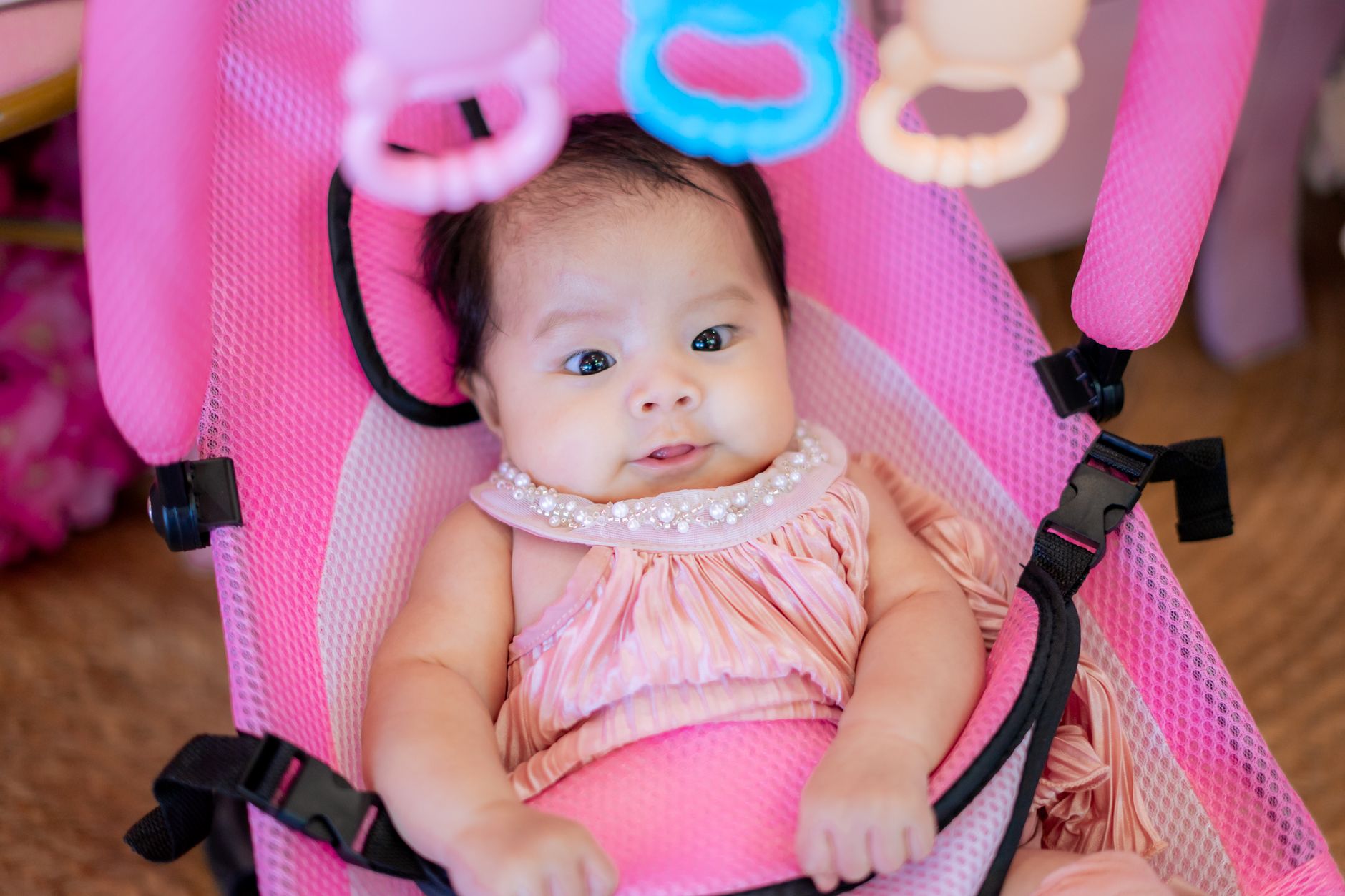
Managing a 4-year age gap between siblings offers unique joys and challenges. Discover practical age gap 4 years siblings tips for fostering strong bonds,
By Shubhra Mishra — a mom of two who turned her own confusion during pregnancy into BumpBites, a global mission to make food choices clear, safe, and stress-free for every expecting mother. 💛
Check whether any food is safe during pregnancy with the BumpBites Food Safety Checker.
Quick take: A 4-year age gap between siblings offers unique benefits, like an older child's increased independence and potential for helpfulness, but also brings specific challenges, such as managing attention and potential sibling jealousy. Intentional preparation, fostering connection, and validating your older child's feelings are key to a smooth transition and a strong sibling bond.
Bringing a second baby into the family is a momentous occasion, filled with joy, anticipation, and often, a healthy dose of apprehension. If your first child is around four years old, you're navigating a unique dynamic – they're no longer a toddler, but not yet a fully independent school-aged child. This particular age gap can feel like a sweet spot for some parents, offering a blend of readiness and continued reliance. But like any family transition, it comes with its own set of questions: How do you prepare your firstborn? Will they bond? How will you manage the juggle?
You're not alone in these thoughts. Many parents find themselves wondering about the pros and cons of various age gaps, seeking reassurance and practical strategies. The good news is that a 4-year age gap can be incredibly rewarding, allowing your older child to embrace a "big sibling" role while still needing your guidance and love. This guide offers modern, honest tips to help you navigate this exciting chapter, fostering a loving environment for both your children.
We’ll explore how to prepare your 4-year-old, the distinct advantages and challenges of this age difference, practical tips for daily routines, and how to nurture a beautiful bond between your children. Our goal is to equip you with the knowledge and confidence to embrace this journey, making the transition as smooth and joyful as possible for your whole family.
How to prepare your 4-year-old for a new baby's arrival?
Preparing a 4-year-old for a new baby is about more than just telling them they'll have a sibling; it's about nurturing their emotional readiness and helping them understand the changes ahead. At four, children are developing a strong sense of self and independence, but still rely heavily on their primary caregivers for attention and reassurance. This makes the preparation phase crucial for minimizing feelings of displacement or jealousy once the baby arrives.
Start the Conversation at the Right Time
Timing is everything. Announcing the news too early can lead to a long, abstract wait that's hard for a 4-year-old to grasp, potentially causing anxiety or disinterest. Most child development experts suggest waiting until the second or third trimester, when the pregnancy is more visible and the arrival is closer – typically around 3-4 months before the due date. This gives your child enough time to process the idea without an interminable wait.
When you do share the news, do so in a calm, positive, and straightforward manner. You might say, "Mommy has a baby growing in her tummy, and soon we'll have a new baby joining our family!" Be prepared for varied reactions: excitement, curiosity, or even indifference. All are normal.
Involve Them in Age-Appropriate Preparations
A 4-year-old thrives on feeling important and involved. Let them participate in preparing for the baby in ways that are suitable for their age. This could include:
Nursery decisions: Let them help pick out a blanket, a toy, or a color for the baby's room. Even simple choices like "Which teddy bear should we get for the baby?" can make them feel like a valued contributor.
Shopping trips: Take them to the store to pick out a small item for the baby, or even for themselves, to signify their new role as a big sibling.
Baby items: Show them the baby's clothes, bottles, or stroller. Explain what each item is for. For example, "This is the baby's bottle, they'll drink milk from it because they can't eat solid food yet."
Creating a welcome gift: Encourage them to draw a picture or choose a small toy to give to the baby when they arrive.
Use Books and Stories to Explain
Children's books about becoming a big sibling are invaluable tools. They help normalize the experience, illustrate potential scenarios, and provide conversation starters. Read these books together frequently, pointing out characters' feelings and discussing how your child might feel. This can also be a good opportunity to introduce the concept of what newborns are like – that they mostly eat, sleep, and cry, and won't be a playmate right away.
Discuss Changes Gently and Realistically
It’s important to be honest about some of the changes that will occur, without being alarming. Explain that Mom and Dad will be very busy with the baby, but also emphasize that your love for them won't change. You might say:
"The baby will cry a lot, and sometimes Mommy or Daddy will need to hold them. When that happens, you can help us by playing with your toys nearby, or we can cuddle on the couch together."
"Sometimes the baby might need a diaper change or a feeding when we're playing, and we'll have to pause for a little bit."
"You might not always be able to sit in Mommy's lap when the baby is there, but we can find other special ways to cuddle, like reading books side-by-side."
Reassure them that while some things will be different, many things will stay the same, and your love for them is constant and growing. One parent shared, "I made sure to tell my four-year-old, 'My heart is big enough for two, and it will just keep growing!' It really seemed to click for her."
Practice Being a "Big Sibling"
If you have friends with babies, arrange supervised playdates so your 4-year-old can see you interacting with an infant and practice being gentle. You can also use a doll to role-play. Show them how to gently touch a baby's head, how to speak softly, and how to help with simple tasks like fetching a diaper. This hands-on practice can build confidence and reduce anxiety.
Encourage gentle interactions and supervised practice with babies or dolls to help your 4-year-old adjust to the idea of a new sibling.
What are the benefits of a 4-year age gap between siblings?
T
he 4-year age gap often comes with a unique set of advantages that can make the transition to a two-child household smoother and more enriching for the whole family. Many parents find this spacing allows their first child to be developed enough to understand and even assist, while still being young enough to be captivated by a new baby. This sweet spot minimizes some of the challenges seen with very close age gaps, like two children in diapers or competing for similar developmental toys.
Leveraging the Older Child's Independence
One of the most significant benefits of a 4-year gap is your first child's increased independence. By this age, most 4-year-olds are:
Potty trained: This is a huge win for parents, as you won't be juggling two sets of diapers or potty training simultaneously.
More capable of self-entertainment: They can play independently for longer periods, whether with blocks, coloring, or imaginative play, allowing you crucial moments to attend to the newborn.
Better communicators: They can clearly express their needs, wants, and feelings, reducing guesswork and frustration for both you and them. This also means they can tell you if something is wrong, or if they need your attention.
Attending preschool or kindergarten: Many 4-year-olds are in some form of childcare or school, providing you with dedicated one-on-one time with your newborn and a chance for your older child to maintain their routine and social connections outside the home.
This level of independence means less immediate, constant physical care for your oldest, freeing up more of your mental and physical energy for the newborn.
Potential for Helpfulness and Responsibility
A 4-year-old often loves to "help," and this age gap provides ample opportunities to channel that desire into positive, constructive roles. They can be your "special helper" with tasks like:
Fetching diapers or wipes.
Singing songs or making funny faces to entertain the baby during a diaper change.
"Reading" a story to the baby while you prepare a bottle.
Pushing the stroller (with supervision).
Helping to pick up toys.
These roles not only make your life a little easier but also instill a sense of pride and responsibility in your older child, reinforcing their new status as a big sibling. It helps them feel included rather than sidelined.
Reduced Direct Rivalry
Because their developmental stages are quite different, 4-year-olds and newborns aren't typically competing for the same toys, attention, or physical space in the same way that siblings with a closer age gap might. The 4-year-old understands that the baby can't play yet, which can reduce immediate frustration. While jealousy is still a factor (and we'll address that later), it often manifests differently than the direct competition for a specific toy or parent's lap that you might see between two toddlers.
More Rested Parents (Potentially)
With your first child being older, you might have had a few years to recover from the intense demands of the newborn stage. You've likely had more consistent sleep, re-established routines, and perhaps even reclaimed some personal time. This can mean you approach the second newborn phase feeling more mentally and physically prepared, rather than already depleted from back-to-back infancy.
Here’s a quick overview of the pros and cons:
Pros of a 4-Year Age Gap
Cons of a 4-Year Age Gap
Older child is more independent (potty trained, self-entertains).
Older child may experience regression (baby talk, bedwetting).
Older child can be a "helper," fostering responsibility.
Managing two very different developmental stages can be challenging.
Reduced direct competition for toys/attention (different developmental needs).
Potential for significant sibling jealousy due to previous "only child" status.
Parents may feel more rested and recovered from the first newborn stage.
Feeling like you're "starting over" with baby gear and routines.
Older child often attends school/preschool, providing dedicated baby time.
Finding shared activities can be difficult initially.
Opportunity for one-on-one time with each child in their early years.
Potential for the older child to feel "left out" or ignored.
Common challenges with a 4-year age difference between kids
While the 4-year age gap offers many advantages, it's also important to acknowledge the specific challenges that can arise. Being prepared for these can help you navigate them with greater patience and effectiveness, ensuring a smoother transition for everyone in the family. Many parents, despite the older child's independence, find themselves surprised by certain hurdles.
Managing Attention Distribution
Perhaps the biggest challenge is learning how to divide your attention between a demanding newborn and a 4-year-old who is very aware of the shift in focus. Your first child has been the center of your universe for four years, and suddenly, a tiny, helpless creature requires immediate and constant care. This can lead to:
Feelings of neglect: Even with the best intentions, you will inevitably spend more time physically attending to the baby. Your 4-year-old may interpret this as you loving the baby more or no longer needing them.
"Negative" attention-seeking: A 4-year-old might resort to misbehavior, tantrums, or acting out to get your attention, even if it's negative attention. This is often their way of saying, "I'm still here, and I still need you!"
Increased demands: They might suddenly need more help with things they could do independently before, or interrupt incessantly when you're with the baby.
One mom recounted, "My son, who was usually so independent, started asking me to cut his food and even put on his socks again after his sister was born. It was frustrating at first, but I realized he was just looking for those little moments of connection and reassurance."
Older Child's Potential for Regression
It's very common for a 4-year-old to regress to earlier developmental stages after a new baby arrives. This is a normal coping mechanism and a sign they're processing the changes. Regression can manifest as:
Baby talk: Suddenly using a higher-pitched voice or simpler vocabulary.
Bedwetting or accidents: Even if they've been reliably potty trained for a long time.
Increased clinginess: Wanting to be held more, following you from room to room.
Thumb-sucking or pacifier use: Reverting to comfort behaviors they had outgrown.
This behavior is rarely intentional naughtiness; it's a cry for comfort and a way to signal their need for reassurance that they are still your baby, too. Patience and understanding are key here, along with gentle redirection.
Different Developmental Stages and Interests
While having different developmental stages can reduce direct rivalry, it also means finding activities that genuinely engage both children simultaneously can be a challenge. A 4-year-old wants to run, jump, play imaginative games, and explore, while a newborn primarily eats, sleeps, and observes. This can lead to:
Boredom for the older child: If too much time is spent on baby-centric activities.
Safety concerns: The 4-year-old's boisterous play might accidentally harm the fragile baby.
Parental strain: You're constantly trying to cater to two vastly different sets of needs and energy levels.
This is where creative thinking and finding moments for both individual and combined activities become essential.
Feeling Like You're "Starting Over"
After four years of moving past the intense baby phase, many parents feel a sense of having "graduated" from diapers, sleepless nights, and constant feeds. Bringing a newborn home can feel like a sudden reset, emotionally and practically. You might find yourself having to:
Retrieve all the stored baby gear.
Re-learn feeding and sleep patterns for a new individual.
Adjust your entire family schedule back to the unpredictable rhythms of infancy.
This can be mentally taxing, especially if you were just starting to enjoy the freedom that comes with an older child. Acknowledging this feeling is the first step; giving yourself grace and patience is the second.
Tips for managing a newborn and a 4-year-old's routine
Bringing a newborn home when you already have a 4-year-old means juggling two very different sets of needs and schedules. The key to managing this dynamic is often flexibility, preparation, and a strong dose of patience. The goal isn't perfection, but rather creating a rhythm that works for your unique family.
Prioritize the 4-Year-Old's Routine Where Possible
While a newborn's schedule is often unpredictable, maintaining as much of your 4-year-old's established routine as possible can provide them with a sense of stability and normalcy. This is especially true for mealtimes, bedtime, and preschool/school schedules. Predictability helps them feel secure amidst all the newness.
Bedtime ritual: Try to keep their bedtime story, bath, and tuck-in routine consistent. If your partner can take over baby duties during this time, even better. If not, try to feed the baby just before, or bring the baby along for a quiet cuddle during story time.
Meal times: Aim for regular meal and snack times for your 4-year-old. They can often eat independently, freeing you to feed the baby or do other tasks.
Preschool/childcare: If your 4-year-old attends preschool, maintaining that schedule provides them with valuable social interaction and a sense of routine, while also giving you dedicated time with the newborn.
Create a Flexible Daily Flow, Not a Rigid Schedule
Newborns are famously unpredictable. Instead of trying to force a rigid schedule, aim for a flexible daily flow. Think in terms of blocks of time (e.g., "morning routine," "baby nap/big kid play," "afternoon quiet time").
Babywear: A sling or carrier can be a lifesaver, allowing you to keep the baby close and content while still having your hands free to play with your 4-year-old, prepare snacks, or do light chores.
"Independent Play" Baskets: Prepare a few baskets or bins with specific activities (e.g., Duplos, puzzles, coloring supplies) that your 4-year-old can access independently when you need to feed or change the baby. Rotate them to keep interest high.
Utilize Nap Times Strategically: When the baby naps, decide whether you need to rest, tackle a chore, or – crucially – dedicate focused one-on-one time with your 4-year-old. Sometimes, just 15-20 minutes of undivided attention can make a huge difference to their day.
Involve the 4-Year-Old in Baby Care
Making your older child a "helper" can transform resentment into responsibility. Give them simple, safe tasks that make them feel important:
"Can you grab the baby's blanket for me?"
"Will you help me pick out the baby's outfit for the day?"
"Can you sing a song to the baby while I change their diaper?"
"Let's count the baby's toes together."
Always praise their efforts, even if they're small. "Thank you for being such a wonderful helper! The baby loves your singing."
Batch Tasks and Simplify Meals
Efficiency becomes your new best friend. Prepare meals in advance or opt for simple, quick-to-assemble options. Don't be afraid to rely on convenience foods or meal delivery for a while. Batch laundry, tidy up in short bursts, and accept that your home might not be as pristine as before. The goal is survival and connection, not perfection.
Build in "Special Time" for Your 4-Year-Old
Even 10-15 minutes of dedicated, uninterrupted one-on-one time with your 4-year-old each day can fill their "attention cup." This means putting your phone away, ignoring chores, and simply focusing on them. Let them choose the activity, whether it's reading a book, building a tower, or just talking. This consistent special time can significantly reduce attention-seeking behaviors.
Integrate your 4-year-old into baby routines and carve out special one-on-one time to maintain their sense of importance.
How to foster bonding between siblings with a 4-year age gap?
The beauty of a 4-year age gap is the potential for a unique and deep bond to form, even if the children can't actively play together in the early days. Fostering this connection requires intentional effort from parents, helping the older child see the baby not as a rival, but as a cherished member of the family. The goal is to build a foundation of love and care that will grow as they do.
Encourage Gentle Physical Interaction
Supervised, gentle physical contact is crucial for building a connection. Help your 4-year-old understand how to safely interact with the baby. You might guide their hand to gently stroke the baby's foot or show them how to give a soft kiss on the baby's head. Always emphasize "gentle touches" and supervise closely to prevent accidental rough play.
"Can you gently pat the baby's back while I hold them?"
"Let's give the baby a soft touch on their hand."
Narrate these interactions: "Oh, look! The baby is smiling when you talk to them! They love your voice."
Narrate the Baby's "Responses"
Since the baby can't communicate verbally, you become their interpreter. Help your 4-year-old understand that the baby is responding to them, even in subtle ways. This makes the baby feel more like an interactive person and less like a doll.
If the baby coos when the 4-year-old talks, say, "The baby loves hearing your singing! You made them happy!"
If the baby tracks the older child's movements, "Look, the baby is watching you! They think you're so interesting!"
If the baby grasps their finger, "Wow, the baby is holding your finger! They want to play with you."
This narration helps the older child feel successful in their attempts to connect and reinforces their positive interactions.
Create Shared Experiences (Even Simple Ones)
Look for opportunities where both children can be present and engaged, even if their level of engagement differs. These shared moments build a sense of family and belonging.
Family story time: Have your 4-year-old sit next to you while you read a book, with the baby in your lap or a nearby bouncer. They can help turn pages or point out pictures.
Music and singing: Sing songs together. Your 4-year-old can sing to the baby, or you can all sing as a family. Babies respond well to voices, and your older child will enjoy being the performer.
Stroller walks: Take walks where the 4-year-old can walk beside the stroller, pointing out things to the baby. "Look, baby, a bird!"
Floor time: Lay the baby on a play mat near where your 4-year-old is playing. They can observe each other. The older child might even narrate their play to the baby.
Empower the "Big Sibling" Role
Continually reinforce the importance and specialness of being the older sibling. This isn't just about helping; it's about being a guide, a protector, and a first friend. Praise their maturity and kindness towards the baby. "You're such a good big brother/sister, watching out for the baby."
Let them teach the baby things as they get older, like how to stack blocks or identify colors. This sense of leadership can be incredibly empowering. Remember, fostering a strong bond takes time and consistent effort, but the rewards of seeing your children connect are immeasurable.
Dealing with sibling jealousy when your first child is 4
Sibling jealousy is a normal and expected part of expanding your family, regardless of the age gap. For a 4-year-old, who has likely been the sole focus of parental attention for their entire life, the arrival of a new baby can feel like a direct threat to their security and standing. It’s crucial to approach these feelings with empathy and understanding, rather than dismissal or punishment.
Validate Their Feelings, Don't Dismiss Them
When your 4-year-old expresses negative feelings about the baby – "I don't like the baby," "The baby is too loud," "Go away, baby" – it's tempting to immediately correct them. However, it's more productive to validate their emotions first. This shows them that you understand and accept their feelings, even if the behavior isn't ideal.
"It sounds like you're feeling frustrated right now because the baby is crying so much. That's a tough sound to hear, isn't it?"
"It's okay to feel a little sad that Mommy is busy with the baby. I understand you want my attention."
After validation, you can gently redirect or offer a solution. "We'll have our special story time in 10 minutes, just you and me."
Prioritize One-on-One "Special Time"
As mentioned earlier, consistent, dedicated one-on-one time with your 4-year-old is your most powerful tool against jealousy. Even short bursts (10-15 minutes) of uninterrupted play or conversation, where they have your full attention, can refill their emotional cup. Let them choose the activity and follow their lead. This reaffirms their importance and shows them they haven't been replaced.
Avoid Comparisons and Reinforce Individual Love
Never compare your children ("Why can't you be as quiet as the baby?"). Such comparisons can breed resentment and make the older child feel inadequate. Instead, celebrate each child's unique qualities and contributions. Frequently tell your 4-year-old how much you love them, how special they are, and how proud you are of them.
"I love how creative you are with your blocks."
"You're such a wonderful artist."
"Thank you for being such a kind big sibling."
Set Clear, Consistent Boundaries for Baby's Safety
While validating feelings is important, it's equally crucial to set clear boundaries when it comes to the baby's safety. A 4-year-old might unintentionally be too rough, or even intentionally act out by hitting or pinching. Calmly and firmly state the rules:
"We are always gentle with the baby. Hands are for helping and hugging."
"If you're feeling angry, you can tell me, or you can hit a pillow, but we never hurt the baby."
If they hurt the baby, immediate, calm intervention and a consequence (like temporary removal from the situation) should follow, emphasizing that the action is unacceptable, not that *they* are bad.
Involve Them in Decision-Making (Where Appropriate)
Giving your 4-year-old a sense of control can help them feel less powerless in the face of big changes. Let them make small choices, such as what to have for dinner, which book to read, or which park to visit. This empowers them and reminds them that they still have agency in their world.
Gifts "From" the Baby
When the baby arrives, consider having a small gift "from" the baby for the older sibling. This can be a new toy, a book, or a special activity. It helps create a positive first impression and associates the baby with something exciting for them.
Address Regression with Empathy
If your 4-year-old starts baby-talking or having accidents, respond with empathy rather than criticism. "It sounds like you need a little extra cuddle time, just like the baby. Let's snuggle." For accidents, "It's okay, let's get you changed. We all have accidents sometimes." Avoid shaming. The regression will likely pass as they adjust and feel more secure in their place within the family.
Fun activities for a 4-year-old and a baby to do together
Finding activities that truly engage both a curious, energetic 4-year-old and a developing newborn can seem like a puzzle. The key is to think about activities where the older child can actively participate or lead, while the baby can observe, listen, or have gentle sensory input. These shared moments are invaluable for building their bond and creating lasting family memories.
Story Time Leader
Empower your 4-year-old to be the "storyteller" for the baby. Sit them both down, perhaps with the baby in a bouncer or on a playmat, and hand the 4-year-old a picture book. Encourage them to "read" to the baby, pointing to pictures and making up stories. Babies love to hear voices, and your older child will feel incredibly proud and important. You can also join in, reading aloud while the 4-year-old turns pages.
Musical Moments
Music is a wonderful way to connect. Encourage your 4-year-old to sing nursery rhymes or simple songs to the baby. You can also put on some gentle music and have the 4-year-old "dance" for the baby, or gently sway with the baby in your arms. Simple instruments like shakers or soft drums (played gently) can also be fun for the 4-year-old, with the baby observing.
Sensory Play for Two (Supervised)
While a baby's sensory play is typically limited to tummy time and looking at objects, a 4-year-old can facilitate shared sensory experiences. For example:
Soft Textures: Gather different soft fabrics (velvet, silk, faux fur). Let your 4-year-old gently describe and show them to the baby, perhaps lightly stroking the baby's foot or hand with the fabric.
Light Play: Use a flashlight to make patterns on the ceiling or wall while the baby is on their back. The 4-year-old can control the light, and both can watch the moving patterns.
Always ensure supervision to keep small items out of reach of the baby.
Floor Time Explorers
Set up a "play zone" on the floor where the baby is on a playmat or in a bouncer, and the 4-year-old has their own toys nearby. The 4-year-old can play independently but still be in the baby's line of sight. They might narrate their play to the baby, or even show the baby their creations. Building blocks, train sets, or dollhouses are great for this, as the 4-year-old can build and create while the baby watches.
Outdoor Adventures
Nature offers a wealth of sensory input for both ages. Take a walk with the baby in a stroller and the 4-year-old walking or riding a scooter beside you. Encourage the older child to point out interesting things to the baby – "Look, baby, a big red flower!" or "Listen to the birds singing!" The fresh air and change of scenery will benefit everyone. For extended screen time, you might consider age-appropriate YouTube channels that both can watch for short, supervised periods, like educational songs or calming nature videos.
Bath Time Fun
Once the baby is old enough for a regular bath, this can be a lovely shared experience. The 4-year-old can sit on the side of the tub (or in the bath if it's safe and supervised) and help with gentle washing (e.g., washing the baby's toes with a soft cloth) or entertaining the baby with floating toys. Always ensure the baby is safely supported and never leave children unattended near water.
Arrange floor time activities where your 4-year-old can play independently but still interact with the baby, like building blocks or reading stories together.
Making your 4-year-old feel special after a new baby arrives
The arrival of a new baby fundamentally shifts the family dynamic, especially for a 4-year-old who has been the sole recipient of parental attention. While the baby needs constant physical care, your 4-year-old needs consistent emotional reassurance that their place in your heart and family is secure and cherished. Making them feel special isn't about grand gestures, but about consistent, intentional acts of love and validation.
Dedicated "Mommy/Daddy and Me" Time
This cannot be emphasized enough. Schedule short, consistent bursts of one-on-one time with your 4-year-old every day. Even 10-15 minutes of undivided attention – no phone, no chores, just you and them – can make a world of difference. Let them choose the activity: reading a book, playing a game, building with blocks, or just talking. This time communicates, "You are still important, and I still love spending time with just you."
One parent shared, "I started calling it 'Big Kid Time,' and we'd do something simple like a puzzle or just talk about his day. It became his favorite part of the day, and I noticed a huge reduction in his attention-seeking behavior."
Grant "Big Kid" Privileges
Emphasize the perks of being older. This can help them feel proud of their age and maturity, rather than wishing they were a baby again. These privileges should be things the baby can't do:
Staying up 15 minutes later for a special story.
Getting to choose the family movie night pick.
Helping with a "big kid" chore like setting the table (with supervision).
Having their own special snack bowl or cup that the baby can't use.
A special "date" with a parent to the park or for ice cream.
Praise Their Helpfulness and Maturity
When your 4-year-old helps with the baby, or acts maturely, offer specific and genuine praise. Don't just say "Good job"; explain *why* it was a good job.
"Thank you for being so gentle when you patted the baby's head. That makes them feel loved."
"I really appreciate how patient you were while I was feeding the baby. You did a great job playing by yourself."
"You're growing into such a thoughtful big sibling."
This reinforces positive behavior and makes them feel seen and valued for their efforts.
Involve Them in Decision-Making
Give your 4-year-old a sense of agency by involving them in age-appropriate family decisions. This could be choosing what to have for dinner, what game to play, or which park to visit. This empowers them and reminds them that their opinions still matter. It helps counteract any feelings of powerlessness that might arise from the baby's arrival.
Affirm Your Love Frequently and Unconditionally
Verbalize your love for your 4-year-old constantly. Remind them that your love isn't divided, but expanded. Use phrases like:
"My heart just grew even bigger when the baby came, and it has so much love for you both."
"You were my first baby, and you'll always be special to me."
"I love being your mom/dad."
Physical affection – hugs, cuddles, holding hands – is also incredibly important. These small, consistent gestures reinforce their security and connection to you, helping them adjust to their new role with confidence and joy.
Myth vs. Fact
Myth: A 4-year age gap means your children won't be close.
Fact: While their play might look different than siblings with a closer age gap, a 4-year difference can foster a unique and strong bond. The older child can become a nurturing guide, and the younger one often looks up to them. Their relationship may evolve from caregiver/observer to shared interests as the younger child grows, leading to a deep connection built on different foundations.
Myth: Your 4-year-old is old enough to understand and won't get jealous.
Fact: Jealousy is a normal human emotion and can manifest at any age. While a 4-year-old has a better cognitive grasp than a toddler, they still feel the shift in parental attention deeply. Their expressions of jealousy might be more verbal or manifest as regression, but the underlying feeling of displacement is very real. Intentional effort to make them feel special and loved is always necessary.
Myth: Having a 4-year gap means you'll have more "free time" because the older child is independent.
Fact: While your 4-year-old's independence is a significant advantage, having a newborn always requires immense time and energy. You'll still be juggling feeds, diaper changes, and sleepless nights. The "free time" might be relative, allowing for more focused attention on the baby while the older child engages in independent play, but it's rarely truly "free" time for parents during the newborn phase. It's more about strategic management and less direct physical care for two children simultaneously.
Key Takeaways
Prepare Emotionally: Involve your 4-year-old in baby preparations, use books, and gently discuss changes to help them adjust.
Leverage Independence: The 4-year-old's self-sufficiency (potty training, self-play) is a major benefit, freeing up parental energy.
Anticipate Challenges: Be ready for potential sibling jealousy, attention distribution issues, and possible regression in your older child.
Maintain Routine: Keep your 4-year-old's key routines (bedtime, meals) consistent to provide stability amidst the new chaos.
Foster Connection: Encourage gentle interactions, narrate the baby's responses, and create simple shared activities to build their bond.
Prioritize One-on-One: Dedicate regular "special time" with your 4-year-old to reinforce their importance and manage feelings of displacement.
Frequently Asked Questions
Is a 4 year age gap good for siblings?
Many parents find a 4-year age gap to be very beneficial. The older child is often more independent, potty trained, and can communicate their needs, reducing some of the immediate demands on parents. They can also be a helpful "big sibling" and enjoy a unique, nurturing role. While challenges like jealousy still exist, they often manifest differently than with closer age gaps, and the distinct developmental stages can reduce direct competition.
What are the disadvantages of a 4 year age gap?
Disadvantages can include the older child experiencing significant sibling jealousy due to being the sole focus for so long, potential regression (like baby talk or accidents), and the challenge of finding activities that genuinely engage both a 4-year-old and a newborn. Parents might also feel like they are "starting over" with the baby phase after having enjoyed a few years of increased independence with their first child.
How do you prepare a 4 year old for a new baby?
Start preparing 3-4 months before the due date. Involve your 4-year-old in age-appropriate preparations like choosing baby items or helping set up the nursery. Read books about new siblings, discuss changes in routine gently, and explain what a newborn is like (mostly eats, sleeps, cries). Emphasize that your love for them is constant and growing, and encourage their role as a "big helper."
How do you keep a 4 year old busy with a newborn?
Utilize independent play activities like building blocks, puzzles, or coloring. Create "activity baskets" they can access when you're busy with the baby. Involve them in simple, safe baby care tasks. Schedule dedicated one-on-one "special time" for your 4-year-old during baby naps. Also, make use of babywearing so you can keep the baby close while still interacting with your older child.
What is the ideal age gap between children?
There's no single "ideal" age gap, as it largely depends on individual family circumstances, parenting styles, and preferences. Different age gaps offer different pros and cons. A 4-year gap is often favored for the older child's independence and potential for helpfulness, while closer gaps (like 2-3 years) can foster a strong peer-like bond but come with more intense demands in early years. The "ideal" gap is the one that works best for your family.
How do you manage two kids with a 4 year age difference?
Managing two kids with a 4-year difference involves prioritizing your 4-year-old's established routines, creating a flexible daily flow for the family, and involving the older child in baby care tasks. Crucially, dedicate consistent one-on-one "special time" with your 4-year-old daily, validate their feelings of jealousy or frustration, and focus on building their sibling bond through shared, age-appropriate activities and positive reinforcement.
When to see a doctor or specialist
While changes in behavior are normal for a 4-year-old adjusting to a new sibling, there are times when it's wise to consult with your pediatrician or a child psychologist. If you observe any of the following, it might be time to seek professional guidance:
Persistent and severe regression: If bedwetting, thumb-sucking, or baby talk continues for an extended period (several months) without improvement, or significantly impacts their daily functioning.
Aggressive behavior: If your 4-year-old consistently displays aggressive behavior towards the baby, themselves, or others, despite your interventions and boundary setting.
Extreme withdrawal: If your child becomes unusually withdrawn, loses interest in activities they once loved, or shows signs of persistent sadness or anxiety.
Sleep or eating disturbances: Significant changes in sleep patterns (severe insomnia or nightmares) or eating habits (refusal to eat, extreme pickiness) that persist.
Parental distress: If you, as a parent, are feeling overwhelmed, persistently anxious, or depressed to the point where it affects your ability to cope, please reach out to your doctor. Postpartum depression and anxiety can affect mothers even years after birth, and support is available.
Your pediatrician can rule out any underlying medical issues and provide referrals to child development specialists or family therapists who can offer tailored strategies and support. This article is for informational purposes only and is not a substitute for professional medical advice, diagnosis, or treatment. Always seek the advice of your physician or other qualified health provider with any questions you may have regarding a medical condition.
Not sure about the label on Age Gap 4 Years Siblings Tips products?
Snap the ingredients list and SafeFilter checks every ingredient for your stage — only 3 free scans this month, then you're locked until reset. Unlimited from $7/mo or $50/yr.
When Shubhra Mishra was expecting her first child in 2016, she was overwhelmed by conflicting food advice — one site said yes, another said never. By the time her second baby arrived in 2019, she realized millions of mothers face the same confusion.
That sparked a five-year journey through clinical nutrition papers, cultural diets, and expert conversations — all leading to BumpBites: a calm, compassionate space where science meets everyday motherhood.
Her long-term vision is to build a global community ensuring safe, supported, and free deliveriesfor every mother — because no woman should face pregnancy alone or uninformed. 🌿
🌍 Stand with mothers, shape safer guidance
Join a small circle of experts who review BumpBites articles so expecting parents everywhere can decide with confidence.