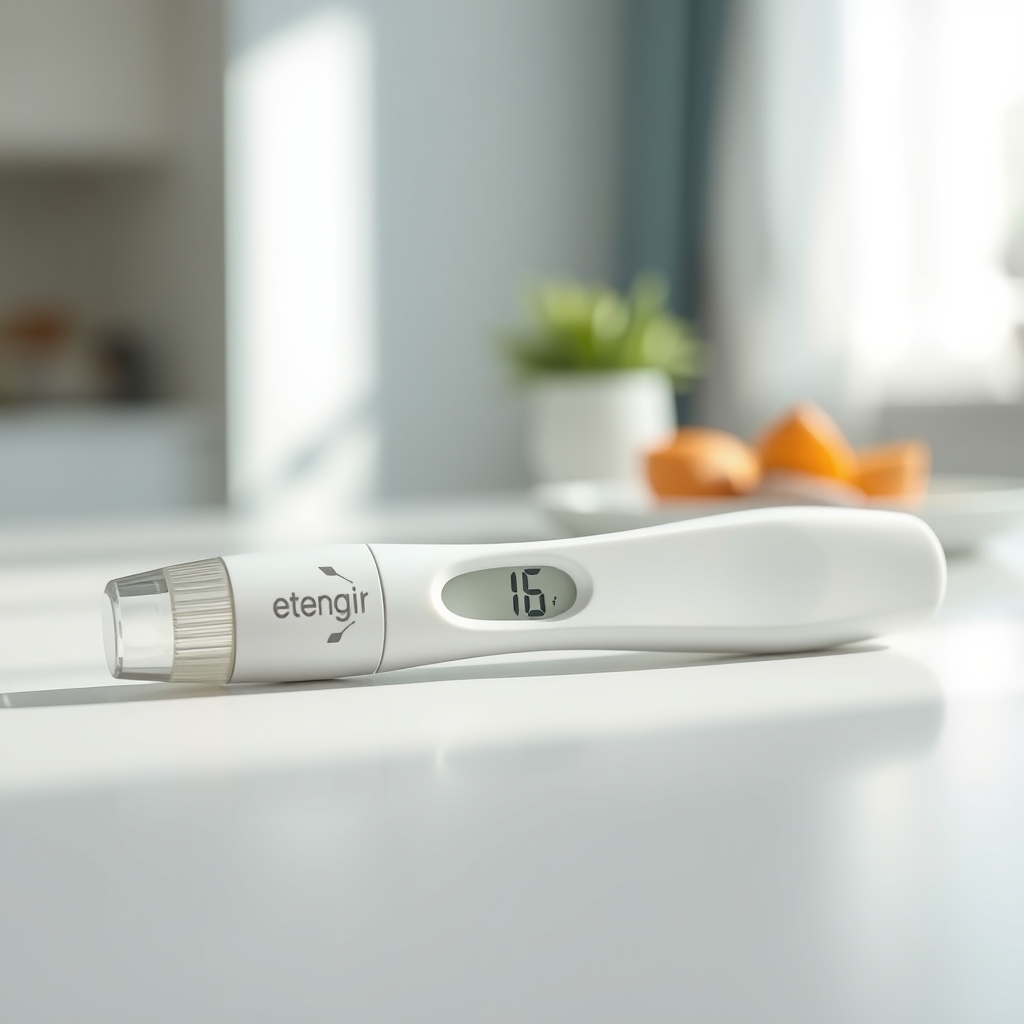
Yes, a pregnancy test can show a positive result as early as two weeks after conception, but accuracy varies. Learn how timing, hormone levels, and test type affect results.
By Shubhra Mishra — a mom of two who turned her own confusion during pregnancy into BumpBites, a global mission to make food choices clear, safe, and stress-free for every expecting mother. 💛
Check whether any food is safe during pregnancy with the BumpBites Food Safety Checker.
Quick take: A pregnancy test can sometimes be positive at about two weeks after conception, but most tests become reliably positive a few days after a missed period. Whether you see a clear line, a faint line, or a negative result depends on how early implantation happened, how much hCG your body is producing, and the sensitivity of the test you use. If you’re unsure, wait a few days and test again.
It’s 2 a.m., you’re lying in bed, and the thought that you might be pregnant keeps nudging you awake. You remember that you had intercourse a week ago, and now you’re wondering if a home pregnancy test could already be showing a result. The answer isn’t always a simple “yes” or “no,” but the good news is that you can make an informed decision based on how your body works, how pregnancy tests detect the hormone hCG, and what the earliest signs look like.
In this article we’ll walk through what “two weeks” really means in a pregnancy timeline, how hCG rises after implantation, how accurate different tests are at this stage, and what you can expect if the first line is faint or absent. We’ll also cover common myths, give you a clear plan for retesting, and point out the red‑flag symptoms that require a call to your provider.
By the end of this guide you’ll know whether a test at two weeks is likely to be positive, what factors can make it negative, and exactly how and when to test again for the most reliable answer.
Can you get a positive pregnancy test at 2 weeks after conception?
Yes, it is biologically possible to see a positive result as early as two weeks after conception, but it depends on three key variables: the timing of implantation, the amount of human chorionic gonadotropin (hCG) your body has begun to produce, and the sensitivity of the test you’re using.
Implantation typically occurs 6–12 days after fertilization. If implantation happens on the earlier side (around day 6), the embryo starts secreting hCG sooner, and a highly sensitive urine test (often labeled “early detection” or “5 mIU/mL”) may pick up enough hormone to show a faint line by day 14.
However, many women implant later, around day 10‑12. In those cases, hCG levels are still too low for a home test, and a negative result at two weeks is perfectly normal. The key is that “two weeks after conception” does not always line up with “two weeks after a missed period,” which is the point most over‑the‑counter tests are calibrated for.
In practice, a positive at two weeks is more the exception than the rule. Most clinicians recommend waiting until at least the first day of a missed period, when the majority of pregnancies will yield a clear positive.
Why the timing matters: Early implantation gives the embryo a head start, but even then the hormone surge must cross the detection threshold of the specific test you choose. If you’re using a test designed for “early results,” you’re essentially lowering the bar for a positive, which can be helpful but also raises the chance of seeing a faint line that’s hard to interpret.
How accurate is a pregnancy test at 2 weeks pregnant?
Accuracy at this very early stage is lower than at the typical testing window (first day of missed period onward). Studies cited by the American College of Obstetricians and Gynecologists (ACOG) show that urine tests have a sensitivity of about 50 %–70 % at 14 days post‑conception, rising to over 95 % by day 21.
Several factors influence accuracy:
Test sensitivity: Tests that claim a detection threshold of 5 mIU/mL can sometimes detect hCG a day or two before standard 25 mIU/mL tests.
Urine concentration: First‑morning urine is more concentrated, increasing the chance of a detectable line.
Timing of implantation: As noted, earlier implantation yields higher hCG earlier.
Individual variation: Some women naturally produce lower hCG levels in early pregnancy.
Because of these variables, a negative result at two weeks does not rule out pregnancy. The best practice is to repeat the test after a few days, preferably using the first‑morning urine.
Clinical perspective: ACOG advises that if a test is taken before a missed period and is negative, clinicians should recommend retesting in 48‑72 hours. This short interval allows hCG to double, which often pushes the level above the test’s detection limit.
Will a pregnancy test be positive 2 weeks after ovulation?
Ovulation typically marks the start of the fertile window, and fertilization occurs within 24 hours. If you ovulated on day 14 of a 28‑day cycle, “two weeks after ovulation” lands you at day 28, which is roughly the time most women miss their period.
At this point, hCG levels have usually doubled every 48‑72 hours, reaching concentrations well above the detection threshold of most home tests. Therefore, a test taken two weeks after ovulation is generally reliable—assuming implantation has already occurred.
However, if ovulation was later in the cycle (for example, day 20 in a longer cycle), two weeks after ovulation would still be only day 34, and the missed‑period window may not have arrived yet. In such cases, a negative result can still be normal.
What the timing tells you: The relationship between ovulation and testing is why many clinicians ask patients to track ovulation with basal body temperature or ovulation kits. Knowing the exact day of ovulation narrows the window for when a test will be most accurate.
What are the earliest signs of pregnancy at 2 weeks?
Two weeks after conception is still early in the hormonal cascade, but some women notice subtle cues:
Mild cramping: Spotting or a sensation similar to a light period can happen when the embryo implants.
Breast tenderness: Hormonal shifts may make the breasts feel fuller or more sensitive.
Fatigue: The body is already producing progesterone, which can cause a sleepy feeling.
Change in cervical mucus: A thicker, white discharge may appear as the cervix produces more mucus to protect the early pregnancy.
These signs are nonspecific and can also occur with hormonal fluctuations unrelated to pregnancy. That’s why a test is the most objective way to confirm.
Spotting vs. implantation bleeding: Light spotting that occurs a few days after intercourse is often mistaken for a period, but implantation bleeding is usually lighter, shorter, and may be pinkish rather than bright red. If you’re unsure, a test can provide clarity.
A faint line on a home test can mean early hCG detection, but it may also be a low‑level positive.
Why might a pregnancy test be negative at 2 weeks but positive later?
Several physiological reasons explain this pattern:
Delayed implantation: If the blastocyst implants on day 10‑12, hCG production starts later, and the hormone may not reach detectable levels until day 16‑18.
Low early hCG production: Some pregnancies produce lower hormone levels initially, requiring a few extra days to cross the test’s detection threshold.
Testing with diluted urine: Testing later in the day with plenty of fluid intake can dilute hCG, leading to a false‑negative that becomes positive when you test with concentrated morning urine.
Because of these factors, clinicians advise waiting at least 48 hours after a negative early test before retesting. If the second test is still negative and you’ve missed your period, a blood serum hCG test can provide a definitive answer.
Practical tip: Keep a simple log of your testing dates, the type of test used, and whether you used first‑morning urine. This record helps your provider see the pattern and decide whether a serum test is warranted.
How soon after implantation can a pregnancy test detect hCG?
Implantation triggers the release of hCG, which first appears in the maternal bloodstream within 6‑12 hours. The hormone then leaks into urine, typically becoming detectable 2‑3 days after implantation. In practical terms, this means a urine test can show a positive result as early as 8‑10 days post‑conception, but most tests become reliably positive about 11‑14 days after implantation.
The exact timing varies:
Early implanters (day 6‑7): Positive urine test possible by day 12‑13 post‑conception.
Average implanters (day 9‑10): Positive result usually appears around day 15‑16.
Late implanters (day 12‑14): Test may remain negative until day 18‑20, at which point a missed period may already have occurred.
Blood tests (serum hCG) can detect the hormone earlier—often as soon as 6‑8 days after implantation—because they measure the exact concentration rather than relying on urine concentration.
Why serum tests are more sensitive: A serum hCG assay can detect levels as low as 1 mIU/mL, far below the threshold of even the most sensitive urine tests. This is why doctors often order a serum test when a patient needs confirmation before a missed period.
Do different pregnancy test brands show positive results at 2 weeks?
Yes. Brands differ in their claimed detection thresholds, which directly influences how early they can show a positive line. Below is a comparison of several popular over‑the‑counter tests:
Brand
Detection threshold (mIU/mL)
Typical earliest positive (days post‑conception)
Notes
First Response Early Result
5
10‑12
Claims “early detection” up to 6 days before missed period.
Clearblue Rapid Result
25
12‑14
Standard sensitivity; reliable after missed period.
Pregmate Early Pregnancy Test
10
11‑13
Mid‑range sensitivity; good for early testing.
Clinical grade serum hCG (blood)
1‑2
8‑10
Laboratory test; most sensitive, requires a phlebotomy.
Choosing a high‑sensitivity test increases the chance of an early positive, but it also raises the likelihood of a faint line that can be confusing. If you get a faint line, treat it as a possible early positive and retest in 48 hours.
Additional consideration: Some digital tests display a “pregnant” or “not pregnant” result without a line. These devices often have a built-in threshold similar to 25 mIU/mL, so they may not show a positive until after a missed period. Check the package insert for the exact sensitivity.
Is 2 weeks too early for a pregnancy test?
For most women, two weeks after conception aligns with the very end of the implantation window, so a test at this point can be borderline. The consensus from the World Health Organization (WHO) and the UK’s National Institute for Health and Care Excellence (NICE) is that testing is most reliable after a missed period, which typically occurs 14 days after ovulation (about 4 weeks gestational age on medical charts).
If you’re eager to know sooner, an early‑detection urine test or a serum hCG blood test can give you information, but you should be prepared for a possible false‑negative and plan to retest.
Bottom line: Testing at two weeks can give you a heads‑up, but it’s not a definitive answer. Most guidelines—ACOG, NHS, and CDC—suggest waiting until after a missed period for the most accurate home‑based result.
What does a faint line on a pregnancy test at 2 weeks mean?
A faint line usually indicates that hCG is present but below the test’s optimal detection range. In the context of a two‑week test, this can mean:
Implantation happened early, and hCG is just beginning to rise.
The test’s sensitivity is high, picking up low hormone levels.
Urine was diluted, reducing the concentration of hCG.
Most manufacturers advise treating any line, no matter how light, as a positive. However, to be certain, repeat the test with first‑morning urine in 48 hours. If the line darkens, pregnancy is confirmed. If it disappears, the initial line may have been a “chemical pregnancy” (a very early loss) or a false‑positive artifact.
How to interpret a faint line: Many users mistake a faint evaporation line for a positive. Look for a clear control line; if the test shows a second line that is lighter than the control, it’s generally considered positive. If you’re still unsure, a serum hCG test will give a numeric value you can discuss with your provider.
Can stress or medication affect a pregnancy test at 2 weeks?
Stress itself does not alter hCG levels, but extreme physiological stress can affect the menstrual cycle, potentially delaying ovulation or implantation. Certain medications—especially fertility drugs that contain hCG (like some forms of luteinizing hormone) or diuretics—can cause false‑positive urine results because they introduce hCG or dilute urine.
Over‑the‑counter pain relievers, antihistamines, and most prescription meds do not interfere with pregnancy test accuracy. If you’re on a medication that contains hCG (e.g., certain fertility treatments), discuss testing timing with your provider.
Medication checklist: Before testing, review any recent injections or hormone therapies. If you’ve received a luteinizing hormone (LH) trigger shot, wait at least 48 hours before testing to avoid a false‑positive result.
How many days after missed period should I take a pregnancy test?
Most guidelines, including those from the Centers for Disease Control and Prevention (CDC), recommend waiting at least one day after a missed period before testing. This gives the body enough time for hCG to rise above the detection threshold of standard tests. Testing earlier can still work with high‑sensitivity tests, but the chance of a false‑negative rises sharply.
For the most reliable result, take the test first thing in the morning, using the first‑catch urine, and follow the instructions precisely.
Why one day matters: hCG roughly doubles every 48‑72 hours. By the time you miss your period, levels are often already above 25 mIU/mL, which is the cutoff for most over‑the‑counter kits. Waiting an extra day can push borderline levels well into the detectable range.
What is the best time of day to take a pregnancy test at 2 weeks?
The best time is first‑morning urine, typically collected between 5 a.m. and 9 a.m. Overnight, urine becomes more concentrated as the kidneys reabsorb water, which increases the hCG concentration per milliliter. If you test later in the day, be sure you haven’t drunk excessive fluids that could dilute the sample.
If you’re testing before a missed period, you may also consider “early morning” urine from the previous night (e.g., after a night of limited fluid intake) to maximize concentration.
Practical tip: If you’re unable to test first thing in the morning, try “mid‑night” urine—collecting urine after you’ve been awake for a few hours but before you’ve had a large drink. This can still be more concentrated than a midday sample.
Can you be pregnant and still get a negative test at 2 weeks?
Absolutely. A negative test at two weeks does not rule out pregnancy. Reasons include:
Late implantation (after day 12 post‑conception).
Low early hCG production.
Testing with diluted urine.
Using a test with a higher detection threshold.
In these scenarios, the hormone simply hasn’t reached a level the test can detect. Retesting after a few days—preferably with first‑morning urine—or getting a serum hCG test can clarify the situation.
What to do next: Schedule a follow‑up test for the day after your missed period. If that test is still negative and you still suspect pregnancy, a blood test can give a definitive answer as early as 6‑8 days after implantation.
What are the chances of a false positive at 2 weeks pregnant?
False‑positive results are rare, especially at the two‑week mark. The most common causes are:
Residual hCG from a recent pregnancy loss (a “chemical pregnancy”).
Presence of hCG in certain medications (fertility treatments).
User error—reading the evaporation line as a positive.
According to data from the FDA, the false‑positive rate for over‑the‑counter urine tests is less than 1 % when used as directed. If you suspect a false positive, a confirmatory blood test can differentiate true pregnancy from other sources of hCG.
Key insight: A true false‑positive is more likely if you’ve recently taken hCG‑containing medication. Otherwise, a faint line is usually a true early positive rather than an artifact.
Testing in a relaxed, well‑lit environment can make the experience less stressful.
Can a digital pregnancy test detect pregnancy at 2 weeks?
Digital pregnancy tests display a clear “Pregnant” or “Not Pregnant” result instead of a line. Most digital kits have a detection threshold similar to 25 mIU/mL, which means they are calibrated for the typical missed‑period window rather than the very early two‑week period.
If you use a digital test at two weeks, you may see a “Not Pregnant” result even when a low‑sensitivity line‑based test would show a faint line. This is because the digital readout often requires a higher hCG concentration to trigger the “Pregnant” indicator.
Recommendation: For ultra‑early testing, a line‑based test with a 5 mIU/mL sensitivity is more likely to catch an early surge. If you prefer the clarity of a digital readout, wait until after a missed period for the most reliable result.
When is a serum hCG blood test the best choice for early detection?
A serum hCG test measures the exact hormone concentration in your blood and can detect levels as low as 1–2 mIU/mL. This makes it the gold standard for confirming pregnancy before a missed period, especially when urine tests are negative or ambiguous.
Clinicians typically order a serum test in three scenarios:
Early testing: You need confirmation before a missed period for personal or medical reasons (e.g., fertility treatment monitoring).
Uncertain home test: A faint line or conflicting results warrant a definitive blood measurement.
Symptoms without a positive test: Persistent pregnancy symptoms (cramping, breast changes) despite a negative urine test may prompt a serum test.
According to the NHS, a serum hCG result above 5 mIU/mL is generally considered positive, but the exact cutoff can vary slightly by laboratory. The test is quick—often results are available within a few hours—and can also help differentiate a viable pregnancy from an ectopic pregnancy when combined with ultrasound.
Practical note: If you’re considering a serum test, ask your provider about the timing. Testing too early (before 6 days post‑implantation) may still be inconclusive, so most clinicians suggest waiting at least 8–10 days after suspected implantation.
Doctor's note
From our medical team: Early testing can be emotionally intense. If your first test is negative but you still suspect pregnancy, wait 48‑72 hours and test again with first‑morning urine. A serum hCG test is the most reliable method before a missed period. If you experience any concerning symptoms—such as severe abdominal pain, heavy bleeding, or fever—contact your provider immediately.
Myth vs. fact
Myth: You can always trust a home pregnancy test at two weeks.
Fact: Home tests are less reliable at two weeks because hCG may still be below the detection threshold. Retesting after a few days improves accuracy.
Myth: A faint line means you’re not pregnant.
Fact: Any line, however faint, typically indicates the presence of hCG. Confirm with a repeat test or a blood test.
Myth: Stress can cause a false‑positive pregnancy test.
Fact: Stress does not create hCG. Only medications containing hCG or certain medical conditions can lead to false positives.
Key takeaways
Two weeks after conception is early; many tests will still be negative.
Implantation timing and test sensitivity drive whether you see a positive line.
First‑morning urine maximizes hCG concentration for the most reliable result.
If you get a faint line, treat it as a possible early positive and retest in 48 hours.
False negatives are common at this stage; a follow‑up test or serum hCG can confirm.
Seek medical care if you have pain, heavy bleeding, or fever, regardless of test results.
Frequently asked questions
How soon will a pregnancy test read positive?
Most home urine tests become reliably positive about 12‑14 days after conception (the day of a missed period), but high‑sensitivity tests can sometimes show a faint line as early as 10 days.
Can you feel pregnant at 2 weeks?
Physical symptoms at two weeks are subtle—light cramping, breast tenderness, or a slight change in cervical mucus—but they are not definitive without a test.
What are the symptoms of 2 weeks pregnant?
Early signs may include mild spotting, breast soreness, fatigue, and a heightened sense of smell. These symptoms overlap with pre‑menstrual changes, so testing is the most accurate way to confirm.
How does hCG rise in early pregnancy?
After implantation, hCG doubles approximately every 48‑72 hours. By the time you reach the equivalent of 4 weeks gestational age, levels are usually above 5,000 mIU/mL, well within the detection range of standard tests.
Why do doctors say you're 4 weeks pregnant at conception?
Obstetric dating counts from the first day of the last menstrual period (LMP). Since ovulation and conception typically occur around day 14, a woman is medically considered 4 weeks pregnant at the moment of conception.
Can a pregnancy test be wrong if taken too early?
Yes. Testing before implantation or before hCG reaches detectable levels can produce a false‑negative result. Waiting until after a missed period or using a serum hCG test reduces this risk.
Can a home pregnancy test detect an ectopic pregnancy at 2 weeks?
A home test only tells you whether hCG is present, not where the embryo is located. An ectopic pregnancy can produce hCG levels similar to a normal pregnancy, so a positive test does not rule out ectopic implantation. If you have pain, shoulder discomfort, or abnormal bleeding, seek care regardless of the test result.
Does diet affect early pregnancy test results?
Eating or drinking does not change hCG levels, but large fluid intake before testing can dilute urine, making a low hCG concentration harder to detect. For the most accurate reading, avoid excessive fluids for at least an hour before testing and use first‑morning urine.
When to call your doctor
If you experience any of the following, contact your healthcare provider right away: severe abdominal or pelvic pain, heavy vaginal bleeding (soaking a pad in under an hour), fever over 100.4 °F (38 °C), or persistent dizziness. Remember, this article provides general information and is not a substitute for personalized medical advice.
References
American College of Obstetricians and Gynecologists (ACOG). “Early Pregnancy Testing.” Practice Bulletin No. 195, 2022.
World Health Organization (WHO). “Guidelines on Antenatal Care for a Positive Pregnancy Experience.” 2020.
National Institute for Health and Care Excellence (NICE). “Pregnancy testing and early diagnosis.” NG62, 2021.
Centers for Disease Control and Prevention (CDC). “Pregnancy Testing.” 2023.
U.S. Food and Drug Administration (FDA). “Pregnancy Test Accuracy and Consumer Guidance.” 2022.
Mayo Clinic. “hCG blood test.” 2023.
Royal College of Obstetricians and Gynaecologists (RCOG). “Early pregnancy assessment.” 2021.
National Health Service (NHS). “When to take a pregnancy test.” 2023.
Not sure about the label on Will A Pregnancy Test Be Positive At 2 Weeks products?
Snap the ingredients list and SafeFilter checks every ingredient for your stage — only 3 free scans this month, then you're locked until reset. Unlimited from $7/mo or $50/yr.
When Shubhra Mishra was expecting her first child in 2016, she was overwhelmed by conflicting food advice — one site said yes, another said never. By the time her second baby arrived in 2019, she realized millions of mothers face the same confusion.
That sparked a five-year journey through clinical nutrition papers, cultural diets, and expert conversations — all leading to BumpBites: a calm, compassionate space where science meets everyday motherhood.
Her long-term vision is to build a global community ensuring safe, supported, and free deliveriesfor every mother — because no woman should face pregnancy alone or uninformed. 🌿
🌍 Stand with mothers, shape safer guidance
Join a small circle of experts who review BumpBites articles so expecting parents everywhere can decide with confidence.