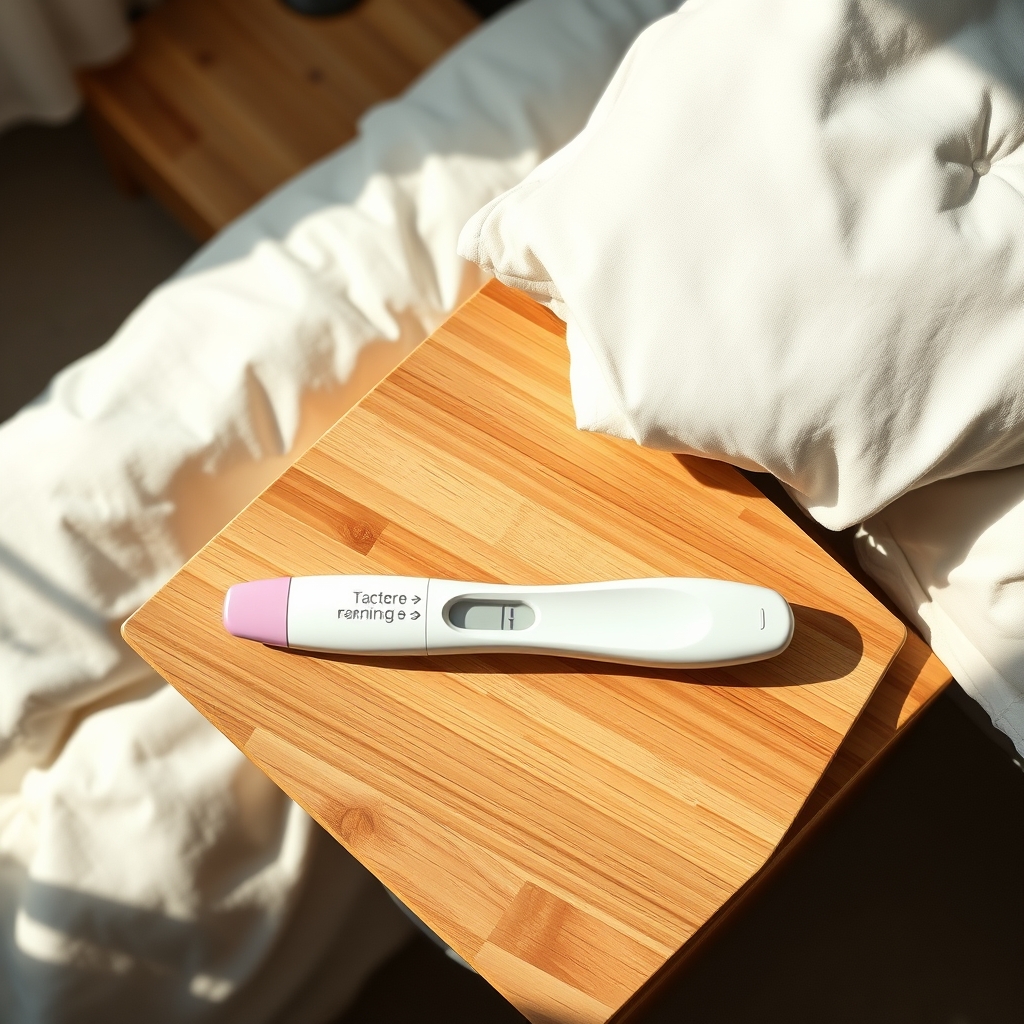
Yes, a pregnancy test can be positive with a tubal pregnancy. Learn why hCG levels rise, symptoms to watch for, and when to seek medical help.
By Shubhra Mishra — a mom of two who turned her own confusion during pregnancy into BumpBites, a global mission to make food choices clear, safe, and stress-free for every expecting mother. 💛
Check whether any food is safe during pregnancy with the BumpBites Food Safety Checker.
Quick take: Yes—most home pregnancy tests will turn positive with a tubal (ectopic) pregnancy because they detect the hormone hCG, not the location of the pregnancy. However, a positive test does not tell you where the embryo is, and false‑negative results can happen, especially early on. If you have any pain, spotting, or unusual symptoms, see a clinician right away.
It’s 2 a.m., you’ve just taken a home pregnancy test after a night of missed periods, and the line appears pink. Relief floods in—until you remember a friend’s story about an “ectopic” pregnancy that started the same way. You wonder, “Could this be a tubal pregnancy? Will the test even show it?” You’re not alone. Many expecting parents ask the same question, and the answer hinges on how pregnancy tests work, what hCG does, and how doctors confirm where the pregnancy is growing.
In this article we’ll unpack everything you need to know about pregnancy‑test results when a tubal pregnancy is possible. We’ll cover how urine and blood hCG tests detect early pregnancy, why they sometimes miss an ectopic pregnancy, the typical hormone patterns, warning signs, and the exact steps clinicians take to diagnose and treat a tubal pregnancy. By the end you’ll have a clear roadmap for interpreting a positive (or negative) test, recognizing red‑flag symptoms, and knowing when to call your provider.
Even a faint second line can signal a growing pregnancy—whether it’s in the uterus or the tube.
Can a home pregnancy test detect an ectopic (tubal) pregnancy?
A home pregnancy test (HPT) looks for the hormone human chorionic gonadotropin (hCG) in your urine. hCG is produced by cells that will become the placenta, and it appears as soon as the embryo implants, whether that implantation is inside the uterine cavity or in a fallopian tube. Because the test does not “see” the embryo, it will turn positive whenever hCG reaches the detection threshold—typically around 20–50 mIU/mL.
Most modern HPTs have a sensitivity of 10 mIU/mL, meaning they can detect pregnancy as early as five days after ovulation. In a tubal pregnancy, hCG rises at a similar early pace to a normal pregnancy, so the test usually shows a positive line. The key point is that a positive result tells you “you are pregnant,” not “where the pregnancy is.”
That said, early ectopic pregnancies can sometimes produce lower hCG levels, especially if implantation is delayed or the trophoblast (the hCG‑producing tissue) is smaller. In those cases, a very early test might read negative even though implantation has begun. The next section explains why a positive test can still mean a tube‑located pregnancy.
Test performance also depends on how you use the kit. Following the manufacturer’s instructions—especially the recommended waiting time before reading the result—helps avoid a “early read” that could miss a faint line. Using first‑morning urine, which is most concentrated, improves reliability, a tip reinforced by the FDA’s guidance on home test sensitivity (FDA, 2021).
What does a positive pregnancy test mean if the pregnancy is in the tube?
A
positive test simply confirms that hCG is present in sufficient quantity. The location of the pregnancy—uterine or tubal—is determined by imaging (usually transvaginal ultrasound) and by tracking hCG trends over time. In a tubal pregnancy, hCG typically rises more slowly and may plateau, but the initial rise is enough for most urine tests to turn pink.
Clinicians use the quantitative hCG level from a blood draw to gauge whether the rise is appropriate for gestational age. In a healthy intrauterine pregnancy, hCG roughly doubles every 48–72 hours during the first few weeks. In an ectopic pregnancy, the rise is often slower—sometimes only a 20–50 % increase over the same period—or it may even level off. If a clinician sees a positive urine test but the hCG trajectory is abnormal, they will order a repeat blood hCG and an ultrasound to locate the gestation.
So a positive home test does not rule out an ectopic pregnancy; it merely signals that hCG is present. The “where” question requires further evaluation.
Emotionally, a positive result can be a whirlwind of joy and anxiety, especially if you have risk factors for ectopic pregnancy. Knowing that a positive test is only the first step can help you stay calm and plan the next appointment promptly, rather than jumping to conclusions.
Why might a pregnancy test be negative with a tubal pregnancy?
False‑negative results are uncommon but can happen in ectopic pregnancies for three main reasons:
Very early testing. If you test before hCG reaches the test’s detection threshold (often <20 mIU/mL), the line will stay blank.
Low hCG production. Some tubal pregnancies produce less hCG because the trophoblast is smaller or the implantation site is less vascular.
Diluted urine. Testing after drinking a lot of fluid can lower hCG concentration in the sample, leading to a missed line.
When a test is taken too early, the result may be negative even though implantation has begun. If you still suspect pregnancy—perhaps because of lingering nausea, breast tenderness, or a missed period—repeat the test in a few days with first‑morning urine, which is most concentrated.
Certain medications, such as high‑dose estrogen contraceptives or fertility drugs, can transiently suppress hCG levels enough to cause a false‑negative (NICE, 2021). Likewise, severe vomiting or diarrhea can dilute urine or cause rapid hCG clearance, masking a true positive.
In rare cases, certain medical conditions (e.g., low‑grade hCG‑secreting tumors) can affect hCG levels, but for most women the timing and concentration of the urine sample are the biggest factors.
How accurate are urine pregnancy tests for detecting ectopic pregnancies?
Overall accuracy of urine HPTs for confirming pregnancy (any location) is >99 % when used as directed. However, accuracy for specifically identifying an ectopic pregnancy is not a feature of the test—it simply cannot differentiate location. The “accuracy” in the context of ectopic pregnancy therefore refers to the test’s ability to give a true positive result when hCG is present, regardless of where the embryo sits.
Studies published by the American College of Obstetricians and Gynecologists (ACOG) show that urine tests detect >90 % of ectopic pregnancies that have hCG levels above 150 mIU/mL. Below that, detection drops sharply. The biggest limitation is that a positive test does not trigger an immediate ultrasound; many clinicians rely on serial hCG measurements and symptom assessment to raise suspicion for ectopic implantation.
False‑positive results are rare but can occur if the test cross‑reacts with other glycoprotein hormones (e.g., LH or FSH) in certain medical conditions. The FDA’s performance standards note that cross‑reactivity is less than 0.1 % for most modern kits, making false positives unlikely (FDA, 2021).
In short, urine tests are highly reliable for confirming that hCG exists, but they are not designed to tell you whether the pregnancy is inside the uterus or the tube. That distinction requires blood tests and imaging.
Difference between blood hCG test and urine test for tubal pregnancy
Blood hCG tests (quantitative beta‑hCG) measure the exact concentration of hCG in the bloodstream, while urine tests give a qualitative (positive/negative) result based on a threshold. The differences matter when an ectopic pregnancy is suspected:
Sensitivity. Blood tests can detect hCG as low as 1 mIU/mL, far earlier than most urine tests.
Trend tracking. Serial blood draws let doctors see the rate of rise. A doubling every 48 hours suggests a healthy intrauterine pregnancy; a slower rise points toward ectopic or failing pregnancy.
Quantitative data. Blood results provide a numeric value that can be plotted on an hCG curve, helping clinicians decide when to schedule an ultrasound.
Speed. Urine tests are instant and convenient for home use, but blood results usually take a few hours in a lab (often available within the same day at most clinics).
When a patient presents with a positive home test and concerning symptoms (pain, bleeding, dizziness), the provider will order a quantitative blood hCG. If the level is above the “discriminatory zone” (typically 1,500–2,000 mIU/mL), an ultrasound should be able to visualize an intrauterine gestational sac. If no sac is seen, the suspicion for ectopic pregnancy rises.
Timing of the blood draw also matters. Drawing blood at the same time each morning reduces variability caused by diurnal fluctuations, a practice endorsed by NHS guidelines for serial hCG monitoring (NHS, 2022).
Early symptoms that distinguish tubal pregnancy from normal pregnancy
Early ectopic pregnancy often mimics normal early‑pregnancy symptoms—nausea, breast tenderness, fatigue—but there are red‑flag clues that merit a closer look:
Unilateral pelvic or abdominal pain. Sharp, stabbing pain on one side, often worsening over hours.
Vaginal spotting or light bleeding. May be brownish and intermittent, unlike the typical implantation bleeding.
Shoulder pain. Irritation of the diaphragm from internal bleeding can cause referred shoulder discomfort.
Dizziness or faintness. Suggests blood loss or a drop in blood pressure.
Absence of typical pregnancy signs despite a positive test. For example, no breast changes or nausea after a few weeks.
Many women describe the pain as “cramping,” but ectopic pain is usually more intense, localized, and does not improve with rest. If you notice any of these signs, especially in combination with a positive test, seek medical evaluation promptly.
The timeline can be a helpful clue: tubal pain often appears suddenly between weeks 5–8 of gestation, whereas normal uterine cramping tends to be milder and more constant. Keeping a brief symptom diary can help your provider see patterns that point toward an ectopic implantation.
When should I see a doctor if I suspect an ectopic pregnancy despite a positive test?
If you have any of the following, call your provider or go to the nearest emergency department immediately:
Severe or worsening abdominal/pelvic pain, especially if one-sided.
Sudden, heavy vaginal bleeding or passing clots.
Dizziness, fainting, or feeling light‑headed.
Shoulder pain, especially on the right side.
Fever combined with abdominal pain (possible rupture and infection).
Even milder symptoms—persistent spotting, low‑grade pain, or a positive home test that doesn’t match your period—should be discussed with a clinician within 24–48 hours. Early evaluation can prevent rupture, which is a medical emergency.
Many health systems now offer same‑day telehealth appointments for urgent pregnancy concerns. A virtual visit can triage your symptoms, arrange a rapid blood draw, and direct you to an in‑person ultrasound if needed, saving precious hours.
Risk factors for tubal pregnancy and how they affect test results
Several factors increase the odds of an ectopic pregnancy. Knowing them helps you and your provider interpret test results more accurately:
Previous ectopic pregnancy. History raises risk to about 10 %.
Pelvic inflammatory disease (PID) or sexually transmitted infections. Scarring of the fallopian tubes impedes embryo transport.
Intrauterine device (IUD) use. While IUDs are highly effective at preventing pregnancy, if a pregnancy does occur it’s more likely to be ectopic.
Fertility treatments. Assisted reproductive technologies (ART) and ovulation‑inducing drugs can increase ectopic risk.
Smoking. Nicotine impairs tubal motility.
Previous tubal surgery. Any tubal ligation reversal or salpingectomy can alter anatomy.
These risk factors do not change how a home test detects hCG, but they raise the clinical suspicion when a positive test is paired with pain or bleeding. Your provider may order blood hCG sooner and schedule an earlier ultrasound based on these risk factors.
Lifestyle modifications—quitting smoking, treating any active STI, and ensuring regular pelvic exams—can lower the chance of a tubal implantation in future cycles. Discussing these steps with your reproductive health specialist is a proactive way to reduce risk.
Ultrasound helps locate the pregnancy and differentiate an ectopic from a normal intrauterine gestation.
Typical hCG level patterns in ectopic vs intrauterine pregnancies
Understanding hCG curves is essential for interpreting both urine and blood test results. Below is a simplified comparison of the expected hCG trajectory during the first six weeks of pregnancy.
Week of Pregnancy
Normal Intrauterine hCG (mIU/mL)
Ectopic Pregnancy hCG (mIU/mL)
4 (approx. 2 weeks post‑ovulation)
5–50
5–30 (often lower)
5
50–500
30–200 (rise may be slower)
6
500–5,000
200–800 (often plateaus)
7
5,000–20,000
800–2,000 (still lagging)
In a healthy intrauterine pregnancy, hCG roughly doubles every 48–72 hours. In an ectopic pregnancy, the rise is irregular—sometimes a modest increase, sometimes a plateau. If a quantitative blood hCG is above 1,500 mIU/mL (the “discriminatory zone”) and an ultrasound does not show a gestational sac, clinicians become increasingly concerned about an ectopic implantation.
Note that individual variation exists; some ectopic pregnancies can produce hCG levels that mimic a normal rise, which is why imaging and clinical assessment are indispensable. A plateau—where hCG fails to rise by at least 50 % over 48 hours—should prompt repeat testing and early ultrasound, per NICE guidelines (2021).
Treatment options for tubal (ectopic) pregnancy
When an ectopic pregnancy is confirmed, treatment aims to preserve the mother’s health and future fertility. Options fall into three categories:
Medical management with methotrexate. This chemotherapy‑type drug stops rapidly dividing trophoblastic cells. It is most effective when hCG is <5,000 mIU/mL, the gestation is unruptured, and the patient is stable. Follow‑up blood hCG is measured on days 4 and 7; a ≥15 % drop confirms success.
Surgical removal. Laparoscopic salpingostomy (removing the ectopic tissue while preserving the tube) or salpingectomy (removing the entire tube) are options. Surgery is chosen if the tube has ruptured, if bleeding is significant, or if methotrexate is contraindicated.
Expectant management. In very low‑hCG cases where the ectopic may resolve on its own, physicians may opt for close monitoring with serial hCG and ultrasound. This approach carries a risk of sudden rupture, so it is reserved for carefully selected patients.
Overall, the success rate of early detection with home tests and prompt medical care is high—over 90 % of tubal pregnancies are treated before rupture when patients seek care within the first six weeks of gestation.
After methotrexate, most patients are monitored until hCG falls below 5 mIU/mL, usually within 4–6 weeks. Persistent low‑level hCG may indicate retained trophoblastic tissue, which sometimes requires a second dose or minor surgical curettage. Ongoing follow‑up is essential to ensure complete resolution and to plan any future conception attempts.
From our medical team: A positive home test is a signal, not a diagnosis. If you have any abdominal pain, spotting, or a history of risk factors, we recommend a quantitative blood hCG and a transvaginal ultrasound as soon as possible. Early detection dramatically reduces the need for surgery and preserves future fertility.
How long does it take for hCG to rise after a tubal implantation?
After the embryo attaches to the fallopian tube, the trophoblast begins secreting hCG within 5–7 days post‑ovulation. In most tubal pregnancies, hCG reaches the 20 mIU/mL detection threshold by day 10–12, which aligns with the time many women take a home test. However, the rise can be slower than in a uterine pregnancy, sometimes taking an extra 2–3 days to become detectable.
Serial quantitative hCG measurements are the most reliable way to map this rise. A rise of less than 50 % over 48 hours, especially after the “discriminatory zone” of 1,500 mIU/mL, should raise suspicion for ectopic implantation (ACOG, 2020). Knowing this timeline helps you understand why a test taken too early may be negative, and why a repeat test a few days later often turns positive.
Can medications or supplements interfere with pregnancy test results in an ectopic pregnancy?
Most over‑the‑counter supplements do not affect hCG detection, but certain medications can. High‑dose estrogen contraceptives or fertility‑inducing drugs (e.g., clomiphene) can temporarily suppress hCG production, leading to a false‑negative urine test. Conversely, some fertility drugs that stimulate the ovaries can cause higher hCG levels, potentially producing a stronger line even in early ectopic pregnancies.
Intravenous immunoglobulin (IVIG) and certain anti‑seizure medications have been reported to cause assay interference, though these situations are rare. If you are taking prescription medication and receive an unexpected result, discuss it with your provider; a blood hCG can clarify any uncertainty.
What follow‑up care is recommended after treatment of a tubal pregnancy?
After medical or surgical management, clinicians typically schedule serial blood hCG checks until the level is undetectable (<5 mIU/mL). This monitoring window averages 4–6 weeks for methotrexate and 2–3 weeks after surgical removal. Persistent low‑level hCG may signal retained trophoblastic tissue, which sometimes requires a second dose of methotrexate or a minor surgical curettage.
Future fertility counseling is an important part of follow‑up. Women who have had a salpingostomy often retain the affected tube and can conceive naturally, but they have a slightly higher risk of recurrence (about 5–10 %). A salpingectomy eliminates that risk on the operated side but reduces overall tubal capacity. Discussing contraception, timing of the next pregnancy attempt, and any needed lifestyle changes helps ensure a safe and healthy next cycle.
Myth vs. fact
Myth: A home pregnancy test can tell you whether the pregnancy is inside the uterus or in the tube.
Fact: Home tests only detect hCG; they cannot locate the pregnancy. Imaging and blood‑hCG trends are required for location.
Myth: If a test is negative, you can rule out an ectopic pregnancy.
Fact: Early ectopic pregnancies may produce hCG levels below the test’s detection threshold, leading to false‑negative results. Repeat testing in a few days is advised if periods are missed.
Myth: Only severe pain means an ectopic pregnancy.
Fact: Mild or intermittent pain, spotting, and shoulder discomfort can all be early warning signs. Prompt evaluation is essential.
Key takeaways
A positive home pregnancy test means hCG is present, but it does not reveal where the pregnancy is.
Most tubal pregnancies produce enough hCG for a home test to turn positive; however, early or low‑hCG ectopics can give false‑negative results.
Serial quantitative blood hCG and transvaginal ultrasound are the gold standards for locating an ectopic pregnancy.
Watch for unilateral pelvic pain, spotting, shoulder pain, or dizziness—these symptoms warrant immediate medical attention.
Risk factors such as prior ectopic pregnancy, PID, IUD use, smoking, and fertility treatments increase suspicion and may prompt earlier testing.
Medical (methotrexate) and surgical (laparoscopic) treatments are highly effective when the condition is caught early.
After treatment, follow‑up hCG monitoring and counseling about future fertility are essential for a safe next pregnancy.
Frequently asked questions
Can a pregnancy test be positive if the pregnancy is ectopic?
Yes. Home and urine tests detect hCG, which is produced by any viable pregnancy, including an ectopic one. A positive line tells you you are pregnant but not where the embryo is growing.
What are the signs of a tubal pregnancy?
Typical signs include sharp one‑sided pelvic or abdominal pain, vaginal spotting or light bleeding, shoulder pain (from internal bleeding irritation), dizziness, and sometimes faintness. Nausea and breast tenderness may also be present but are not distinguishing.
Why might a pregnancy test be negative in an ectopic pregnancy?
A false‑negative can occur if you test very early before hCG reaches the detection threshold, if the ectopic produces unusually low hCG, or if your urine is diluted. Re‑testing a few days later with first‑morning urine improves accuracy.
How soon can a pregnancy test detect an ectopic pregnancy?
Both urine and blood tests can detect hCG as early as 5–7 days after ovulation. However, most home tests become reliably positive when hCG exceeds 20–50 mIU/mL, which typically aligns with 4–5 weeks of gestation. Early ectopic pregnancies may be detectable but sometimes remain below the threshold.
What is the difference between urine and blood pregnancy tests for ectopic pregnancies?
Urine tests provide a simple positive/negative result and are useful for home screening. Blood quantitative hCG tests measure the exact hormone level, track its rise over time, and can identify abnormal patterns suggestive of an ectopic pregnancy.
When should I seek medical help for a possible ectopic pregnancy?
If you experience sharp pelvic pain, heavy spotting, shoulder pain, dizziness, or any sudden change in how you feel, call your provider or go to the emergency department right away. Even mild symptoms paired with a positive test should be evaluated within 24 hours.
Can a repeat pregnancy test become negative after treatment for an ectopic pregnancy?
Yes. After successful medical or surgical treatment, hCG levels fall rapidly. Once the hormone drops below the detection threshold (usually <5 mIU/mL), a home test will read negative. Your provider will confirm clearance with a final blood hCG.
Is it safe to have sex after a suspected ectopic pregnancy?
Sexual activity is generally safe after an ectopic pregnancy has been ruled out or treated, but it’s wise to wait until your provider confirms that the uterus and tubes have healed. If you experience any new pain or spotting after intercourse, contact your clinician promptly.
When to call your doctor
If you notice any of the following, seek care immediately: severe unilateral abdominal pain, sudden heavy bleeding, shoulder pain, dizziness or fainting, fever with pain, or a sudden drop in blood pressure. This information is for educational purposes only and does not replace personal medical advice. Contact your health provider for any concerns.
References
American College of Obstetricians and Gynecologists (ACOG). “Ectopic Pregnancy.” Practice Bulletin No. 193, 2020.
National Institute for Health and Care Excellence (NICE). “Ectopic Pregnancy: Diagnosis and Management.” Clinical Guideline CG152, 2021.
World Health Organization (WHO). “Medical Management of Ectopic Pregnancy.” WHO Guidelines, 2022.
U.S. Food and Drug Administration (FDA). “Home Pregnancy Test Performance and Sensitivity.” Guidance Document, 2021.
Royal College of Obstetricians and Gynaecologists (RCOG). “Ectopic Pregnancy.” Green-top Guideline No. 19, 2020.
Mayo Clinic. “Ectopic Pregnancy.” Patient Education, updated 2023.
Centers for Disease Control and Prevention (CDC). “Sexually Transmitted Infections and Ectopic Pregnancy Risk.” 2022.
British Fertility Society. “Assisted Reproductive Technology and Ectopic Pregnancy Risk.” Clinical Consensus, 2022.
National Health Service (NHS). “Serial hCG Monitoring in Early Pregnancy.” Clinical Guidance, 2022.
American College of Obstetricians and Gynecologists (ACOG). “hCG Trends and the Discriminatory Zone.” Committee Opinion, 2020.
Not sure about the label on Will A Pregnancy Test Be Positive With A Tubal Pregnancy products?
Snap the ingredients list and SafeFilter checks every ingredient for your stage — only 3 free scans this month, then you're locked until reset. Unlimited from $7/mo or $50/yr.
When Shubhra Mishra was expecting her first child in 2016, she was overwhelmed by conflicting food advice — one site said yes, another said never. By the time her second baby arrived in 2019, she realized millions of mothers face the same confusion.
That sparked a five-year journey through clinical nutrition papers, cultural diets, and expert conversations — all leading to BumpBites: a calm, compassionate space where science meets everyday motherhood.
Her long-term vision is to build a global community ensuring safe, supported, and free deliveriesfor every mother — because no woman should face pregnancy alone or uninformed. 🌿
🌍 Stand with mothers, shape safer guidance
Join a small circle of experts who review BumpBites articles so expecting parents everywhere can decide with confidence.