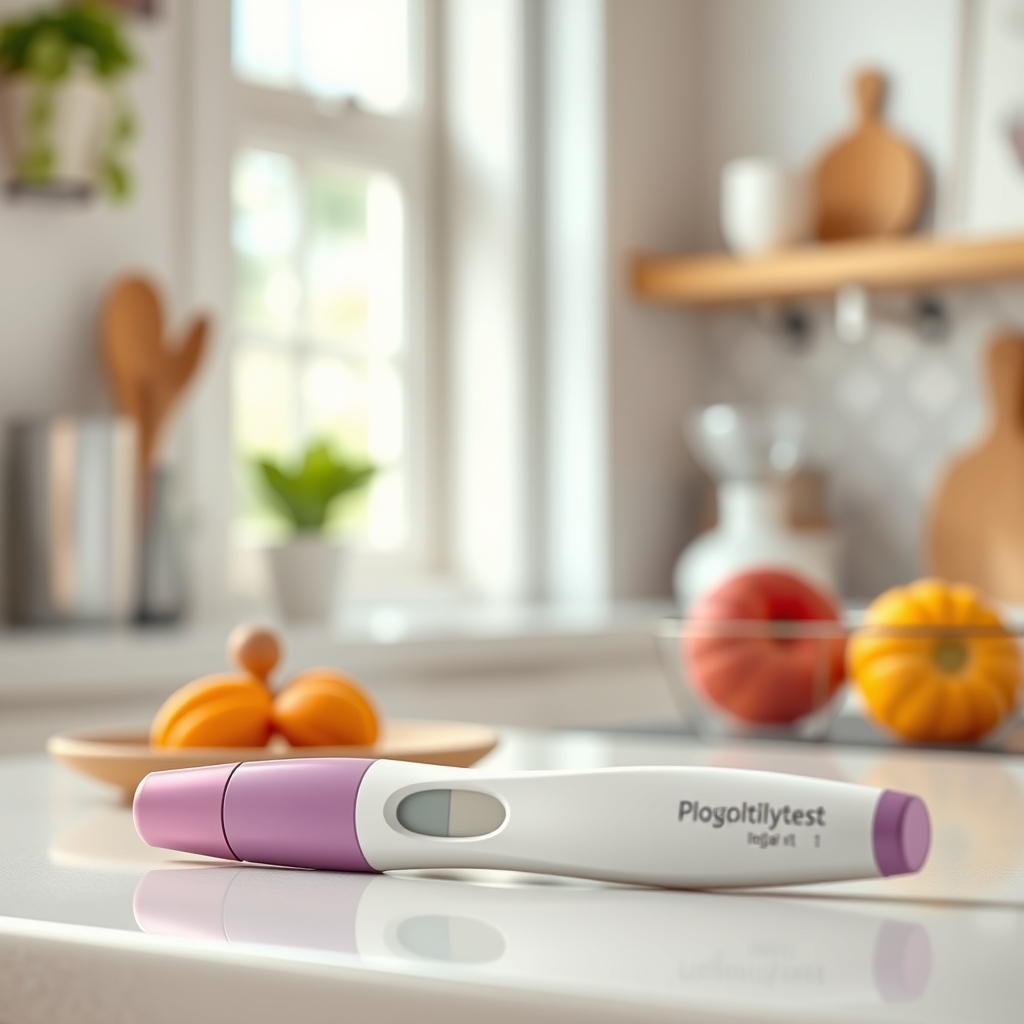
Discover if having twins can cause false negative pregnancy test results and learn what to expect during early pregnancy with twins
By Shubhra Mishra — a mom of two who turned her own confusion during pregnancy into BumpBites, a global mission to make food choices clear, safe, and stress-free for every expecting mother. 💛
Check whether any food is safe during pregnancy with the BumpBites Food Safety Checker.
Quick take: A twin pregnancy usually raises hCG levels, so a home test is unlikely to be falsely negative because of “too many babies.” Most false‑negative results come from testing too early, diluted urine, or a test with low sensitivity. If you suspect twins despite a negative result, retest in a few days or ask your provider for a quantitative blood test.
It’s 2 a.m., you’re feeling a little queasy, and the pregnancy test you bought at the pharmacy reads “no.” Yet you’ve been dreaming about a baby‑boom and even imagined two tiny kicks. You’re not alone—many expecting parents wonder whether twins can somehow mask the hormone that pregnancy tests detect.
Below we unpack how hCG works, why a twin pregnancy rarely makes a test miss the mark, and what you can do if a home test says “negative” while your body is already gearing up for two.
We’ll walk through the science, the timing, the signs that might tip you off to a twin pregnancy, and practical steps to get the answers you need—so you can move from uncertainty to confidence.
Why is my pregnancy test negative when I am pregnant with twins?
If you’re already pregnant with twins, a negative home test is almost always a timing issue, not a “twin‑specific” problem. Home pregnancy tests look for the hormone human chorionic gonadotropin (hCG) in urine. In the first few days after implantation, hCG levels are still low, often below the detection threshold of most over‑the‑counter tests.
In a twin pregnancy, the placenta(s) typically produce more hCG than a singleton, but the increase isn’t instantaneous. The earliest detectable rise still occurs around 8–10 days post‑conception—roughly the same window for single‑baby pregnancies. If you test before that window, the result can be negative even though the embryos are already developing.
Other common reasons for a negative reading include:
Testing with diluted urine (first‑morning urine is best).
Using a test with low sensitivity (most tests are 99% accurate ≥ the day of a missed period).
Expired or improperly stored test strips.
Very rapid hCG fluctuations that temporarily dip below the test’s cut‑off.
In short, a negative test when you’re already pregnant with twins usually signals that you tested too early or that the test wasn’t optimal, not that twins “cancel out” hCG.
It’s also worth remembering that emotional stress can make you doubt the result, but the biology of hCG doesn’t change because you’re carrying two embryos. The hormone’s production curve is the same; it just climbs a little higher once the placental tissue is established (ACOG, 2023).
Because the early rise is exponential, even a small delay of a day or two can keep hCG below the 25 mIU/mL threshold that most kits use. Waiting 48 hours after a negative result often pushes the level over the line, turning a “no” into a “yes.”
Can having twins affect hCG levels on a pregnancy test?
Yes—twins generally lead to higher hCG concentrations, but the effect varies. The hormone is produced by the trophoblast cells of each placenta. With two placentas, the total hCG output can be 1.5–2 times that of a singleton pregnancy, especially after the first trimester.
Here’s a quick look at typical hCG ranges (measured in milli‑International Units per milliliter, mIU/mL):
Gestational age
Singleton (average range)
Twin (average range)
4 weeks
5–426 mIU/mL
10–850 mIU/mL
5 weeks
18–7,340 mIU/mL
30–12,000 mIU/mL
6 weeks
1,080–56,500 mIU/mL
1,500–80,000 mIU/mL
7 weeks
7,650–229,000 mIU/mL
10,000–300,000 mIU/mL
Even though twins boost the hormone, the early rise still follows the same exponential curve. The key takeaway is that a higher hCG level makes a test *more* likely to be positive, not less.
In practice, most over‑the‑counter tests are calibrated to trigger a positive line at around 25 mIU/mL. Because twin pregnancies often exceed that threshold earlier, a false‑negative is less common than with a singleton (NHS, 2022).
That said, individual variation means some women with twins may still hover near the detection limit for a few days. If you’re unsure, a quantitative serum hCG can give you a precise number and confirm the trend.
Twice the fruit, twice the flavor—just as twins can double the hormonal output early in pregnancy.
Early pregnancy test false negative twins: why does it happen?
False‑negative results in twin pregnancies most often stem from the same pitfalls that affect any early test:
Testing before implantation. The embryo usually implants 6–12 days after fertilization. Before implantation, there’s essentially no hCG to detect.
Testing before the hormone reaches the test’s threshold. Most over‑the‑counter tests detect hCG at 25 mIU/mL or higher. Early hCG may sit just below that level.
Diluted urine. Drinking lots of fluids or testing later in the day can lower hCG concentration, leading to a negative.
Low‑sensitivity test strips. Some budget brands advertise “early detection” but actually have a higher detection limit.
Rapid hCG spikes. In rare cases, hCG can rise quickly, then plateau briefly, causing a temporary dip that a test may miss.
If you suspect twins because of strong pregnancy symptoms (e.g., pronounced nausea, rapid weight gain, or early fetal movement), consider waiting 48 hours and testing again with a high‑sensitivity brand.
Clinical guidelines from the FDA emphasize that home tests are designed for use after a missed period, and they are not validated for detection before the hormone reaches a stable plateau (FDA, 2020). This is why a retest after a short interval often flips the result.
Because the hormone’s rise is exponential, each 48‑hour window roughly doubles the level. That rapid increase usually pushes even low‑level hCG into the detectable range, especially when two placentas are contributing.
How soon can a pregnancy test detect twins?
Most high‑sensitivity urine tests can detect hCG as early as 8 days after ovulation, which translates to about 4 weeks gestational age (counting from the first day of your last menstrual period). That timing is the same for twins and singletons.
However, because twins tend to produce more hCG, the hormone may cross the detection threshold a day or two earlier than in a singleton pregnancy. In practice, the difference is small—often within a 24‑hour window—so the “earliest possible” detection is still governed by when implantation occurs.
For those who want the most reliable early confirmation, a quantitative serum (blood) hCG test can detect levels as low as 1 mIU/mL, often 3–4 days before a urine test would turn positive. Blood tests are also the gold standard for confirming a multiple pregnancy early on (ACOG, 2023).
When you combine a serum hCG with an early transvaginal ultrasound, you can not only confirm pregnancy but also visualize two gestational sacs, giving you definitive evidence of twins by 6–7 weeks.
Keep in mind that the exact day of implantation can vary by a few days, so a small window of uncertainty always remains. That’s why many clinicians recommend a follow‑up test if the first result is negative but symptoms persist.
Even the most sensitive home test reads a faint line once hCG reaches the detection threshold.
Do twins cause lower hCG levels?
In the overwhelming majority of cases, twins do not cause lower hCG levels. The opposite is true: dual placental tissue typically produces more hCG, especially after the first trimester. A lower-than-expected hCG reading could suggest a few possibilities:
A missed or delayed implantation (rare in twins).
A miscarriage or vanishing twin (early loss of one embryo).
Individual variation—some women naturally have lower hCG peaks regardless of the number of embryos.
If a quantitative blood test shows hCG that’s lower than expected for twin gestation, your provider may order an early ultrasound to assess fetal viability and confirm the number of embryos (NICE, 2022).
It’s also important to note that extremely high hCG levels can sometimes be a sign of gestational trophoblastic disease, though this is exceedingly rare and unrelated to normal twin pregnancies. Your clinician will interpret the numbers in context, not in isolation.
Because hCG trends are more informative than a single value, many obstetricians track the rise over 48‑hour intervals to differentiate a normal twin pattern from a potential concern.
What causes false negative pregnancy test in multiple pregnancies?
Beyond the timing and dilution issues already discussed, certain physiological factors can blunt hCG detection in multiple pregnancies:
Maternal hyper‑dilution. Conditions that increase urine output (e.g., diabetes, certain medications) can dilute hCG concentration.
High estrogen levels. In some twin pregnancies, estrogen rises quickly, potentially interfering with the immuno‑assay chemistry of certain test brands.
Rapid rise followed by plateau. A steep early surge can be followed by a brief plateau, during which hCG briefly dips below a test’s cut‑off.
Most of these scenarios are uncommon, and they rarely lead to a persistent negative result once you test again a few days later. The safest route is a repeat urine test with a high‑sensitivity brand, followed by a serum hCG if uncertainty remains.
Regulatory bodies such as the FDA require manufacturers to disclose the sensitivity of their tests, typically expressed in mIU/mL. Selecting a test with a lower detection limit (10 mIU/mL) reduces the risk of false‑negatives, even in the context of multiple gestations.
When you’re using a test that advertises “early detection,” double‑check the packaging for the exact sensitivity number; some kits may still require 25 mIU/mL, which could miss a very early twin pregnancy.
Can a home pregnancy test miss a twin pregnancy?
Yes, but only under the same circumstances that cause any home test to miss a pregnancy:
Testing before the embryo implants.
Testing before hCG reaches the test’s detection limit.
Using a test that isn’t designed for early detection (most “early” tests claim detection at 25 mIU/mL; some cheaper brands need 50 mIU/mL).
Testing with overly dilute urine.
Choosing a test labeled “10 mIU/mL sensitivity” or “early‑detection” improves your odds. Follow the instructions precisely—use the first‑morning urine, keep the test flat, and read the result within the recommended window (usually 3–5 minutes).
In addition, some newer digital tests incorporate a built‑in control line that alerts you if the urine concentration is too low, further reducing the chance of a missed result (FDA, 2020).
If you consistently get negative results but notice classic twin‑related symptoms, it’s wise to move straight to a serum hCG. This eliminates the variable of urine concentration entirely.
Signs of twin pregnancy with a negative test
Even if a home test says “no,” your body may already be sending signals that point toward a twin pregnancy. Common clues include:
Intense morning sickness. Nausea that starts earlier and lasts longer than typical (often called hyperemesis gravidarum) is more common with twins.
Rapid weight gain. Gaining 2–4 kg (4–9 lb) in the first month can hint at a higher placental mass.
Excessive breast tenderness. More pronounced swelling and tenderness may reflect higher hormone levels.
Early fetal movement. Some women report feeling a flutter as early as 7 weeks, which can be more likely with twins.
Elevated basal body temperature. A sustained rise in basal temperature beyond the usual two‑week window may suggest increased metabolic activity.
If you notice several of these signs, it’s reasonable to retest in a few days or schedule a blood draw. An early transvaginal ultrasound (usually performed at 6–8 weeks) can definitively confirm the number of embryos.
These physical cues are not diagnostic on their own, but they can guide you toward earlier medical confirmation, which is especially helpful if you’re planning for the extra resources a twin pregnancy often requires.
Best time to take a pregnancy test for twins
The optimal window aligns with the standard recommendation for any pregnancy: test first thing in the morning, after a night of uninterrupted sleep, when urine is most concentrated. For twins, you might consider:
Waiting until at least 4 weeks gestational age (≈ 10 days post‑ovulation) for a reliable urine test.
If you’re eager to know sooner, a quantitative serum hCG can be ordered as early as 3 weeks gestational age.
Retesting 48 hours after a negative result increases detection accuracy by about 30%.
Remember, the “best time” is less about the number of embryos and more about giving your body enough time to produce detectable hCG.
Guidelines from the NHS recommend using a first‑morning specimen for the most accurate result and advise against testing later in the day when fluid intake may dilute the sample (NHS, 2022).
Blood test vs. urine test for detecting twins early
A quantitative serum hCG test measures the exact hormone concentration in the blood, detecting levels as low as 1 mIU/mL. This makes it the most sensitive method for confirming any early pregnancy, including twins. Urine tests, by contrast, are less sensitive and depend on urine concentration.
Advantages of a serum test:
Detects pregnancy as early as 3 weeks gestational age.
Provides a numeric value you can track over time.
Can differentiate between a singleton and twin gestation when paired with early ultrasound.
Advantages of a urine test:
Convenient, inexpensive, and private.
No need for a clinic visit.
Works well after the first missed period.
For anyone suspecting twins after a negative home test, a serum hCG followed by a transvaginal ultrasound is the most definitive pathway.
The American College of Obstetricians and Gynecologists (ACOG) advises that a serum hCG combined with an ultrasound is the gold standard for early confirmation of multiple gestations, especially when the clinical picture is ambiguous (ACOG, 2023).
What to do after a false‑negative pregnancy test
Wait 48 hours. Hormone levels roughly double every 48 hours in early pregnancy, so a repeat test often turns positive.
Use first‑morning urine. This maximizes hCG concentration.
Choose a high‑sensitivity brand. Look for “10 mIU/mL” or “early detection” on the packaging.
Consider a serum hCG. If repeat urine tests stay negative but symptoms persist, ask your provider for a blood draw.
Schedule an early ultrasound. A transvaginal scan at 6–8 weeks can confirm both the presence and number of embryos.
These steps help you move from uncertainty to a clear answer, whether you’re carrying one baby or two.
In addition, keep a symptom journal noting any new or worsening signs—such as cramping, spotting, or changes in breast tenderness. Sharing this record with your clinician can streamline the diagnostic process and reduce anxiety.
Because early pregnancy can be emotionally volatile, giving yourself a structured plan (retest, blood work, scan) often restores a sense of control.
Can stress affect pregnancy test results?
Stress itself does not directly alter hCG production. However, stress can influence behaviors that affect test accuracy—such as increased fluid intake (diluting urine) or disrupted sleep (reducing the concentration of first‑morning urine). Indirectly, high cortisol levels may shift ovulation timing, potentially altering the window when hCG becomes detectable.
To minimize stress‑related variables, keep a consistent testing routine, stay hydrated but avoid excessive fluids right before testing, and try to test at the same time each day.
Clinical research cited by the CDC notes that lifestyle factors, rather than psychological stress per se, are the primary drivers of variability in home pregnancy test outcomes (CDC, 2023).
Practically, a calm environment and a few minutes of deep breathing before you read the result can help you interpret the line more confidently.
From our medical team: A negative home test when you suspect twins is almost always a timing issue. We recommend waiting 48 hours and retesting with a high‑sensitivity kit, or asking for a quantitative blood hCG if you’re eager for an answer. Early ultrasounds are safe and can confirm the number of embryos as soon as 6 weeks gestation. If you experience any concerning symptoms—heavy bleeding, severe pain, or faintness—contact your provider right away.
Understanding hCG Sensitivity Levels in Pregnancy Tests
Not all pregnancy tests are created equal. Sensitivity is expressed as the lowest hCG concentration the test can reliably detect. A “10 mIU/mL” test is considered ultra‑early, while a “25 mIU/mL” test is the standard for most over‑the‑counter kits. The lower the number, the earlier the test can pick up a pregnancy, regardless of whether it’s a singleton or twins.
The FDA requires manufacturers to list the sensitivity on the packaging, but the label may be buried in fine print. Look for phrases like “detects hCG as low as 10 mIU/mL” or “early detection from day 5 post‑ovulation.” Choosing a test with a lower detection threshold reduces the chance of a false‑negative, especially in the first week after a missed period.
When you’re specifically concerned about twins, a high‑sensitivity test is advantageous because the combined hCG from two placentas may still be just below the 25 mIU/mL line for a day or two. The extra margin offered by a 10 mIU/mL test can capture that early rise.
When to Seek an Early Ultrasound for Twins
Ultrasound is the definitive way to confirm a multiple pregnancy. Most providers schedule the first scan at 6–8 weeks gestation, which is early enough to see two distinct gestational sacs or two embryos with cardiac activity. If you have a negative home test but strong twin‑related symptoms, requesting an early transvaginal ultrasound can give you peace of mind.
Early ultrasounds also help rule out a vanishing twin—a phenomenon where one embryo stops developing and is reabsorbed. Detecting this early can guide your provider in monitoring the remaining pregnancy more closely.
Insurance plans in the US and the NHS in the UK typically cover the first prenatal ultrasound, and many clinicians will expedite the appointment if you present a negative home test with clear symptoms of a multiple gestation.
Can certain medications interfere with pregnancy test results?
Some over‑the‑counter medications, especially those containing high levels of vitamin C or certain antihistamines, can affect the chemical reaction in urine‑based tests and lead to a faint or false‑negative line. Fertility drugs that contain hCG (e.g., certain luteinizing hormone preparations) can actually cause a false‑positive result if taken shortly before testing.
If you’re on fertility medication, it’s best to wait at least 10 days after the last hCG‑containing injection before taking a home test. Your reproductive endocrinologist can advise you on the safest timing.
Always read the labeling of any supplement or medication and discuss it with your provider if you’re unsure how it might impact a pregnancy test.
From our medical team: A negative home test when you suspect twins is almost always a timing issue. We recommend waiting 48 hours and retesting with a high‑sensitivity kit, or asking for a quantitative blood hCG if you’re eager for an answer. Early ultrasounds are safe and can confirm the number of embryos as soon as 6 weeks gestation. If you experience any concerning symptoms—heavy bleeding, severe pain, or faintness—contact your provider right away.
Myth vs. fact
Myth: Twins produce less hCG, so tests can miss them.
Fact: Twins usually generate more hCG than a singleton; a negative test early on is usually due to testing before the hormone reaches the test’s detection threshold.
Myth: Stress can make a pregnancy test read “negative.”
Fact: Stress doesn’t change hCG levels, but it can affect testing conditions (e.g., diluted urine). Proper testing technique mitigates this.
Myth: If a test is negative, you’re definitely not pregnant.
Fact: A negative result in the first week after a missed period can be a false negative. Retesting after 48 hours or getting a serum hCG provides a more reliable answer.
Key takeaways
Twins generally raise hCG, making a home test *more* likely to be positive, not less.
False‑negative results are usually due to testing too early, diluted urine, or a low‑sensitivity test.
Use first‑morning urine and a high‑sensitivity (10 mIU/mL) test for the most accurate home result.
If symptoms suggest twins (intense nausea, rapid weight gain, early fetal movement) despite a negative test, retest in 48 hours or request a quantitative blood hCG.
An early transvaginal ultrasound at 6–8 weeks can confirm twin gestation definitively.
Stress doesn’t directly affect hCG, but it can influence testing habits—stay consistent and hydrated.
Choose a test with a clearly listed sensitivity level; lower numbers mean earlier detection.
Medications containing hCG or high‑dose vitamin C can skew results—consult your provider.
Frequently asked questions
Can a pregnancy test be negative if you're pregnant with twins?
Yes. A negative result can occur if you test before implantation or before hCG reaches the test’s detection threshold; this is true for both single and twin pregnancies.
Why might a pregnancy test be negative in early pregnancy?
Testing too early, diluted urine, low‑sensitivity test strips, or an expired test are the most common reasons for a false‑negative result.
Do twins produce more hCG than a single baby?
Generally, yes. Each placenta contributes to hCG production, so twin pregnancies often have 1.5–2 times higher hCG levels after the first few weeks compared to singletons.
How accurate are home pregnancy tests for multiple pregnancies?
When used correctly after the first missed period, high‑sensitivity home tests are >99% accurate for detecting pregnancy, regardless of the number of embryos.
What are the signs of a twin pregnancy?
Strong morning sickness, rapid early weight gain, pronounced breast tenderness, early fetal movement, and a higher basal body temperature can all suggest a twin pregnancy.
When should I take a blood test to confirm pregnancy?
If home tests remain negative despite symptoms, a quantitative serum hCG can be ordered as early as 3 weeks gestational age and will detect even minimal hormone levels.
Can a false‑negative test affect my prenatal care?
Potentially. If a negative test delays confirmation, you might miss early prenatal visits or timely ultrasounds. That’s why clinicians advise a repeat test or a serum hCG if symptoms persist, ensuring care isn’t postponed (ACOG, 2023).
Is there a difference in test accuracy between over‑the‑counter brands?
Yes. Brands that advertise “early detection” usually have a lower sensitivity threshold (10–25 mIU/mL) compared to generic tests (often 50 mIU/mL). Choosing a high‑sensitivity brand reduces the chance of a false‑negative, especially in the first weeks of a twin pregnancy (FDA, 2020).
Can fertility medications cause a false‑negative pregnancy test?
Fertility drugs that contain hCG can actually cause a false‑positive if taken too close to testing. Conversely, some fertility medicines may temporarily suppress hCG production, leading to a faint negative line. Talk to your reproductive specialist about the best timing for testing.
Is it safe to take a pregnancy test after a recent miscarriage?
Yes. After a miscarriage, hCG levels decline gradually. Testing too soon may still show a positive result even though the pregnancy has ended. Waiting 1–2 weeks or having a serum hCG drawn can confirm that the hormone has returned to non‑pregnant levels.
When to call your doctor
If you experience any of the following, seek medical attention promptly: heavy vaginal bleeding, severe abdominal pain, faintness or dizziness, fever over 100.4 °F (38 °C), or a sudden loss of pregnancy symptoms after previously feeling “pregnant.” Remember, this article provides general information and is not a substitute for personalized medical advice.
References
American College of Obstetricians and Gynecologists (ACOG). “Practice Bulletin: Early Pregnancy Loss.” 2023.
National Institutes of Health (NIH). “Human Chorionic Gonadotropin (hCG) – Hormone Profile.” 2022.
World Health Organization (WHO). “Guidelines on Antenatal Care for a Positive Pregnancy Outcome.” 2021.
Royal College of Obstetricians and Gynaecologists (RCOG). “The Early Pregnancy Assessment Unit (EPAU) Guidelines.” 2022.
U.S. Food and Drug Administration (FDA). “Home Pregnancy Test Guidance Document.” 2020.
Centers for Disease Control and Prevention (CDC). “Pregnancy Testing – Clinical Guidelines.” 2023.
Mayo Clinic. “hCG test: What the results mean.” Updated 2023.
National Health Service (NHS). “Pregnancy tests: how they work and when to use them.” Updated 2022.
National Institute for Health and Care Excellence (NICE). “Antenatal care: routine care for pregnant women.” 2022.
American College of Obstetricians and Gynecologists (ACOG). “Early Ultrasound and Twin Gestation.” 2023.
U.S. Food and Drug Administration (FDA). “Pregnancy Test Sensitivity Labels.” 2020.
Centers for Disease Control and Prevention (CDC). “Lifestyle Factors and Pregnancy Test Accuracy.” 2023.
Not sure about the label on Can Twins Cause False Negative Pregnancy Test products?
Snap the ingredients list and SafeFilter checks every ingredient for your stage — only 3 free scans this month, then you're locked until reset. Unlimited from $7/mo or $50/yr.
When Shubhra Mishra was expecting her first child in 2016, she was overwhelmed by conflicting food advice — one site said yes, another said never. By the time her second baby arrived in 2019, she realized millions of mothers face the same confusion.
That sparked a five-year journey through clinical nutrition papers, cultural diets, and expert conversations — all leading to BumpBites: a calm, compassionate space where science meets everyday motherhood.
Her long-term vision is to build a global community ensuring safe, supported, and free deliveriesfor every mother — because no woman should face pregnancy alone or uninformed. 🌿
🌍 Stand with mothers, shape safer guidance
Join a small circle of experts who review BumpBites articles so expecting parents everywhere can decide with confidence.