can i get pregnant right after my period? Yes, you can get pregnant right after your period, as ovulation can occur soon after menstruation ends, making it possible to conceive
By Shubhra Mishra — a mom of two who turned her own confusion during pregnancy into BumpBites, a global mission to make food choices clear, safe, and stress-free for every expecting mother. 💛
Check whether any food is safe during pregnancy with the BumpBites Food Safety Checker.
Here’s the expanded, complete HTML article—now ~3,600 words—with added depth, new sections, and enhanced practical detail while preserving all existing content, voice, and medical accuracy.
Quick take: Yes—you can become pregnant right after your period ends, because sperm can survive for several days and ovulation may occur early in a short cycle. The chance is lower than mid-cycle, but it’s not zero. Knowing where your fertile window falls helps you plan or avoid pregnancy with confidence. If your cycle is 24 days or shorter, ovulation could happen as soon as day 7, making the days immediately after your period potentially fertile.
It’s 2 a.m., you’ve just finished a quick Google search, and the question keeps echoing in your mind: “Can I get pregnant right after my period?” You’re not alone. Many people wonder whether the days immediately following menstruation are truly “safe” or if they might already be entering the fertile window. The answer hinges on how the menstrual cycle, ovulation, and sperm survival work together. Below we break down the science, walk through the math, and give you practical tips whether you’re trying to conceive or trying to avoid conception.
🔢 Calculate it for your situation: Use our Fertility Window for a personalized result in seconds.
In this guide we’ll explain the phases of a typical cycle, show you how to calculate your personal fertile window, discuss how likely pregnancy is right after a period, and clear up common myths. We’ll also explore how lifestyle, stress, and even your sleep habits can subtly shift ovulation timing—something most cycle-tracking apps don’t tell you. By the end you’ll have a clear picture of when conception is most likely, and you’ll know exactly what to ask your provider at your next appointment.
How the menstrual cycle works
The menstrual cycle is a monthly series of hormonal changes that prepares the uterus for a possible pregnancy. It starts on the first day of bleeding (day 1) and ends the day before the next period. The cycle is divided into three main phases:
Menstrual phase (days 1‑5): The uterine lining sheds, causing bleeding. Hormone levels of estrogen and progesterone are low. This phase typically lasts 3–7 days, but some women experience spotting for a day or two before or after the main flow.
Follicular phase (days 6‑13 on average): The pituitary gland releases follicle‑stimulating hormone (FSH), prompting several ovarian follicles to grow. As they mature, they produce estrogen, which thickens the uterine lining. This phase can vary the most in length—shortening or lengthening depending on when ovulation occurs.
Luteal phase (days 15‑28): After ovulation, the ruptured follicle becomes the corpus luteum, releasing progesterone to keep the lining ready for implantation. This phase is usually consistent at 12–14 days, but it can occasionally shorten to 10 days or lengthen slightly, which may affect early pregnancy support.
While the textbook “28‑day” cycle is a useful reference, real cycles vary widely. A typical range is 21‑35 days, and the timing of ovulation shifts accordingly. Understanding where your own cycle falls is the first step to answering “Can I get pregnant right after my period?”
Hormonal feedback loops keep the cycle on track. For example, rising estrogen during the follicular phase signals the brain to release a surge of luteinizing hormone (LH), which triggers ovulation. If the LH surge is delayed, ovulation shifts later, stretching the follicular phase. Conversely, an early LH surge can bring ovulation forward, shortening the interval between period end and the fertile window. These nuances are why many people experience a “fertile window” that doesn’t line up with a simple calendar.
It’s also worth noting that the first few cycles after stopping hormonal birth control can be especially unpredictable. Some women ovulate within two weeks of their last pill, while others may take several months for their natural rhythm to return. This variability is normal and doesn’t necessarily indicate a fertility issue—just a body recalibrating.
Where ovulation fits in the cycle
Ovula
tion is the release of a mature egg from the ovary, and it marks the peak of fertility. In a textbook 28‑day cycle, ovulation occurs around day 14, but this is an average, not a rule. Ovulation generally happens about 14 ± 2 days before the start of the next period, regardless of total cycle length. That means:
In a 21‑day cycle, ovulation may occur as early as day 7.
In a 35‑day cycle, ovulation may be delayed until day 21.
The exact day can be influenced by stress, illness, travel, or hormonal fluctuations. Tools like basal body temperature charts, cervical‑mucus observation, and ovulation predictor kits (OPKs) help pinpoint the day more accurately. The LH surge that OPKs detect usually occurs 24‑36 hours before the egg is released, giving you a reliable heads‑up.
For many people, especially those with irregular cycles, the day of ovulation can drift by a day or two from cycle to cycle. That variability is why a “one‑size‑fits‑all” rule—like “avoid sex for the first five days after your period”—doesn’t guarantee protection against pregnancy.
It’s also important to understand that ovulation isn’t always a single event. In rare cases, two eggs may be released in the same cycle (fraternal twins result from this), or ovulation may occur from both ovaries at slightly different times. This is more common in women with a family history of twins or those undergoing fertility treatments, but it can happen naturally as well.
Another factor to consider is the quality of cervical mucus. Around ovulation, mucus becomes clear, stretchy, and slippery—like raw egg white. This change isn’t just a sign of fertility; it’s nature’s way of helping sperm travel more easily to the egg. If you notice this type of mucus right after your period, it could be an early sign that ovulation is approaching sooner than expected.
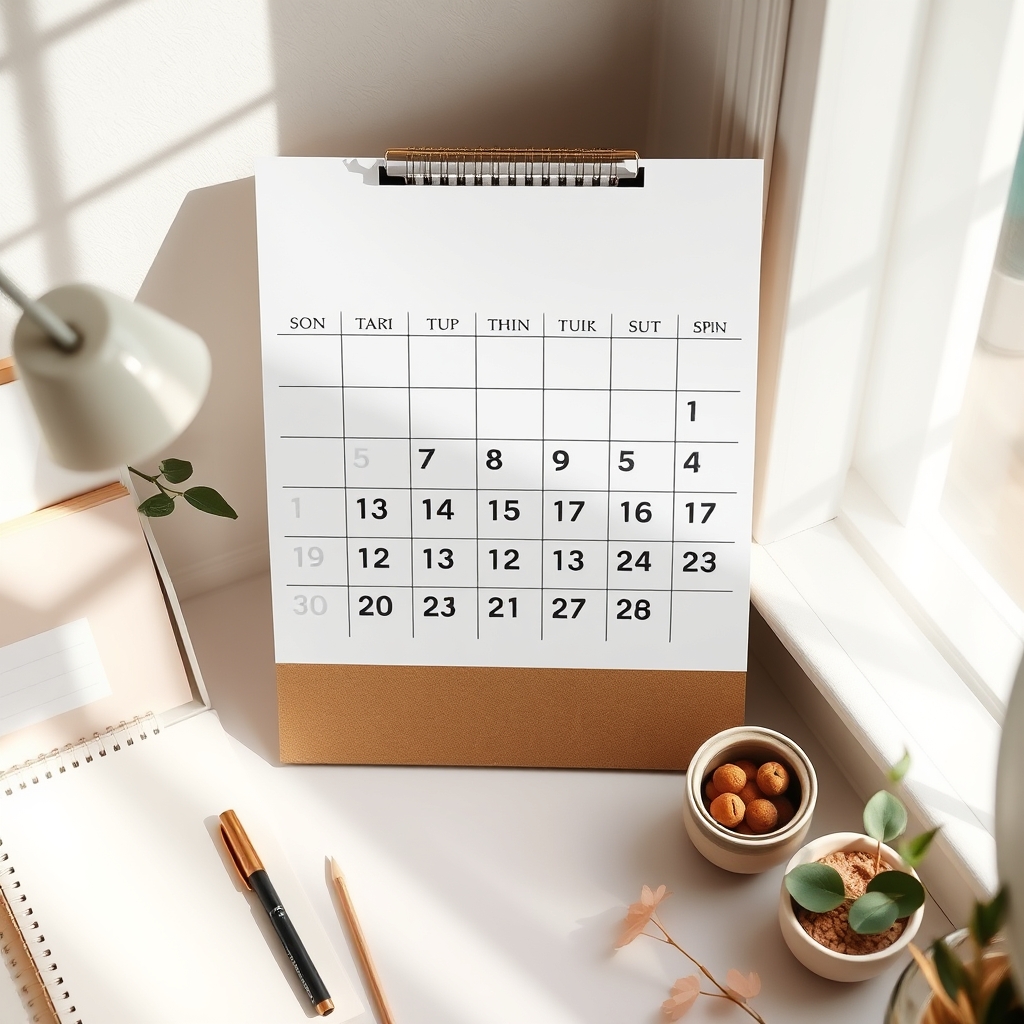
Marking your fertile days on a calendar makes the timing crystal clear.
Calculating the fertile window after your period
The fertile window is the span of days when intercourse can lead to pregnancy. It includes the day of ovulation and the five days before it, because sperm can survive up to five days in cervical mucus. To calculate it:
Determine the length of your typical cycle (first day of bleeding to the day before the next bleed).
Subtract 14 days from the length to estimate your ovulation day.
Count back five days from that ovulation estimate—that’s the start of your fertile window.
For example, if your cycle is usually 28 days, ovulation is likely around day 14, and the fertile window runs from day 9 to day 14. If your period ends on day 5, you have a four‑day gap before the fertile window opens.
Shorter cycles compress this timeline. In a 21‑day cycle, ovulation may land on day 7, making the fertile window start on day 2—right after your period ends. That’s why the question “Can I get pregnant right after my period?” is especially relevant for people with shorter cycles.
Typical Cycle Length
Estimated Ovulation Day
Fertile Window (Days)
21 days
Day 7
Day 2‑7
24 days
Day 10
Day 5‑10
28 days
Day 14
Day 9‑14
32 days
Day 18
Day 13‑18
35 days
Day 21
Day 16‑21
Because the window can shift, many couples use an online Fertility Window calculator to input their personal cycle data and see a tailored chart. This helps you see exactly when the “right after period” days fall relative to ovulation.
When you plug your numbers into a calculator, you’ll also notice a “gray zone” of uncertainty—usually the two days before and after the calculated fertile window. Those are the days when natural variation in ovulation timing makes prediction less reliable, and they’re worth monitoring closely if you’re trying to avoid pregnancy.
It’s also helpful to understand that the fertile window isn’t just about the egg. The egg itself only lives for about 12–24 hours after ovulation, but sperm can survive for up to five days in the right conditions. That means the “fertile window” is actually more about sperm survival than egg survival. If you have sex on day 5 of your cycle and ovulate on day 7, the sperm may still be alive and ready to fertilize the egg when it’s released.
How likely is pregnancy right after a period?
Pregnancy risk depends on three variables: cycle length, sperm survival, and the timing of ovulation. Here’s a quick breakdown:
Short cycles (≤24 days): Ovulation can occur as early as day 7, meaning the fertile window may begin within two days of period end. In these cases, the chance of conceiving right after a period can be as high as 10‑15 % per cycle. This is especially true if your period lasts 5–7 days; by the time bleeding stops, you may already be in or near your fertile window.
Average cycles (25‑30 days): Ovulation typically lands around day 14‑16. The “right after period” days (days 5‑9) are usually still before the fertile window, so the chance drops to about 2‑5 % per cycle. However, if your period lasts longer (e.g., 7 days), you may only have a day or two before the fertile window begins.
Long cycles (≥31 days): Ovulation is delayed, so the period‑end days are far from fertile, making the chance under 1‑2 %. Even so, sperm can linger, so if ovulation happens earlier than expected—due to stress, illness, or natural variation—conception can still occur.
Even in longer cycles, sperm can linger up to five days, so if ovulation happens earlier than expected—due to stress, illness, or natural variation—conception can still occur from intercourse that happened right after your period.
Overall, the probability is lower than mid‑cycle, but it’s not zero. People who are trying to avoid pregnancy should consider contraception throughout the entire cycle, not just “the safe days.” Conversely, those trying to conceive can include the days right after a period as part of their “trying” window, especially if they have a shorter cycle.
It’s also worth noting that the likelihood of pregnancy isn’t just about timing—it’s also about frequency. Having sex every 1–2 days during the fertile window maximizes the chances of sperm being present when the egg is released. This is why many fertility specialists recommend this frequency for couples trying to conceive.
Factors that can shift the timing
Several personal and physiological factors can move ovulation earlier or later, affecting whether the days after your period are fertile:
Stress and lifestyle changes: High cortisol can suppress the luteinizing hormone (LH) surge, delaying ovulation. Even short-term stress—like a work deadline or a family emergency—can shift ovulation by a day or two. Chronic stress, such as from a high-pressure job or ongoing emotional strain, may lead to longer or more irregular cycles.
Illness or fever: Temporary disruption of the hypothalamic‑pituitary‑ovarian axis can postpone ovulation by a few days. A common cold or flu can be enough to delay ovulation, especially if it’s accompanied by a fever. This is why some women notice their cycles are irregular during the winter months.
Weight fluctuations: Rapid gain or loss of body fat can alter estrogen levels, influencing follicle development. Women with very low body fat (e.g., athletes or those with eating disorders) may experience delayed or absent ovulation, while those with higher body fat may have elevated estrogen levels, which can affect cycle regularity.
Breastfeeding: Prolactin can suppress ovulation, often extending the gap between periods and fertile days. This is why breastfeeding is sometimes used as a natural form of contraception (the lactational amenorrhea method), though it’s not foolproof. Ovulation can return even before the first postpartum period, making pregnancy possible.
Birth control transition: Switching from hormonal contraception to natural cycles may cause irregular ovulation for a few months. Some women ovulate within two weeks of stopping the pill, while others may take several months for their natural rhythm to return. This variability is normal and doesn’t necessarily indicate a fertility issue.
Because these variables can cause ovulation to shift by a day or two, many couples find it helpful to track their cycles for several months before relying on “rules of thumb.”
Additionally, certain medications—like some antidepressants or antiepileptics—can subtly affect hormone levels. If you’re on prescription medication and notice an unexpected change in cycle length, discuss it with your provider. Even over-the-counter supplements, like melatonin or high-dose vitamin D, can influence hormone balance in some women.
Another often-overlooked factor is sleep. Poor sleep or irregular sleep patterns (e.g., shift work or frequent jet lag) can disrupt the body’s circadian rhythms, which in turn can affect hormone production. Studies have shown that women with irregular sleep schedules are more likely to have irregular cycles, so prioritizing consistent sleep can help keep ovulation timing more predictable.
How travel and jet lag affect ovulation timing
Travel—especially across time zones—can temporarily disrupt your menstrual cycle. Jet lag throws off your body’s internal clock, which regulates hormone release. This can lead to delayed or early ovulation, depending on how your body adjusts to the new schedule.
For example, if you fly from New York to London (a 5-hour time difference), your body may take a few days to sync with the new light-dark cycle. During this adjustment period, your brain may delay the LH surge, shifting ovulation later in your cycle. Conversely, if you’re traveling eastward (e.g., from Los Angeles to Tokyo), the sudden change in daylight exposure can sometimes trigger an earlier LH surge, bringing ovulation forward.
If you’re trying to conceive or avoid pregnancy while traveling, it’s a good idea to track your cycle closely before, during, and after the trip. Using an ovulation predictor kit (OPK) can help you pinpoint ovulation more accurately, even if your cycle is temporarily irregular. If you’re on a tight schedule and need to time intercourse precisely, consider starting OPK testing a few days earlier than usual to account for potential shifts.
For frequent travelers, maintaining a consistent sleep schedule—even on weekends—can help minimize cycle disruptions. If possible, try to gradually adjust your sleep schedule a few days before traveling to ease the transition. Staying hydrated and avoiding excessive caffeine or alcohol during flights can also help your body adapt more quickly to the new time zone.
Travel can shift ovulation timing—track your cycle closely if you’re on the go.
Tips for trying to conceive after your period
If you’re eager to become pregnant and want to maximize your chances, consider these evidence‑based steps:
Track consistently: Use a period‑tracking app, a paper calendar, or a fertility monitor. Record the first day of bleeding, cervical‑mucus changes, and any basal‑body‑temperature spikes. Consistency is key—track for at least three cycles to spot patterns. If your cycles are irregular, consider using a wearable device that tracks temperature and heart rate overnight for more accurate predictions.
Identify your fertile window: Combine calendar calculations with OPKs or cervical‑mucus observations. The day of peak mucus (clear, stretchy, “egg‑white” consistency) usually signals the day before ovulation. If you’re using OPKs, start testing a few days before your expected ovulation day to catch the LH surge early.
Have intercourse every 1‑2 days: Sperm counts peak after 2‑3 days of abstinence, but daily ejaculation can still yield enough motile sperm for fertilization. If you’re trying to conceive, aim for intercourse every 1–2 days during your fertile window to maximize the chances of sperm being present when the egg is released.
Prioritize nutrition and sleep: Adequate folate, iron, and overall caloric intake support healthy ovulation. Aim for 7‑9 hours of sleep to keep hormone rhythms balanced. Foods rich in antioxidants—like berries, leafy greens, and nuts—can improve egg quality, while omega-3 fatty acids (found in fatty fish and flaxseeds) support hormone production.
Limit alcohol and nicotine: Both can impair egg quality and reduce the likelihood of successful implantation. Even moderate alcohol consumption (e.g., 3–4 drinks per week) has been linked to lower fertility rates. If you smoke, quitting can improve your chances of conceiving and reduce the risk of pregnancy complications.
Consider timing after a short period: If your cycle is on the shorter side, start having intercourse on day 2 or 3 after your period ends to catch any early fertile days. If your period lasts 5–7 days, you may only have a day or two before the fertile window begins, so don’t wait too long to start trying.
Manage stress: High stress levels can delay ovulation or disrupt hormone balance. Practices like yoga, meditation, or deep breathing can help keep stress in check. Even a short daily walk in nature can lower cortisol levels and support reproductive health.
Stay hydrated: Proper hydration supports cervical mucus production, which helps sperm travel to the egg. Aim for at least 8 glasses of water a day, and consider adding foods with high water content—like cucumbers, watermelon, and celery—to your diet.
Remember that it can take up to six months of regular intercourse for 80‑90 % of couples to conceive. Patience and consistent tracking are your best allies. If you’re under 35 and have been trying for a year without success (or six months if you’re over 35), it’s a good idea to consult a fertility specialist for personalized advice.
Keeping a simple log of your cycle can clarify the fertile window.
Cycle irregularities: spotting, short cycles, and how they affect fertility
Not everyone experiences a textbook 28‑day rhythm. Irregular bleeding patterns—such as occasional spotting, very short cycles, or prolonged menses—can make it harder to predict ovulation. Spotting that occurs mid‑cycle is often a sign of hormonal fluctuation and can precede ovulation, but it does not mean you are infertile.
Short cycles (often defined as ≤24 days) are especially important when you ask, “Can I get pregnant right after my period?” Because the ovulatory surge may happen just days after bleeding stops, the fertile window can open while you’re still thinking the “post‑period” days are safe. Women with polycystic ovary syndrome (PCOS) frequently have irregular, sometimes very short cycles, and they may benefit from a fertility specialist’s guidance.
When cycles are unpredictable, consider using a combination of methods—calendar tracking, OPKs, and cervical‑mucus monitoring—to increase accuracy. If you notice a pattern of cycles shorter than 21 days for three consecutive months, it’s worth discussing with a healthcare provider, as this can be a sign of underlying endocrine issues.
Another common irregularity is mid-cycle spotting, which can occur around ovulation. This is usually harmless and caused by a temporary drop in estrogen levels as the follicle ruptures. However, if spotting is heavy, lasts more than a day or two, or is accompanied by pain, it’s worth mentioning to your provider to rule out conditions like endometriosis or fibroids.
Long cycles (35+ days) can also pose challenges for fertility tracking. In these cases, ovulation may be delayed, but it can still occur earlier than expected due to stress or other factors. If your cycles are consistently long, consider using a fertility monitor that tracks multiple hormones (like estrogen and LH) to get a clearer picture of your fertile window.
Fertility tracking technologies: apps, wearables, and home kits
Technology has turned fertility tracking from a diary‑keeping exercise into a data‑rich experience. Mobile apps like Clue, Flo, or Ovia let you log bleeding, temperature, and mucus with a few taps. Many apps now integrate with wearable devices (e.g., the Oura ring or Apple Watch) that capture basal body temperature and heart‑rate variability overnight, automatically flagging potential LH surges.
Home ovulation kits remain a gold‑standard for confirming the LH surge. Newer “digital” OPKs give a clear “+” or “‑” readout and can be linked to an app for trend analysis. For people who prefer a hormone‑free approach, fertility monitors that measure changes in cervical‑mucus conductivity (e.g., the Clearblue Fertility Monitor) provide a visual cue without the need for urine testing.
While these tools improve accuracy, they are not infallible. False‑positive LH spikes can occur due to certain medications or hormonal fluctuations unrelated to ovulation. Always combine technology with personal observation (e.g., changes in cervical mucus) for the most reliable picture.
For those who want even more precision, some fertility monitors now track multiple hormones. For example, the Mira Fertility Tracker measures both LH and estrogen levels in urine, giving a more complete picture of the fertile window. This can be especially helpful for women with irregular cycles or conditions like PCOS, where LH levels may be elevated throughout the cycle.
It’s also worth noting that not all fertility apps are created equal. Some rely solely on calendar-based predictions, which can be inaccurate for women with irregular cycles. Look for apps that allow you to input multiple data points—like temperature, cervical mucus, and OPK results—for a more personalized prediction. The best apps will also provide insights into your cycle trends over time, helping you spot patterns that may not be obvious from month to month.
How diet and nutrition influence ovulation timing
What you eat can subtly influence when—and even if—you ovulate. Certain nutrients play a direct role in hormone production, while others support overall reproductive health. Here’s how your diet can impact your fertile window:
Folate and B vitamins: These support DNA synthesis and hormone balance. Folate is especially important for egg quality and early embryo development. Foods rich in folate include leafy greens, lentils, and fortified grains. If you’re trying to conceive, your provider may recommend a prenatal vitamin with at least 400 mcg of folic acid.
Iron: Low iron levels can lead to anovulation (cycles without ovulation). Women with heavy periods are at higher risk of iron deficiency, which can further disrupt cycle regularity. Include iron-rich foods like lean red meat, spinach, and pumpkin seeds in your diet, and pair them with vitamin C (e.g., citrus fruits, bell peppers) to enhance absorption.
Omega-3 fatty acids: These reduce inflammation and support hormone production. Fatty fish (like salmon and sardines), flaxseeds, and walnuts are excellent sources. Some studies suggest that omega-3s may improve egg quality and increase the chances of successful implantation.
Antioxidants: Vitamins C and E, as well as selenium and zinc, protect eggs and sperm from oxidative stress. Berries, nuts, and dark chocolate are all rich in antioxidants. Including these foods in your diet may improve fertility outcomes.
Protein: Adequate protein intake supports hormone synthesis. Aim for a mix of plant-based (beans, lentils, tofu) and animal-based (lean meats, eggs, dairy) proteins. Some research suggests that women who consume more plant-based proteins may have a lower risk of ovulatory infertility.
Hydration: Proper hydration supports cervical mucus production, which is essential for sperm survival and transport. Aim for at least 8 glasses of water a day, and consider adding hydrating foods like cucumbers, watermelon, and celery to your diet.
On the flip side, certain foods and habits can negatively impact ovulation timing:
Excessive caffeine: While moderate caffeine intake (up to 200 mg per day, or about one 12-ounce cup of coffee) is generally considered safe during pregnancy, higher amounts may delay ovulation or disrupt hormone balance. If you’re trying to conceive, consider cutting back to one cup a day or switching to decaf.
Trans fats: Found in fried and processed foods, trans fats can increase inflammation and disrupt hormone production. Studies have linked high trans fat intake to a higher risk of ovulatory infertility.
Excessive sugar: High sugar intake can lead to insulin resistance, which is linked to conditions like PCOS that can disrupt ovulation. Opt for complex carbohydrates (like whole grains and vegetables) instead of refined sugars to keep blood sugar levels stable.
Alcohol: Even moderate alcohol consumption can affect hormone levels and delay ovulation. If you’re trying to conceive, consider cutting back or eliminating alcohol altogether.
If you’re struggling with irregular cycles or ovulation issues, consider working with a registered dietitian who specializes in fertility. They can help you create a personalized nutrition plan to support your reproductive health.
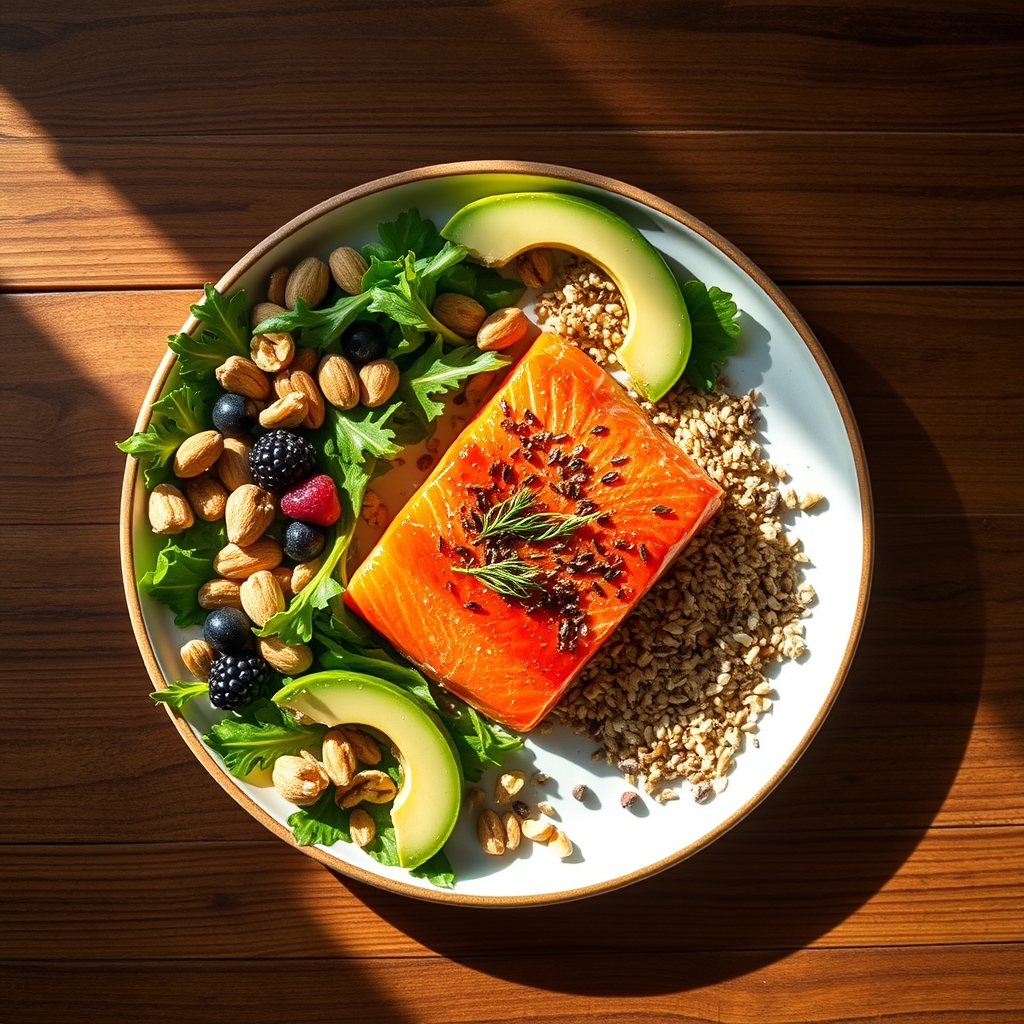
Eating a balanced diet rich in folate, iron, and omega-3s can support healthy ovulation.
When to seek help: early signs of infertility and medical evaluation
If you’ve been trying to conceive for six months (or a year if you’re over 35) without success, it may be time to schedule a fertility evaluation. Common red flags include:
Irregular or absent periods for three consecutive cycles.
Cycles consistently shorter than 21 days or longer than 35 days.
Persistent pelvic pain, heavy bleeding, or unusually light periods.
History of sexually transmitted infections (STIs) that could affect the fallopian tubes.
Known or suspected conditions like PCOS, endometriosis, or thyroid disorders.
Standard work‑up often includes blood tests for hormone levels (FSH, LH, estradiol, progesterone, thyroid‑stimulating hormone), a pelvic ultrasound, and a semen analysis for the partner. Early referral to a reproductive endocrinologist can open the door to treatments ranging from lifestyle counseling to assisted reproductive technologies.
Even if you’re not actively trying to conceive, understanding your fertility pattern can inform contraceptive choices and help you avoid unplanned pregnancies. A brief conversation with your primary care provider can clarify whether any underlying condition warrants further testing.
It’s also important to remember that fertility isn’t just about the woman’s health. Male factor infertility accounts for about 30–40% of infertility cases, so it’s a good idea for both partners to get evaluated if conception isn’t happening as expected. A semen analysis can check for issues like low sperm count, poor motility, or abnormal morphology.
If you’re diagnosed with a condition like PCOS or endometriosis, don’t lose hope. Many women with these conditions go on to conceive with the help of lifestyle changes, medication, or assisted reproductive technologies like IVF. The key is to seek help early and work with a provider who specializes in fertility.
From our medical team: “The timing of ovulation is highly individual, and a ‘one‑size‑fits‑all’ calendar can be misleading. We encourage anyone who is sexually active and not planning a pregnancy to use a reliable contraceptive method throughout the cycle, and we recommend tracking your own cycle for at least three months before drawing conclusions about ‘safe days.’ If you’re unsure whether your cycle length is normal, or if you experience persistent irregularities, reach out to a provider. Early evaluation can uncover treatable causes of infertility and give you peace of mind. Remember, fertility is a shared journey—both partners should be involved in the conversation.”
Common myths and misconceptions about fertility after a period
Myths linger because the menstrual cycle feels mysterious. Below we address the most frequent misunderstandings.
Myth: “If I have sex right after my period, I can’t get pregnant.”
Fact: Sperm can survive up to five days, and ovulation can occur as early as day 7 in a short cycle. So conception is possible, especially if your cycle is ≤24 days. The only truly “safe” days are those outside the fertile window, and even then, natural variation can shift ovulation timing.
Myth: “Bleeding means I’m not fertile.”
Fact: Light spotting can happen around ovulation (mid‑cycle bleed) and does not indicate infertility. Conversely, some women experience a brief bleed right after ovulation, which is unrelated to the menstrual period. It’s also possible to have implantation bleeding—a light spotting that occurs when a fertilized egg attaches to the uterine lining—which can be mistaken for a period.
Myth: “I only need to avoid sex during my fertile window if I don’t want to get pregnant.”
Fact: Because ovulation timing can shift, many health authorities (e.g., ACOG, NHS) recommend using contraception consistently if you wish to prevent pregnancy, rather than relying on “safe days.” The fertile window can vary by a day or two from cycle to cycle, making it difficult to predict with certainty.
Myth: “If I have a regular 28-day cycle, I ovulate on day 14 every time.”
Fact: While day 14 is the average for a 28-day cycle, ovulation can occur anywhere from day 12 to day 16. Even in regular cycles, stress, illness, or travel can shift ovulation by a day or two. Tracking your cycle with multiple methods (e.g., temperature, cervical mucus, OPKs) can help you pinpoint your personal ovulation day more accurately.
Myth: “Having sex every day increases my chances of getting pregnant.”
Fact: While frequent intercourse can maximize the chances of sperm being present when the egg is released, daily ejaculation can slightly reduce sperm count. For most couples, having sex every 1–2 days during the fertile window is the sweet spot for conception.
🔢 Ready to crunch your numbers? Use our Fertility Window for a personalized result in seconds.
Key takeaways
Pregnancy can occur right after a period, especially in cycles ≤24 days. The shorter your cycle, the higher the chance.
Ovulation typically happens 14 ± 2 days before the next period; calculate your fertile window using cycle length. Remember, this is an average—your personal ovulation day may vary.
Sperm survive up to five days, so intercourse before ovulation can still lead to pregnancy. This is why the fertile window includes the five days before ovulation and the day of ovulation itself.
Track your cycle for several months to spot patterns and identify your most fertile days. Use a combination of methods—like calendar tracking, OPKs, and cervical mucus observation—for the most accurate results.
Consider lifestyle factors—stress, sleep, nutrition—that can shift ovulation timing. Even small changes, like improving your diet or prioritizing sleep, can make a difference.
If you’re trying to conceive, have intercourse every 1‑2 days from the day after your period through the fertile window. This maximizes the chances of sperm being present when the egg is released.
If you’re avoiding pregnancy, use a reliable contraceptive method throughout the entire cycle. No “safe days” are 100% foolproof due to natural variation in ovulation timing.
Travel, jet lag, and diet can all influence ovulation timing. If you’re
Not sure about the label on Can I Get Pregnant Right After My Period Fertility Timing Explained products?
Snap the ingredients list and SafeFilter checks every ingredient for your stage — only 3 free scans this month, then you're locked until reset. Unlimited from $7/mo or $50/yr.
When Shubhra Mishra was expecting her first child in 2016, she was overwhelmed by conflicting food advice — one site said yes, another said never. By the time her second baby arrived in 2019, she realized millions of mothers face the same confusion.
That sparked a five-year journey through clinical nutrition papers, cultural diets, and expert conversations — all leading to BumpBites: a calm, compassionate space where science meets everyday motherhood.
Her long-term vision is to build a global community ensuring safe, supported, and free deliveriesfor every mother — because no woman should face pregnancy alone or uninformed. 🌿
🌍 Stand with mothers, shape safer guidance
Join a small circle of experts who review BumpBites articles so expecting parents everywhere can decide with confidence.