Fertility apps can be wrong about ovulation due to irregular cycles, inconsistent data, and generalized algorithms. Understand why your fertility app might be wrong about ovulation and find more accurate tracking methods for conception.
By Shubhra Mishra — a mom of two who turned her own confusion during pregnancy into BumpBites, a global mission to make food choices clear, safe, and stress-free for every expecting mother. 💛
Check whether any food is safe during pregnancy with the BumpBites Food Safety Checker.
Quick take: Fertility apps use past cycle data and average hormone patterns to guess ovulation, but they can miss the mark because cycles vary, input errors happen, and the algorithms don’t account for every individual factor. If you’re relying on an app, double‑check with a physical sign (like luteinizing hormone surge) or talk to a provider for a more reliable picture.
It’s 2 a.m., you’re scrolling through your phone, and the notification from your fertility app says “Your fertile window is tomorrow.” You stare at the screen, heart racing, wondering if you’ve finally nailed the timing, or if the app is just guessing. You’ve probably felt that mix of hope and doubt more than once. The truth is, most apps are built on solid science, but they also have built‑in blind spots that can make the “ovulation prediction” feel unreliable.
🔢 Calculate it for your situation: Use our Fertility Tracking Accuracy for a personalized result in seconds.
In this article we’ll unpack exactly how those apps work, why they sometimes get it wrong, and what you can do to keep your fertility tracking both safe and useful. We’ll cover the math behind the predictions, the common pitfalls, and alternative methods you can use alongside an app. By the end you’ll know how to interpret your app’s alerts, when to trust them, and when it’s time to bring a clinician into the conversation.
Whether you’re just starting to track cycles or you’ve been logging dates for months, the information below will give you a clear roadmap. Let’s demystify the technology, so you can make confident decisions about your body and your family‑building plans.
How fertility apps estimate ovulation
Most consumer fertility apps follow a similar algorithmic path: they take the first day of your last menstrual period (LMP), add an average luteal phase length (usually 14 days), and mark the resulting day as “predicted ovulation.” Some apps also incorporate basal body temperature (BBT) trends, cervical‑mucus observations, or even wearable‑derived heart‑rate data to refine the estimate.
The core principle behind these predictions is the understanding of the menstrual cycle's phases. The follicular phase, which varies most in length, leads up to ovulation, while the luteal phase, post-ovulation, is relatively stable. Apps leverage this stability, working backward from an expected period start date to pinpoint ovulation. However, this stability can be a double-edged sword: while helpful for general prediction, it falters when individual luteal phases differ from the assumed average.
Here’s the basic formula you’ll see in many app FAQs:
Day of ovulation = LMP + (average cycle length − 14)
Fertile window = approximately 5 days before ovulation through the day of ovulation.
Why the “average” luteal phase? After the egg is released, the luteal phase (the time between ovulation and the start of the next period) tends to be fairly constant—about 12‑16 days—for most women, according to the American College of Obstetricians and Gynecologists (ACOG). Apps assume that constancy holds true for you, which is often, but not always, the case. This assumption is a statistical shortcut that works for a large population but can miss the mark for individuals with unique cycle patterns.
Some newer apps use machine‑learning models that ingest a larger data set: past cycle lengths, symptom logs, and even ambient temperature. They aim to spot patterns that a simple arithmetic formula might miss. While these models can improve accuracy for users with regular data, they still rely heavily on the quality and completeness of the information you enter. These advanced algorithms attempt to personalize predictions over time, learning from your unique cycle history, but they are still limited by the data they receive and the complexity of human biology.
The data they rely on – what’s measured and what’s assumed
Every
prediction rests on two pillars: input data (what you tell the app) and algorithmic assumptions (what the app assumes about your biology). Let’s break each down.
Input data can include:
First day of last period (mandatory).
Cycle length history (optional but highly recommended).
Daily basal body temperature readings.
Cervical‑mucus consistency scores.
Physical activity, sleep, and stress logs.
Optional hormone‑tracking data from at‑home kits.
The accuracy of your app's predictions hinges significantly on the diligence and precision of your data entry. For example, consistently logging your period start and end dates provides the foundational timeline for calculations. When you add daily BBT readings, the app looks for a sustained temperature shift, which signals ovulation has occurred, helping to confirm rather than just predict. Similarly, tracking cervical mucus changes allows the app to identify patterns associated with peak fertility, but only if your observations are consistent and accurate.
If any of these fields are missing, inaccurate, or entered inconsistently, the algorithm’s output will drift. Incomplete data means the app has less information to work with, forcing it to rely more heavily on its default assumptions. Even a slight error in a BBT reading or a subjective misinterpretation of cervical mucus can cascade into an inaccurate fertile window prediction, leading to frustration and potentially missed opportunities.
Algorithmic assumptions typically involve:
Constant luteal phase length (14 days) for everyone.
Regular menstrual cycles (26‑32 days) as the “norm.”
That temperature rises are solely due to the luteinizing hormone (LH) surge, not illness or alcohol.
That cervical mucus changes follow the textbook pattern (clear, stretchy at peak fertility).
These assumptions are grounded in population‑level research from bodies like the World Health Organization (WHO) and the National Institute for Health and Care Excellence (NICE). However, they don’t capture the individual variability that can shift your fertile window by several days. For instance, a luteal phase that is consistently 12 days long, rather than 14, will mean the app's predicted ovulation is two days too late, potentially causing you to miss your actual fertile window. Similarly, if your cycles are naturally shorter or longer than the "norm," the app's initial predictions will likely be off until it gathers enough of your personal data to adjust.
Common sources of error and bias
Even with perfect data entry, apps can still misjudge ovulation because of built‑in statistical limitations. Below are the most frequent culprits.
1. Cycle‑to‑cycle variability
Only about 30 % of women have perfectly regular cycles (± 2 days). Stress, travel, illness, and hormonal fluctuations can lengthen or shorten a cycle by a week or more. When an app treats each cycle as a clone of the last, it may predict ovulation too early or too late. This variability is often driven by subtle shifts in the body's hormonal signals, particularly follicle-stimulating hormone (FSH) and luteinizing hormone (LH), which can be easily influenced by external factors. A longer follicular phase, for instance, directly pushes back the ovulation date, making historical data less reliable for future predictions.
2. Inaccurate basal body temperature readings
BBT must be taken first thing in the morning, before any activity, and with a calibrated thermometer. Even a 0.2 °C (0.4 °F) error can shift the identified LH surge by a day, according to the Mayo Clinic. Many users forget to take the reading on the exact same side of the body, or they take it after snoozing, which introduces noise. Factors like alcohol consumption the night before, a restless night's sleep, or even waking up to use the bathroom before taking your temperature can all subtly impact the reading, making it difficult for the app to pinpoint the precise post-ovulatory temperature shift.
3. Cervical‑mucus subjectivity
Describing mucus as “wet,” “slippery,” or “egg‑white” is highly subjective. Studies published by the CDC show that inter‑observer agreement on mucus grading is low, especially for first‑time users. Apps that heavily weight mucus scores can therefore misplace the fertile window. Learning to accurately identify and categorize cervical mucus changes takes practice and can be influenced by hydration levels, sexual arousal, or certain medications. Without consistent and accurate interpretation from the user, the app's ability to use this data effectively is severely hampered.
4. Algorithmic bias toward “average” women
Most apps are developed using data sets that under‑represent women with polycystic ovary syndrome (PCOS), thyroid disorders, or early menopause. This can cause systematic under‑prediction of ovulation for users with these conditions, a point highlighted in recent NICE guidance on fertility assessment. For women with PCOS, for example, irregular cycles and multiple LH surges are common, which standard algorithms are ill-equipped to interpret, often leading to false fertile window predictions or a complete failure to identify ovulation.
5. Wearable data noise
Some apps integrate heart‑rate variability (HRV) or skin temperature from smartwatches. While promising, the data can be affected by caffeine, alcohol, or ambient temperature changes, leading to false “ovulation alerts.” The FDA has issued statements reminding consumers that wearable‑derived hormone proxies are not a substitute for clinical testing. While wearables can detect subtle physiological changes, distinguishing between a true ovulation signal and noise from lifestyle factors or environmental shifts remains a significant challenge for current technology. This means that while they offer convenience, their precision for fertility tracking is still evolving.
Real‑world factors that can shift your cycle
Understanding what can move your ovulation helps you interpret app predictions more wisely. Below are the top lifestyle and health influences.
Stress: Chronic cortisol elevation can suppress the hypothalamic‑pituitary‑ovarian axis, delaying ovulation by up to 5 days (ACOG, 2023). This hormonal interference can prolong the follicular phase, pushing back the expected ovulation date and confusing app algorithms that rely on more predictable patterns.
Illness: Fever, especially above 38 °C (100.4 °F), can temporarily blunt the LH surge. A significant illness can cause the body to prioritize recovery over reproduction, leading to an anovulatory cycle (a cycle without ovulation) or a delayed ovulation, which will naturally throw off app predictions.
Travel & jet lag: Disruption of circadian rhythms can shift the timing of hormone release. The body's internal clock plays a crucial role in regulating the menstrual cycle, and sudden changes due to time zone shifts can interfere with the delicate balance of hormones like melatonin and cortisol, which indirectly impact reproductive hormones.
Weight changes: Rapid gain or loss of more than 10 % body weight can alter estrogen levels. Both very low body fat and obesity can disrupt the hormonal signals necessary for regular ovulation. Estrogen is produced in fat cells, so significant changes in body weight can directly impact its levels, affecting the development of follicles and the timing of ovulation.
Medications: Certain antidepressants, antihistamines, and hormonal contraceptives (even when stopped) can linger in the system. Beyond obvious hormonal birth control, some non-hormonal medications can also indirectly affect ovulation by influencing the endocrine system or liver metabolism, making cycle patterns less predictable. Always discuss your medications with your doctor if you are tracking fertility.
Nutrition: Extreme low‑carb diets may reduce insulin, which can affect ovarian function in women with PCOS. Similarly, significant dietary restrictions, nutrient deficiencies, or even over-consumption of certain foods can impact hormonal balance. The body needs adequate energy and nutrients to support the complex process of ovulation, and imbalances can easily disrupt this.
Sleep patterns: Insufficient or inconsistent sleep can disrupt the release of reproductive hormones. Melatonin, a hormone regulated by sleep-wake cycles, interacts with reproductive hormones, and chronic sleep deprivation can lead to hormonal imbalances that delay or even prevent ovulation.
Intense exercise: Excessive physical activity, especially endurance sports, can lead to hypothalamic amenorrhea. This condition, where the hypothalamus reduces its signaling to the ovaries, results in absent or irregular periods and a lack of ovulation, particularly in women with low body fat and high energy expenditure.
When any of these factors are at play, it’s normal for an app’s “fertile window” to be off by a day or two. The key is to recognize the pattern and adjust expectations accordingly. Keeping a detailed log within your app, including notes about these lifestyle factors, can help you and your provider understand the nuances of your cycle.
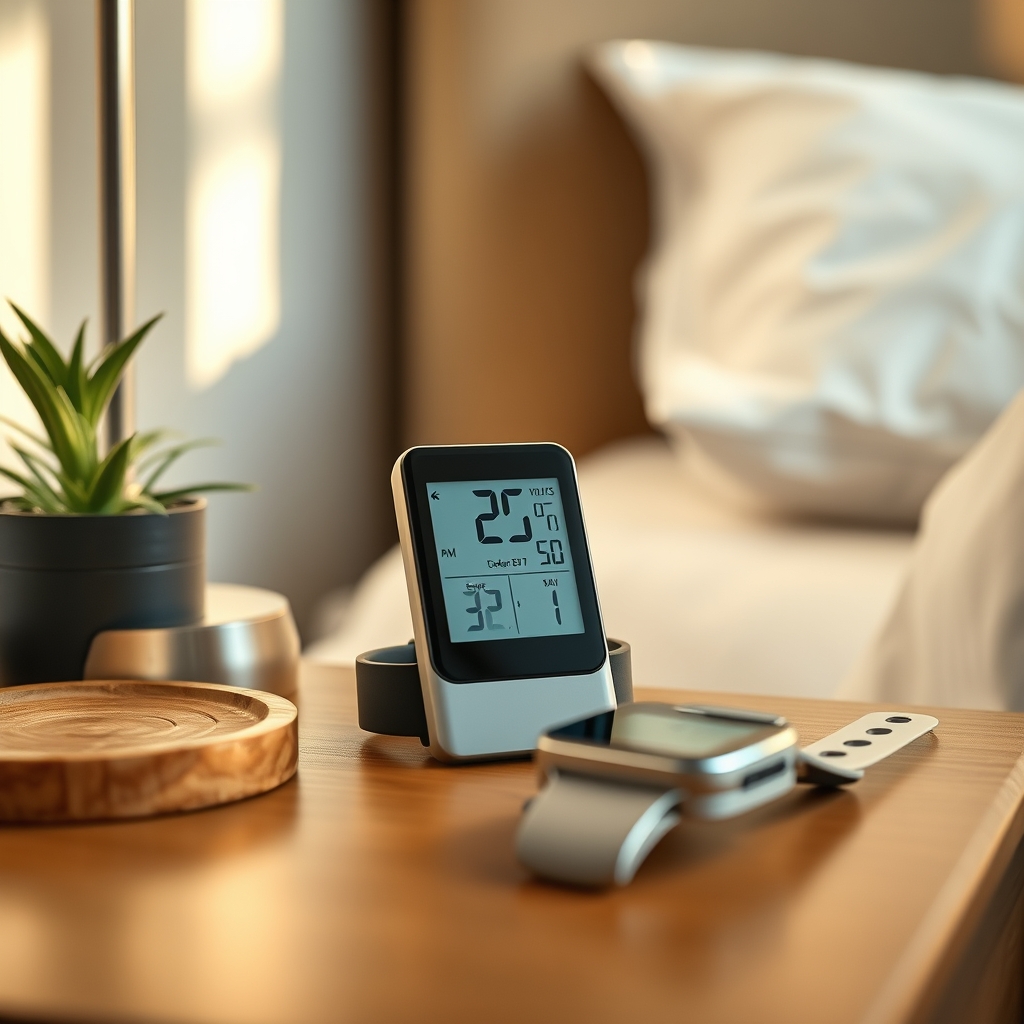
Accurate BBT readings and wearable data both require consistent morning routines.
Typical mistakes apps make and why they happen
Here are the most frequent missteps you might see on your screen, along with the underlying reasons.
1. “One‑size‑fits‑all” luteal phase
Many apps lock the luteal phase at 14 days. In reality, luteal phases can range from 11‑16 days (NICE). If yours is shorter, the app will predict ovulation later than it actually occurs, potentially causing you to miss the optimal conception window. A luteal phase shorter than 10 days, sometimes called a Luteal Phase Defect, can make it difficult for a fertilized egg to implant and grow, even if ovulation is accurately tracked. Apps that don't allow for customization of this crucial phase can therefore be significantly misleading for many users.
2. Ignoring irregular cycle history
Some apps reset the cycle length after each period, discarding older data that could reveal a pattern of irregularity. This “memory loss” can cause the algorithm to over‑rely on the most recent, possibly atypical cycle. For women with naturally fluctuating cycles, this can be particularly problematic, as the app essentially starts from scratch each month, unable to learn and adapt to individual variations. A truly smart app would analyze trends over several months or even years to build a more robust personal profile, rather than focusing solely on the immediate past.
3. Over‑reliance on a single indicator
When an app flags ovulation based solely on BBT rise, it may overlook contradictory mucus or LH‑test results. A single indicator can be misleading; the best practice is to triangulate multiple signs. For example, a temperature spike could be due to a minor illness, not ovulation, and without corroborating evidence like a positive LH test or fertile cervical mucus, the app's prediction can be inaccurate. The menstrual cycle is a complex interplay of hormonal signals, and relying on just one data point simplifies this complexity to a fault.
4. Delayed data entry
Inputting period start dates days after the fact introduces recall bias. Even a 2‑day error can shift the entire prediction window, which is why many apps prompt “real‑time” logging. The human memory is fallible, and trying to remember exact timings for events like period start or BBT readings taken days ago can lead to small but significant inaccuracies. These small errors compound over time, making it harder for the app to establish an accurate baseline for your unique cycle.
5. Not accounting for medical conditions
Women with PCOS often experience multiple LH surges or prolonged follicular phases. Apps that don’t let users flag “PCOS” may default to standard cycle assumptions, leading to repeated miscalculations. Beyond PCOS, conditions like thyroid disorders, endometriosis, or perimenopause can also significantly alter cycle patterns, making standard app algorithms unreliable. The lack of personalized algorithms for these conditions means that many users are left with frustratingly inaccurate predictions, underscoring the need for more sophisticated and inclusive app design.
The emotional impact of inaccurate predictions
Trying to conceive can be an emotional rollercoaster, and inaccurate fertility app predictions can add significant stress to an already vulnerable journey. Imagine planning your intimate moments around an app's "fertile window" only to find out later, through other methods, that you missed your true ovulation. This can lead to profound disappointment, self-blame, and a feeling of lost time, especially when every month feels critical.
The constant cycle of hope and letdown can strain relationships, turning intimacy into a chore rather than a spontaneous act of connection. Many women report feeling pressured to perform or to meticulously track every detail, leading to anxiety and burnout. It’s crucial to acknowledge these feelings and remember that the app is a tool, not a definitive oracle. Prioritizing mental well-being alongside physical tracking is vital for a sustainable and healthier approach to family building.
Safer ways to confirm ovulation (alternative methods)
While apps are convenient, pairing them with a physical or laboratory test can dramatically improve confidence. Below is a comparison of the most common methods.
Method
How it works
Typical accuracy (± days)
Cost & effort
App prediction (standard algorithm)
Uses LMP + average luteal phase
± 2‑4 days
Free‑to‑low; requires daily data entry
LH urine test (ovulation predictor kit)
Detects surge in luteinizing hormone
± 1 day
Low‑moderate; one test per cycle
Basal body temperature chart
Identifies post‑ovulatory temperature rise
± 1‑2 days
Low; requires consistent morning readings
Transvaginal ultrasound (clinical)
Visualizes follicle growth and rupture
± 0‑1 day
High; requires clinic visit and professional interpretation
Serum progesterone test
Measures progesterone rise 7 days post‑ovulation
Retrospective confirmation
Moderate; lab draw and result wait
For most couples, a home LH test combined with app tracking offers a good balance of accuracy and convenience. LH tests, often called ovulation predictor kits (OPKs), detect the surge in luteinizing hormone that precedes ovulation by 24-36 hours, giving you a clear heads-up for your most fertile window. For reliable results, it's generally recommended to test daily around the same time each afternoon once your app indicates you're approaching your fertile window, avoiding testing with your first morning urine as the LH surge may not yet be detectable.
Basal body temperature (BBT) charting, on the other hand, confirms ovulation retrospectively. The slight rise in temperature (typically 0.2-0.5°C or 0.4-1.0°F) after ovulation is due to increased progesterone. While it won't predict ovulation in advance, consistently tracking BBT helps you understand your typical cycle length, luteal phase duration, and confirm if and when ovulation occurred. For accurate BBT, use a highly sensitive thermometer (at least two decimal places) and take your temperature immediately upon waking, before any movement or speaking.
If you’ve tried that combo and still feel uncertain, the ultrasound is the gold standard—especially if you’re undergoing fertility treatment. A transvaginal ultrasound, performed by a healthcare provider, can visually track the development of ovarian follicles and confirm their rupture, providing the most precise real-time confirmation of ovulation. This method is often used in fertility clinics to time insemination or other procedures precisely.
Staying hydrated and nourished supports hormonal balance during cycle tracking.
Choosing the right fertility app for you
With so many fertility apps available, selecting the right one can feel overwhelming. The "best" app for you often depends on your specific needs, your cycle regularity, and how much effort you're willing to put into data entry. Start by considering what data points you're comfortable tracking. If you're diligent about BBT, look for an app that integrates well with smart thermometers or has robust charting features. If you prefer a simpler approach, a calendar-based app with period tracking might suffice, but be aware of its inherent limitations in prediction accuracy.
Beyond features, critically evaluate the app's privacy policy. Fertility data is highly personal and sensitive, so ensure the app clearly states how your data is collected, stored, and used. Look for apps with strong encryption and a commitment to not selling user data to third parties. Reading reviews from other users can also provide insights into an app's accuracy, user-friendliness, and customer support. Some apps, for example, are praised for their ability to learn from irregular cycles, while others are better suited for those with highly predictable patterns. Finally, consider if you need a free basic version or if a subscription-based app with advanced features, like personalized insights or direct integration with other tracking devices, is worth the investment for your journey.
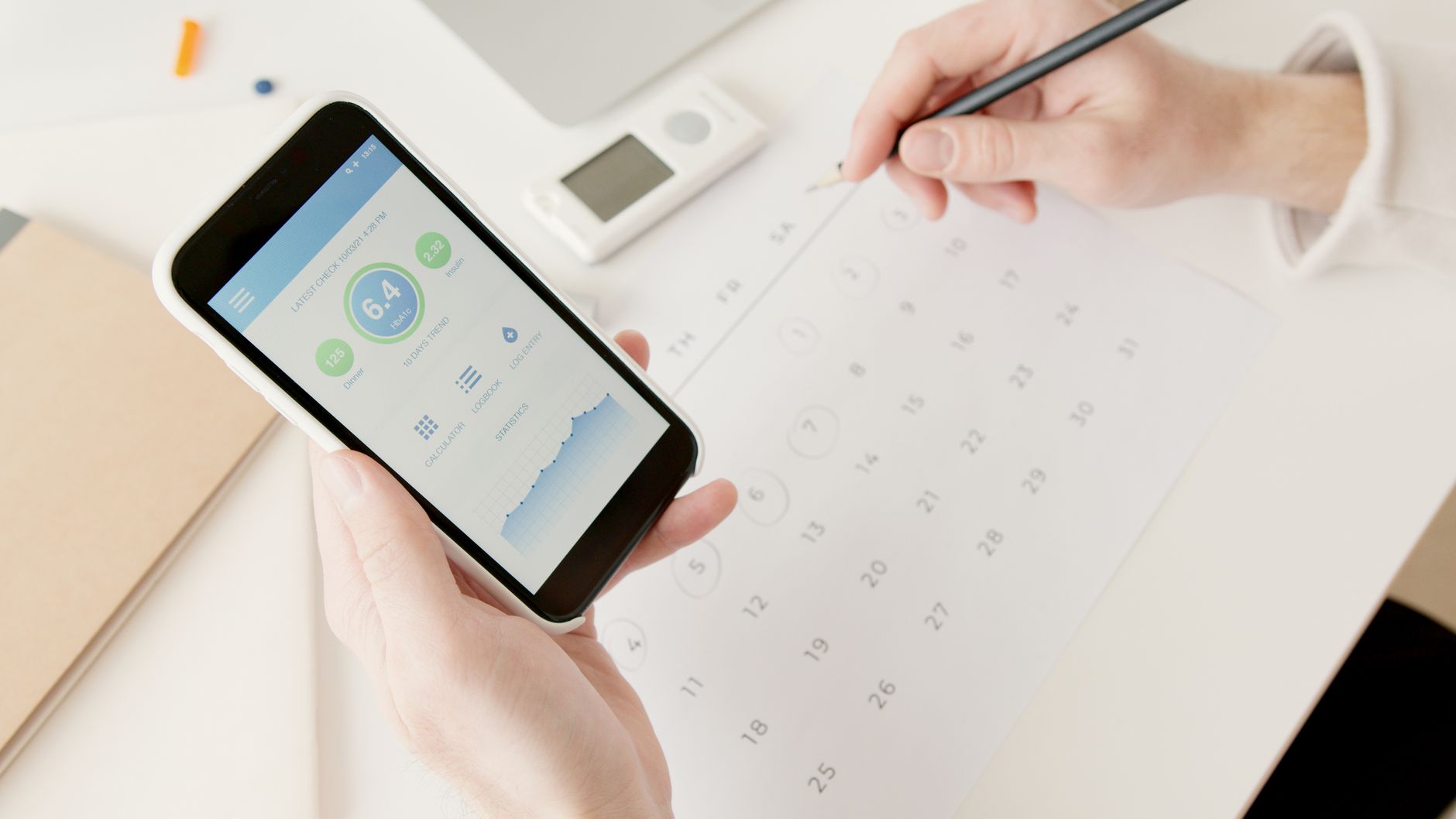
Look for an app with a clear interface and robust features that match your tracking needs.
Tips for getting the most reliable info from your app
Here are practical steps you can take to tighten the feedback loop between your body and the digital tool.
Log every detail consistently. Enter the first day of bleeding as soon as you notice it. Use the same thermometer each morning and record the exact time. Consistency is key for any algorithmic learning; sporadic or late entries create gaps that the app fills with generalized assumptions, diminishing its ability to learn your unique rhythm. Setting daily reminders can help you stay on track with logging.
Cross‑check with a physical sign. When your app flags a peak fertile day, try an LH test that evening. If both align, confidence rises dramatically. This "triangulation" of data—app prediction, a physical sign like cervical mucus, and an LH test—provides a much more robust picture of your fertile window than any single method alone. It helps you confirm the app's guess with real-time biological data.
Adjust the luteal phase length. Most apps let you set a custom luteal phase (e.g., 12 days). If you’ve tracked a shorter or longer phase in the past, update the setting. This simple customization can significantly improve the accuracy of your app's predictions, especially if your luteal phase consistently deviates from the 14-day average. Tracking your luteal phase for a few cycles with BBT can help you determine your personal average.
Mark any irregularities. If you’re sick, traveling, or under high stress, add a note in the app. Many platforms use that metadata to weigh the cycle less heavily in the algorithm. These notes provide crucial context, allowing the app (and you) to understand why a particular cycle might be an outlier rather than a new pattern. This helps prevent isolated incidents from skewing future predictions.
Use the built‑in calculator. If you want to see how your personal data stacks up, try our Fertility Tracking Accuracy tool for a quick personalized assessment. This can give you an objective look at how closely your app's predictions align with your actual physiological signs, helping you identify areas where your tracking or the app's algorithm might need adjustment.
Consult a provider early. If you’ve had three consecutive cycles where the app’s prediction missed your LH surge, bring the data to a reproductive endocrinologist. They can interpret trends and suggest lab testing if needed. Don't hesitate to seek professional advice if you feel your app isn't reflecting your true cycle or if you're experiencing difficulties conceiving. Your detailed app data can be a valuable starting point for their assessment.
Remember, the app is a guide, not a verdict. The more data you feed it—and the more you verify with a physical sign—the tighter the prediction becomes. Patience and consistent effort will yield the most personalized and accurate insights into your fertility.
From our medical team: “Fertility apps are valuable for pattern recognition, but they should never replace a clinical evaluation when you’re trying to conceive. If you notice persistent mismatches between app predictions and physical signs, schedule a visit. A simple blood test or ultrasound can quickly clarify where your cycle stands, saving you both time and emotional energy.”
Myth: “If the app says I’m fertile, I’m definitely ovulating that day.”
Fact: Apps estimate a fertile window based on averages; the actual ovulation can occur a day before or after the predicted peak. Confirm with an LH test or BBT rise for greater certainty.
Myth: “I can rely on a single app for all my fertility needs.”
Fact: No single tool captures every nuance. Combining app data with physical signs, medical testing, and professional guidance gives the most accurate picture.
Myth: “If my cycles are irregular, the app is useless.”
Fact: Apps can still be helpful for irregular cycles if you input each cycle’s length and adjust settings for your personal luteal phase. Accuracy improves with consistent data entry.
Key takeaways
Fertility apps predict ovulation using past cycle data and average hormone timing, but they assume a constant luteal phase.
Input errors, irregular cycles, stress, illness, and medical conditions are the biggest sources of inaccuracy.
Cross‑checking app alerts with home LH tests, BBT charts, or clinical ultrasound dramatically improves confidence.
Customize luteal phase length, log daily details, and note any lifestyle disruptions to help the algorithm learn your true pattern.
Inaccurate app predictions can cause emotional stress and disappointment, highlighting the importance of combining app data with other methods and prioritizing well-being.
When predictions repeatedly miss the LH surge, or when you’ve tried multiple cycles without success, seek a healthcare provider’s evaluation.
Use reputable calculators, like our Fertility Tracking Accuracy tool, to see how your personal data aligns with typical prediction ranges.
Frequently asked questions
How do fertility apps track ovulation?
Most apps calculate ovulation by adding an assumed luteal phase (usually 14 days) to the first day of your last period, then marking a 5‑day fertile window before that date. Some also factor in basal body temperature, cervical mucus, or wearable data for finer adjustments, aiming to personalize predictions over time based on your logged information.
What are the limitations of fertility apps?
Limitations include reliance on user‑entered data, assumptions of regular cycles, a fixed luteal phase length, and lack of individualized hormonal testing. These can cause predictions to be off by several days, especially for women with irregular periods or conditions like PCOS, which often present with atypical hormonal patterns.
Can fertility apps be wrong about ovulation?
Yes. Because they use averages and user‑provided information, apps can misidentify the exact ovulation day. Studies cited by the CDC show that home LH tests are more precise (± 1 day) than most app algorithms (± 2‑4 days), indicating that apps provide estimates rather than definitive confirmations.
Why is my fertility app giving me wrong results?
Common reasons include missed or late data entry, inaccurate basal temperature readings, unrecorded stressors, and an incorrectly set luteal phase length. Review your logged information for gaps and consider confirming with an LH test. Medical conditions like PCOS or thyroid issues can also lead to miscalculations if the app's algorithm isn't designed to account for them.
How can I improve the accuracy of my fertility app?
Enter data daily, use a reliable thermometer, set a custom luteal phase based on past cycles, and cross‑check app predictions with a home ovulation test. Adding notes about illness, travel, or medication can also help the algorithm weigh each cycle appropriately, leading to more personalized and accurate predictions over time.
What are the common mistakes made by fertility apps?
Typical mistakes include assuming a universal 14‑day luteal phase, ignoring irregular cycle history, relying on a single indicator (like temperature), and not allowing users to flag medical conditions that affect hormone patterns. These limitations often stem from algorithms built on generalized population data rather than individual physiological variability.
Can stress really delay ovulation?
Yes, stress can absolutely delay ovulation. Chronic or significant acute stress elevates cortisol levels, which can interfere with the hypothalamic-pituitary-ovarian (HPO) axis, the brain-ovary communication pathway that regulates your menstrual cycle. This interference can postpone the luteinizing hormone (LH) surge, pushing back your ovulation date and extending your follicular phase, according to ACOG guidance.
What if my luteal phase is consistently shorter than 10 days?
A luteal phase consistently shorter than 10 days, often referred to as a Luteal Phase Defect (LPD), might indicate insufficient progesterone production after ovulation. Progesterone is crucial for preparing the uterine lining for implantation. If you suspect LPD, it's important to consult your healthcare provider, as this could impact fertility and may require further investigation or treatment.
When to call your doctor
If you experience any of the following, contact your healthcare provider promptly: persistent irregular periods (more than three months), pain or heavy bleeding during the predicted fertile window, sudden hormonal changes (e.g., rapid weight gain/loss), consistent luteal phases shorter than 10 days, or if you’ve tried for six months (or a year if you’re over 35) without conceiving despite using tracking tools. This article is for informational purposes only and does not replace personalized medical advice.
References
American College of Obstetricians and Gynecologists (ACOG). “Ovulation and Fertility.” 2023 clinical guidance.
World Health Organization (WHO). “Reproductive Health and Fertility.” Global health report, 2022.
National Institute for Health and Care Excellence (NICE). “Fertility assessment and treatment.” NG126, 2021.
Mayo Clinic. “Basal body temperature chart for ovulation.” Patient education, 2023.
Centers for Disease Control and Prevention (CDC). “Fertility and Ovulation Tracking Accuracy.” 2022 data brief.
Food and Drug Administration (FDA). “Wearable devices and reproductive health: Guidance for consumers.” 2023.
Royal College of Obstetricians and Gynaecologists (RCOG). “Polycystic Ovary Syndrome (PCOS) and fertility.” Clinical update, 2022.
National Health Service (NHS). “Ovulation predictor kits.” Patient information, 2023.
American Academy of Pediatrics (AAP). “Nutrition and hormonal health in reproductive‑age women.” 2022 policy statement.
Not sure about the label on Why My Fertility App Might Be Wrong About Ovulation products?
Snap the ingredients list and SafeFilter checks every ingredient for your stage — only 3 free scans this month, then you're locked until reset. Unlimited from $7/mo or $50/yr.
When Shubhra Mishra was expecting her first child in 2016, she was overwhelmed by conflicting food advice — one site said yes, another said never. By the time her second baby arrived in 2019, she realized millions of mothers face the same confusion.
That sparked a five-year journey through clinical nutrition papers, cultural diets, and expert conversations — all leading to BumpBites: a calm, compassionate space where science meets everyday motherhood.
Her long-term vision is to build a global community ensuring safe, supported, and free deliveriesfor every mother — because no woman should face pregnancy alone or uninformed. 🌿
🌍 Stand with mothers, shape safer guidance
Join a small circle of experts who review BumpBites articles so expecting parents everywhere can decide with confidence.