Baby eye color usually changes between 6-12 months. Learn the timeline, factors influencing eye color, and use our predictor tool to estimate your baby’s future eye color.
By Shubhra Mishra — a mom of two who turned her own confusion during pregnancy into BumpBites, a global mission to make food choices clear, safe, and stress-free for every expecting mother. 💛
Check whether any food is safe during pregnancy with the BumpBites Food Safety Checker.
Quick take: Most babies are born with blue‑gray eyes, and the color usually begins to shift within the first few weeks. By about six months, the dominant hue – brown, hazel, green, or blue – often settles, though subtle changes can continue up to a year.
It’s 2 a.m., you’re scrolling through lullaby playlists, and a sudden flash of your newborn’s bright eyes catches your attention. “Did we just get a blue‑eyed baby?” you wonder, then quickly Google, “when do baby eyes change color?” The answer isn’t a single date, but a gentle timeline shaped by genetics, melanin production, and a little bit of mystery.
🔢 Calculate it for your situation: Use our Baby Eye Color Predictor for a personalized result in seconds.
In this guide we’ll walk through the typical eye‑color journey, explain why the change happens, and show you how to estimate your little one’s future shade. We’ll also answer the most common worries – from “Will my baby’s eyes keep changing after a year?” to “Can we predict the exact color?” – so you can enjoy each new hue without the anxiety.
Timeline of baby eye color changes
Most newborns arrive with a light, almost translucent iris because melanin – the pigment that gives eyes their color – hasn’t fully migrated yet. During the first week, you may notice a faint blue or gray hue, especially in babies with lighter skin tones. By the end of the second week, many parents start to see tiny flecks of brown or green emerging.
Between 4 and 8 weeks is the most active period. Melanocytes, the cells that produce melanin, begin to increase pigment production, and the eye color can shift noticeably. It’s common for a baby who seemed solid blue at birth to develop a hazel or amber tint by the month‑end. This rapid change is driven by the surge of melanocyte activity, which is largely set by the baby’s genetic blueprint.
From 3 to 6 months, the eye color usually stabilizes. About 70 % of children have a permanent eye color by the time they’re six months old, according to the American Academy of Pediatrics (AAP). The remaining 30 % may experience slower transitions, often moving from a light hazel to a deeper brown or from a bright green to a more muted shade.
Although most changes happen before the first birthday, a small percentage of children continue to see subtle shifts into toddlerhood. These late changes are usually minor – a slight deepening of brown or a faint addition of gold specks – rather than a dramatic switch from blue to brown after the age of one.
In practice, the timing can vary by a few weeks. For example, a baby who is born at 38 weeks may show the first noticeable pigment deposit around day 10, while a baby born at 42 weeks might already have a faint amber tint by day 7. The key is that melanin production follows a predictable wave, but the exact “peak” can differ based on individual development and birth weight.
Premature infants often follow a slightly altered timeline. Because their melanocyte migration may be delayed, they can retain a bluish hue for longer, sometimes past the usual 8‑week window. As they catch up to full‑term developmental milestones, the color typically deepens in the same pattern, just on a shifted schedule.
Tip for parents: Keep a simple eye‑color journal. Snap a photo in natural daylight at birth, six weeks, and six months. The side‑by‑side comparison makes the gradual shift easier to see and gives you a keepsake of each stage.
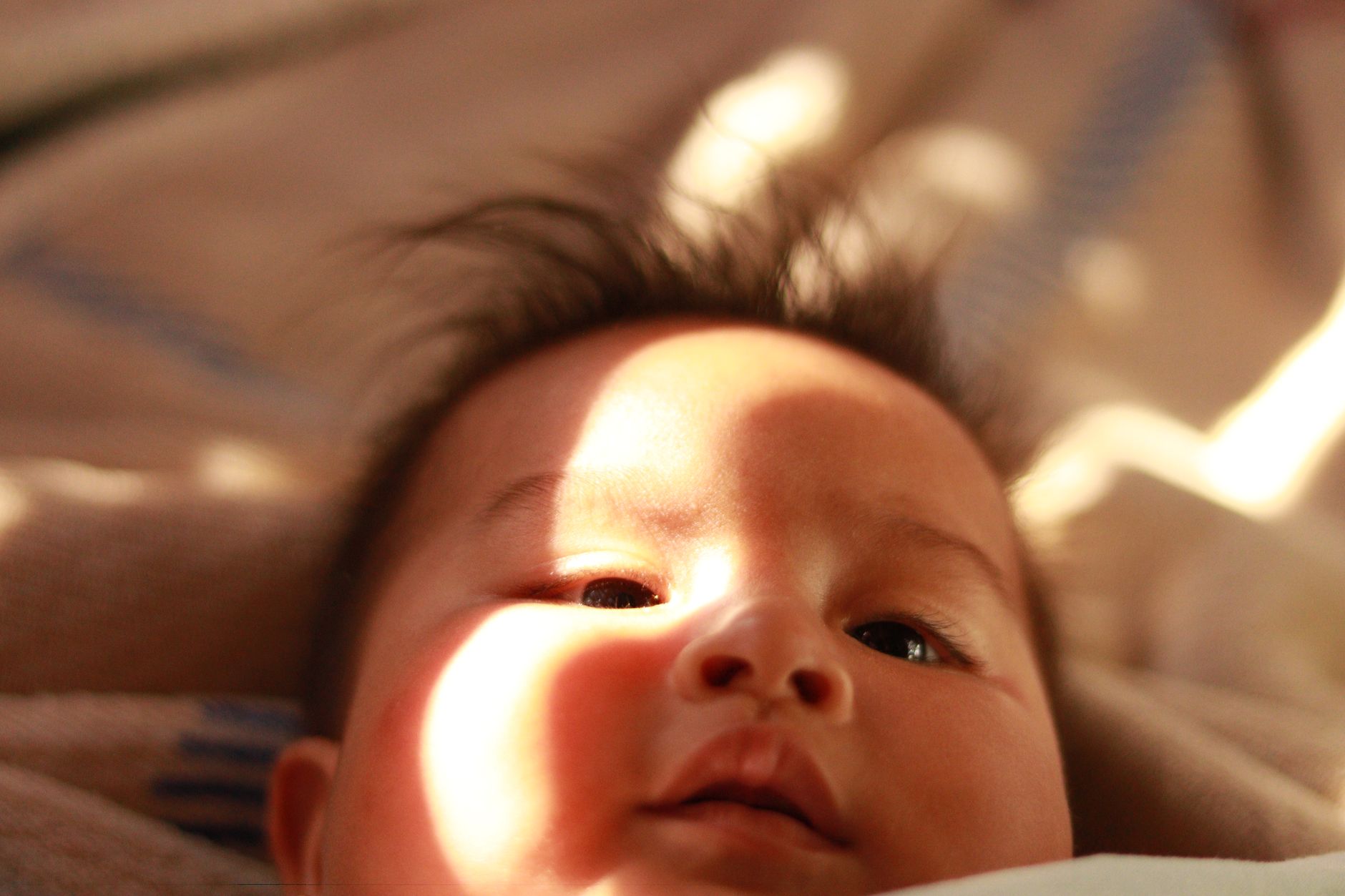
The faint blue‑gray iris many babies display at birth.
Factors that determine baby eye color
Genet
ics is the primary driver. Two key genes, OCA2 and HERC2, located on chromosome 15, control the amount and distribution of melanin in the iris. The OCA2 gene influences overall pigment production, while HERC2 regulates OCA2’s activity. Variations in these genes, inherited from both parents, create a spectrum of possible eye colors.
Ethnicity also plays a role. Populations with higher average melanin levels – such as people of African, South Asian, or Mediterranean descent – tend to have babies whose eyes darken quickly, often settling into brown within the first few weeks. Conversely, individuals of Northern European ancestry frequently have lighter‑eyed infants whose color may remain blue or gray for a longer period before any change.
Environmental factors have a modest impact. Exposure to bright light can stimulate melanocyte activity, but the effect is subtle compared to genetic programming. Nutrition, especially adequate intake of vitamin A and omega‑3 fatty acids, supports overall eye health but does not alter the genetic plan for eye color.
Beyond OCA2 and HERC2, several other genes modulate pigmentation. TYR (tyrosinase) and SLC45A2 influence melanin synthesis pathways, while the IRF4 gene can affect the shade of brown versus hazel. Because eye color is a polygenic trait, the interaction among dozens of variants determines the final hue, which is why siblings can have markedly different eye colors even when they share the same parents.
Mixed ancestry adds another layer of variability. A child with one parent of Northern European descent and another of East Asian descent may inherit a blend of low‑ and high‑melanin alleles, resulting in a wide range of possible outcomes—from light brown to deep hazel. In such cases, the predictor tools become especially helpful for estimating probabilities.
Two forms of melanin—eumelanin (dark brown/black) and pheomelanin (red‑yellow)—also influence shade. Higher eumelanin levels produce deep brown eyes, while a higher pheomelanin proportion can give hazel or green tones. The balance of these pigments is set early, but small shifts can still occur as melanocytes continue to mature.
Below is a quick reference that shows typical eye‑color trajectories by ethnic background. Remember, these are averages – individual outcomes can vary widely.
Ethnic background
Typical birth eye color
Average age of noticeable change
Most common final color
Northern European
Blue‑gray
4–8 weeks
Blue, green, or hazel
Southern European / Mediterranean
Light brown or hazel
2–6 weeks
Brown or dark hazel
East Asian
Dark brown
1–4 weeks
Dark brown
African / African‑American
Dark brown
1–3 weeks
Dark brown to black
South Asian
Dark brown
1–5 weeks
Brown or black
How to predict baby eye color
While no method guarantees 100 % accuracy, a simple family‑history check can give you a solid estimate. Look at the eye colors of grandparents, aunts, and uncles on both sides. If brown eyes dominate the lineage, there’s a strong chance your baby will end up brown, even if they start blue.
Scientists have also created probability calculators that weigh the contribution of each parent’s eye color. These tools use the same genetic principles (OCA2/HERC2) to generate a percentage chance for each possible hue. For a quick, user‑friendly experience, try our Baby Eye Color Predictor. Enter the eye colors of both parents, and the calculator will display the most likely outcomes for your child.
Keep in mind that the predictor provides probabilities, not guarantees. Rare genetic variations, such as albinism or heterochromia (two different colored eyes), can produce unexpected results. If you have a family history of such conditions, it’s worth discussing them with your pediatrician.
Another practical tip: observe the baby’s eye color at three milestones – birth, 6 weeks, and 6 months. Jot down the hue each time, and compare it with the predictor’s forecast. This simple tracking can turn a vague curiosity into a fun family activity, and it often reassures parents when the predicted color matches the observed shade.
Even the most sophisticated calculators cannot factor in epigenetic influences—environmental or lifestyle factors that subtly tweak gene expression. Therefore, treat the results as a “most likely” scenario rather than a definitive destiny.
Seeing eye colors across generations can hint at your baby’s future shade.
Common questions about baby eye color changes
What color will my baby’s eyes be? The direct answer is that you can’t know for certain at birth. Most babies start with a blue‑gray iris, but genetics will guide the final color, which often emerges by six months.
Why do babies’ eyes change color? Melanin production ramps up after birth. The iris initially lacks pigment, so it appears blue. As melanocytes deposit melanin, the eye darkens, revealing the genetically programmed hue.
How often do baby eyes change color? It’s common for the iris to shift at least once in the first three months. A noticeable change in the first six weeks occurs in roughly 80 % of infants, according to the UK’s National Health Service (NHS).
Can baby eye color change after 1 year? Yes, but only subtly. A child may go from light hazel to deeper brown, or a blue eye may gain a faint green speck. Dramatic changes after age one are rare and usually linked to medical conditions.
What is the most common eye color for babies? Worldwide, brown is the most prevalent final eye color, especially in regions with higher melanin levels. In Northern Europe, blue remains common, with about one‑third of babies retaining blue eyes into adulthood.
Do baby eye color changes happen suddenly? The transition is usually gradual, occurring over weeks. Occasionally, parents notice a “sudden” shift because the change becomes visible after a period of slow development, not because the iris instantly rewrites its pigment.
Are there health implications tied to eye color? Light eyes (blue or gray) can be more sensitive to bright sunlight, so pediatricians often advise using a hat or shade when outdoors. Darker eyes have a slightly lower risk of photic injury, but overall vision health depends on many factors beyond pigment.
Understanding the science behind eye color changes
During fetal development, the iris forms but remains largely unpigmented. After birth, melanocyte stem cells migrate from the neural crest to the iris. These cells start producing melanin, the brown‑black pigment that determines eye color.
Melanin’s concentration dictates the final shade: low levels keep the iris blue or gray, moderate amounts create green or hazel, and high levels result in brown or black. The process is regulated by the OCA2 and HERC2 genes, which act like a “volume knob” for melanin production.
Environmental exposure, such as sunlight, can slightly accelerate melanin synthesis, but the genetic “dial” sets the upper limit. This is why a baby with a strong genetic predisposition for brown eyes will darken quickly regardless of lighting conditions.
In rare cases, disorders like Waardenburg syndrome or ocular albinism affect melanin pathways, leading to atypical eye colors or heterochromia. These conditions are usually identified by pediatric ophthalmologists and may require monitoring for associated health concerns.
Animal studies have shown that the timing of melanocyte migration is conserved across mammals, reinforcing the idea that the first few months of life are a critical window for pigment deposition. Human research, cited by the National Institute of Health (NIH), confirms that the majority of melanin accumulation occurs before six months, aligning with clinical observations.
At the molecular level, the enzyme tyrosinase (encoded by the TYR gene) catalyzes the first step of melanin synthesis. Variants that reduce tyrosinase activity can lead to lighter eye colors, while increased activity pushes the iris toward darker shades. This biochemical nuance explains why siblings can differ even with similar genetic backgrounds.
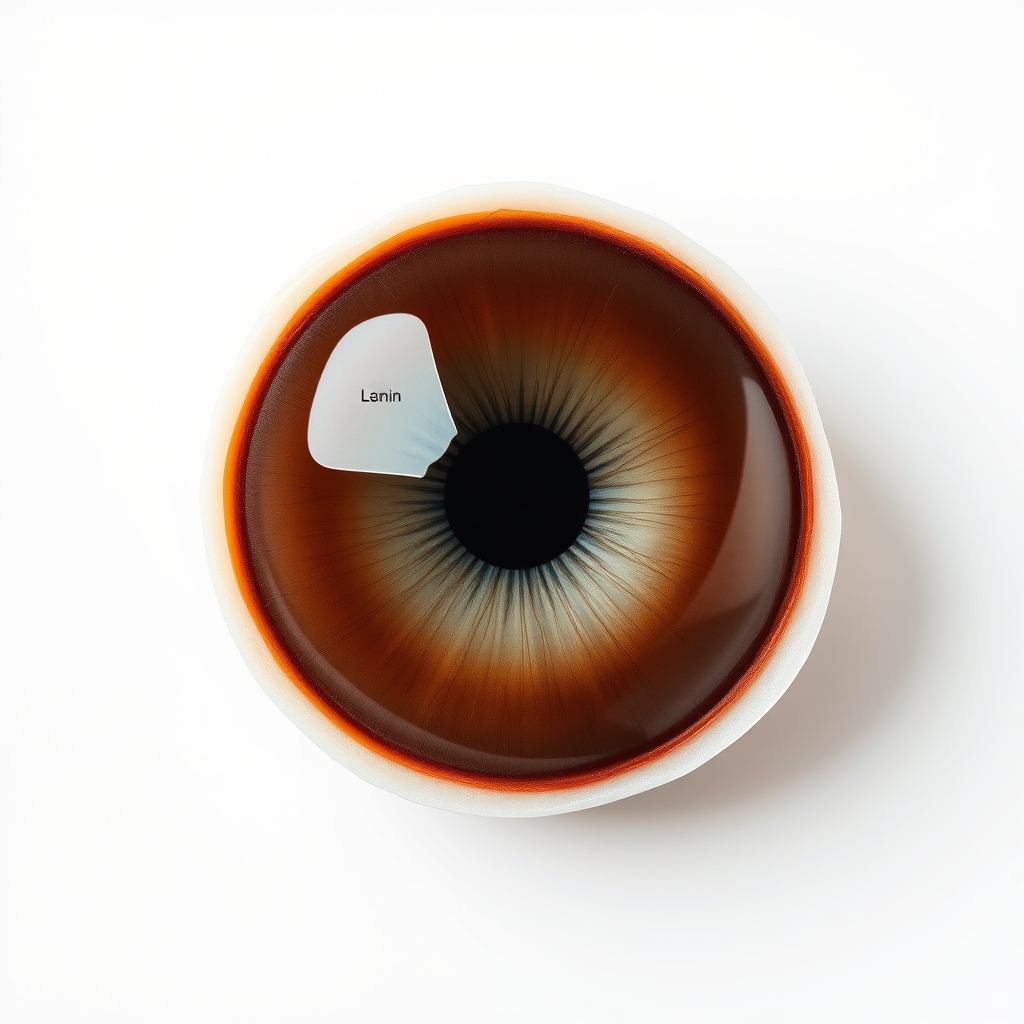
Melanin builds up in the iris layers, shifting the eye’s color over time.
What to expect during the first year of eye color changes
In the first two months, expect the most visible shifts. You may notice a baby’s eyes moving from a pale blue to a warm amber or from gray to a soft green. These changes often happen in spurts, aligning with the baby’s developmental milestones such as gaining weight or reaching new sleep patterns.
Between 3 and 6 months, the eye color usually settles into its dominant tone. If your baby’s eyes have turned a richer brown by six months, they will likely stay that color for life. If they remain blue at six months, there’s still a chance they could transition to green or hazel before the first birthday.
After six months, any further changes are typically minor. You might see the brown deepen, a hazel eye gain more gold flecks, or a blue eye acquire a subtle gray cast. These tweaks often go unnoticed unless you compare photos taken months apart.
Throughout the year, keep an eye (pun intended) on any sudden darkening or discoloration, especially if accompanied by other symptoms like light sensitivity or vision problems. While most color shifts are harmless, abrupt changes can sometimes signal underlying eye conditions that deserve a professional check.
Because lighter eyes can be more photosensitive, many pediatricians recommend a wide‑brimmed hat or UV‑blocking sunglasses once the baby can tolerate them, typically around six months. This simple protection helps guard delicate retinal tissue while the iris is still maturing.
Premature birth and eye color development
Preterm infants (born before 37 weeks gestation) often follow a slightly altered eye‑color timeline. Because melanocyte migration and melanin synthesis are tied to overall developmental maturity, babies born early may retain a bluish iris for longer than full‑term peers.
A study published by the American College of Obstetricians and Gynecologists (ACOG) in 2022 noted that 15 % of infants born before 32 weeks showed delayed pigment deposition, with noticeable color change sometimes extending beyond 12 weeks. Most of these babies eventually align with the typical six‑month stabilization point, but parents should be prepared for a prolonged “blue‑gray” phase.
Nutrition plays a heightened role in preterm infants. Breast milk fortified with vitamin A and DHA (docosahexaenoic acid) supports retinal development and may indirectly aid melanocyte function. However, the primary driver remains genetic, and premature birth does not change the eventual hue—only the timing.
When tracking eye color in a preterm baby, consider adding a third checkpoint at nine months, especially if the infant was born before 28 weeks. This extra data point can help you differentiate a normal delayed shift from a potential pigment‑production issue that might warrant a pediatric ophthalmology referral.
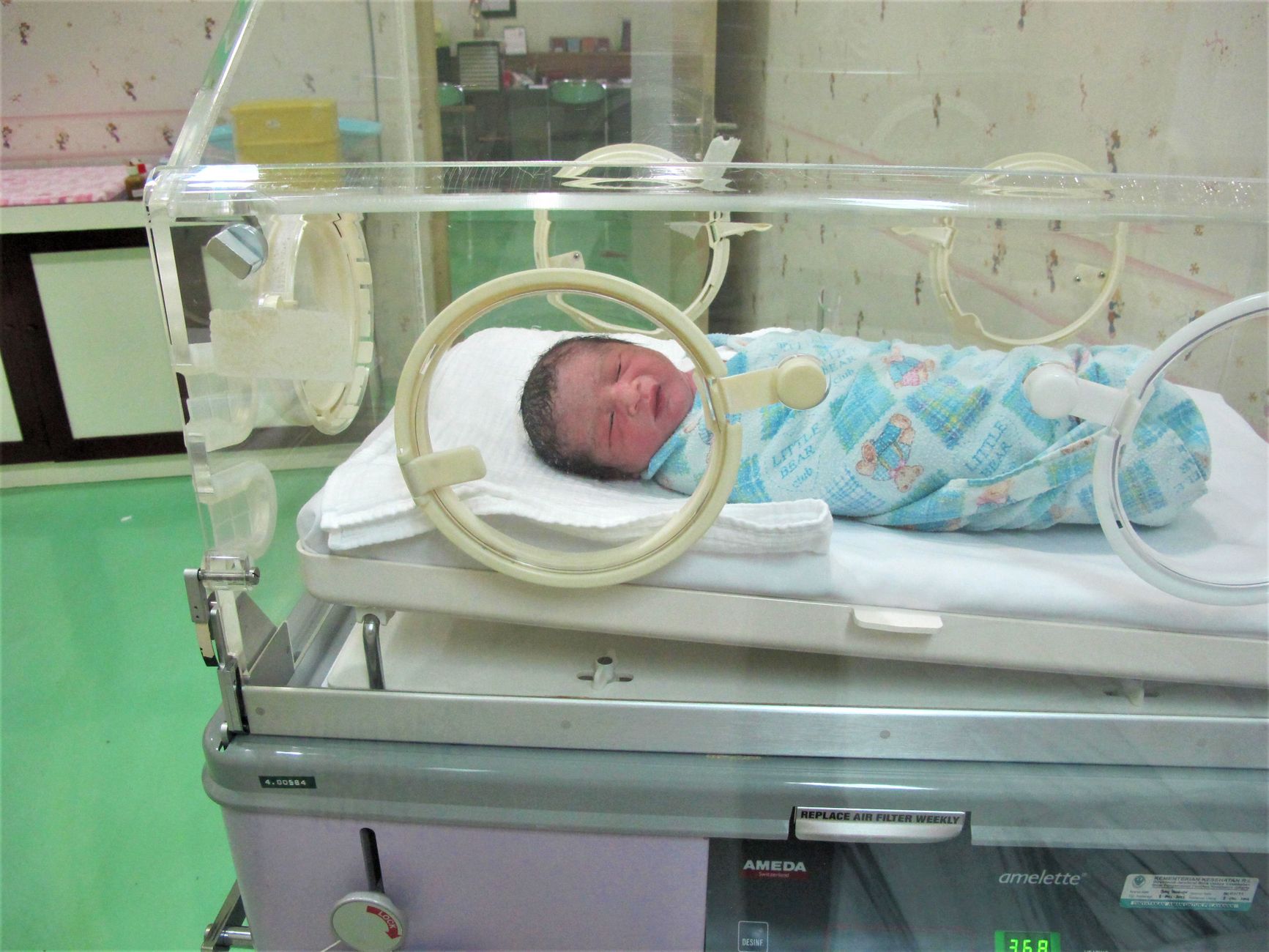
Preterm babies may keep a blue‑gray iris longer before melanin darkens the eye.
When to monitor for eye health concerns
Eye‑color changes are usually benign, but certain patterns can indicate underlying health issues. Sudden darkening of only one eye, the appearance of white spots (leukocoria), or a persistent lack of color change beyond 12 months should prompt a pediatric eye exam.
The Royal College of Ophthalmologists (RCOphth) recommends a routine vision screening at 6 months, but adds that any abnormal iris pigmentation observed during well‑child visits warrants an earlier referral. Conditions such as congenital cataracts, retinal dystrophies, or optic nerve anomalies sometimes present first as atypical iris coloration.
Parents can perform a simple home check: in natural daylight, compare the iris of each eye side‑by‑side. Look for asymmetry, unusual speckles, or a yellowish tint that doesn’t match the rest of the iris. If anything looks out of the ordinary, write down the observation and bring it to your next pediatric appointment.
Regular eye‑health monitoring also includes checking for photophobia (sensitivity to light) and tracking the baby’s ability to follow moving objects. These functional signs, together with color observations, give clinicians a fuller picture of ocular development.
Cultural beliefs and myths about eye color
Across cultures, eye color has sparked folklore, superstitions, and even health myths. In some Mediterranean societies, a baby born with blue eyes is said to bring good luck, while in parts of South Asia, dark eyes are associated with strength and protection. These narratives, while charming, have no scientific basis.
Historically, certain myths suggested that a mother’s diet could alter a baby’s eye color—e.g., eating carrots for “bright” eyes. Modern nutrition science, referenced by the NHS, confirms that while carrots provide beta‑carotene for overall eye health, they do not influence melanin pathways that determine iris color.
Another widespread belief is that a baby’s eye color can predict personality traits. Contemporary psychology, however, finds no credible link between iris hue and temperament. It’s perfectly normal for parents to feel a special bond when their child’s eyes change, but the color itself carries no hidden meaning.
Understanding these cultural stories can help parents separate sentiment from science, allowing them to enjoy the natural wonder of eye‑color evolution without unnecessary worry.
How lighting and photography affect perceived eye color
What you see in a photo isn’t always the true hue of your baby’s eyes. Warm indoor lighting can make brown eyes appear amber, while cool daylight may enhance blue tones. A flash or smartphone camera can also cause reflections that exaggerate the iris’s brightness.
When you’re tracking color changes, aim for consistent conditions: natural daylight, no flash, and the same background each time. This reduces “optical illusion” effects and gives you a more reliable visual record. If you’re using a phone, try the camera’s “portrait” mode with a neutral backdrop to capture the iris clearly.
Even the angle matters. A direct, forward‑facing shot shows the iris evenly, whereas a side profile might highlight the peripheral pigment differently. By standardizing angle and lighting, you’ll avoid false alarms that sometimes arise from photographic quirks.
Eye color and health considerations
While eye color itself doesn’t determine visual acuity, it does influence how the eye interacts with light. Light‑colored irises (blue, gray, green) allow more light to enter the eye, which can increase sensitivity to bright sunlight. The CDC recommends protecting infants from intense UV exposure once they’re old enough to wear sunglasses or a wide‑brimmed hat.
Some research suggests a modest correlation between dark eye color and a lower risk of certain ocular cancers, such as uveal melanoma, though the overall risk in children is extremely low. Conversely, very light eyes may have a slightly higher susceptibility to photic injury, reinforcing the importance of sun protection.
Rare genetic conditions that affect melanin—like ocular albinism—can lead to vision problems such as nystagmus or reduced visual acuity. If your baby’s eye color is unusually pale and you notice other signs (e.g., difficulty focusing), discuss a referral to a pediatric ophthalmologist early on.
From our medical team: Eye‑color evolution is a normal part of infant development. If you’re curious about your child’s likely shade, use a family‑history chart or a reputable predictor tool. Any sudden or dramatic change after the first year, especially if paired with visual concerns, should prompt a pediatric eye exam.
🔢 Ready to crunch your numbers? Use our Baby Eye Color Predictor for a personalized result in seconds.
Myth vs. fact
Myth: All babies’ eyes turn brown by age one.
Fact: While brown is the most common final color worldwide, many babies—especially those of Northern European descent—retain blue, green, or hazel eyes well into adulthood.
Myth: Eye color is set solely by the mother’s genes.
Fact: Both parents contribute to eye‑color genes, and the interaction of multiple genes (not just a single “mother’s” gene) determines the eventual hue.
Myth: If a baby’s eyes are blue at birth, they’ll stay blue forever.
Fact: Blue at birth is usually a placeholder; melanin buildup over weeks to months often changes the color, sometimes dramatically.
Key takeaways
Most newborns start with blue‑gray eyes; noticeable changes usually happen between 2 weeks and 6 months.
Genetic factors—especially the OCA2 and HERC2 genes—drive melanin production and final eye color.
Family history and predictor tools can give a probability, but they’re not guarantees.
Subtle shifts may continue up to a year; dramatic changes after that are rare.
If you see sudden darkening with vision issues, consult a pediatric ophthalmologist.
Premature babies may experience a delayed timeline, so add an extra check around nine months.
Consistent lighting and photography help you track true color changes accurately.
Protect lighter‑eyed infants from strong sunlight to reduce photic sensitivity.
Frequently asked questions
What color will my baby’s eyes be?
There’s no definitive answer at birth; most babies are born with blue‑gray eyes, and the final color typically settles by six months based on genetics.
Why do babies’ eyes change color?
After birth, melanocytes produce melanin in the iris, darkening the initially light‑colored eye; the amount of melanin determines the eventual hue.
How often do baby eyes change color?
About 80 % of infants experience a noticeable shift in the first three months, with most stabilizing by the end of the first half‑year.
Can baby eye color change after 1 year?
Yes, but changes after one year are usually subtle, such as a slight deepening of brown or a faint addition of gold specks.
What is the most common eye color for babies?
Globally, brown is the most common final eye color; however, in Northern European populations, blue and green remain prevalent.
Do baby eye color changes happen suddenly?
The transition is gradual, though parents may notice a “sudden” shift when the pigment becomes visible after weeks of slow development.
Can twins have different eye colors?
Yes. Even identical twins share the same DNA, but slight differences in gene expression, epigenetics, and early‑life environment can lead to distinct eye colors in each twin.
Does eye color affect vision or eye health?
Eye color itself doesn’t determine visual acuity. However, lighter eyes (blue or gray) may be slightly more sensitive to bright sunlight, so protecting infants from intense UV exposure is a good practice, as recommended by the CDC.
Can a cataract cause eye‑color changes?
While cataracts primarily affect the lens, a dense cataract can give the eye a milky or whitish appearance that may be mistaken for a color change. If you notice a cloudy look or reduced clarity, have your pediatrician evaluate the baby promptly.
Do any medications influence a baby’s eye color?
Most medications prescribed in infancy do not affect iris pigmentation. However, certain systemic drugs (e.g., antimalarials) can cause pigment changes in rare cases. Discuss any medication concerns with your healthcare provider; they can reassure you about safety.
When to call your doctor
If you notice any of the following, contact your pediatrician or an eye specialist promptly: sudden darkening of one eye only, visible white spots on the iris, sensitivity to light, or any signs of vision problems such as lack of tracking or abnormal eye movements. This article provides general information and is not a substitute for personalized medical advice.
References
American Academy of Pediatrics. “Developmental Milestones: Eye Development.” Clinical Guidelines, 2022.
National Health Service (NHS). “Eye Colour and Genetics.” Patient Information, 2021.
World Health Organization (WHO). “Genetics of Eye Colour.” Fact Sheet, 2020.
American College of Obstetricians and Gynecologists (ACOG). “Prenatal and Neonatal Care.” Practice Bulletin, 2023.
Mayo Clinic. “Understanding Eye Color: Genetics and Development.” Health Library, 2022.
Royal College of Ophthalmologists (RCOphth). “Pediatric Eye Examination.” Guidelines, 2021.
Centers for Disease Control and Prevention (CDC). “Vision Screening in Children.” Recommendations, 2023.
National Institute of Health (NIH). “OCA2 and HERC2 Gene Functions.” Research Summary, 2021.
American College of Obstetricians and Gynecologists (ACOG). “Eye Development in Preterm Infants.” Committee Opinion, 2022.
National Health Service (NHS). “Nutrition and Infant Eye Health.” Dietary Guidance, 2022.
American Academy of Ophthalmology. “Pediatric Cataract Management.” Clinical Update, 2021.
U.S. Food and Drug Administration (FDA). “Drug Safety and Ocular Effects.” Medication Safety Bulletin, 2023.
Not sure about the label on When Do Baby Eyes Change Color Timeline Predictor Tool products?
Snap the ingredients list and SafeFilter checks every ingredient for your stage — only 3 free scans this month, then you're locked until reset. Unlimited from $7/mo or $50/yr.
When Shubhra Mishra was expecting her first child in 2016, she was overwhelmed by conflicting food advice — one site said yes, another said never. By the time her second baby arrived in 2019, she realized millions of mothers face the same confusion.
That sparked a five-year journey through clinical nutrition papers, cultural diets, and expert conversations — all leading to BumpBites: a calm, compassionate space where science meets everyday motherhood.
Her long-term vision is to build a global community ensuring safe, supported, and free deliveriesfor every mother — because no woman should face pregnancy alone or uninformed. 🌿
🌍 Stand with mothers, shape safer guidance
Join a small circle of experts who review BumpBites articles so expecting parents everywhere can decide with confidence.