A chemical pregnancy is a very early miscarriage that occurs before the fifth week. Learn its symptoms, causes, and how to recognize them and next steps.
By Shubhra Mishra — a mom of two who turned her own confusion during pregnancy into BumpBites, a global mission to make food choices clear, safe, and stress-free for every expecting mother. 💛
Check whether any food is safe during pregnancy with the BumpBites Food Safety Checker.
Quick take: A chemical pregnancy is an early loss that occurs after a fertilized egg implants but before an ultrasound can confirm a gestational sac—usually within the first five weeks. It often feels like a missed period or light spotting, and the only clue is a brief rise in hCG that then drops. Most women experience it once and can try to conceive again right away.
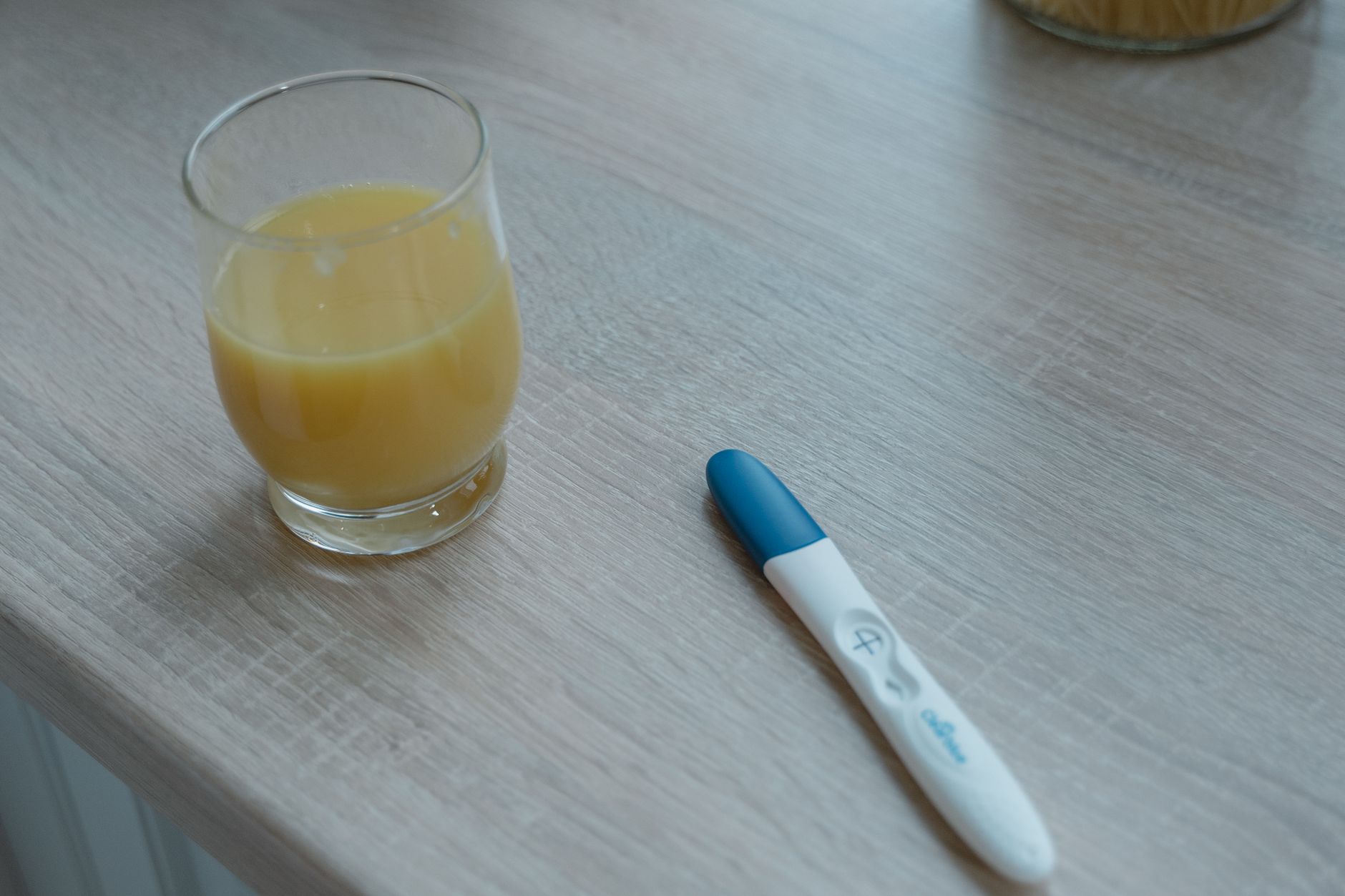
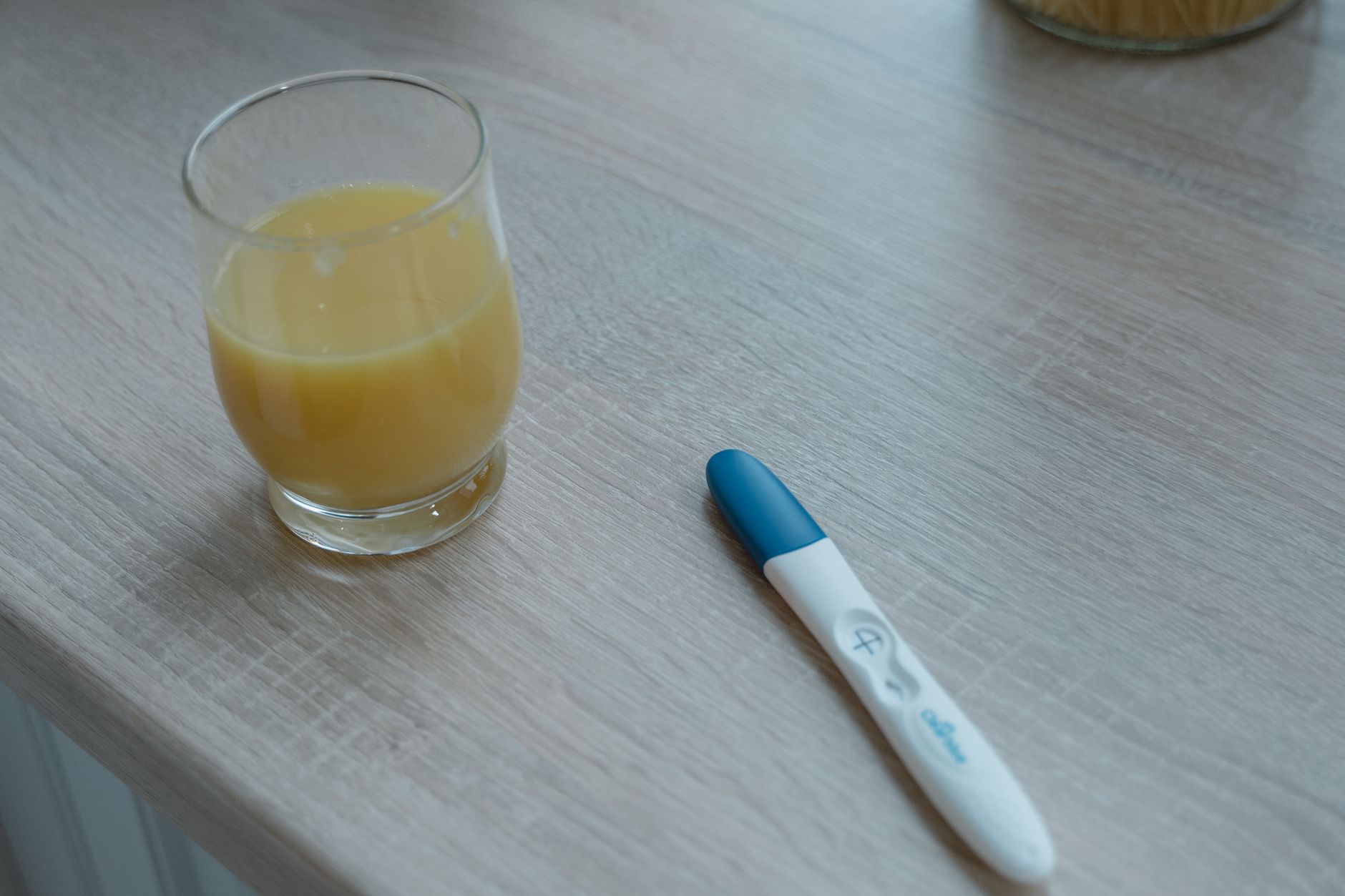
It’s 2 a.m., you’re standing in the kitchen with a half‑finished cup of tea, and the pregnancy test you bought on a whim is flashing pink. Yet the next day, the line fades and you’re left wondering whether you ever were pregnant at all. You’re not alone—many people discover that what seemed like a promising early pregnancy was actually a chemical pregnancy.
In this article we’ll explain exactly what a chemical pregnancy is, why it happens, how it differs from a miscarriage, and what you can expect in terms of symptoms, hCG trends, and emotional impact. We’ll also cover how common it is, whether it affects future fertility, and what steps you can take if you’re trying to conceive again—especially after IVF. By the end you’ll have a clear, evidence‑based picture, plus practical tips for talking with your provider.
We’ll answer the most frequent questions people type into Google, such as “what causes a chemical pregnancy?” and “can a chemical pregnancy be prevented?” while weaving in real‑world experiences that many expectant parents share. Let’s start with a plain‑language definition.
What causes a chemical pregnancy?
A chemical pregnancy begins when a fertilized egg (embryo) successfully implants in the uterine lining but fails to develop enough to be detected by ultrasound. The most common culprits are chromosomal abnormalities—about 50‑60 % of these early losses involve extra or missing chromosomes that prevent the embryo from growing.
Other contributing factors include:
Hormonal imbalances: Low progesterone or thyroid irregularities can make the uterine environment less supportive.
Uterine structural issues: Fibroids, polyps, or a thin endometrium may impede proper implantation.
Age‑related factors: As maternal age rises, the chance of chromosomal errors increases.
Lifestyle influences: Smoking, excessive caffeine, and high alcohol intake can affect embryo viability.
Underlying health conditions: Autoimmune disorders, uncontrolled diabetes, or infections can also play a role.
Even with perfect timing and a healthy lifestyle, a chemical pregnancy can still happen—often without any obvious warning signs. The “chemical” part of the name comes from the brief surge in the pregnancy hormone human chorionic gonadotropin (hCG) that can be detected in blood or urine before it drops again.
How does a chemical pregnancy happen after IVF?
In vitro fertilisation (IVF) cycles create multiple embryos, and many clinics transfer several at once to improve success rates. Even with pre‑implantation genetic testing, a small percentage of transferred embryos may still carry undetectable chromosomal issues, leading to a chemical pregnancy. IVF patients often notice a positive test around 9‑11 days post‑transfer, followed by a rapid decline in hCG—a pattern that mirrors natural conception.
Is there a way to prevent a chemical pregnancy?
Because most chemical pregnancies stem from genetic problems beyond our control, true prevention is limited. However, optimizing overall health can reduce other risk factors. Ensuring adequate folic acid intake, managing chronic conditions, quitting smoking, limiting caffeine to <200 mg/day (about one 12‑oz coffee), and maintaining a healthy weight are all recommended by the American College of Obstetricians and Gynecologists (ACOG) and the National Health Service (NHS) to support early pregnancy health.
Additionally, for couples with a history of recurrent early loss, a thorough evaluation—including hormone panels and possibly a karyotype—can identify treatable contributors. While this does not guarantee prevention, it can guide personalized strategies that improve overall reproductive outcomes.
Chemical pregnancy symptoms vs miscarriage
Distinguishing a chemical pregnancy from a miscarriage can be tricky because both involve bleeding and cramping. The key differences lie in timing, hCG dynamics, and the presence of a gestational sac on ultrasound.
Timing: Chemical pregnancies usually resolve within 2‑4 weeks of a positive test, often before a missed period would be expected. Miscarriages typically occur later—after a gestational sac is visible, usually after 6 weeks.
hCG patterns: In a chemical pregnancy, hCG rises sharply then falls rapidly, often halving every 48‑72 hours. In a miscarriage, hCG may plateau or decline more slowly, and an ultrasound will have previously shown a fetal pole or heartbeat.
Bleeding and cramping: Both can present as light spotting or heavier bleeding. Chemical pregnancies often cause minimal cramping and spotting that resembles a period, while miscarriages may involve stronger uterine cramping and more substantial bleeding.
Feature
Chemical Pregnancy
Miscarriage
Detection window
1‑5 weeks
After 6 weeks
Ultrasound findings
No gestational sac
Gestational sac present
hCG trend
Rapid rise then fall
Plateau or gradual decline
Bleeding
Light spotting, period‑like
Heavier, may include clots
Cramping
Mild, occasional
Moderate to severe
If you experience any of these signs, a repeat hCG test and an ultrasound can clarify the situation. Your provider may also order a progesterone level to assess whether the uterus was supporting the early pregnancy.
Signs of a chemical pregnancy at 4 weeks
At four weeks post‑conception (about two weeks after a missed period), many people notice an early positive test, mild nausea, and breast tenderness. If the pregnancy ends shortly after, you might see:
Spotting that’s pink or brown rather than bright red.
Light cramping that feels like a mild period.
A sudden drop in hCG on a repeat blood test.
These cues often resolve without medical intervention, but a quick check with your clinician can provide reassurance.
It’s also common to wonder whether the spotting is a “late period” or an early sign of loss. The timing of the test relative to ovulation matters: a test taken before 12 days post‑ovulation (DPO) can produce a faint line that disappears, which is a classic chemical pregnancy pattern. Waiting until at least 14 DPO before testing can reduce anxiety about ambiguous results.
How common are chemical pregnancies?
Estimates vary because many chemical pregnancies go unnoticed, but research suggests they occur in roughly 30‑50 % of all conceptions. A study referenced by the Centers for Disease Control and Prevention (CDC) found that for every clinically recognized pregnancy, about one in three may have ended as a chemical loss before the woman even realized she was pregnant.
This high prevalence explains why many people experience a brief positive test followed by a negative one. It also underscores that a chemical pregnancy is usually not a sign of infertility; rather, it reflects the natural selection process where only embryos with the right genetic makeup continue to develop.
In populations undergoing assisted reproductive technology, the rate of chemical pregnancies can be slightly higher because of the increased sensitivity of early hCG monitoring. Nevertheless, the absolute risk remains modest, and most cycles still result in viable pregnancies.
Chemical pregnancy at 5 weeks
By the fifth week, the embryo would normally be about 2 mm in size, and a gestational sac should be visible on a transvaginal ultrasound. In a chemical pregnancy, the sac never forms, and the hCG level may still be rising but not enough to produce a visible structure. If bleeding begins at this stage, it’s often heavier than earlier spotting, and cramping may increase.
Because the uterus has already attempted implantation, the lining typically sheds in a manner similar to a regular menstrual period, which can mask the loss. Recognizing the pattern of a rapid hCG decline is therefore the most reliable way to differentiate a chemical pregnancy from a normal cycle.
Chemical pregnancy and fertility
One of the biggest worries after a chemical pregnancy is whether it signals a deeper fertility issue. The short answer: most people conceive again without difficulty. A chemical loss does not mean the ovaries or uterus are faulty; it simply indicates that the earliest embryo did not survive.
For couples trying to conceive (TTC), the Mayo Clinic recommends waiting until you’ve had at least one normal menstrual cycle after the loss before trying again. This gives the lining time to regenerate and allows you to track your next cycle accurately.
Women who experience repeated chemical pregnancies (three or more) may benefit from a fertility evaluation. Testing can include hormonal panels (FSH, AMH, prolactin), hysterosalpingography to assess uterine cavity and tubal patency, and perhaps a karyotype to look for genetic factors.
Chemical pregnancy and hCG levels
hCG, the hormone produced by the placenta, rises about 100‑200 % each 48‑hour period in a viable pregnancy. In a chemical pregnancy, the rise is often slower, and levels may peak around 150‑300 mIU/mL before falling. A “false‑positive” home test can occur when a woman’s hCG is just above the detection threshold (usually 25 mIU/mL) due to a recent pregnancy loss or even certain medical conditions.
When a test reads positive but you suspect a chemical pregnancy, a serum hCG drawn 48 hours later can reveal the trend. A declining curve confirms that the pregnancy is not progressing.
Chemical pregnancy test false positive
False‑positive results are rare but can happen if:
Residual hCG from a prior pregnancy remains in the system (it can linger up to 3 weeks).
Certain medications containing hCG (e.g., fertility drugs) are being used.
Medical conditions like trophoblastic disease elevate hCG.
If you receive a positive test but have missed your period by a month, contact your provider for a confirmatory blood test.
Can a chemical pregnancy be prevented?
Because most chemical pregnancies are caused by chromosomal errors that occur at fertilisation, there is no guaranteed method to prevent them. However, you can lower the risk of other contributing factors:
Maintain a balanced diet rich in folate, iron, and omega‑3 fatty acids.
Achieve optimal weight (BMI 18‑24) before trying to conceive.
Address underlying health issues such as thyroid disease or uncontrolled diabetes.
Limit caffeine to <200 mg per day and avoid smoking or recreational drug use.
Discuss with your doctor whether pre‑implantation genetic testing (PGT) is appropriate if you have a history of recurrent early loss.
For those undergoing fertility treatments, close monitoring of hCG after embryo transfer can catch a chemical pregnancy early, allowing you to plan the next cycle without unnecessary delay.
Chemical pregnancy and bleeding
Bleeding is the most common sign of a chemical pregnancy. It often appears as light spotting that may be pink, brown, or a faint red, and it typically lasts 1‑3 days. Heavy bleeding, clots, or severe pain should prompt immediate medical evaluation, as these could indicate a miscarriage or an ectopic pregnancy.
Chemical pregnancy and cramping
Cramping associated with a chemical loss is usually mild and comparable to menstrual cramps. Some women describe it as a “twinge” low in the abdomen rather than the intense uterine contractions seen in later miscarriages. If cramping becomes severe, or if you develop a fever, seek care promptly.
Difference between chemical pregnancy and ectopic pregnancy
An ectopic pregnancy occurs when the fertilised egg implants outside the uterine cavity, most commonly in the fallopian tube. Unlike a chemical pregnancy, an ectopic pregnancy can be life‑threatening and requires immediate medical attention.
Key distinctions include:
Location: Chemical—uterus (but no sac); Ectopic—outside uterus (tube, ovary, cervix).
hCG rise: Both may show a slower rise, but ectopic hCG often plateaus rather than falling quickly.
Symptoms: Ectopic often causes sharp, unilateral abdominal pain, shoulder pain, and heavier bleeding.
Ultrasound: No intrauterine sac in ectopic; a tubal mass may be visualised.
Because the early presentation can overlap, any persistent pain, dizziness, or heavy bleeding should be evaluated promptly. The Royal College of Obstetricians and Gynaecologists (RCOG) advises that suspected ectopic pregnancies be assessed with transvaginal ultrasound and serial hCG measurements.
Seeing that pink line can feel both exciting and terrifying—especially when it disappears.
Chemical pregnancy and hCG levels
Human chorionic gonadotropin (hCG) is the hormone that pregnancy tests detect. In a typical early pregnancy, hCG doubles roughly every 48 hours. In a chemical pregnancy, the rise is blunted, and the peak is usually lower than 500 mIU/mL. After the peak, levels fall by at least 50 % within 48 hours.
Serial hCG testing helps differentiate a chemical loss from a miscarriage or ectopic. For example:
Day 0: Positive urine test; serum hCG = 120 mIU/mL.
Day 2: hCG = 115 mIU/mL (decline) → suggests a chemical pregnancy.
When hCG levels plateau or rise slowly, doctors may order a repeat ultrasound at 6‑7 weeks to check for a gestational sac. If none appears, the diagnosis of a chemical pregnancy is confirmed.
Chemical pregnancy and DPO (days post‑ovulation)
Most home tests become reliable after about 12‑14 DPO. A chemical pregnancy may register positive as early as 9‑10 DPO, especially after IVF where the timing is known. If you test early and see a faint line that disappears, it’s likely a chemical loss. Waiting until at least 14 DPO before testing can reduce false‑positive anxiety.
Can you have a chemical pregnancy and not know it?
Yes. Many women never realise they had a chemical pregnancy because the only evidence is a fleeting positive test that fades before a missed period. In some cases, the only clue is a brief spike in hCG detected during routine fertility monitoring. If you’ve never taken a pregnancy test before a missed period, you might have experienced a chemical loss without ever noticing.
How long does a chemical pregnancy last?
A chemical pregnancy typically resolves within 2‑4 weeks after conception. The hormone surge may last 7‑10 days, after which hCG declines and menstrual bleeding resumes. Because the loss occurs before the embryo can be visualised, there’s no prolonged gestational development, so the duration is short.
Is a chemical pregnancy a sign of infertility?
Most experts, including the National Institute for Health and Care Excellence (NICE) guidelines, view a single chemical pregnancy as a normal part of reproductive biology rather than a marker of infertility. However, recurrent early losses (three or more) could indicate underlying issues—genetic, hormonal, or anatomical—that merit further investigation.
Can you get pregnant again after a chemical pregnancy?
Absolutely. The uterus recovers quickly, and most people conceive in the next cycle. The U.S. Food and Drug Administration (FDA) and ACOG suggest that once hCG returns to non‑pregnant levels (usually after a normal period), you can resume trying to conceive without waiting. If you’re undergoing IVF, clinics often schedule the next transfer after confirming that hCG has dropped below 5 mIU/mL.
What are the symptoms of a chemical pregnancy at 4 weeks?
At four weeks, the most common signs are:
Light spotting or pink‑brown discharge.
Mild cramping, often described as a “twinge” rather than strong contractions.
Subtle breast tenderness or nausea that may quickly subside.
A positive home test that later turns negative.
These symptoms can feel similar to a normal period, which is why the quick rise and fall of hCG is the definitive diagnostic clue.
A faint line can be the first sign of a chemical pregnancy.
Emotional coping after a chemical pregnancy
Even though a chemical pregnancy ends before an ultrasound can confirm a baby, the emotional response can be just as intense as a later miscarriage. Grief, disappointment, and self‑blame are common, and it’s normal to feel a mix of relief that the loss was early and sadness that a hoped‑for pregnancy didn’t continue.
Research published by the World Health Organization (WHO) stresses the importance of validating these feelings. Talking with a supportive partner, joining online forums, or seeking counseling can help process the loss. Many clinicians recommend scheduling a brief follow‑up appointment to discuss emotional health, especially if you notice prolonged sadness or anxiety.
When to consider genetic testing
If you’ve experienced three or more chemical pregnancies, a genetic work‑up may be advisable. Pre‑conception carrier screening (recommended by ACOG) can identify recessive conditions that could affect embryo viability. In some cases, a karyotype analysis of both partners can reveal balanced translocations that increase the risk of chromosomal abnormalities.
For couples undergoing IVF, pre‑implantation genetic testing (PGT‑A for aneuploidy) is an option that can reduce the likelihood of early loss, though it does not eliminate it entirely. Discuss the benefits, costs, and emotional implications with your fertility specialist before deciding.
Lifestyle tips for preparing for a healthy next pregnancy
While you can’t change the genetic makeup of an embryo, you can create a supportive environment for the next attempt. Here are evidence‑based steps:
Folic acid: Take 400–800 µg daily, starting at least one month before trying to conceive (as advised by ACOG).
Nutrition: Prioritise whole foods—leafy greens, lean protein, and omega‑3‑rich fish (cooked, low‑mercury).
Exercise: Moderate activity (150 minutes/week) improves blood flow to the uterus without over‑exertion.
Sleep: Aim for 7–9 hours to support hormone balance.
Stress management: Mind‑body practices such as yoga or guided meditation can lower cortisol, which may positively affect implantation.
Medical review: Ensure thyroid, blood sugar, and blood pressure are within target ranges before trying again.
These habits benefit overall reproductive health and can reduce the odds of another early loss, even if they don’t guarantee prevention.
From our medical team: A chemical pregnancy is usually a one‑off event that reflects the body’s natural selection process. If you’ve had a single episode, there’s no reason to delay trying again once your period returns. However, if you notice a pattern of repeated early losses, schedule a comprehensive fertility work‑up. Your provider can check hormone levels, assess uterine anatomy, and discuss genetic testing options. Remember, you’re not alone—many couples navigate these challenges, and support is available at every step.
Myth vs. fact
Myth: A chemical pregnancy means you’re infertile.
Fact: One chemical loss is common and does not predict future fertility; most people conceive without issue afterward.
Myth: You can’t get pregnant again for months after a chemical pregnancy.
Fact: Once hCG falls and your period returns, you can try again right away—often within the next cycle.
Myth: All chemical pregnancies are caused by lifestyle choices.
Fact: The majority are due to chromosomal abnormalities, which are not influenced by diet or behavior.
Key takeaways
Chemical pregnancies are early losses that happen before a gestational sac can be seen on ultrasound.
Chromosomal issues are the main cause; lifestyle factors play a smaller role.
Symptoms often include light spotting, mild cramping, and a brief positive hCG test.
A rapid decline in hCG confirms the loss; a repeat blood test can provide reassurance.
Most people can try to conceive again after a normal period, and a single chemical loss does not imply infertility.
If you experience heavy bleeding, severe pain, or fever, seek medical care immediately.
When to call your doctor
If you notice any of the following, contact your provider right away: heavy bleeding (soaking a pad in under an hour), passing large clots, severe abdominal pain, fever over 100.4 °F (38 °C), dizziness, or fainting. This article is for informational purposes only and does not replace personalized medical advice.
Frequently asked questions
What is a chemical pregnancy and how does it happen?
A chemical pregnancy is an early pregnancy loss that occurs after implantation but before an ultrasound can detect a gestational sac, usually due to chromosomal abnormalities.
Can you have a chemical pregnancy and not know it?
Yes—if the positive test is brief and you never notice any bleeding or cramping, you may never realise a chemical loss occurred.
How long does a chemical pregnancy last?
It typically resolves within 2‑4 weeks of conception, with hCG levels rising briefly then falling rapidly.
Is a chemical pregnancy a sign of infertility?
One isolated chemical loss is not a sign of infertility; it’s a common early miscarriage. Repeated losses, however, may warrant a fertility evaluation.
Can you get pregnant again after a chemical pregnancy?
Yes—most people can try again after a normal menstrual cycle and have a healthy pregnancy the next time.
What are the symptoms of a chemical pregnancy at 4 weeks?
Light spotting, mild cramping, brief breast tenderness, and a positive home test that later turns negative are typical signs at four weeks.
Can birth control pills affect chemical pregnancy detection?
Hormonal contraceptives can suppress natural hCG production, but they do not cause a chemical pregnancy. If you start testing soon after stopping the pill, residual hormone levels may lead to a faint positive that disappears, mimicking a chemical loss. Waiting at least two weeks after discontinuation before testing improves accuracy.
Is it possible to have a chemical pregnancy after a frozen embryo transfer?
Yes. Even with a frozen‑thawed embryo, implantation can occur and then fail before the sac becomes visible. The hCG pattern—sharp rise followed by a rapid decline—remains the same, and the diagnosis is made through serial blood tests and ultrasound timing, just as with natural conception.
References
American College of Obstetricians and Gynecologists (ACOG). “Early Pregnancy Loss.” Practice Bulletin No. 195, 2023.
National Health Service (NHS). “Early miscarriage (chemical pregnancy).” Updated 2022.
Centers for Disease Control and Prevention (CDC). “Pregnancy loss and early miscarriage data.” 2021.
Mayo Clinic. “Chemical pregnancy: Causes, symptoms, and treatment.” Accessed 2024.
Royal College of Obstetricians and Gynaecologists (RCOG). “Ectopic pregnancy.” Green‑top Guideline No. 21, 2022.
National Institute for Health and Care Excellence (NICE). “Fertility problems: assessment and treatment.” NG126, 2020.
World Health Organization (WHO). “Guidelines on preventing early pregnancy loss.” 2021.
Food and Drug Administration (FDA). “Pregnancy testing: Guidance for manufacturers.” 2022.
American College of Obstetricians and Gynecologists (ACOG). “Folic acid supplementation for reproductive health.” Committee Opinion No. 785, 2020.
National Health Service (NHS). “Lifestyle advice for trying to conceive.” Updated 2023.
Not sure about the label on What Is A Chemical Pregnancy Symptoms And Causes products?
Snap the ingredients list and SafeFilter checks every ingredient for your stage — only 3 free scans this month, then you're locked until reset. Unlimited from $7/mo or lock $50/yr through Aug 31 (5 days left).
When Shubhra Mishra was expecting her first child in 2016, she was overwhelmed by conflicting food advice — one site said yes, another said never. By the time her second baby arrived in 2019, she realized millions of mothers face the same confusion.
That sparked a five-year journey through clinical nutrition papers, cultural diets, and expert conversations — all leading to BumpBites: a calm, compassionate space where science meets everyday motherhood.
Her long-term vision is to build a global community ensuring safe, supported, and free deliveriesfor every mother — because no woman should face pregnancy alone or uninformed. 🌿
🌍 Stand with mothers, shape safer guidance
Join a small circle of experts who review BumpBites articles so expecting parents everywhere can decide with confidence.