Discover when you start showing pregnancy, including signs and symptoms to expect during early pregnancy stages, when do you start showing pregnancy
By Shubhra Mishra — a mom of two who turned her own confusion during pregnancy into BumpBites, a global mission to make food choices clear, safe, and stress-free for every expecting mother. 💛
Check whether any food is safe during pregnancy with the BumpBites Food Safety Checker.
Quick take: When do you start showing pregnancy? Most first‑time mothers begin to notice a baby bump between 16 and 20 weeks, while those who have been pregnant before may start showing as early as 12 weeks. The exact timing depends on body type, uterine position, fetal growth, and other personal factors.
It's 2 a.m., and you're lying in bed, wondering when you'll finally start showing. You've been pregnant for what feels like an eternity, and yet your belly still looks pretty much the same as it did before. You've heard stories from friends and family members about how they started showing at different times, and you can't help but wonder what's normal. If you're like many expectant mothers, you're probably searching for answers online, trying to figure out when you'll start to notice that unmistakable baby bump. In this article, we'll explore the ins and outs of when you can expect to start showing pregnancy, including the factors that influence bump visibility, what to expect during different stages of pregnancy, and practical tips for tracking the change.
Bottom line: there is a wide “normal” range, and your body will give you clues along the way. We'll walk through the science, the common myths, and the everyday signs that tell you your bump is on its way. By the end, you’ll have a clearer picture of why your timeline might look different from someone else’s—and what to do if you have concerns.
When Do You Start Showing Pregnancy With Your First Baby vs Second?
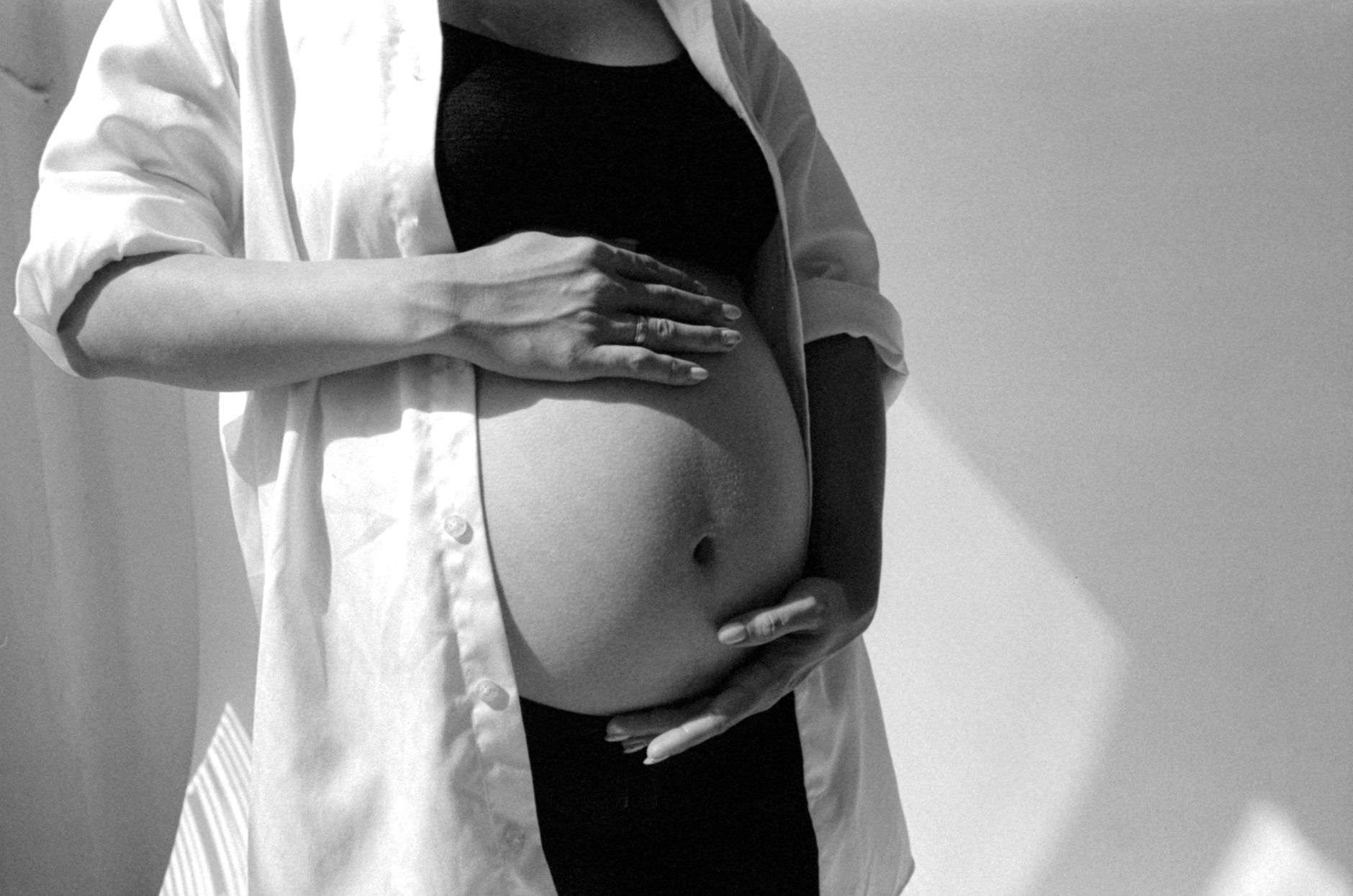
When it comes to showing pregnancy, there's a significant difference between first‑time mothers and those who have been pregnant before. On average, first‑time mothers tend to start showing later, typically between 16 and 20 weeks, while those who have been pregnant before may start showing as early as 12 weeks. This is because the uterus and abdominal muscles are more relaxed during subsequent pregnancies, allowing the baby bump to become visible earlier. However, it's essential to remember that every woman's body is different, and the timing of when you start showing can vary significantly.
For example, let's consider the story of Sarah, a 30‑year‑old first‑time mother. Sarah had a relatively small baby bump throughout her entire pregnancy, and it wasn't until around 18 weeks that she started to notice a significant change in her belly. On the other hand, her friend Emily, who had been pregnant twice before, started showing at around 12 weeks with her third pregnancy. Emily's uterus and abdominal muscles were more relaxed, allowing her baby bump to become visible earlier.
Research from the American College of Obstetricians and Gynecologists (ACOG) confirms that uterine muscle tone tends to improve after the first pregnancy, which often translates to an earlier visual bump in subsequent gestations. Still, personal factors such as weight gain patterns and pelvic shape play a role, so there’s no one‑size‑fits‑all rule.
First‑time mothers tend to start showing later than those who have been pregnant before.
What Factors Influence When a Pregnant Belly Starts to Show?
S
everal factors can influence when a pregnant belly starts to show, including body type, uterine position, bloating, and muscle tone. Women with a smaller body frame or less abdominal fat may start showing earlier, as their baby bump is more pronounced. On the other hand, women with a larger body frame or more abdominal fat may take longer to show, as the baby bump is less visible.
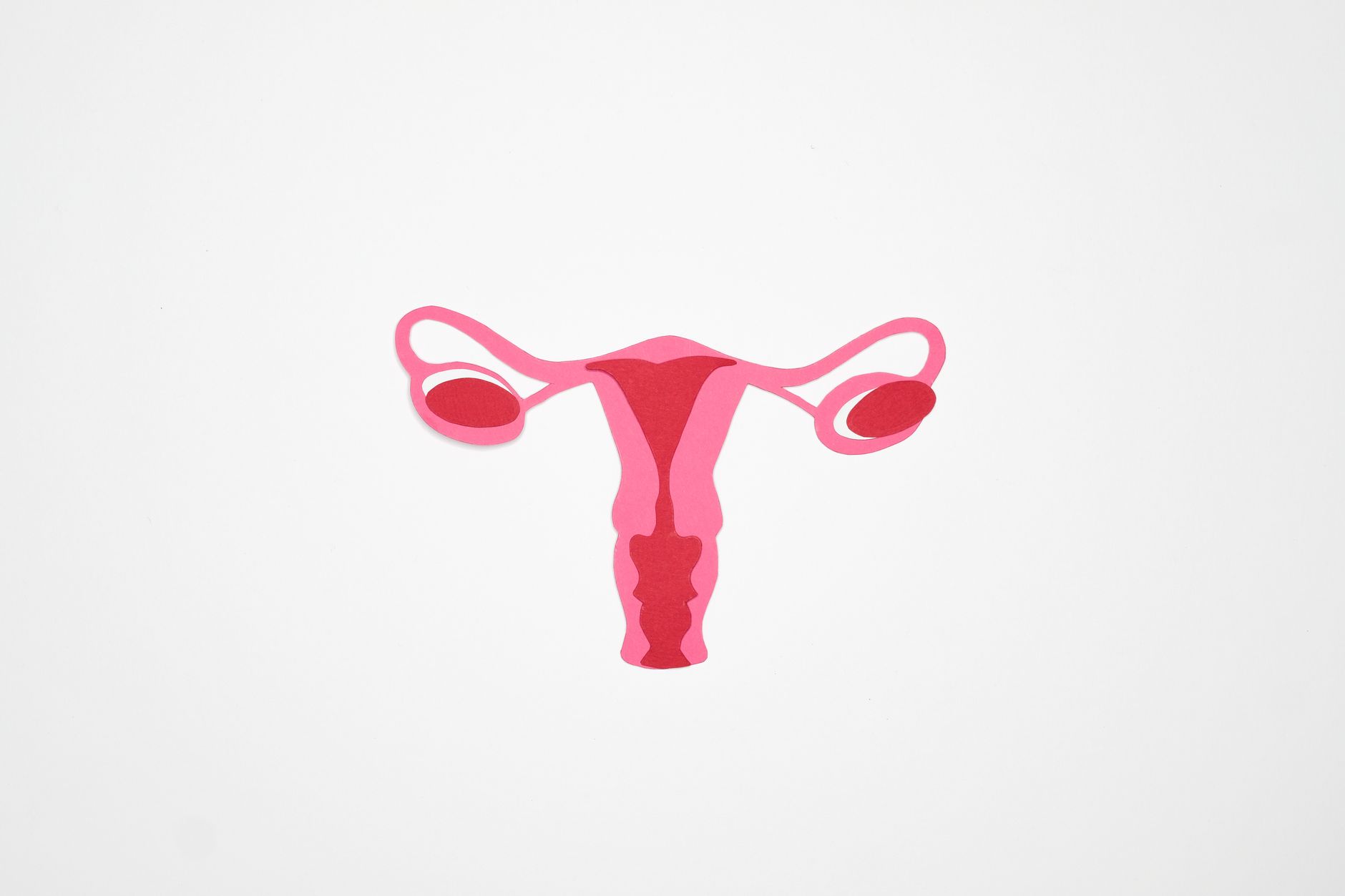
Uterine position is another factor that can affect when a pregnant belly starts to show. Women with an anterior placenta (where the placenta is located at the front of the uterus) may start showing earlier, as the baby bump is more pronounced. In contrast, women with a posterior placenta (where the placenta is located at the back of the uterus) may take longer to show, as the baby bump is less visible.
Bloating and gas can also affect the appearance of a pregnant belly, making it more difficult to determine when the baby bump is actually visible. This is especially common during the early stages of pregnancy, when hormonal changes can cause bloating and discomfort.
Other personal variables—such as pre‑pregnancy fitness level, the presence of a low‑lying (retroverted) uterus, and even the amount of amniotic fluid—can subtly shift the timeline. The NHS notes that a retroverted uterus may keep the uterus lower in the pelvis for a few extra weeks, delaying the visible bump.
The position of the placenta can affect the appearance of the baby bump.
How Early Can You Start Showing a Baby Bump?
It's not uncommon for women to start showing a baby bump as early as 10 weeks, although this is typically only visible to the mother herself. At this stage, the baby bump is usually quite small and may be mistaken for bloating or weight gain. However, as the pregnancy progresses and the uterus expands, the baby bump becomes more pronounced and visible to others.
On average, most women start to show a noticeable baby bump between 12 and 16 weeks. However, this can vary significantly from woman to woman, depending on factors such as body type, uterine position, and fetal development. The American College of Obstetricians and Gynecologists (ACOG) notes that by the end of the first trimester the uterus has risen out of the pelvis, making a visible bump more likely for many women.
Early showing is also more common in twin or higher‑order pregnancies because the uterus expands more rapidly to accommodate multiple fetuses. In such cases, a visible bump can appear as early as 8 weeks, though the exact timing still hinges on the same personal variables discussed earlier.
Is It Normal to Not Show a Baby Bump Until Later in Pregnancy?
Yes, it's completely normal to not show a noticeable baby bump until later in pregnancy. Every woman's body is different, and the timing of when you start showing can vary significantly. Some women may not show a noticeable baby bump until 20 weeks or later, while others may start showing earlier.
Factors such as body type, uterine position, and fetal development can all affect when a pregnant belly starts to show. Women with a larger body frame or more abdominal fat may take longer to show, as their baby bump is less visible. On the other hand, women with a smaller body frame or less abdominal fat may start showing earlier, as the baby bump is more pronounced.
Medical professionals reassure that a later‑appearing bump is not a sign of a problem. In fact, ACOG emphasizes that the visibility of the bump is not a reliable indicator of fetal growth; ultrasound measurements remain the gold standard for tracking development.
What's the Difference Between an Early Pregnancy Bump and Bloating?
It can be difficult to distinguish between an early pregnancy bump and bloating, especially during the early stages of pregnancy. However, there are some key differences to look out for. An early pregnancy bump is typically more pronounced and visible, especially when the mother is standing up or sitting down. Bloating, on the other hand, is usually more temporary and may be accompanied by other symptoms such as discomfort, gas, and nausea.
To distinguish between an early pregnancy bump and bloating, pay attention to the following:
Is the bump more pronounced when standing up or sitting down?
Is the bump accompanied by other symptoms such as discomfort, gas, and nausea?
Does the bump feel more solid and firm, or is it softer and more squishy?
If you're unsure whether you're experiencing an early pregnancy bump or bloating, it's always best to consult with your healthcare provider. They can provide you with personalized advice and guidance, and help you determine the best course of action for your individual situation.
One practical tip: press gently on the lower abdomen while lying on your back. A firm, rounded shape that stays consistent across positions is more likely to be a growing uterus, whereas soft, shifting discomfort often signals gas.
An early pregnancy bump is typically more pronounced and visible, especially when the mother is standing up or sitting down.
When Do You Typically Start Showing Pregnancy With Twins or Multiples?
Women carrying twins or multiples tend to start showing earlier than those carrying a single baby. This is because the uterus expands more rapidly to accommodate the additional fetuses, causing the baby bump to become visible sooner.
On average, women carrying twins or multiples may start showing as early as 8‑10 weeks, although this can vary significantly from woman to woman. Factors such as body type, uterine position, and fetal development can all affect when a pregnant belly starts to show, so it's essential to remember that every woman's body is different.
Because twins often double the amount of amniotic fluid early on, the uterus may rise out of the pelvis faster, making the bump visible even before the typical 12‑week milestone. However, the exact timing still follows the same personal variables discussed throughout this article.
Can You Be Pregnant and Never Show a Noticeable Bump?
Yes, it's possible to be pregnant and never show a noticeable bump. This is often the case for women with a larger body frame or more abdominal fat, as their baby bump may be less visible. Additionally, some women may experience a condition called “cryptic pregnancy,” where the pregnancy is not visible on an ultrasound or is not accompanied by typical pregnancy symptoms.
Cryptic pregnancy is a rare condition where the pregnancy is not visible on an ultrasound or is not accompanied by typical pregnancy symptoms. This can be due to a variety of factors, including a retroverted uterus (where the uterus is tipped backwards) or a placenta that is located at the back of the uterus.
If you're concerned about not showing a noticeable bump or are experiencing any unusual symptoms, it's always best to consult with your healthcare provider. They can provide you with personalized advice and guidance, and help you determine the best course of action for your individual situation.
What Does an Early Pregnancy Bump Feel and Look Like?
An early pregnancy bump can feel and look different for every woman. Some women may experience a small, soft bump that is barely noticeable, while others may have a more pronounced and visible bump.
In general, an early pregnancy bump may feel:
Soft and squishy to the touch
More pronounced when standing up or sitting down
Accompanied by other symptoms such as discomfort, gas, and nausea
An early pregnancy bump may look:
Small and subtle, especially during the early stages of pregnancy
More pronounced and visible as the pregnancy progresses
Different from woman to woman, depending on factors such as body type and uterine position
To get a better sense of what an early pregnancy bump looks and feels like, let's consider the following table:
Week
Bump Size
Bump Feel
Accompanying Symptoms
10
Small, subtle
Soft and squishy
Discomfort, gas, nausea
12
More pronounced
Firm and solid
Fatigue, mood swings, breast tenderness
16
Visible and prominent
Tight and stretched
Back pain, pelvic pressure, frequent urination
Notice how the feel transitions from soft to firm as the uterus stretches. This progression mirrors the growth of the baby and the increasing amount of amniotic fluid.
How to Track Your Bump Progress
Even if you can't see a dramatic change day‑to‑day, keeping a simple record can help you notice subtle growth patterns. Many expectant mothers find it useful to take a weekly photo at the same time of day and in the same lighting. This visual diary makes it easier to spot the gradual expansion of the uterus.
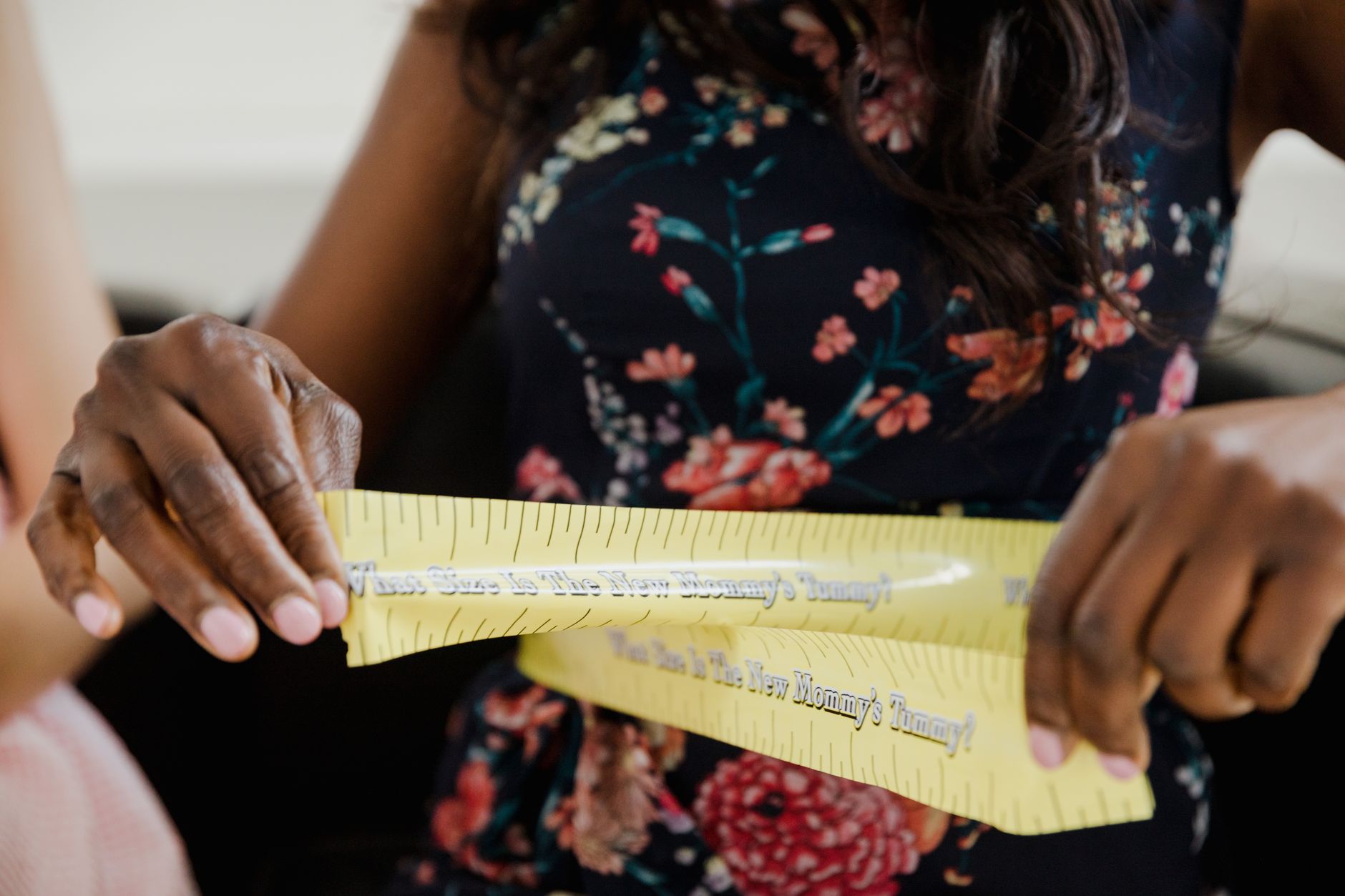
Another low‑tech method is to use a flexible measuring tape around the waist at the level of the belly button. A steady increase of 1‑2 centimeters per week during the second trimester is typical, according to ACOG guidelines. Recording these measurements in a journal can also give you concrete data to discuss with your provider at prenatal visits.
For those who enjoy technology, many pregnancy apps let you log measurements and generate growth curves that compare your data to standard percentile charts. This can be reassuring, especially if your bump appears later than the average.
Track your bump with a tape measure and weekly photos to see subtle changes.
Nutrition and Bump Visibility
What you eat can subtly affect how quickly your bump becomes visible. A balanced diet that supports steady fetal growth—think lean proteins, whole grains, dairy, fruits, and vegetables—helps the uterus expand at a healthy rate. Conversely, excessive sodium can increase fluid retention, making bloating more pronounced and sometimes masking the true size of the bump.
Hydration also plays a role. Adequate water intake supports amniotic fluid levels, which contribute to uterine expansion. The NHS recommends at least 8 cups of fluid a day for pregnant people. If you have a higher‑risk pregnancy (e.g., gestational diabetes), your provider may give you specific dietary guidance to ensure both you and your baby stay healthy while you watch your bump grow.
Micronutrients such as iron and folic acid are essential for placenta development. A well‑nourished placenta can function efficiently, which indirectly supports consistent uterine growth. The CDC highlights that iron deficiency anemia can sometimes delay the perception of fetal movement, though it doesn't directly affect bump visibility.
When to Expect Changes in Clothing Fit
Many women notice that their regular clothes start to feel tighter before the bump is visibly obvious. Around 12‑14 weeks, the waistline of low‑rise jeans or fitted tops may begin to dig in. This is often the first tangible sign that the uterus is rising out of the pelvis.
To stay comfortable, consider swapping to maternity or loose‑fit clothing a few weeks before you expect a noticeable bump. A simple shift to high‑waisted leggings, stretchy dresses, and supportive maternity belts can alleviate discomfort and give you confidence as your shape changes.
Some brands now offer “transitional” maternity wear that looks like regular fashion but includes a hidden stretch panel. These pieces let you maintain your style while accommodating a growing belly, making the early months feel less like a wardrobe overhaul.
When to Seek an Ultrasound for Bump Confirmation
If you’re uncertain whether your baby is growing as expected, an early ultrasound can provide reassurance. The first trimester scan (usually performed between 8 and 12 weeks) can confirm fetal heartbeat, gestational age, and placental location. This is especially helpful for women who have a higher BMI, a retroverted uterus, or a history of cryptic pregnancies.
According to the FDA, routine ultrasounds are safe when performed by qualified professionals. If your provider recommends a follow‑up scan because your bump isn’t as visible as anticipated, trust that the imaging will give you clear information about fetal development and help plan the next steps.
Beyond the standard dating scan, a targeted anatomy scan at 20 weeks can also give you a visual cue of how the uterus has expanded. Seeing the baby on screen often helps mothers reconcile the internal growth with the external appearance.
How Hormonal Changes Affect Bump Visibility
Pregnancy hormones—especially progesterone and relaxin—soften ligaments and relax the abdominal wall. This can make the uterus appear flatter for a few weeks, even as the baby grows. As hormone levels plateau in the late first trimester, the abdominal wall stiffens slightly, allowing the bump to become more pronounced.
Progesterone also slows gastrointestinal motility, leading to increased gas and bloating. The resulting “pregnancy belly” may be more about digestive changes than uterine size, which can confuse new moms trying to gauge their bump's progress. Understanding this hormonal interplay helps you separate temporary bloating from true uterine growth.
Impact of Exercise and Core Strength on When You Start Showing
Regular, moderate exercise is beneficial for most pregnancies, but strong core muscles can keep the belly flatter for a short while. Women who do Pilates, yoga, or gentle core work may notice a later‑appearing bump because the abdominal wall resists outward expansion.
That said, the effect is modest. ACOG advises that exercise should never be restricted unless medically indicated, and the health benefits—better mood, reduced back pain, improved circulation—far outweigh the cosmetic timing of the bump. If you’re concerned about seeing the bump earlier, remember that the uterus will eventually outgrow even the strongest core muscles.
What to Expect When Wearing Maternity Clothing Early
Some expectant mothers choose to wear maternity clothing as soon as they suspect they’re pregnant. Early maternity pieces often feature a stretchy panel that accommodates a growing belly while still fitting a pre‑pregnancy waist. This can provide a psychological boost, helping you feel prepared for the changes ahead.
However, wearing maternity clothing too early can sometimes mask subtle signs of a growing uterus. If you’re tracking measurements, a loose‑fit outfit may hide the incremental expansion you’d otherwise notice. The key is to balance comfort with awareness—choose garments that feel good but still let you feel the shape of your abdomen.
Doctor's Note
From our medical team: It's essential to remember that every woman's body is different, and the timing of when you start showing can vary significantly. If you're concerned about not showing a noticeable bump or are experiencing any unusual symptoms, it's always best to consult with your healthcare provider. They can provide you with personalized advice and guidance, and help you determine the best course of action for your individual situation.
Myth vs. fact
Myth: You'll always start showing a noticeable baby bump by 12 weeks.
Fact: The timing of when you start showing can vary significantly from woman to woman, depending on factors such as body type, uterine position, and fetal development.
Myth: A small baby bump means you're having a small baby.
Fact: The size of the baby bump is not necessarily an indicator of the size of the baby. Factors such as body type, uterine position, and fetal development can all affect the appearance of the baby bump.
Myth: You'll always feel pregnant and experience typical pregnancy symptoms.
Fact: Some women may experience a condition called “cryptic pregnancy,” where the pregnancy is not visible on an ultrasound or is not accompanied by typical pregnancy symptoms.
Key takeaways
Most first‑time mothers start showing a noticeable baby bump between 16 and 20 weeks.
Women who have been pregnant before may start showing as early as 12 weeks.
Factors such as body type, uterine position, and fetal development can affect when a pregnant belly starts to show.
An early pregnancy bump can feel soft and squishy to the touch, and may be accompanied by symptoms such as discomfort, gas, and nausea.
Tracking your bump with photos, measurements, and clothing changes can give you confidence about your progress.
If you have concerns about not showing a noticeable bump or experience unusual symptoms, reach out to your healthcare provider.
Frequently asked questions
Is it normal to not show at 16 weeks?
Yes, it's normal to not show a noticeable baby bump at 16 weeks. Every woman's body is different, and the timing of when you start showing can vary significantly.
What week do you start feeling pregnant?
Most women start feeling pregnant between 10 and 14 weeks, although this can vary significantly from woman to woman.
Can you be 5 months pregnant and not showing?
Yes, it's possible to be 5 months pregnant and not show a noticeable baby bump. This is often the case for women with a larger body frame or more abdominal fat.
What is a cryptic pregnancy?
A cryptic pregnancy is a rare condition where the pregnancy is not visible on an ultrasound or is not accompanied by typical pregnancy symptoms.
Is it normal to show early with a second pregnancy?
Yes, it's normal to show earlier with a second pregnancy. Women who have been pregnant before may start showing as early as 12 weeks.
What does a 12‑week bump look like?
A 12‑week bump can look small and subtle, or more pronounced and visible, depending on factors such as body type and uterine position.
Can a low‑lying uterus delay showing?
A low‑lying (retroverted) uterus can sometimes make the bump appear later because the uterus is tilted backward. However, most women with a retroverted uterus still start showing by the end of the first trimester, according to ACOG.
Does regular exercise affect when I start showing?
Regular, moderate exercise can strengthen core muscles, which may keep the bump flatter for a few weeks. The effect is usually modest, and a healthy workout routine is still recommended for overall pregnancy wellness.
How do hormonal changes influence bump visibility?
Progesterone and relaxin soften the abdominal wall, sometimes keeping the bump flatter early on. As hormone levels level off in the late first trimester, the uterus pushes outward and the bump becomes more noticeable.
When should I switch to maternity clothing?
Many women find it comfortable to transition to maternity or stretchy clothing around 12‑14 weeks, when the waistline of regular pants starts to dig in. Choosing breathable fabrics can also help reduce discomfort from bloating.
When to call your doctor
If you're concerned about not showing a noticeable bump or are experiencing any unusual symptoms—such as severe abdominal pain, sudden swelling, or a change in fetal movement—contact your healthcare provider promptly. This article is for informational purposes only and does not replace personalized medical advice.
References
American College of Obstetricians and Gynecologists (ACOG). (2020). How Your Fetus Grows During Pregnancy.
National Health Service (NHS). (2020). Pregnancy and Baby Bump.
Mayo Clinic. (2020). Pregnancy: Symptoms and Signs.
Food and Drug Administration (FDA). (2021). Ultrasound Safety During Pregnancy.
World Health Organization (WHO). (2022). Recommendations on Antenatal Care for a Positive Pregnancy Experience.
Centers for Disease Control and Prevention (CDC). (2021). Iron Deficiency Anemia in Pregnancy.
National Institute for Health and Care Excellence (NICE). (2021). Antenatal Care Guidelines.
Not sure about the label on When Do You Start Showing Pregnancy products?
Snap the ingredients list and SafeFilter checks every ingredient for your stage — only 3 free scans this month, then you're locked until reset. Unlimited from $7/mo or $50/yr.
When Shubhra Mishra was expecting her first child in 2016, she was overwhelmed by conflicting food advice — one site said yes, another said never. By the time her second baby arrived in 2019, she realized millions of mothers face the same confusion.
That sparked a five-year journey through clinical nutrition papers, cultural diets, and expert conversations — all leading to BumpBites: a calm, compassionate space where science meets everyday motherhood.
Her long-term vision is to build a global community ensuring safe, supported, and free deliveriesfor every mother — because no woman should face pregnancy alone or uninformed. 🌿
🌍 Stand with mothers, shape safer guidance
Join a small circle of experts who review BumpBites articles so expecting parents everywhere can decide with confidence.